By Redazione | 12/12/2025 20:27
In the Principality of Monaco, the Monaco-Ville district, the oldest in the small state, perched on its fortress, is an invitation to discover the charm of a centuries-old past. Between the Princes' Palace, where the solemn changing of the guard takes place every day, the majestic Cathedral and the underwater wonders of the Oceanographic Museum, the Rock of Monaco-Ville offers an unforgettable journey through Monegasque history, art and tradition. Those arriving in the Principality naturally find themselves drawn to the sight of the Rock and its fortification, and the first steps invariably lead to the Place du Palais.
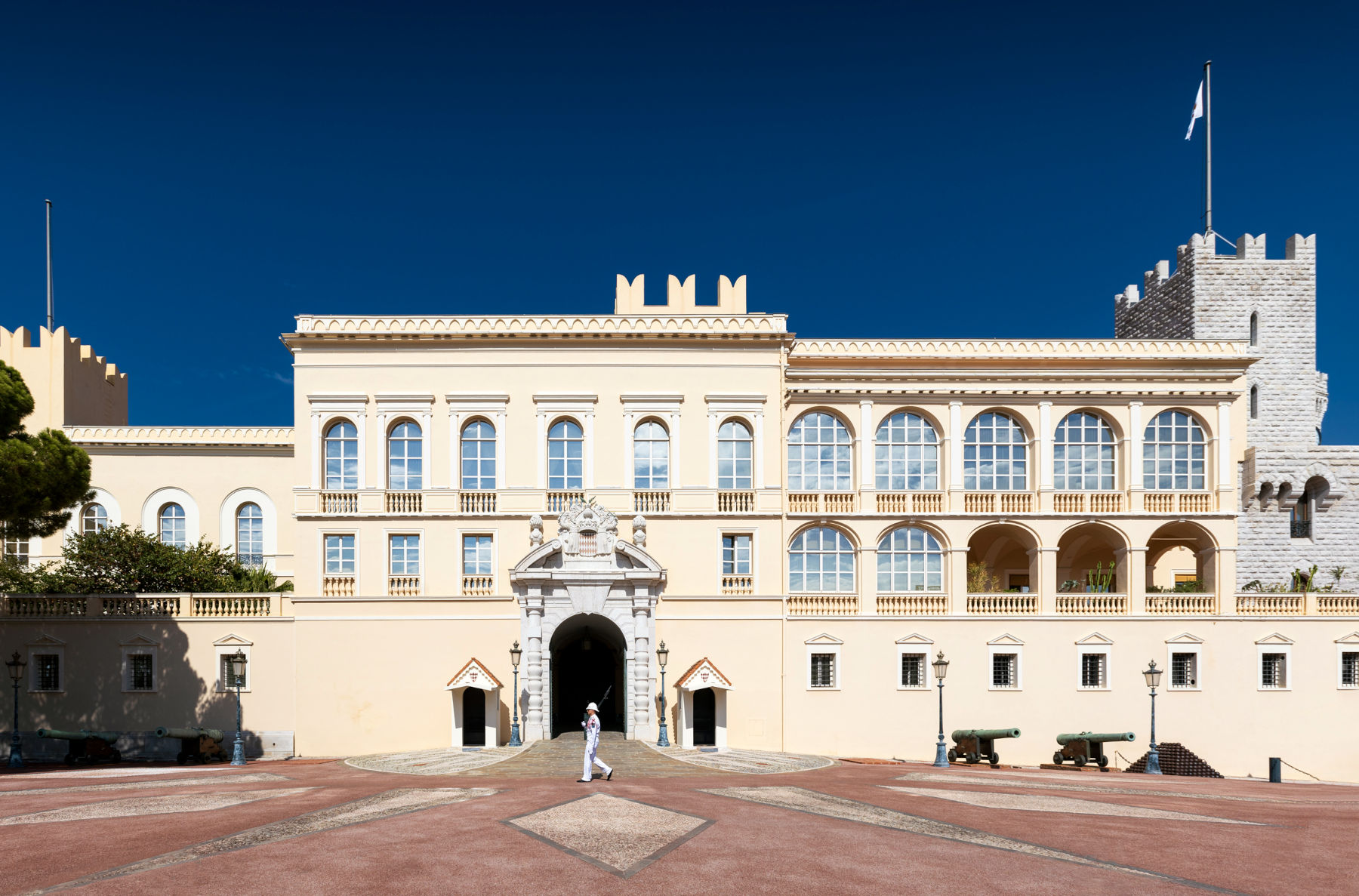
Prominent in the square is the Princes' Palace, erected in the 13th century on the remains of an ancient Genoese fortress, whose origins date back to 1215. The Palace, an emblem of Monaco's history, underwent significant modifications during the Renaissance and, starting in the 17th century, was transformed into a sumptuous residence worthy of the "Grand Siècle," marking an evolution in terms of architecture and refinement. This monument is not just a residence, but embodies the history, power and elegance of the House Grimaldi for more than seven centuries, representing a must-see for those visiting Monaco. Inside, the Italian Gallery and 16th-century frescoes reveal some of its splendor, although many of the valuable art collections amassed under the reign of Prince Honoré II were unfortunately lost during the French Revolution, a period when the building was looted and converted into a military hospital.
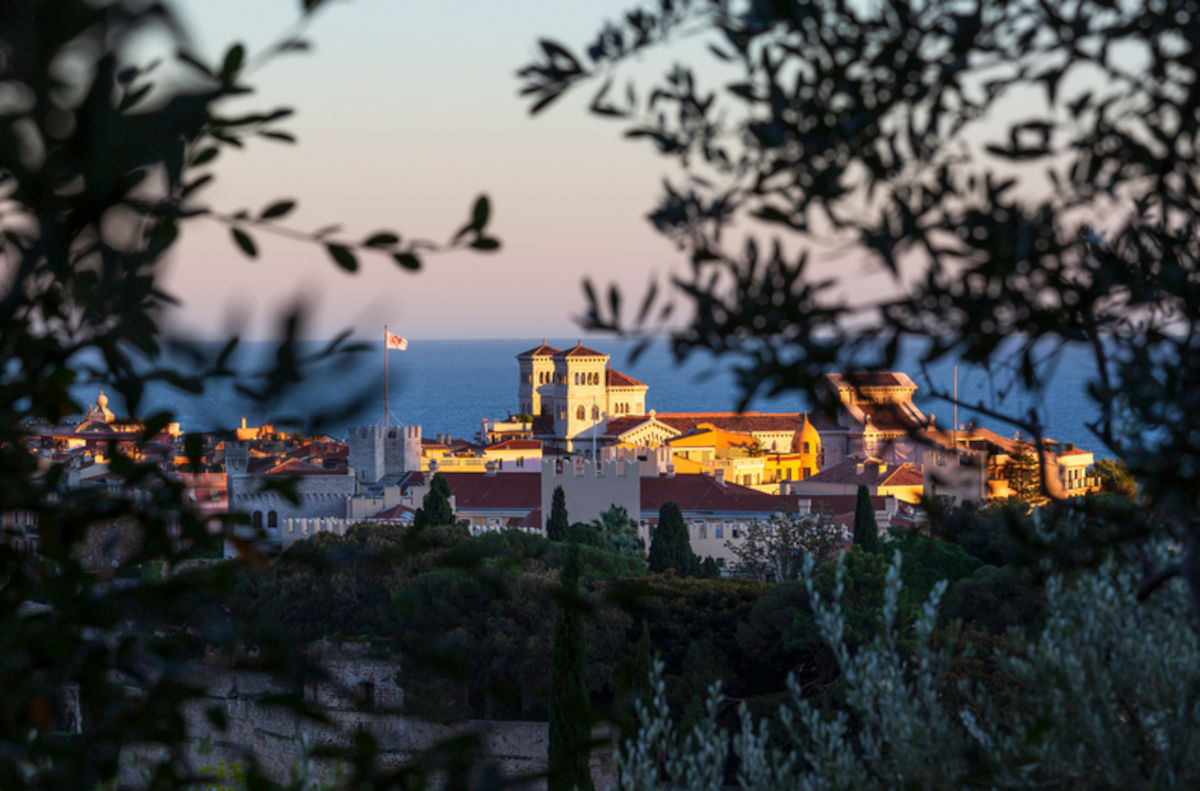
Although still inhabited by the current royal family, the Palace is the focus of continuous care and enhancement. An outstanding example of this commitment to heritage was the extensive restoration project that began in 2014. In that year, during maintenance work on the facade, traces of older decorations, painted directly onto the plaster, were identified under layers of paint. These unexpected discoveries brought to light precious historic frescoes, triggering a meticulous restoration campaign led by specialists. It was a titanic and eco-responsible project, covering nearly 600 square meters of decoration, considered one of the most important in Europe for the preservation of paintings, with the goal of passing on the princely legacy to future generations. Although the main work was scheduled to be completed in the summer of 2022, the restoration project is extensive and is expected to be completed unless further discoveries emerge in the last rooms.
The centerpiece of life on the Place du Palais is the daily ceremony of the Changing of the Guard, a solemn and rigorous military ritual that takes place punctually at 11:55 am. This ceremonial attracts numerous visitors every day. The Prince's Carabiniers, established on December 8, 1817, have the primary task of guarding the Palace and ensuring the safety of the Sovereign Prince and the Prince's Family, as well as helping to maintain law and order and enforce the law. Coordination in this ritual is crucial, and they operate under the motto of "Honor, Loyalty, Devotion."
The area around the Rock is not only home to the princely residence, but also the political and administrative heart. Continuing to Place de la Visitation, one finds oneself surrounded by important political institutions, including the Ministry of State, the Conseil National, and the City Hall. To explore the more intimate heart of the Rock, one can walk the picturesque cobblestone streets, enlivened by numerous souvenir stores and restaurants. Also along these paths is the Princess Grace Irish Library, a tribute to Princess Grace's Irish origins, which holds works by Irish authors and books from her personal collection.
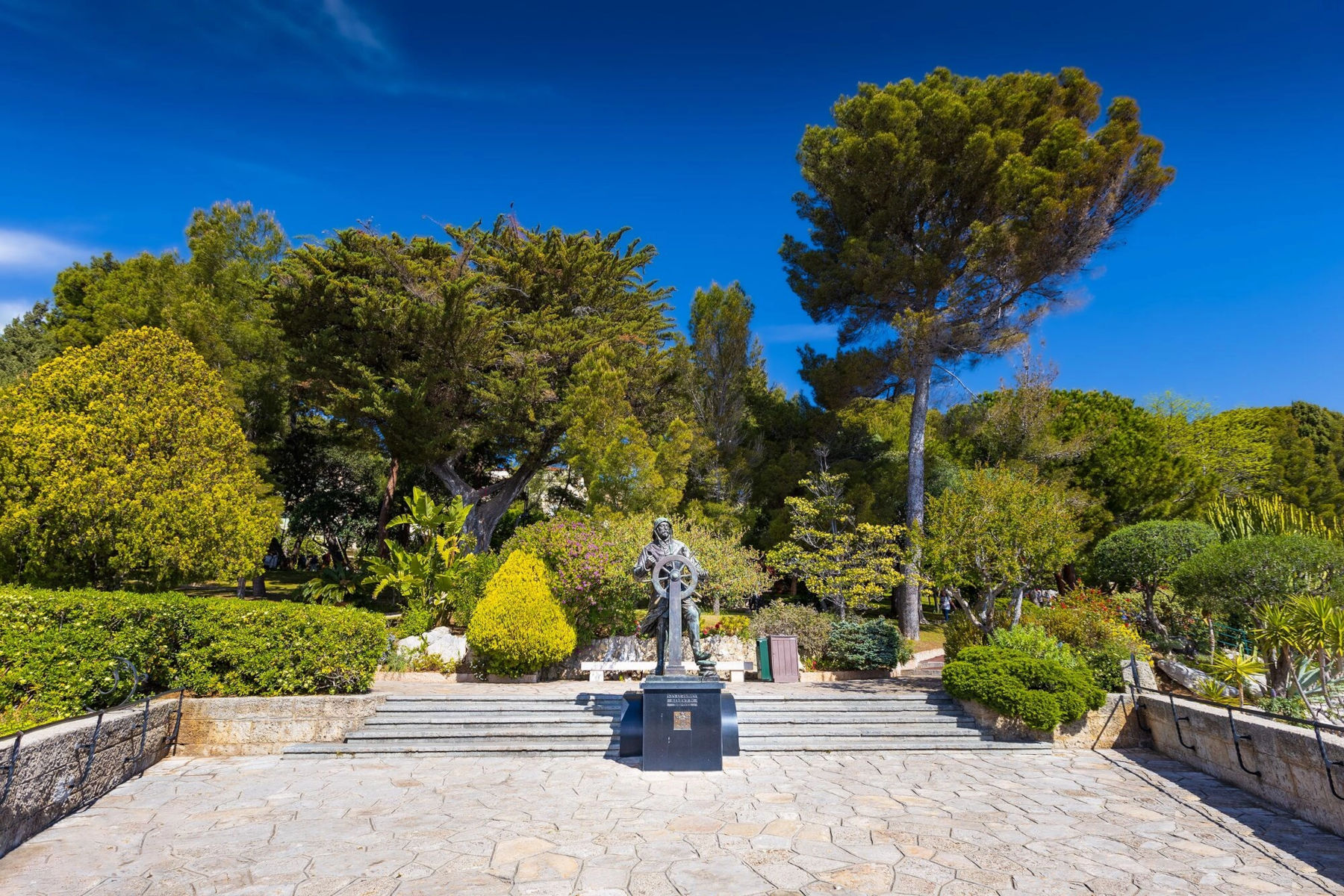
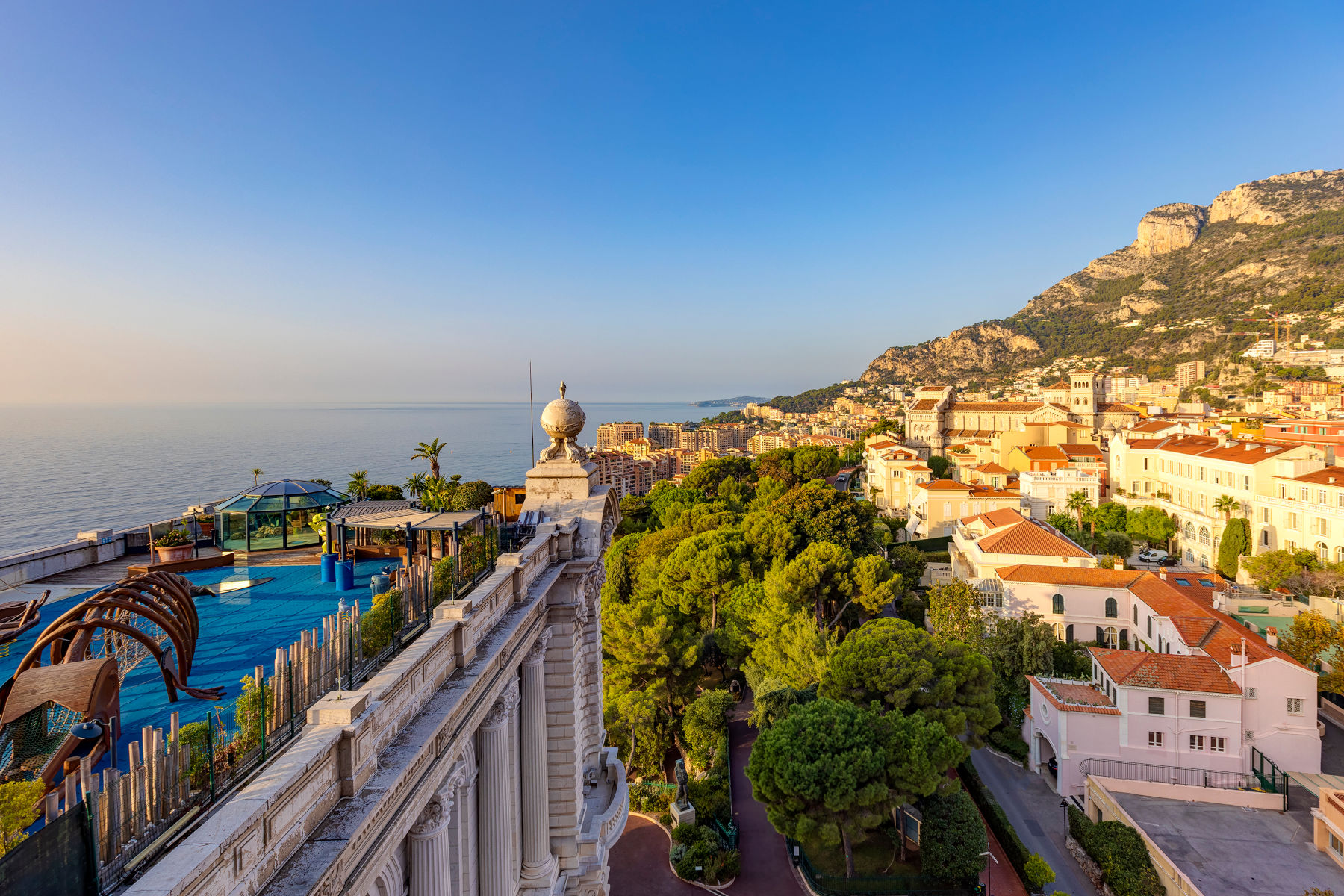
From the Place du Palais, there is an exceptional panoramic view of the Fontvieille district, framed by ancient cannons. Continuing along the path, you come to St. Martin's Gardens, Monaco's first public garden, created around 1830 during the reign of Prince Honoré V. Located between the Cathedral and the Oceanographic Museum and open to the public free of charge, they offer an oasis of tranquility in the heart of the Principality. Originally built in 1816 to provide employment for inhabitants during a period of famine, they initially housed typical Mediterranean flora, such as pine and holm oaks, enriching themselves over time with exotic species. Meandering paths follow the curves of the Rock, providing spectacular views of the sea and Fontvieille, as well as ideal spaces for contemplation. Prominent among the lush vegetation is the bronze statue of Prince Albert I, known as the "Prince Navigator."
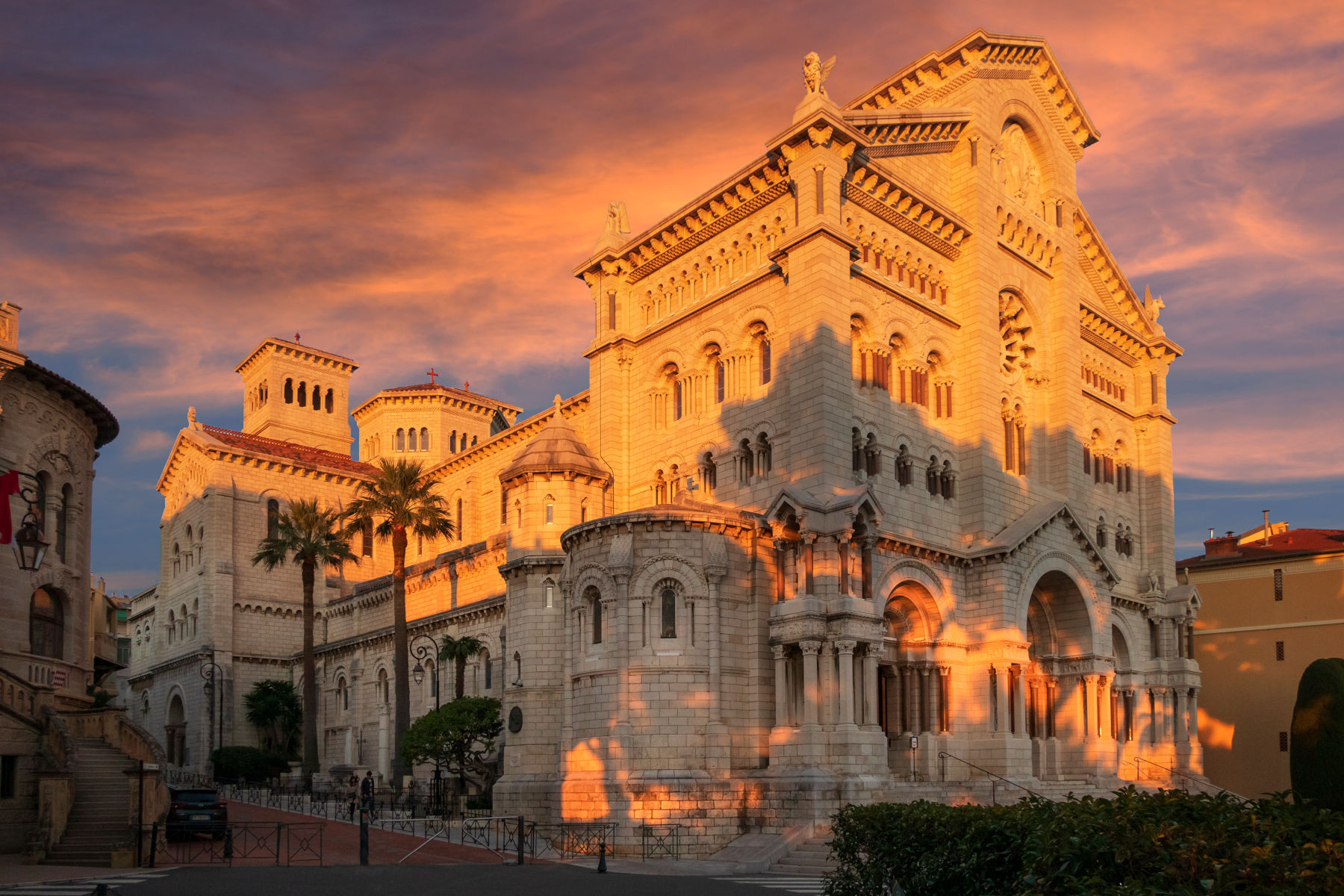
In the immediate vicinity of the Saint Martin Gardens stands the imposing Cathedral of Monaco, the Cathédrale de Notre-Dame-Immaculée. This structure is striking for its neo-Romanesque style and is deeply linked to the religious history of the Principality. Built of white stone from La Turbie starting in 1875 on the site of the previous church of Saint Nicolas, demolished in 1868, the cathedral was officially consecrated in 1911. It is here that successive princes of Monaco rest in peace, including Prince Rainier III and Grace Kelly.
The interior boasts a remarkable architectural harmony, where a white Carrara marble high altar, an episcopal throne, and a 16th-century altarpiece by the Nice Renaissance painter Ludovico Brea, a precious testimony to the Mediterranean artistic heritage, stand out. One of its special features is the great monumental organ, completely reconstructed in 2011, which has nearly 7,000 pipes and is considered both a musical and architectural masterpiece, unique in Europe. Munich Cathedral is not only a historical monument, but a lively place of worship where pontifical offices are celebrated during major liturgical feasts. On November 19, on the national holiday, the mass of thanksgiving for the prince and princely family (Te Deum) is celebrated in the Cathedral. It is also the place where, after a civil ceremony on April 18, 1956, Grace Kelly, former model, and Prince Rainier III of Monaco were united in marriage the following day. Instead, celebrations for St. Devote, the patron saint of the Principality, take place in the church dedicated to her, located in the Port Hercule - Vallon des Gaumattes neighborhood, during the Monegasque public holiday on January 27. In addition, Sunday mass, from September to June, is sung by the Petits Chanteurs de Monaco and the Cathedral choir, perpetuating a vocal tradition of excellence.
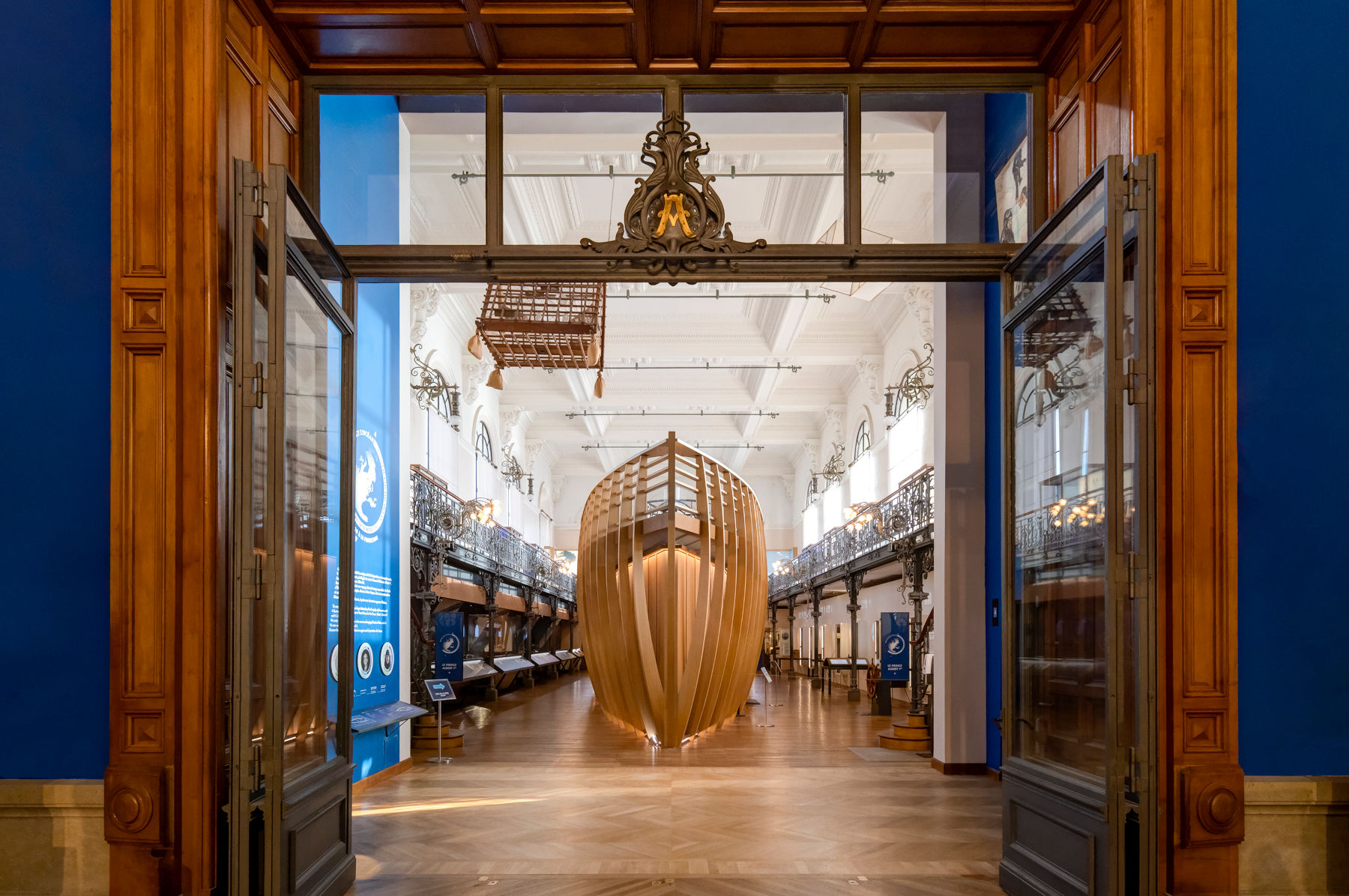
Continuing along the Saint Martin Gardens, one encounters the Oceanographic Museum, one of the architectural wonders of the Principality, also known as the "Temple of the Sea." Built in 1910 under the patronage of Prince Albert I, this institute was directed for many years by the famous Captain Cousteau. The rich permanent exhibition space includes a shark lagoon, a sea turtle section and thematic aquariums housing Mediterranean marine species and tropical fish. Not to be missed is the "Immersion" room, which periodically renews its programming with spectacular audiovisual shows projected on 650 square meters of screens. These immersive exhibits offer visitors the opportunity to literally immerse themselves in various ecosystems, whether it was the Arctic, the Great Barrier Reef or the Mediterranean 2050, still on display.
Descending from the Rock toward Port Hercule, one can admire the Peace Frame, created by Fred Nall Hollis (aka Nall), a photographic emblem of Monaco, which offers one of the resort's vantage points. This imposing structure cleverly frames Port Hercule and its luxury yachts, creating a striking visual effect that attracts influencers and photographers. Even further down, one encounters Le Fort Antoine, an 18th-century fortress that offers another splendid view and, depending on programming, hosts the Festival du Fort Antoine every summer, with shows and plays. Monaco-Ville, with its mixture of dynastic history, art, ancient buildings and marine wonders, perfectly embodies the spirit of the Principality, keeping centuries-old traditions alive while promoting the preservation of its priceless heritage.