By Redazione | 09/01/2026 18:38
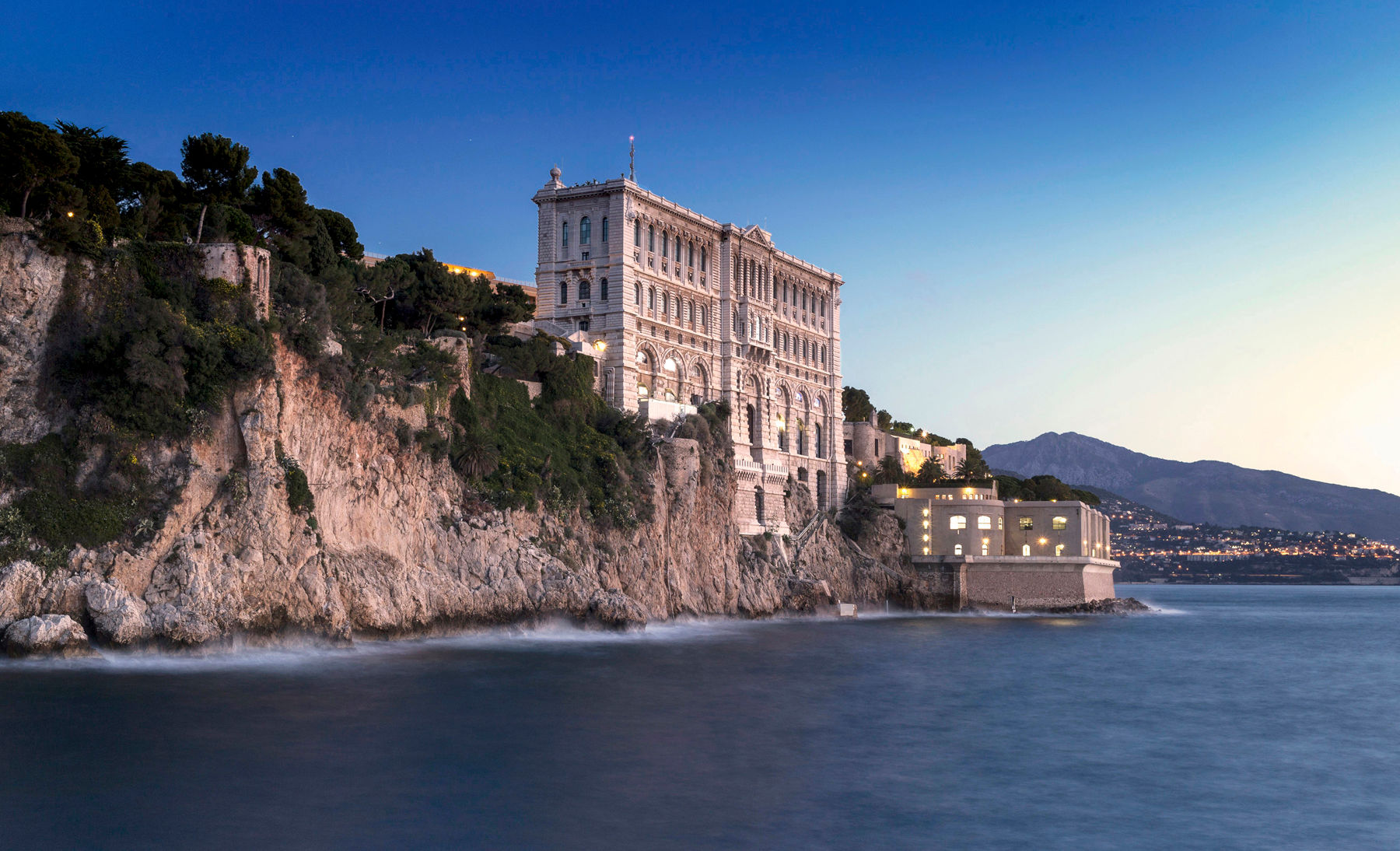
The Monaco Oceanographic Museum represents one of the most prestigious and oldest institutions dedicated to the underwater world, and in addition to being one of the most visited sites in the Principality of Monaco, often the reason for travel, it also serves as a bridge between scientific research and general public awareness. This imposing structure, which overlooks the sea from atop the cliffs of the Rock of Monaco-Ville, was conceived with the primary goal of fostering understanding and respect for the oceans, a commitment that has continued uninterrupted for more than a century. The building itself is an architectural masterpiece in the neo-Baroque style, the construction of which took eleven years before its official opening on March 29, 1910.
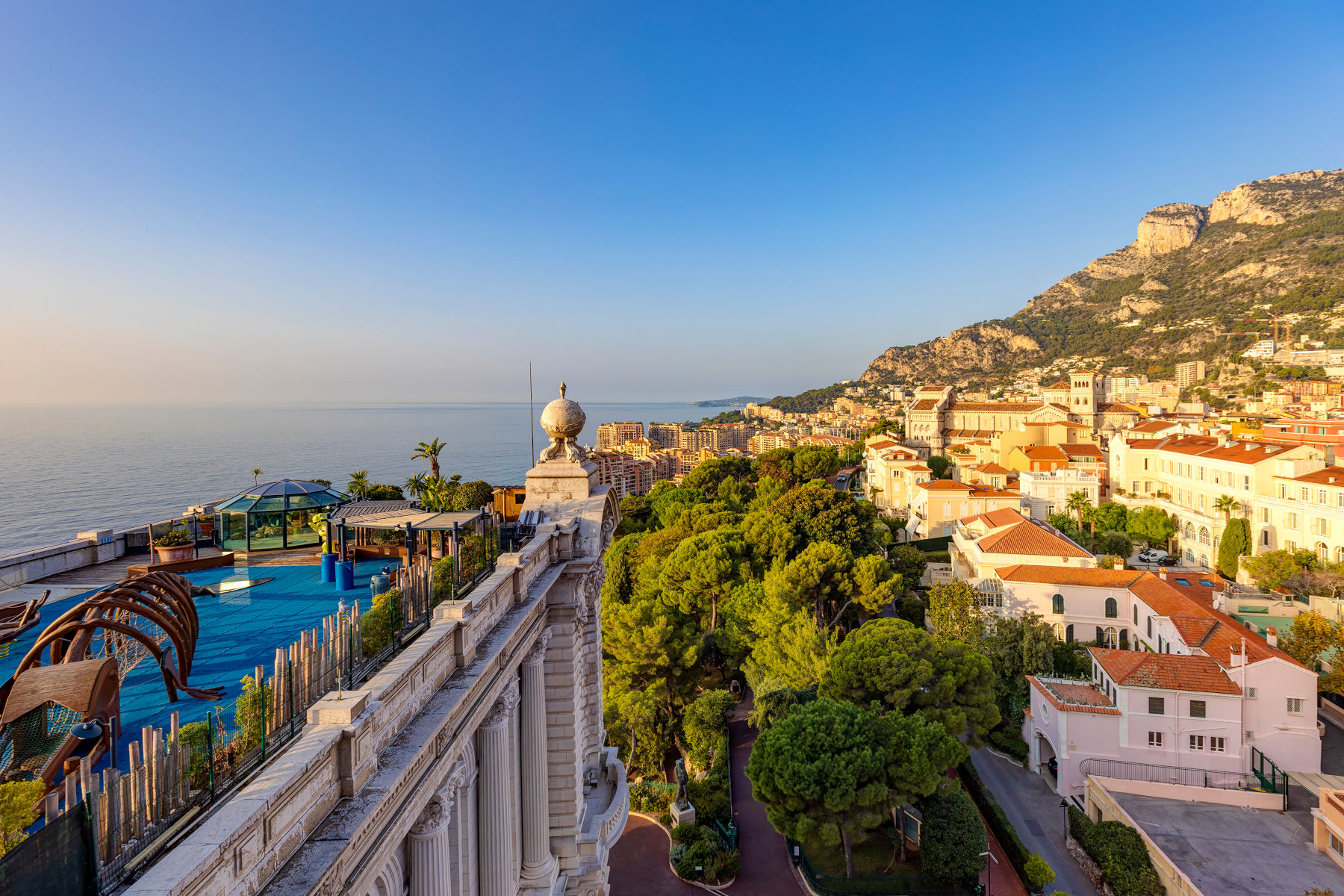
Designed by architect Paul Delefortrie (Tourcoing, 1843 - Amiens, 1910), the museum covers some 6,000 square meters and is built on the side of an 85-meter-high cliff, with an impressive view of the coastline below. Precious materials such as white stone from La Turbie and limestone from Brescia were used in its construction, used for the monumental columns and the imposing exterior facade.
The birth of this "temple of the sea" is totally linked to the figure of Prince Albert I (Paris, 1848 - 1922), known as the "navigator prince," who turned his passion for oceanography into a life mission after leading twenty-eight scientific expeditions between 1884 and 1915. The idea of creating a permanent marine biology laboratory and exhibition space matured in the ruler following the success of the presentation of his scientific collections at the 1889 Paris World's Fair. Today the museum is not only an exhibition space, but is managed by theOceanographic Institute, a foundation that also coordinates the Maison de l'Océan in Paris and actively collaborates with the Fondation Prince Albert II de Monaco, established in 2006 to continue the environmental protection work begun by its predecessors.
The visitor experience begins at the famous aquariums, which house a vast collection consisting of some 6,000 specimens belonging to 350 different species of fish and invertebrates. One of the most appealing features is undoubtedly the shark lagoon, a monumental tank six meters deep and protected by thirty-centimeter-thick glass designed to withstand water pressure without distorting the vision of the creatures swimming in it. In this space, visitors can take a close look at different species of marine predators and understand their vital role in maintaining the biological balance. Alongside large predators, the museum devotes large sections to tropical ecosystems, where coral reefs take center stage with their vibrant colors and symbiosis among countless small organisms.
The institution also pays special attention to the endemic species of the Mediterranean, revealing curiosities about creatures such as the octopus, a master of camouflage, or the nacchera and brown grouper, which are among the protected species housed in the tanks. An area dedicated to the turtle odyssey offers an outdoor space where you can follow the path of these ancient reptiles and learn more about the challenges associated with their survival in an increasingly fragile environment. A refuge for endangered species, the Turtle Care Center, which opened in 2019, is a symbol of the Oceanographic Institute's missions. Located as an extension of the museum on the edge of the Saint-Martin gardens, it houses mainly injured turtles, but can also host projects dedicated to biodiversity protection, such as initiatives on seahorses or the great mother-of-pearl.
The museum's philosophy is geared toward a conservation ethic that prioritizes in-house breeding of animals to limit take from the wild; in fact, many of the specimens on view, such as clownfish and seahorses, were born directly in the institute's nursery. This commitment to biodiversity also extends to international conservation programs, such as one aimed at the Apogon of the Banggaï Islands, an Indonesian fish threatened by overfishing.
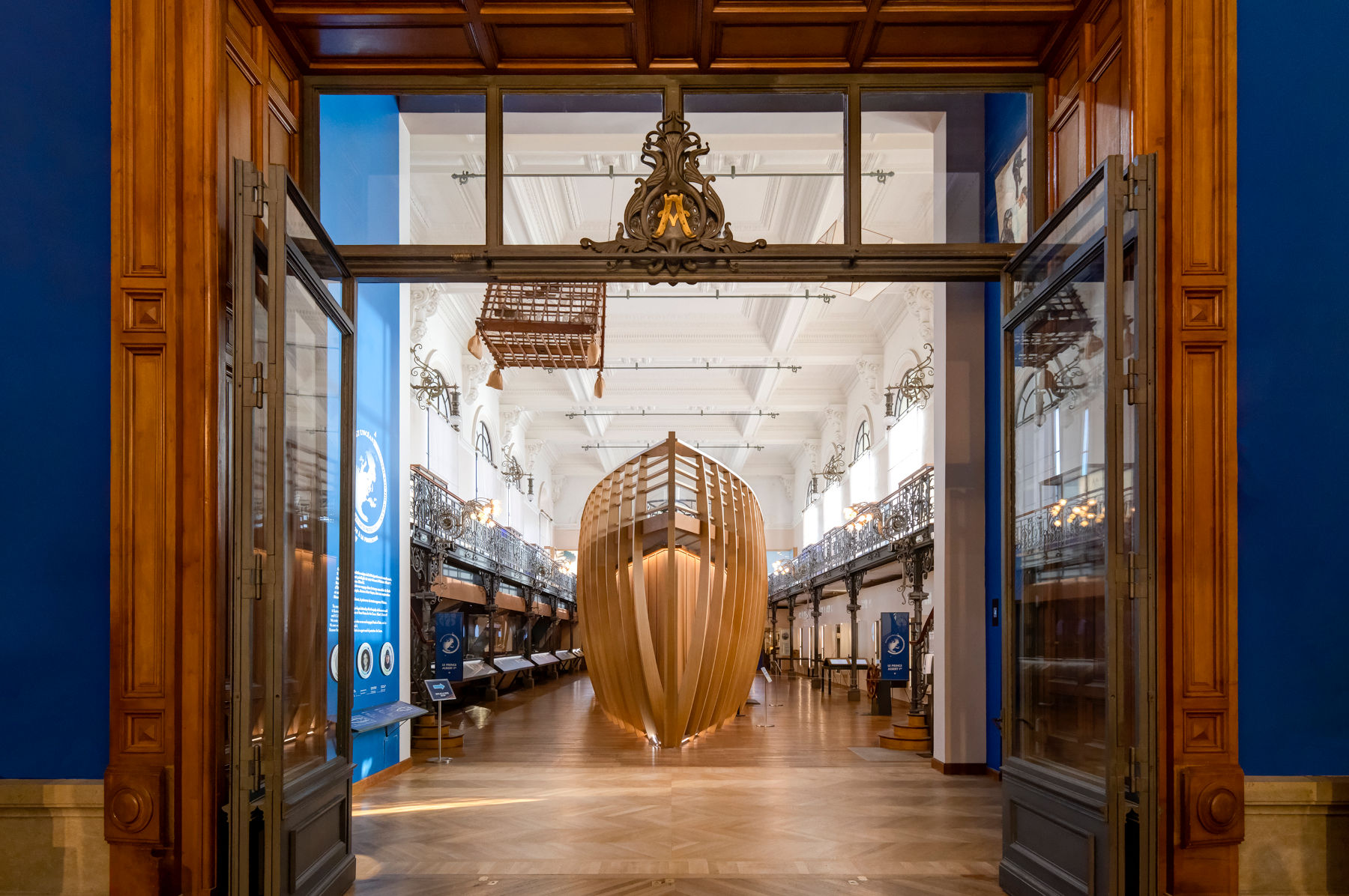
In addition to spaces dedicated to wildlife, the Oceanographic Museum holds an invaluable wealth of historical artifacts and scientific instruments, many of which are original prototypes used during Prince Albert I's early campaigns. His original working laboratory is presented, flanked by holograms that reconstruct his figure and illustrate his discoveries and expeditions. In the upper section of the exhibition, an area is dedicated to Prince Albert II, focusing on ocean protection and his scientific missions. The area called "Monaco and the Ocean" allows the public to identify with the explorers of the past, tracing the Monegasque rulers' efforts through archival documents and a set design that includes a stylized 27-meter-long ship. Visitors can board Prince Rainier III's yacht, Deo Juvante II ("With God's help," the motto of the Principality of Monaco). Accompanied by the voice of H.S.H. Princess Stéphanie, they pass through four intimate and exploratory spaces that reveal the different facets of the Prince and his passion for the Big Blue.
One of the most original rooms is "Oceanomania," a true collection of curiosities created by artist Mark Dion, where skeletons, fossils, models of historic hulls and hulls, all from the museum's reserves, coexist in an atmosphere reminiscent of ancient libraries and man's fascination with the marine unknown.Technological advances have enabled the museum to integrate interactive and digital experiences that propel visitors into the future of conservation: the Monaco Oceanographic Museum, it can be argued, is one of the most technological museums in Europe. The space has a single immersive room, currently dedicated to the Mediterranean 2050 exhibition, which features a submarine dive in the Pelagos area. Previously, the Polar Mission exhibit took visitors through the ice shelf, closing its doors on January 5, 2025. In 2020, the Immersion exhibit would instead transport them into the heart of Australia's Great Barrier Reef. Those who want an even more technological approach, the ImmerSEAve VR animation allows them to virtually immerse themselves in marine protected areas using state-of-the-art virtual reality viewers.
Theeducational aspect is central to every activity offered, with a focus on families and younger visitors. During weekends and school vacations, the museum holds educational sessions that allow visitors to interact with local wildlife through a touch tank, where they can touch species such as crabs, starfish, and sea cucumbers under the guidance of experts. There are also playful activities such as an ocean-themed escape game, which encourages brainstorming and puzzle solving related to the secrets of the sea. To complete the experience, the building's rooftop terrace offers not only a relaxation area with a restaurant, but also a whale-shaped children's play area.An unparalleled panoramic view of the Principality of Monaco and the surrounding coastline offers an overhead perspective on the natural element to which the institution is entirely dedicated. From the terrace, three countries can be seen at a glance from east to west: Italy as far as San Remo, Monaco and France.
The link between the museum and science has also been strengthened over the years by such international figures as Commander Jacques-Yves Cousteau, who headed the institution from 1957 to 1988, promoting an ambitious maritime policy and bringing the cause of marine species protection to global attention. This wealth of knowledge is now accessible to more than 600,000 visitors each year, confirming the museum's role as a global reference point for oceanography. The facility has also been made fully accessible and follows environmentally sustainable standards, reflecting in fact the values of respect for the environment that it promotes through its exhibits. Visiting here means not only admiring the beauty of aquatic creatures, such as the massive 2.8-ton whale skeleton suspended in the immersive hall and probably the most famous attraction in the entire museum, but also understanding the evolution of human inventiveness in the study of the deep.
The Monaco Oceanographic Museum can be said to act as a great historical memory that, starting with the discoveries of the 19th century, seeks to interpret and protect the challenges of the 21st. Through contemporary art, photography, and temporary exhibitions featuring the likes of Damien Hirst or Marc Quinn, the museum continues to renew its language to speak to different generations. The goal remains to transform each guest into a conscious explorer of the sea, able to recognize the importance of this ecosystem for the survival of the entire planet.