By Redazione | 28/03/2026 16:35
A Liguria that goes beyond the summer postcard and finds its strength in the continuity of the seasons. The town of Finale Ligure belongs to this dimension: a destination that is not exhausted in beach tourism but builds its identity on a complex system made of landscape, history, sports and widespread culture. A territory that allows itself to be traversed rather than consumed, where slow time becomes the key to interpretation and not mere suggestion.
Overlooking the Riviera di Ponente, in the province of Savona, between the promontories of Caprazoppa and Capo Noli, Finale Ligure stretches over an area that goes beyond the municipal boundaries and involves a wider area, the so-called Finalese. Here the sea is never separated from the hinterland, but it constantly dialogues with reliefs, plateaus and valleys, generating a layered landscape that tells an ancient history, made up of human presences dating back to the Paleolithic period.
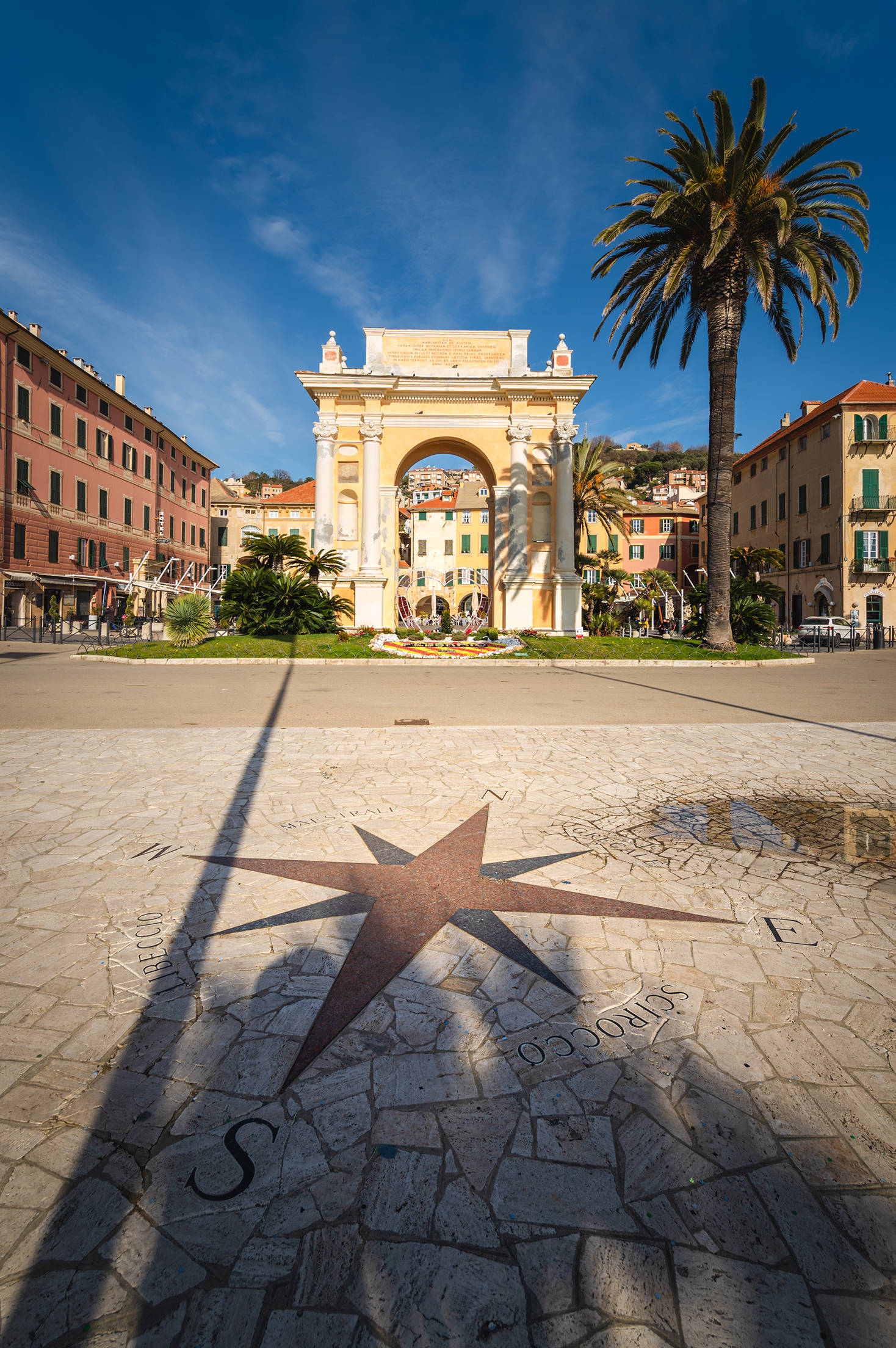
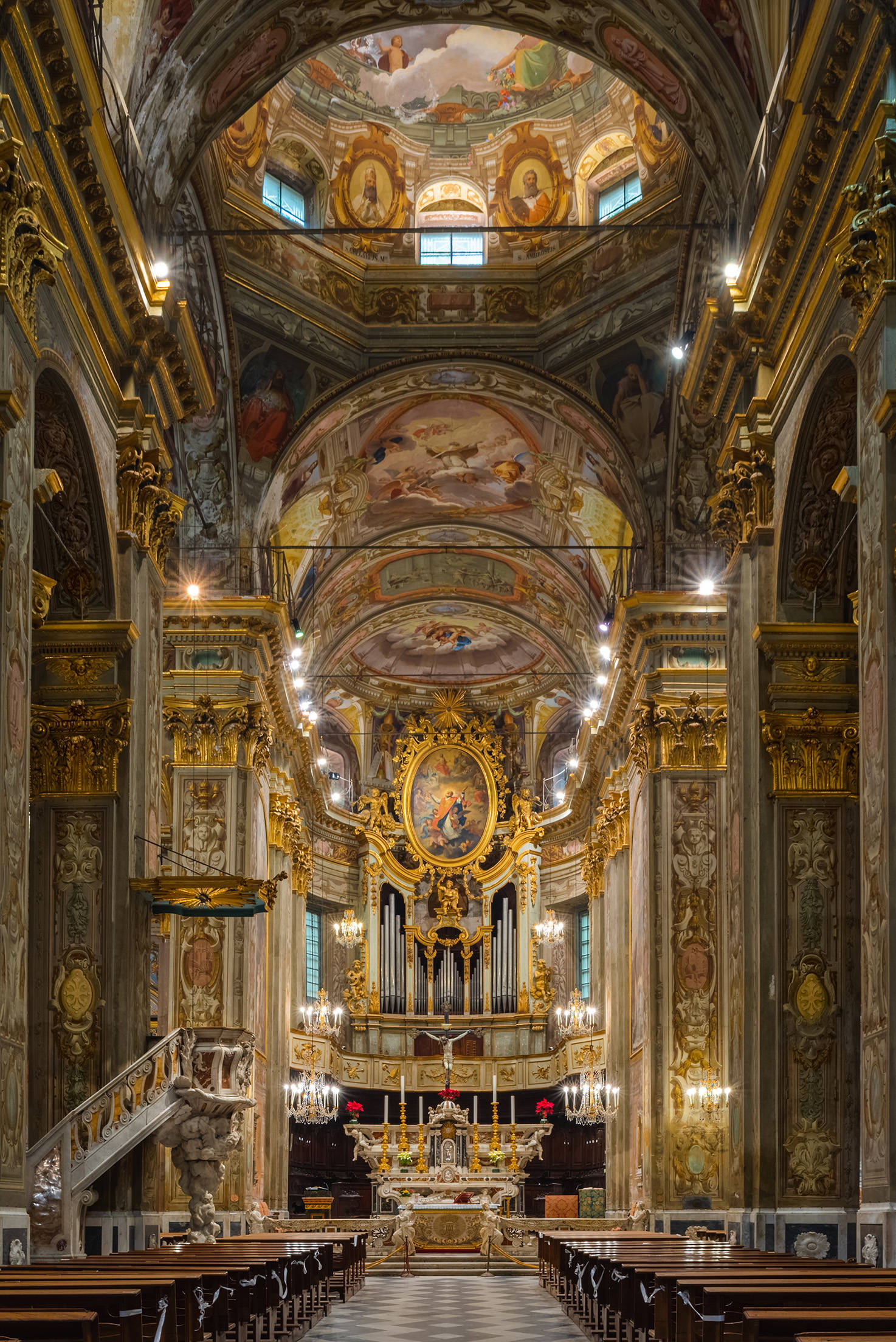
The territory is structured around four main villages, each with its own identity. The first impact, for those arriving, is with Finalmarina, the most immediate and recognizable face, representing the liveliest and most touristic heart, with its historic center built around the Basilica of San Giovanni. Here, elegant shopping streets, restaurants and historic cafes intertwine, while village life extends to the sea, involving Piazza Vittorio Emanuele II, the Arco Margherita di Spagna and the Migliorini promenade. From above, the Castelfranco Fortress dominates the landscape, offering sweeping views of the coastline.
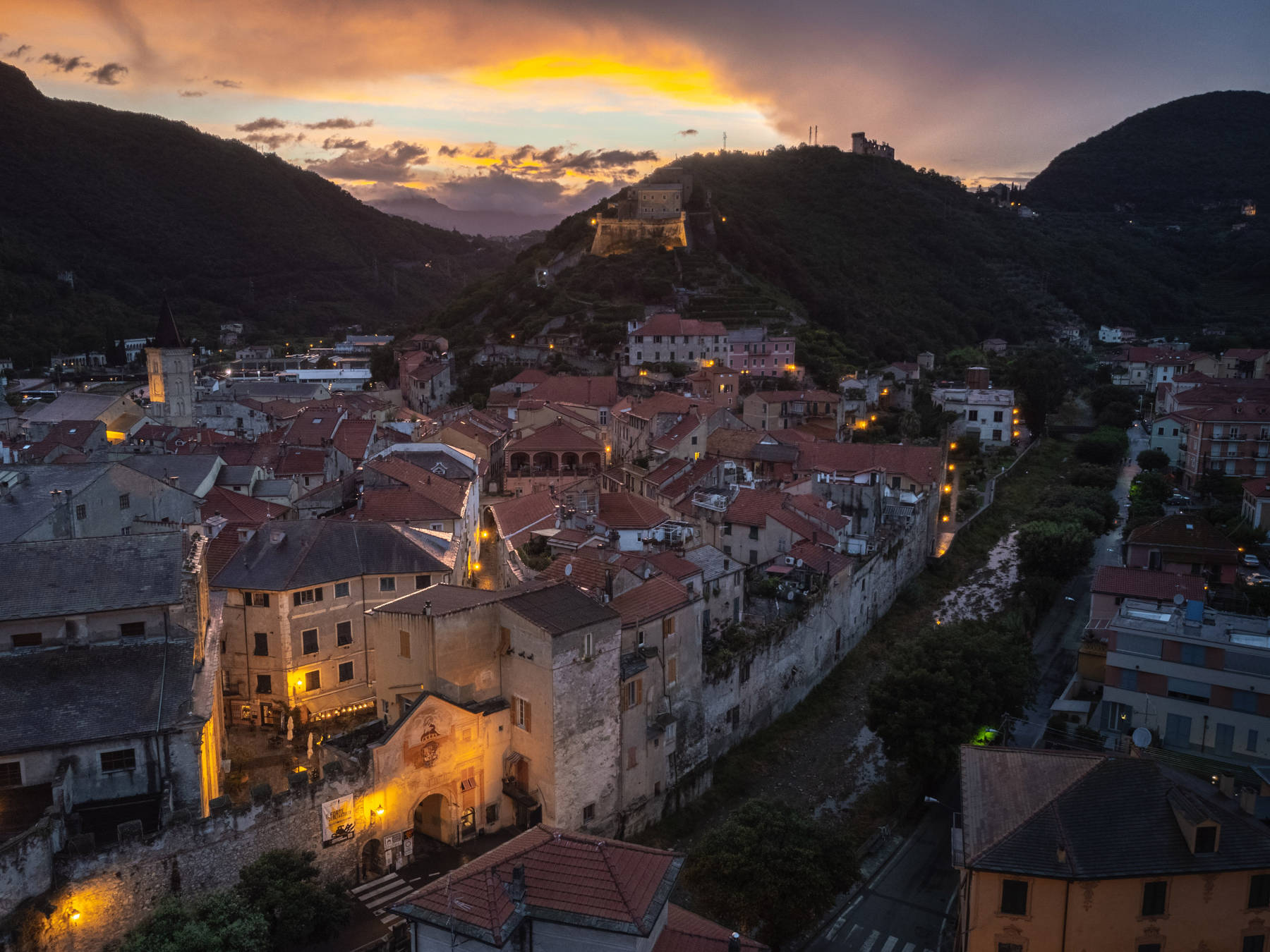
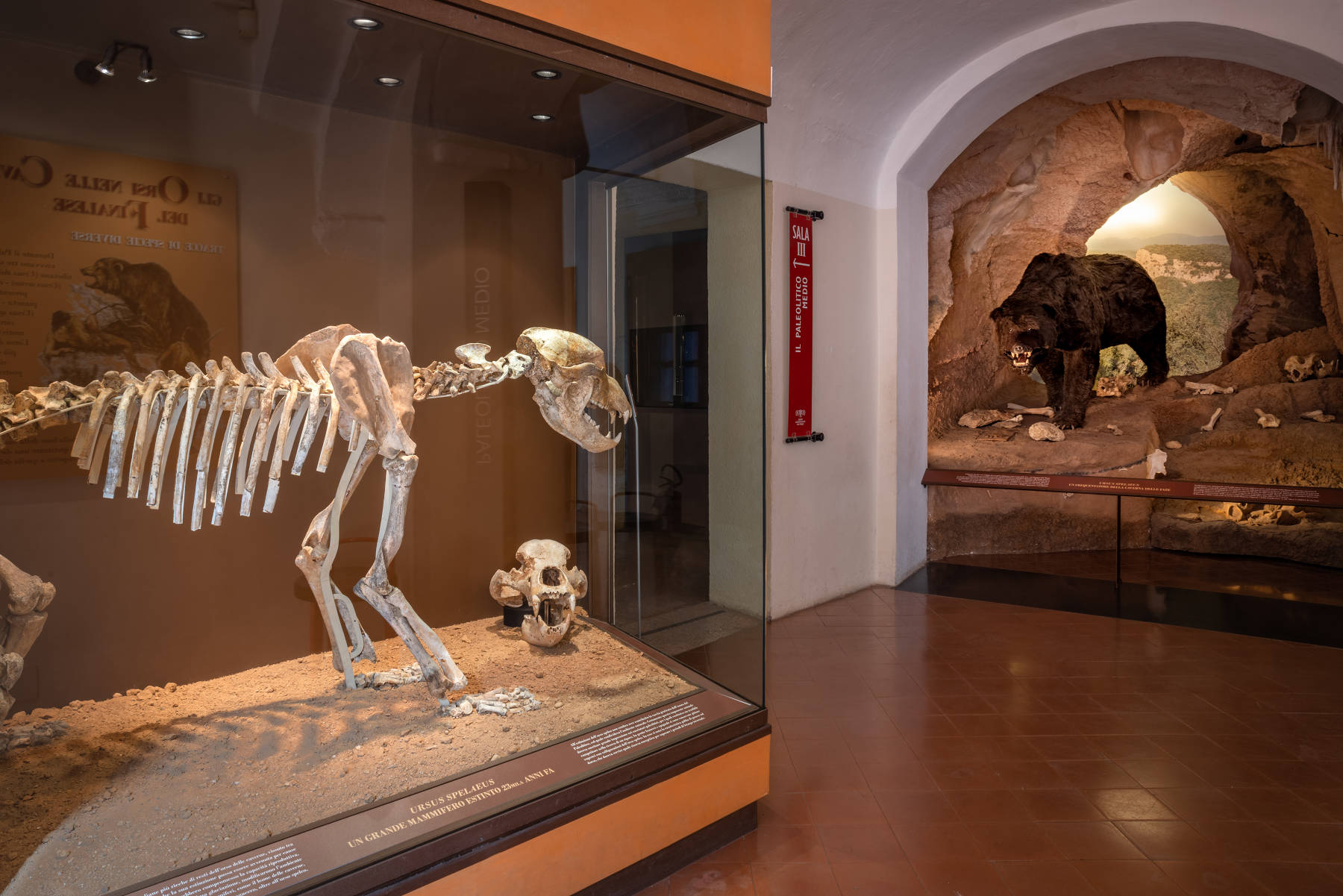
It is by moving a few minutes that a different historical depth emerges: in fact, a short distance away is Finalborgo, included in the circuit of the Most Beautiful Villages in Italy. The ancient capital of the Del Carretto Marquisate, it preserves a medieval structure enclosed between Porta Testa and Porta Reale. Here history is not relegated to monuments but is intertwined with daily life, and today the village is a point of reference both for outdoor enthusiasts (the village is one of the points of reference for hikers and bikers) and for those seeking a living cultural context. Prominent among its architecture are the monumental complex of Santa Caterina, home to the Archaeological Museum of Finale, the Palazzo del Tribunale, and the Basilica of San Biagio. Its streets host artisan workshops, clubs and specialty stores, maintaining a balance between history and contemporaneity.
Finalpia introduces another nuance, more collected but no less significant. This village develops around the Benedictine Abbey of Santa Maria, the central element of a village that combines spirituality and seaside vocation. Beaches coexist with rural landscape elements, marked by the Sciusa stream and a network of paths leading inland to Calvisio and the Manie Plateau. It is a threshold between two worlds, where the pace changes and the landscape becomes progressively quieter.
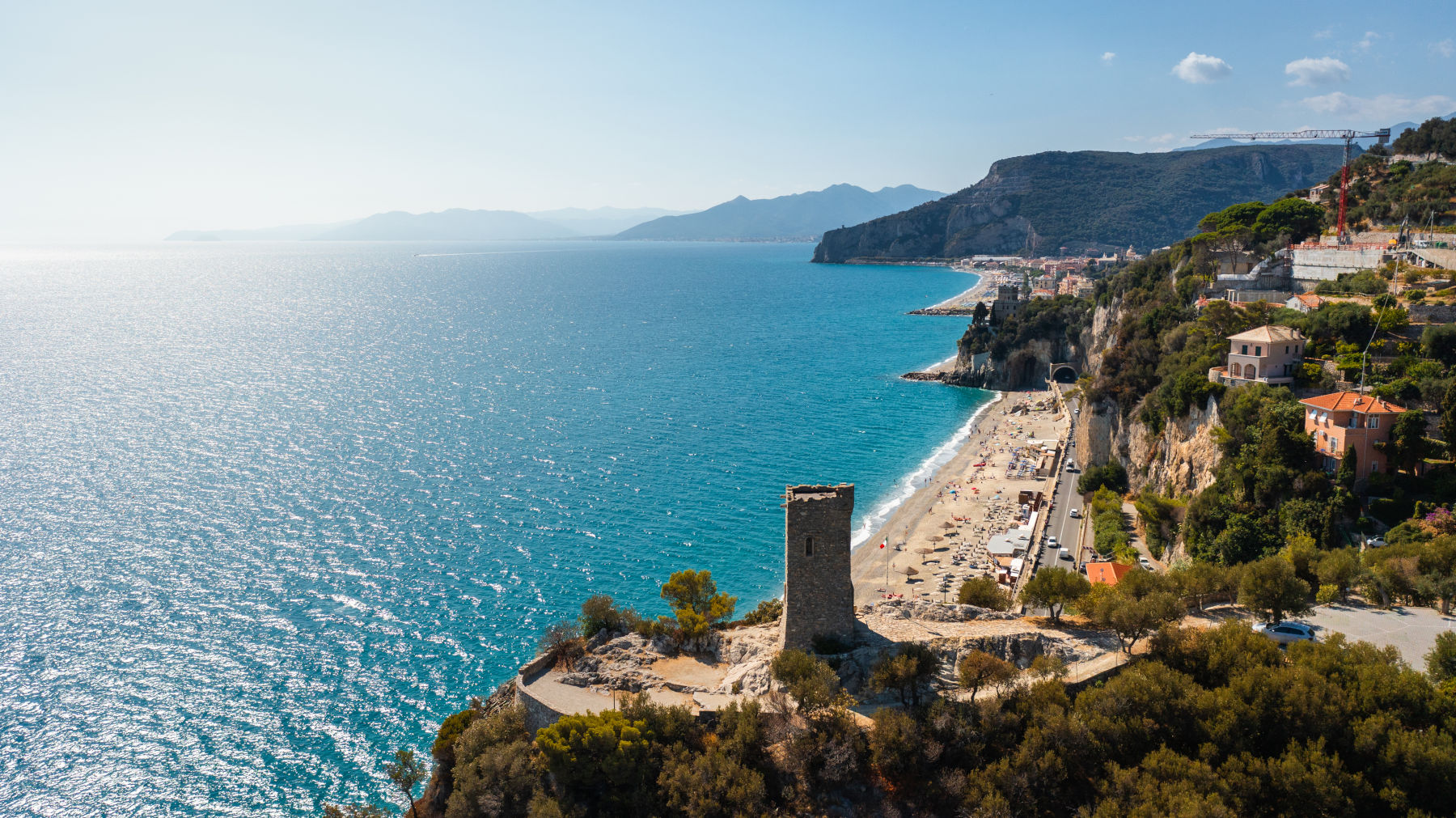
Finally, Varigotti, represents perhaps the most recognizable soul of the Finale but also the most complex. The colorful houses facing directly onto the beach tell a story of Mediterranean influences that hark back to the Saracen presence. However, it is behind the village that a lesser-known dimension opens up. The Varigotti Promontory, recently affected by a sustainable environmental restoration, returns a landscape where nature, archaeology and biodiversity coexist in balance. Routes such as the Sentiero del Pellegrino (Pilgrim's Path) develop from here, connecting the coast to the hinterland and offering an unprecedented reading of the territory, as far as the Bay of Saracens and beyond, toward Noli.
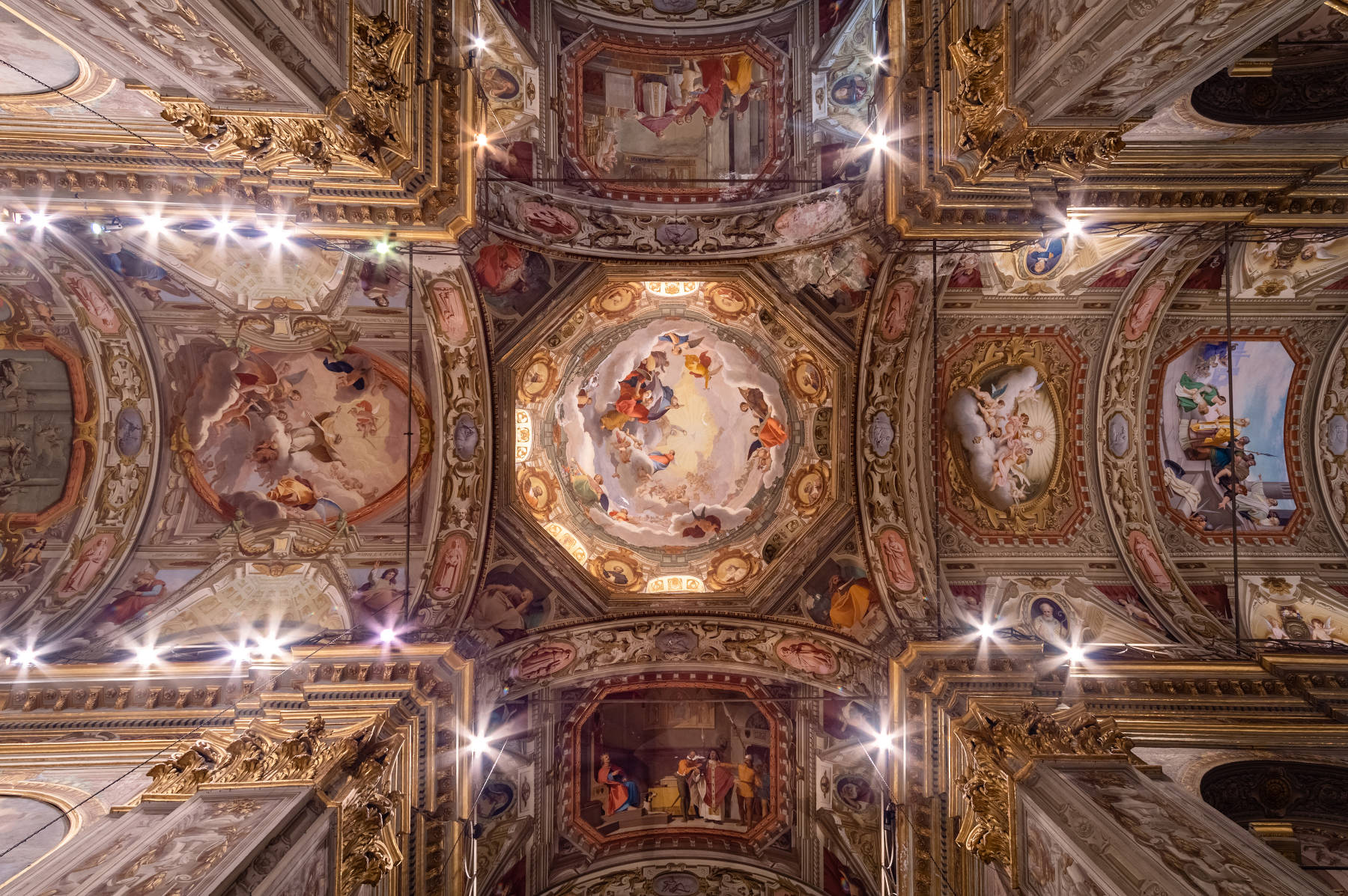
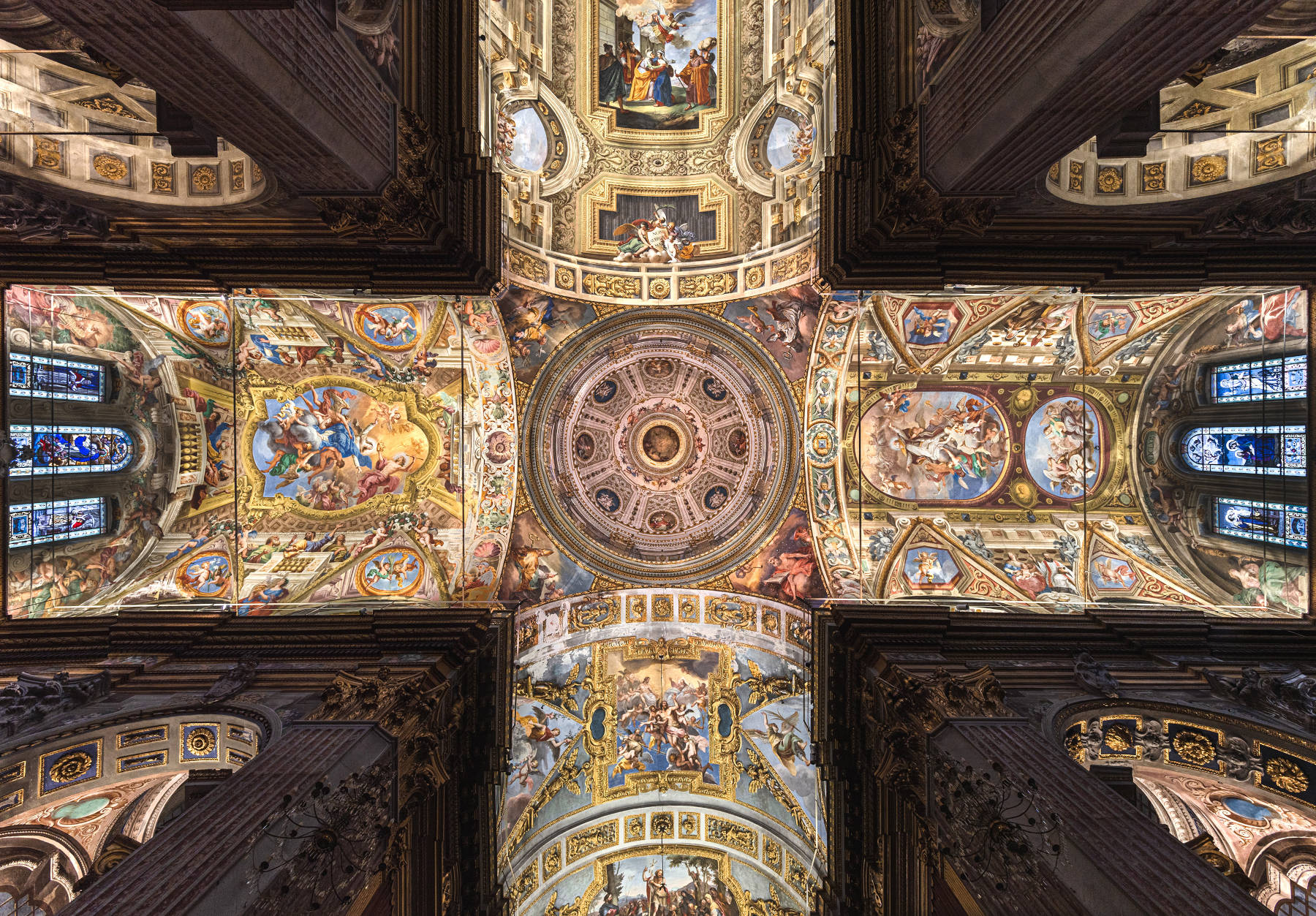
One of the distinctive elements of the area is the museum system, developed through the collaboration between the Finale Archaeological Museum and the Museo Diffuso del Finale (MUDIF). The MUDIF is configured as a network that connects archaeological sites, routes and places of interest, transforming the entire territory into an open-air museum. The goal is to enhance and make accessible assets that are often little known, encouraging a conscious and continuous fruition. This approach stems from the awareness that the heritage of the Finale area, although the subject of in-depth studies, has not always been enhanced in a systemic way. The idea is to build a narrative that holds together archaeology, architecture, nature and traditions, offering visitors tools to understand the complexity of the area and, at the same time, strengthen the local community's sense of belonging. In this context, the Oratorio de' Disciplinanti also hosts exhibitions and displays dedicated to contemporary visual arts, expanding the cultural offerings.
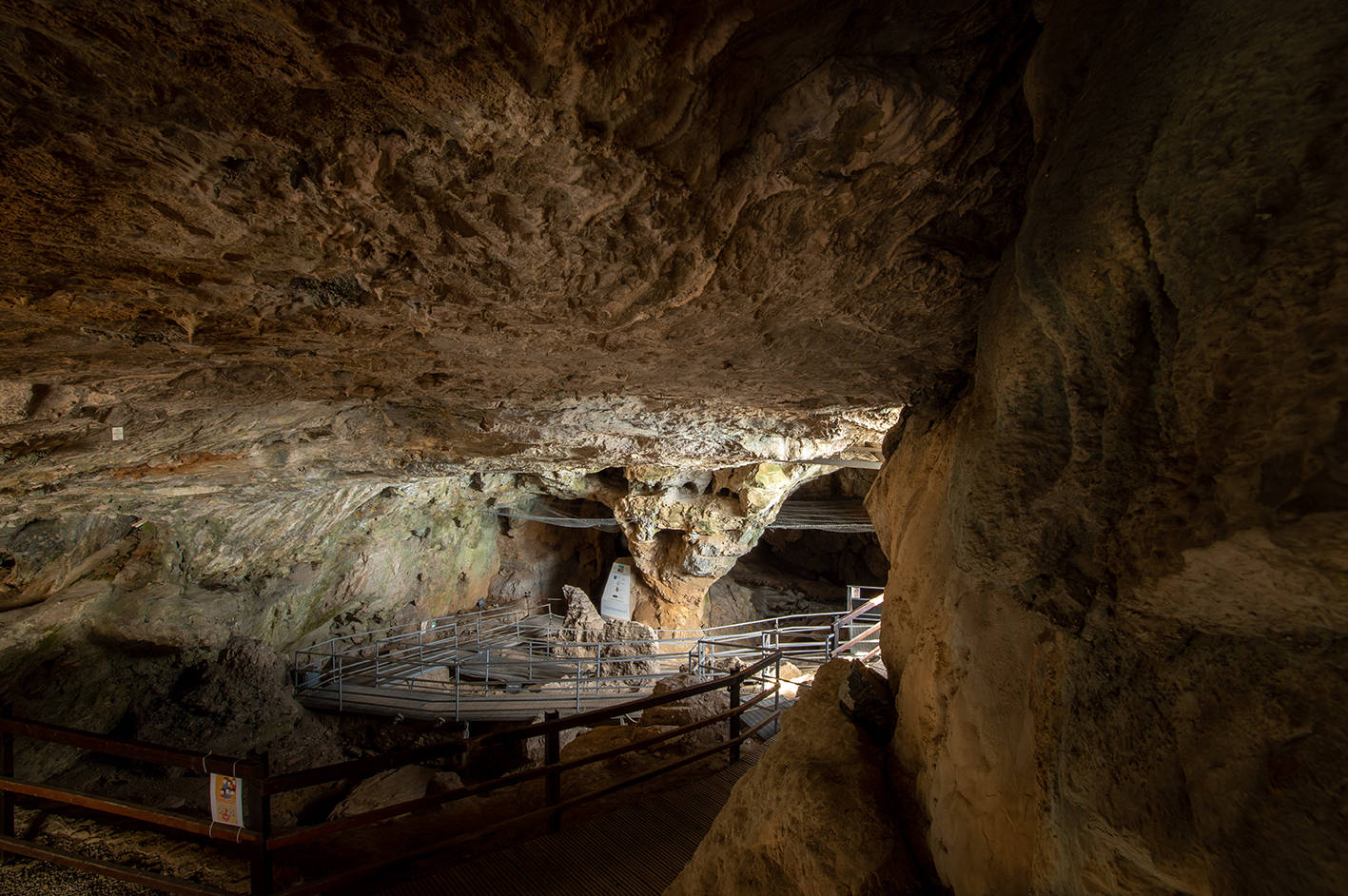
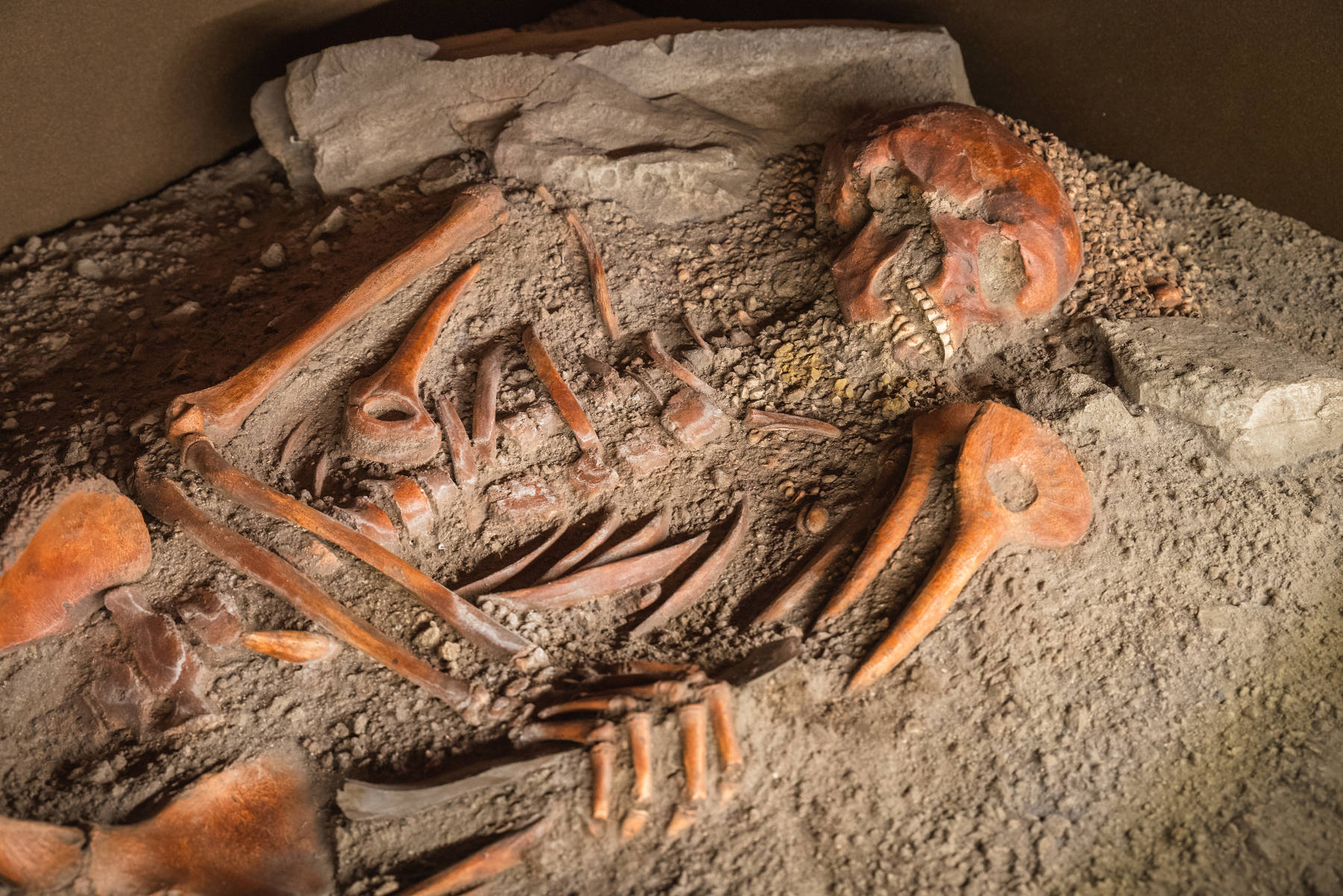
The archaeological value of the Finalese is internationally recognized. The Caverna delle Arene Candide represents one of the most important sites in Europe for the study of the Paleolithic, thanks to the discovery of the burial of the so-called "Young Prince." Other discoveries, such as those from the Fairy Cave, contribute to an articulated picture of human presence in the area. These are flanked by pre-Roman, Roman and Byzantine evidence, which tell of a rare continuity of settlement.
Alongside the prehistoric evidence is developed evidence spanning the Roman, medieval and modern eras. Remains of the Via Iulia Augusta, rock carvings, dolmens, castles and fortifications tell a complex story, also linked to the events of the Marquisate of Finale, dominated by the Del Carretto family and disputed over the centuries between Genoa, Spain and other European powers. The territory experienced phases of expansion and conflict, until it became part of the Kingdom of Sardinia after the Congress of Vienna and, later, of the Kingdom of Italy. The current urban structure derives from the 1927 merger of the three municipalities of Finalborgo, Finale Marina and Finale Pia. Today Finale Ligure has more than 10,000 inhabitants and is the main center of the Finale district, which also extends inland.
Parallel to the historical and cultural dimensions, Finale Ligure is establishing itself as one of the international capitals of the outdoors. The area offers hundreds of trails, climbing routes and mountain bike trails, set in a landscape that combines sea and mountains. Activities range from trekking to climbing, diving to sailing and water sports, made practicable throughout the year thanks to the mild climate.
The landscape represents one of the most distinctive elements of the destination. It ranges from beaches and underwater canyons to a hinterland characterized by agricultural terraces, vineyards, and olive groves to plateaus and cliffs. This balance between nature and human intervention helps define an environment of great value, enriched by the presence of widely distributed archaeological sites.
The sea, with its eight kilometers of coastline, represents a further level of interpretation. Locations such as the Bay of Saracens, the Varigotti beach and the beaches of Finalpia and Finalmarina offer a wide variety of experiences, ranging from relaxation to water sports. In fact, alongside the bathing offer, the area allows activities such as sailing, windsurfing and diving, as well as cetacean spotting, favored by the rich marine biodiversity.
Alongside all this, food and wine complete the picture. Typical Ligurian products find here a declination that reflects the specificity of the territory. Pernambucco, Chinotto and Mela Carla represent some of the local excellences, along with oil and wine. The confectionery tradition, with almond-based chifferi, maintains a link with a gastronomic culture that privileges simplicity and quality.
Finale Ligure is thus proposed as a destination capable of integrating different elements into a coherent system, in which cultural, natural and historical heritage is enhanced through a unified vision. The result is an area that invites to be discovered slowly and consciously, offering authentic experiences throughout the year. In this perspective, the concept of "open-air museum" is not just a rhetorical definition, but an effective synthesis of what the Finale area represents. A place where every element, from landscape to architecture, from prehistoric traces to contemporary activities, contributes to building an experience that goes beyond the visit and becomes a narrative.