By Redazione | 30/03/2026 12:41
Valencia is also one of Spain's most dynamic cities in terms ofcontemporary art, thanks to a widespread cultural system that combines historic institutions, private foundations and innovative spaces. From medieval cloisters converted into exhibition centers to baroque palaces transformed into museums, the Valencian capital offers a multifaceted itinerary that crosses languages, eras and disciplines.
In the heart of the city's oldest and most atmospheric neighborhood is the Centre del Carme Cultura Contemporània, known as CCCC, one of the most representative spaces of the local cultural scene. Located in Barrio del Carmen, it takes its name from the former Real Monasterio de Nuestra Señora del Carmen, established in 1281 following the Christian conquest. The building, declared a National Historic-Artistic Monument in 1983, is a layered architectural complex where Gothic and Renaissance cloisters coexist along with the remains of an Islamic dwelling. The CCCC is distinguished by its eclectic and inclusive nature. More than a traditional museum, it is a cultural vessel that embraces visual arts, performing arts, music, design and literature. Exhibitions range from contemporary installations to street art, offering an immersive, cross-disciplinary experience. This variety makes it accessible to a wide audience, with proposals designed for even the youngest children, such as the Espai de Telles room, dedicated to early childhood between 0 and 3 years old.
The history of the complex reflects that of the city itself. After centuries of transformations, in the 19th century the building became home to the Museum of Fine Arts and the Royal Academy, welcoming artists such as Joaquín Sorolla, Ignacio Pinazo and the Benlliure brothers. Today the CCCC represents a meeting point between tradition and the contemporary, set in a neighborhood bustling with galleries, bars and restaurants. Admission is free and the center is open Tuesday through Sunday from 10 a.m. to 8 p.m.
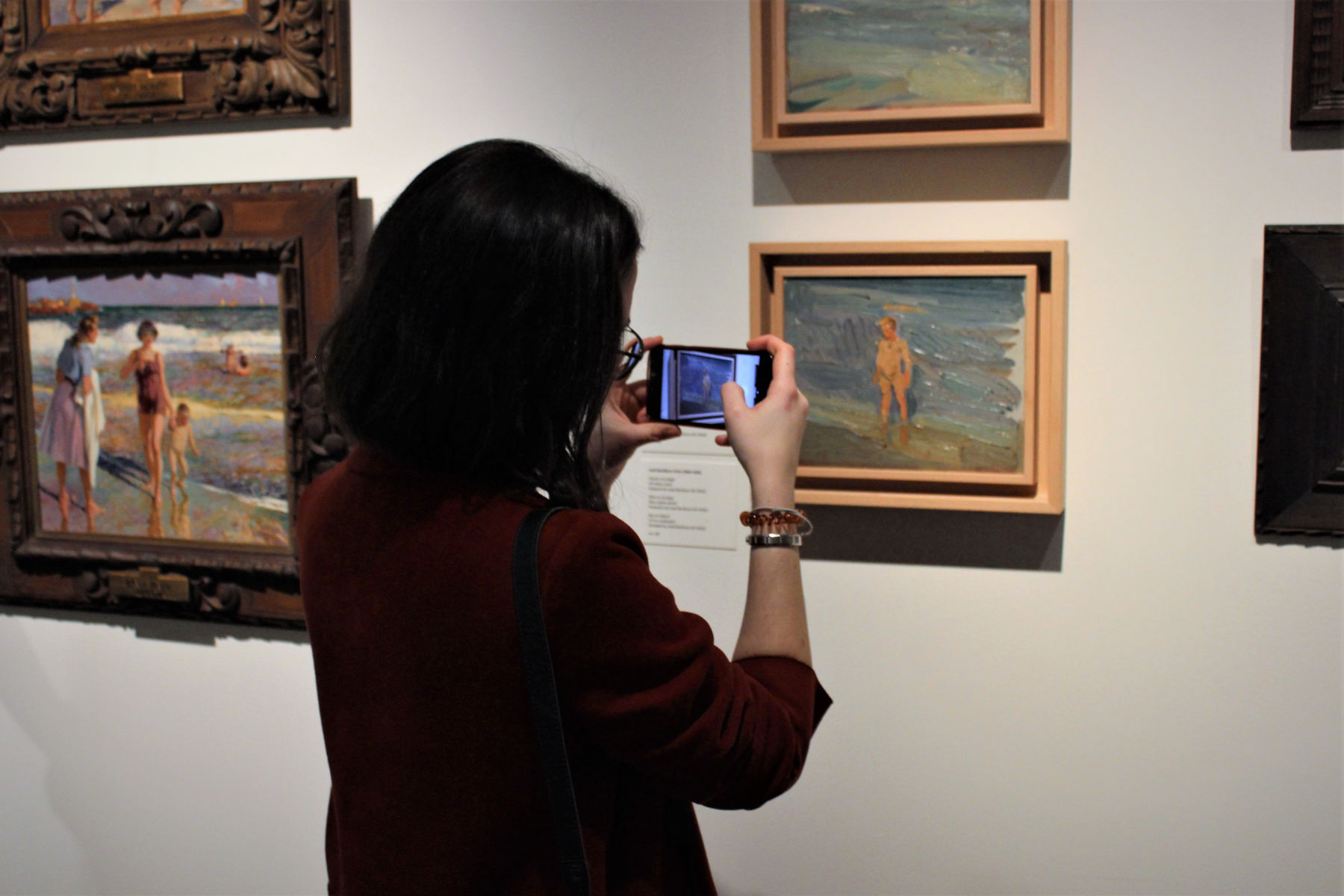
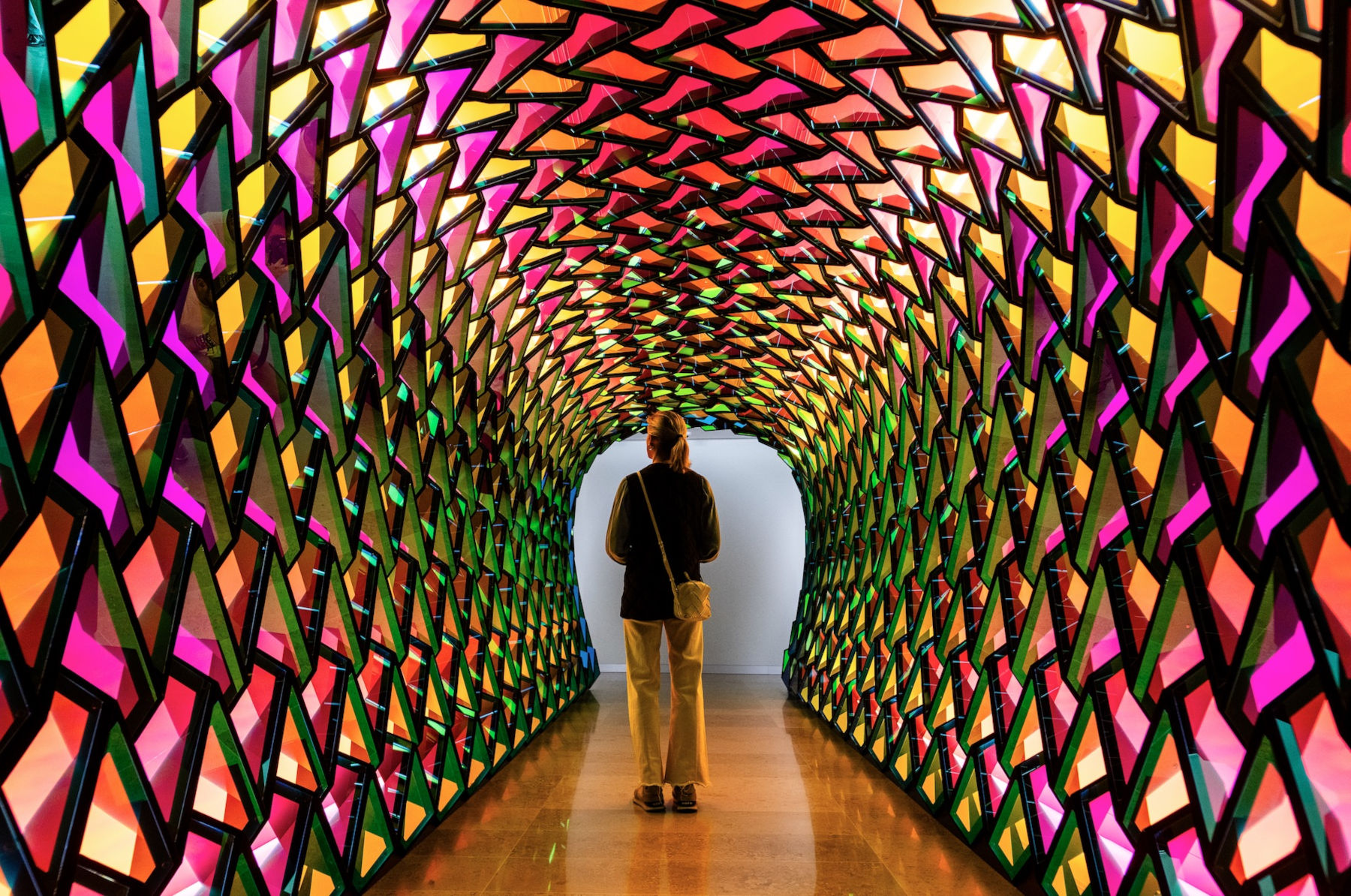
A short distance from the historic center is the Bancaja Foundation, another key institution in the Valencian art scene. Located in Plaza de Tetuán, the foundation is a private nonprofit organization that operates a 12,000-square-meter exhibition space. Its holdings include major works, including masterpieces by Pablo Picasso and Valencian Joaquín Sorolla, considered two central figures in modern art. In addition to its permanent collection, the Bancaja Foundation is distinguished by an intense temporary exhibition activity, with rooms that have hosted exhibitions dedicated to artists such as Eduardo Chillida, Antonio López and Julio Romero de Torres, as well as exhibitions on industrial design and important contemporary art movements. The institution also promotes workshops, lectures, performing arts festivals and concerts, often in collaboration with international entities such as Berklee College.
The foundation is an active and accessible cultural hub with activities for all ages. Hours of operation are Tuesday through Sunday, 10 a.m. to 2 p.m. and 4:30 to 8:30 p.m. Admission is for a full ticket of 9 euros and a reduced ticket of 5 euros, while children under 12 get in free. Guided tours and many activities are free by reservation.
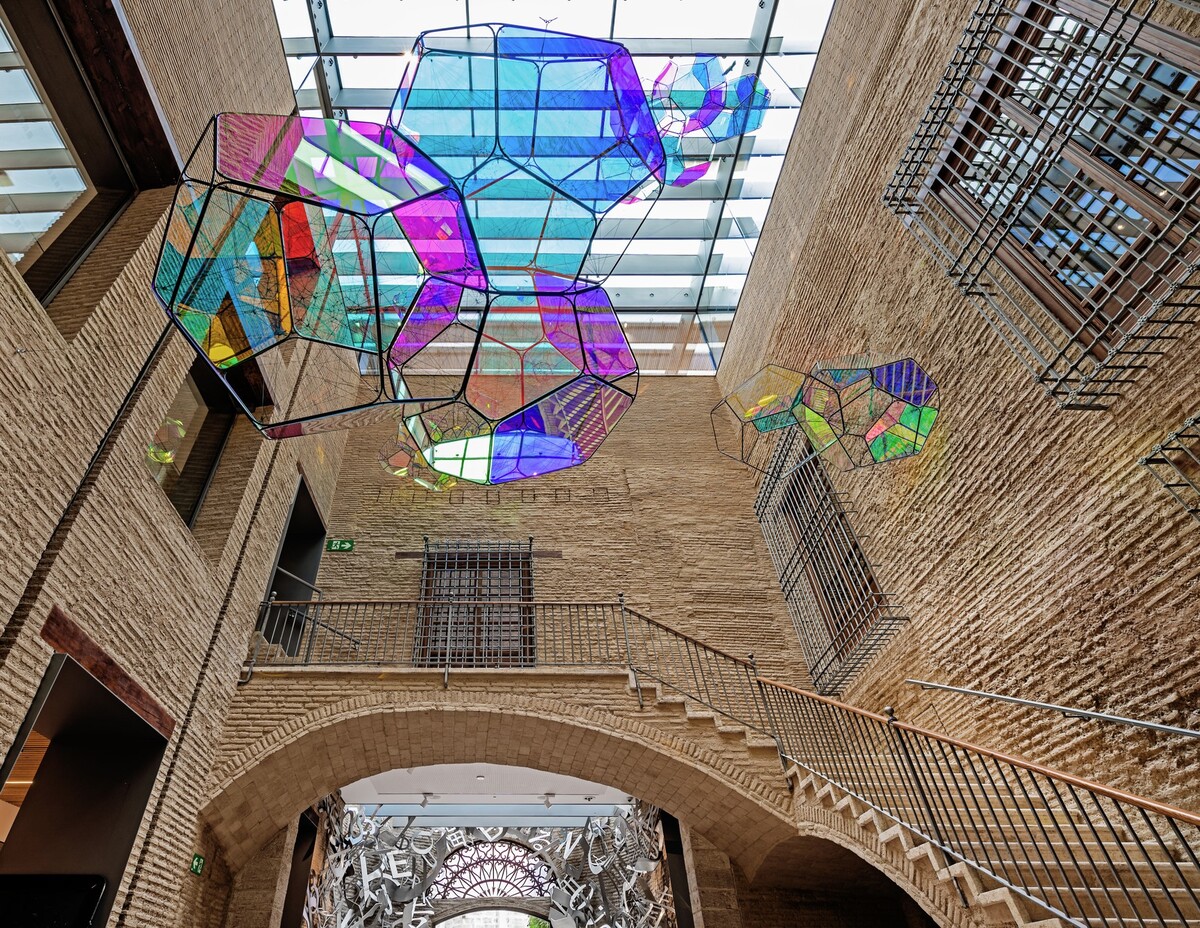

Another key stop is the Centro de Arte Hortensia Herrero, located on Calle del Mar, inside the old Valeriola Palace, a 17th-century building that in itself represents an important architectural heritage. The center houses the private collection of patron Hortensia Herrero, consisting of more than one hundred works by more than fifty internationally renowned contemporary artists. Among the names featured are Anselm Kiefer, Anish Kapoor, Georg Baselitz, Jaume Plensa, Cristina Iglesias, Joan Miró, and Manolo Valdés. The collection is also distinguished by the presence of site-specific works, created specifically for the museum's spaces, which help make the visit an immersive experience. Installations such as those by Olafur Eliasson or Mat Collishaw dialogue with the historic architecture of the building, creating a contrast between ancient and contemporary.
The exhibition itinerary unfolds in 17 rooms, between historic rooms decorated with coffered ceilings and Valencian azulejos and modern spaces also dedicated to digital art. Of particular significance are archaeological remains from Roman Valentia, including the circus, visible in the basement alongside contemporary installations. The center offers guided tours and offers free admission on Wednesday afternoons. Hours are Tuesday through Saturday from 10 a.m. to 8 p.m., and Sunday closes at 3 p.m.
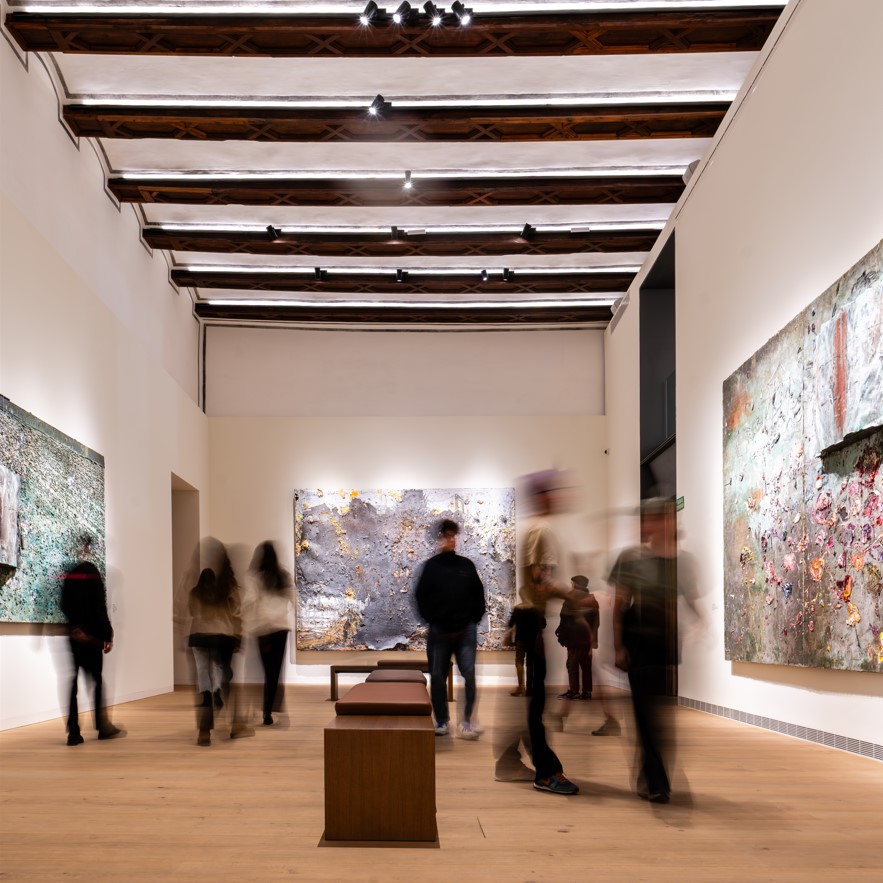
Completing the panorama is theIVAM, Valencian Institute of Modern Art, considered the city's main museum of modern and contemporary art and the first of its kind in Spain. Inaugurated in 1989 and designed by architects Carlos Salvadores and Emilio Giménez, it is also located in the Carmen district. The IVAM houses a collection of nearly 14,000 works, with a focus on the historical European avant-garde movements of the 20th century. Its eight galleries host both permanent and temporary exhibitions, offering a comprehensive overview of major modern art movements. Artists featured include Antoni Tàpies, Cindy Sherman, Olafur Eliasson, Andy Warhol, and Manolo Valdés.
One of the museum's highlights is the world's largest collection dedicated to Julio González, considered the father of iron sculpture. Alongside this, the IVAM holds some 500 works by Valencian painter Ignacio Pinazo. The tour also includes a room dedicated to the remains of the 14th-century medieval wall, which can be seen in an independent exhibition space.
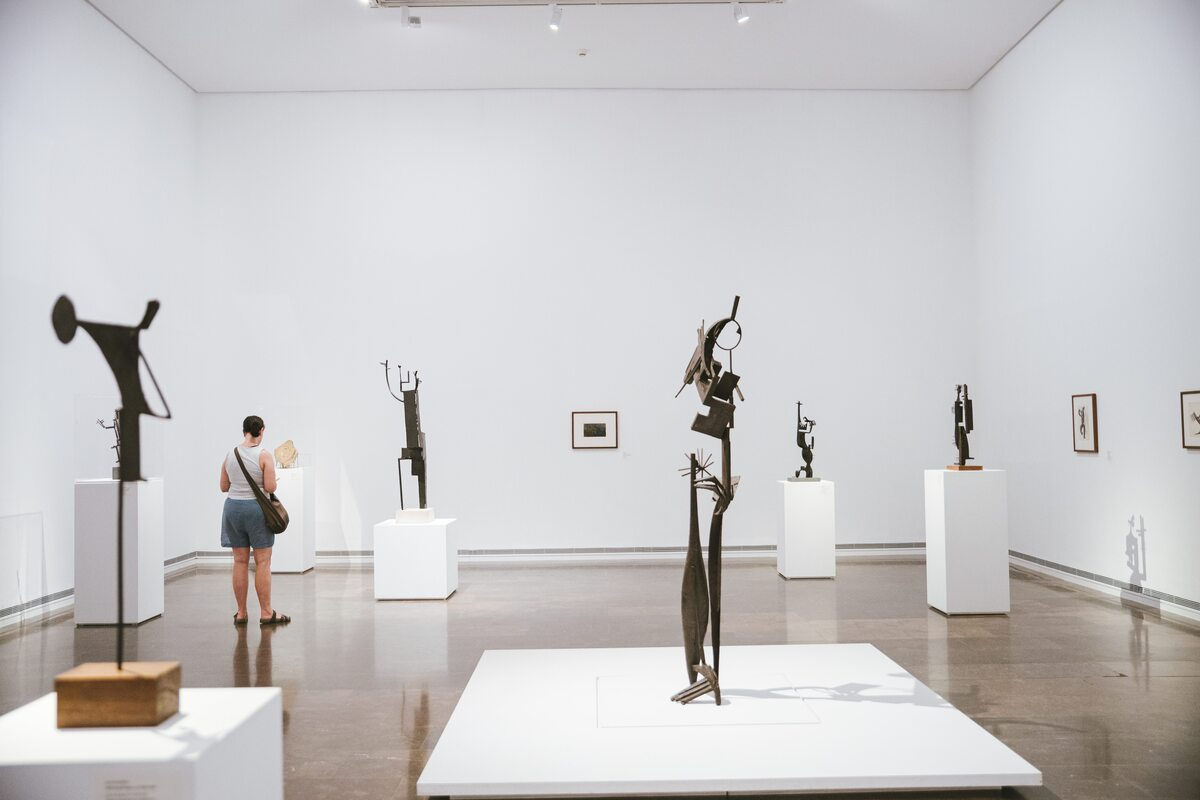
In addition to exhibitions, the IVAM offers a rich program of cultural activities that includes guided tours, workshops, concerts and events, making it a dynamic and constantly renewing center. The variety of exhibitions, which change throughout the year, invites multiple visits to discover new artistic perspectives.
Taken together, these institutions outline a multifaceted cultural system that makes Valencia a top destination for contemporary art enthusiasts. The ability to move from a former medieval monastery to a Baroque palace to an avant-garde museum provides a comprehensive experience in which art constantly dialogues with history and urban identity.