By Redazione | 04/04/2026 16:12
When the hot water of Tuscany 's hot springs meets clayey mud, sometimes history stops and reveals millennia-old secrets that resurface intact, defying time. It happened in San Casciano dei Bagni, in the province of Siena, where, a few meters from the public pools still in use, an Etruscan and Roman thermal sanctuary of extraordinary importance was unearthed between 2021 and 2022. The archaeological complex of the "Bagno Grande," as it has been renamed, has returned not just fragments but a treasure trove of votive bronzes, considered by many experts to be the most significant Italian archaeological find after the Riace Bronzes. This discovery not only offers a new possibility for cultural growth and rebirth for the area, but opens an unexpected window into a past of coexistence and devotion linked to the healing power of water.
The project to research and protect the ancient Sancascianesi baths is rooted in a decade of initiatives, but has only found a defined structure as of 2018. The Bagno Grande area was identified as a focal point, making use of modern and effective remote sensing technologies, such as state-of-the-art geophysics and drone-mounted sensors, to identify excavation areas that could confirm the tradition of great historical finds, known since the 16th century.
The excavation concession was entrusted to the Municipality of San Casciano dei Bagni by the General Directorate of Archaeology, Fine Arts and Landscape of the Ministry of Culture (MiC), and was conceived as a key collaboration between the municipality itself and the Superintendence of Siena, Grosseto and Arezzo. The excavation, directed by Emanuele Mariotti, an archaeologist expert in topography and geophysics applied to archaeology, and scientifically coordinated by Jacopo Tabolli, a Soprintendenza official and lecturer at the University for Foreigners in Siena, bore its first significant fruits as early as August 2020. At that time, traces of the monumental entrance to a Roman sanctuary and, in particular, a travertine altar, emerged from the mud of Bagno Grande. The inscription found on it, "sacred to Apollo," immediately clarified the sacred function of the site.
As excavations resumed, the team (composed of young archaeologists and students from several Italian and international universities, including Siena, Pisa, Florence, Rome La Sapienza, Sassari, Dublin, and Cyprus) continued to work despite logistical difficulties, due both to the anti-pandemic protocol due to the spread of COVID-19 and the fact that archaeologists were operating immersed in hot water, which gushes at 42 degrees. The stratigraphic excavation, conducted in an abandoned vegetable garden near the still-used public springs, revealed the remains of an excellently preserved Roman sanctuary.
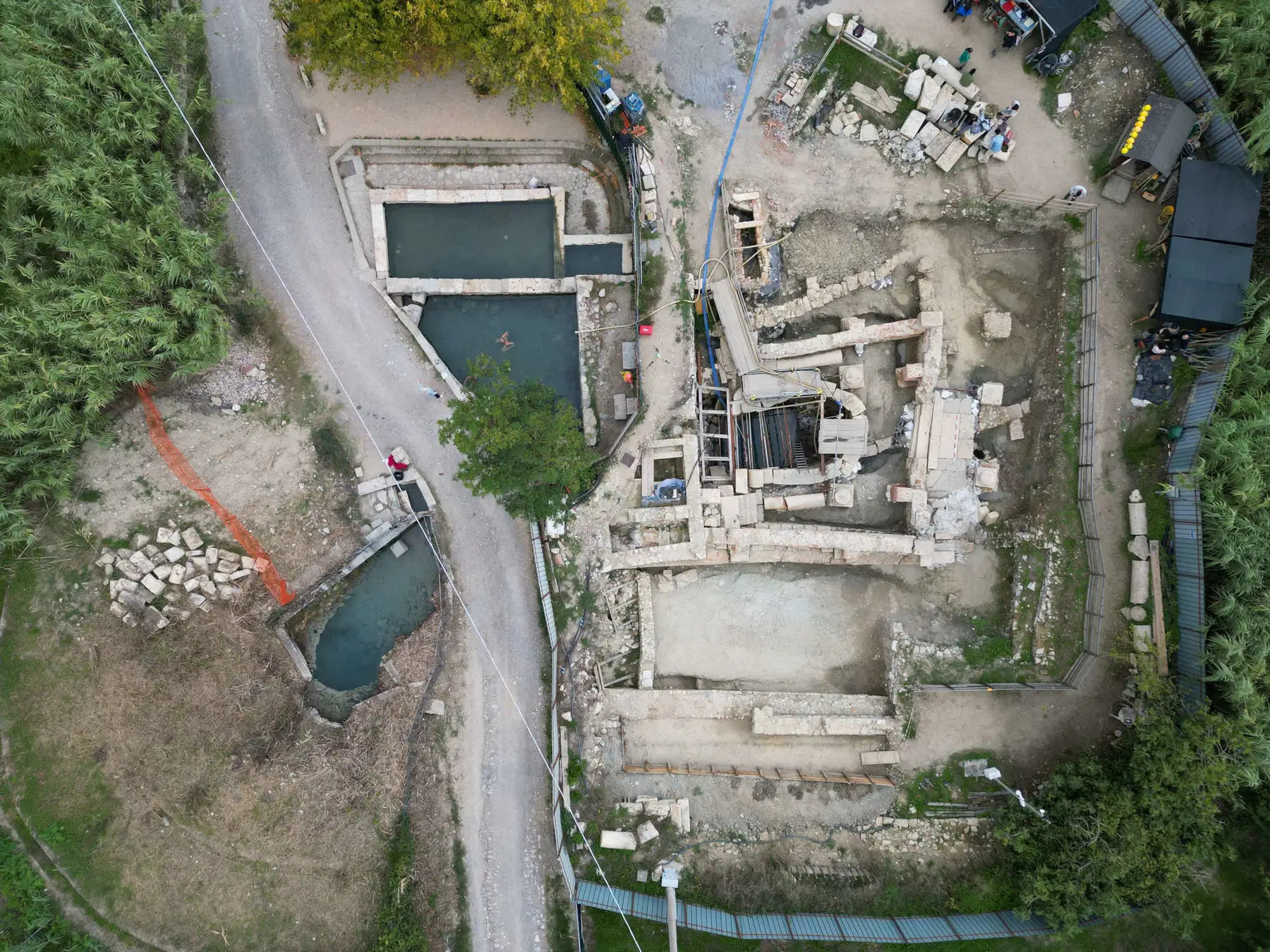
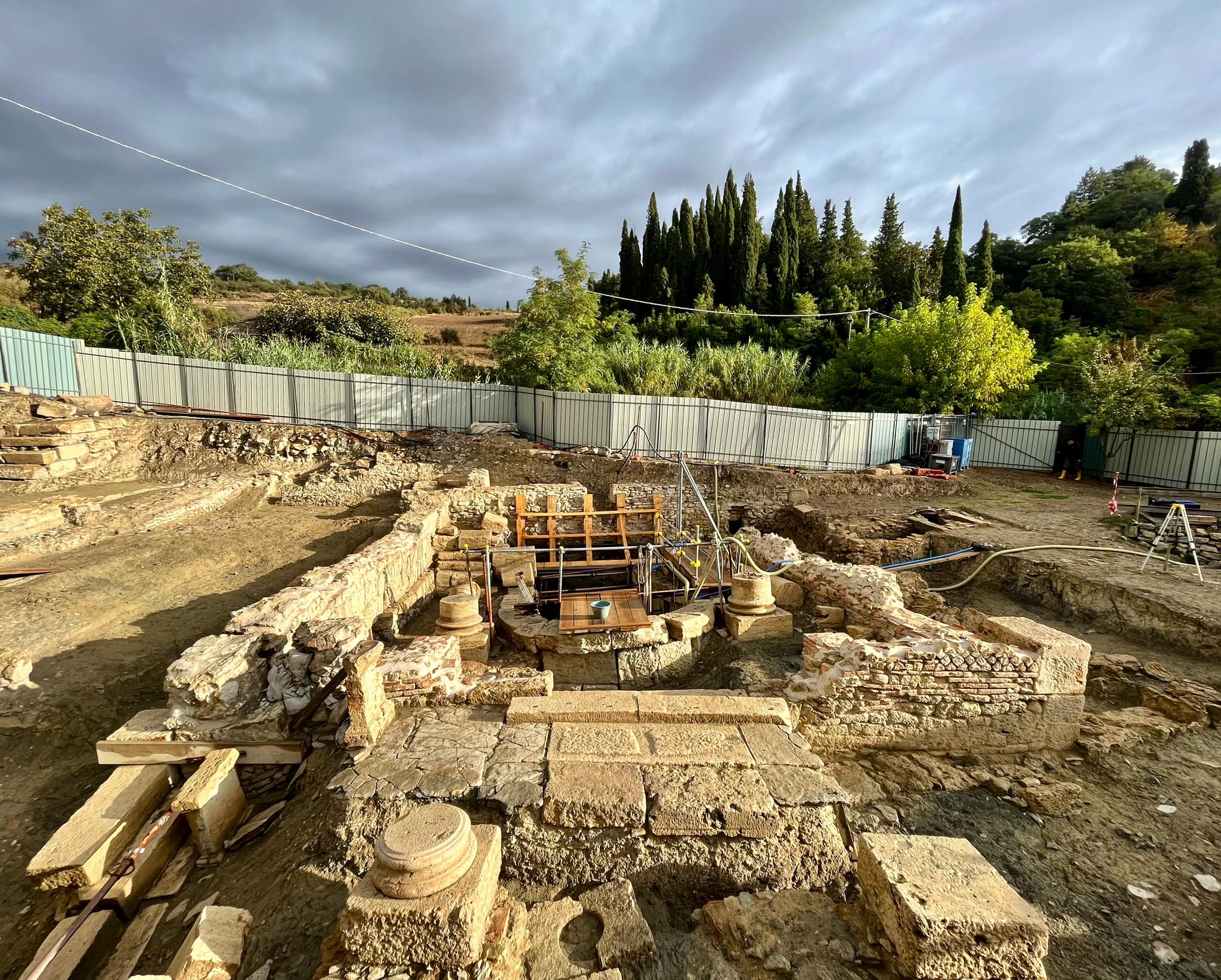
In a short time, in only two months of excavation, part of the life sequence of the place of worship was clearly delineated. The monumental structure has been traced back to the Augustan age: it is a structure built on a site that was already sacred in Etruscan times, at least during the age of Hellenism, that is, from the last decades of the 4th century B.C. until the age when the Etruscan civilization merged with the Roman one, in the 1st century B.C. During the Augustan age, the sanctuary took the form of a building with a compluvium roof (a roof with an opening that had a dual function: lighting and collecting rainwater) over a central circular basin, supported by four Tuscan columns, and an entrance propylaeum to the south, bordered by two columns with an Attic base. Later, due to a fire that probably occurred in the mid-1st century AD, the building was rebuilt and enlarged between the Flavian and Trajanic ages. Toward the end of the second century AD, three travertine altars, dedicated to Apollo, Isis and Fortuna Primigenia, were laid on the edge of the hot spring pool. Superintendent Andrea Muzzi, at the time of the discovery, expressed great satisfaction with a work that yielded results "beyond what could have been imagined," despite staff and resource shortages that tested the Siena Superintendency.
The fourth excavation campaign, conducted between June and August 2021, confirmed the importance of the site, bringing to light, intact, the sanctuary's votive deposit. Hundreds of gold, silver, orichalc and bronze coins were found under collapsed columns and more than two meters deep in the mud. Along with the coins, a series of five sacred bronze offerings, including a Pan, bronze foil belts, and miniature torches were discovered. The most notable find from that phase was a bronze putto, believed to have been made by an artist of the highest school influenced by Hellenizing models in the early second century BCE. This "Putto of the Great Bath," as it was immediately called, bears on its right thigh a mysterious ancient inscription celebrating the offering and divinity of the sanctuary, recalling the famous Putto Graziani of the Vatican Museums.
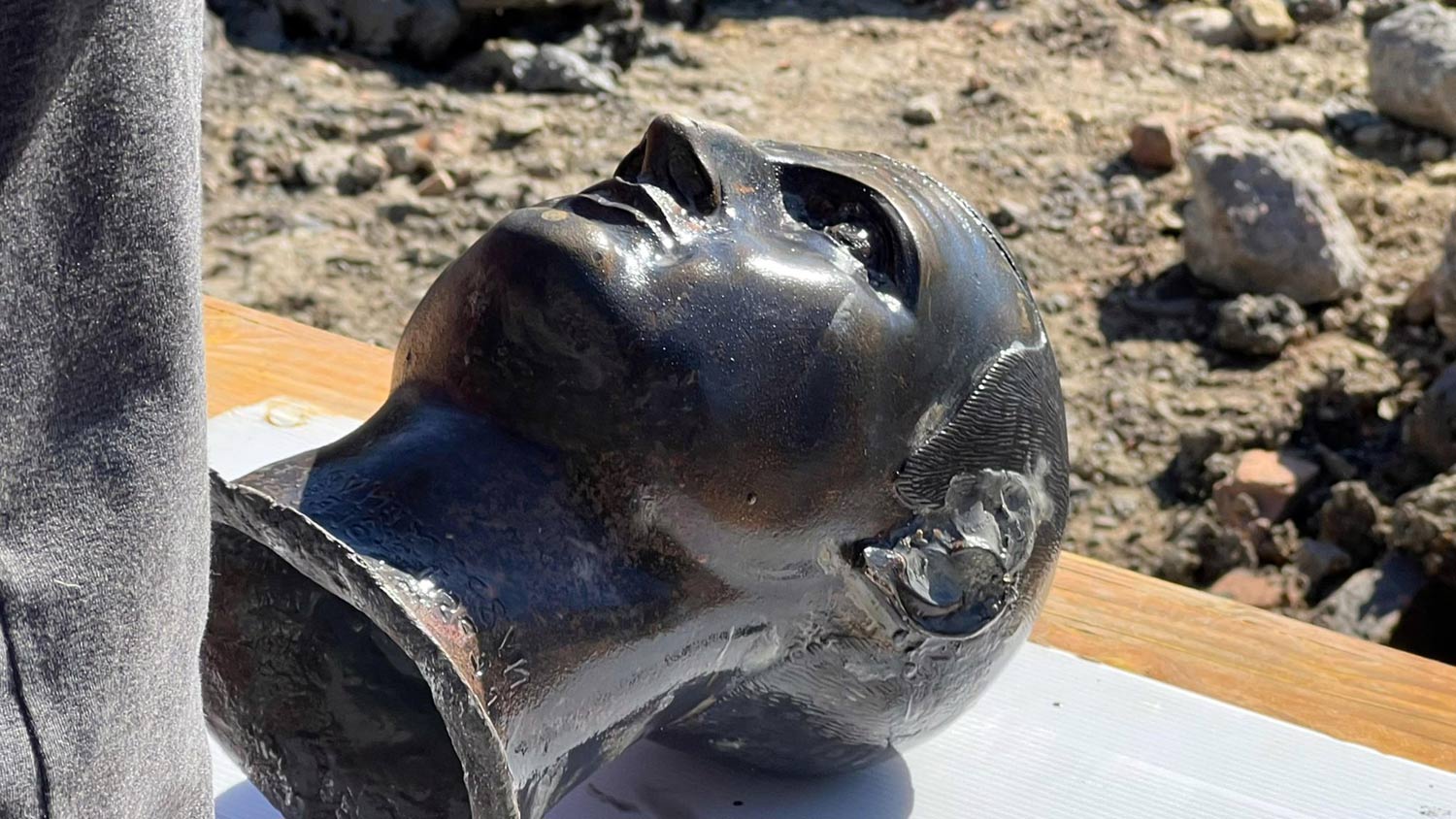
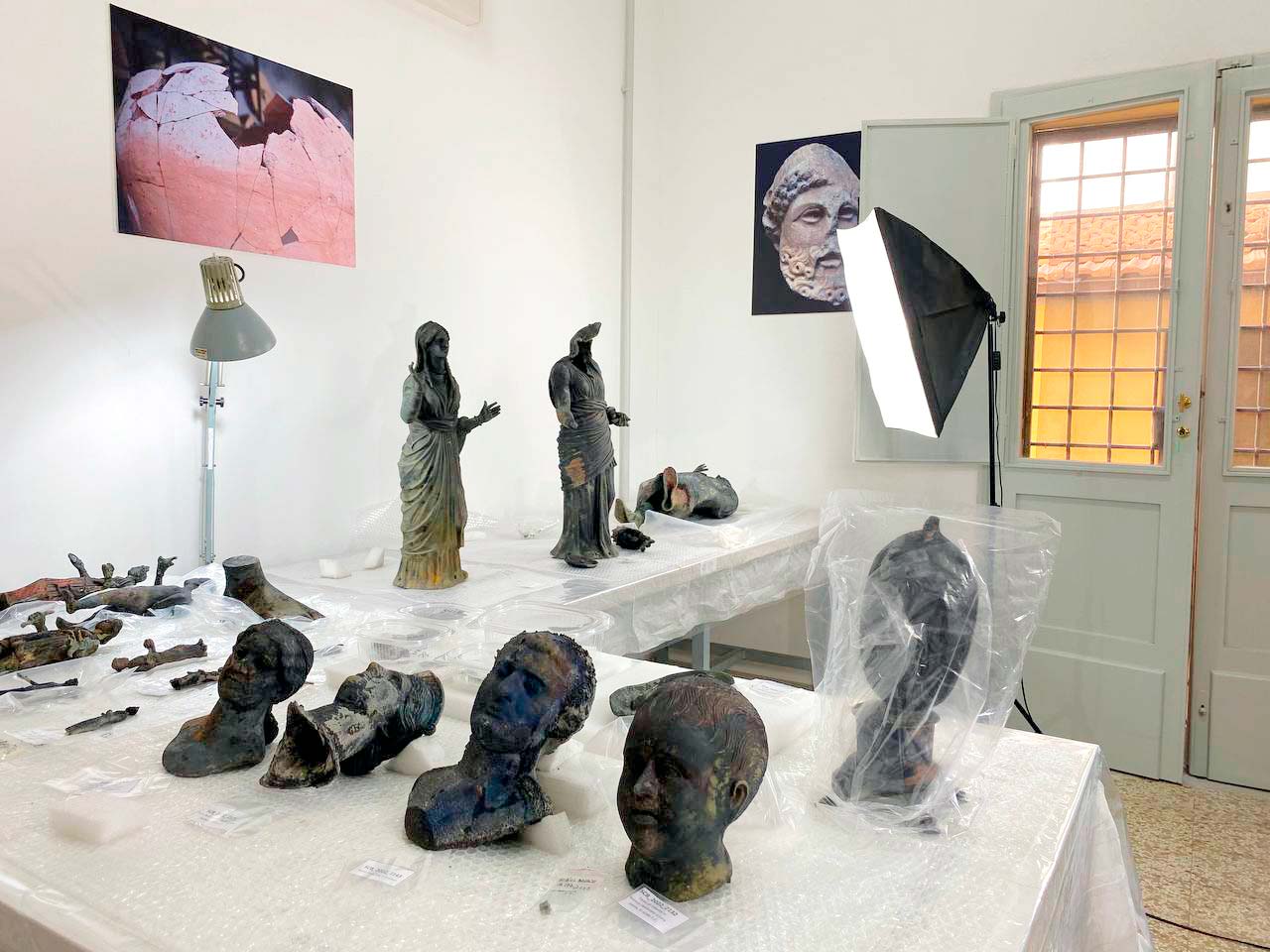
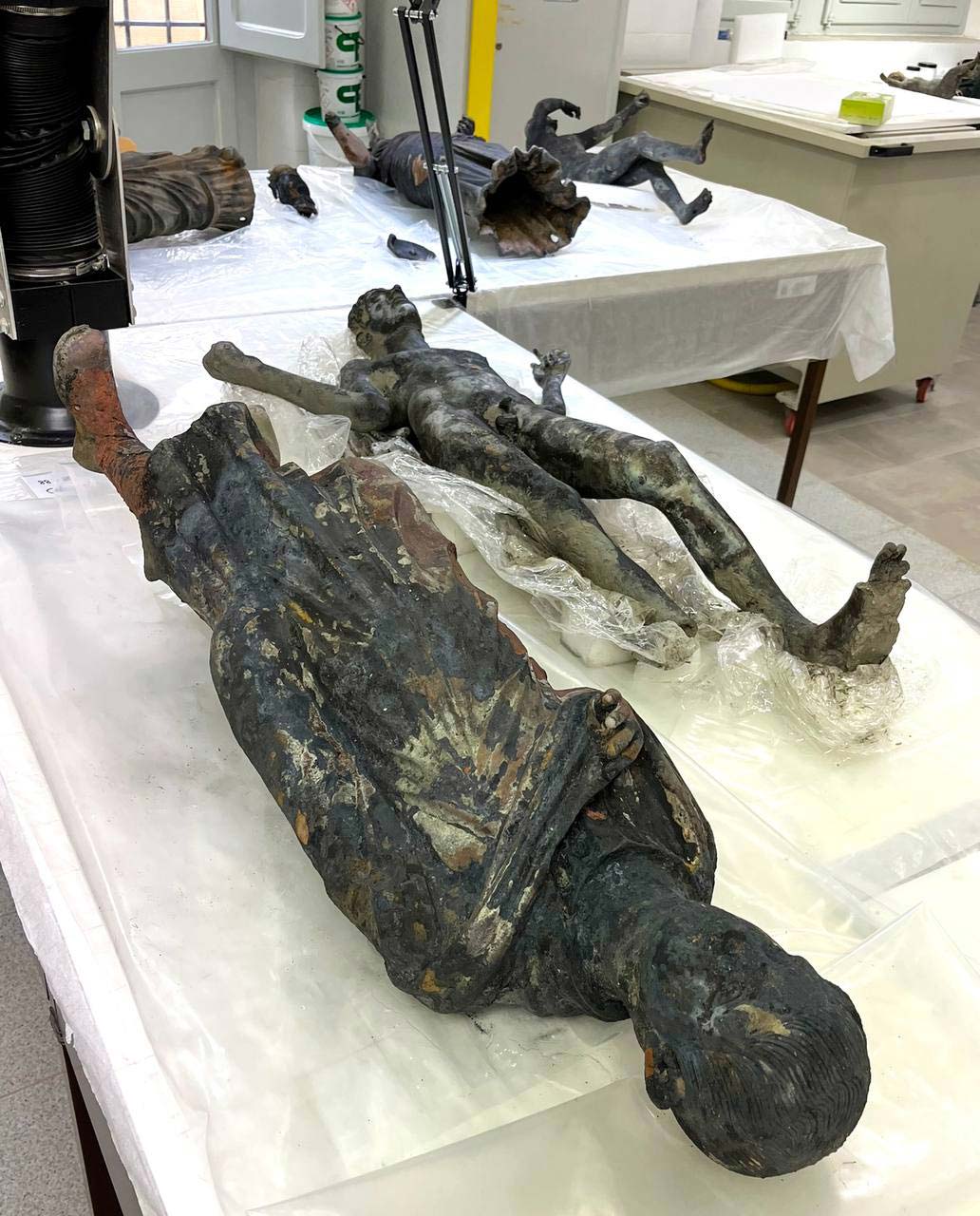
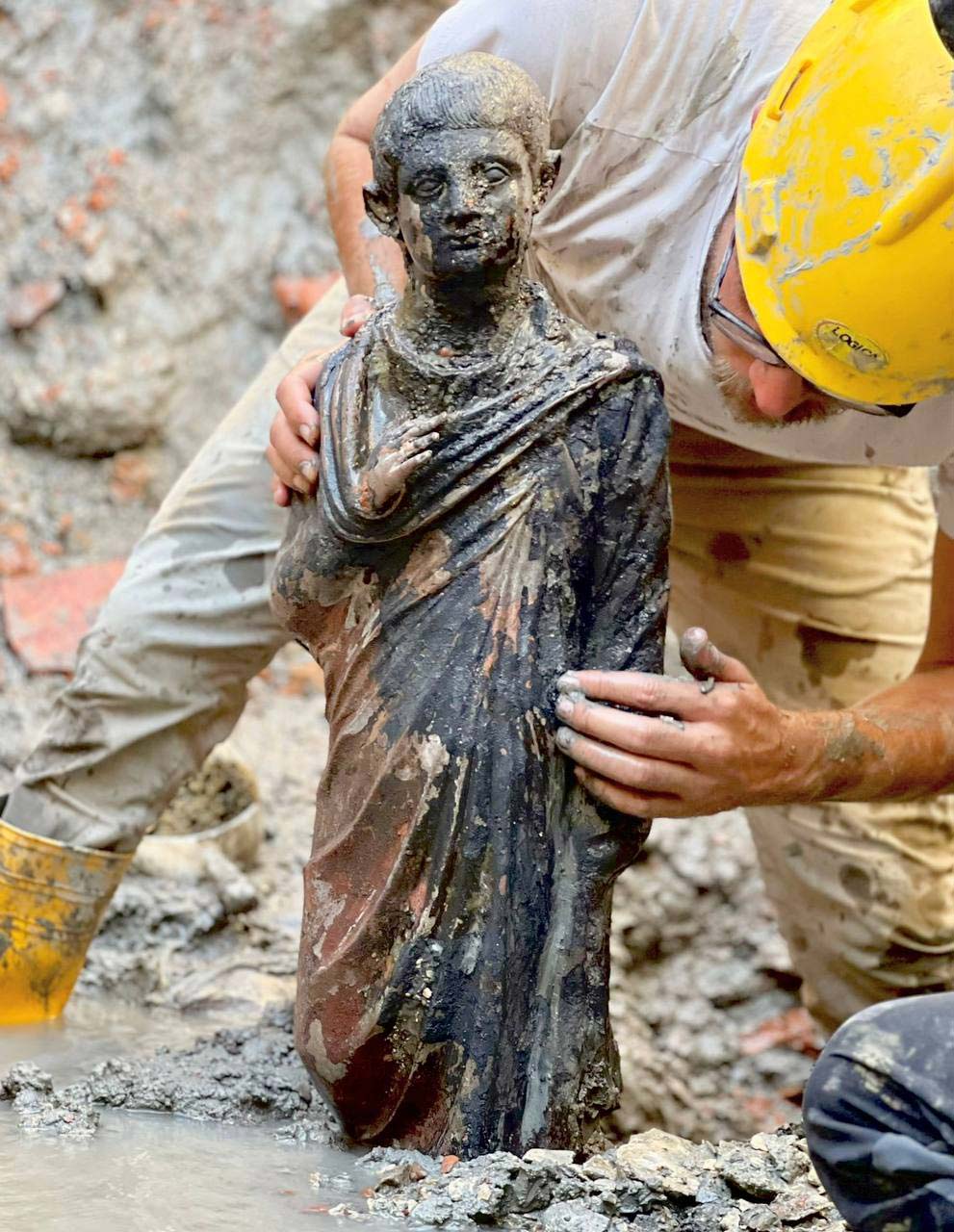
The true exceptionality of the site, however, was fully revealed in November 2022 with the announcement of the recovery of as many as twenty-four bronze statues in an optimal state of preservation. According to Massimo Osanna, Director General of Museums of the Ministry of Culture, this was the most important archaeological discovery that has occurred since the discovery of the Riace Bronzes. The San Casciano deposit is in fact considered the largest known deposit of statues in ancient Italy and the only one whose context can be entirely reconstructed. The votive statues, probably made by local craftsmen, can be dated between the second century B.C. and the first century A.D.; the five largest reach almost a meter in height (the so-called mensura honorata, about three Roman feet).
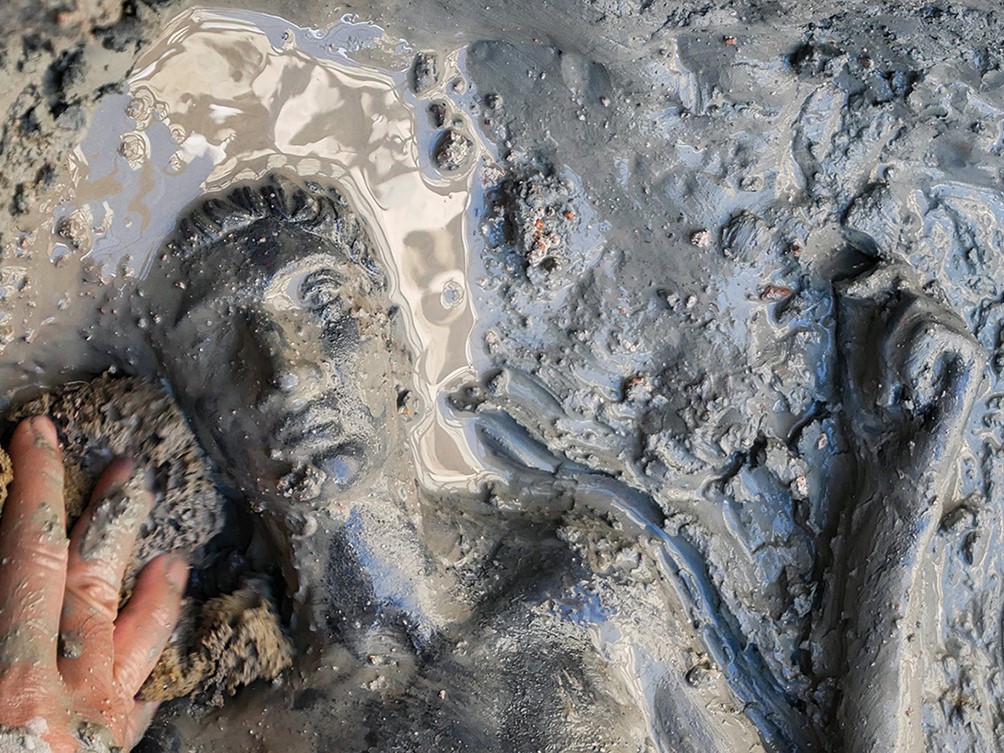
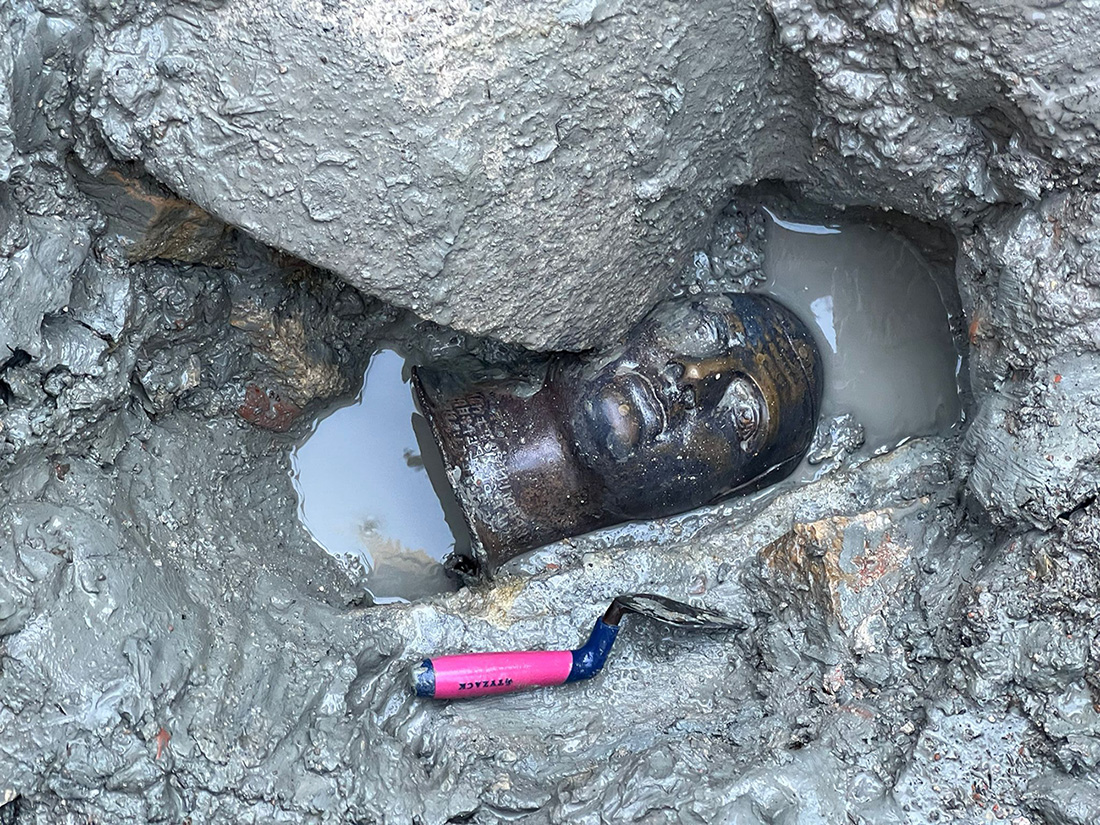
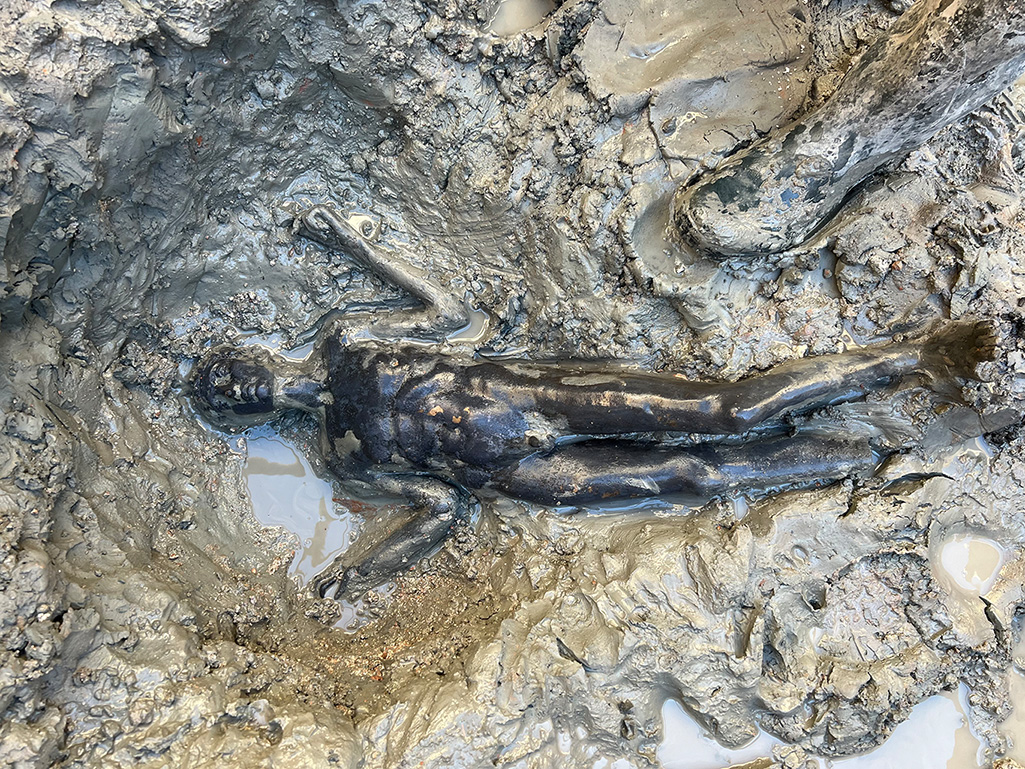
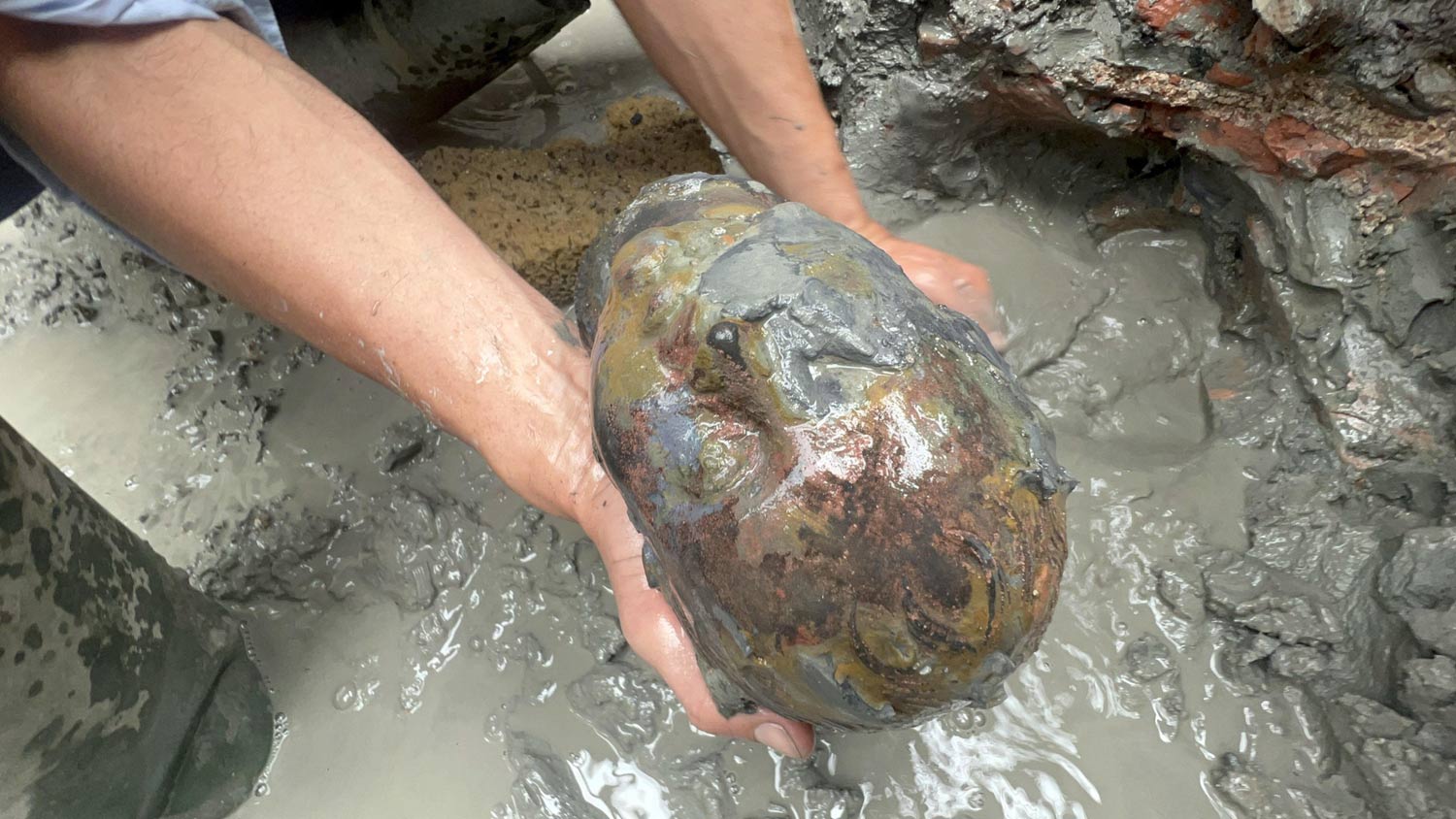
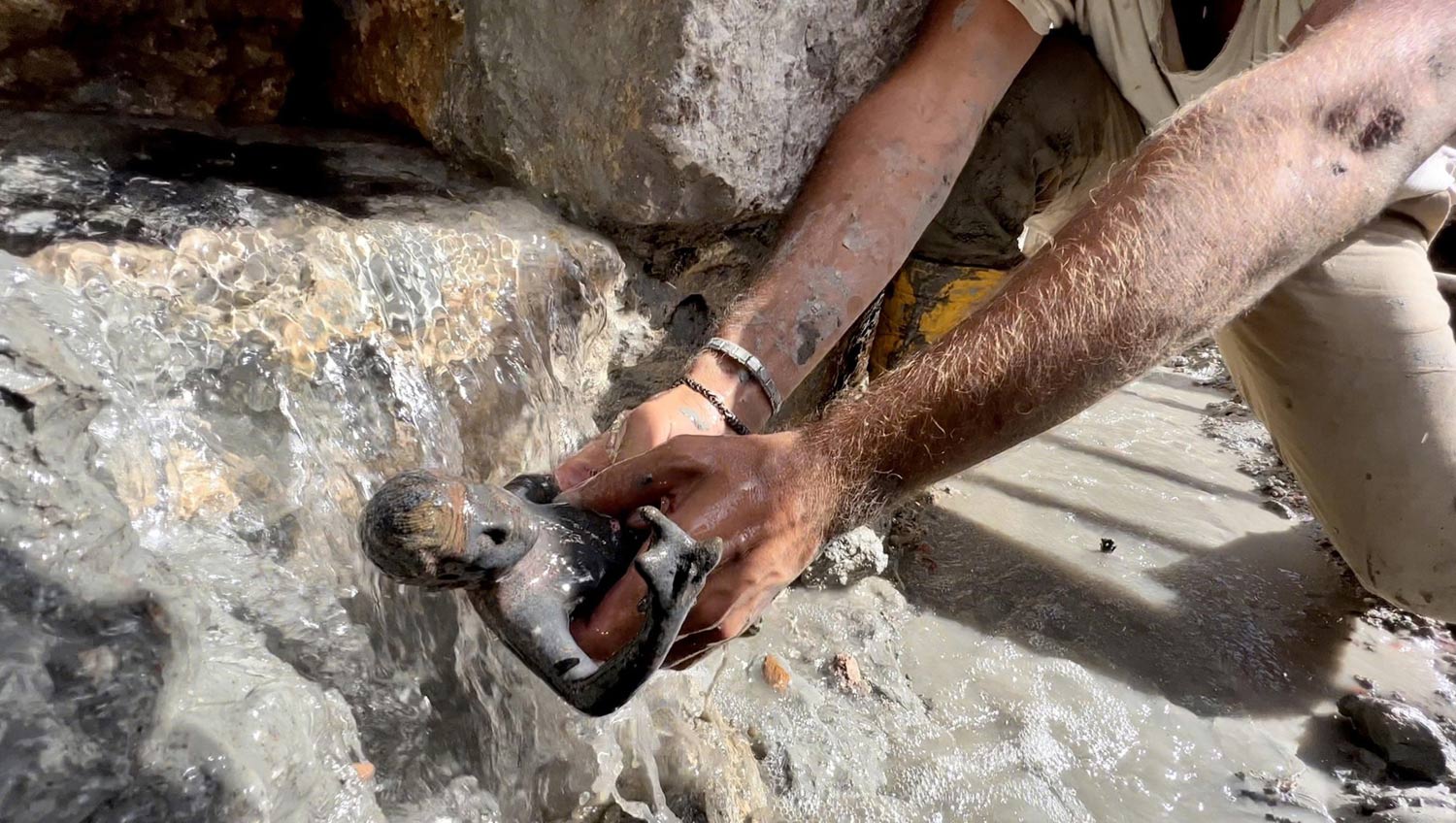
The bronze's excellent preservation is due to the chemical properties of the hot thermal water and the fact that the materials have been oxygen-free in the clay and water for two thousand years. The hot water, which played a central role in the cult, acted as a kind of safety box. The shrine was active from at least the 3rd century B.C. and continued until the 5th century A.D. In the latter phase, during the Christian era, the place of worship was closed, but not destroyed. The sacred basins were sealed with large stone columns, and the deities were entrusted to the water in a gesture of respect(pietas), explained Emanuele Mariotti, director of the excavation, in a detailed interview granted the day after the discovery was announced to Ilaria Baratta on Finestre sull'Arte. And it was precisely this cover that allowed the treasure to remain intact for centuries.
The sacred context of the Great Bath is deeply linked to the cult of health and thermal water, known since antiquity for its healing properties. The sanctuary was dedicated to several deities, including Apollo, Hygieia, Aesculapius, Fortuna Primigenia and Isis, all of whom were linked to health. In addition to the marble statue of Hygieia initially found, excavations have unearthed a rich repertoire of votive offerings(ex votos). These offerings were intended to obtain healing or to give thanks for it. Among the artifacts uncovered were statues representing the deities themselves, but also bronze reproductions of anatomical parts (votive limbs: that is, they were used to thank a deity for healing that part of the body, or to ask for healing). In particular, a bronze uterus, very rare compared to the more common terracotta ones, dating from between the end of the Republic and the beginning of the Roman Empire, a bronze ear, dedicated by a certain Aulus Nonnius in thanksgiving for healing, a leg, and even a very rare bronze penis have been found.
The ritual was linked to the spring itself. The statues were originally placed on the outer rim of the large sacred pool, anchored on travertine blocks. On several occasions, especially during the first century AD, the statues were detached and laid at the bottom of the pool. This act was not a mere dumping of sacred material, but a ritual and mediated deposition with the deity. The votive practice continued until the fourth century CE with the deposition of thousands of coins (almost six thousand initially, but there are reports of more than 10,000 total) in silver, bronze, and gold. Many of these coins were freshly minted, brought directly from the mint in Rome to honor the sacredness of the site.
Among the finds from the 2024 excavations, the site continued to reveal its secrets, with four new bronze statues depicting votive arts and ritual tools, such as an elegant oil lamp and a small bronze bull. Also found was the naked torso of a male body, bearing a clean cut, dedicated to the Hot Spring by Gaius Roscio, perhaps symbolizing the healing of the body part depicted. In addition, precious materials such as a gold crown and ring, gems, amber, and Roman golds were discovered, testifying to the high value of the offerings.
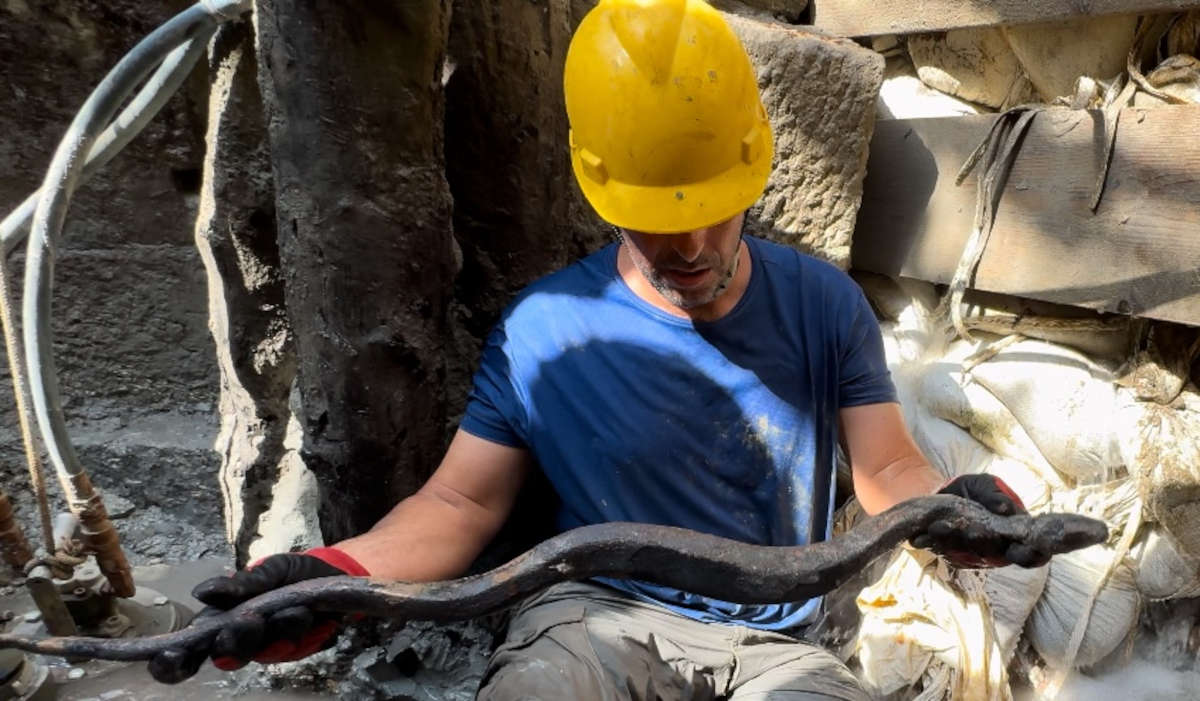
A particularly fascinating find is that of bronze snakes placed at the base of large logs. These artifacts, varying in size, represent the agathodemon snake, a protective figure linked to the spring and divinatory practices. A ninety-centimeter specimen, almost the mensura honorata, horned and bearded, is in all probability the largest bronze agathodemon snake ever found, surpassing in size those known from the National Archaeological Museum in Naples and the British Museum. The shrine has also yielded thousands of egg fragments (a symbol of rebirth and fertility), pine cones and intertwined branches, testifying to the link between nature and sacredness.
One of the most relevant and unique aspects of the sanctuary is the clear coexistence of Etruscan and Latin elements. In this sacred place, even in eras marked by violent external conflicts between Rome and the Etruscan cities, the two worlds seem to have coexisted peacefully. The long and often brutal process of Romanization of the Etruscans extended for at least 150 years, but in the sanctuary of San Casciano it manifested itself in a coexistence that showed no signs of violence. Inscriptions found on statues and votive objects are written in both Etruscan and Latin. Some inscriptions give names of important Etruscan families in the area, such as the Velimna of Perugia and the Marcni known in the Chiusi and Sienese countryside. Other Latin inscriptions speak specifically of the "aquae calidae," the thermal waters already known for their healing properties.
Recently discovered inscriptions (2024) mentioned the Fonte Calda as "Flere Havens" in Etruscan, along with oaths addressed to Fortuna and the Emperor's Genius. This cultural stratification shows that although the language changed and the names of the deities may have varied, the cult and therapeutic goal remained the same. Those who wished to affirm their Etruscan identity engraved it on statues, while those who were Roman affixed a Latin inscription. This plural context, where the welcoming of the foreigner and the other is set in bronze, has been called an experiment in civic archaeology.
The discovery of the bronzes immediately set in motion a complex machinery of preservation and research. Because the materials, extracted from the anoxic (oxygen-free) and protective environment of the thermal water, suffer shock and risk immediate oxidation, they were promptly transferred to restoration laboratories to be stabilized and best preserved.
A large team of restorers from the Central Institute for Restoration (ICR) and the Superintendency was involved in the operations. Fundamental in this regard was the financial support of private entities: for example, Friends of Florence contributed 70,000 euros for the restoration of thirty-four bronze works, as well as funding postdoctoral research grants, confirming the importance of public-private synergy. Restorations are slow work, using advanced diagnostic studies conducted by specialists from several universities.
The exceptional nature of the find has not only been recognized at the national level: in 2023, the St. Casciano bronzes won the International Archaeological Discovery Award "Khaled al-Asaad," the prestigious prize that consecrated them as the best world archaeological discovery of 2022. It was the first time the award, named after the martyred archaeologist of Palmyra, was given to an Italian discovery.
The enhancement project, in line with the commitment made by the municipality and the Ministry of Culture, includes the musealization of the treasure and the creation of an archaeological park. The Ministry of Culture has purchased the 16th-century Palazzo dell'Arcipretura in the historic center of San Casciano dei Bagni to be the site of the future National Archaeological Museum. This museum will permanently house bronzes and other artifacts from Bagno Grande and from territorial reconnaissance. Thanks to a 4.5 million euro grant under the Great Cultural Heritage Projects, the renovation and fitting out of the building is underway. Next to the museum, a Thermal Archaeological Park will also be built, designed to enhance the exceptional site.
Meanwhile, the bronzes have been featured in a series of traveling exhibitions. The first exhibition was held at the Quirinal Palace in Rome over two periods between June and October 2023. Next, they were hosted by the National Archaeological Museum in Naples (MANN) from February to June 2024, in an event that inaugurated newly restored rooms in the Campania museum. Finally, they were on display at the National Archaeological Museum of Reggio Calabria (MArRC) until January 2025, in a symbolic encounter with the famous Riace Bronzes. These exhibits allowed visitors to take a journey through the landscape of sacred waters and provided an example of collaboration between institutions dedicated to research and heritage enhancement.
In order to make the site accessible to the public, archaeological walks were also organized during the summer, meeting at the "Cassianensi Rooms," a small exhibition space set up in the Palazzo Comunale of San Casciano dei Bagni, which houses the first artifacts to emerge and offers multimedia content. These guided tours, which take place in the thermal landscape and lead up to the excavation area, are the most direct way to get in touch with the history of the sanctuary.
The history of Bagno Grande, with its archaeological richness and testimony to peace and devotion, is considered an example of the power of culture, capable of revitalizing small towns and becoming an emblem of "widespread Tuscany." The idea that these finds convey is ancient but extremely topical: the connection between health, the need to care, and faith, an unbreakable bond mediated by thermo-mineral water.
To fully understand the uniqueness of San Casciano, one must think of a place where the fluidity of the thermal water, which forges travertine and preserves bronze, reflects the fluidity of history: an ancient crossroads where, despite the din of external conflicts, Etruscans and Romans shared rituals and hopes, leaving their ex votos as silent messengers of a single, millennial quest for well-being.