
Valencia, 2000 years of architecture: gothic, modernism and avant-garde
by Redazione 29 April 2026
Destination: Spagna
Valencia tells over two thousand years of urban history amid Roman remains, Gothic, modernism and contemporary architecture. From the Open House Valencia festival (Oct. 23-25, 2026) to city trails, iconic buildings such as Lonja de la Seda and City of Arts and Sciences are visited.


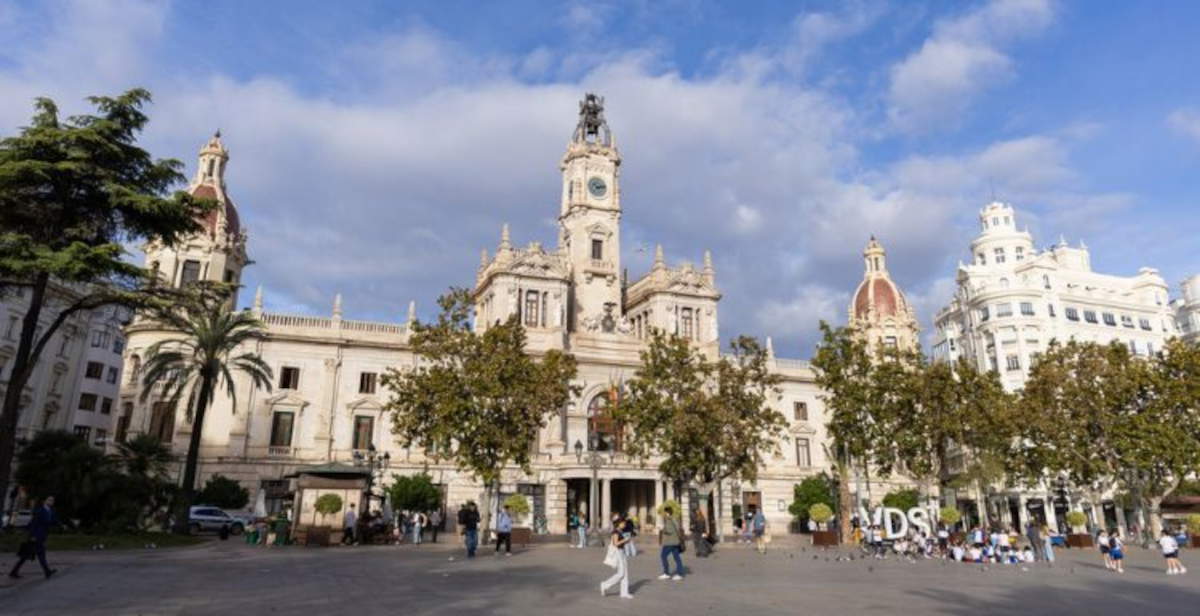
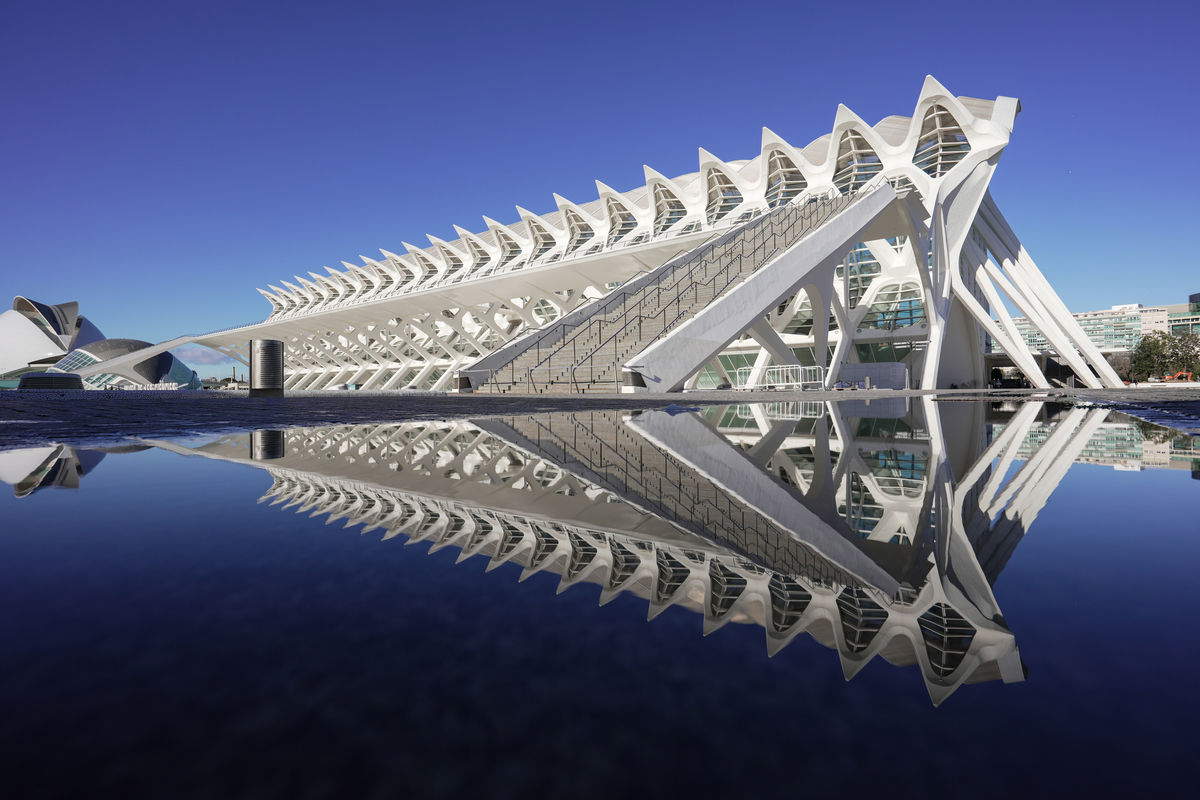
To walk around Valencia is to traverse more than two thousand years of urban history, legible in the different architectural styles that coexist in the city. From evidence of Roman times to contemporary architecture, Valencia's urban fabric looks like a layered mosaic in which each era has left a recognizable mark. One does not need to be an expert to grasp the value of this heritage: one only needs to observe the monumentality of the Lonja de la Seda or the futuristic silhouette of the City of Arts and Sciences to understand the architectural richness of the city.
A privileged opportunity to delve into this heritage is represented by Open House Valencia, the annual festival dedicated to architecture and urbanism that, from October 23 to 25, 2026, allows people to visit buildings usually closed to the public. Alongside the extraordinary openings, the program offers urban itineraries that can be walked independently, designed to guide residents and visitors to discover the most significant buildings.
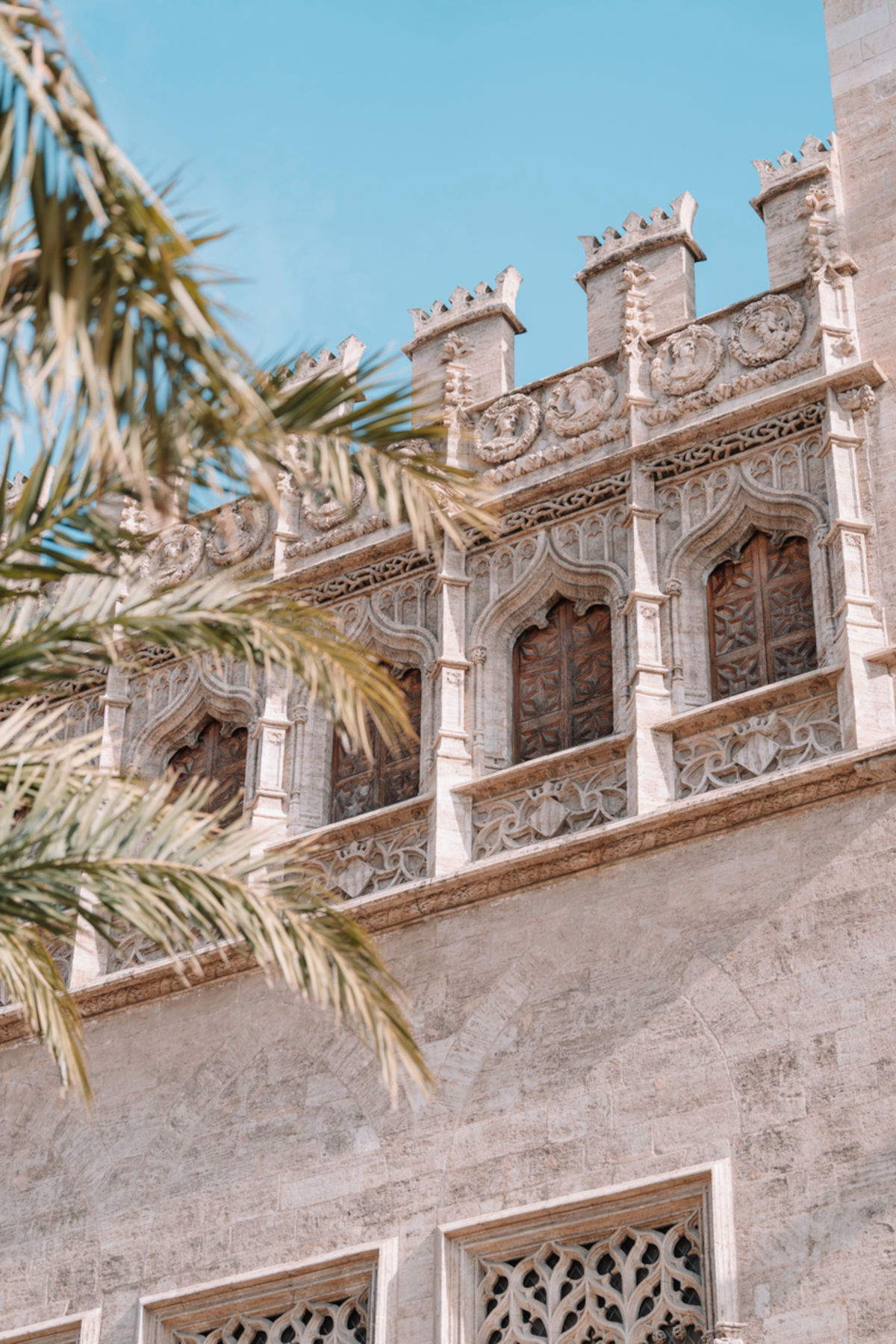
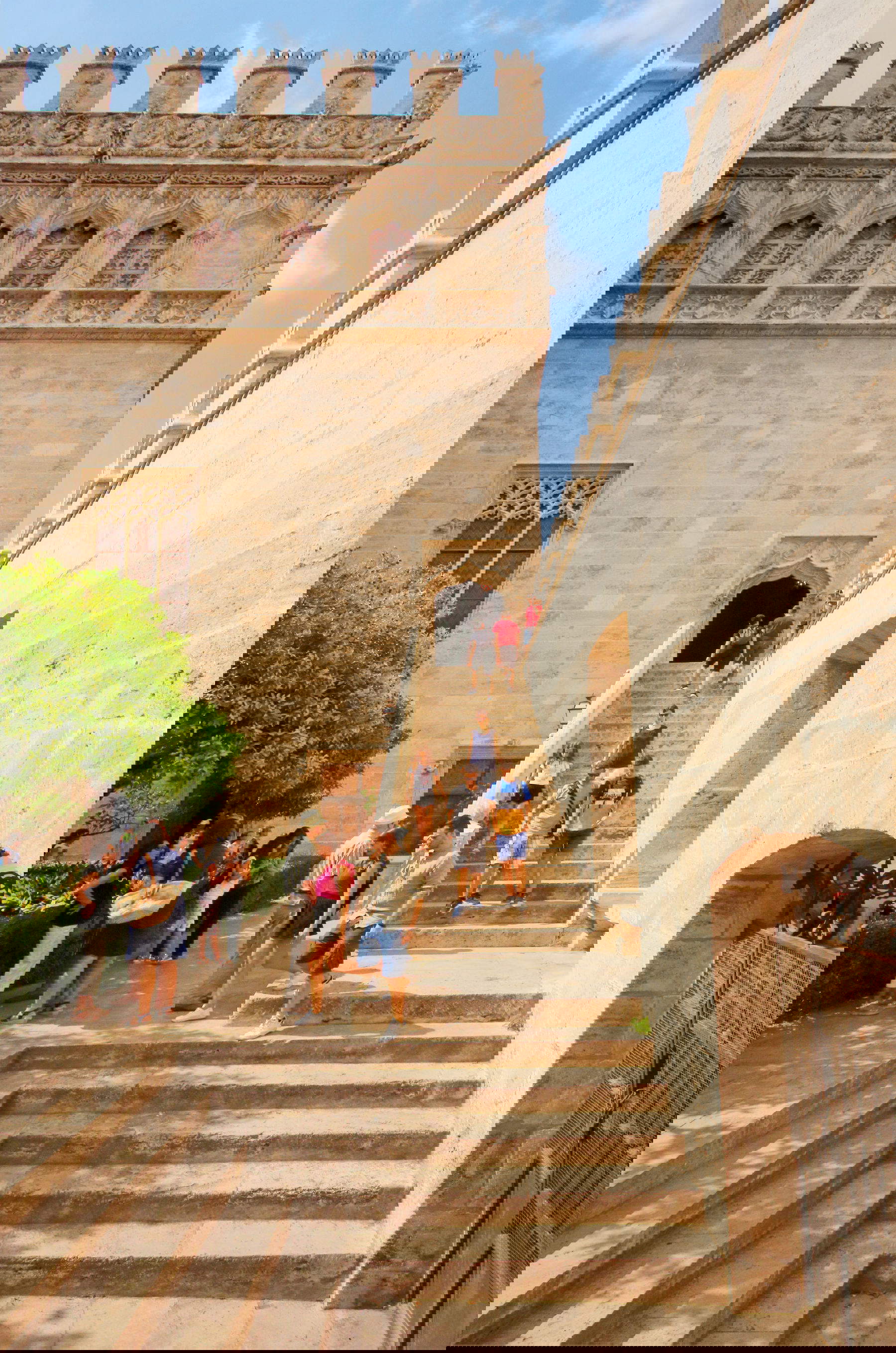
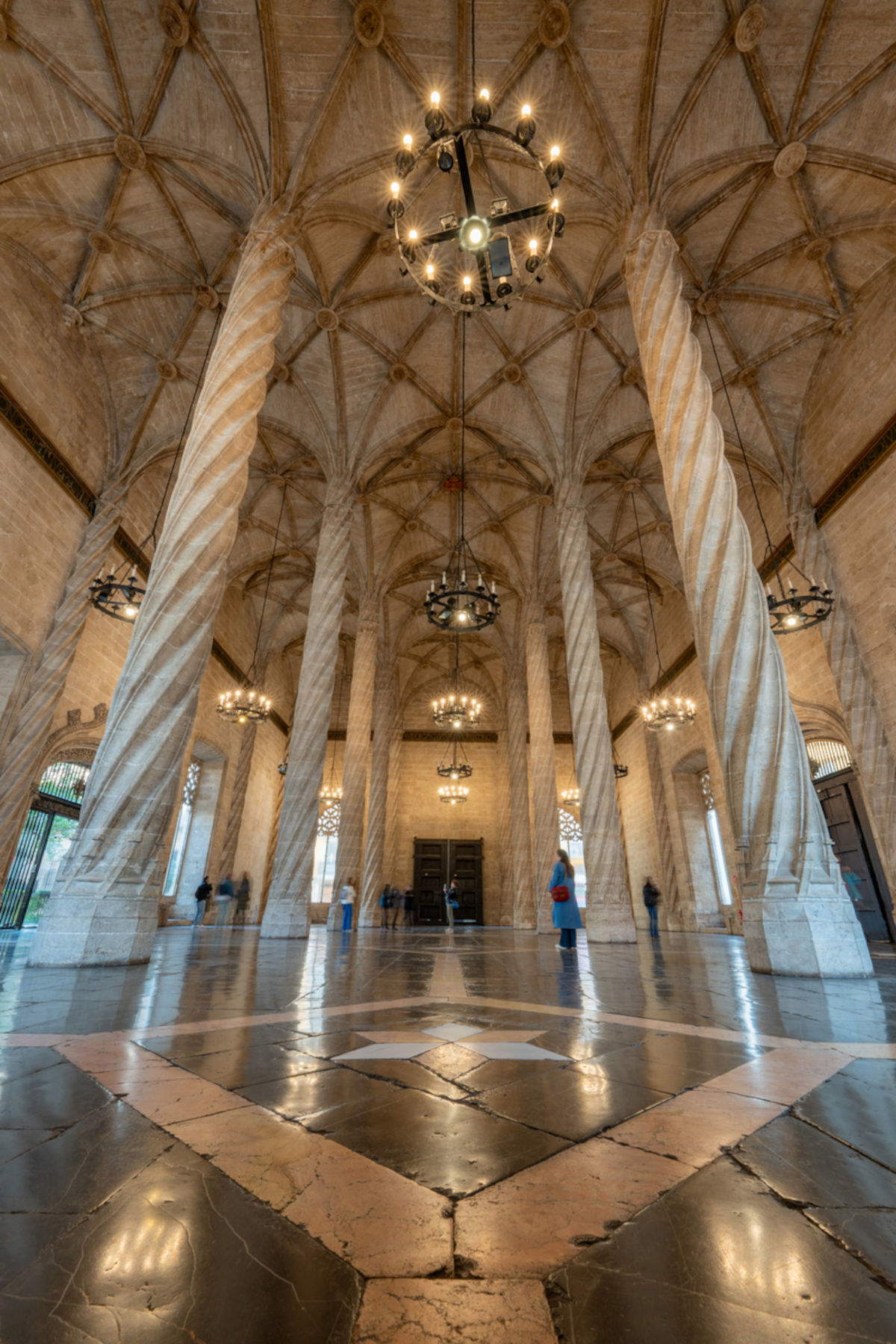
Some of the most significant relics of the past are encountered in the historic core. The Almoina archaeological site allows visitors to explore the foundations of the Roman city, while not far away stands the extraordinary Lonja de la Seda, one of the greatest examples of European civil Gothic and a UNESCO World Heritage Site. Its helicoidal columns and monumental spaces tell of the economic power of merchant Valencia between the 15th and 16th centuries, while few remnants of the Arab city survive today: sections of the ancient walls can be seen inside stores, museums and institutions in the historic center.
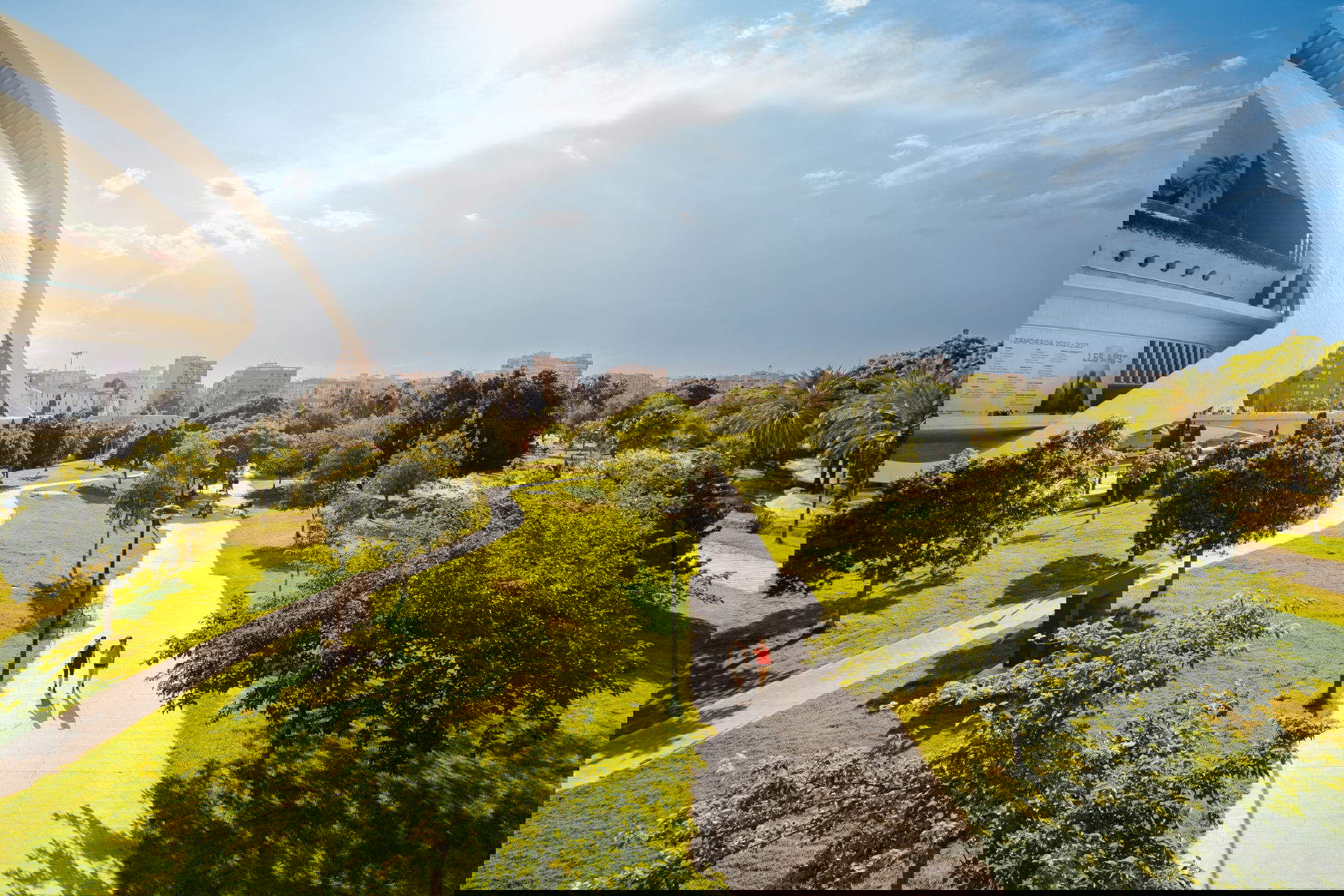
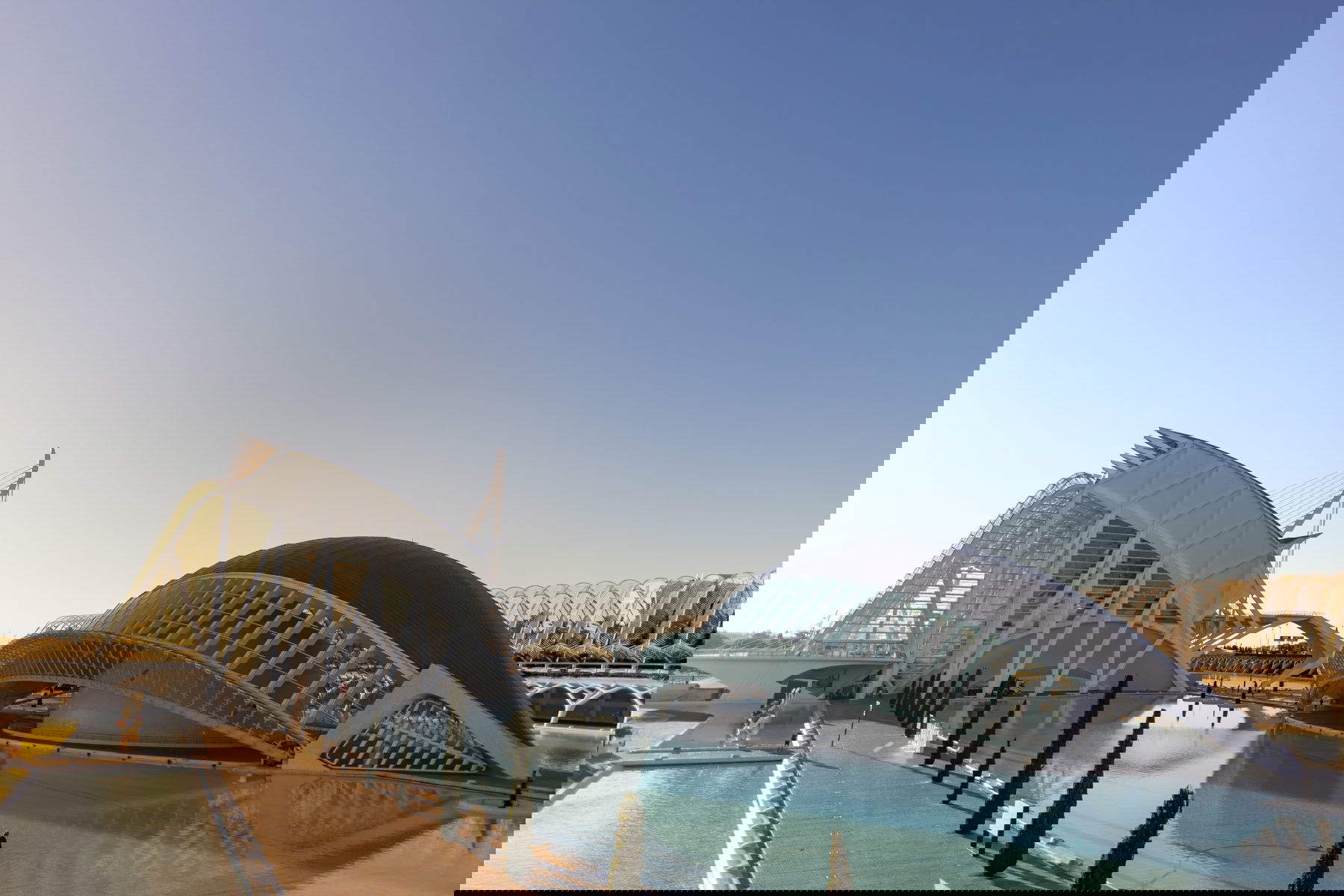
Alongside this historical legacy is the development of Valencian modernism, most visible in the Mercado Central, where iron, glass and colorful ceramics create a bright and vibrant space. Here the architecture is not only aesthetic but also functional: a living place, still central to the city's daily life. Contemporary architecture then emerges, such as the Veles e Vents Building, designed by David Chipperfield and Fermín Vázquez, and the City of Arts and Sciences, designed by Santiago Calatrava. The urban route also includes lesser-known but significant elements, such as the El Musical Theater in the Cabañal neighborhood, accessible through one of the city's highest gates, or the Casa Judía, an Art Deco building that recalls an Egyptian temple in its forms. Among the contemporary architecture, theEspai Verd, an example of ecological building visible from the outside outside outside the extraordinary opening days, also stands out.
An important chapter in Valencia's urban evolution is the Marina, the inner harbor dock redeveloped for the 2007 America's Cup. Today this area is a space dedicated to leisure and culture, where historic buildings coexist with contemporary architecture. Early 20th-century structures include the port docks, the customs house and the iconic clock building, while more recent constructions include the aforementioned Veles e Vents, which has become one of the city's symbols. The structure, characterized by stacked horizontal platforms, marks the entrance to the Marina and houses event spaces, restaurants and panoramic terraces overlooking the Mediterranean.
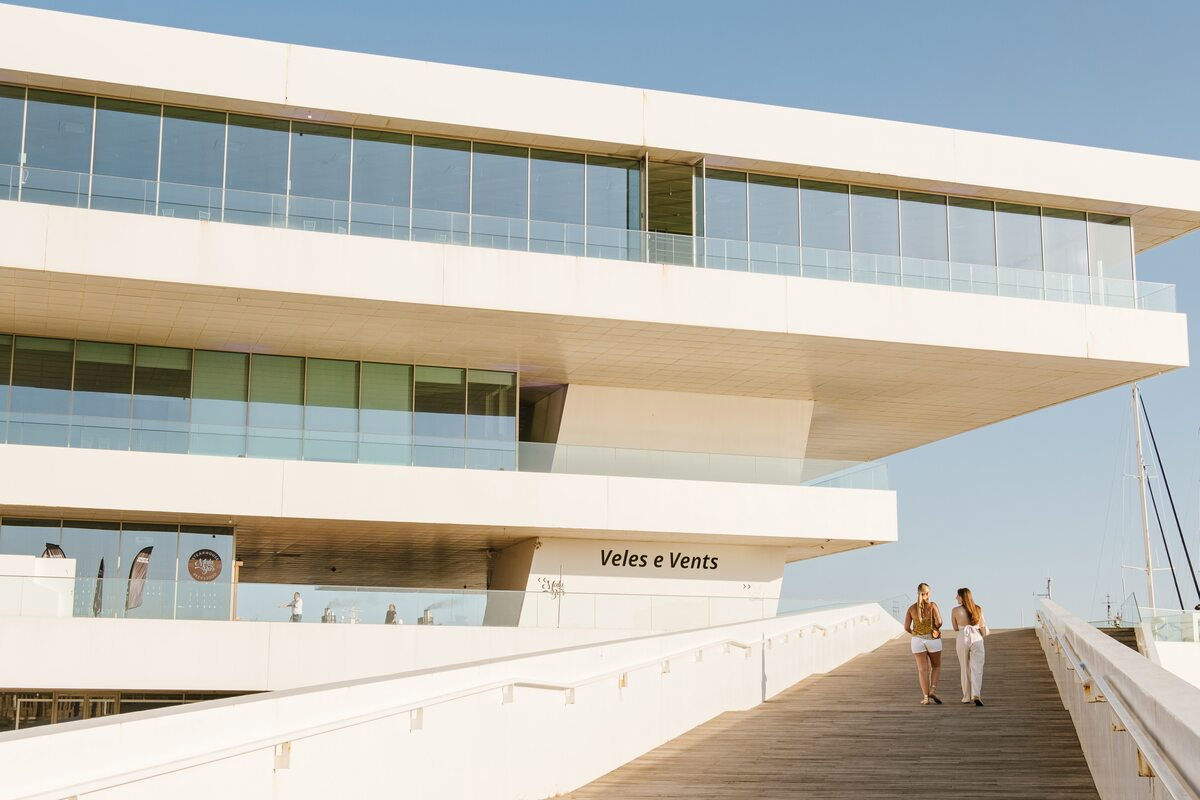
Inside the Veles e Vents are several gastronomic offerings, including La Sucursal restaurant, awarded two Suns from the Repsol guide and now led by chef Fran Espí. His cuisine combines Valencian tradition and contemporary techniques, emphasizing local products such as fresh fish and garden vegetables. The building's terraces offer 360-degree views of the city and coastline, making the complex not only an architectural but also a social landmark.
Valencia also offers significant examples of Brutalist architecture, concentrated particularly in the university area alongAvenida Blasco Ibáñez. Here are the faculties of Psychology, Geography and History, Philosophy, and Educational Sciences, characterized by an essential architectural language based on reinforced concrete and exposed structures. In the same area are buildings such as the German School and the Guadalaviar School, which integrate natural and built elements, anticipating some reflections on sustainable architecture.
In contrast, the historic center preserves symbolic places such as the Plaza de la Reina, an urban space designed in part by architect Javier Goerlich Lleó, a key figure in the city's transformation in the 20th century. Goerlich contributed to the redefinition of plazas and urban axes, including Plaza del Ayuntamiento and Avenida del Oeste, introducing a language that combines modernism, eclecticism and Art Deco. The Plaza de la Reina now represents one of the city's most vibrant places and one of Valencia's great new pedestrian areas, with the cathedral in the background, restaurants and open spaces frequented by residents and tourists alike. From here it is possible to climb the Micalet bell tower, walking up 207 steps to a height of 51 meters, from which there is a panoramic view of the entire city center.
Among the most significant monuments, the Lonja de la Seda occupies a central place. Built between the 15th and 16th centuries, it was the heart of the city's commercial activities, hosting transactions and meetings related to the international silk trade. The building is divided into several spaces, including the Hall of Columns, the Chapel, the Keep, the Sea Consulate, and the Orange Courtyard. The helicoidal columns, cross vaults, and rich sculptural decoration testify to the high level reached by Valencian Gothic architecture.
The history of silk can still be read today through a dedicated route that passes through the Velluters district, an ancient center of the silk industry, and continues in the Valencia Silk Museum, housed in the College of the Major Art of Silk. Here historical looms, textiles and documents are preserved that tell of Valencia's central role in the Mediterranean trade.
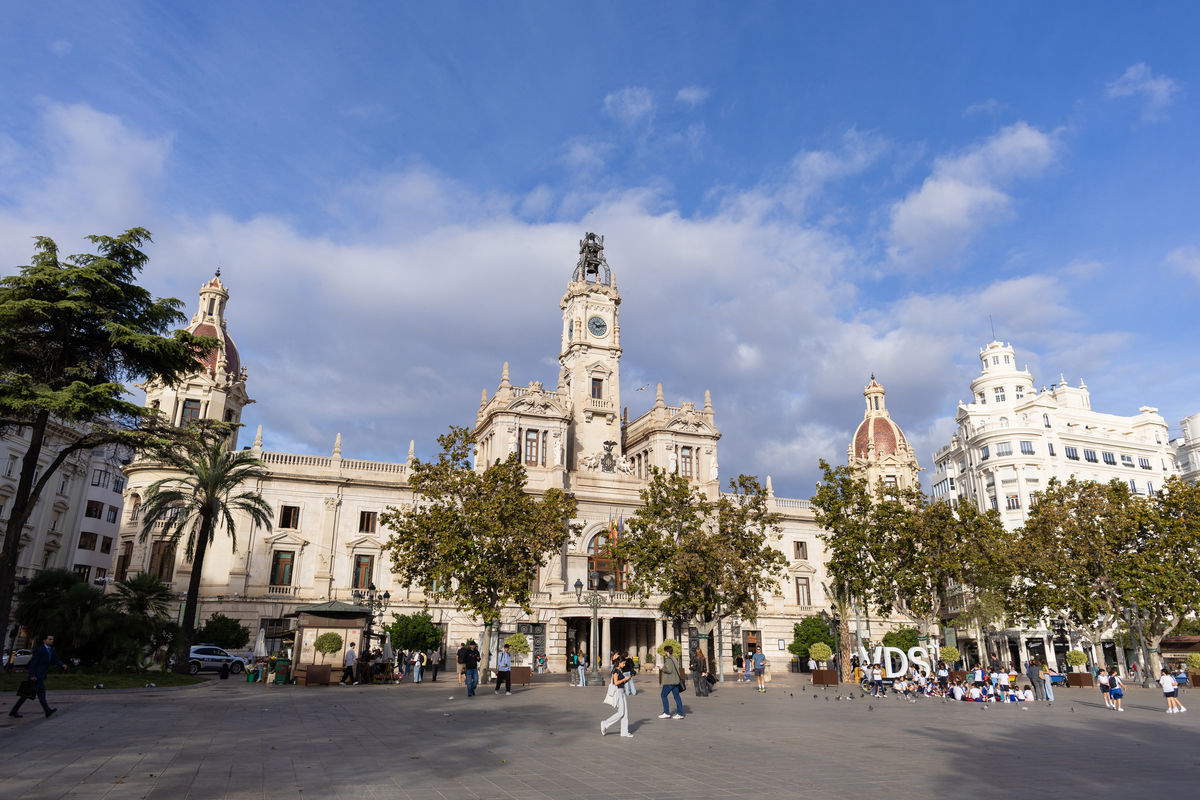
The city's architectural itineraries thus allow visitors to grasp the complexity of an urban context in which tradition and innovation coexist. From Gothic architecture to contemporary experimentation, Valencia presents itself as an open-air laboratory in which historical heritage constantly dialogues with the transformations of the present.
A walk in Valencia is more than just an urban itinerary: it is a layered traversal of more than two thousand years of history, where each era has left a visible trace in the architectural fabric. From the Roman legacy to contemporary experiments, the city presents itself as a true open-air laboratory, where Gothic, Baroque, modernism and the avant-garde coexist harmoniously.