By Andrea Fusani | 03/07/2026 16:04
“It is unforgivable—except for those who are ignorant of every aspect of the arts of drawing—to claim that an ignorant person […] can, in a single month, become a wax modeler capable of imitating all of nature’s creations. One’s own skill, whatever it may be, is insufficient for this purpose, and the divine Michelangelo himself would certainly neither presume such a thing nor boast of it.” What motivations could have driven a cosmopolitan intellectual of the caliber of Giovanni Fabbroni (Florence, 1752 – Pisa, 1823) to put forward such a heartfelt defense of the wax (and wood) modelers at the Royal Museum of Physics and Natural History in Florence? And what esteem did these artisans command in the final years of the 18th century (1798, to be precise) if, to uphold their value, one went so far as to invoke “the divine” Michelangelo, an unwitting advocate for their cause?
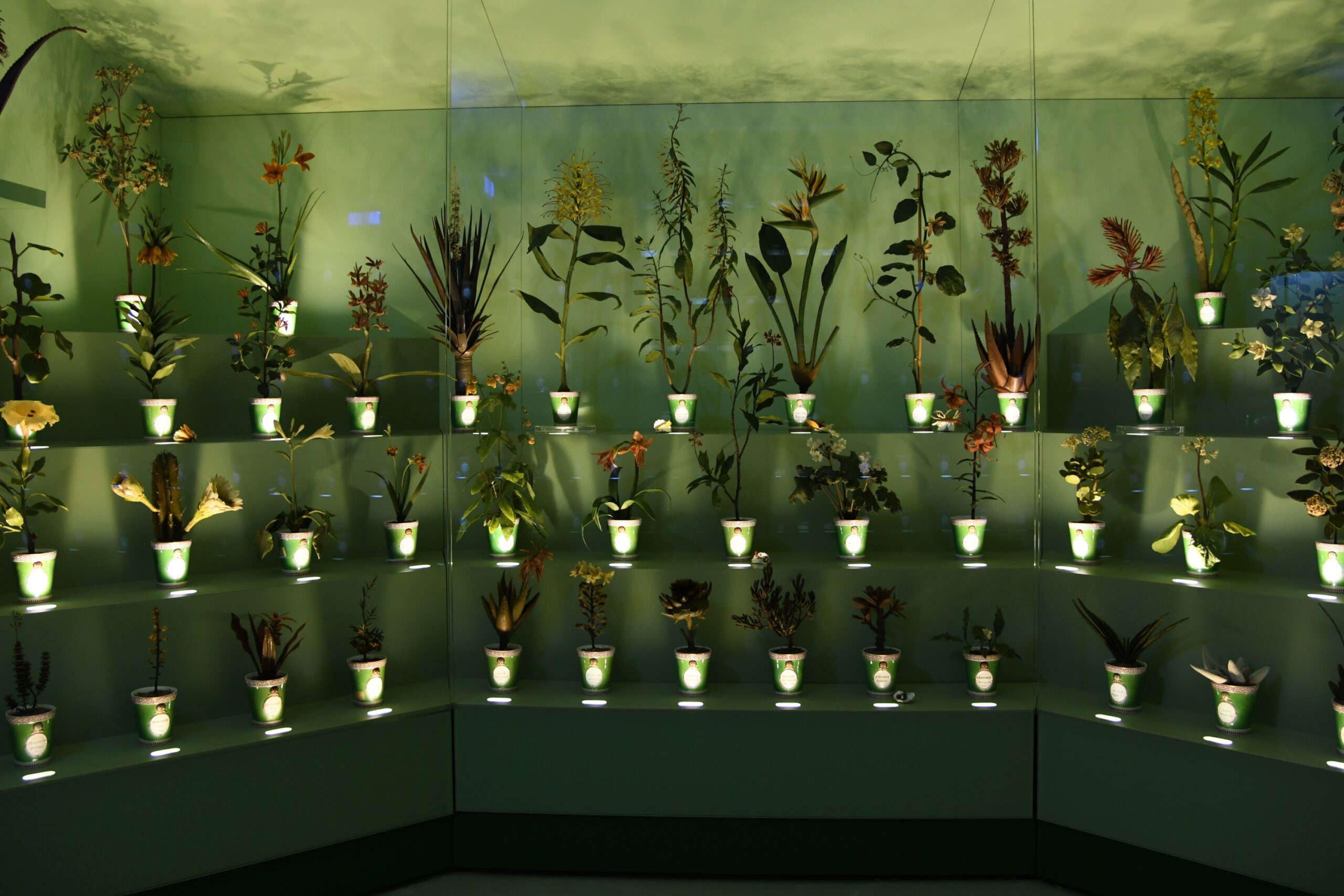
Of course, even the modern visitor, upon entering the new section “Art and Science: Educational Models” of the renovated La Specola Natural History Museum in Florence—reopened in 2024—is struck by the impact of the collection of botanical wax models, dramatically arranged in tiered display cases against a green backdrop. The exceptional realism of the models—life-size replicas crafted with great refinement—and the elegance of the presentation, featuring precious Ginori porcelain vases from Doccia and white labels bearing the specimen’s scientific name in Latin, are utterly captivating. However, it is not easy, from our perspective, to become familiar with these objects, emblems of the mindset of a distant era “in which science was still accompanied by beauty and art” (as Chiara Nepi puts it). We must take a step back in time, to the period of Grand Duke Peter Leopold of Habsburg-Lorraine’s first arrival in Tuscany (Vienna, 1747 –1792), to truly appreciate the Specola’s remarkable wax figures, immersing ourselves in the vibrant, enthusiasm-filled atmosphere that led to their creation.
It is the fall of 1766, and the young sovereign has been in Florence for barely a year when the Trentino naturalist Felice Fontana (Pomarolo, 1730 – Florence, 1805) was appointed court physicist and supervisor of the Physics Cabinet at Palazzo Pitti. A student of the philosopher and man of letters Girolamo Tartarotti (Rovereto, 1706 – 1761), best remembered for declaring witchcraft nonexistent in his “Congresso notturno delle Lammie” (1749), Fontana had arrived in Tuscany to attend the lectures of the famous mathematician Paolo Frisi (Melegnano, 1728 – Milan, 1784) at the University of Pisa. He soon entered the circle of the new sovereign and used his prestigious appointments as a springboard, resolutely pursuing an ambitious plan: to create a modern science museum.
Enthusiastic about the project, Pietro Leopoldo assigned a group of young scholars to work alongside Fontana: the aforementioned Giovanni Fabbroni, as deputy director; the physician and naturalist Attilio Zuccagni (Florence, 1754 –1807), who would be entrusted with creating a botanical garden, and the mathematician and scholar of mechanical arts Giuseppe Pigri (Florence, †1804). A forty-year-old, flanked by a group of ingenious twenty-somethings, supported by a ruler in his mid-twenties: these are figures that give pause for thought.
In 1771, the Grand Duke purchased the historic Palazzo Torrigiani on Via Romana, bordering the Boboli Gardens, for the new institute, and began its renovation, entrusting the work to Gaspare Paoletti (Florence, 1717 –1813), an architect of the Royal Factory of Tuscany, while Fontana and his assistants worked assiduously on reorganizing and cataloging the Medici’s natural history collections. On February 22, 1775, the Royal Museum of Physics and Natural History was inaugurated—not merely a cabinet of curiosities but an institution dedicated to the promotion of science: the objects on display were intended to serve as research tools, give visual form to the laws of nature, and foster an appreciation for the applied sciences. Among the tools deemed indispensable for this new museum were three-dimensional models of plants and fruits, designed to document the plant world with absolute fidelity.
It was in this context that the decision was made to open a workshop dedicated exclusively to the production of wax models:the Florentine Wax Workshop (Officina ceroplastica fiorentina), founded in 1771 and destined to achieve great renown throughout its history, which continued into the second half of the nineteenth century. The art of wax modeling had a long tradition in Florence, but the creation of a public workshop dedicated solely to the scientific applications of this complex technique was an absolute novelty. The nineteen-year-old Clemente Michelangelo Susini (Florence, 1754 – 1814), who joined the wax modeling workshop in 1773, quickly became its undisputed leader, rising from chief modeler to director and overseeing, over more than forty years of activity, the creation of over two thousand models for the museum.
The workshop’s production focused primarily on the creation of impressive anatomical models, giving rise to the extremely rich collection (approximately 1,400 works in 562 display cases) of the Specola’s historical exhibition, whose museum layout still largely preservesits 18th-century layout. Artifacts of this nature were soon joined by botanical wax models, created for educational, museum, and scientific purposes, including artificial fruits and citrus fruits.
Considered Europe’s first scientific museum open to the public, the Specola (whose name derives from the Latin specŭla, “observatory,” in reference to the astronomical observatory that once stood on the octagonal tower overlooking the museum) enjoyed great success from its earliest years. Of course, neither the Grand Duke nor Felice Fontana had in mind the large visitor numbers pursued by today’s museums, and their actions were inspired by principles of public utility: “to revive the sciences in Tuscany” and to “enlighten” the people in order to “make them happy by making them more educated,” thanks to the “philosophical and sublime genius of Pietro Leopoldo, the provident and vigilant Sovereign of Tuscany.” The quotations come from a pamphlet—a precursor to modern museum brochures—entitled *Del Real Gabinetto di Fisica e di Storia Naturale di Firenze*, printed in Rome in 1775, in which, with brilliant insight, it was predicted that the Specola would be highly appreciated by the “most elevated minds” and by the masses of “foreigners,” rivaling the Uffizi Gallery.
In fact, within a few years, a visit to the new museum became a must-see for travelers on the Grand Tour: after all, at the height of the Enlightenment, it was inconceivable to remain indifferent to scientific experimentation and progress. The experience was designed to satisfy a broad and diverse audience: scholars and specialists were impressed by the rigor and method, while ordinary visitors were captivated by the curiosities and oddities. Perhaps it was also to capture the attention of the more ordinary public that the entire exhibition was arranged with the utmost care, including its aesthetic and decorative aspects—extending even to the scientific instruments crafted from fine woods, brass, and silver, used “without stint”; machines of such beauty that they seemed “made in England by the most skilled and expert professors.”
What, then, might have been the reactions of travelers of that era to the Specola’s collection of wax fruits? We’ll examine two of them, seeking their impressions on the matter: the first is Adam Walker (Patterdale, 1731 – Richmond, 1821), an English author and astronomer, inventor of the famous Eidouranion, a spectacular mechanical planetarium used for popular astronomy lectures in London theaters. Having arrived in Italy in 1781, Walker was considered a guest of some distinction, and his visit to the museum was accompanied by both Fabbroni (a longtime friend he had met in England) and Director Fontana, who was described on that occasion as reserved and quick-tempered—in short, fitting a certain image of the scientist fully absorbed in his studies. The British lecturer was deeply impressed by the botanical wax models: “the imitations of plants, fruit, and flowers […] in wax, exceed in accuracy, number, and elegance all the collections I have seen in England or France. These are so well done that a professional gardener actually mistook the replica for the original.” Not only was the collection considered superior—in terms of quantity, scientific value, and aesthetics—to similar European collections, but the mimetic skills of the Florentine wax artists were also extolled, as their works were capable of deceiving even the most experienced gardener. We would also like to highlight the reference to the aforementioned elegance of the collection as a whole.
We fast-forward a few years to 1790 to hear the account of a young man of Spanish origin, Pietro De Lama (Colorno, 1760 – Parma, 1825), son of the Bourbon court apothecary in Parma and director of the Ducal Museum of Antiquities in that Emilian city: “The plant kingdom is displayed in three other rooms. A series of fruits, flowers, succulents, and mushrooms are rendered with the utmost realism in wax, adding luster to this precious treasure.”
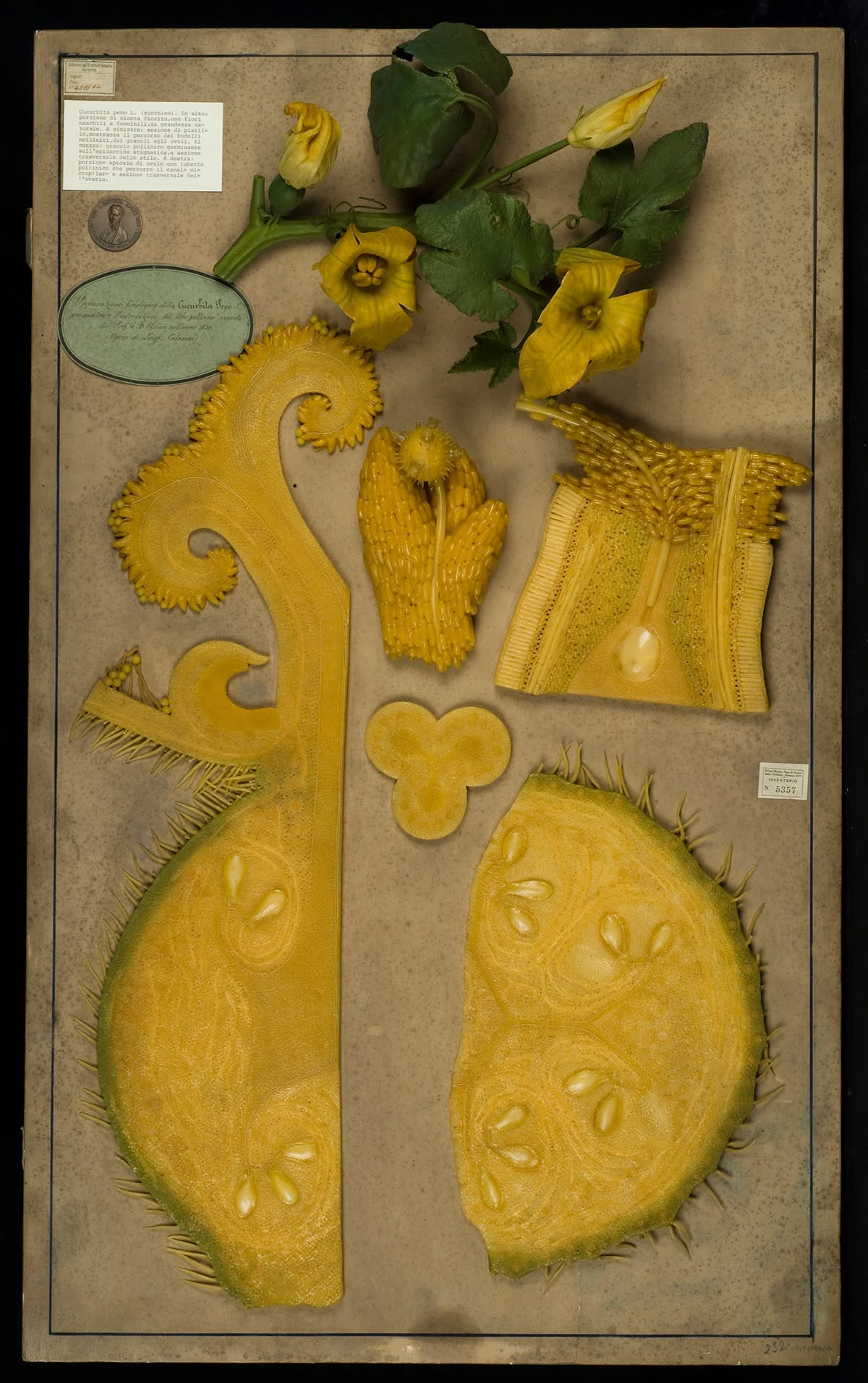
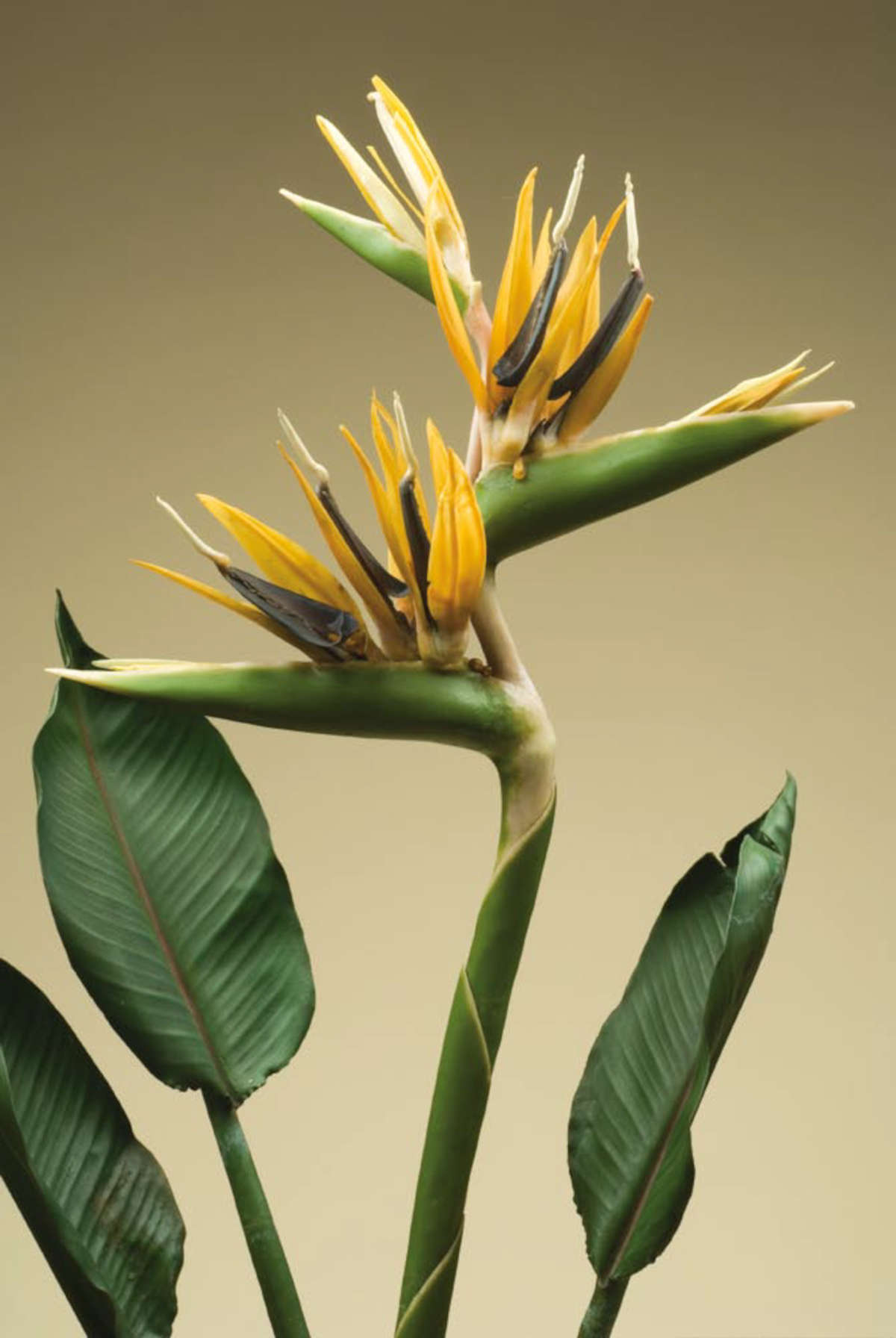
These exceptional results stemmed from an unprecedented collaboration between scientists—specifically naturalists and botanists—the museum’s microscopists, and highly skilled wax sculptors: every minute detail is reproduced to perfection, copied from life after noting, in pencil, the parts most prone to deterioration, and the plant models were accompanied by a small porcelain shell containing their reproductive organs, enlarged beyond their actual size.
Production proceeded at a brisk pace in the final years of the century, when at least one plant and several fruits left the workshop each month, despite the complexity of the process. Each model was supported by a metal skeleton, onto which the specimen’s finest structures were directly molded. Each wax sculptor had their own techniques and secrets, jealously guarded, and to reconstruct their methods we can rely only on the general information contained in the famous sculpture manual by Francesco Carradori (Pistoia 1747–1824), *Elementary Instruction for Students of Sculpture* (Florence, 1802), the few references found in archival documents, and the results of restoration campaigns.
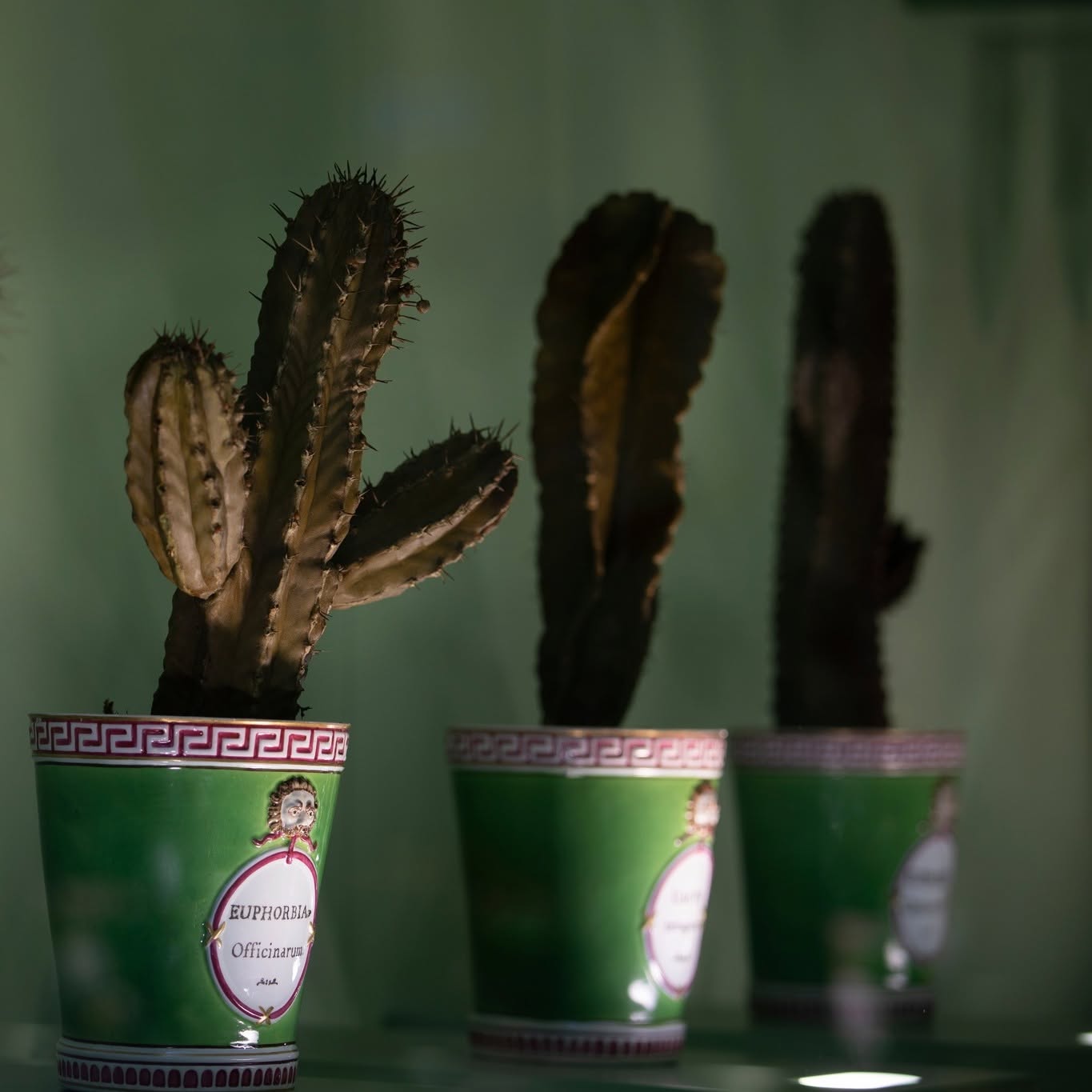
Generally, as with anatomical models, the process began by molding a faithful clay copy of the piece to be reproduced; the result was then used to create a plaster cast, into which the wax mixture best suited for the purpose would be poured: this was the most complex phase, requiring great experience and absolute precision. The mixture was based on beeswax, enriched with vegetable waxes or insect waxes, and made elastic by the addition of turpentine, oils, or spermaceti (the famous whale oil). Heated slowly in a double boiler, the wax was then colored with various substances—used to achieve particularly natural effects—and gently poured into the mold. The resulting piece was finally refined by adding details and elements either directly modeled in wax or created using a wide variety of methods: ultra-fine silk threads soaked in wax, as well as real elements taken from the original specimen—such as spines or plant filaments—and even silver dust to simulate the sheen of the surfaces. The botanical models were then mounted on a plaster base and placed in the aforementioned cylindrical vases by Doccia, which had deep green bottoms and were decorated with geometric patterns in shades of red and white. To enhance the realism of the whole , real potting soil was finally added to cover the plaster bases.
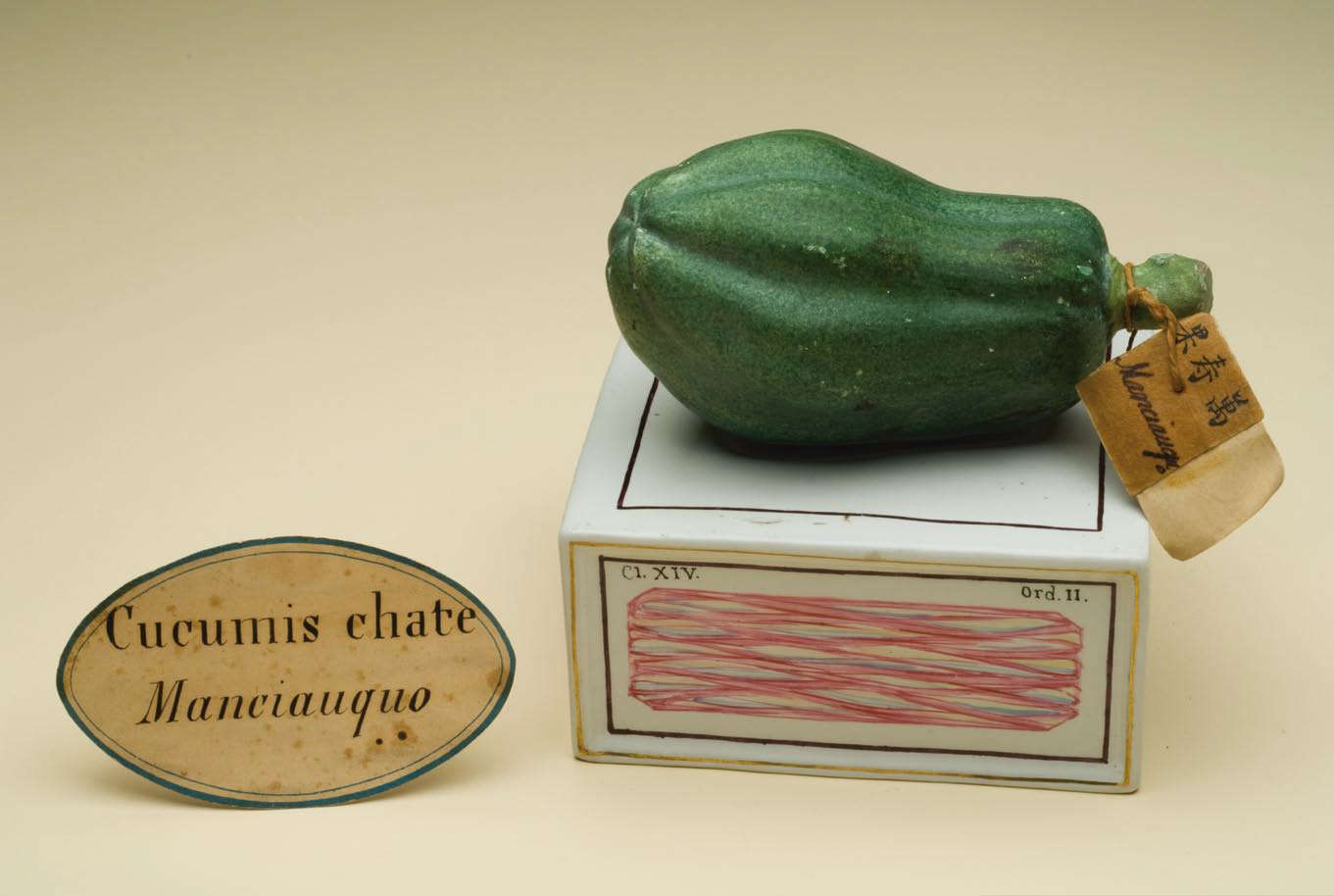
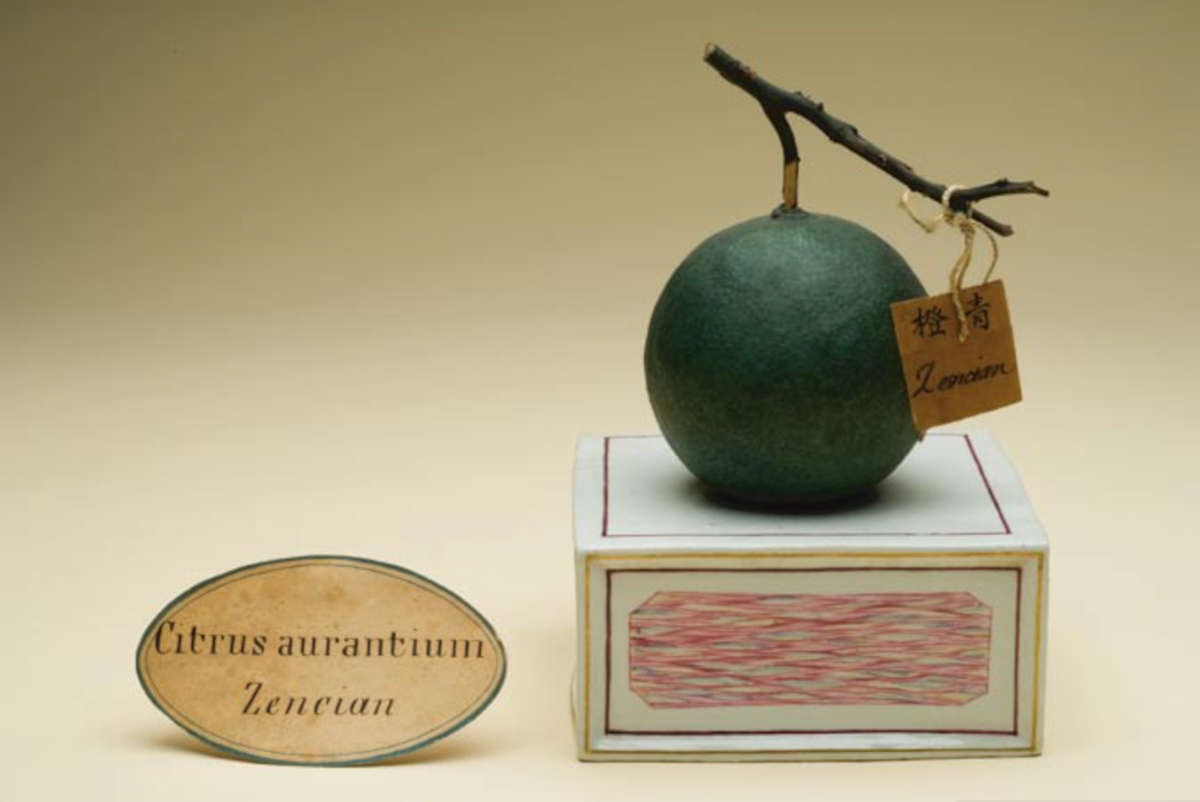
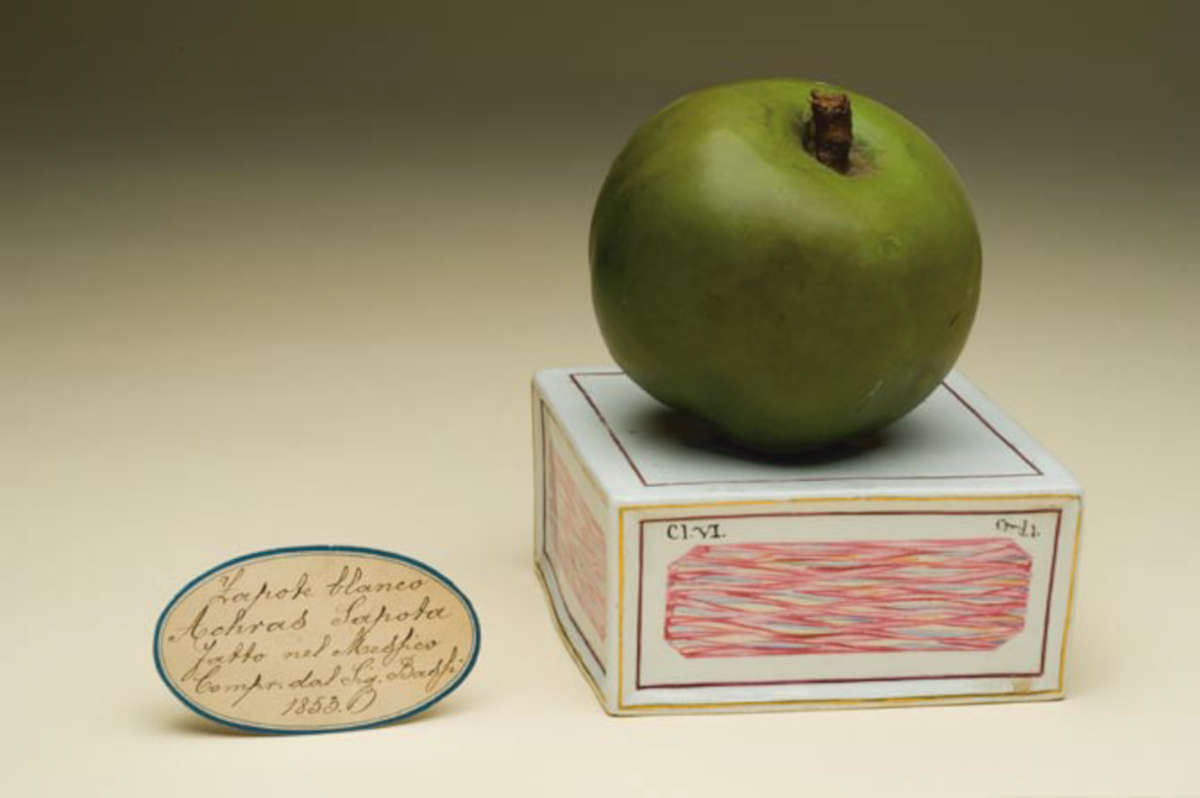
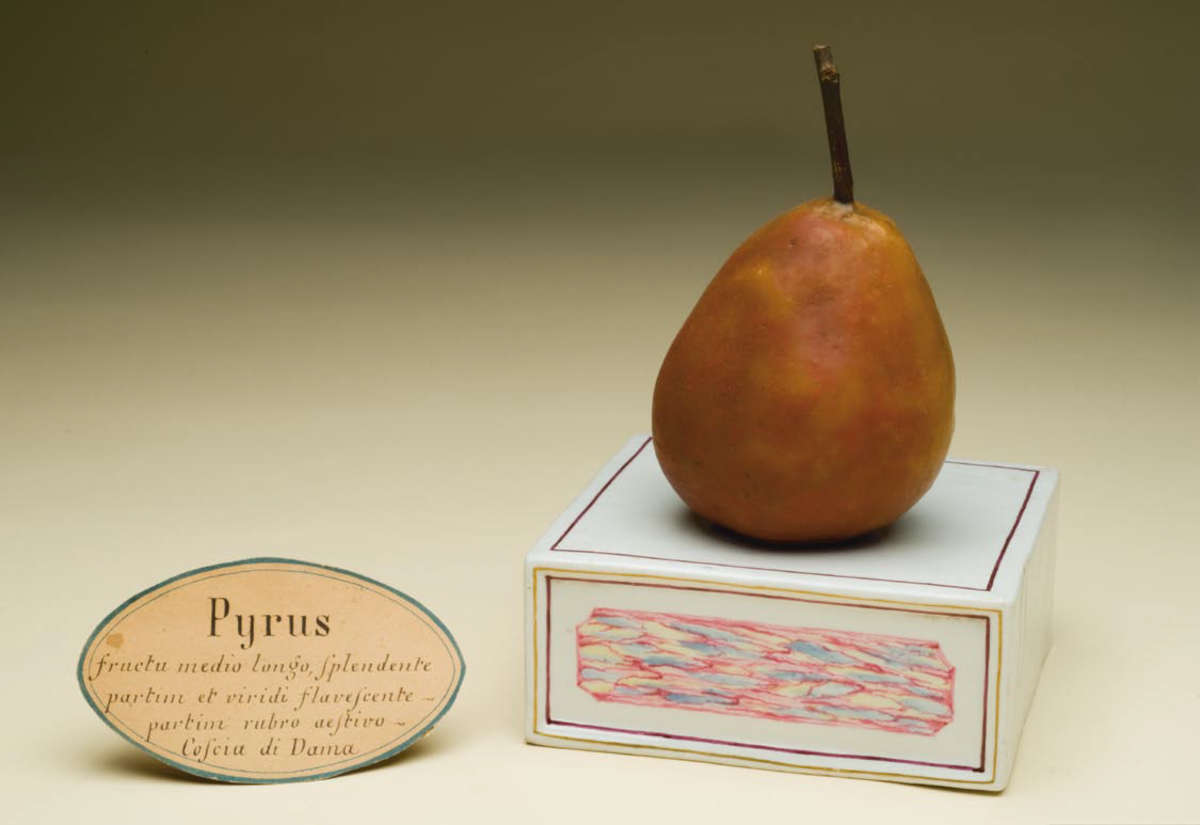
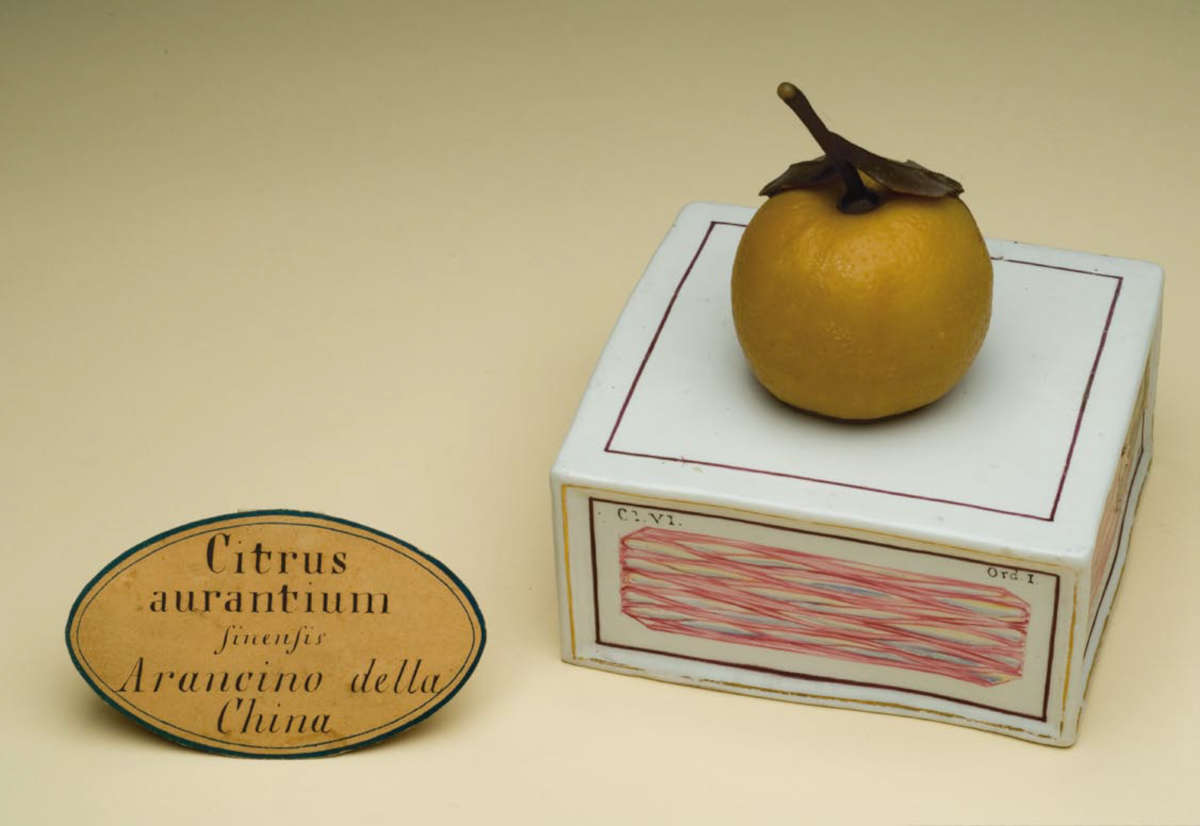
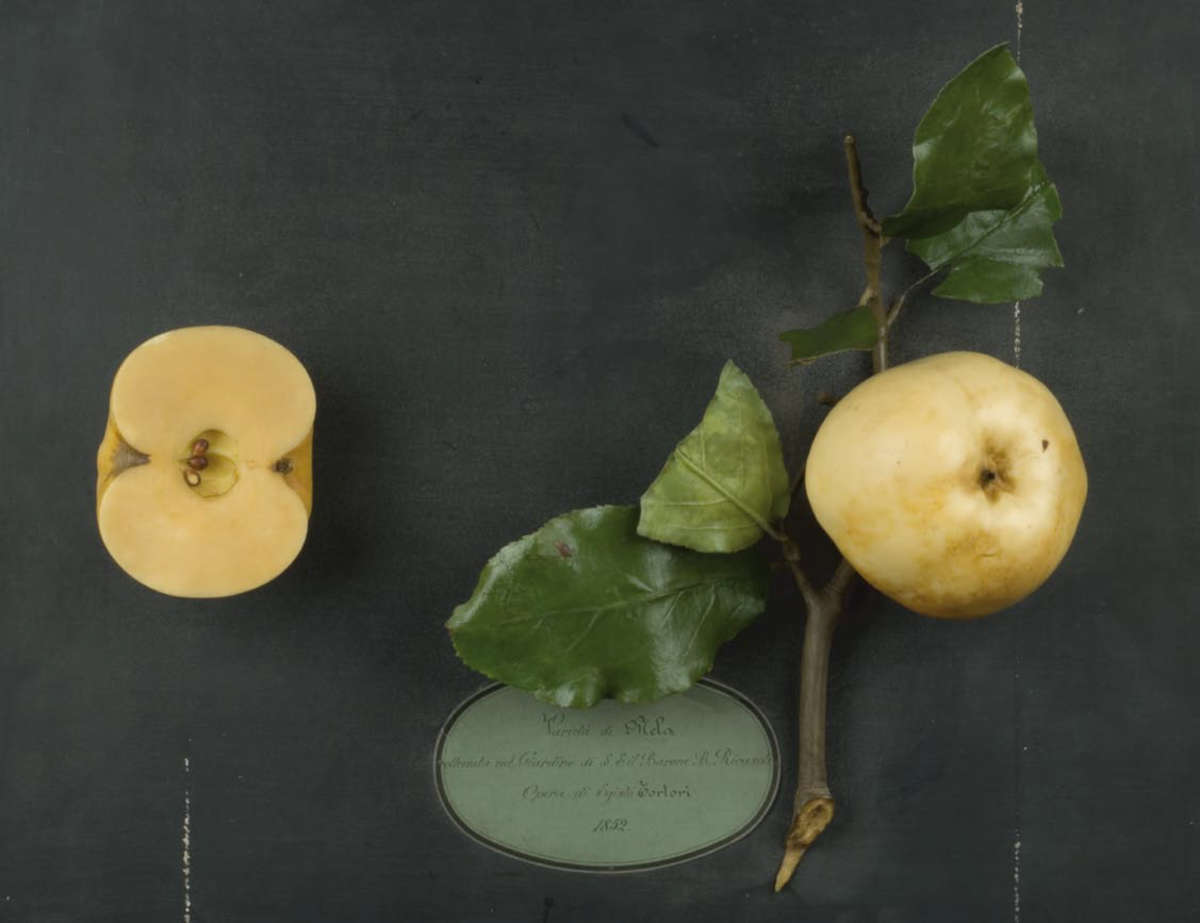
A handwritten catalog, compiled in the winter of 1798, reveals the subjects of the 161 botanical wax models produced by the wax modeling workshop for the museum up to that point. The first section is dedicated to rare and exotic fruits such as Euphorbia Caput Medusae of the Euphorbiaceae family, one of the first plants classified by Linnaeus, and Cotyledon orbiculata of the Crassulaceae family, whose leaves were used in traditional medicine as a remedy for insect bites and to relieve toothaches.
The list of “Common and Everyday Plants” is more extensive, featuring “Scilla marina” (a wild onion prized for its diuretic properties since ancient times), St. John’s Wort, or “Erba San Giovanni,” used in the ancient peasant tradition of the summer solstice, and “Bear’s Ear,” Primula auricula of the Primulaceae family , historically used to treat abscesses. There is no shortage of plants more directly linked to human consumption, such as artichokes, figs, “wild cipollino,” saffron, and various types of wild garlic. Among the specimens still present in the museum’s collections are also many species that are widely distributed throughout Tuscany even today. The “Fico Verdino,” with its small fruit, deep red flesh, and distinct sweetness, used to make the dried figs of Carmignano—already mentioned by Francesco Datini (Prato, 1335–1410) and now protected as a Slow Food Presidium; the Panaia (or Flagellata) apple, a late-ripening variety typical of the Valdarno regions of Arezzo and Florence; the Francesca apple from Arezzo; and an unidentified “Apple from Baron B. Ricasoli,” created in 1852 by Egisto Tortori (Florence, 1829–1893), one of the last sculptors at the Specola workshops.
Last but not least, citrus fruits are a must, in the tradition of that “citromania” that characterized the Grand Duchy (or at least its rulers) since the time of Cosimo I, with varieties ranging from the Limoncello di Napoli (the ancient “Limetta acida” that still grows in the lemon grove of the Boboli Gardens), the Peretta Lemon of Santo Domingo, or the Double-Flowered Ridged Lemon—ancient lemon cultivars present in the Medici gardens since the mid-17th century.
The entire endeavor was a natural part of that ancient tradition in which the Medici dynasty had intertwined naturalistic, botanical, and artistic interests since time immemorial: a profound intertwining of art and science that had evolved from the illustrations by Jacopo Ligozzi (Verona, 1547 – Florence, 1627) for Francesco I, to the miniatures of Giovanna Garzoni (Ascoli Piceno, 1600 – Rome, 1670) for Ferdinando II and Vittoria Della Rovere, and on to the large canvases by Bartolomeo Bimbi (Florence, 1648–1729) for Cosimo III.
Pietro Leopoldo had initiated the final chapter of this history, taking it into a new dimension—that of wax modeling—and framing it within an enlightened program of natural history collecting and scientific outreach. At the end of this overview, pausing before the display cases of the Specola and that orderly sequence of jars and wax figures labeled with elegant 18th- and 19th-century handwriting, one might perhaps gain a greater understanding of the impassioned tone used by Fabbroni, in the opening quote, to defend the trusted modelers of the Florentine wax-casting workshop. His was not hyperbole born of enthusiasm, but rather the recognition of a body of knowledge capable of combining scientific precision with extraordinary artistic skill.
Even after its extensive renovation, the Museo della Specola may not be able to compete, in terms of visitor appeal, with the giants of the sector—from the Uffizi to the Galleria dell’Accademia—but it offers an enchanting alternative to the better-known itineraries; the collection of botanical wax models, completely reorganized from scratch (and please forgive the pun), fully deserves to be recognized, in Simone Contardi’s words, as a “small, great masterpiece of craftsmanship and concrete scientific expertise.”