By Federico Giannini | 14/07/2026 21:45
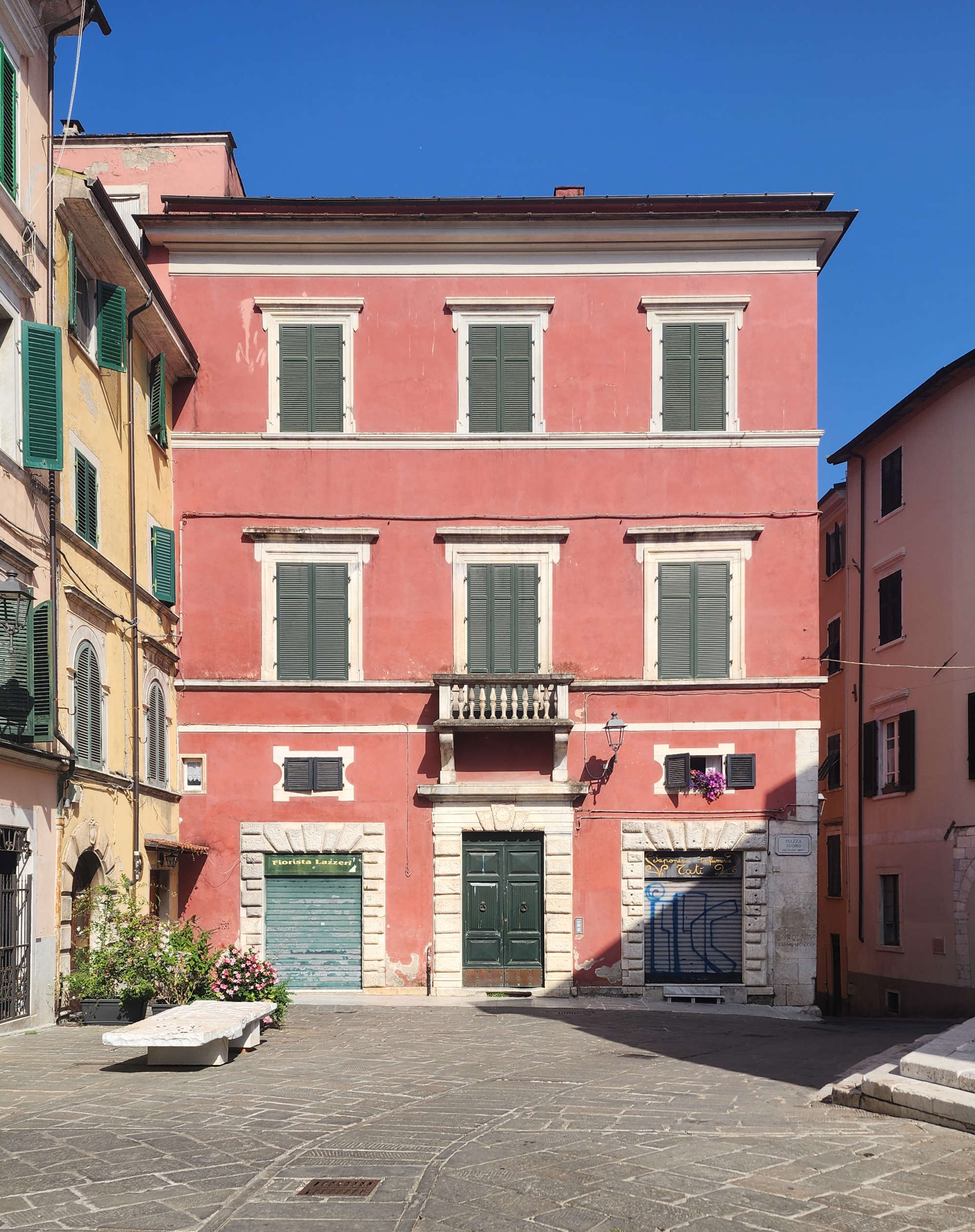
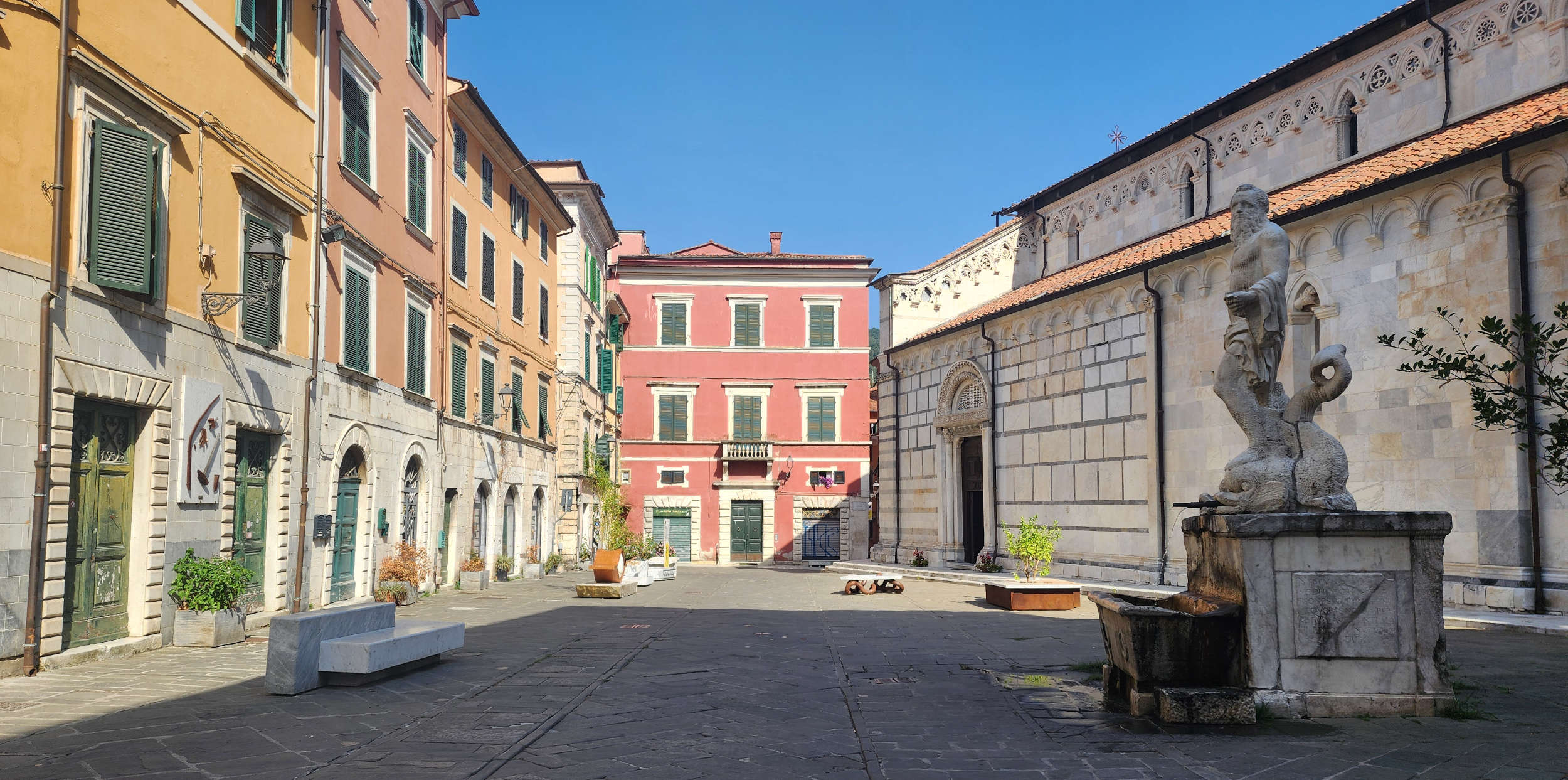
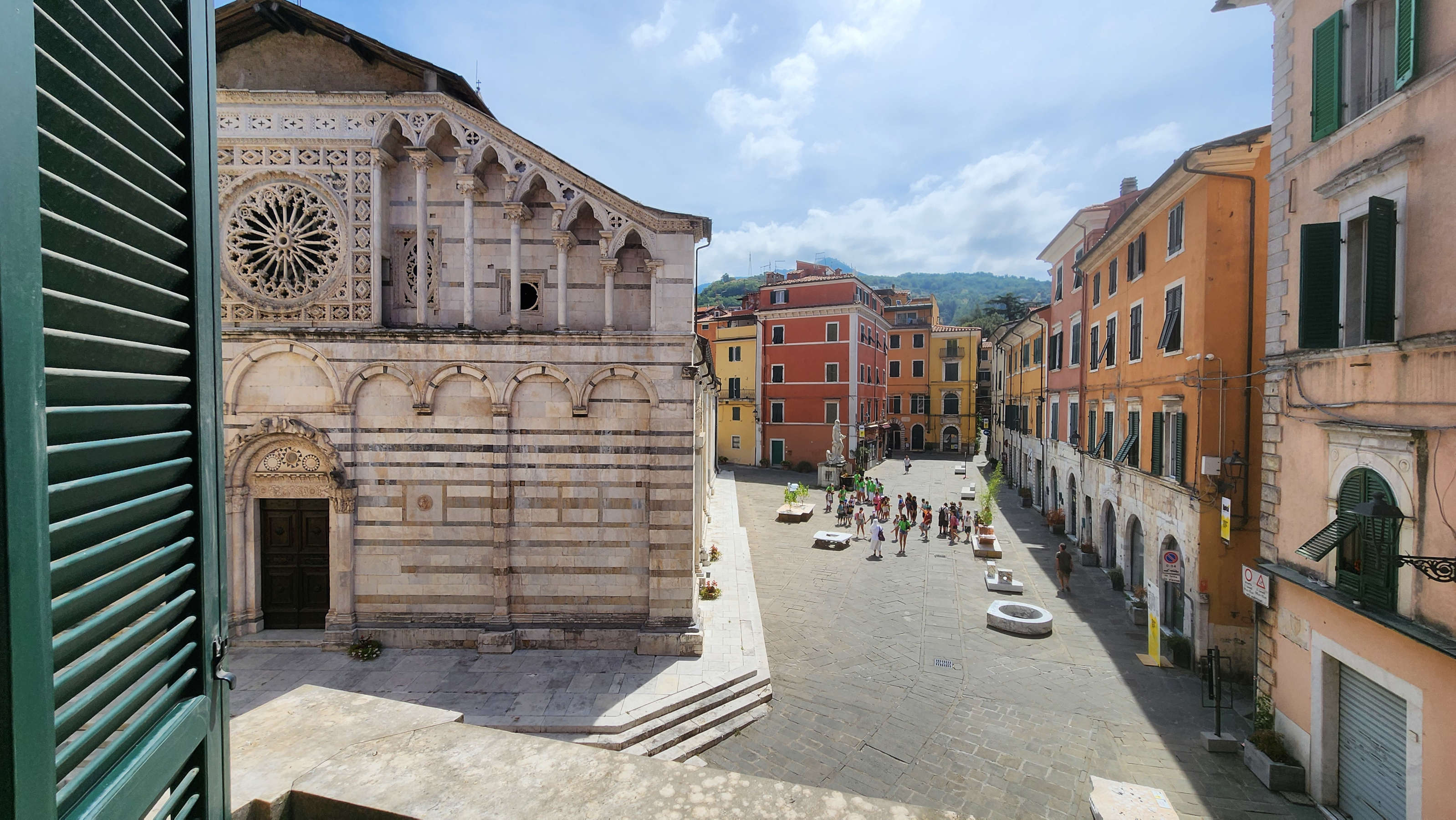
To see the palace, you have to turn your back on the Duomo; if you want to see the Duomo, you have to forget about the palace. Two visions of stone and marble. The palace and the cathedral scrutinize and measure each other, standing face to face—for how long, no one knows. The building, with its very long name intended to preserve the memory of all the families who have occupied it from the seventeenth century to the present (and fortunately there are only three: Palazzo Staffetti Del Medico Sarteschi—a genealogy rather than a name)—is located in the strangest, most foreboding, most taciturn, and most central square in Carrara, the square where the city has always been accustomed to speaking in whispers. And it stands directly across from the Duomo: from its windows, it almost seems as though you could brush against the rose window, that wheel with twenty spokes, each one stubbornly different from the others. Yet no one knows how long this curious, three-story, reddish cube has stood here, haughtily occupying this side of the square. “Piazza Drent,” they used to call it—that is, “Piazza dentro” (Inner Square)—a name that, with cadastral precision, revealed its location within the urban fabric. Is it possible, then, that the earliest memory of a place so deep within the city has been lost?
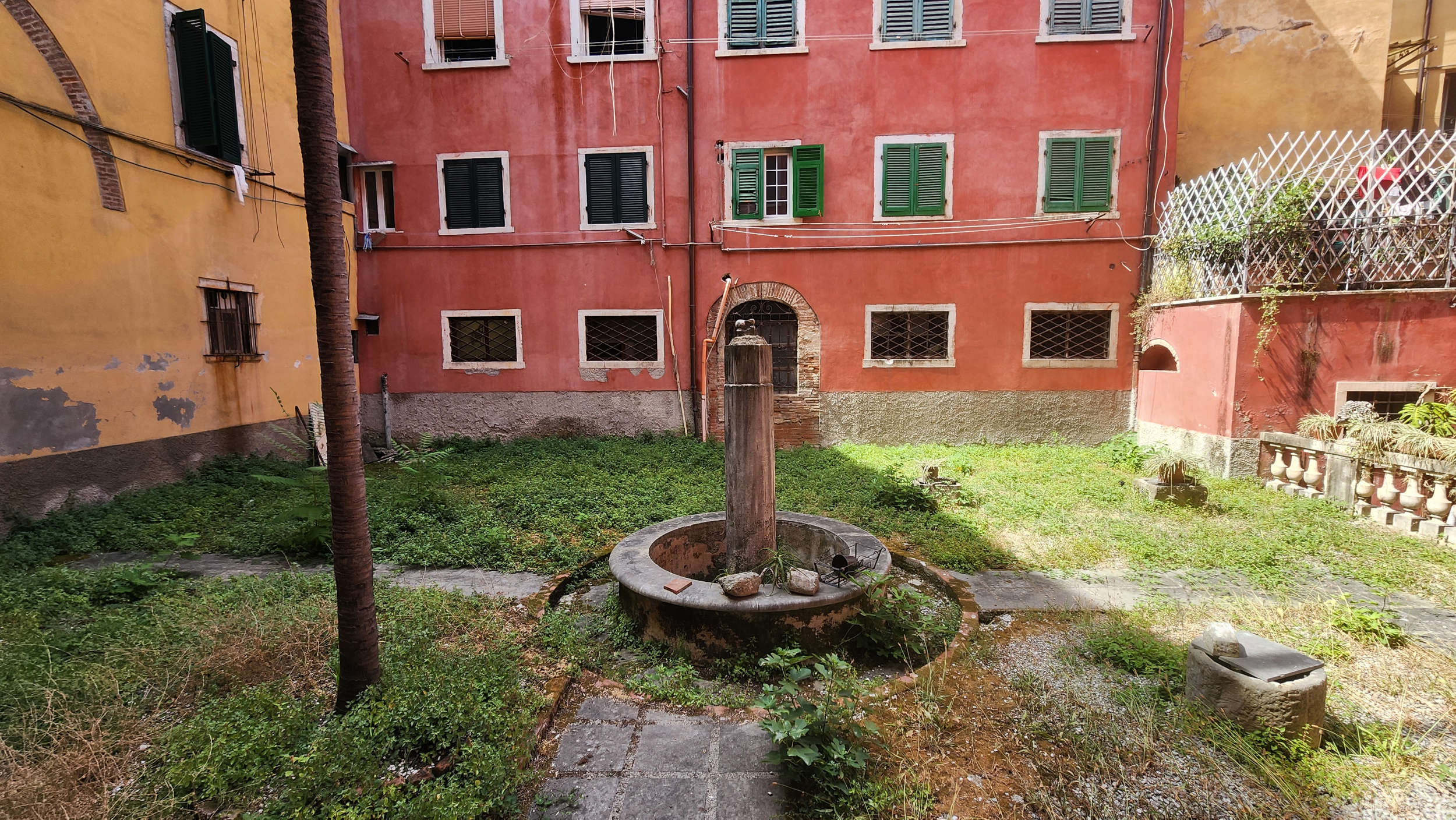
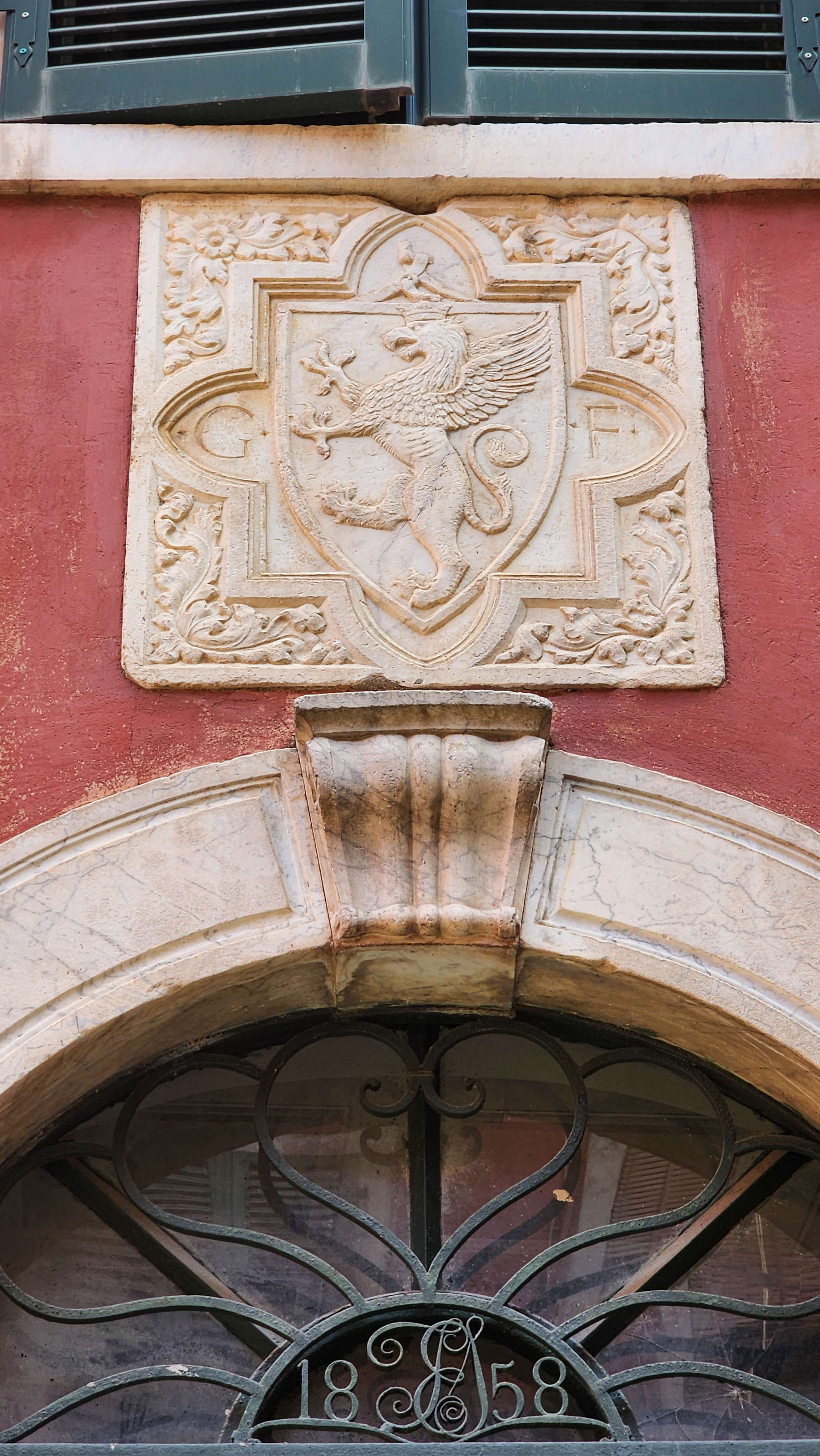
“The building,” says my friend who is accompanying me, Andrea Fusani, “dates from the 17th century, perhaps the early 18th, but keep in mind that this area has been considered urbanized since the 11th century. In fact, there are records dating back to before the time when the building is thought to have been constructed.” He points out the inscription carved into the marble that covers the corner of the facade facing Via Ghibellina—perhaps Carrara’s most famous ancient inscription: CAROL.V.IMP. / XII MAI MDXXXVI, meaning “Emperor Charles V, May 12, 1536,” commemorating the Habsburg’s visit to the city. Local history books agree that the original structure dates back to the 15th or 16th century, even though the first confirmed residents were the Staffetti family, who arrived more than a century later. The marble slabs bearing the inscription, however, have nothing to do with the rest of the building: it is clear that they are remnants of an earlier phase of the structure. Then my guide takes me into the courtyard to show me something that is perhaps even older and certainly more hidden, since it is visible only to the few residents who still live in the building: a marble coat of arms, a crowned, rampant griffin in the center of an old French shield, surrounded by plant motifs, with the initials G and F on either side. It is unclear what it is doing here, and the two initials offer no useful clues. The only certain fact is that the griffin is a creature entirely foreign to Carrara heraldry. The possibility that it is an antique purchased in modern times and added later to the wrought-iron lintel, dated 1858, is a scenario that Fusani tends to rule out: the Sarteschi family, who owned the palace at the time, were nobles and certainly had no need to put on airs, as many wealthy bourgeois families of the era did by adorning their palaces with coats of arms picked up at the antique junk market. They would therefore never have used a coat of arms other than their own: that griffin—that odd guardian of the moss and grass clinging to the pavement—has been spreading its wings there for five or six centuries, so it was presumably placed on that wall when the building was constructed—perhaps because the building served a representative function, or perhaps because it was the home of some stranger who passed through here. But these are just suppositions, subtle nuances of thought that serve above all to lend greater dignity to the only certainty we have—namely, that at the moment, any connection it might have to the palace eludes us. All the better, I observe: people line up to slip inside old palaces that smell of darkness, oblivion, and mystery. It was, after all, Andrea Fusani himself—an art historian by trade—who came up with the idea of opening the palace to the public: a couple of weekends in July, groups of fifteen people at a time (preferably well-behaved), free admission by reservation, organized by the local Phanostrates association (which had to work quite hard to make the rooms presentable: Fusani tells me they had been virtually unused for fifty years), with a small contribution from the city. Of course, the owner’s approval was required—the last descendant of those very same Sarteschi who inherited the palace in the 1840s (again, due to the usual series of family coincidences: the previous owner, Andrea Del Medico Staffetti, died without heirs, the family’s estate passed to his daughters, after which one of the two, Carlotta, married an Andrea Sarteschi from Fivizzano, and this branch of the minor mountain nobility, originally from the Lucido Valley, found itself with the palace opposite Carrara’s Cathedral among its holdings). The owner must have reasoned that, between keeping everything closed and throwing open the venerable doors of the ancestral home to the public, perhaps the best option was to rescue the palace from stagnation.
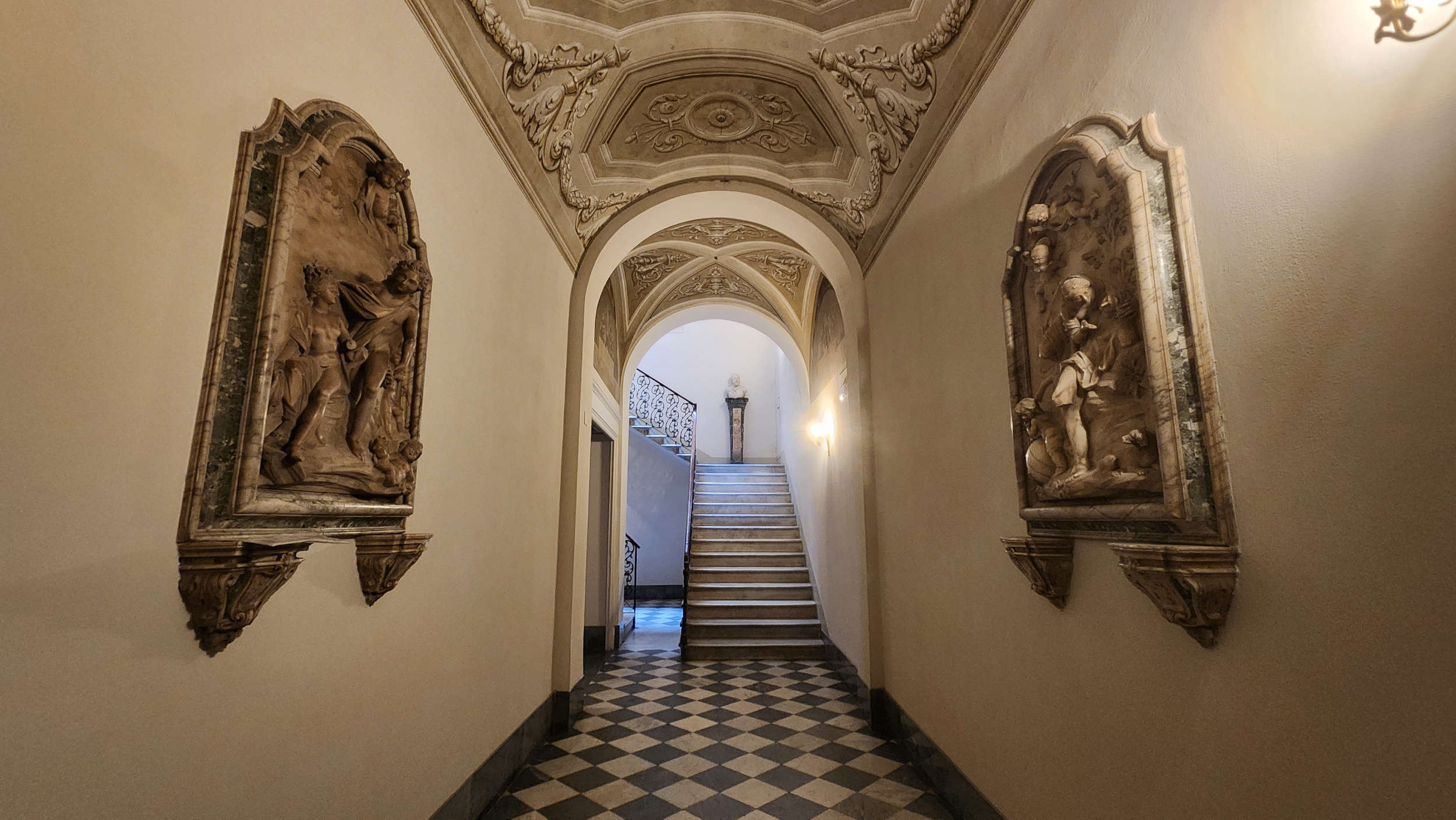
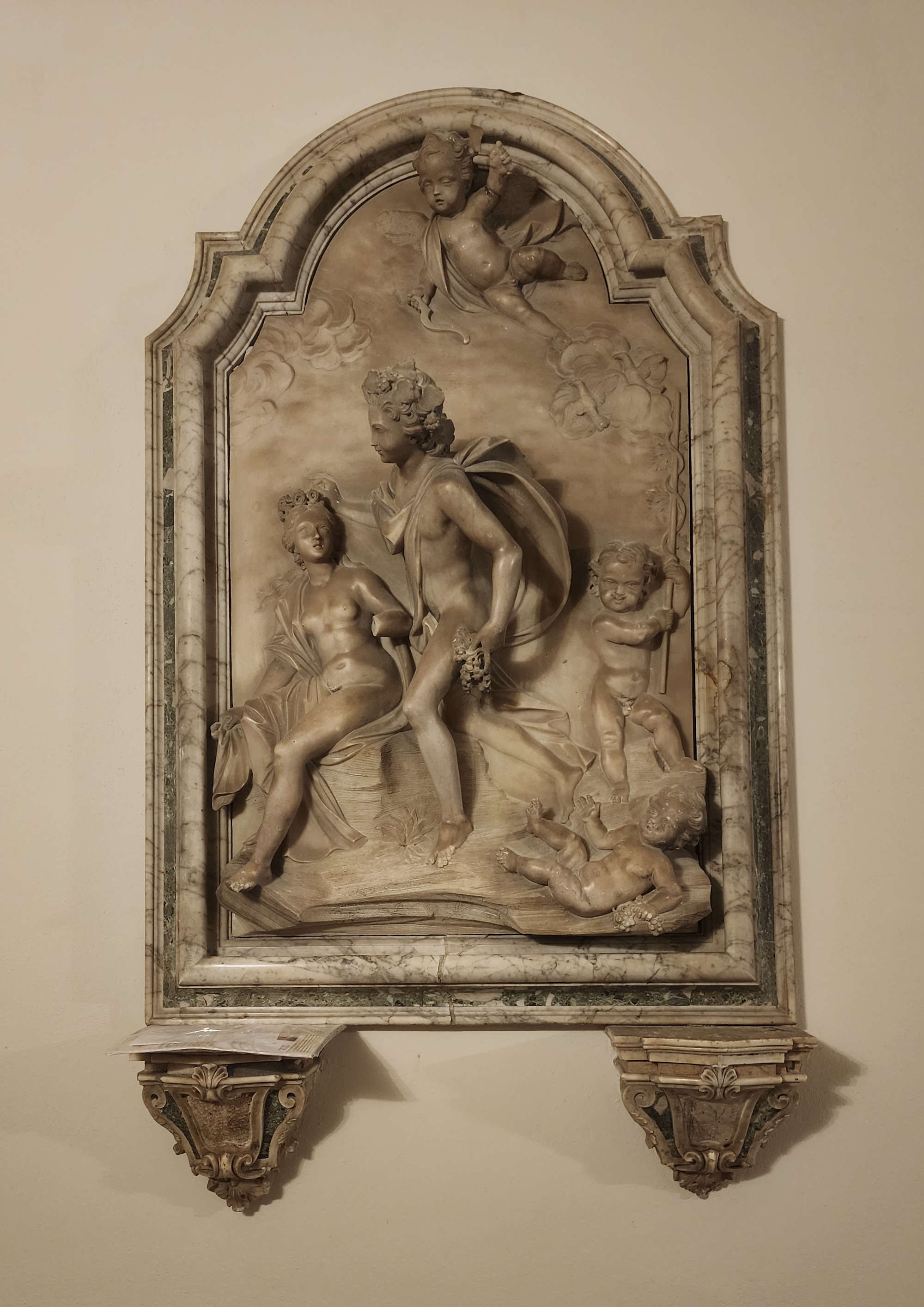
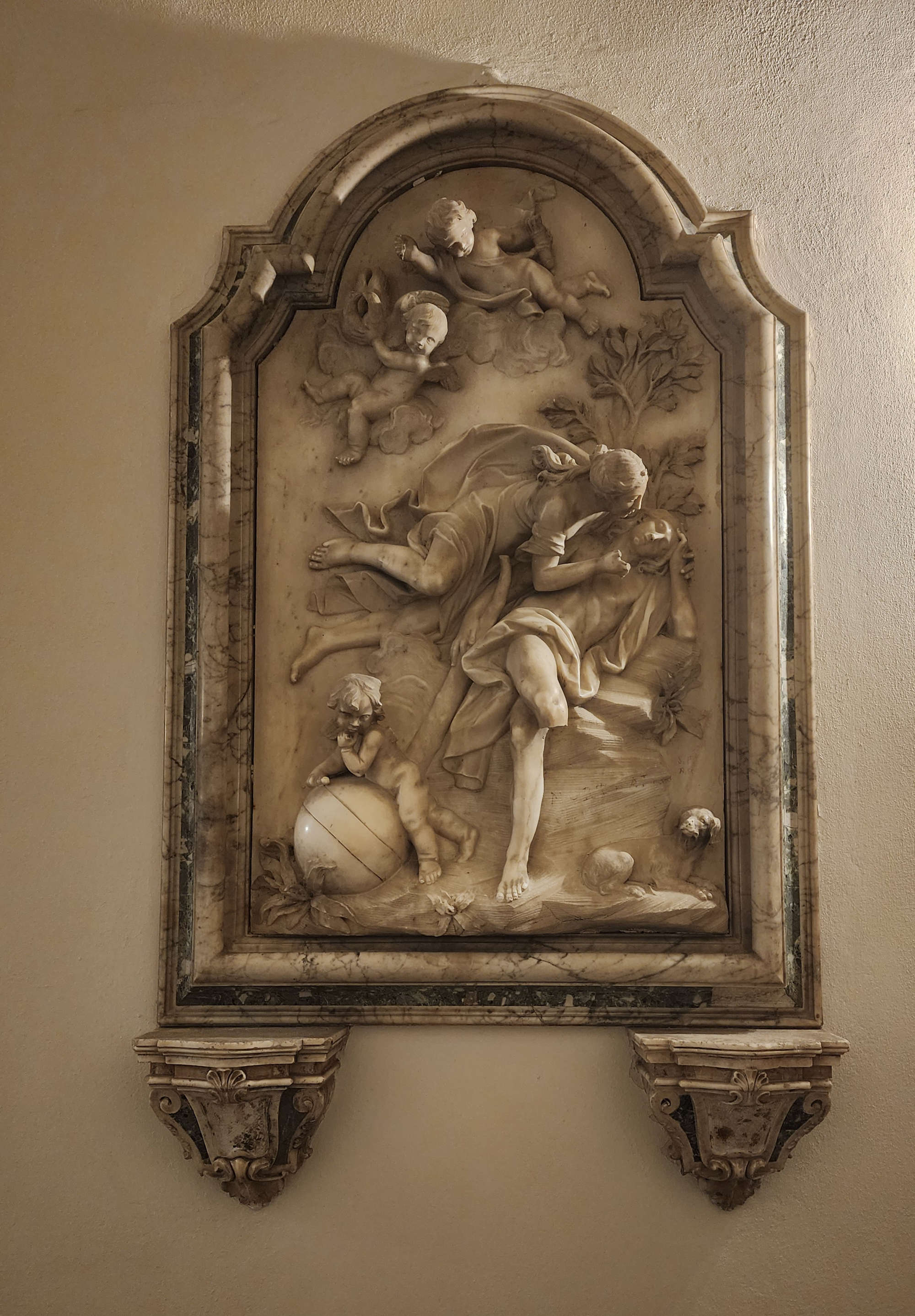
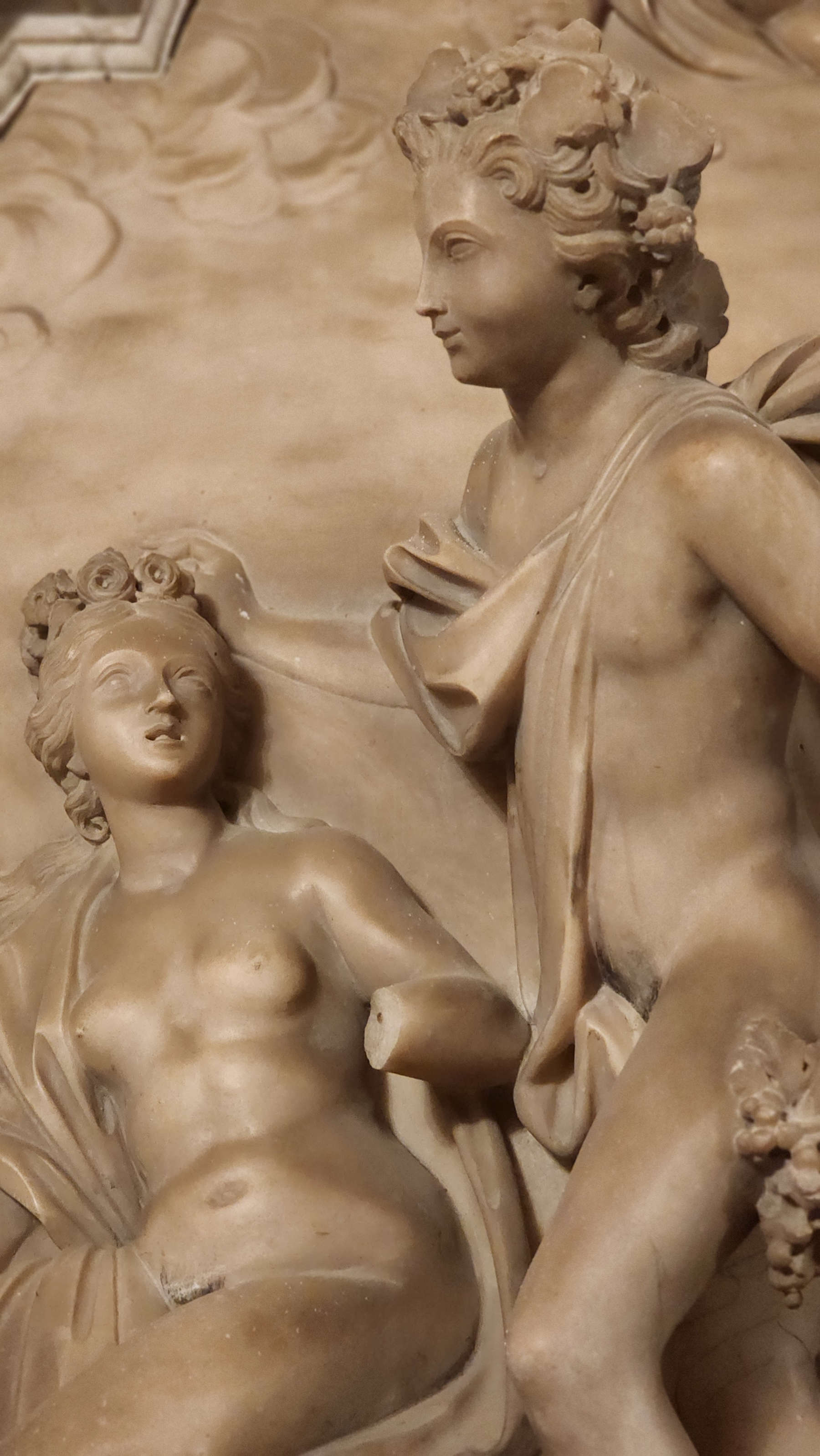
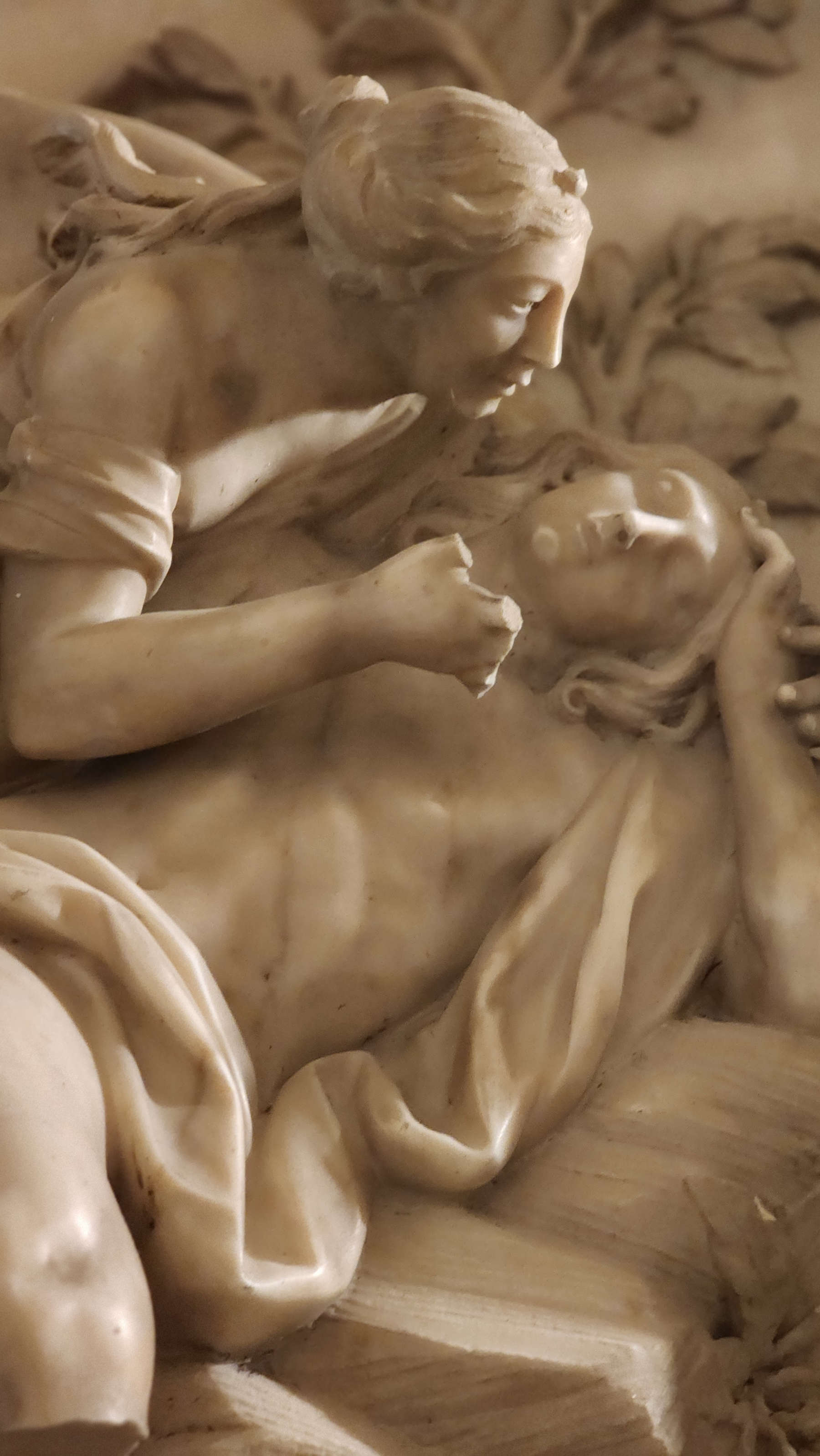
The problem today, one might say, is that people do indeed have a peculiar fondness for secrets—but only on the condition that someone will eventually take the trouble to reveal them. It will therefore be necessary to disillusion those concerned: here, within these walls, there are no hidden truths that will be revealed at the end of the tour—there are more doubts than certainties. Fusani knows this, and consequently, to avoid any objections, he decides to steer the narrative toward the tales of mythology—which, after all, abound here starting in the entrance hall, where guests are greeted by two reliefs by Giovanni Antonio Cybei, the greatest Carrara sculptor of the eighteenth century, who filled the palace with elaborate, exuberant marble scenes that were evidently intended to convey to guests the image the family wished to project of itself. Here, in the entrance hall, the subjects are amorous, and they are among the most frequently depicted in the painting and sculpture of the 17th and 18th centuries: on the left, Bacchus and Ariadne, an almost literal rendering of a composition by Simon Vouet, and on the right, Diana and Endymion (although, according to the myth, Endymion’s beloved was not Apollo’s sister but Selene, goddess of the moon: subtleties that were not given much thought in the mid-18th century, since everyone preferred to be captivated by literature, by Metastasio, who in his pastoral fables confused Selene with Diana, and we know, moreover, that at the time, the Del Medico family had a rich selection of Metastasio’s works in their library). Fusani, who is the leading expert on the Cybei, believes they were executed with extensive assistance from the workshop, and given the subjects, he is inclined to believe they were created in 1767, on the occasion of the marriage between Carlo Del Medico Staffetti and Phoebe Lefroy: she was the daughter of an English Calvinist who worked as a merchant in Livorno, and one might assume the marriage was purely for financial gain (the groom’s family had been active in the marble trade since the seventeenth century), except that the young woman, who was twenty-six at the time, had converted to Catholicism against her parents’ wishes and presumably must have thwarted the plans her parents had for her by marrying that count—who was indeed very wealthy, but of a different faith (legend has it that a nephew of Phoebe’s, a judge named Thomas Lefroy—with whom Jane Austen is said to have had an unrequited love—inspired the character of Darcy in *Pride and Prejudice*). It is curious that these two triumphs—of marital love and eternal love—are displayed in an entryway rather than in a bedroom, as was more customary: evidently, the family believed that their fortunes rested on that fidelity, which was to be taken as a guarantee of stability.
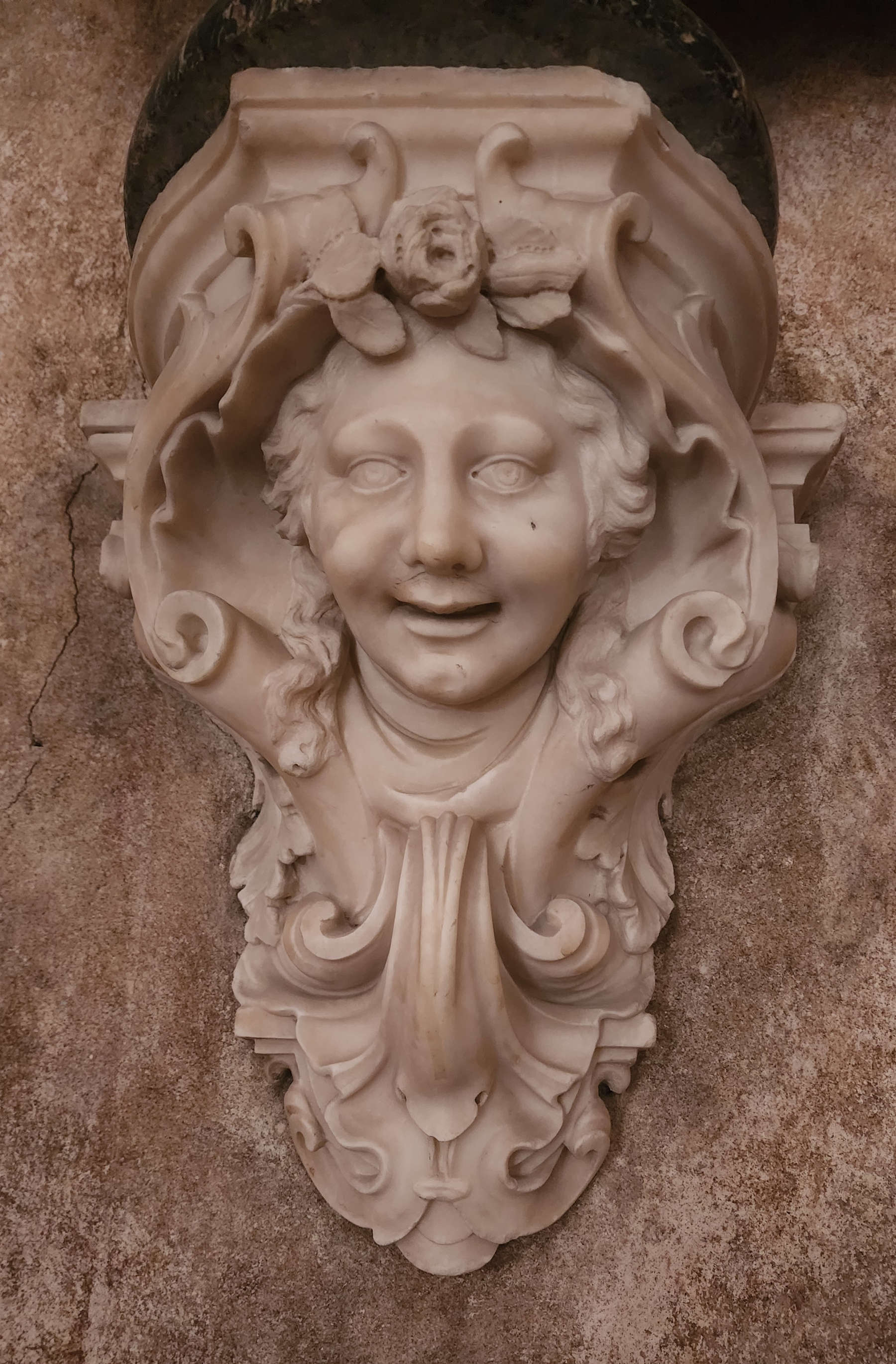
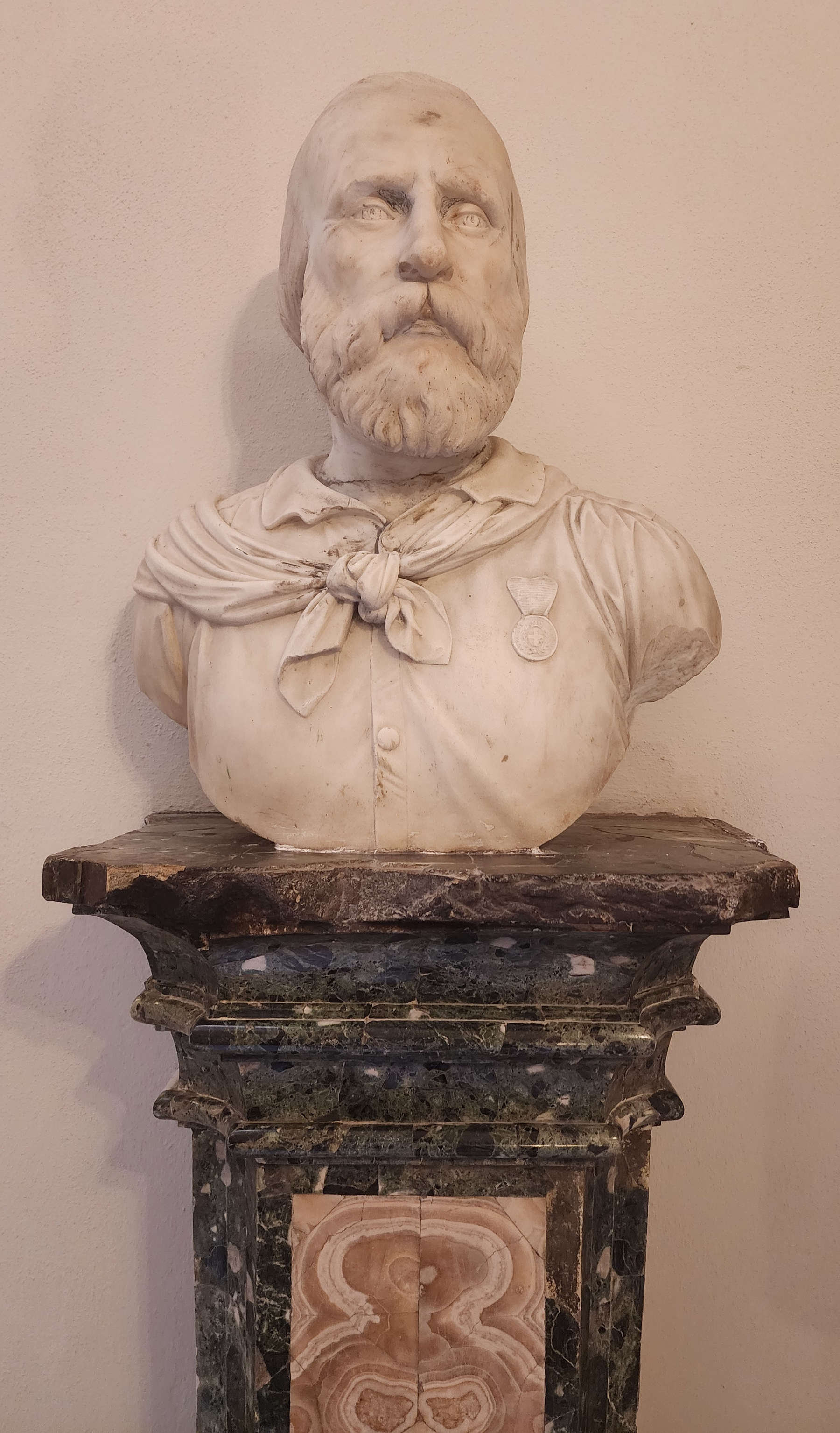
To go upstairs, one must pass through a hallway with a ceiling filled with nineteenth-century decorations; there is a bust of Garibaldi to step around, which Fusani believes is the work of Ferdinando Pelliccia (and this is not merely rhetorical, he tells me: the brothers Giovanni Battista and Carlo Sarteschi were true Garibaldians; they had fought in the wars of the Risorgimento, and as soon as Italy was declared united, they had that bust sculpted), then you have to climb a wide, open staircase that causes those with a fear of heights to stare intently at the 18th-century cherubs perched on the corbels dotting the walls of the main floor, until you slip through a door— identical to all the others, which leads into the palace’s reception hall. Most of what’s inside, my guide explains, is due to one of the family’s most illustrious members, Count Antonio Del Medico, a marble merchant and great-grandson of a man from Versilia who had been captain of one of the (that is, the military units) of the Grand Duchy of Tuscany’s army during the time of Cosimo I (the family’s name likely derives from this circumstance), nephew of the last Staffetti to have lived in the building, and its heir alongside his brother Andrea. It was Count Antonio who, between 1756 and 1776, the palace with all its sculptures, carvings, and a large art collection that unfortunately no longer exists, because the descendants, as has always been the custom in good families, sold off the bulk of what could be sold. In a folder kept in the palace’s small library—which I begin to pore over with a certain eagerness, convinced I’ve found some kind of treasure—I manage to unearth a black-and-white photograph of a Madonna and Child that a handwritten note attributes to Girolamo Macchietti: I search the internet; the work is generally attributed to an unknown Sienese painter active in the mid-sixteenth century, and it turns out to be at the Castello Sforzesco today, though it is unclear how or when it got there. However, Fusani convinces me that it likely belonged not to Antonio Del Medico’s collection, but to that of Carlo Sarteschi, whom we know to have been a collector of good taste.
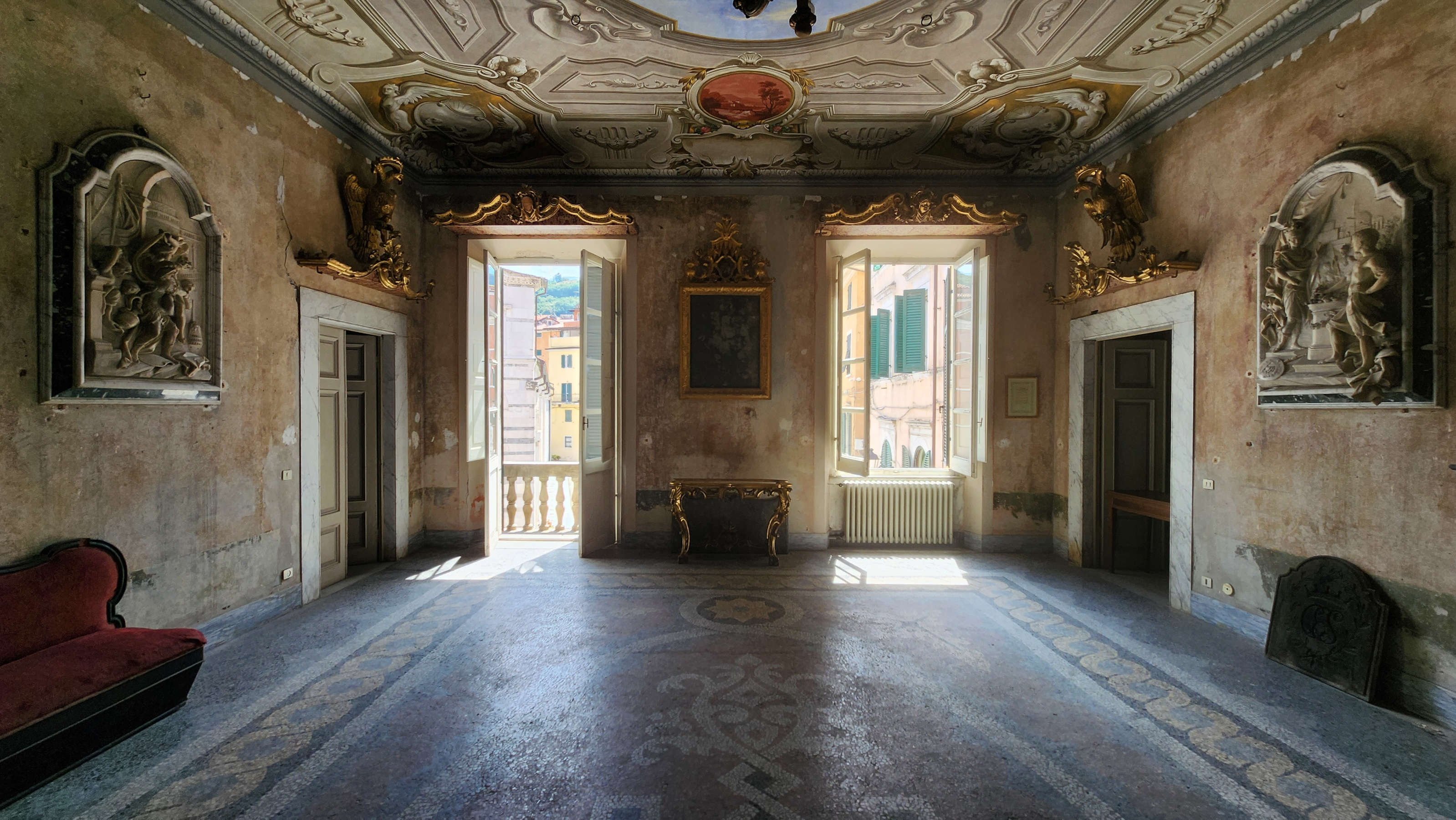
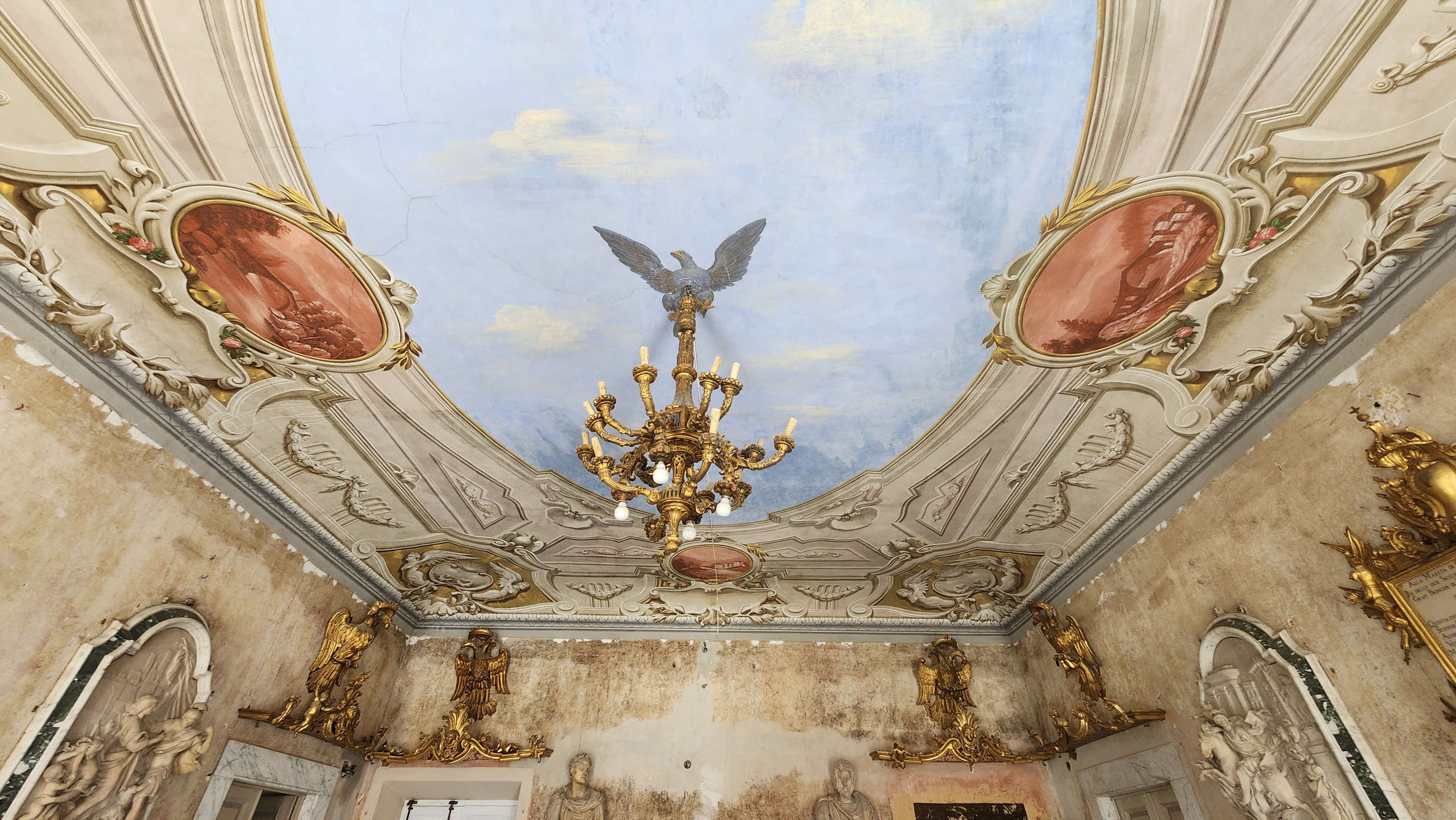
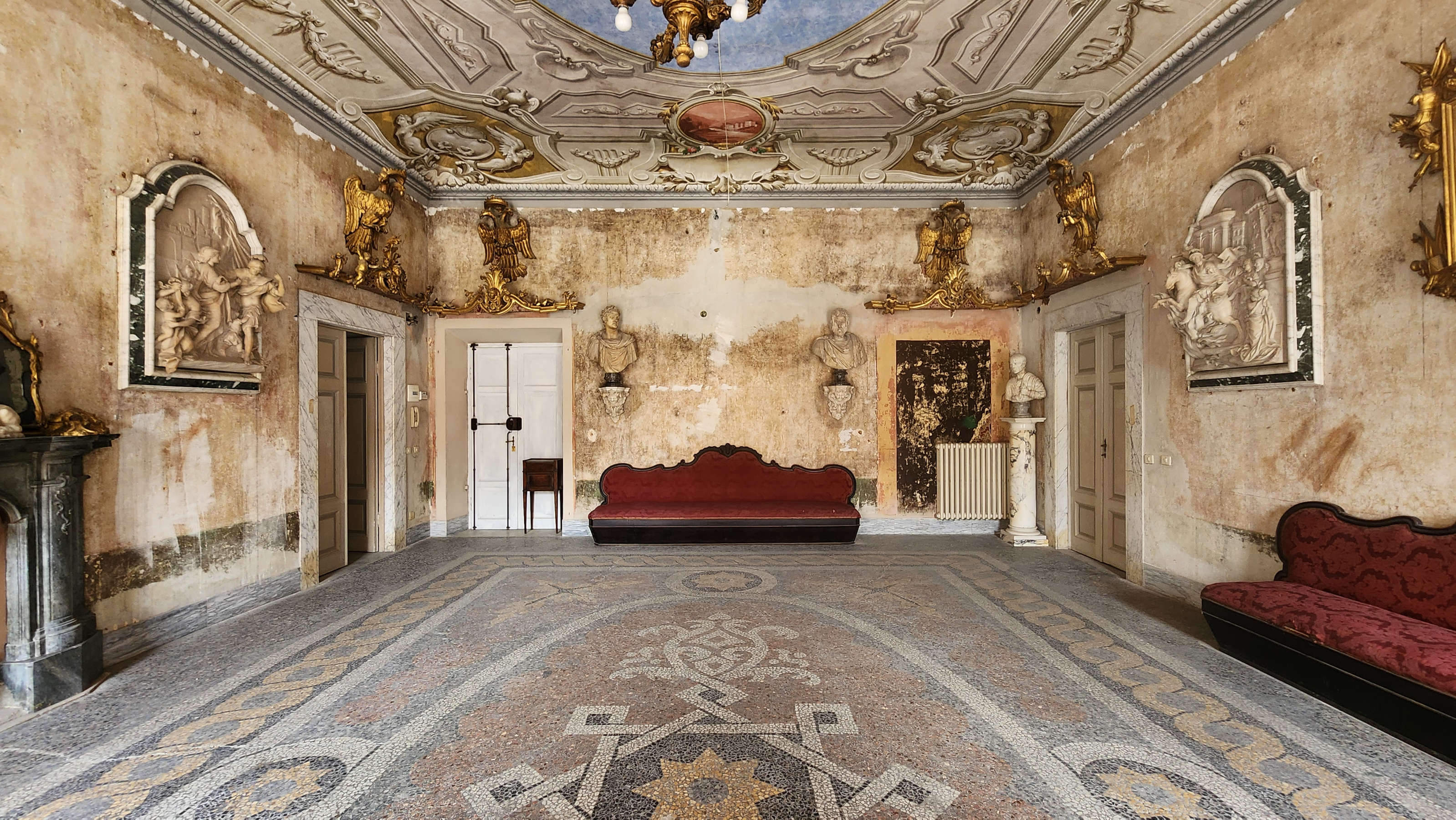
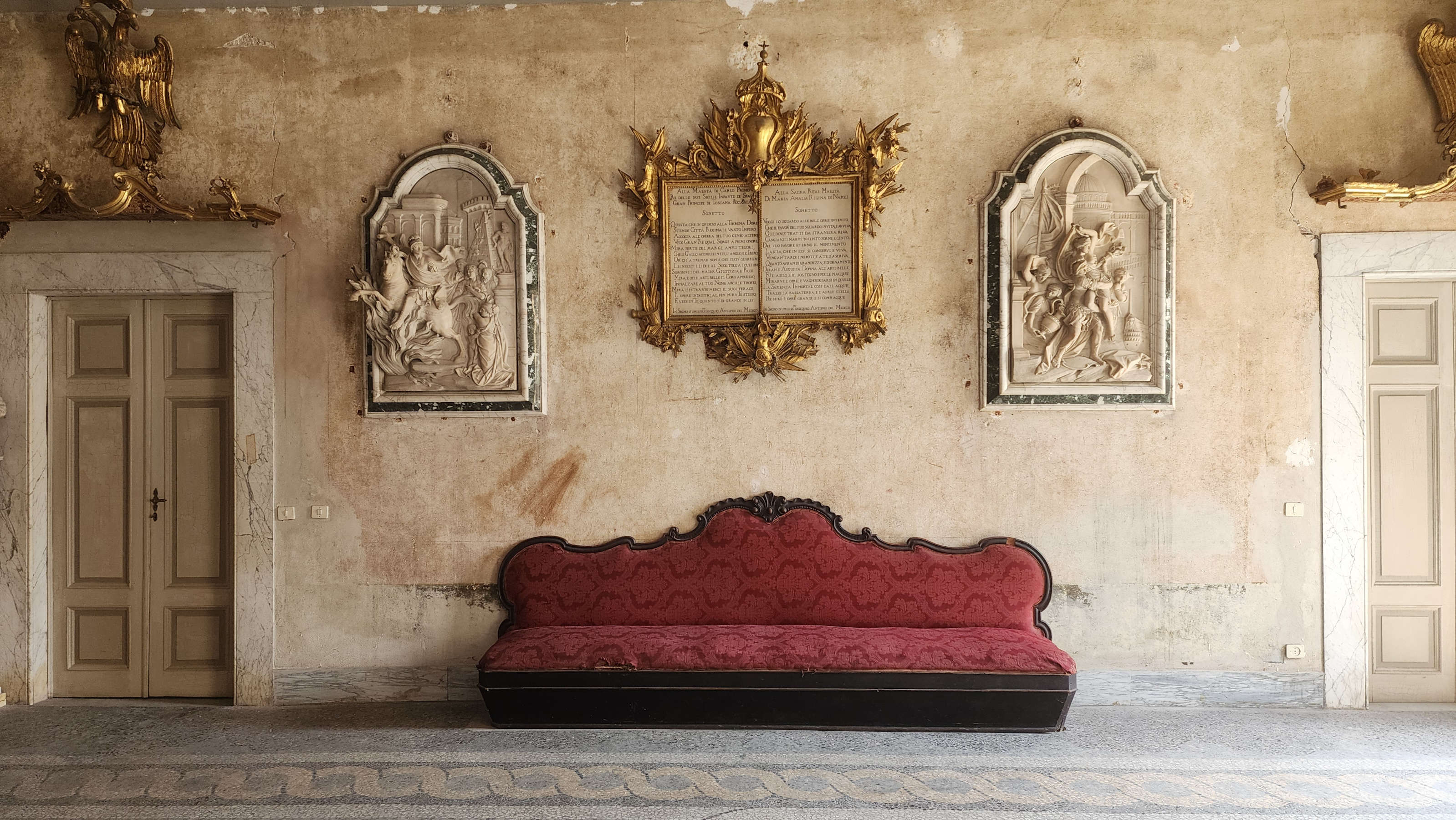
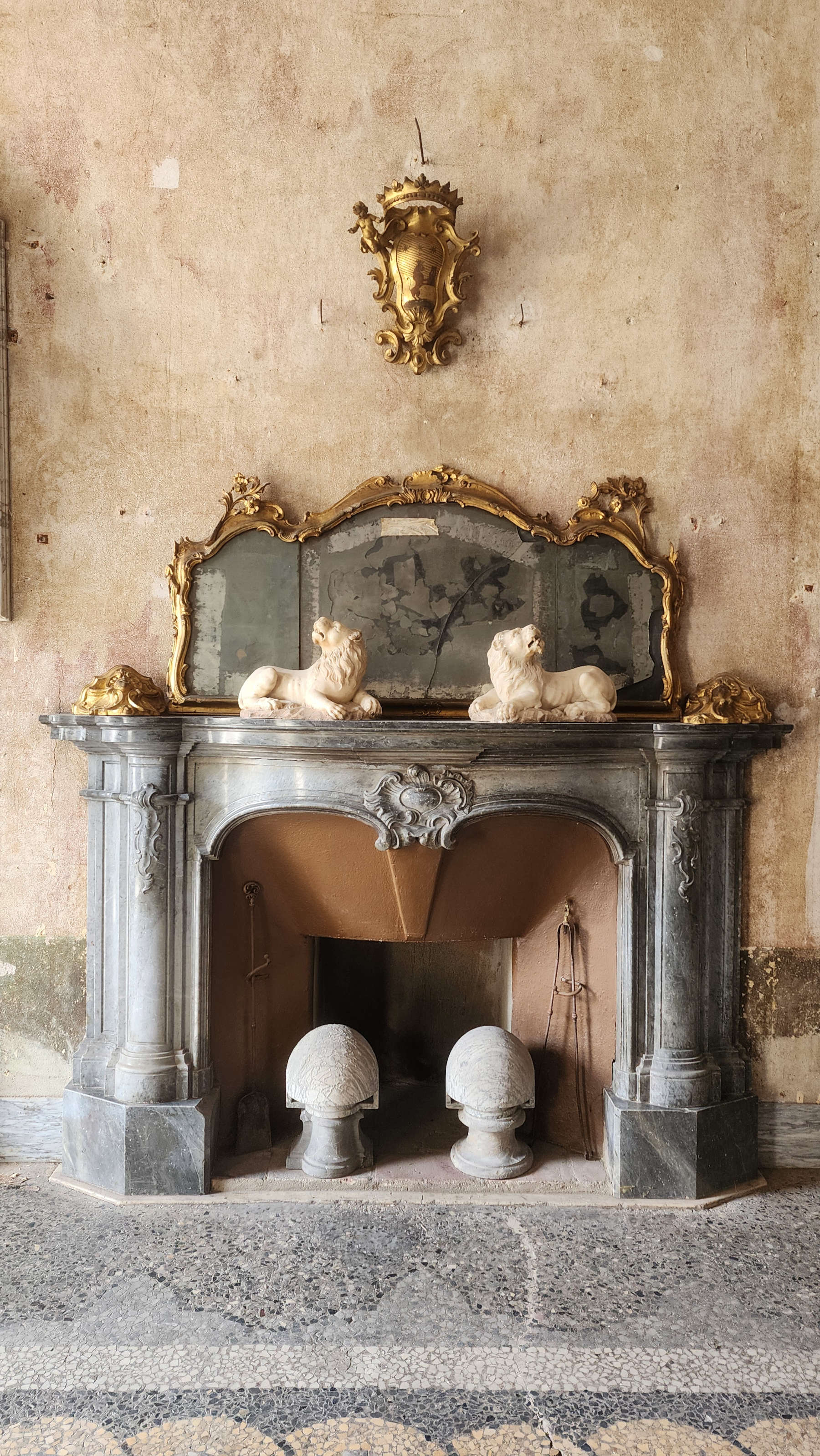
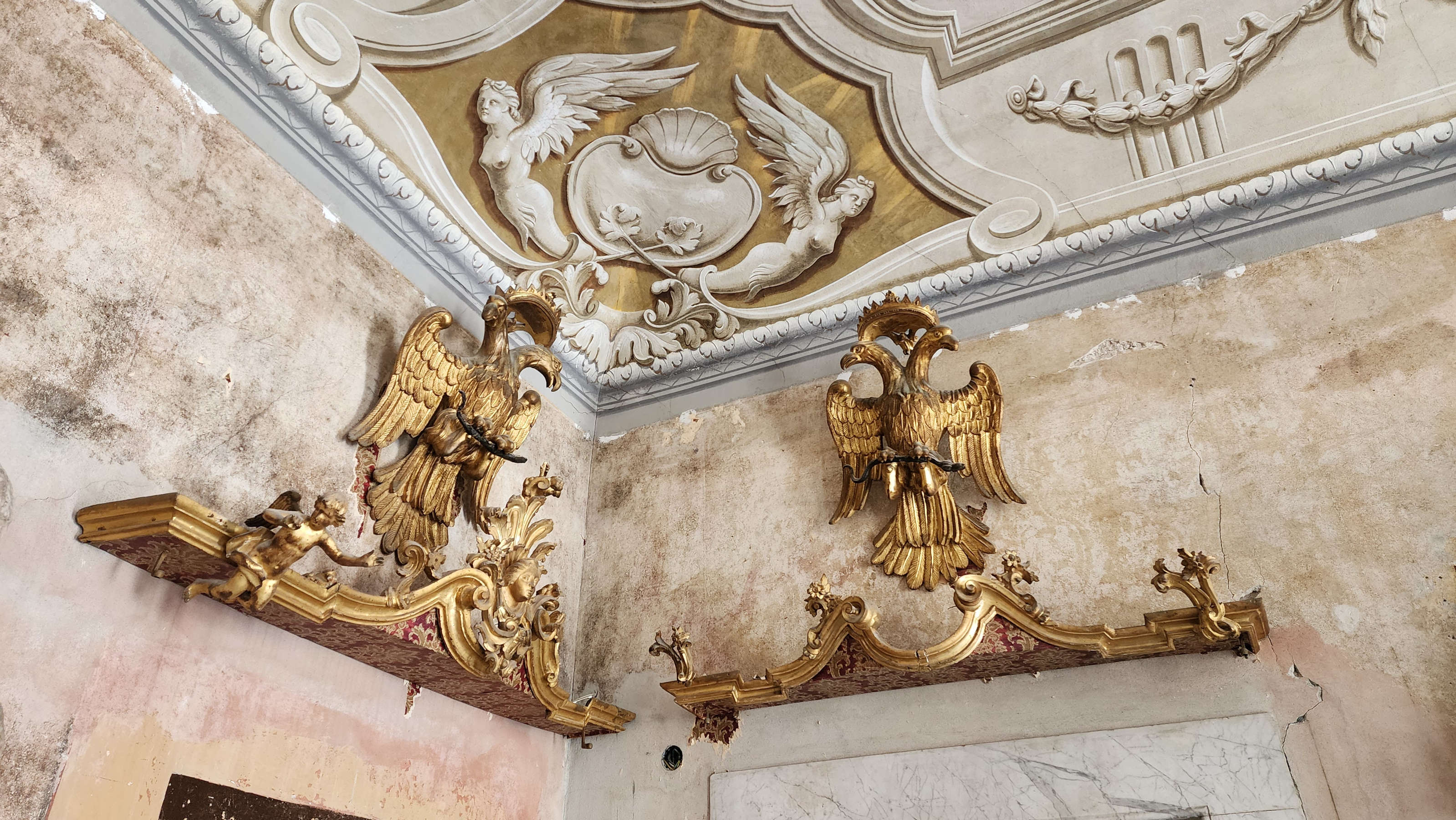
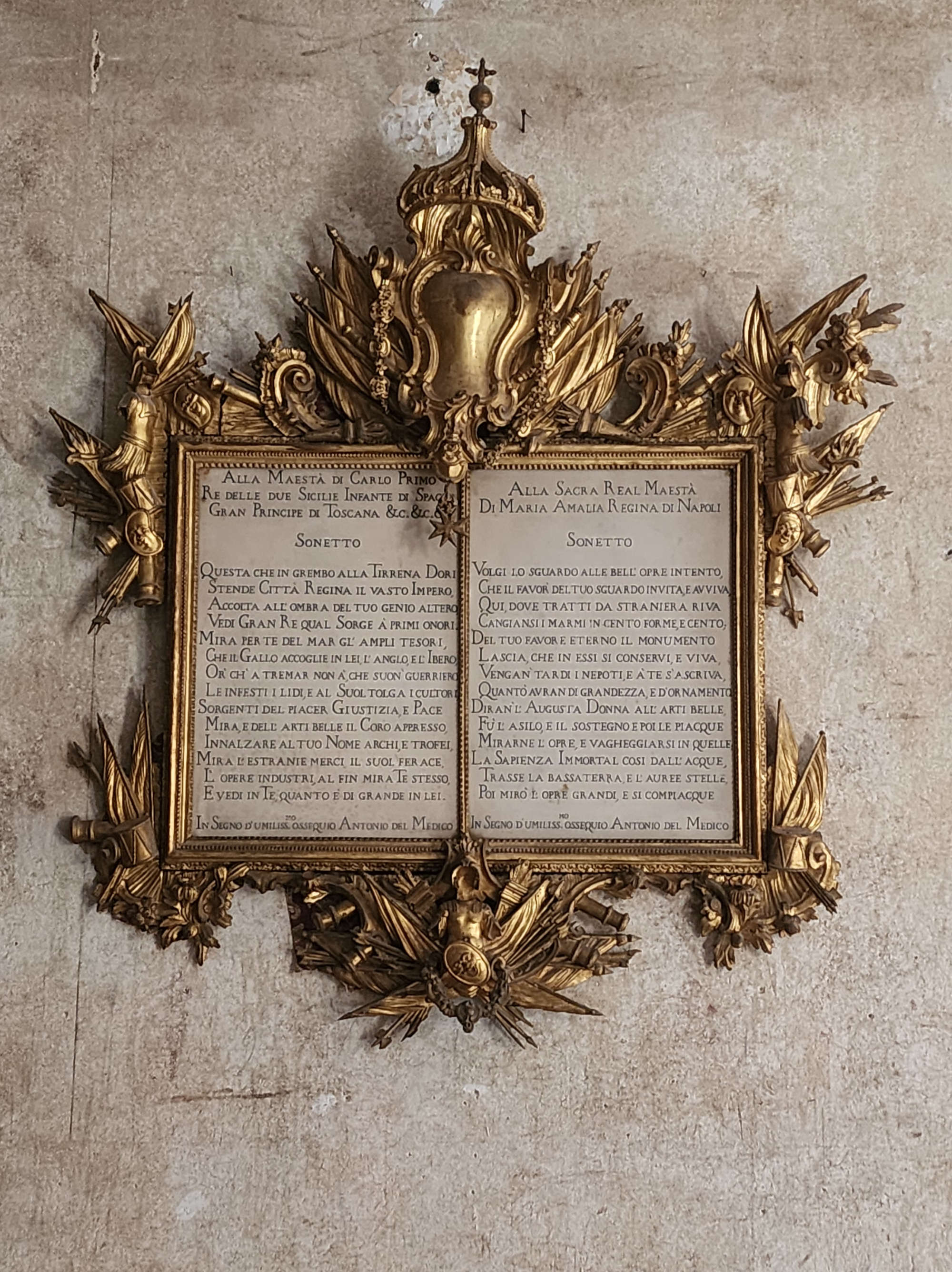
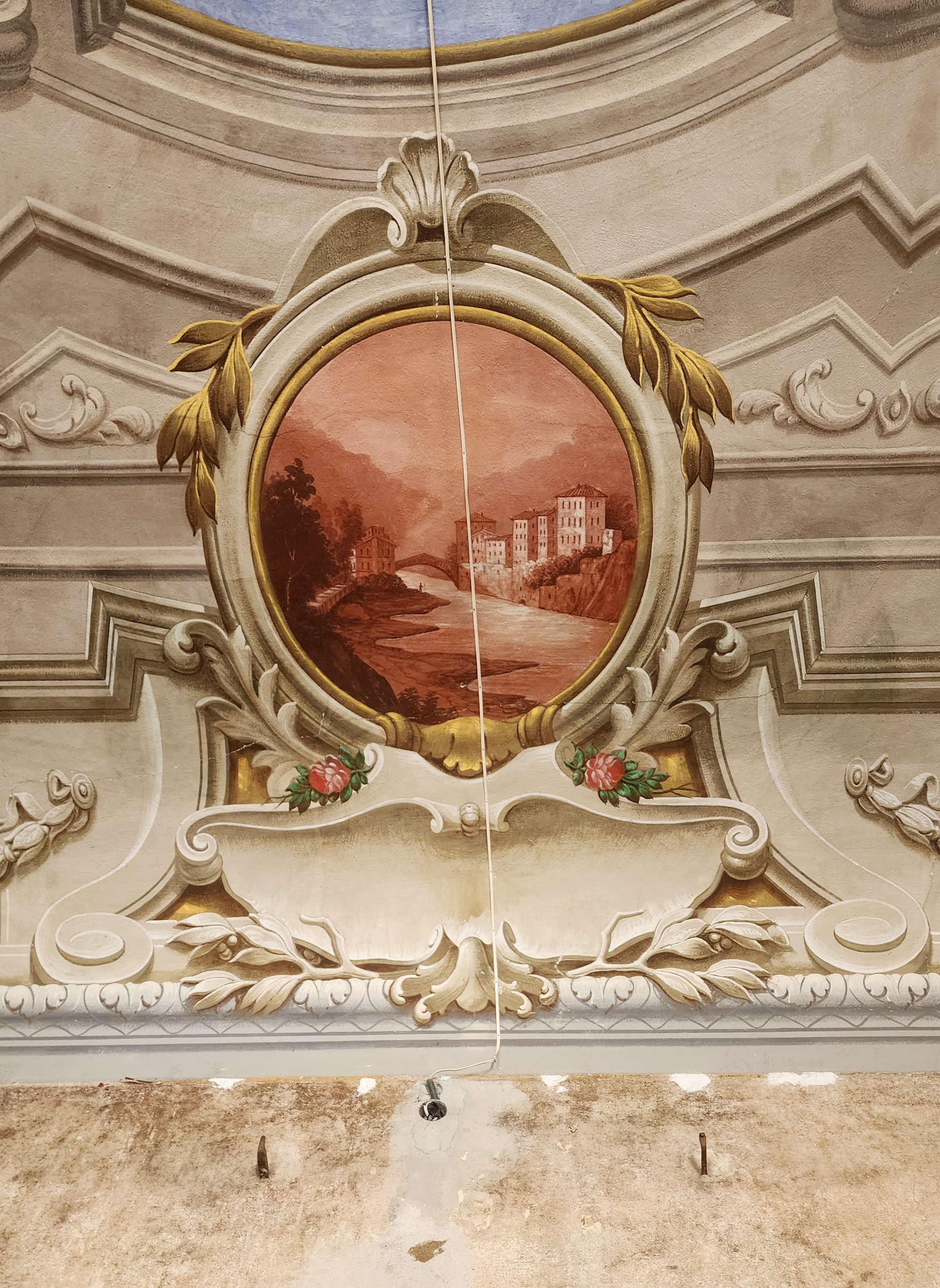
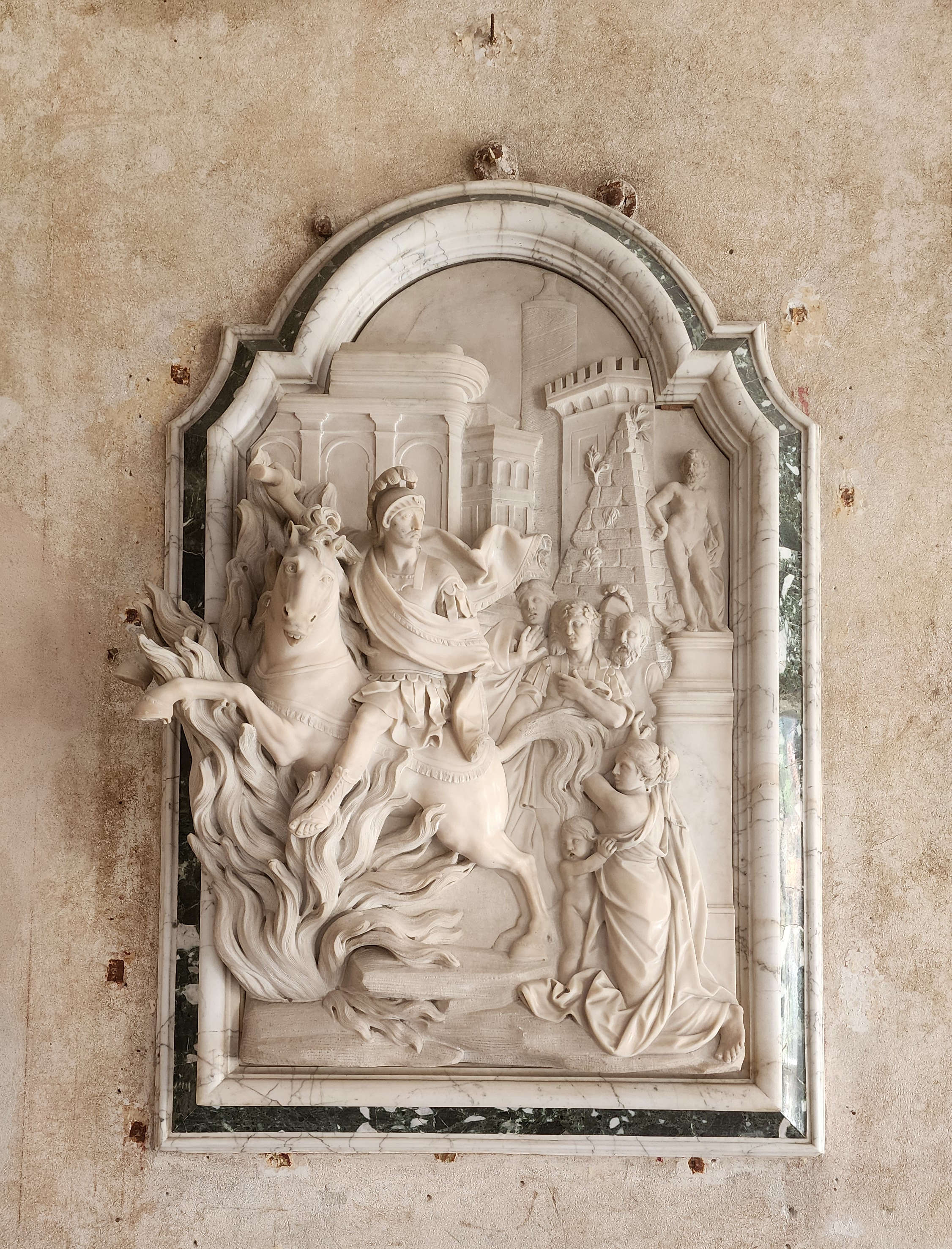
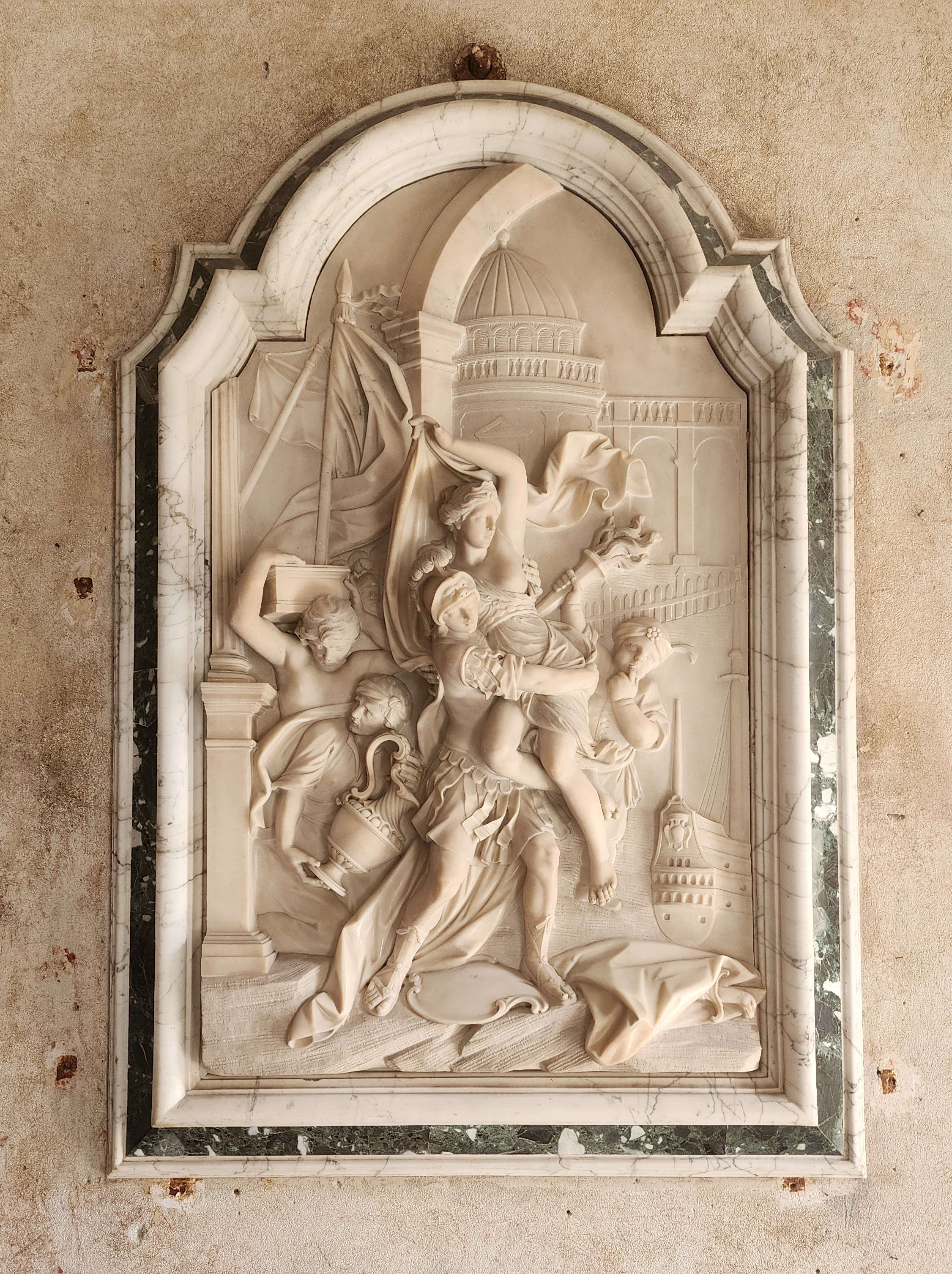
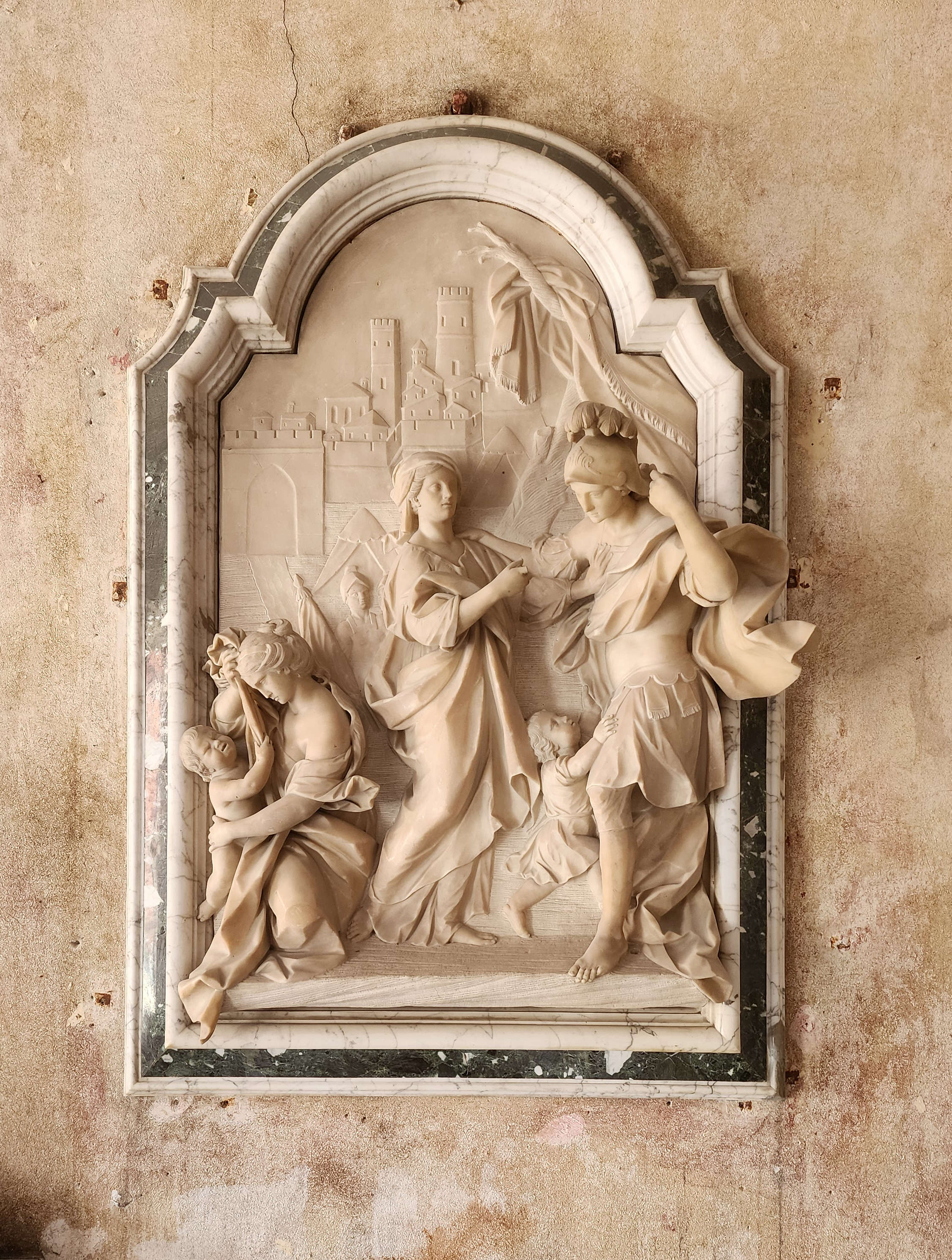
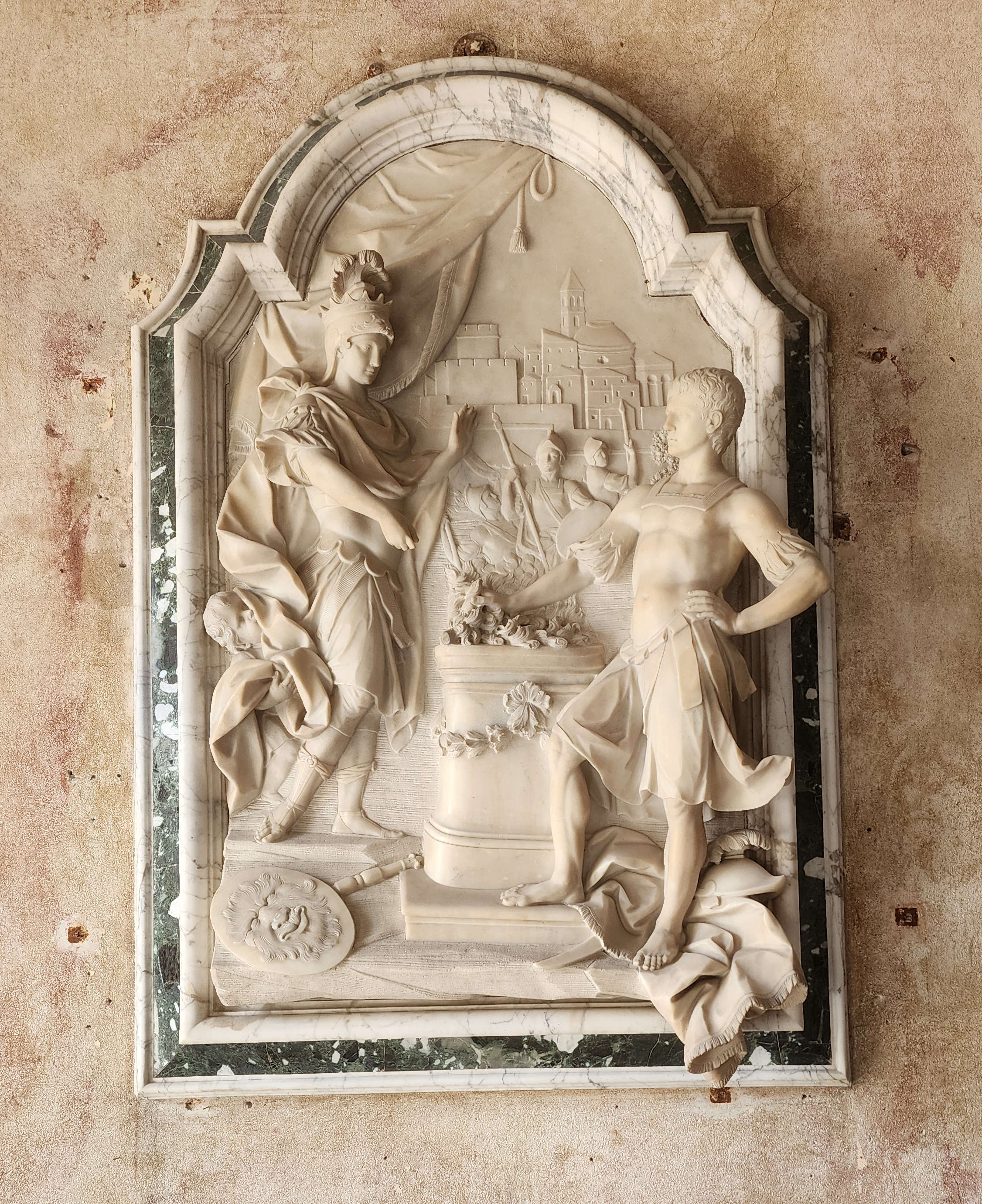
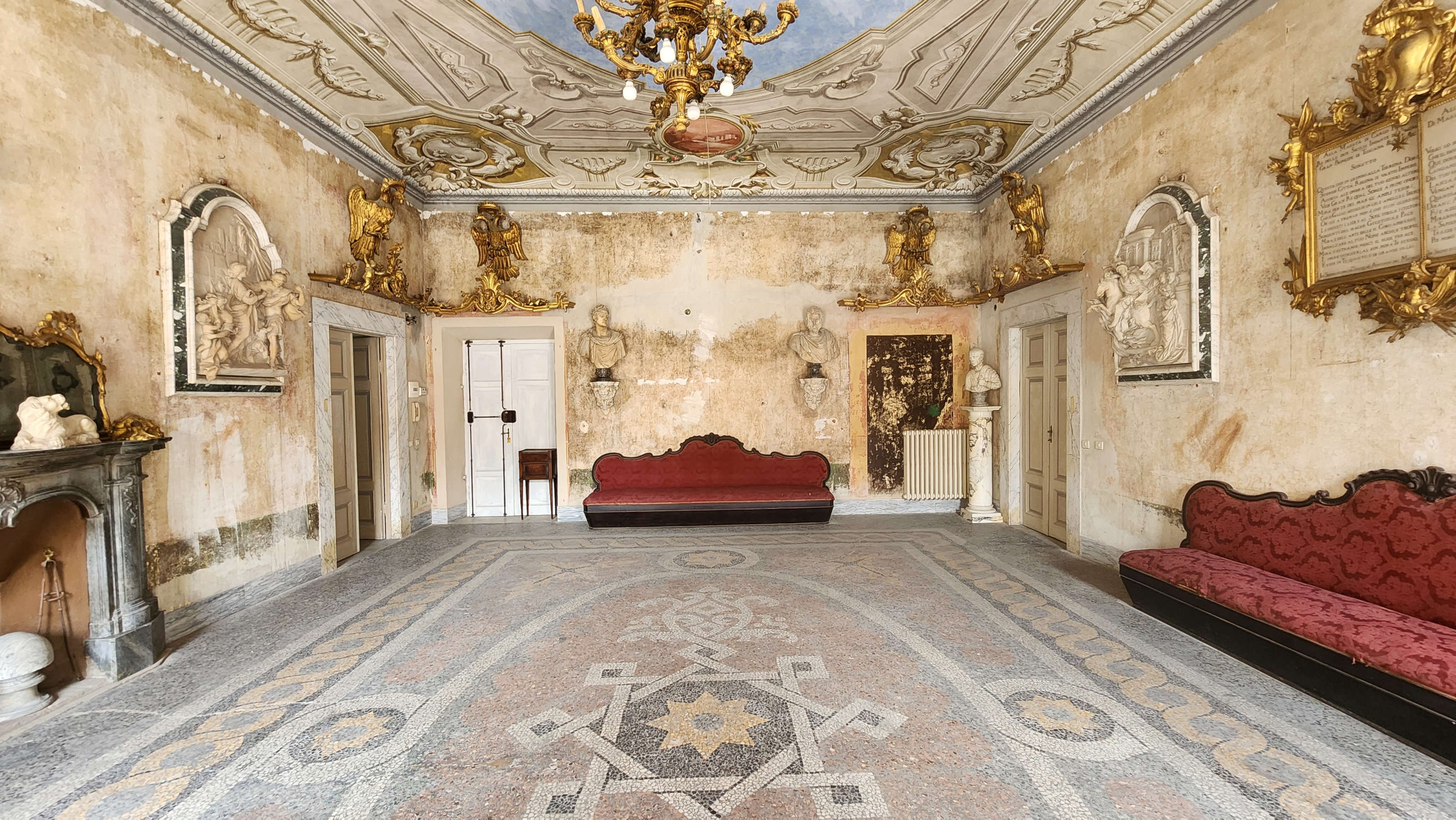
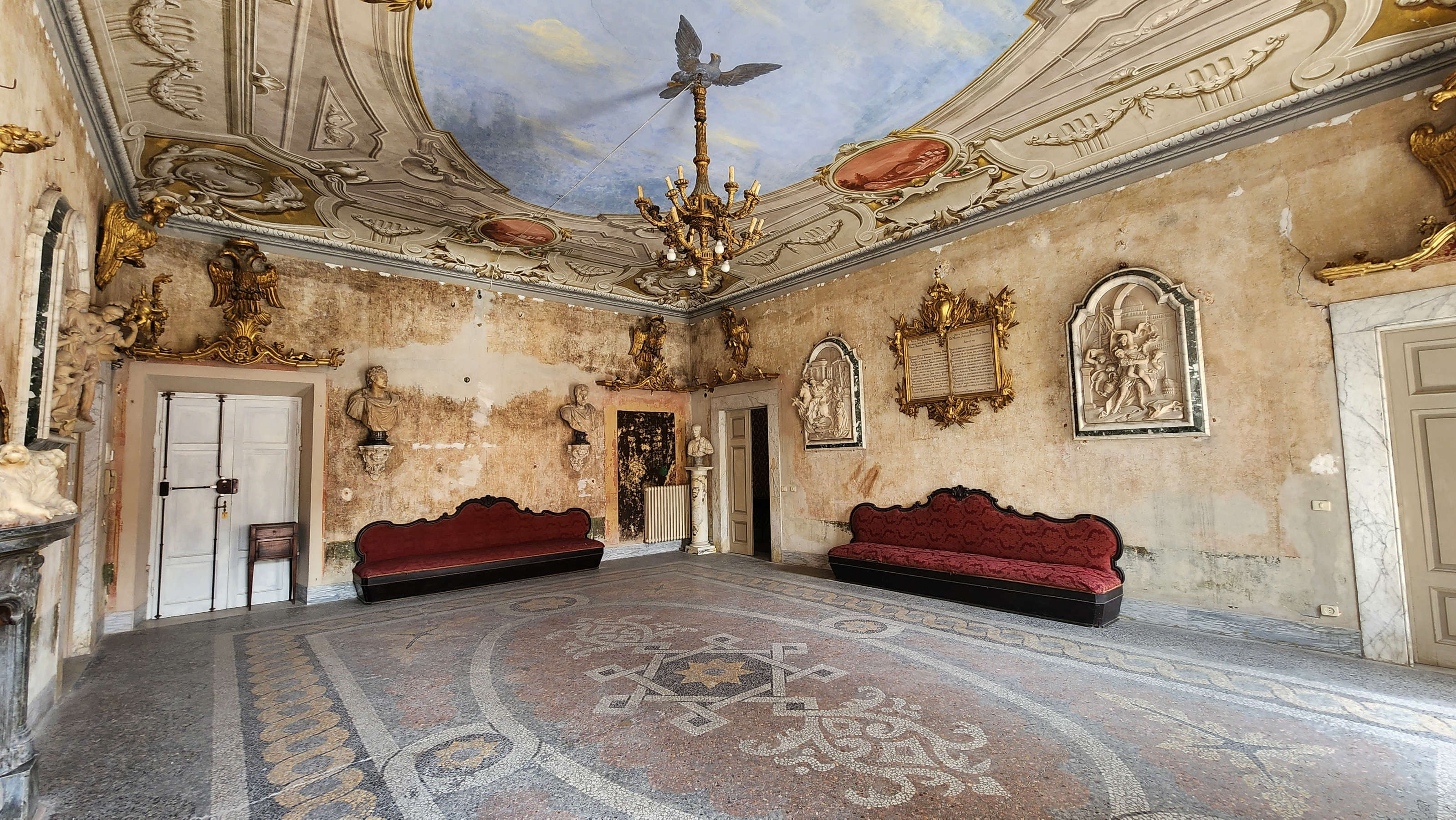
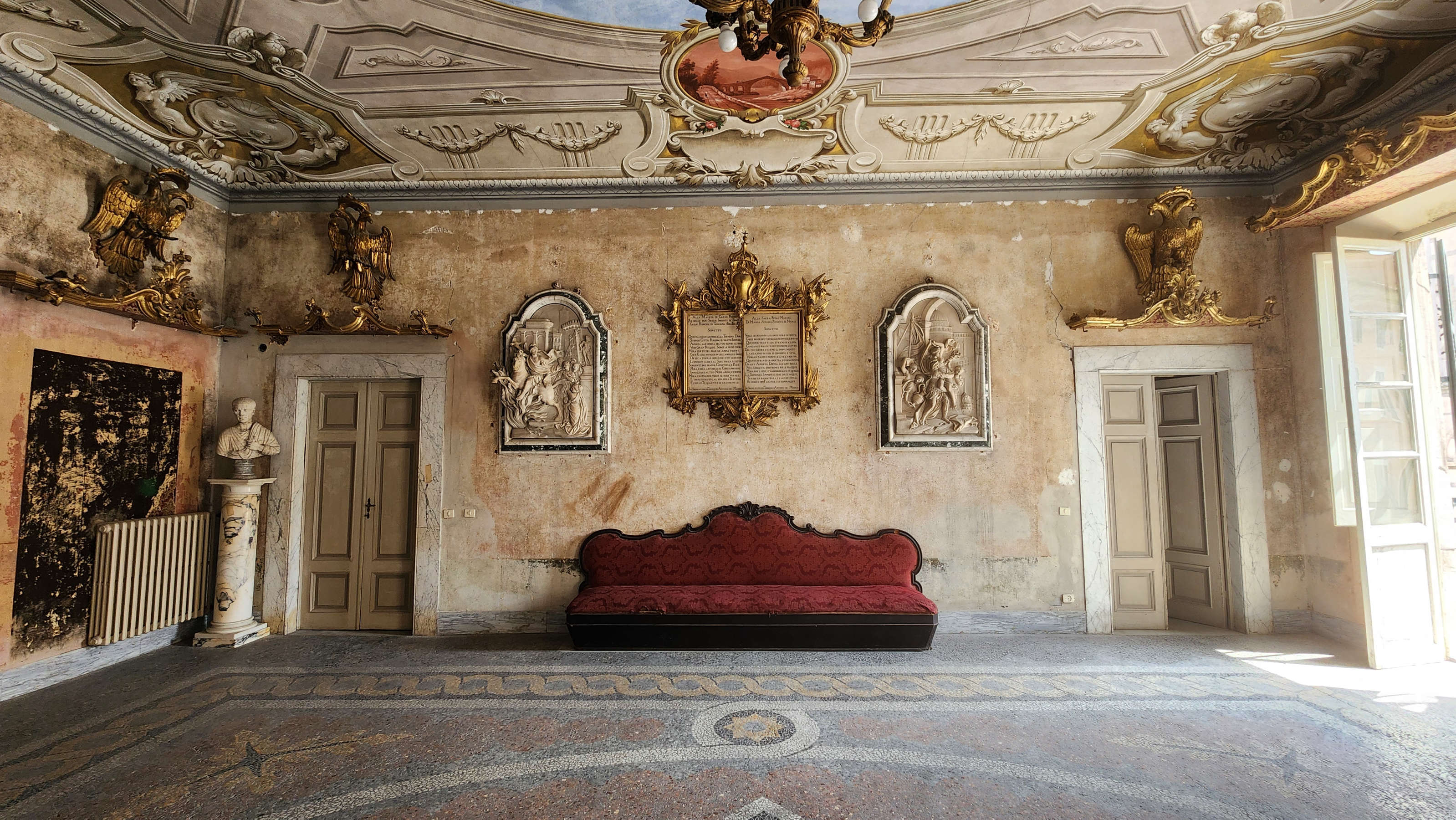
In any case, all the paintings that once adorned these rooms have vanished; they are gone, and the family inventories are vague—they do not list artists’ names—and thus offer no solace: in short, the paintings are likely to be considered lost forever. And yet, what remains dominates the dust and inhabits the void with such authority that it transforms this palace into a living entity, an organism that has outlived the dead who once dwelt here, and makes nostalgia feel almost inappropriate—a nuisance to the ghosts one almost seems to see emerging from the cracks in the walls. The grand hall of Palazzo Staffetti Del Medico Sarteschi is, in fact, a curious catalog of extravagances. The vaulted ceiling still preserves its 18th-century quadrature—illusionistic paintings designed to mimic architecture opening up to the sky—which were heavily repainted during the Sarteschi era: now the blue expanse is empty, with the exception of an eagle placed to guard the center of the ceiling, which—somewhat unregally—seems to be supporting the chandelier; however, it is highly likely that this is a more recent repainting, and that originally some allegorical scene occupied this oval portion of the firmament, which aligns with another oval—made of terrazzo and of equal dimensions—on the floor worn down by three centuries of uninterrupted foot traffic, a cosmic correspondence between heaven and earth. The element that most defies convention, however, is the marble diptych hanging on the central wall, set within a frame of finely carved ornamentation: inside there are no allegorical scenes, no figures, but rather two sonnets that Antonio Del Medico wrote in his own hand (a circumstance far from unusual for the time: for the nobles of the time, poetry was a hobby, much as racquet sports or nature photography might be today), one dedicated to Charles IV of Bourbon—honored here as King of the Two Sicilies and Grand Prince of Tuscany—and the other to his wife, Maria Amalia of Saxony. Clearly, the count wanted to ensure that his guests harbored no suspicions about his political allegiances (and it was also a form of gratitude and commercial pragmatism, since the count had moved to Naples in 1737 and had secured there the monopoly on marble supplies for all Bourbon monuments: anyone who walks through the Royal Palace of Caserta, Capodimonte, or the Royal Palace of Naples today can see the marble supplied by Antonio Del Medico), just as he intended to demonstrate total loyalty to the sovereigns (we know, after all, that they often passed through these halls as guests of the count, who held his parties in the grand hall), since the interior displays everywhere—in the lavish carvings—the double-headed eagle that featured prominently in the Cybo-Malaspina coat of arms, an allusion to their status as vassals of the empire, and also in the coat of arms of Ercole III d’Este, the husband of Maria Teresa, the last Cybo-Malaspina to rule Massa and Carrara. Upon her death, the small principality passed to the Este family, who were likely not very popular in these parts: when Fivizzano was ceded by the Grand Duchy of Tuscany to Modena, the town rebelled, and the Este dragoons brutally suppressed the protest. If you look up at the ceiling again, you’ll notice, in the medallions, depictions of four easily recognizable villages in the Serchio Valley, which marked the border between Modena and the Grand Duchy: these were not possessions of the Sarteschi family, who had the vault repainted, nor do we know why they are there, but it would not be so strange if this proud Lunigiana family had intended to express its views on the fate of its city by provocatively commissioning the painting of the Tuscan border towns.
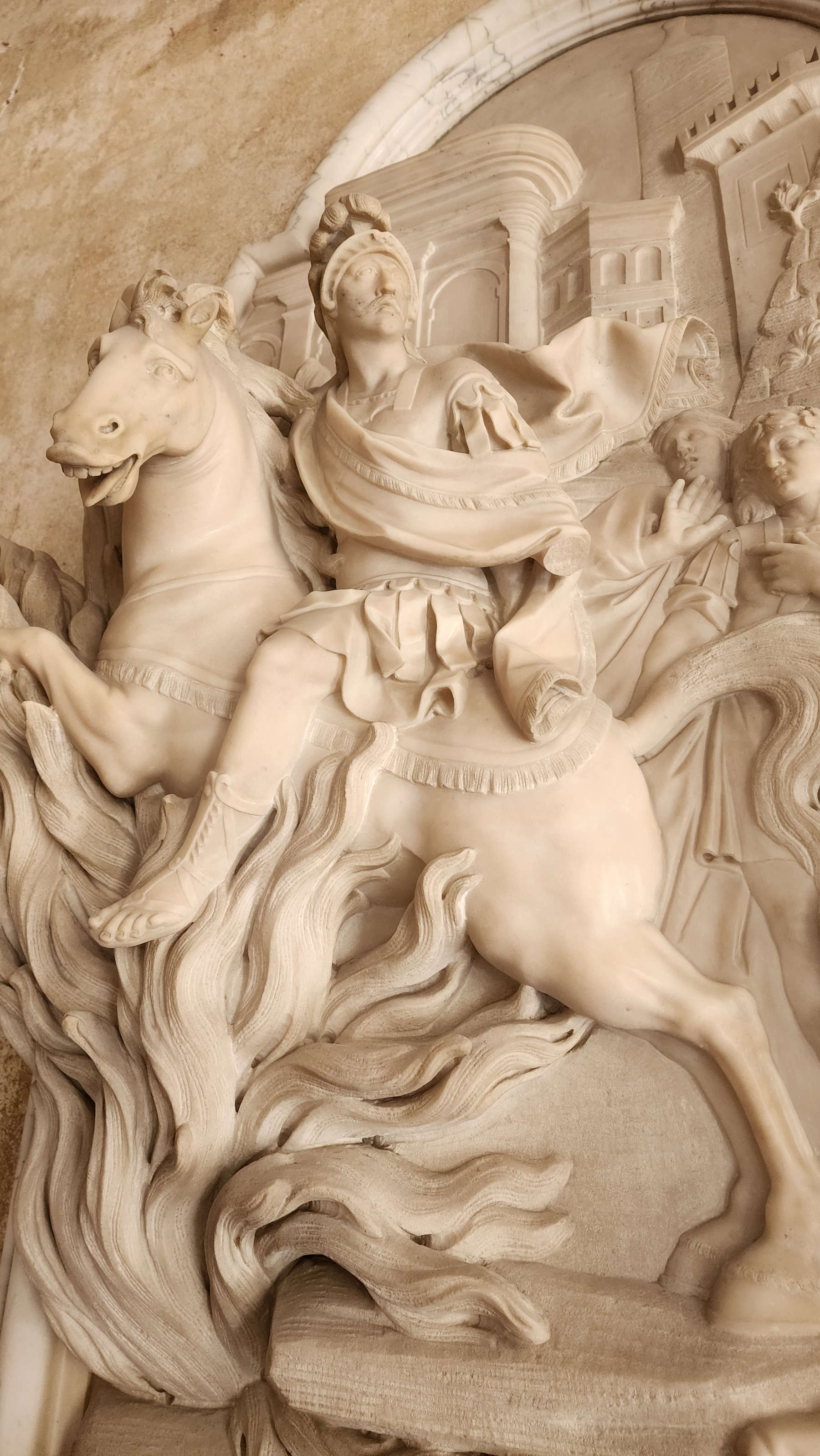
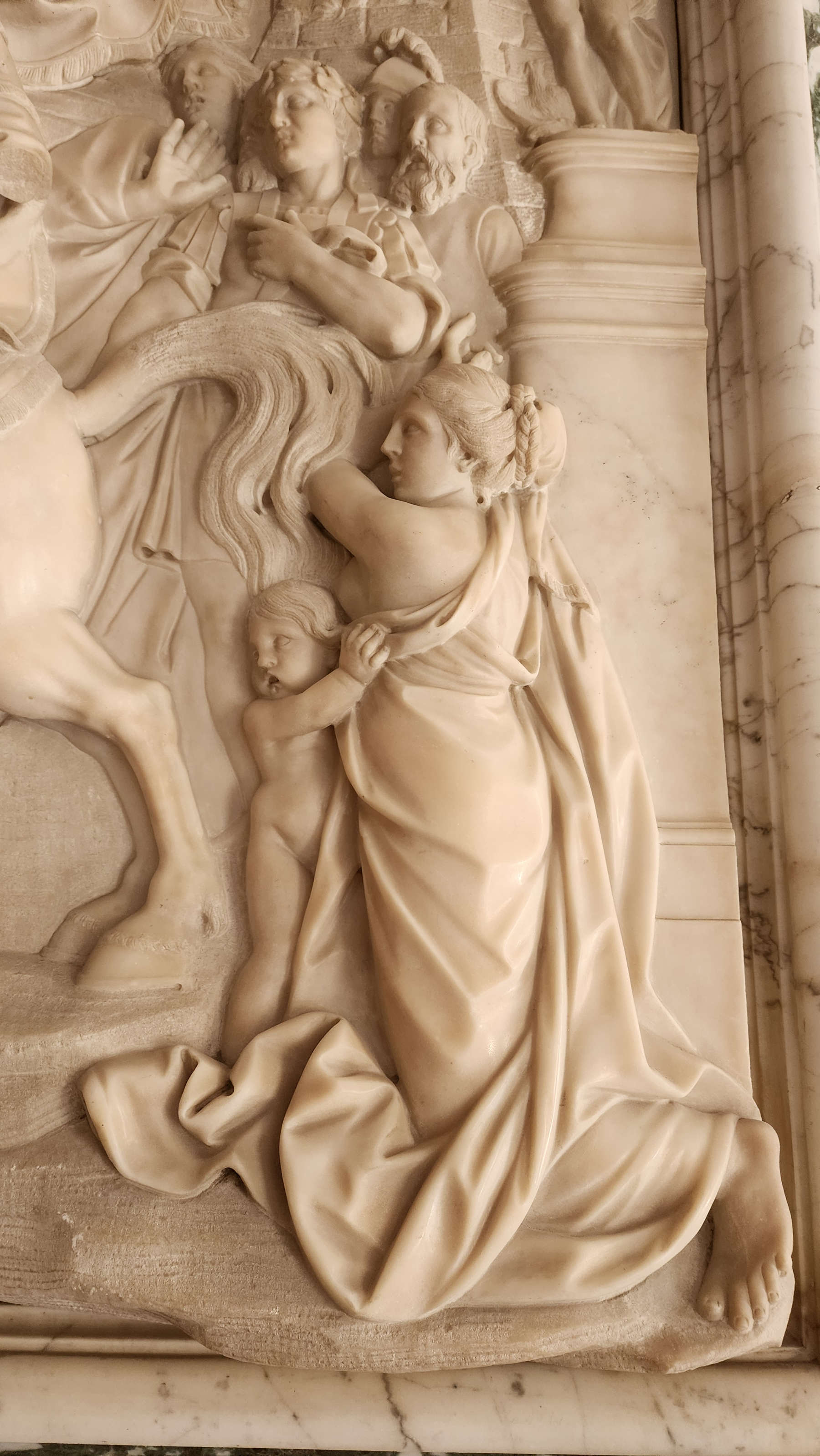
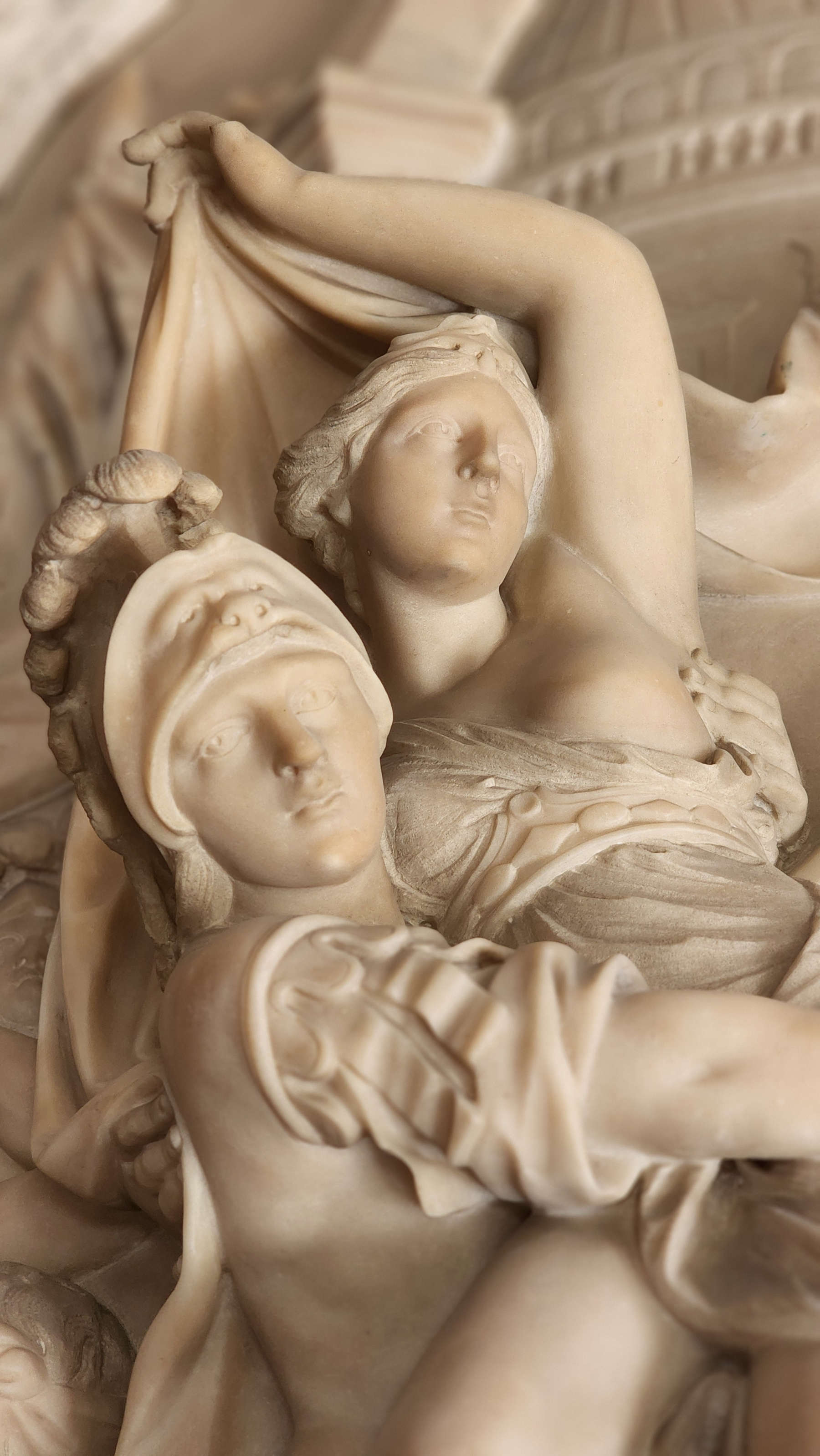
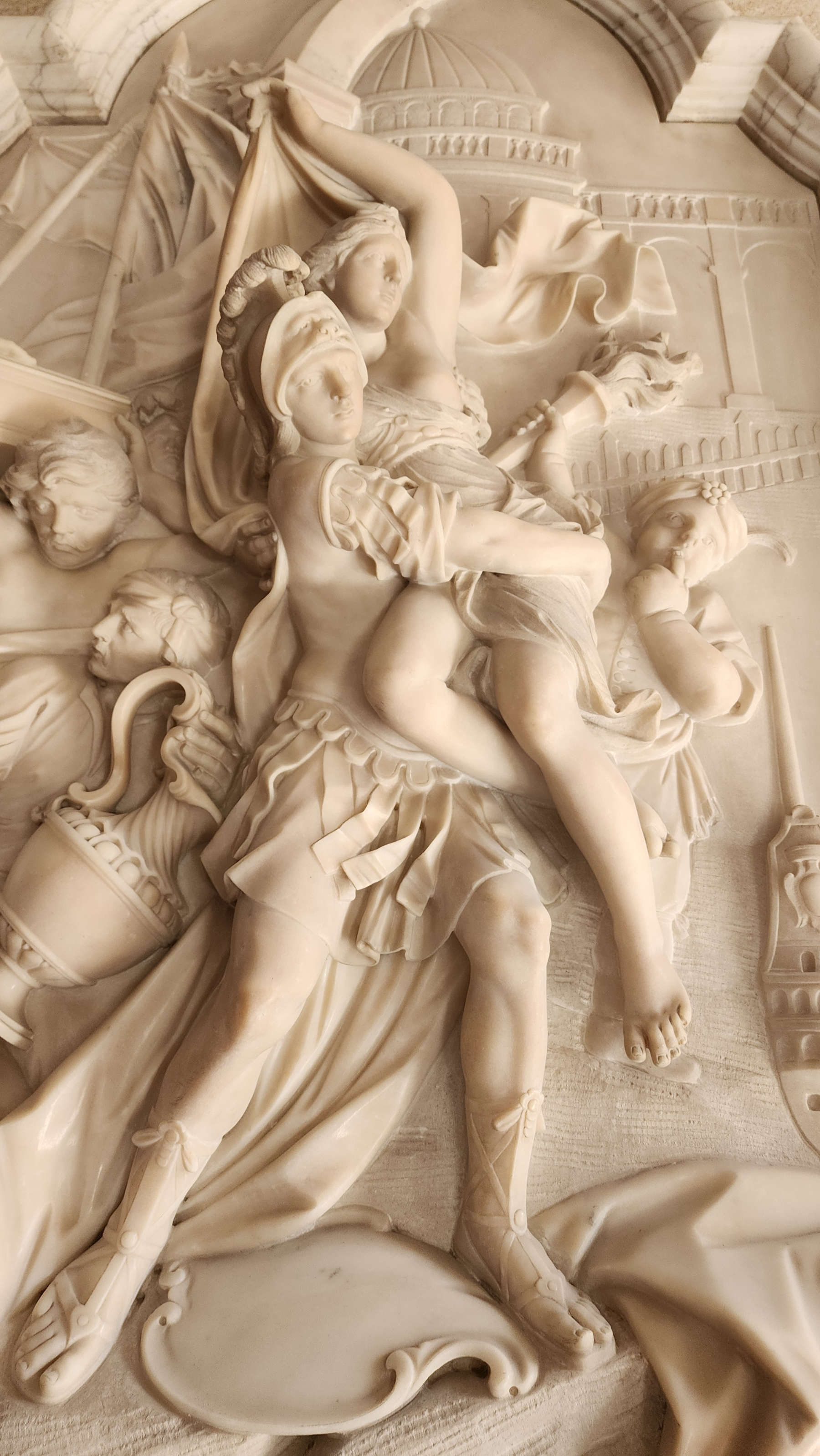
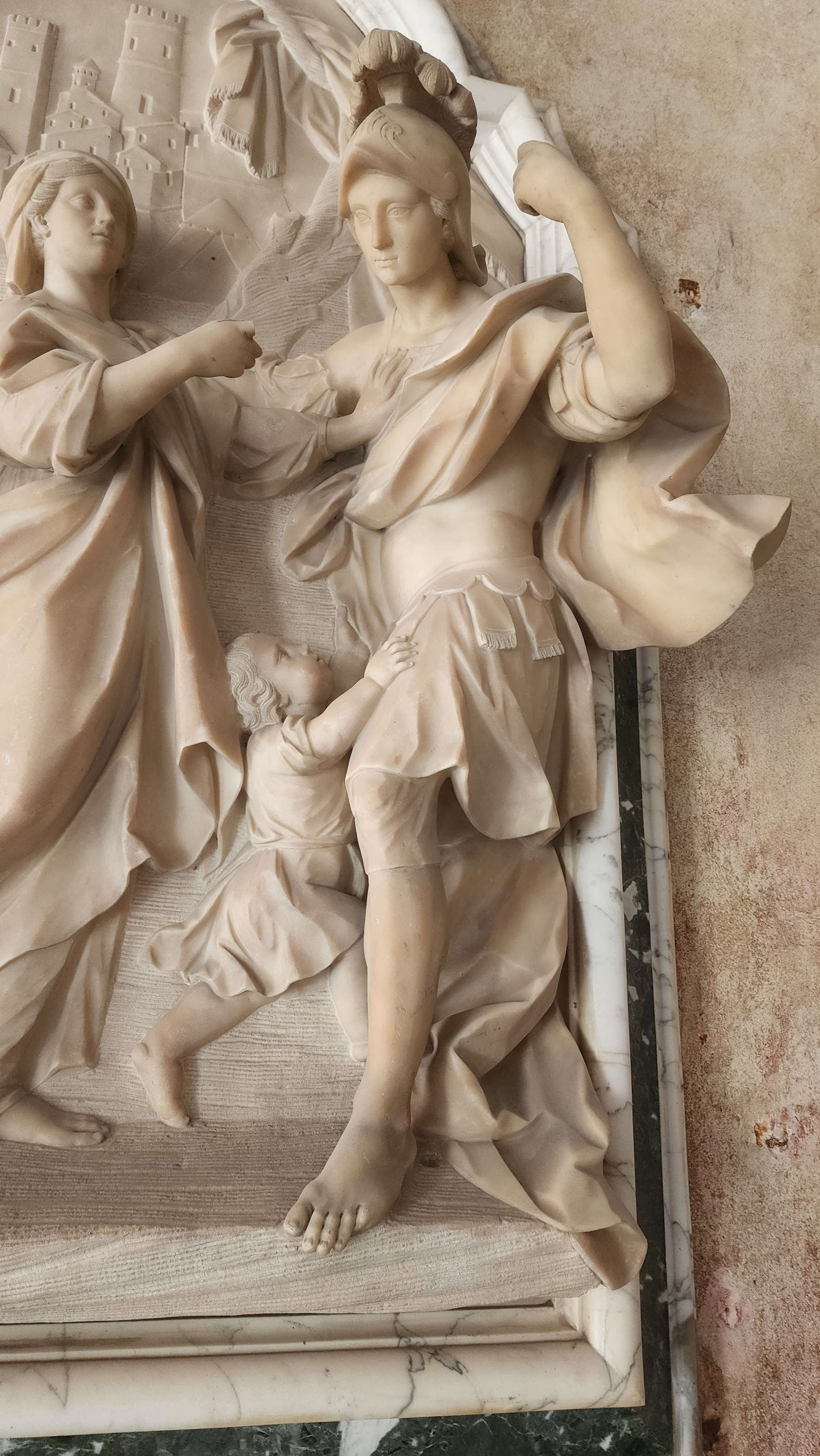
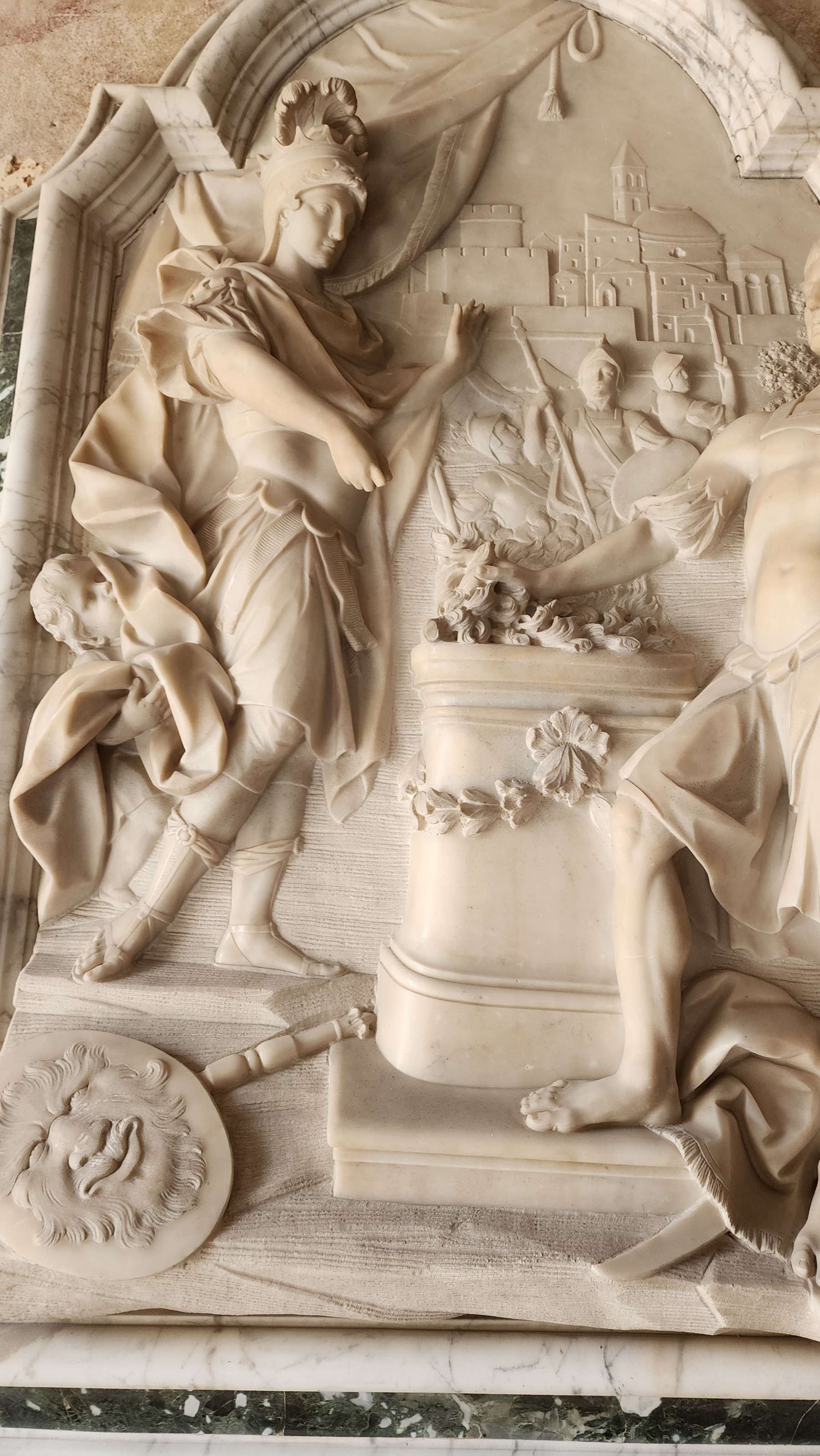
It should be noted, however, that in the 18th century this hall—which Antonio Del Medico also used as a showroom, filled with the marble that local sculptors quarried from the stone he supplied to his clients throughout Italy—looked different from how we see it today: along the walls ran a wood paneling covered with red wallpaper, entirely adorned with ceramics—both local and Oriental—set among the woodwork, extending all the way to the painted cornice. The wainscoting was also intended to highlight the four reliefs by Cybei, created toward the end of the 1750s and still in their original places today, which are the crowning glory of this room’s decoration: they are similar to those in the atrium, but of significantly higher quality—exemplars of virtuosity bordering on the unbelievable, displays of “technical showmanship,” as Fusani tells me without hesitation, driven by the intent “to demonstrate what Cybei was capable of.” It is all a progression of planes, from flat relief to full round; it is all a work of chisels, rasps, and steps to bring the stone to life, to make it take on the texture of flesh, brick, travertine, silk, and feathers, to make it overflow its edges. Cybei’s reliefs seem almost like the materialization of a doubt, a hesitation, an indecision on the part of the client: sculptures that resemble paintings, or perhaps paintings in marble—reliefs that defy two-dimensionality, escape their own space, invade the room, and reach out to the visitor. In the backgrounds lies an imagined Rome, more Christian than ancient: there are, of course, Trajan’s Column, the Pyramid of Cestius, and the Pantheon, but there are also towers and bell towers, domes and loggias that did not exist at the time of the stories of Republican Rome that Cybei sculpted for Antonio Del Medico. In the relief depicting Marcus Curtius throwing himself into the chasm along with his horse, the marble flames emerging from the frames seem poised to set the room ablaze (were it not for the fact that they are hard and cold), and the kneeling figure on the right—demonstrating this continuity between painting and sculpture—is a direct reference to Raphael’s Transfiguration . Cybei’s admiration for the artist from Urbino also extends to the relief depicting Mucius Scaevola—reminiscent of the Vatican Rooms—with the Etruscan king Porsenna, who echoes Alexander the Great from The School of Athens, but there is also an irony unknown to Raphael: one need only look away from the Roman commander—who remains utterly impassive as his right hand is singed by the fire—and gaze at the cherub hiding among the folds of Porsenna’s cloak. The fact is that in these reliefs—this sort of Livian compendium, completed by the relief depicting Coriolanus (and by the off-topic one depicting the abduction of Helen, complete with a ship bearing the insignia of the Este navy)—there is no drama, no tragedy: there is, at most, the grand theater of the human condition.
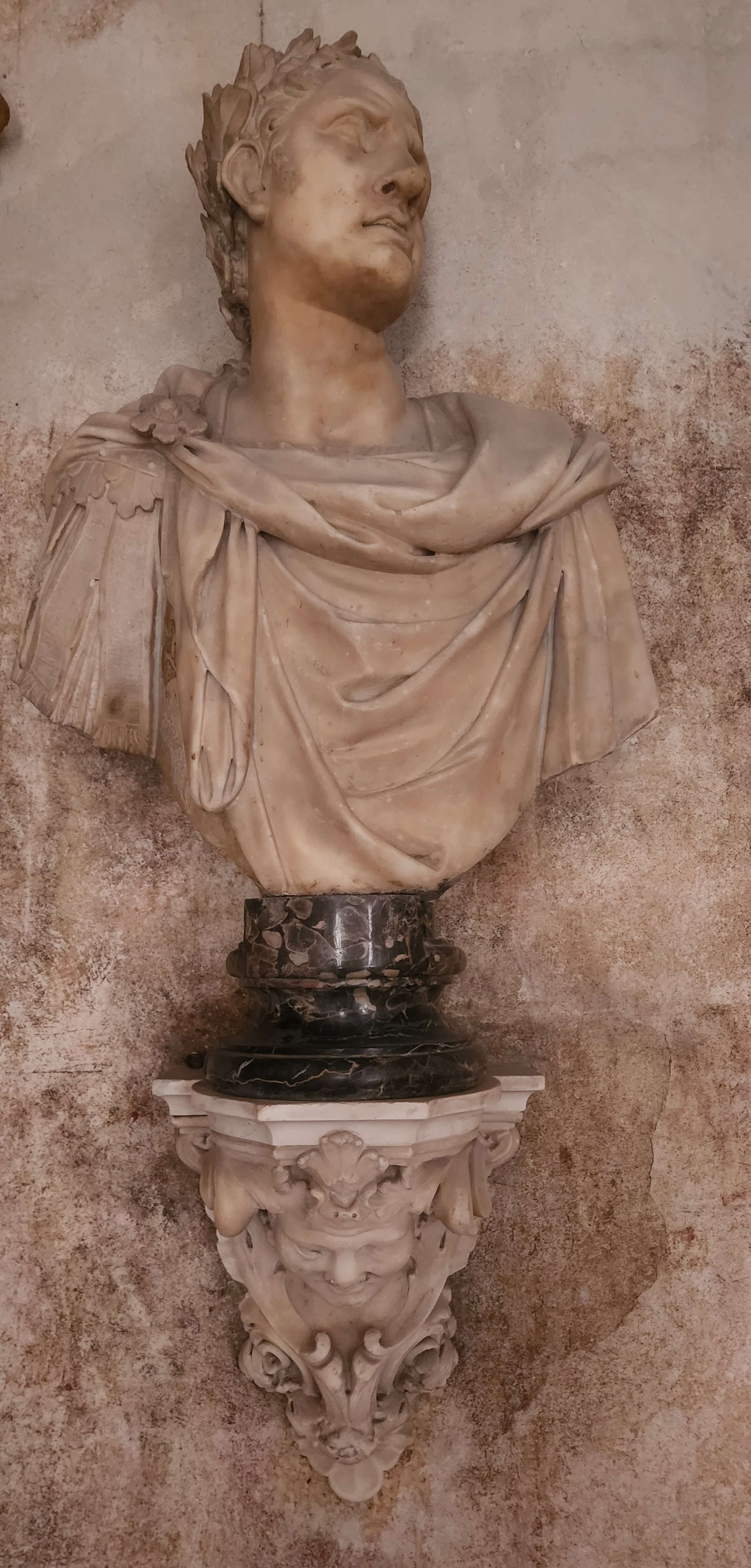
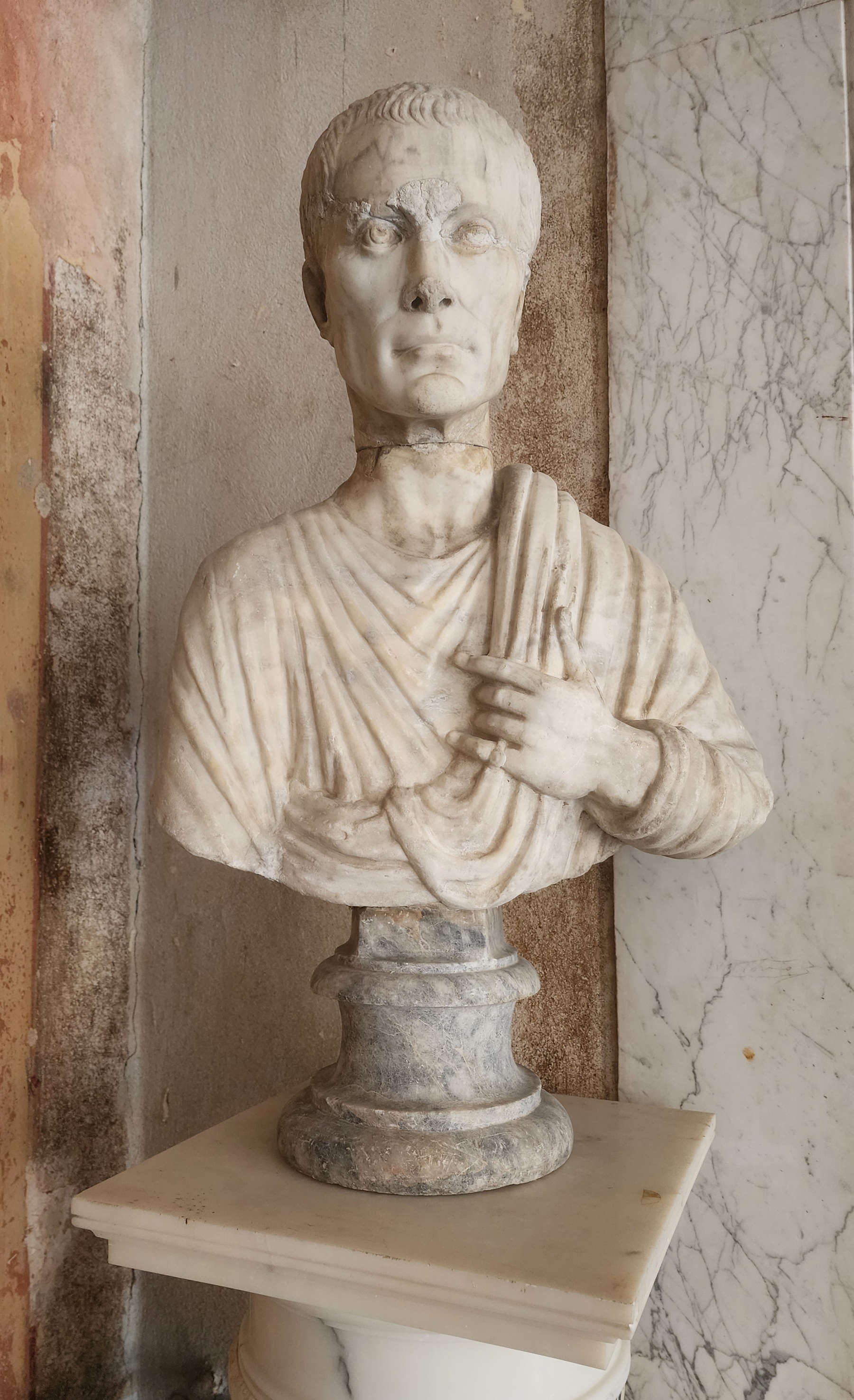
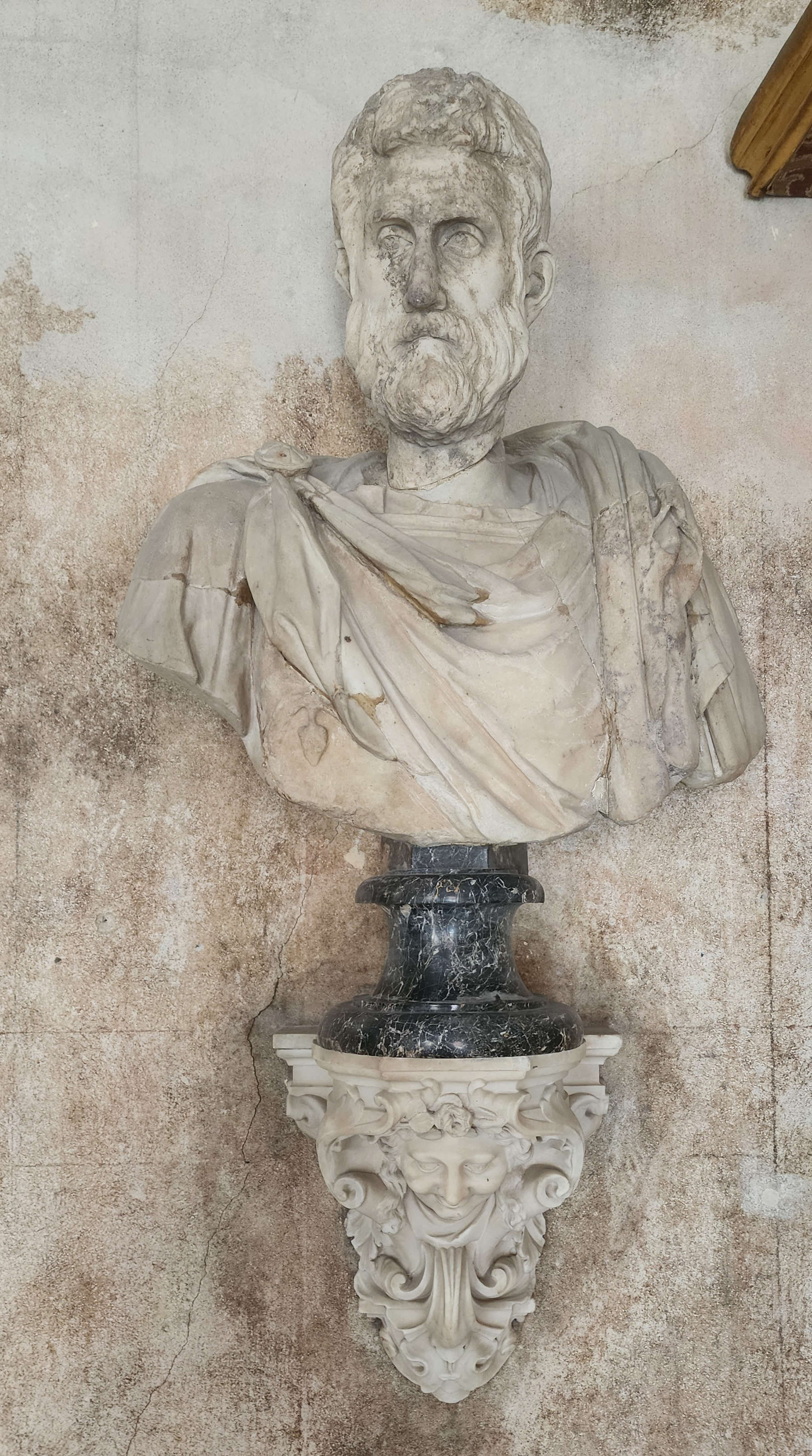
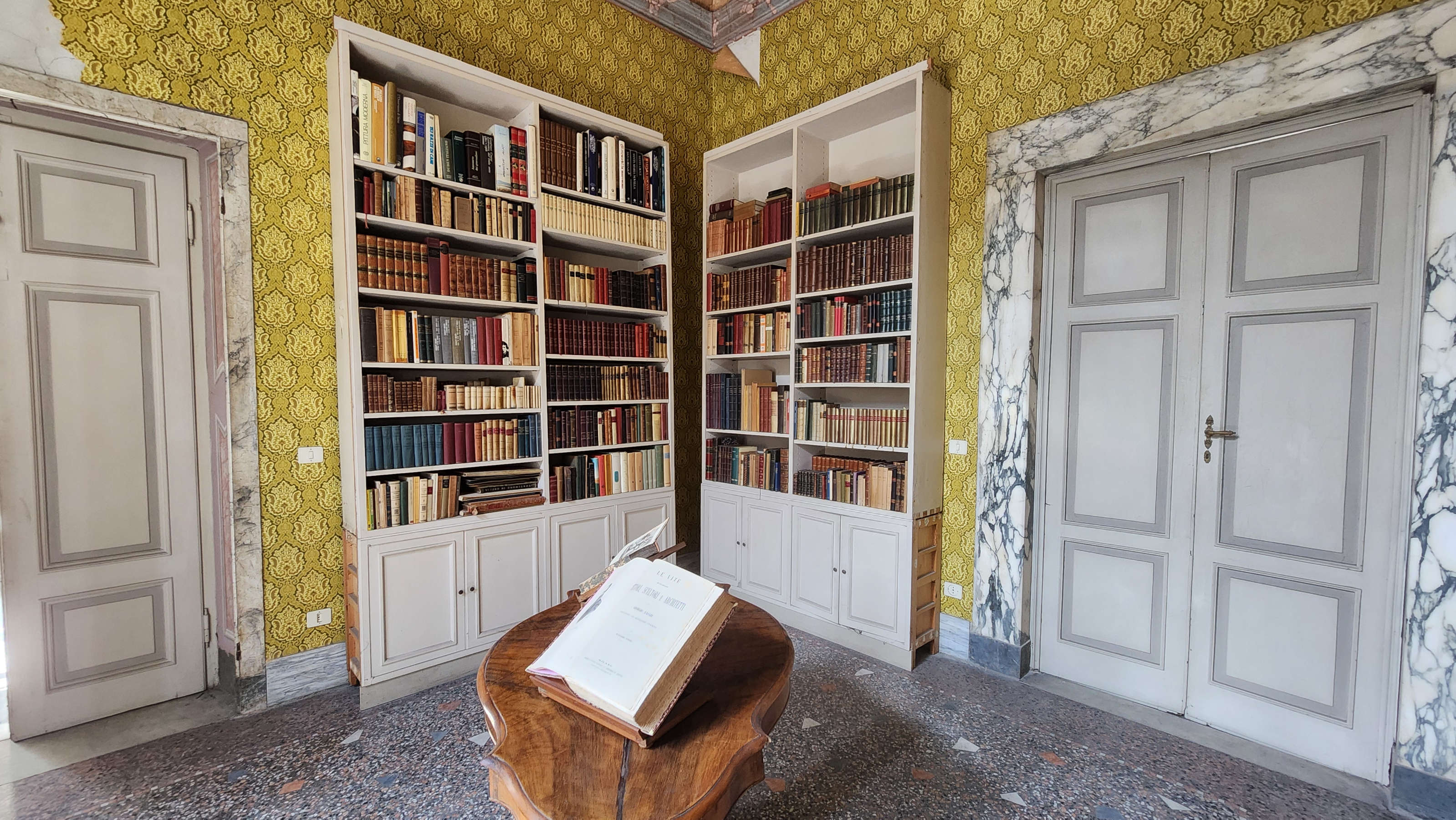
When Andrea opens the two large windows of the living room, the midday light floods into the room all at once, bathing the peeling walls in a bluish glow, lingering on the Cybei reliefs and the busts lining the back wall (all variously restored, one certainly from the 18th century, but perhaps a couple are Roman, likely discovered near Luni—who knows when or why—certainly before the ancient port city was excavated), and then it almost seems as if it wants to escape through the oval of the vault. Further on, Palazzo Staffetti Del Medico Sarteschi conceals another row of small rooms, one occupied by Carlo Sarteschi’s library (there are also some interesting 18th-century pieces), the others completely devoid of any trace of ancient life—be it a piece of furniture, a chair, or a painting. They were once bedrooms, living rooms, game rooms, and music rooms. One of these—the one with the narrow, dizzying little terrace jutting out over Via Ghibellina—was once the piano room, as we know from the documents. Now they are empty rooms. I can’t help but think they might be suitable venues for a future art gallery, for a future return of whatever might be recovered from the old collection. But first, other steps could be taken: making the openings a regular occurrence, launching cleaning and restoration campaigns—since all the pieces remaining here are in great need of them (most of the carvings are still crammed into a storage room, and they won’t be able to return to their galleries until they’ve been restored), and ensure that Palazzo Staffetti Del Medico Sarteschi can become a permanent cultural institution. Even without an art gallery, it could already be something significant.