



by Redazione 03/11/2026


Categories: Museums / Disclaimer
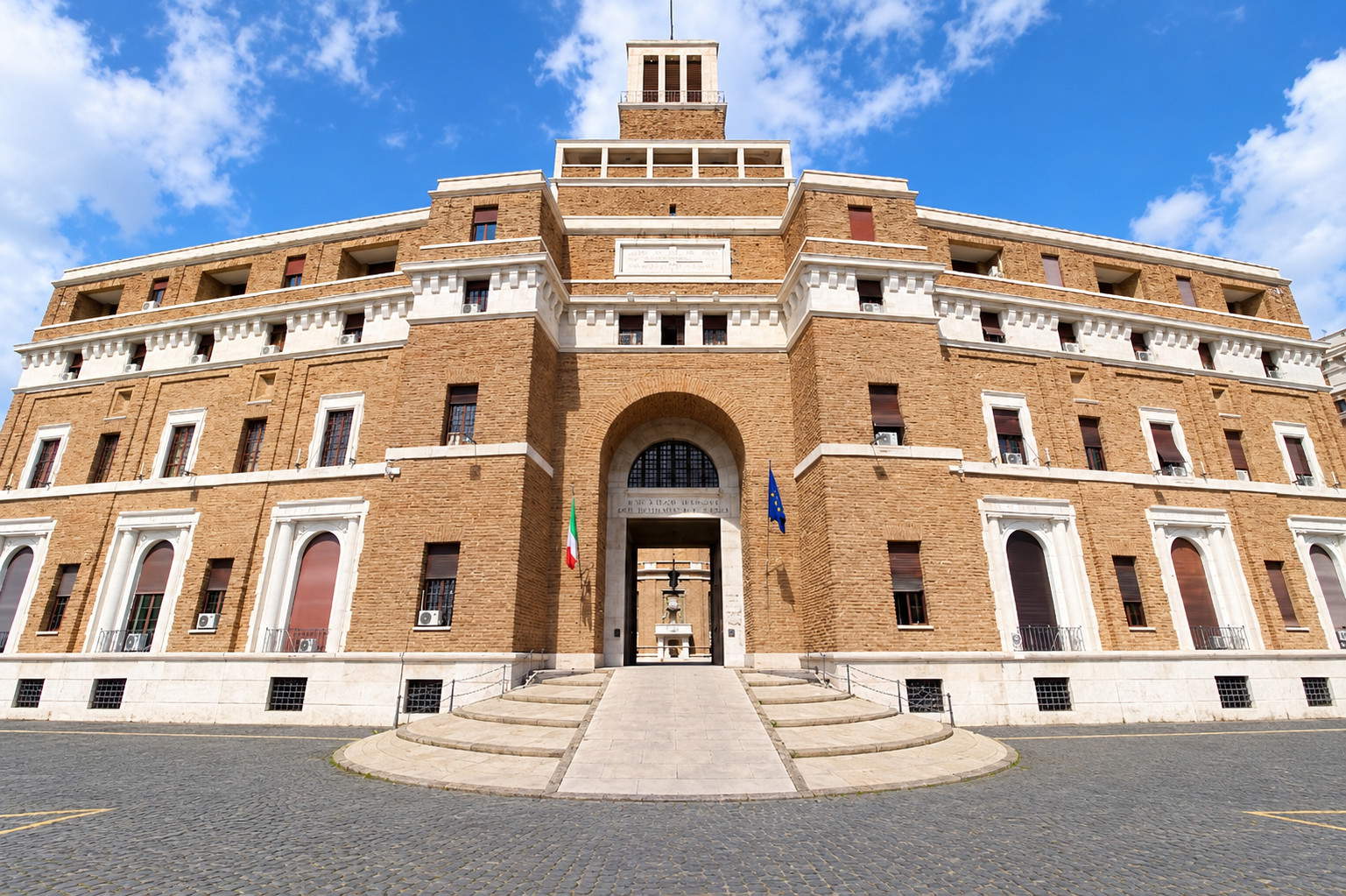
The new Mario Sironi Museum – Sironi Studies Center will open in Rome in the first half of 2027, in the historic Casa Madre dei Mutilati e Invalidi di Guerra. It will feature a permanent collection, the Memorial Hall with the artist’s large frescoes, and a Research Center dedicated to research and documentation.

Thirty works by Mario Sironi are being added to the national collection and will form the core of a new museum dedicated to one of the leading figures of 20th-century Italian art. In fact, the Mario Sironi Museum – Sironi Studies Center will open in Rome in the first half of 2027. This project, sponsored by the Ministry of Culture, will be housed in the Casa Madre dei Mutilati e Invalidi di Guerra, located between Castel Sant’Angelo and the Palace of Justice. The new institution will bring together a permanent collection, the monumental spaces decorated by the artist, and a Research Center dedicated to promoting his work and documents.


The project was presented this morning in the Spadolini Hall of the Collegio Romano, in the presence of Minister of Culture Alessandro Giuli. The meeting was attended by Costantino D’Orazio, Director General of Contemporary Creativity; Luca Mercuri, Director General of Museums; and Margherita Guccione, Scientific Director of MAXXI and a member of the initiative’s Scientific Committee.
The new institution is based on a promotion agreement signed on March 9, 2026, by the General Directorate for Museums, the General Directorate for Contemporary Creativity, the National Association of War Wounded and Disabled, and the Mario Sironi Archive in Rome. To support the project’s development, a Scientific Committee composed of specialists in the artist’s work has also been established. Management of the museum will be entrustedto the Pantheon and Castel Sant’Angelo Institute—National Museums Directorate of the City of Rome, which has already overseen the acquisition of the first core of the permanent collection and will also be responsible for programming activities.



The chosen location is the Casa Madre dei Mutilati e Invalidi di Guerra, a building of particular historical and architectural interest designed by Marcello Piacentini, situated between Castel Sant’Angelo and the Palace of Justice. The complex houses an important testament to Mario Sironi’s monumental work: the Memorial, in fact, preserves two large frescoes created by the artist in 1938.
A painter, illustrator, muralist, and poet, Sironi was one of the most influential figures in 20th-century Italian art. Over the course of more than forty years of work, he experimented with different artistic languages and techniques, contributing significantly to the development of Italy’s figurative art between the two world wars and in the postwar period. The choice of the Casa Madre thus allows for a connection between the works in the future collection and the decorations created by the artist for the building itself.
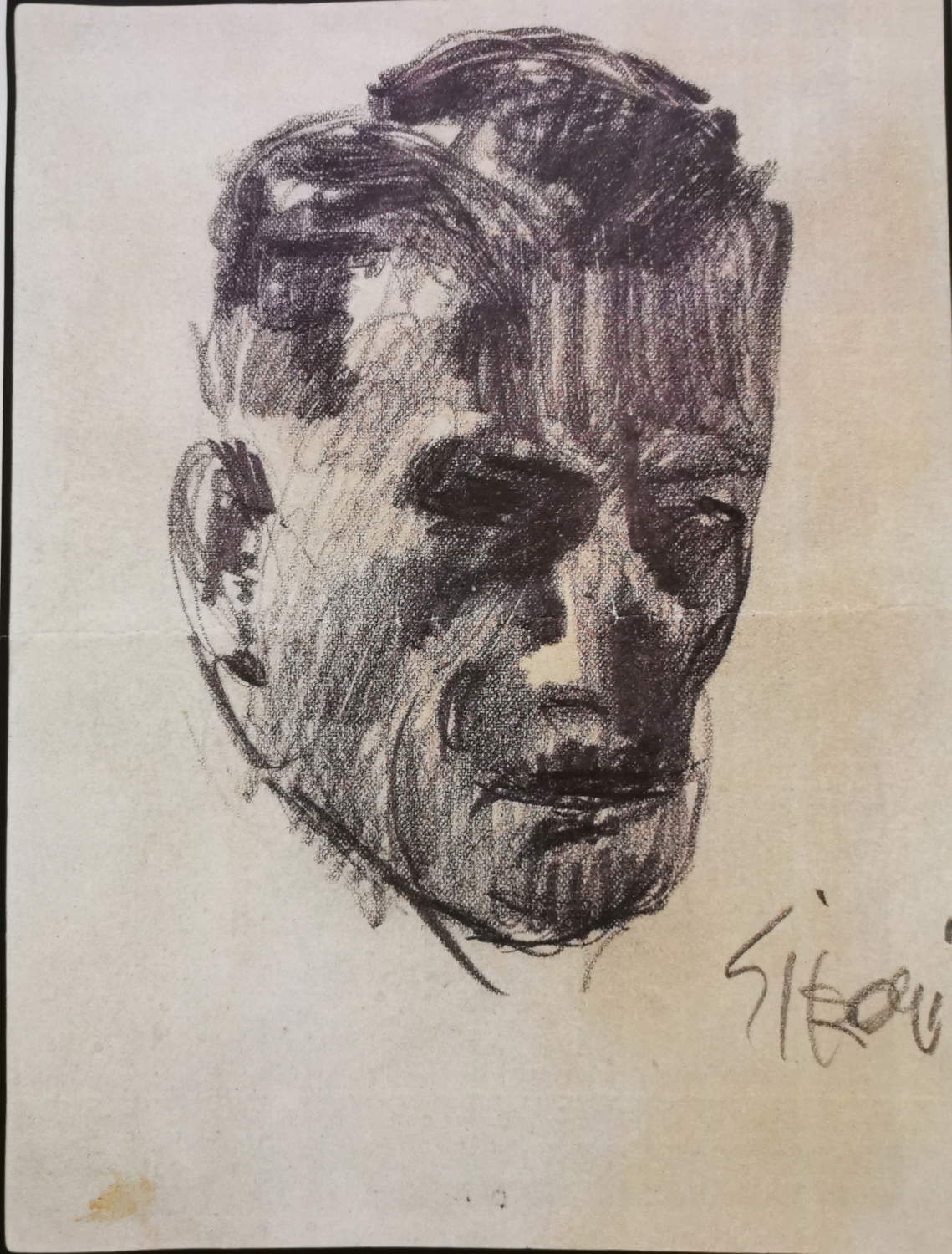
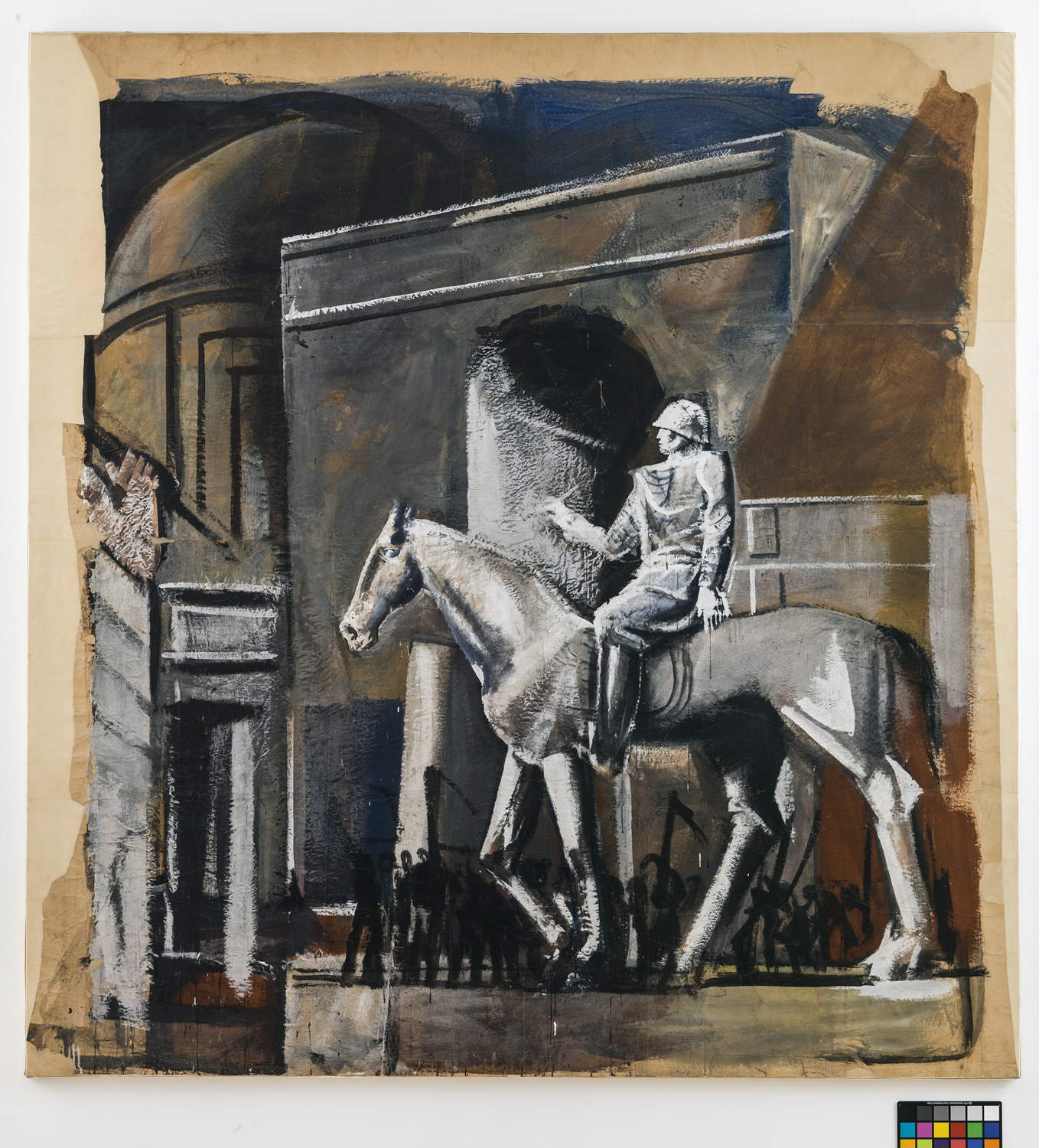
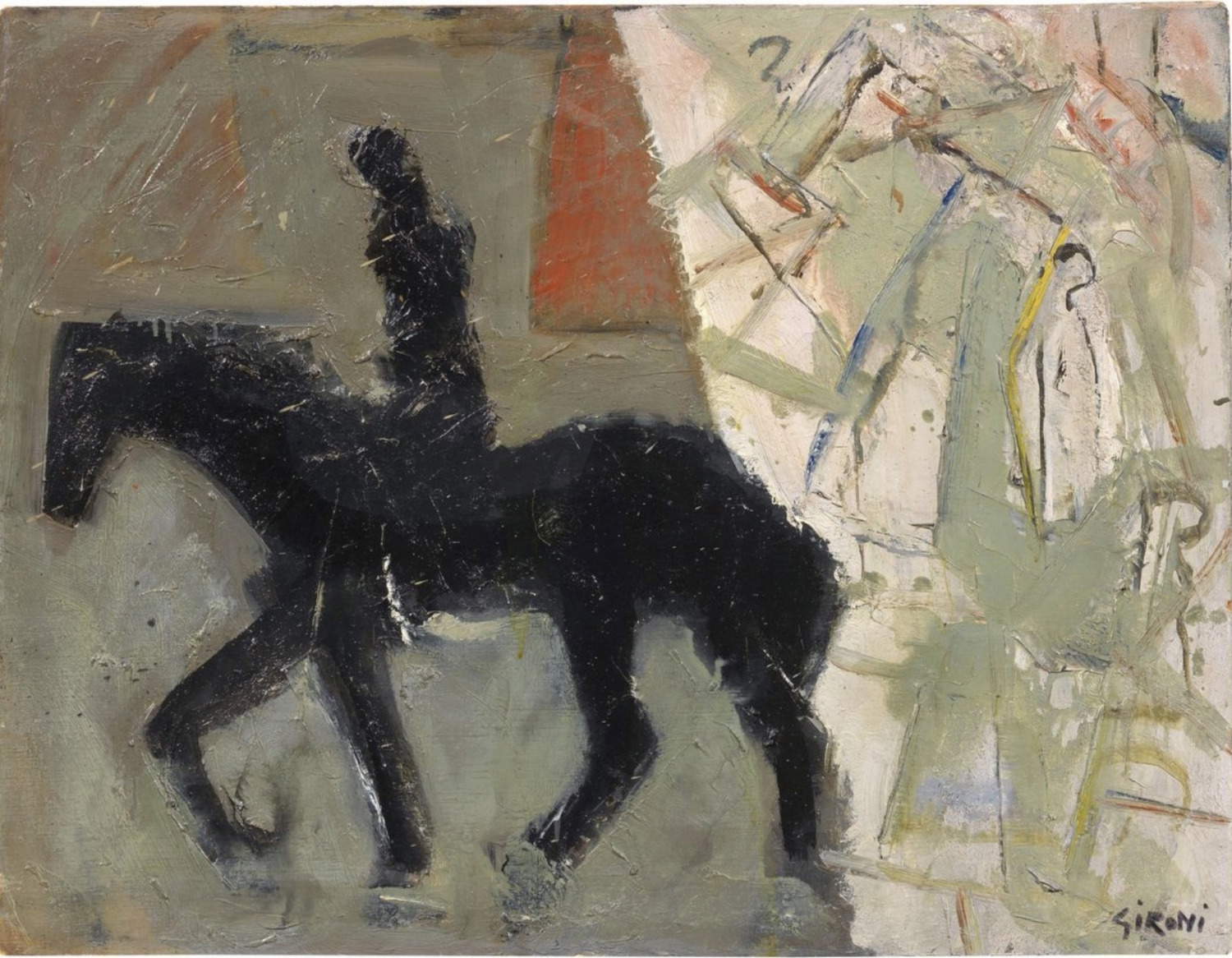
A collection of 120 works chronicling Sironi’s career
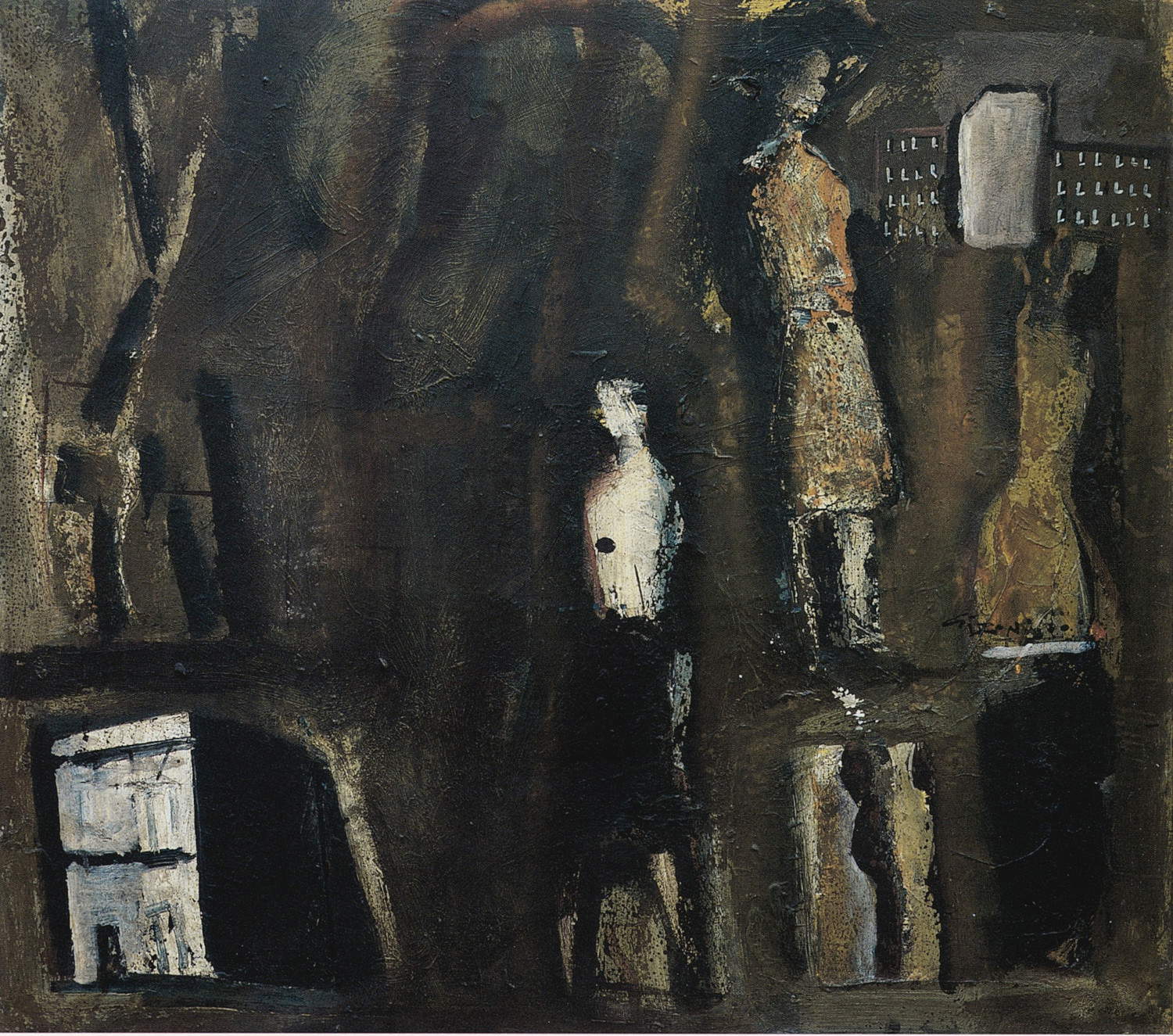
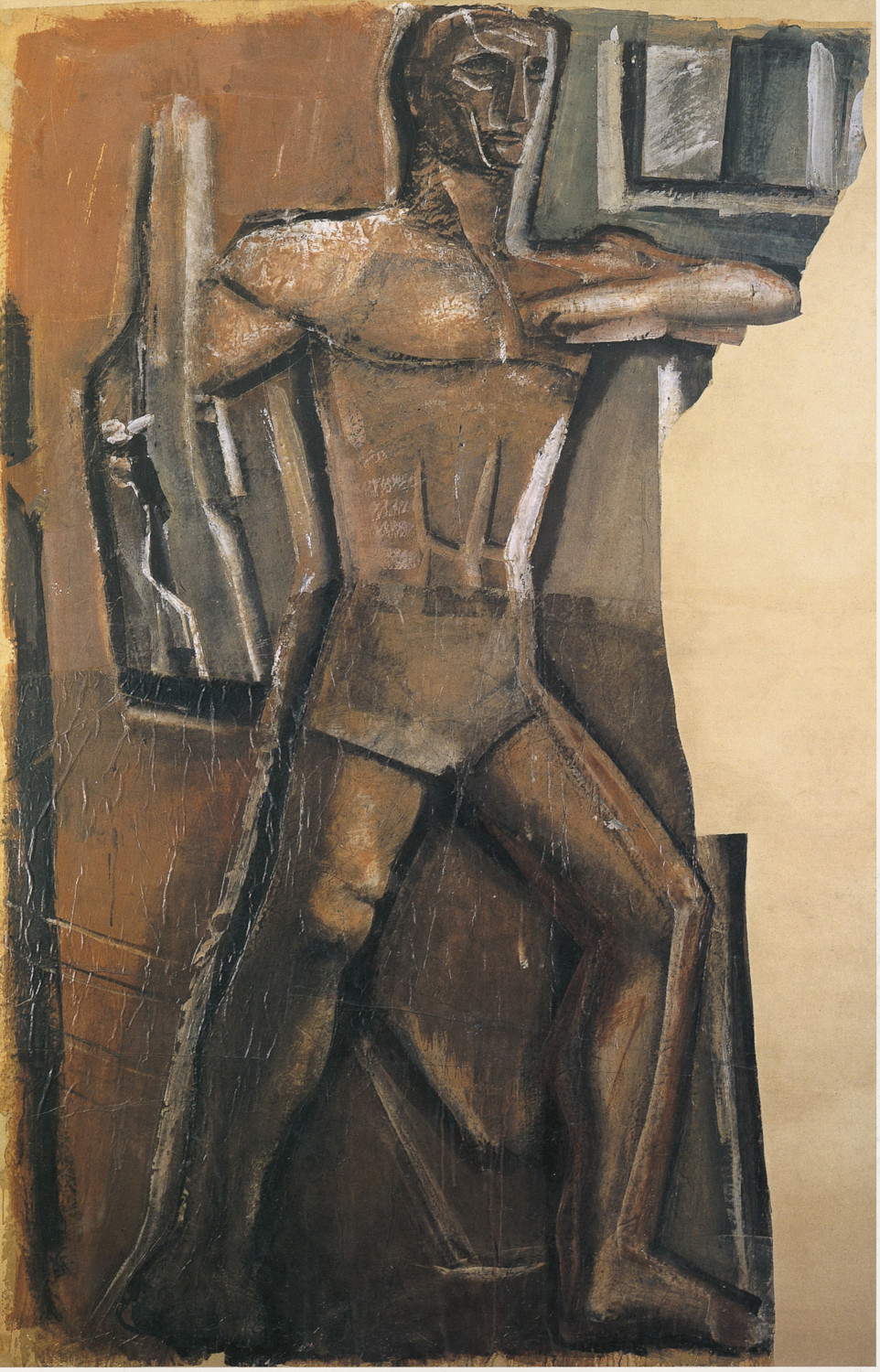
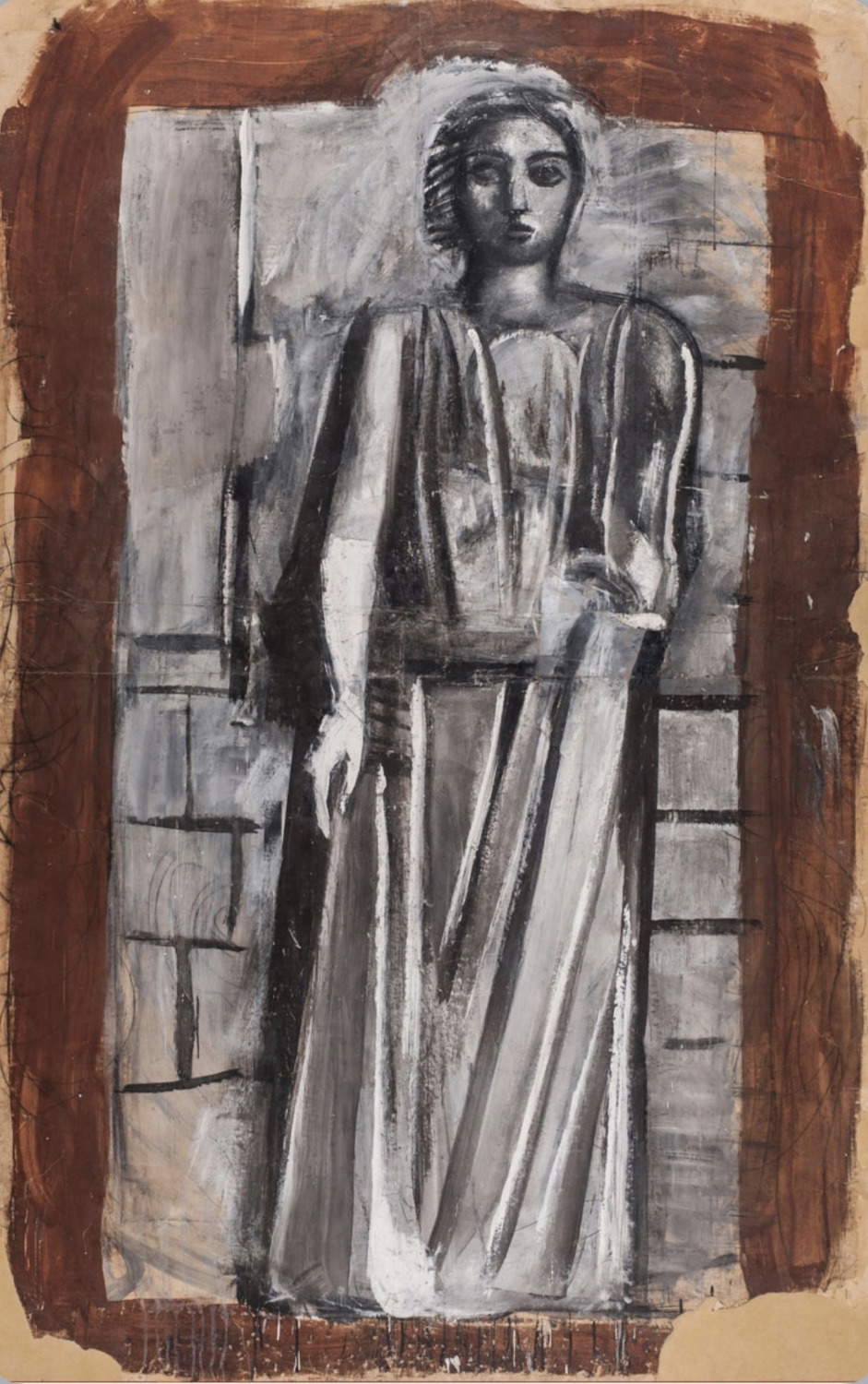
A decisive step toward the museum’s establishment was the State’s recent acquisition of thirty works from the Sironi Archive in Rome. This initial collection includes paintings, works on paper, preparatory studies, drawings, and sketches, through which visitors can trace the various phases of Sironi’s artistic development, from the 1910s through the late 1950s.
The collection documents the evolution of his artistic language, from his early experiments with Futurism and Metaphysical Art through the monumental period of the 1930s, up to the compositions of his final years. Special attention will be given to the studies and preparatory drawings for the Memorial Chapel at the Casa Madre, which offer insight into the creative process behind the two large frescoes still preserved in the building. In addition to the works acquired by the State, another ninety works will be included, loaned free of charge by the Mario Sironi Archive in Rome. The total of one hundred twenty works will make it possible to organize a comprehensive exhibition, to be enriched over time through rotations of the collection and in-depth explorations dedicated to specific themes and periods in the artist’s oeuvre.
The Sironi Study Center is also being established: the Archive becomes accessible
Alongside the exhibition spaces, the new museum will include a Research Center dedicated to scholarship and documentation. An agreement is currently being finalized to begin digitizing the materials preserved in the Mario Sironi Archive, with the goal of making them accessible to scholars within a public space. Correspondence, publications, notes, and accounts of the artist’s private and professional life will constitute an important resource for gaining a deeper understanding of his personal and creative journey. The Research Center will allow visitors to complement their direct experience of the works with research based on documentary sources. The museum complex will therefore include a permanent exhibition, the Memorial, storage areas, and the Sironi Study Center. The facility has been designed to expand gradually through new acquisitions, loans, and collaborations with other cultural institutions.
A committee composed of Gabriella Belli, Fabio Benzi, Angelo Piero Cappello, Francesca Florimbii, Margherita Guccione, Mariastella Margozzi, Elena Pontiggia, Luca Ribichini, Gabriele Simongini, and Alessandra Tarquini will oversee the project’s scholarly development. The new museum is scheduled to open to the public in the first half of 2027, once the functional renovations, museum design, and work necessary to improve accessibility have been completed. Work is currently underway under the supervision of the Special Superintendence for Archaeology, Fine Arts, and Landscape of Rome.
“The founding of the Mario Sironi Museum and the Sironi Studies Center is the defining achievement of my tenure, and the one I am most proud of,” stated Minister of Culture Alessandro Giuli. “It is the result of a project conceived during my presidency of MAXXI, stemming from a process of study and research focused on one of the greatest artists in Italian history—an artist capable of navigating the contradictions of the 20th century and expressing, through painting, architecture, and monumental arts, a language that remains extraordinarily relevant today. Sironi challenges us to reflect on the relationship between the individual and the collective, on the transformations of cities, and on the anxieties of the present. The rediscovery of his work represents an act of maturity, inviting us to look at history without prejudice, recognizing art as an expression of freedom and a tool for civic growth. The new institute, the result of a collaborative effort and dialogue among institutions, disciplines, and generations, will be a hub of intellectual vitality—a space for knowledge, in-depth exploration, and participation aimed primarily at young people. We are returning an extraordinary heritage to the community through a project that combines preservation, promotion, and social purpose. We are convinced that the past acquires its full meaning when we know how to reinterpret it and relate it to our own time. This is the vision that guides us, founded on openness, dialogue, and sharing.”
“The opening of the Mario Sironi Museum in Rome marks the culmination of a project to which I have dedicated over thirty years of commitment, study, and deep passion. I would like to express my most sincere gratitude to Minister of Culture Alessandro Giuli for recognizing Mario Sironi’s extraordinary artistic legacy and helping to provide it with a prestigious home, destined to become a premier venue for knowledge, research, and in-depth study,” stated Romana Sironi, President of the Mario Sironi Archive in Rome. “A place where future generations will be able to engage with the Maestro’s work, exploring its complexity and grandeur through the invaluable documentary heritage that I have preserved and curated in the archive. Finally, I would like to thank the distinguished scholars who accepted the invitation to join the Scientific Committee; their contribution will be essential in guiding the museum’s growth and consolidating its role in the national and international cultural landscape.”
 |
| Rome Will Be Home to the Mario Sironi Museum: 120 Works and a Research Center at the Casa Madre dei Mutilati |
Warning: the translation into English of the original Italian article was created using automatic tools. We undertake to review all articles, but we do not guarantee the total absence of inaccuracies in the translation due to the program. You can find the original by clicking on the ITA button. If you find any mistake,please contact us.