




by Redazione 18/10/2026



Categories: Archaeology / Disclaimer
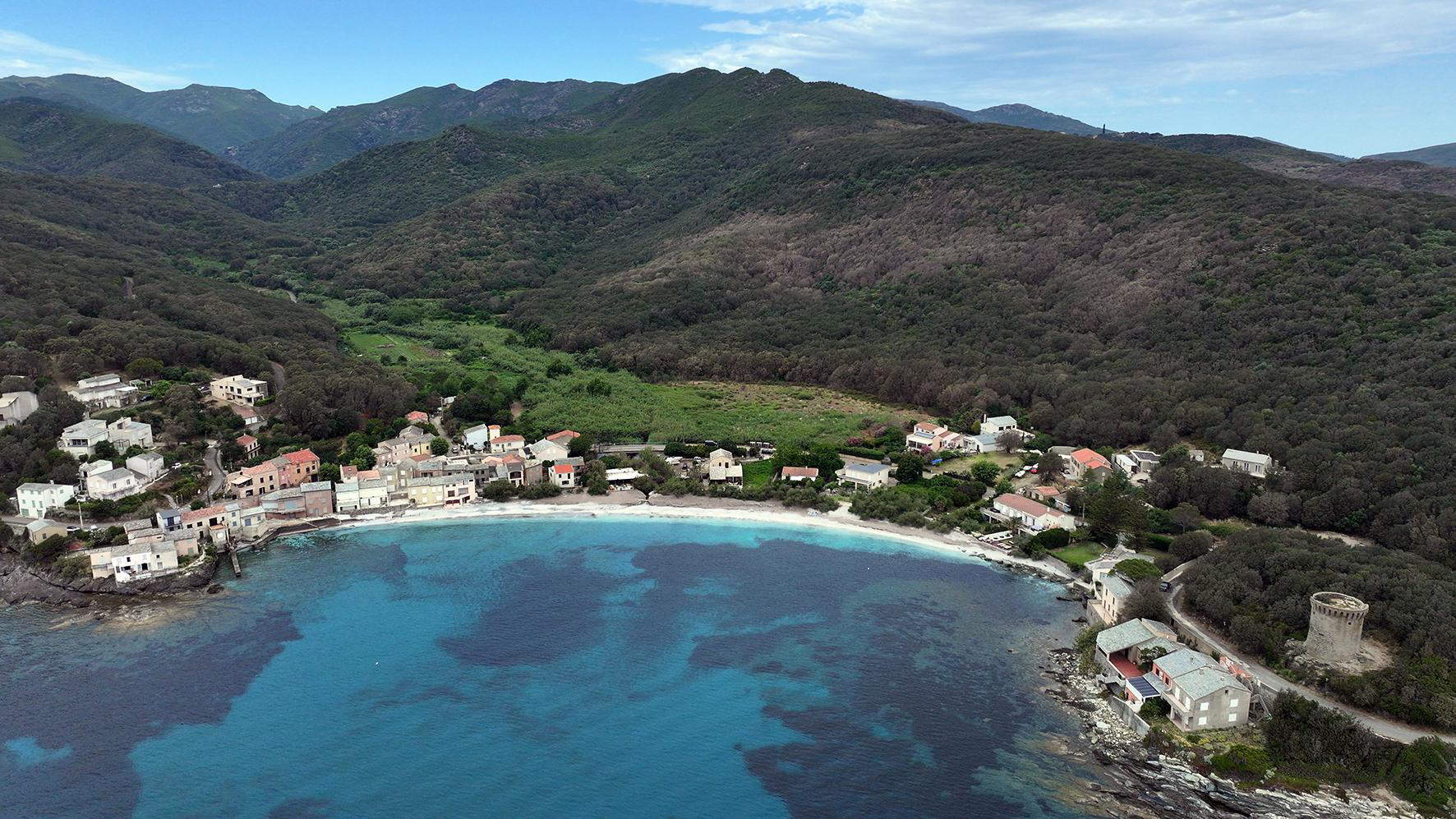
In Meria, on the Cap Corse peninsula, archaeological excavations have unearthed a building measuring at least 50 square meters that dates back to late antiquity. This discovery complements that of a landing site identified in 2025 and opens up new perspectives on the Roman presence along the coast of Corsica.


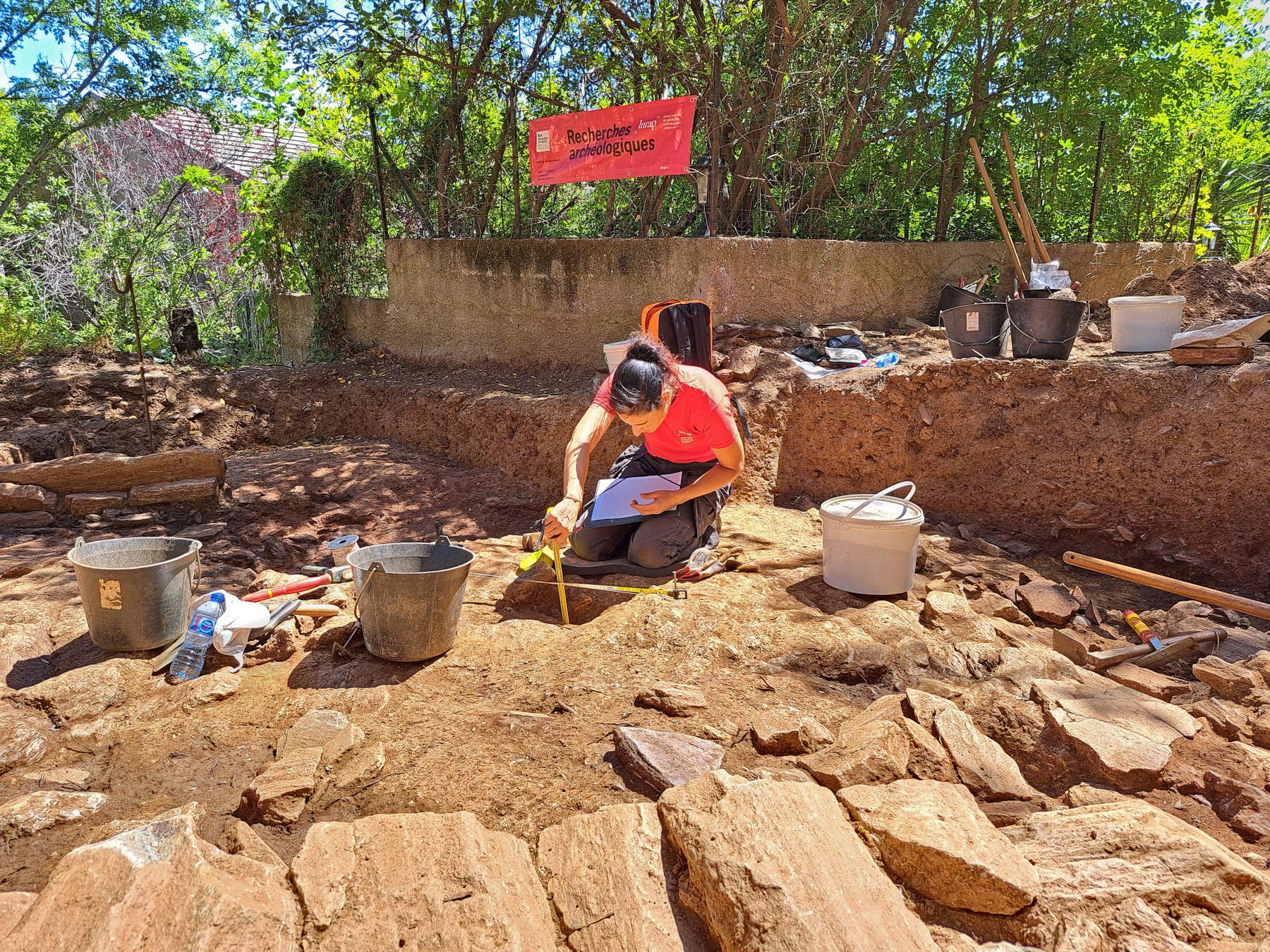
Less than 100 meters from the sea, on a rocky promontory overlooking Meria Bay in Capo Corso ( Corsica, France), archaeologists have uncovered a late-antique building with rooms used for daily life. Among the remains found were ceramic fragments associated with culinary activities, glass vessels, iron tools, and a millstone. The structures are located about thirty meters below an ancient landing site discovered in the same area in 2025. The two discoveries, both the result of preventive archaeological surveys, suggest that Meria may have been the site of a more complex coastal settlement than previously thought.


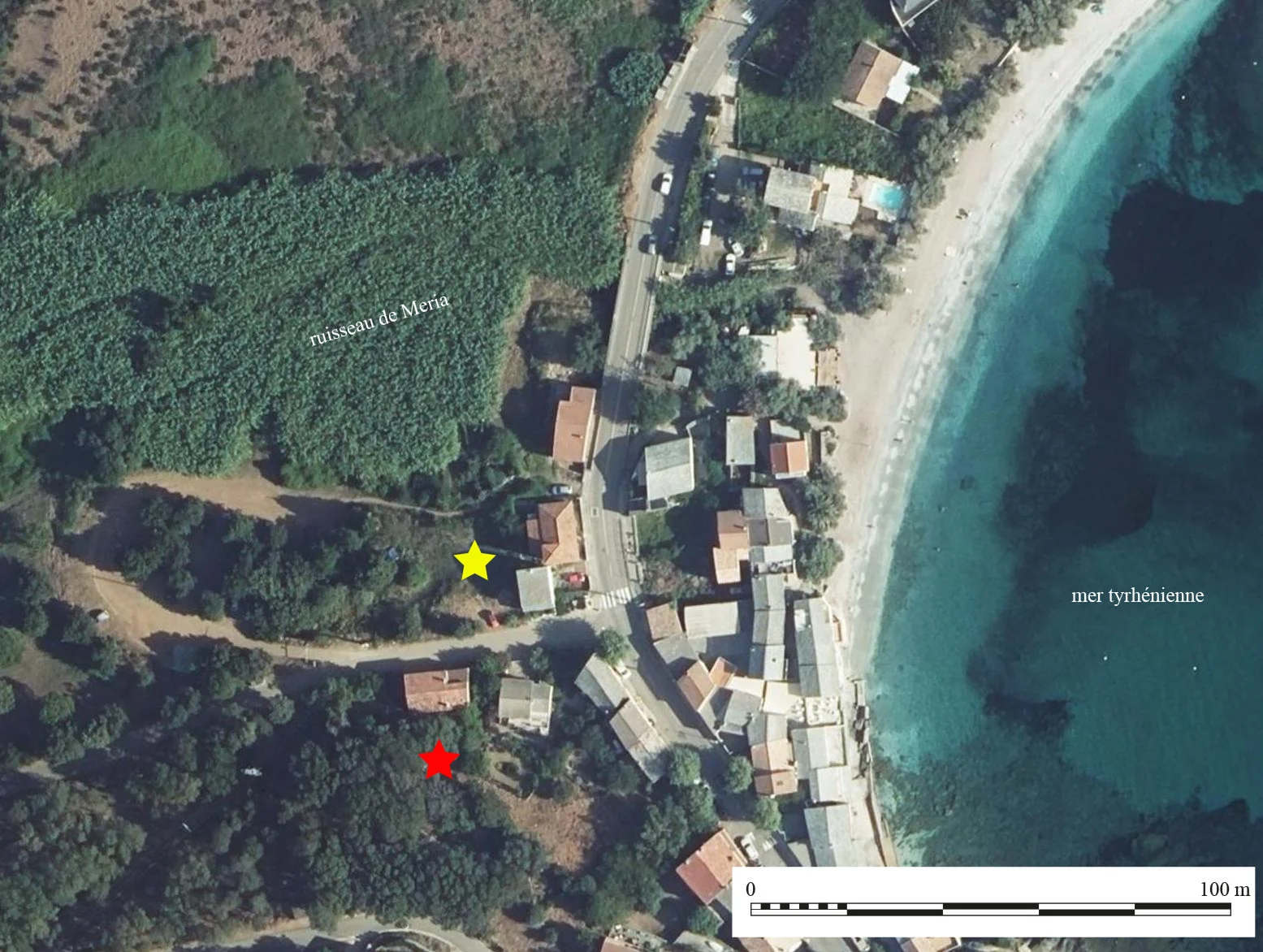
The new excavation campaign took place in May and June 2026, prior to the construction of a private residence in the Meria marina area in Corsica. Archaeologists from INRAP, the French National Institute for Preventive Archaeological Research, investigated an area of 150 square meters at the request of the Regional Archaeology Service of the DRAC of Corsica, the regional directorate for cultural affairs. This project marks the second preventive excavation carried out on the peninsula following the one conducted in the spring of 2025, when a landing structure dating to late antiquity was identified on the southern bank of the Ruisseau de Meria. The new structure is located on the northern slope of a small rocky promontory overlooking both the waterway and the bay. Its location, near the coast and a short distance from the landing site, is one of the factors that make this archaeological complex particularly interesting. The two structures may in fact be contemporary, although the chronological and functional relationship between the dwelling and the port infrastructure will need to be further investigated through the analysis of the collected data.


A Building Carved into the Rock
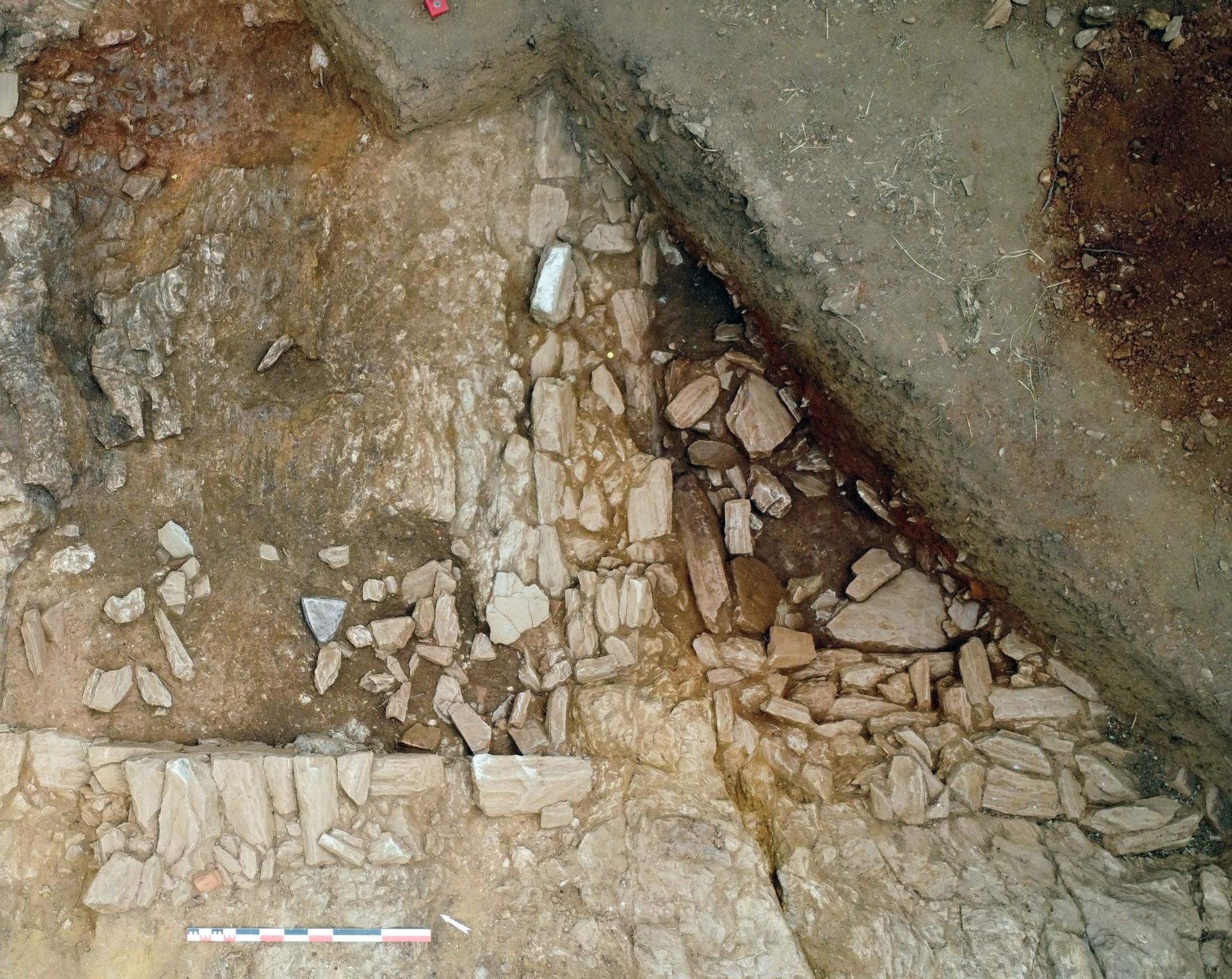
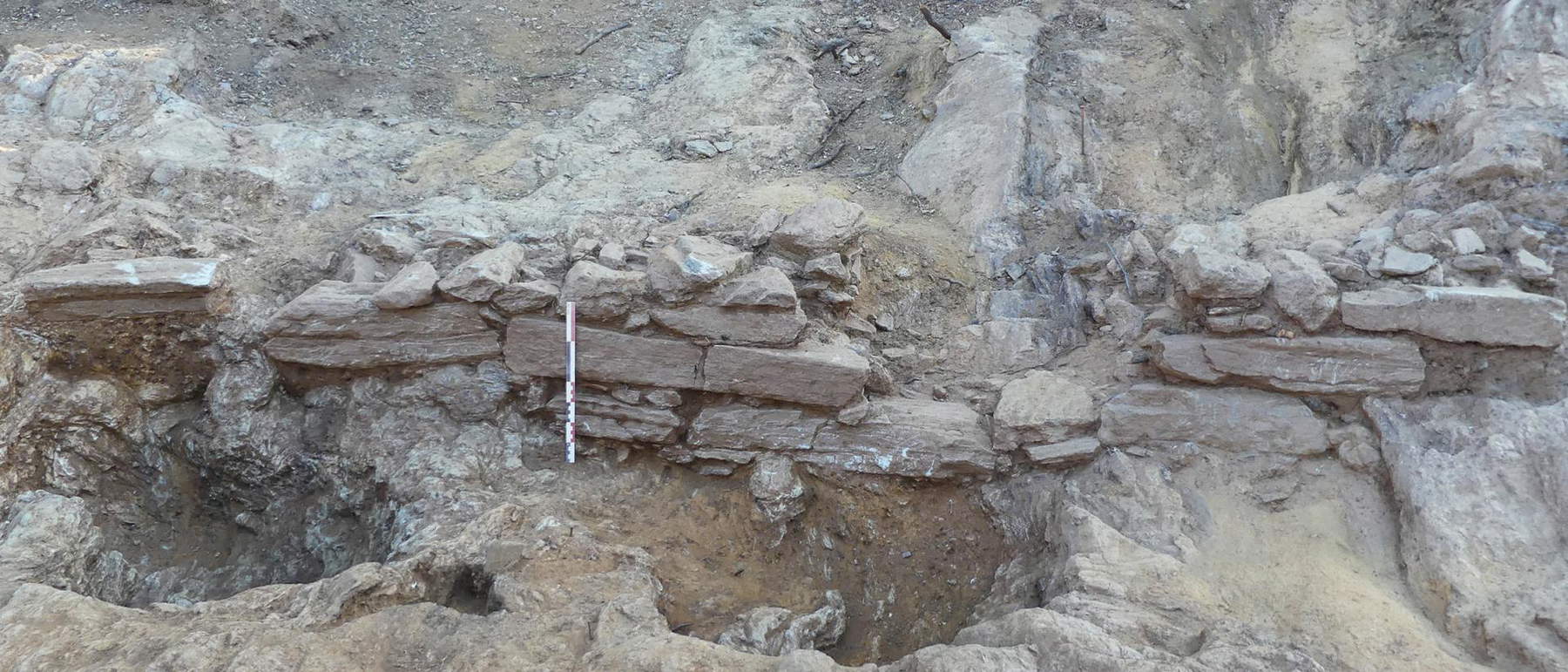
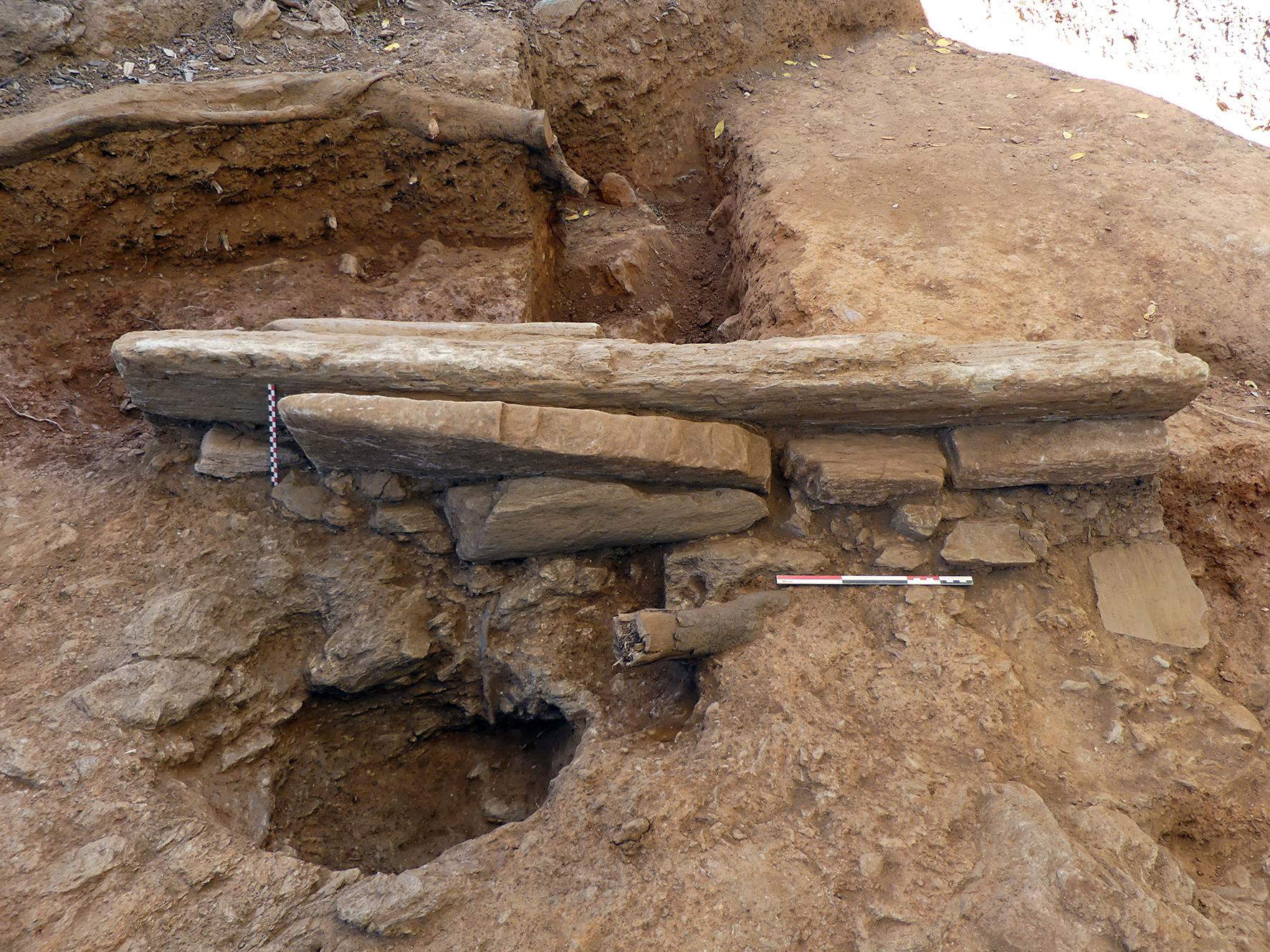
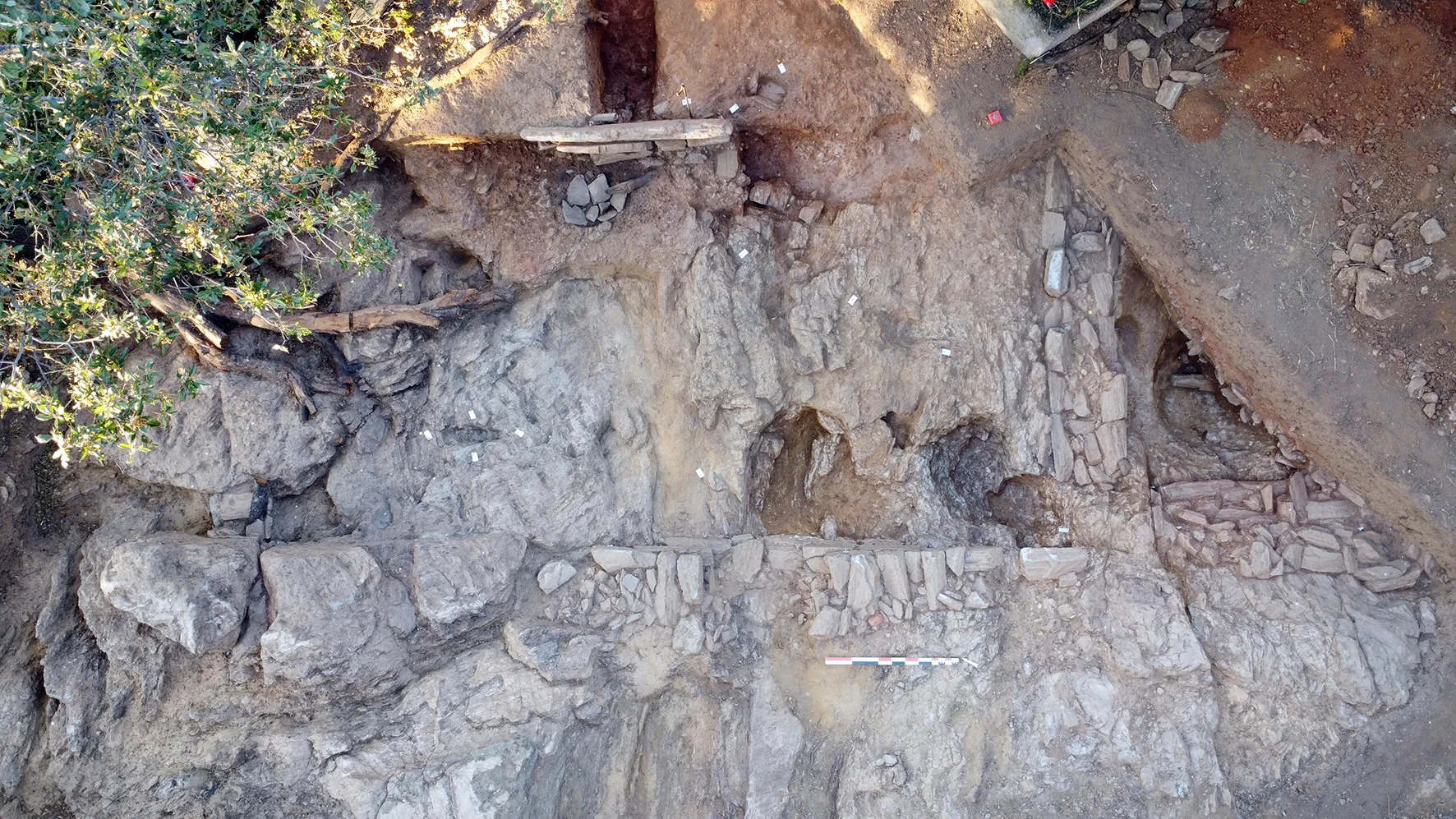
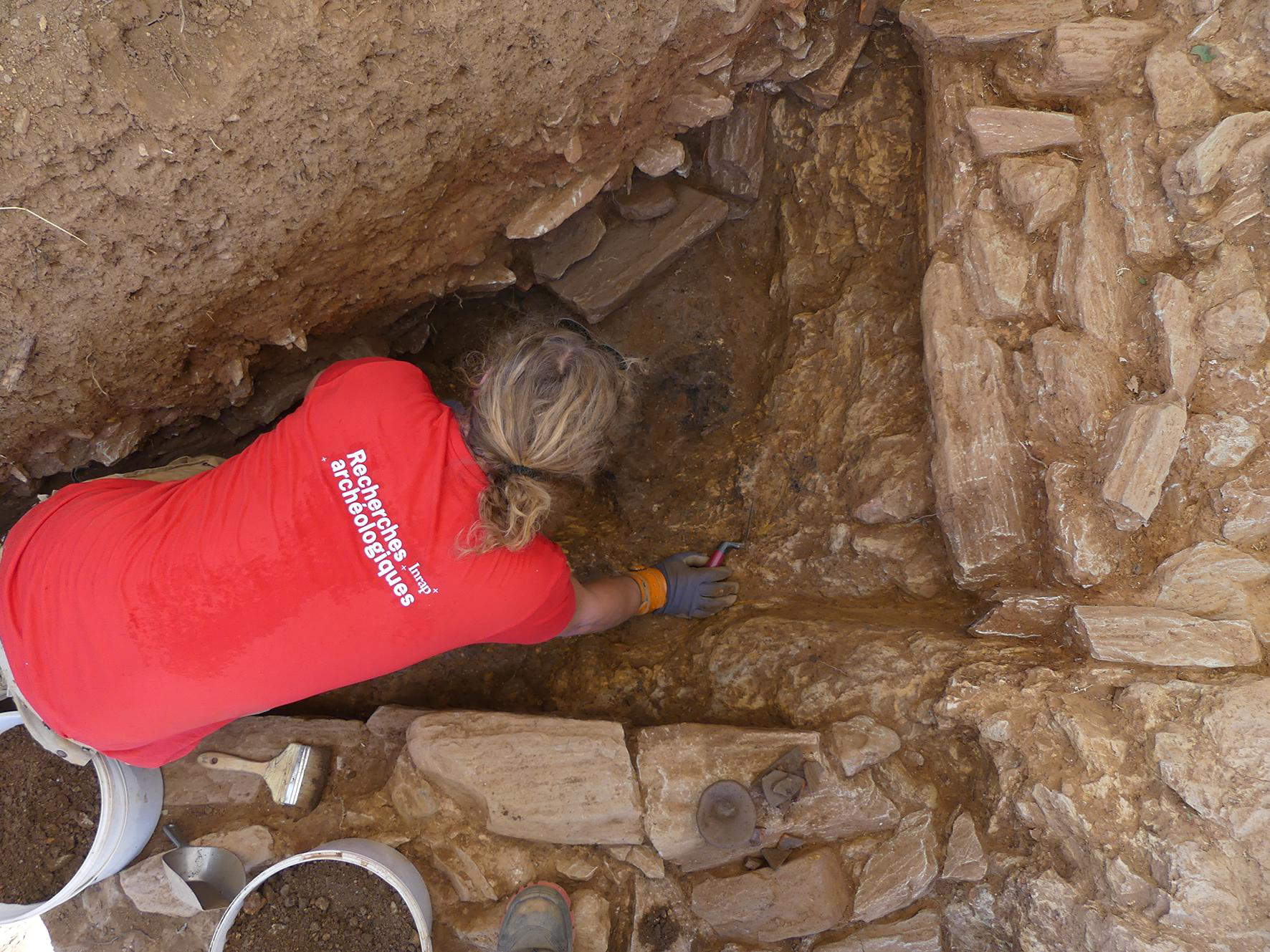
The building identified during the excavations has a floor plan divided into two parts and covers a minimum area of 50 square meters. It stands directly on the schist bedrock, which the ancient builders modified to lay the foundations. The foundations are preserved for at least three courses and are constructed of squared schist blocks, arranged using a precise masonry technique. The stone elements are alternated according to a system in which some blocks are placed longitudinally within the masonry and others are arranged perpendicular to the facing.


In some places, the natural rock was used directly as part of the interior walls. In fact, the surfaces were cut to extend the layout of certain structures, reducing the need to construct the room boundaries entirely of masonry: the topography of the terrain thus not only served as the building’s foundation but was also integrated into its architectural design. Another characteristic concerns the division of interior spaces: archaeologists have identified monolithic slabs of local schist placed vertically and held in position by shoring stones and wooden posts (these elements served to separate the rooms, introducing a construction method different from that of masonry walls). The presence of these partitions thus attests to a spatial organization that combined different materials and techniques, adapting to the characteristics of the site.
The preserved structures allow for at least a partial reconstruction of the building’s layout, but some aspects of its original configuration remain to be clarified. Among these is the roof: inside the building, several post holes have been identified, some of which feature stone fastening systems. These cavities may correspond to the sockets for wooden supports used to hold up a tiled roof, a hypothesis also suggested by the abundant presence of tegulae—flat Roman roof tiles—in the layers of debris left behind.
Pottery, glass, and utensils: traces of domestic life
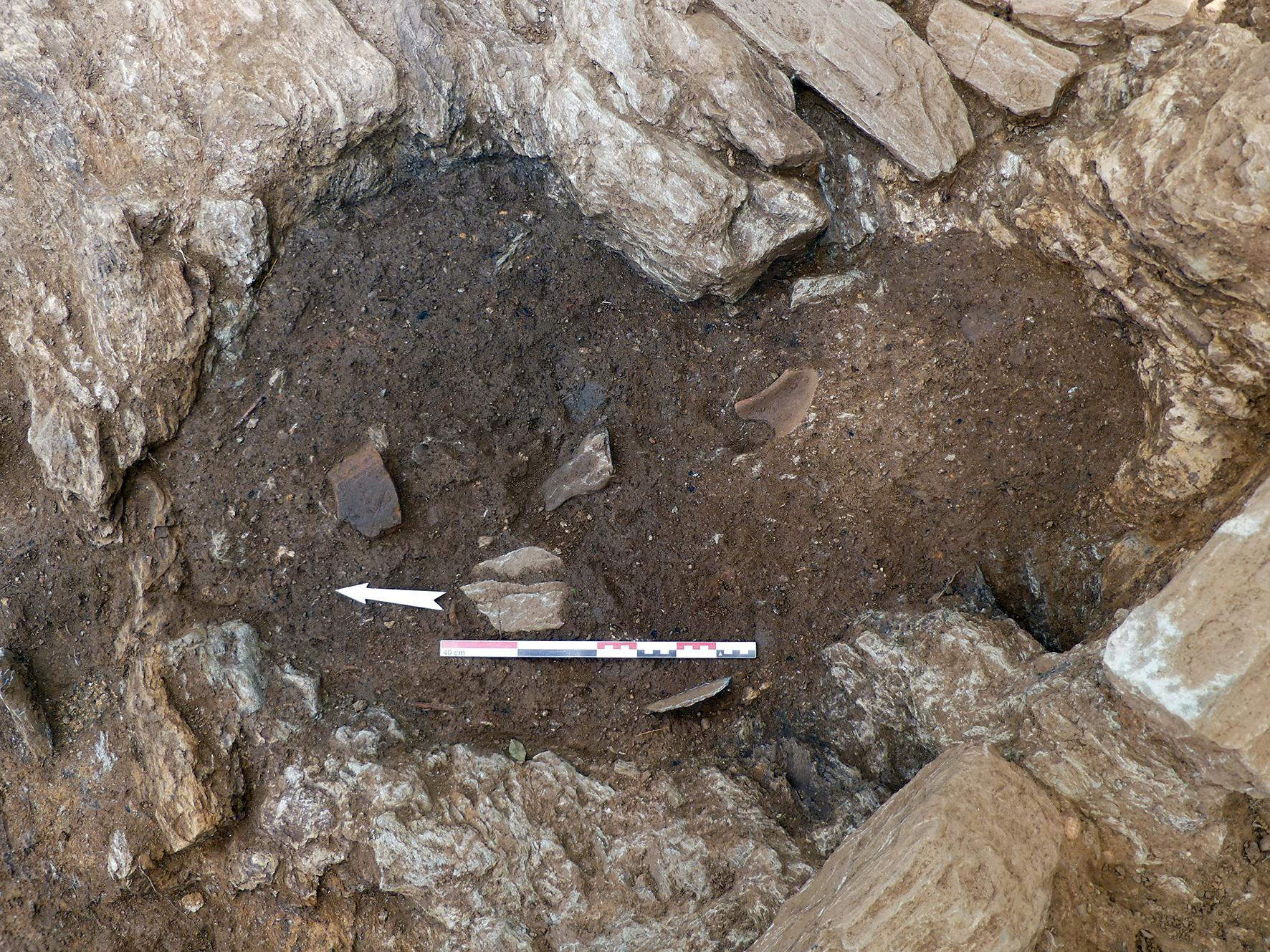
The materials recovered during the excavation are particularly helpful in clarifying the building’s function. In the corners of the various rooms, pits were identified containing waste and residues from activities carried out inside the structure: the material found consists mainly of ceramic fragments associated with food preparation and consumption, glass vessels, iron tools, and a millstone, identified by the Latin term *catillus*. The concentration of these finds points to the domestic sphere and supports the interpretation of the building as a dwelling (it is not, therefore, merely a set of wall remains, but a body of evidence that allows us to gain insight into the activities carried out by the occupants and the daily management of the spaces).
Pottery, glass, and utensils also constitute an important source for the study of Corsica’s material culture in late antiquity. The materials collected during the two excavation campaigns, in fact, include productions characteristic of this period that remain poorly documented on the island: their study can help expand our knowledge of the types of pottery in circulation in Corsica and of the relationships between local settlements and other regions of the Mediterranean.
Of particular interest is also the variety of imported items identified in the ceramic corpus. According to INRAP, the richness of these finds places Meria within Mediterranean trade networks, and the presence of materials from other production contexts suggests that the site was not isolated but participated in networks for the circulation of goods and artifacts. Further analysis of the recovered materials will be crucial for a more precise understanding of the origin of the artifacts and the nature of these exchanges. The collection of finds also includes numerous metal objects, glass artifacts, and stone tools associated with various areas of use: domestic and artisanal activities, the personal sphere, and navigation. This variety is one of the aspects highlighted by archaeologists, as it helps define Meria’s distinctive character during the chronological span from the Roman era to the early Middle Ages.
A landing site connecting the settlement to the sea
The discovery of the dwelling takes on further significance when considered alongside the findings of the 2025 archaeological campaign. On that occasion, also in Meria, a landing structure dating to late antiquity was identified, located on the southern bank of the Ruisseau de Meria. The building discovered in 2026 stands less than one hundred meters from the coastline and about thirty meters higher than the landing structure.
The geographical proximity and the possible contemporaneity of the two structures raise an important question: did the landing structure serve only an isolated dwelling, or was it part of a larger settlement? At present, the available data do not allow for a definitive answer, but the hypothesis of a more complex coastal settlement is among the possibilities suggested by the investigations.
The two excavation campaigns have yielded a considerable amount of data despite the relatively limited areas covered by the excavations. Their significance lies not only in the architectural structures and artifacts discovered but also in the possibility of reconstructing the environment in which the landing site was situated. For this reason, the archaeological investigations are complemented by geoarchaeological and paleoenvironmental studies. The analysis of layers characterized by hydromorphic conditions, found near the landing structure, is supplemented by research on ecofacts and by studies in malacology and palynology (malacology deals with mollusks, while palynology studies pollen: both of which can contribute to reconstructing past environmental conditions).
These approaches allow for a deeper understanding of the evolution of the territory and the fluvial and coastal dynamics within which the landing structure was situated: the coastline, the configuration of watercourses, and environmental conditions can in fact change over time; reconstructing this history is essential for understanding how an ancient landing site functioned and its relationship with nearby settlements.
The Meria site thus offers the opportunity to study both the traces of human activity and those of natural processes together. The artifacts document daily activities and trade relationships, while environmental analyses help define the landscape in which these activities took place.
Traces of an Earlier Presence
The hypothesis that Meria was home to a larger settlement does not stem exclusively from recent discoveries: archaeologists point to earlier finds thatsuggest the area was already inhabited during the Roman era. In the 19th century, a marble element was discovered that served as a support for an altar table, bearing a dedicatory inscription to Emperor Claudius, and this find is complemented by another marble artifact, recovered in 2012 by the French Department of Underwater and Submarine Archaeological Research (DRASSM) from the depths of Meria Bay.
These findings, together with the results of the two preliminary surveys, help to reveal an archaeological history more complex than that suggested by the mere presence of a dwelling and a landing site. According to INRAP, Meria may have been the site of a complex settlement—perhaps a small village or a coastal settlement—as early as the Roman era. This is, however, a hypothesis that will need to be verified through further investigations and a comprehensive analysis of the artifacts.
In any case, the excavations at Meria open up new perspectives for the study of Roman and Late Antique Corsica, a field in which certain categories of artifacts—particularly ceramic productions from Late Antiquity—remain poorly documented. Analysis of the materials from the two excavations, together with studies of the landscape and coastal dynamics, will help clarify the chronology and characteristics of the settlement.
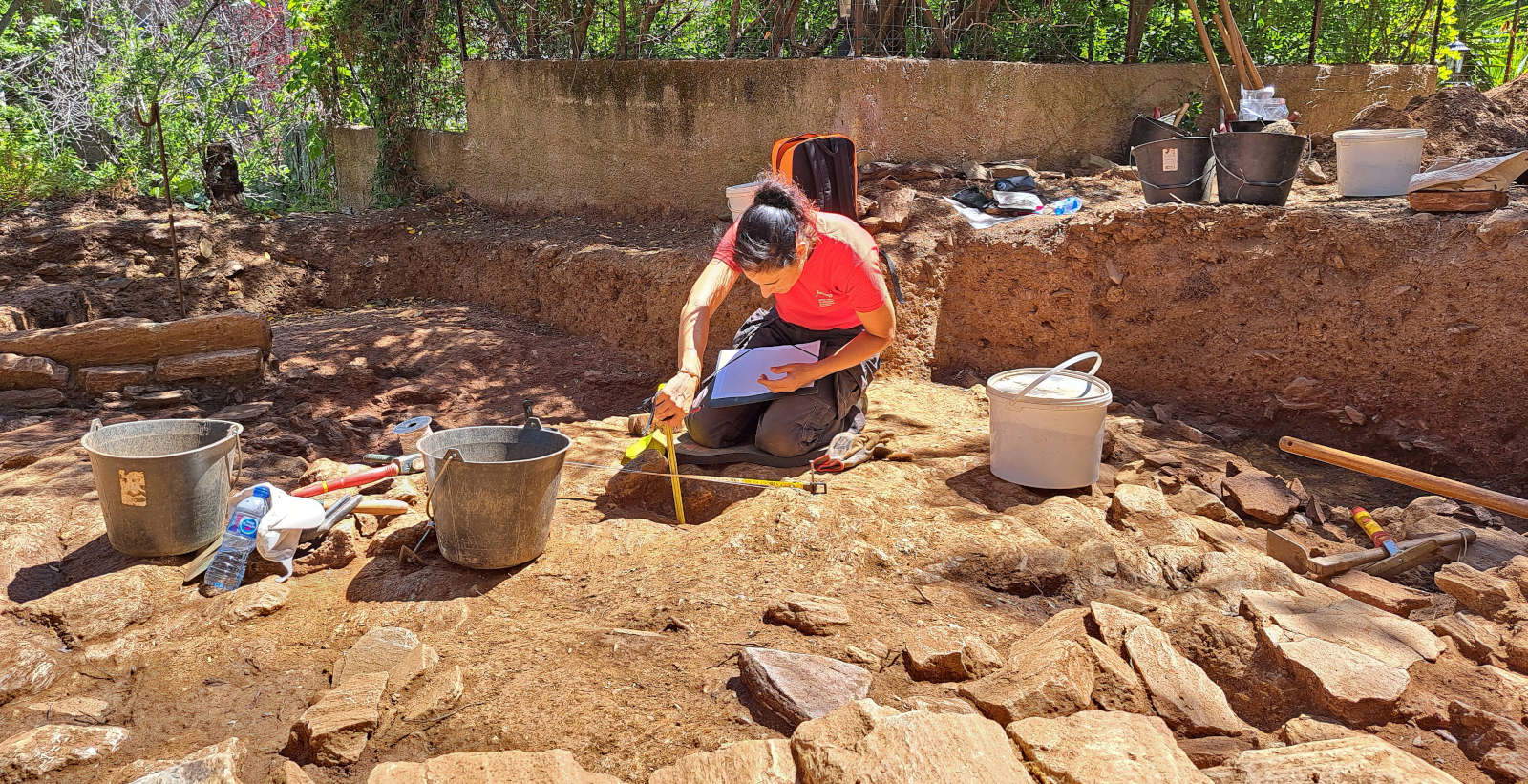 |
| A Late Antique house has been discovered in Corsica near an ancient landing site: the artifacts offer a glimpse into daily life |
Warning: the translation into English of the original Italian article was created using automatic tools. We undertake to review all articles, but we do not guarantee the total absence of inaccuracies in the translation due to the program. You can find the original by clicking on the ITA button. If you find any mistake,please contact us.