



by Redazione 03/11/2026


Categories: Archaeology / Disclaimer
One hundred archaeological artifacts returned by the United States and the exhibition “No Way Out: Bourbon” highlight the efforts to recover Anatolian heritage. Works that had been lost for decades are once again on display at the Istanbul Archaeological Museums, including bronze sculptures from the sanctuary of the Roman emperors.

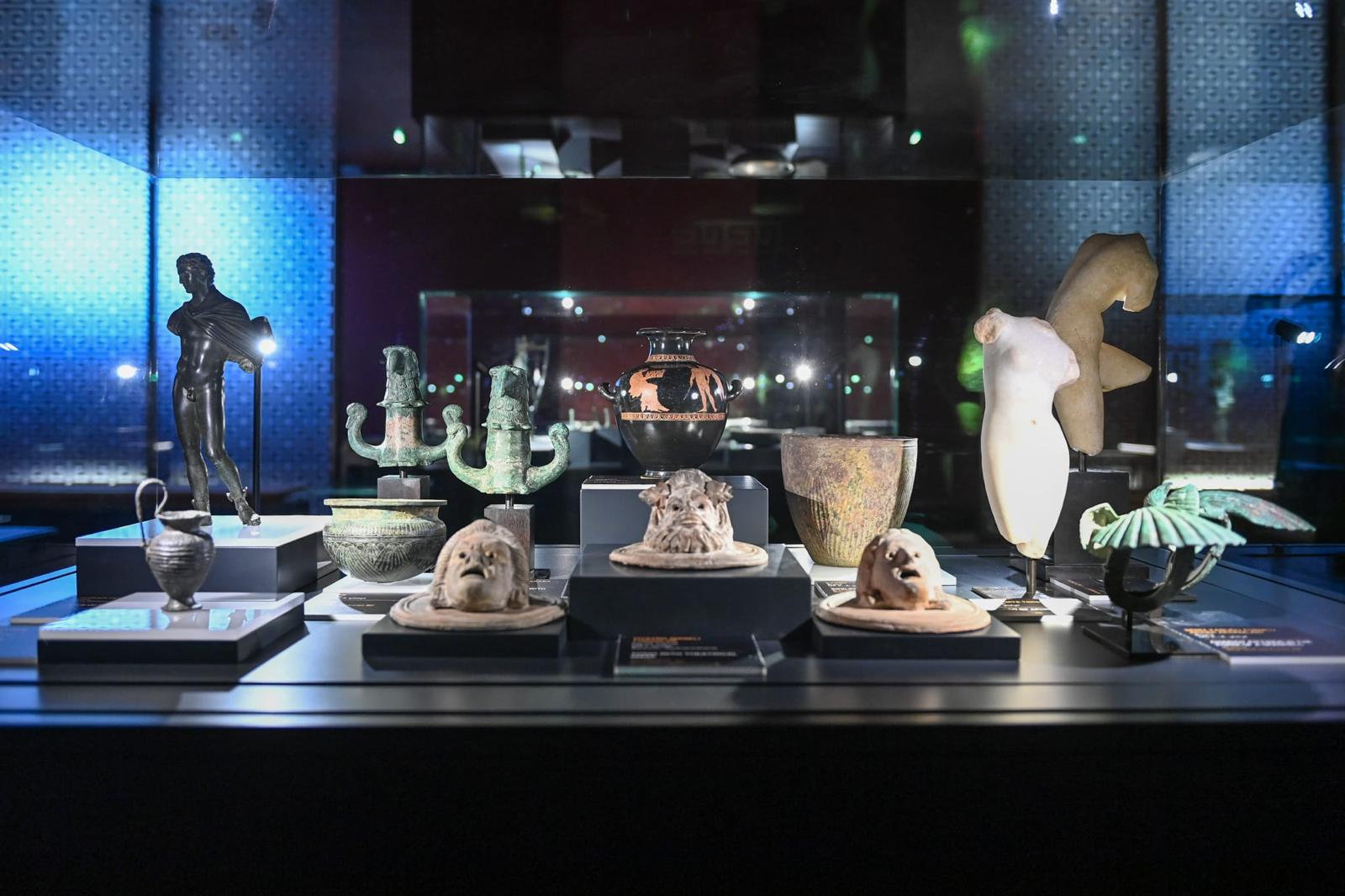
One hundred archaeological artifacts returned by the United States and an exhibition bringing together bronze sculptures of Roman emperors, which had been scattered for decades across various countries and collections. At the Archaeological Museums of Istanbul, Turkey, the presentation of the recovered works and the opening of “No Way Out: Boubon” mark two milestones in a broader program to return Anatolian cultural heritage. The recently returned artifacts span a time period ranging from the Early Bronze Age to the Roman era, while the exhibition traces the history of the sculptures looted in the 1960s from the ancient city of Boubon, in what is now the province of Burdur.


The Minister of Culture and Tourism, Mehmet Nuri Ersoy, presented the artifacts and inaugurated the exhibition. “Our goal is not simply to move the artifacts from one display case to another, but to reinterpret them in light of their histories and the cultural context to which they belong,” he stated.
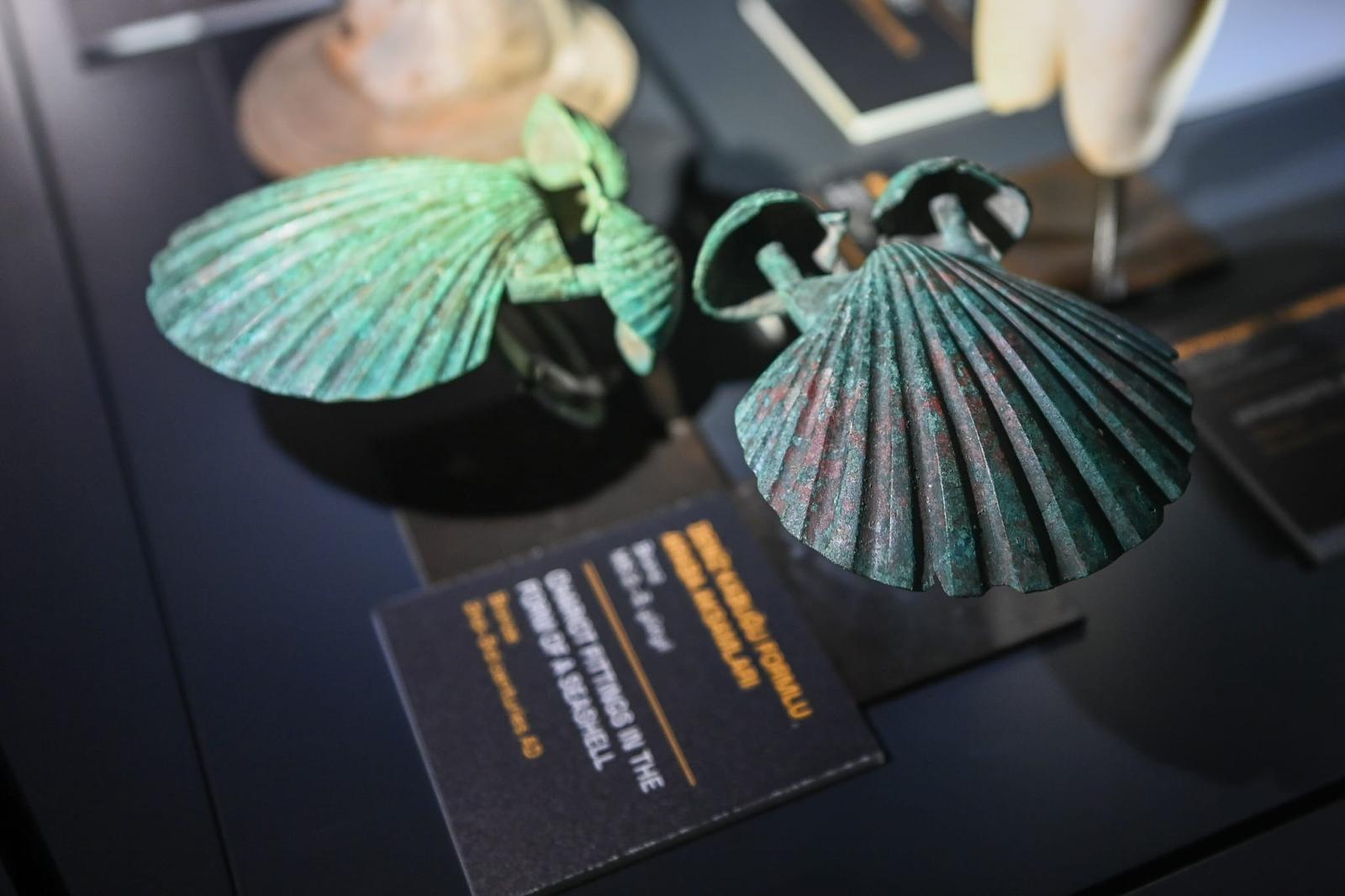
Reconstructing the connections to their places of origin is, in fact, the common thread running through both initiatives. To identify the artifacts and support their repatriation, archaeological materials, archival documents, photographs, scientific analyses, and eyewitness accounts were cross-referenced. Of the one hundred artifacts returned from the United States, forty come from Horoztepe, in the Erbaa district of Tokat province, in the central Black Sea region. These include ceremonial musical instruments, weapons, and metal vessels dating from 2300 to 2000 B.C., evidence of Anatolian metallurgy during the Early Bronze Age. Comparison with excavation materials and historical documentation made it possible to reconstruct their provenance and journey, leading to their return nearly seventy years after they were looted.



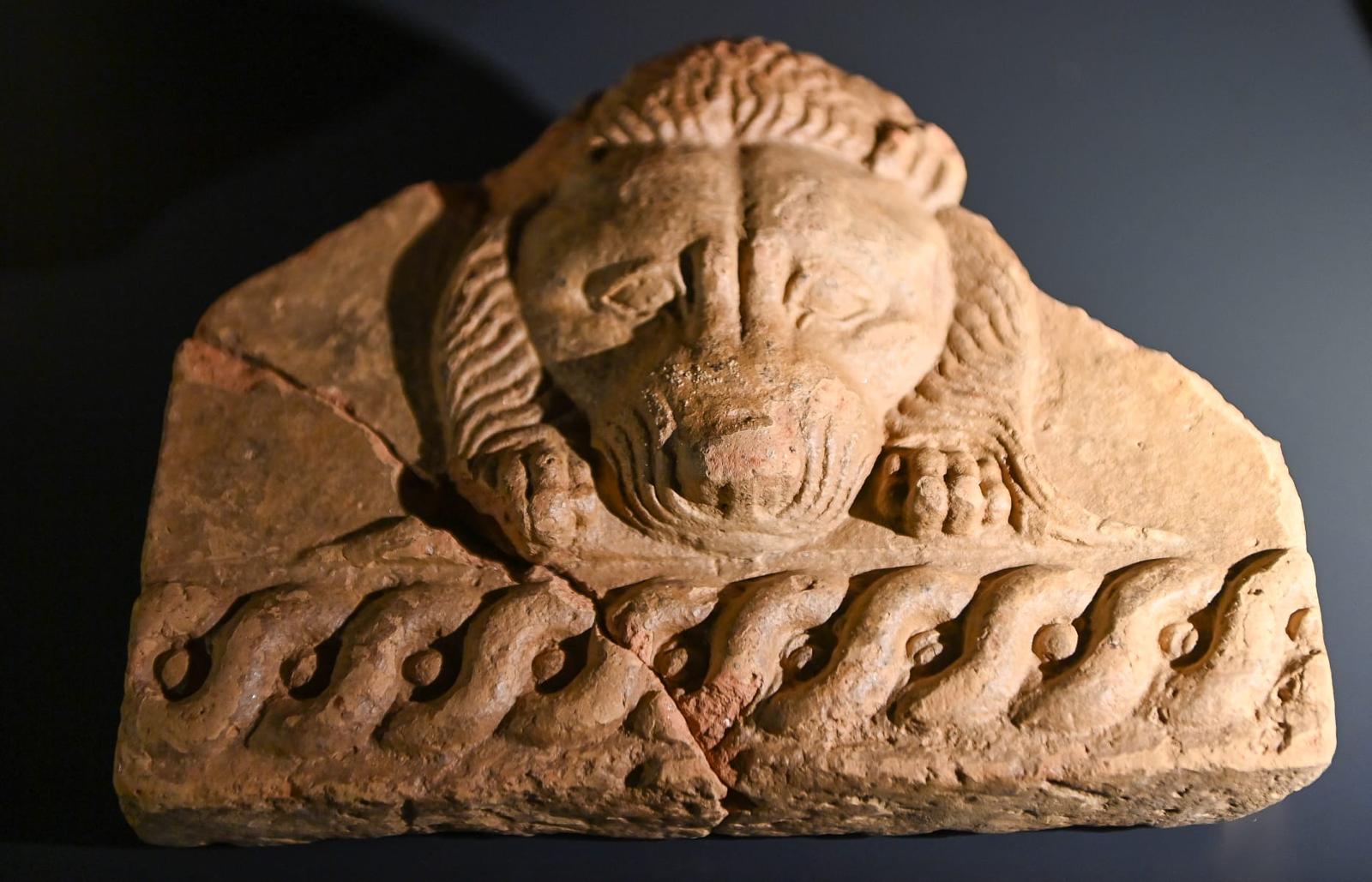
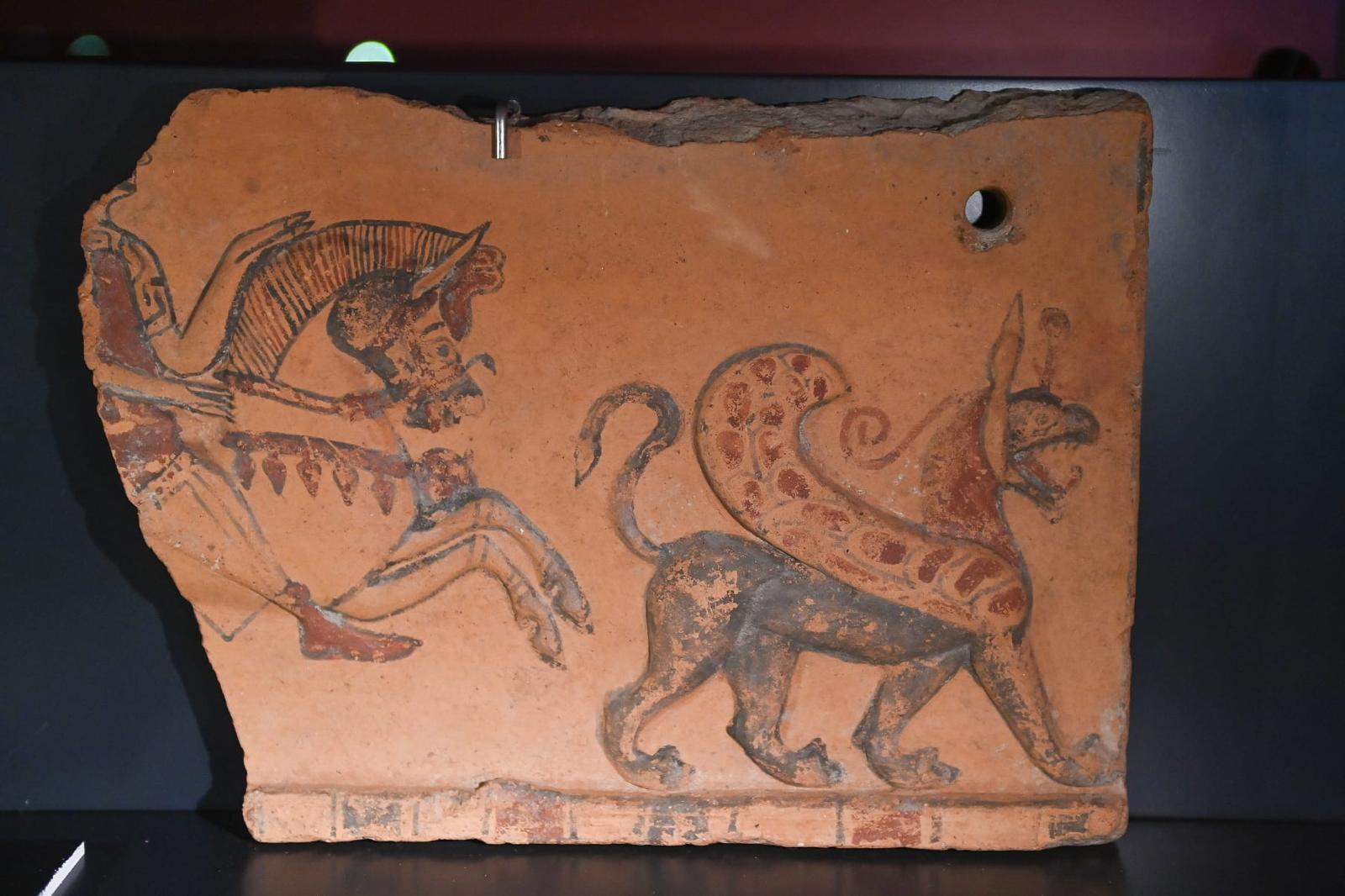
Another group consists of forty-four terracotta architectural tiles from Düver, also in the province of Burdur. Dating to the 6th century B.C., these elements were used for the roofing and cladding of buildings. Their identification was made possible by comparing the decorations, shapes, and stylistic features of the specimens, along with an examination of archives and collection records. The group was returned by the J. Paul Getty Museum in Los Angeles, and its return continues the process begun with repatriations from the United States in 2022, Denmark in 2024, and the Virginia Museum of Fine Arts in 2025. There are also plans to reunite the slabs with the other architectural elements from Düver housed at the Istanbul Archaeological Museums, thereby enabling a comprehensive understanding of the original complex.
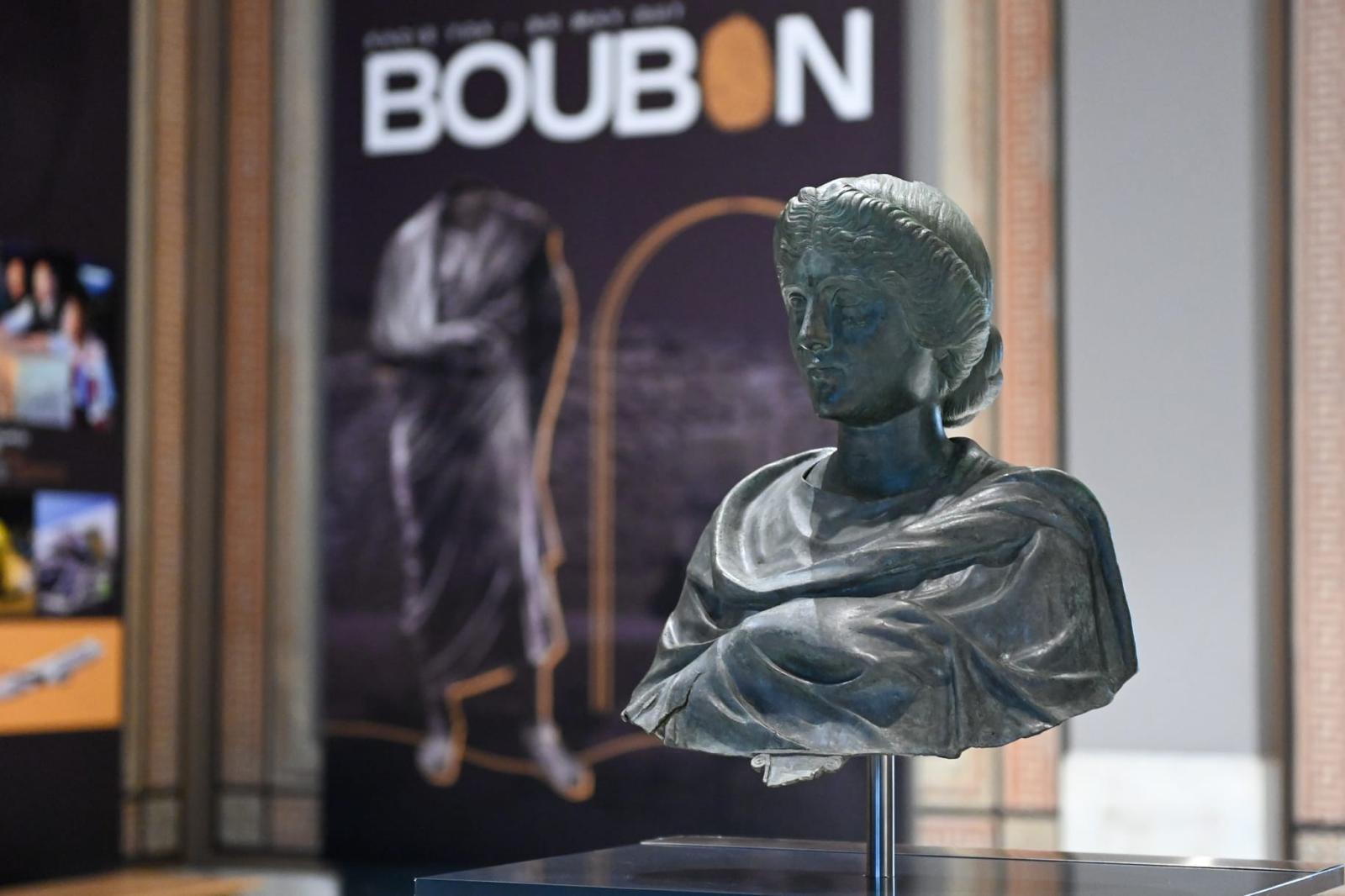
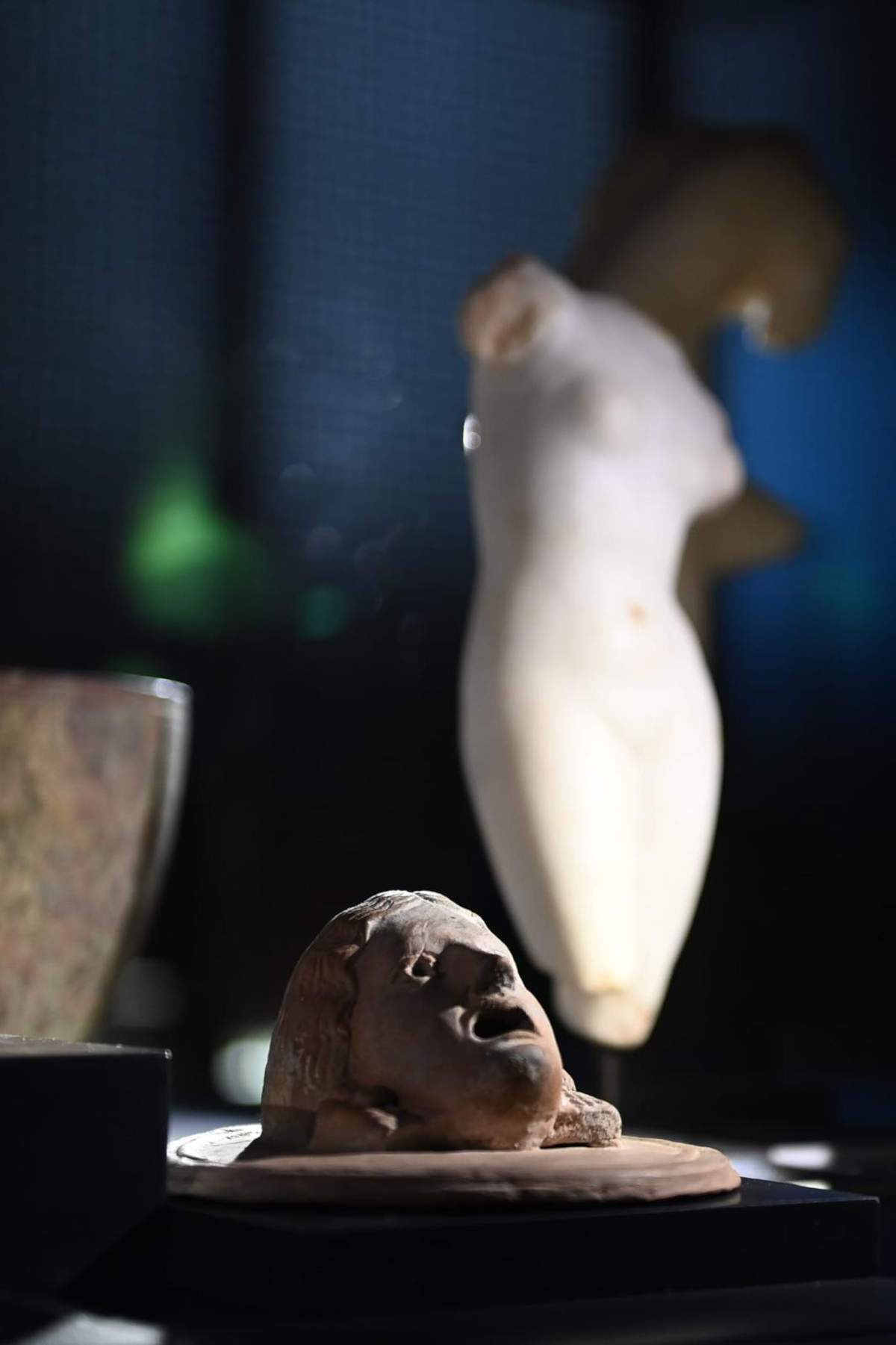
Among the returned artifacts is also a portrait from Aphrodisias, in the province of Aydın. In this case, an archival document played a decisive role: a 1976 report, drafted by the magistrate in charge of the case, noted the theft of additional artifacts beyond those already identified. This record, when compared with archaeological data and the work’s provenance history, helped support the request for restitution. The group also includes theatrical masks and statuettes depicting female deities.
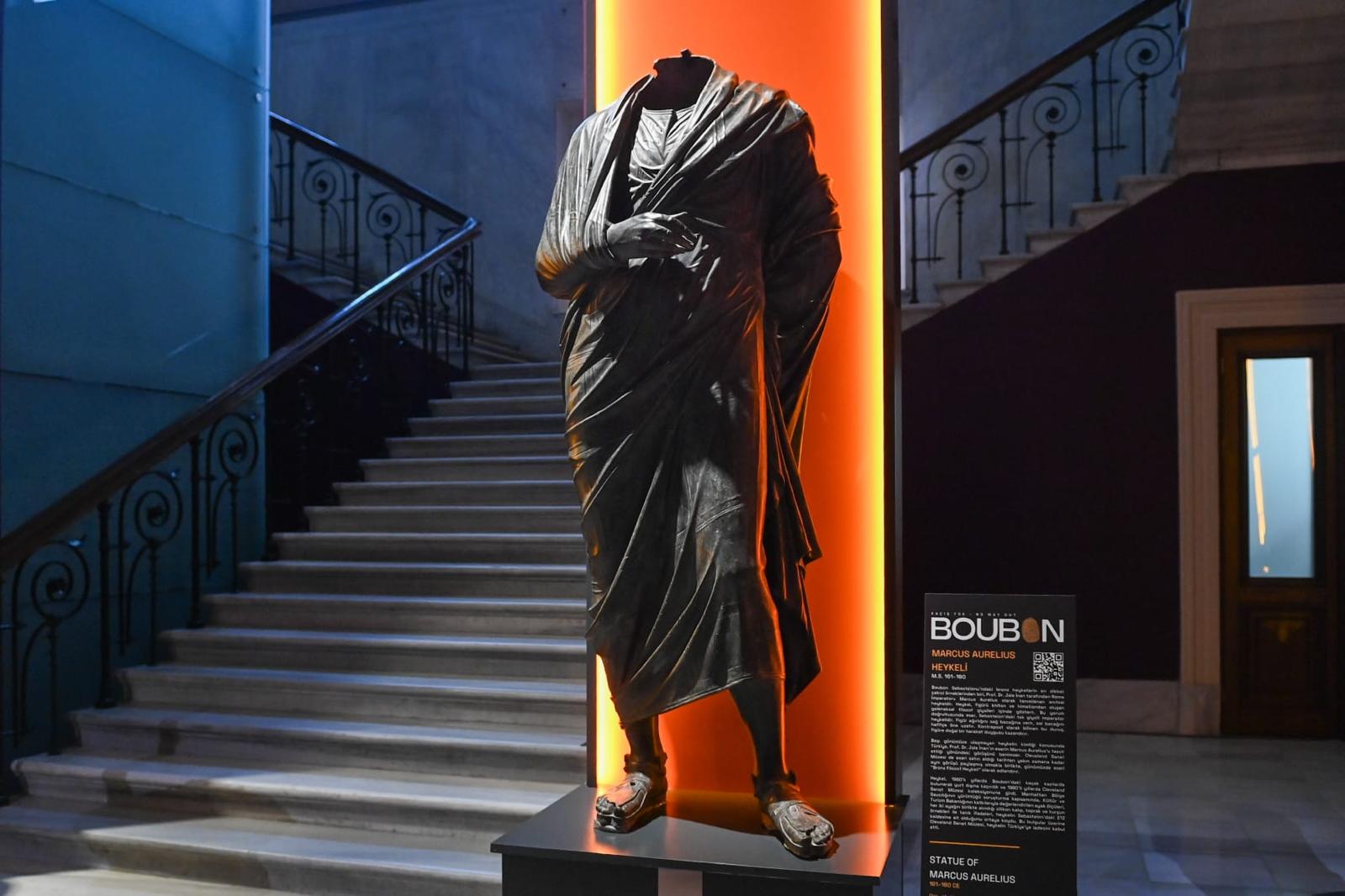
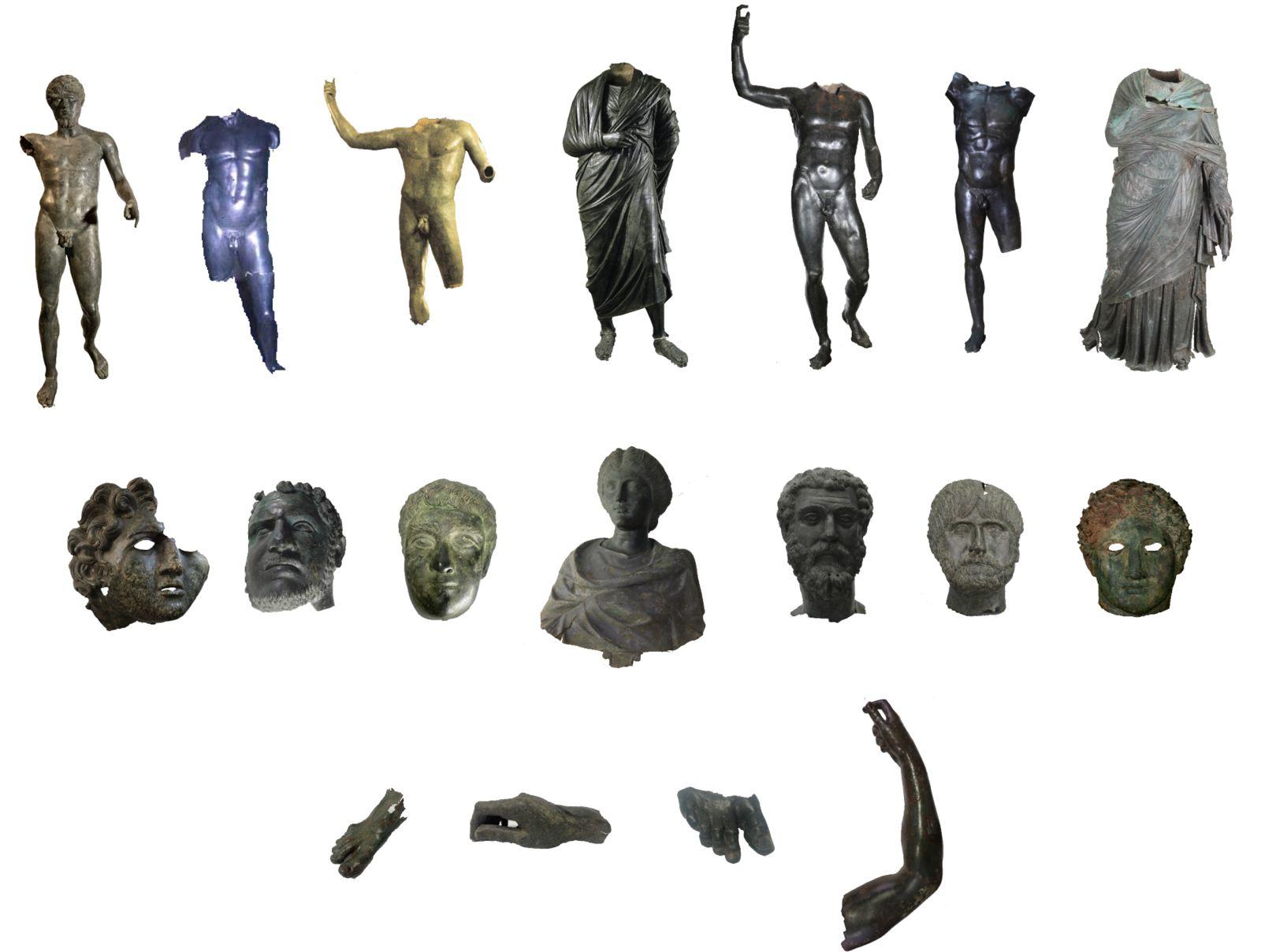
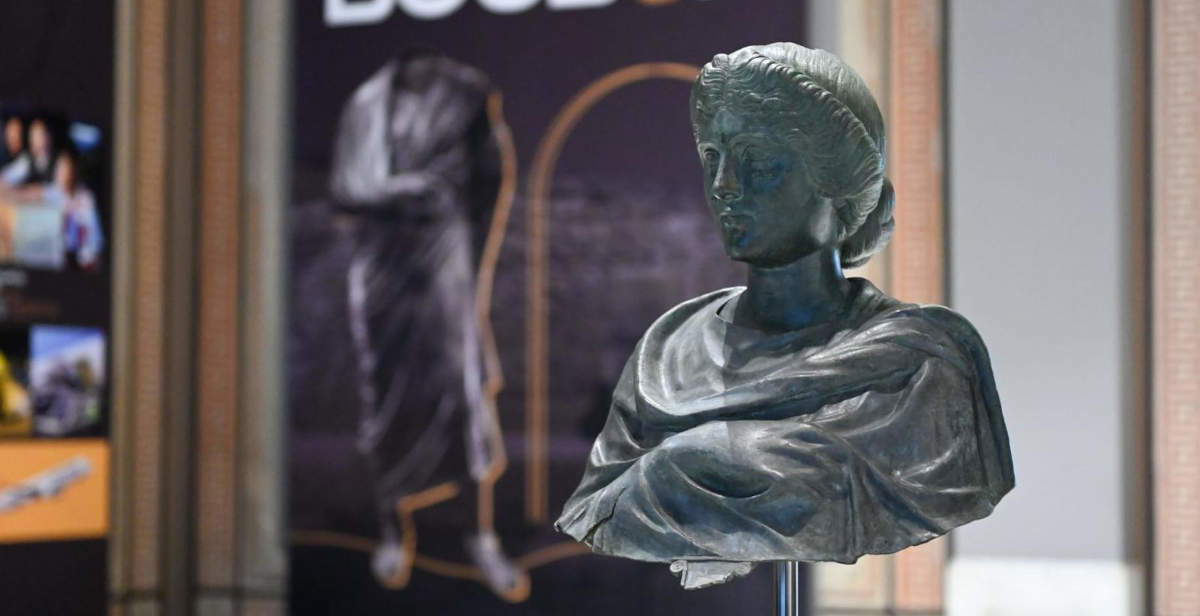
Reconstructing the provenance and original context of the works is also the central theme of *No Way Out: Boubon*. The bronze sculptures featured in the exhibition belonged to the Sebasteion, the sanctuary dedicated to the Roman emperors and the imperial family in the ancient city of Boubon, near the present-day village of İbecik. During clandestine excavations in the 1960s, the statues were stolen and dismembered: heads, torsos, and limbs were scattered across various countries and collections, separated even from the bases on which they were originally placed.
An important contribution to the reconstruction of the complex came from the research of archaeologist Jale İnan, who established connections between inscriptions, pedestals, and sculptures preserved abroad. Subsequent investigations supplemented these studies with testimonies from the residents of İbecik, historical photographs, and museum records. Among the elements that made it possible to trace the works back to the site is the statue of Marcus Aurelius: the correspondence between the cast of the feet and the indentations on the pedestal provided tangible evidence for the reconstruction. Further confirmation came from soil and lead isotope analyses, with the contribution of research conducted in Germany by Ernst Pernicka.
Among the bronze sculptures recovered over the years are depictions of Lucius Verus, Septimius Severus, Caracalla, and Marcus Aurelius. The exhibition allows us to view them once again as parts of a single monumental complex, restoring their connection to their original architecture and function. This is also a significant aspect for the study of ancient sculpture: numerous bronze statues have in fact been lost due to the remelting of the metal, and the comparison between the surviving examples, the inscribed bases, and the building to which they belonged offers new insights into the history of the sanctuary.
Alongside the recovery of the works, archaeological investigations at the site continue. The excavations at Boubon, which resumed in 2023, are coordinated by the Burdur Archaeological Museum and allow the recovered artifacts to be correlated with new evidence uncovered in the field.
The recovery operations are the result of collaboration between the Turkish Ministry of Culture and Tourism, the Manhattan District Attorney’s Office, and Homeland Security Investigations (HSI). In May 2026, the scientific documentation shared with U.S. authorities made it possible to block the auction sale of Anatolian artifacts and secure their return. The presentation of the 100 artifacts and the opening of the exhibition at the Istanbul Archaeological Museums now make the results of this work public and return the works to their respective historical and cultural contexts.
 |
| Bronze statues of Roman emperors return to Istanbul: Turkey recovers 100 artifacts |
Warning: the translation into English of the original Italian article was created using automatic tools. We undertake to review all articles, but we do not guarantee the total absence of inaccuracies in the translation due to the program. You can find the original by clicking on the ITA button. If you find any mistake,please contact us.