





Starting Tuesday, July 28, 2026, the Capocolonna National Archaeological Park will reopen the Balneum—the ancient Roman bath complex that houses the famous Dolphin Mosaic—to the public, following the completion of periodic scheduled maintenance work aimed at preserving and showcasing the archaeological heritage. The conservation work, which this year again focuses on the Roman-era settlement area, is part of the Park’s routine maintenance program and will allow visitors to once again admire one of the site’s most iconic artifacts.
Dating to the early 1st century B.C. and discovered in 1910 by archaeologist Paolo Orsi, the Dolphin Mosaic is a work of extraordinary artistic merit. The polychrome floor, decorated with geometric patterns and four dolphins, also preserves an important Latin inscription commemorating the five-year terms of the duoviri of the Colony of Crotone—the magistrates who promoted the construction of the thermal complex. Prior to its reopening, the mosaic underwent the customary conservation work, which is essential to ensure its preservation over time and allow it to be displayed to the public in the best possible condition. The Balneum, built during the late Republican era within the sacred area dedicated to Hera Lacinia, was a complex public bathhouse equipped with heated rooms, steam rooms, and pools with hot and cold water, bearing witness to the high architectural standards achieved byancient Crotone.
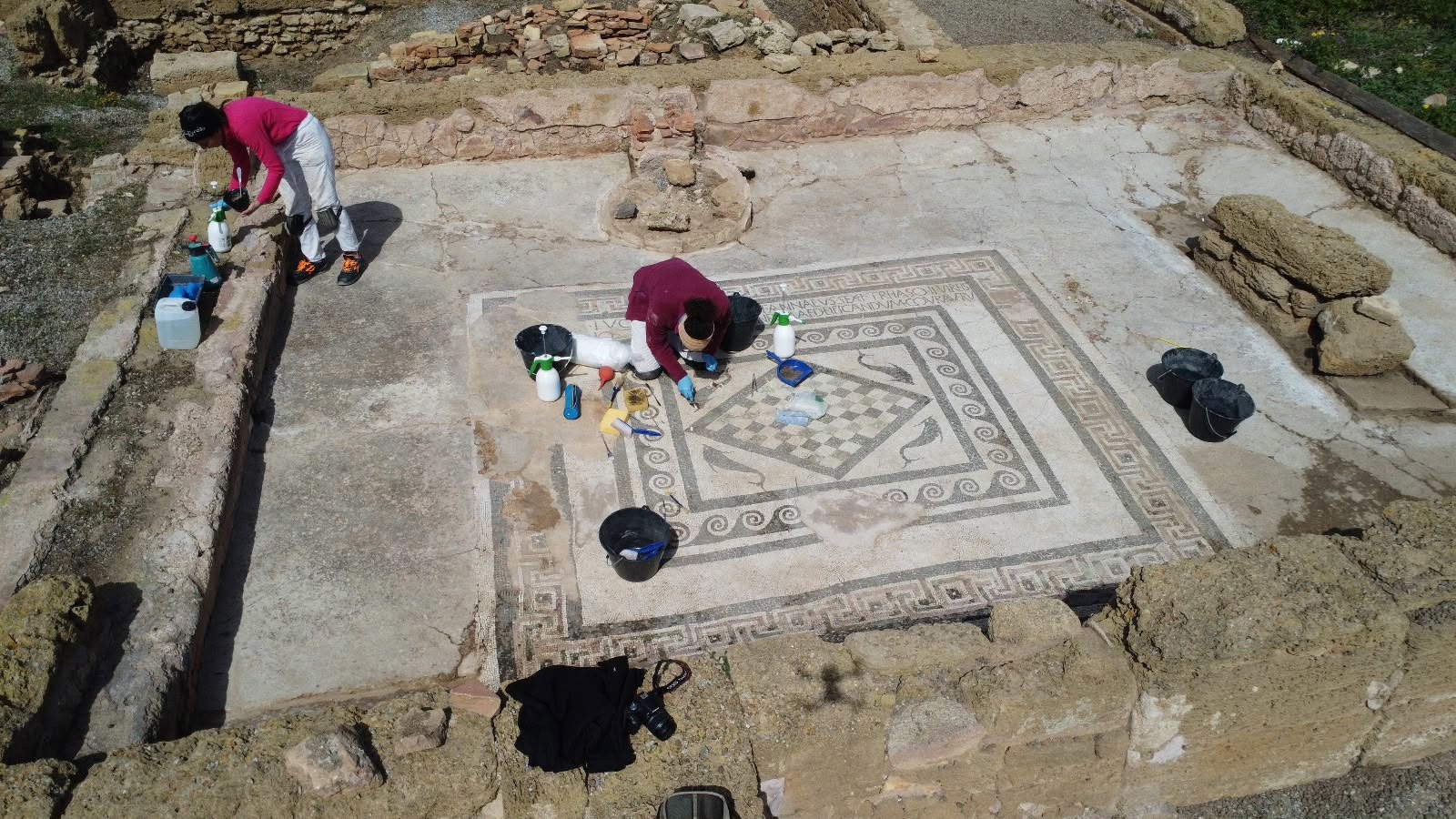
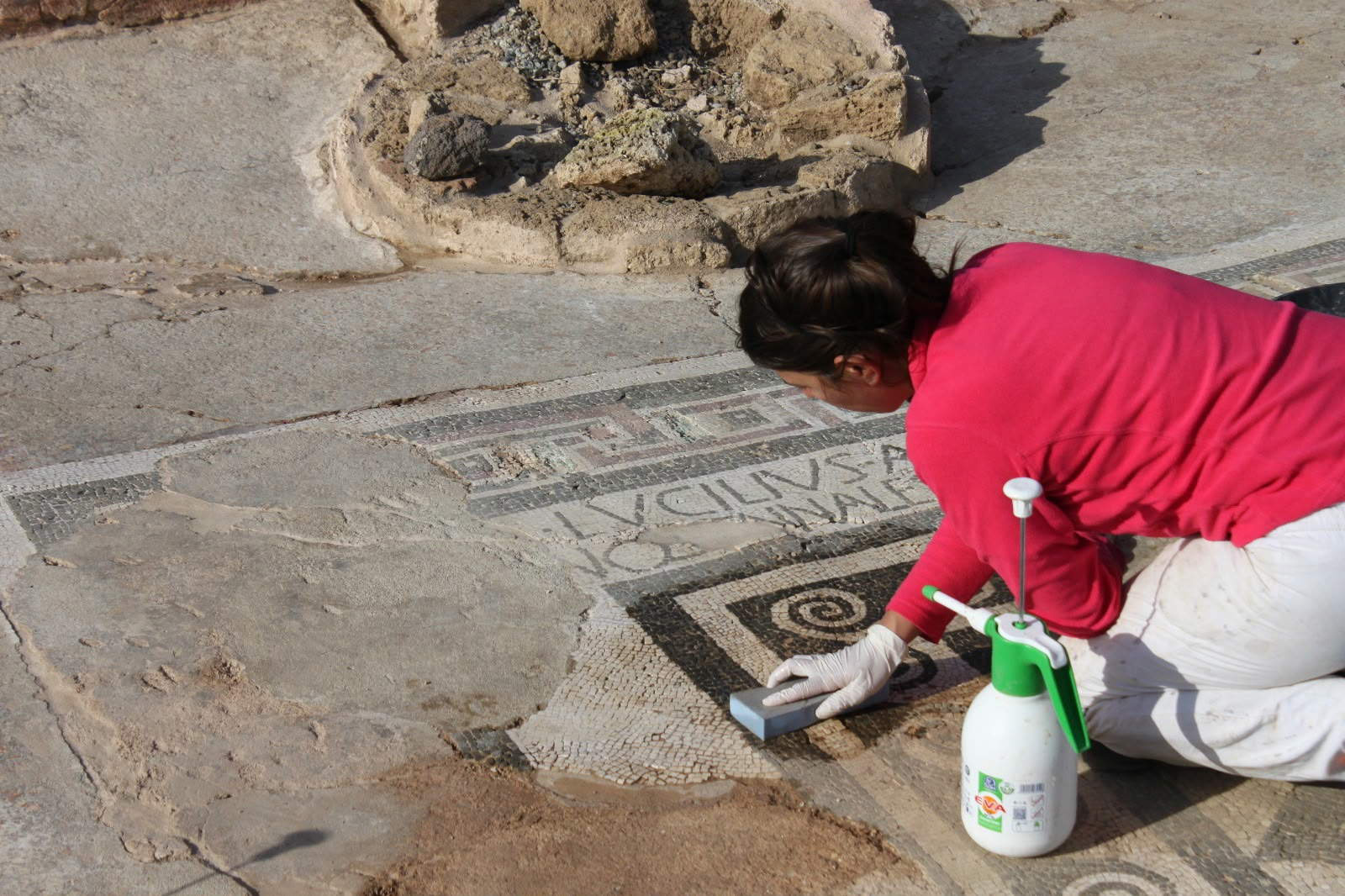
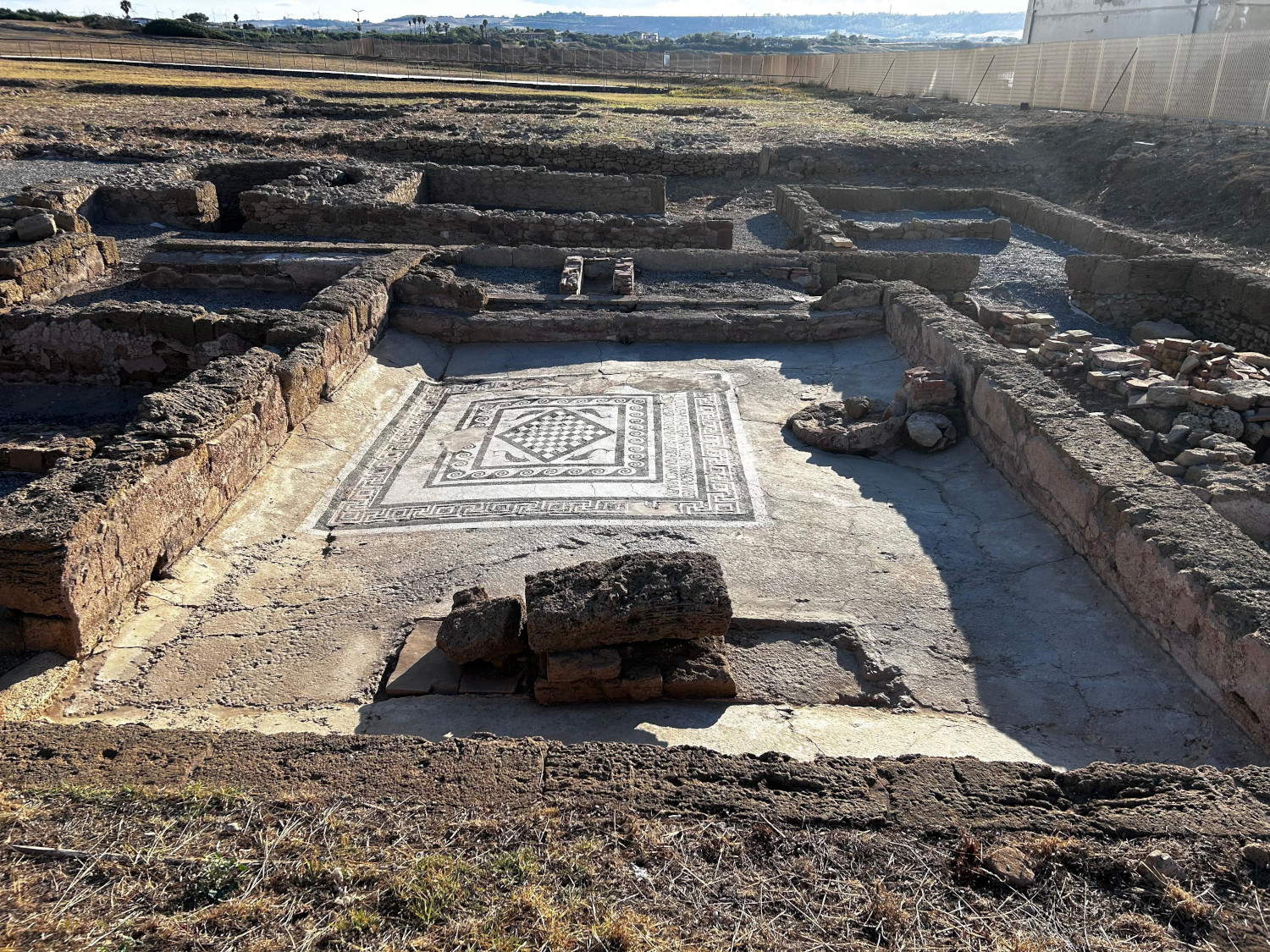
Visitors can also explore the site in greater depth at the National Museum of Capocolonna, which has recently been renovated to feature a fully accessible layout free of cognitive barriers. Here, visitors can explore a digital reconstruction of the Balneum and a detailed three-dimensional photogrammetric model, which provide a better understanding of the structure and function of the ancient bathhouse.
To celebrate the reopening, on Tuesday, July 28, at 6:00 p.m., the director of the Archaeological Parks of Crotone and Sibari, Filippo Demma, will lead a free guided tour inside the Balneum to offer the public the opportunity to learn about the complex’s history, the significance of the Dolphin Mosaic, and the restoration and conservation efforts.
“Scheduled maintenance and archaeological research are not separate activities, but the beating heart of our mission: to protect these fragile artifacts so that they can be brought to life, made accessible, and returned to the community,” emphasized Director Filippo Demma. “The Dolphin Mosaic tells us of the continuity of life and the sacredness of Capocolonna even in Roman times. Following the inauguration of the museum’s new layout—conceived as an open, inclusive space to be experienced every day—we are taking a further step toward integrating the indoor museum experience with the richness of the outdoor archaeological site, reaffirming this promontory as a center of cultural excellence in the Mediterranean.”
|
| Capocolonna National Archaeological Park: The Balneum, Featuring the Dolphin Mosaic, Reopens to the Public |

Warning: the translation into English of the original Italian article was created using automatic tools. We undertake to review all articles, but we do not guarantee the total absence of inaccuracies in the translation due to the program. You can find the original by clicking on the ITA button. If you find any mistake,please contact us.





















 IT
IT FR
FR DE
DE ES
ES CN
CN


