




by Redazione 14/10/2026



Categories: Archaeology / Disclaimer
In Egypt, emergency excavations at Behbeit el-Hagar, in the Gharbia Governorate, have unearthed two fragmentary royal statues and a block of pink granite bearing hieroglyphic inscriptions. The discovery was announced by the Egyptian Ministry of Tourism and Antiquities.


In Egypt, a monumental head of Ramses II, the remains of a second royal statue, and a block of pink granite bearing hieroglyphic inscriptions have been unearthed during emergency archaeological excavations conducted at Behbeit el-Hagar, in Egypt’s Gharbia Governorate, in the Nile Delta. The discovery was announced by Egypt’s Ministry of Tourism and Antiquities.


The investigation began after a local resident spotted an engraved stone block while working on a plot of land he owned, in front of his home, and reported the find to archaeologists. An initial site inspection confirmed its archaeological significance. The relevant inspectorate then initiated legal procedures and formed a specialized team from the Supreme Council of Antiquities to conduct the excavations.
According to Hisham El-Leithy, secretary general of the Council, the first artifact discovered is the head of a statue of Ramses II, approximately 1.60 meters tall. The pharaoh is wearing the double crown of Upper and Lower Egypt. A fragment of the upper part of the dorsal pillar was also discovered, bearing the king’s Horus name, “Horus Ka Nakht Mery Maat.” The dimensions of the head suggest that the statue, including the base, may have originally stood about 8.5 meters tall.




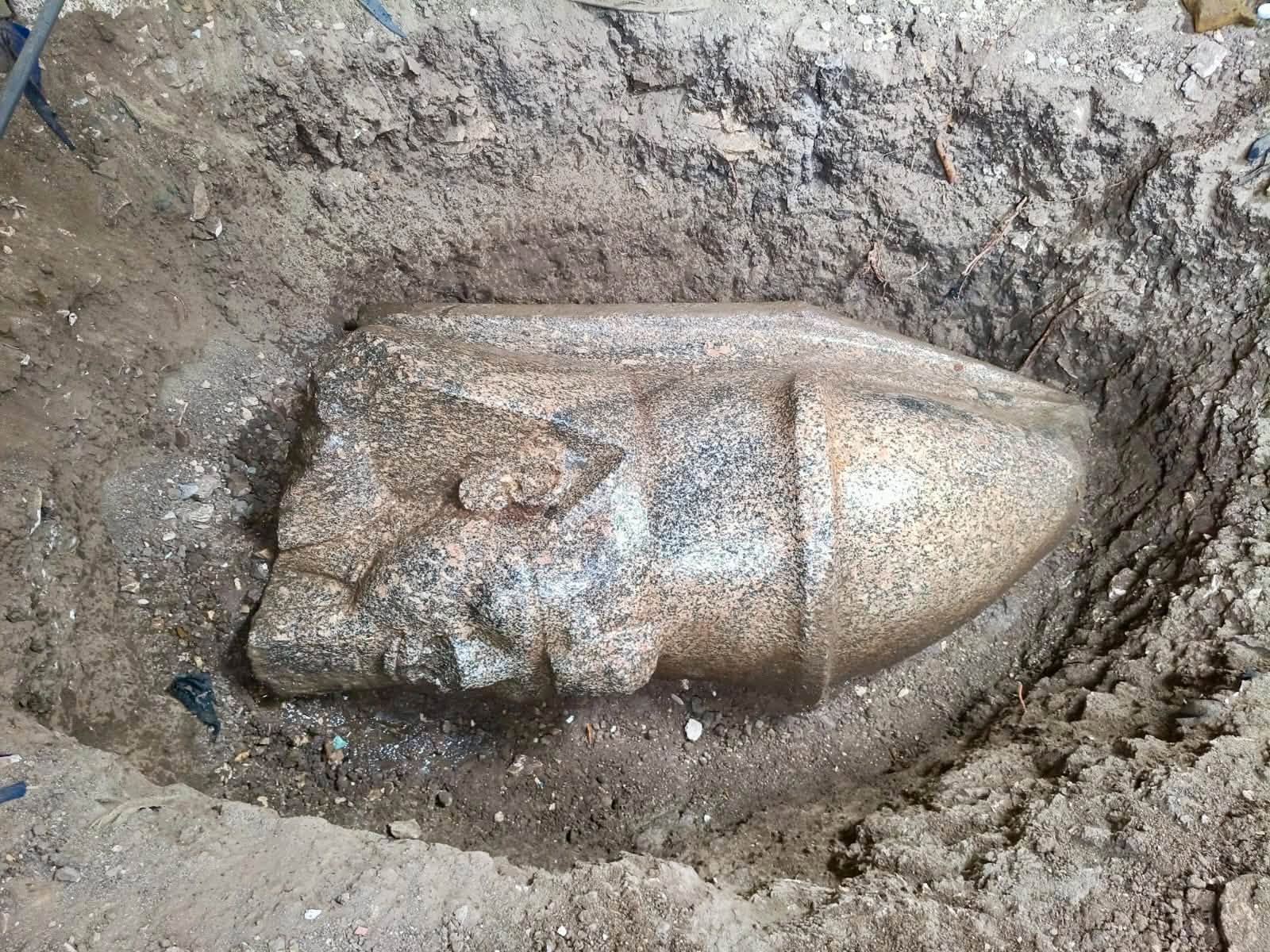
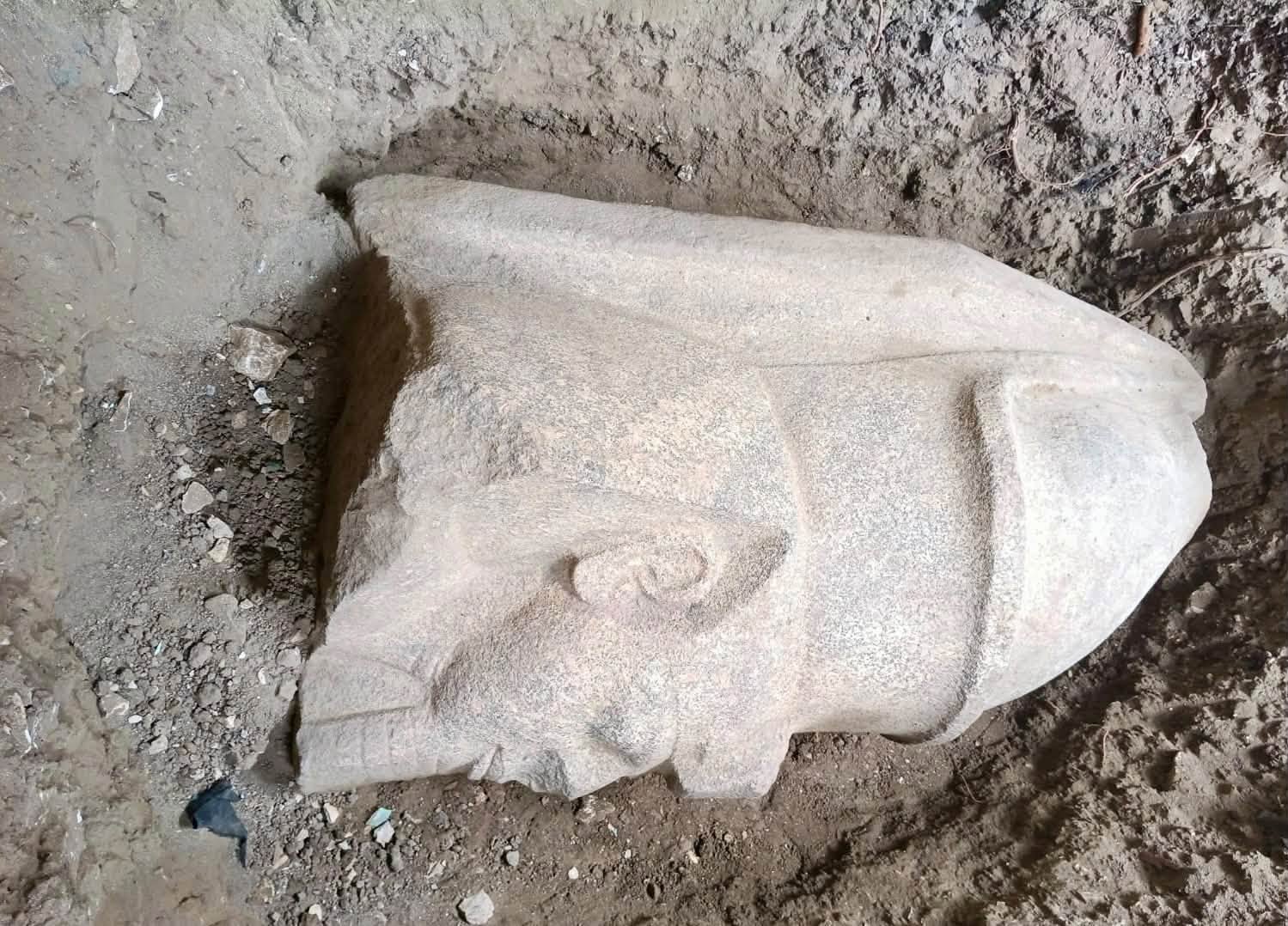
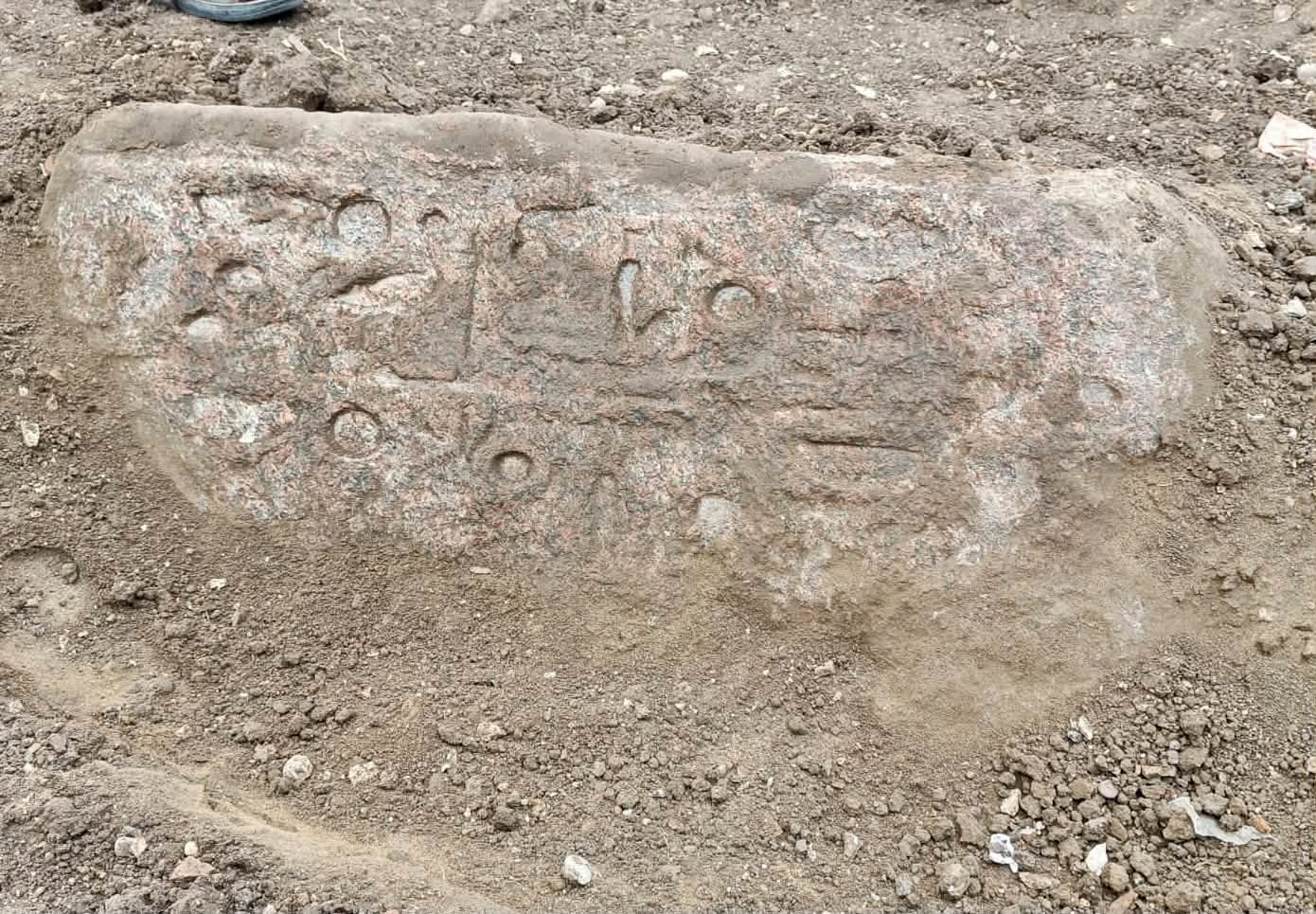
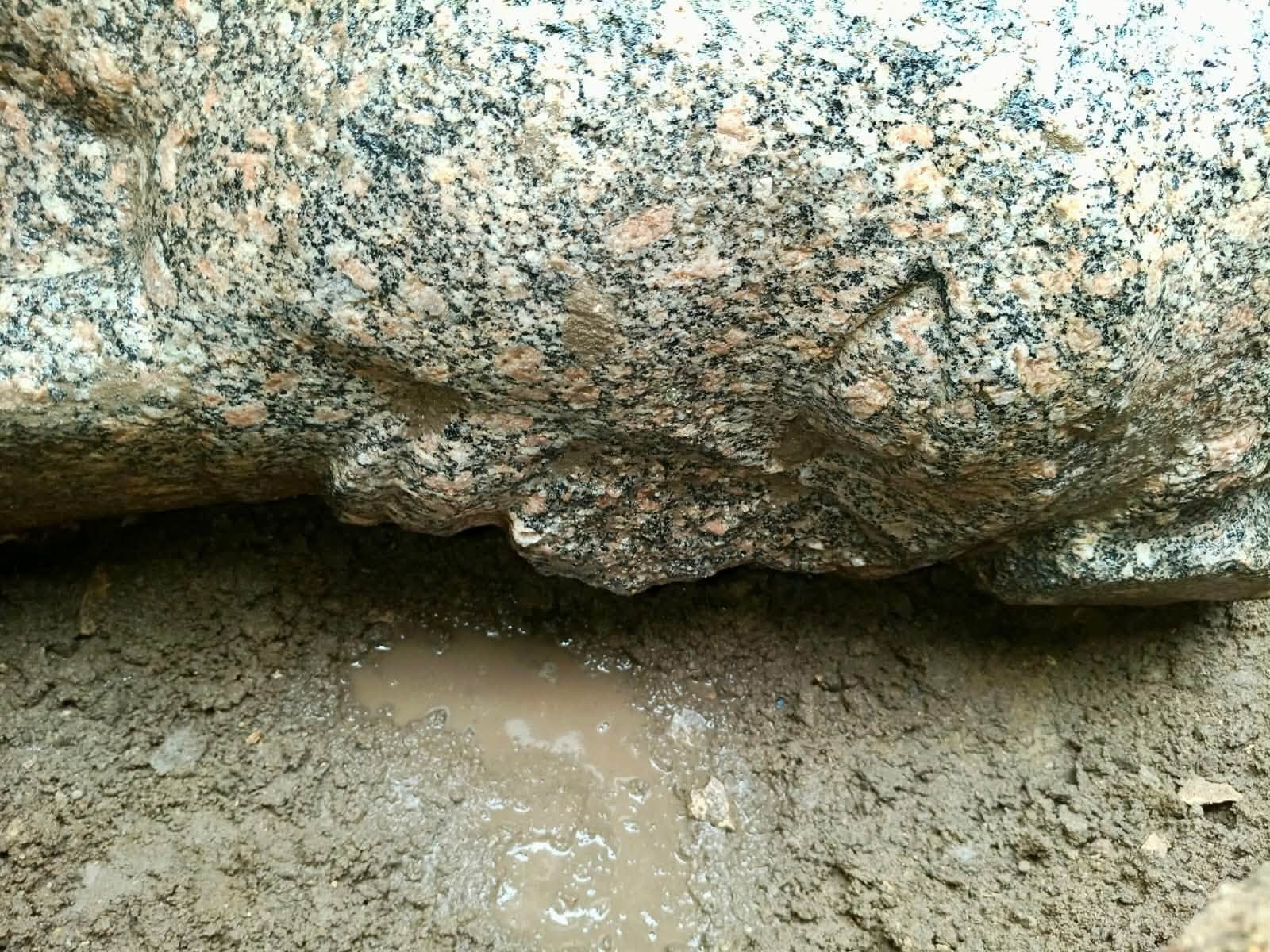
The second discovery consists of the main body of a royal statue approximately 2.40 meters long, missing its legs and base, and hypothetically attributed to Ramses II himself. The ruler wears the royal nemes headdress, the upper portion of which is missing. The head still retains clearly recognizable facial features, similar to those of the first statue. About one meter north of this latest find, a 1.30-meter-long block of pink granite was discovered. The hieroglyphic inscriptions preserve two royal titles of Ramses II: “Nesu Bity,” king of Upper and Lower Egypt, and “Sa Ra,” son of Ra.
The Minister of Tourism and Antiquities, Sherif Fathy, emphasized the importance of the discovery for understanding the site’s history and thanked the citizen who reported the stone, highlighting the public’s role in preserving cultural heritage. Excavations and studies will continue to clarify the relationship between the artifacts and to reconstruct the history and architectural development of the area. Behbeit el-Hagar is a significant archaeological site in the Egyptian Delta, known primarily for the remains of a large temple dedicated to the goddess Isis and for the numerous granite architectural elements that attest to the site’s religious and monumental importance in ancient Egypt.
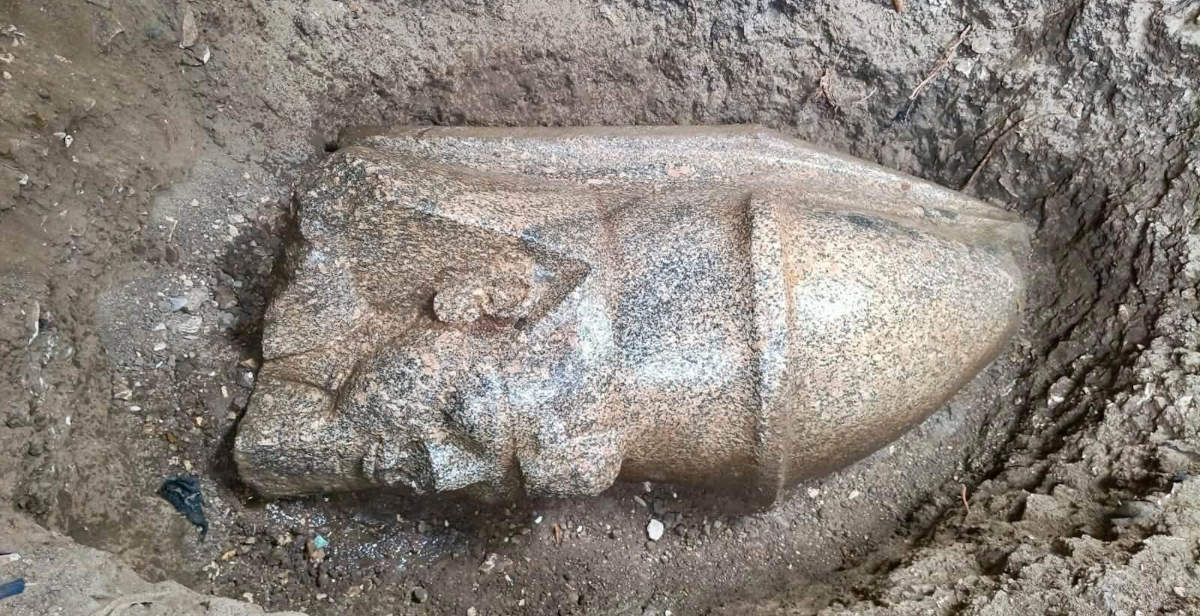 |
| Egypt: A citizen reports an engraved stone; excavations reveal two royal statues, one of which is of Ramses II |
Warning: the translation into English of the original Italian article was created using automatic tools. We undertake to review all articles, but we do not guarantee the total absence of inaccuracies in the translation due to the program. You can find the original by clicking on the ITA button. If you find any mistake,please contact us.