




by Redazione 29/08/2026



Categories: Archaeology / Disclaimer
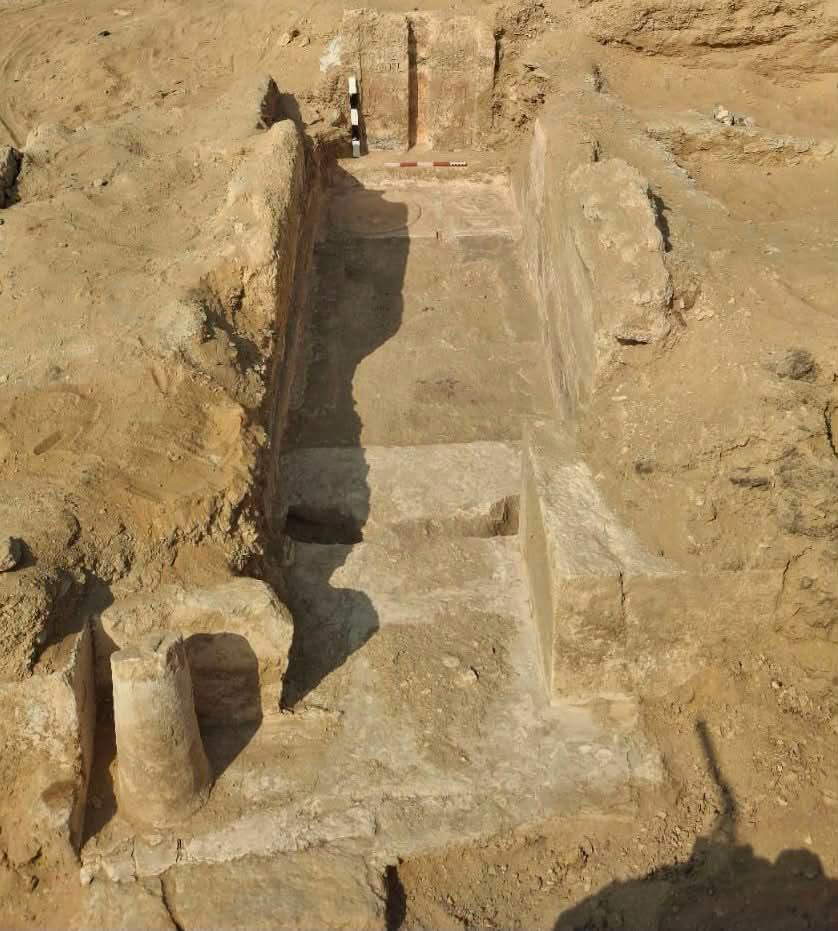
The Egyptian archaeological mission working in the Bubasteion necropolis at Saqqara has announced the results of its first excavation campaign in Sector A West, uncovering the tomb of a high-ranking official and a system of burial shafts containing hundreds of artifacts. Hieroglyphs bearing the names and titles of the deceased are present.
An important archaeological discovery has been made in Egypt, where the Egyptian archaeological mission working at the Bubasteion necropolis—the temple complex dedicated to the goddess Bastet in the Saqqara archaeological site—has announced the results of the first excavation campaign conducted in Sector A, west of the Bubasteion. The work led to the discovery of a tomb dating back to the Old Kingdom (approximately 2700–2000 B.C.), belonging to a figure identified as Sekhentiu-Ptah, as well as an interconnected system of burial shafts that yielded numerous burials and archaeological finds. The discovery, according to the Ministry of Tourism and Antiquities, which announced the news, confirms the site’s historical and funerary significance and its continuous use throughout subsequent historical periods.
The Minister of Tourism and Antiquities, Sherif Fathy, emphasized that this find highlights the historical and funerary significance of the Bubasteion necropolis, an area that has been in continuous use throughout various historical periods. According to the minister, the discovery represents a significant scientific contribution to understanding the site’s history and its evolution over time, while also confirming the need to continue excavation work and the scientific study of the area.


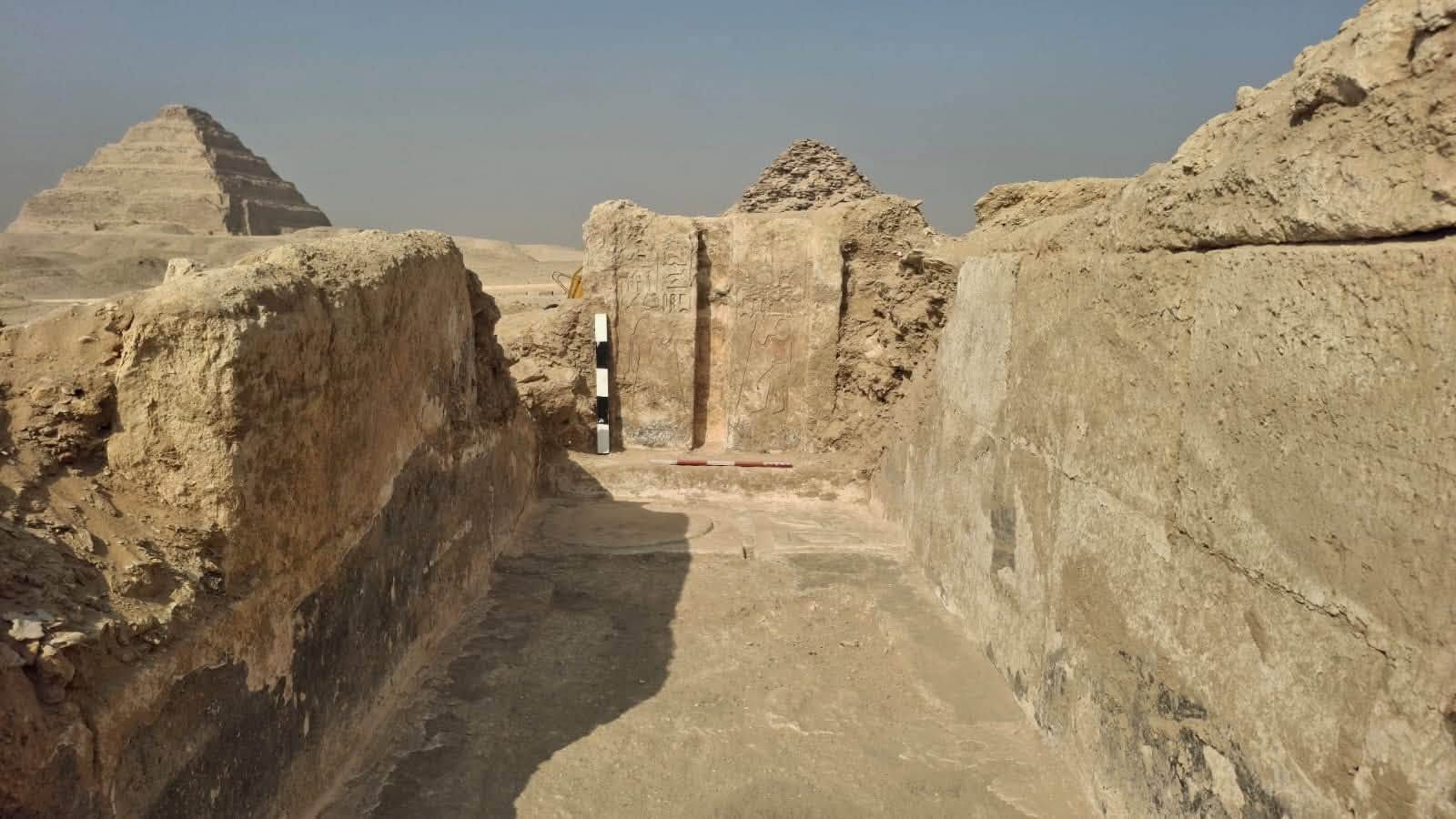
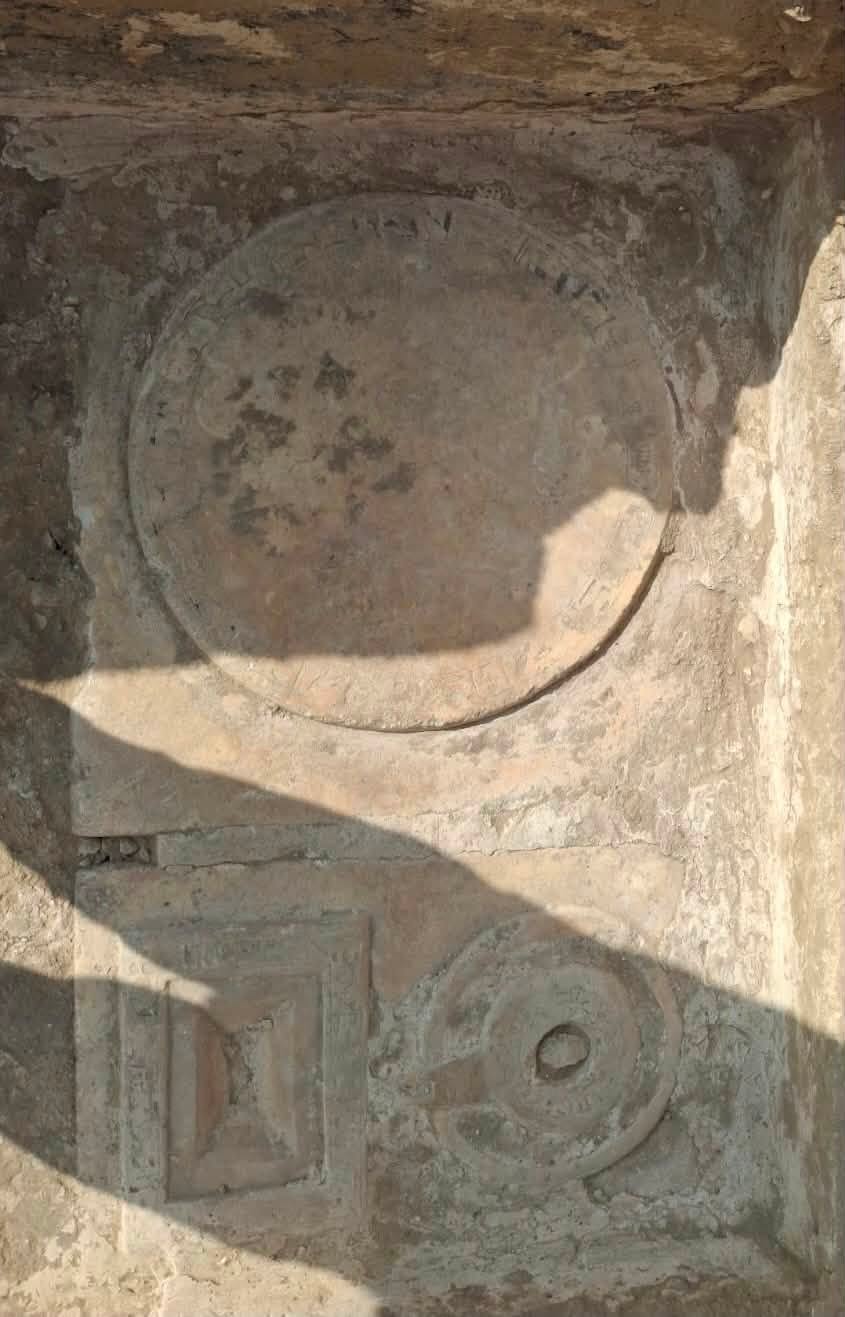
The Secretary-General of the Supreme Council of Antiquities, Hisham El Leithy, explained that the excavation work was conducted according to a scientific program that included precision excavation and stratigraphic recording, as well as architectural, photographic, and digital documentation, alongside archaeological and linguistic studies and scientific comparisons. This methodological approach made it possible to interpret the findings within their historical context and to reconstruct the architectural and chronological evolution of the necropolis.
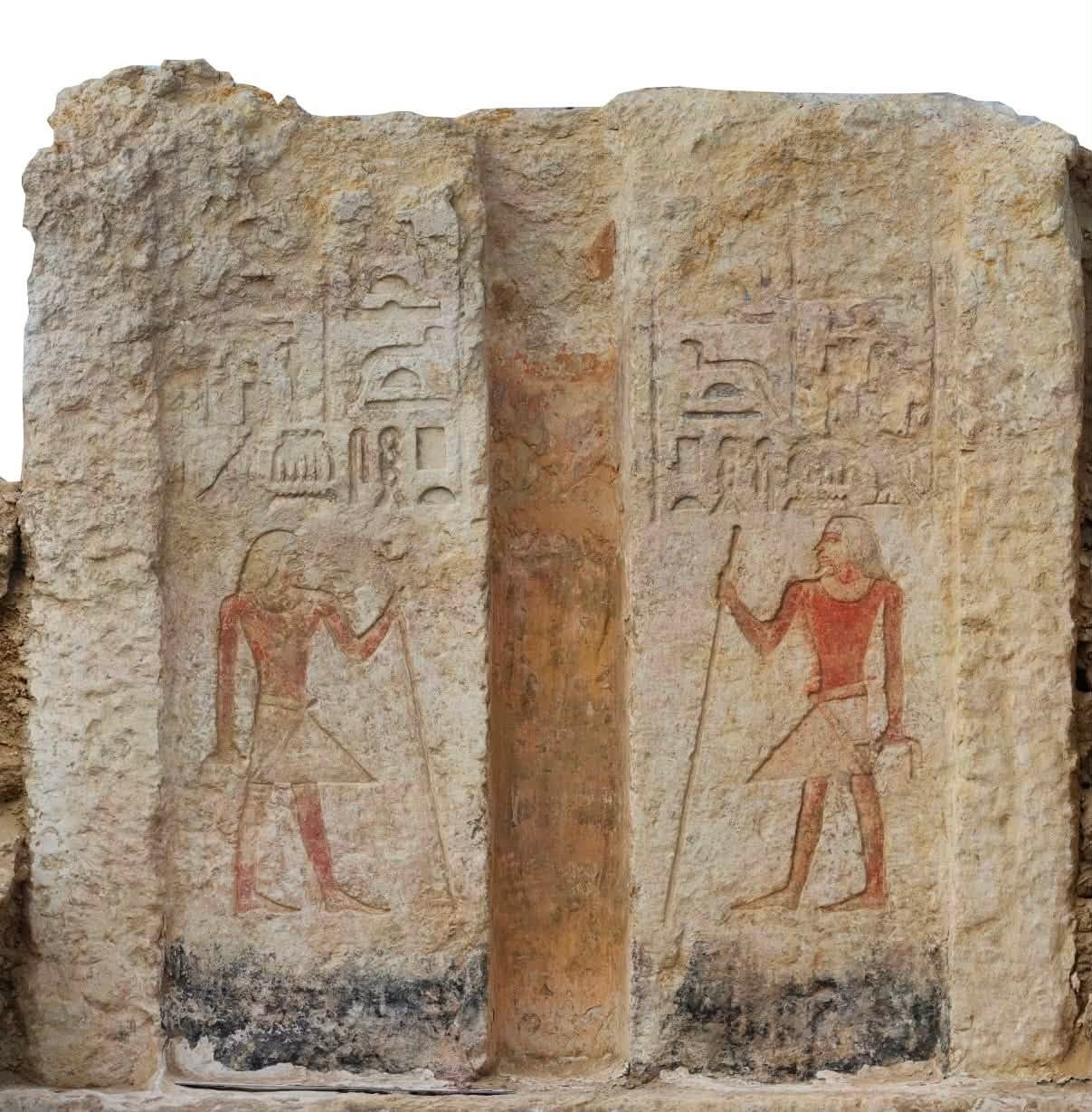
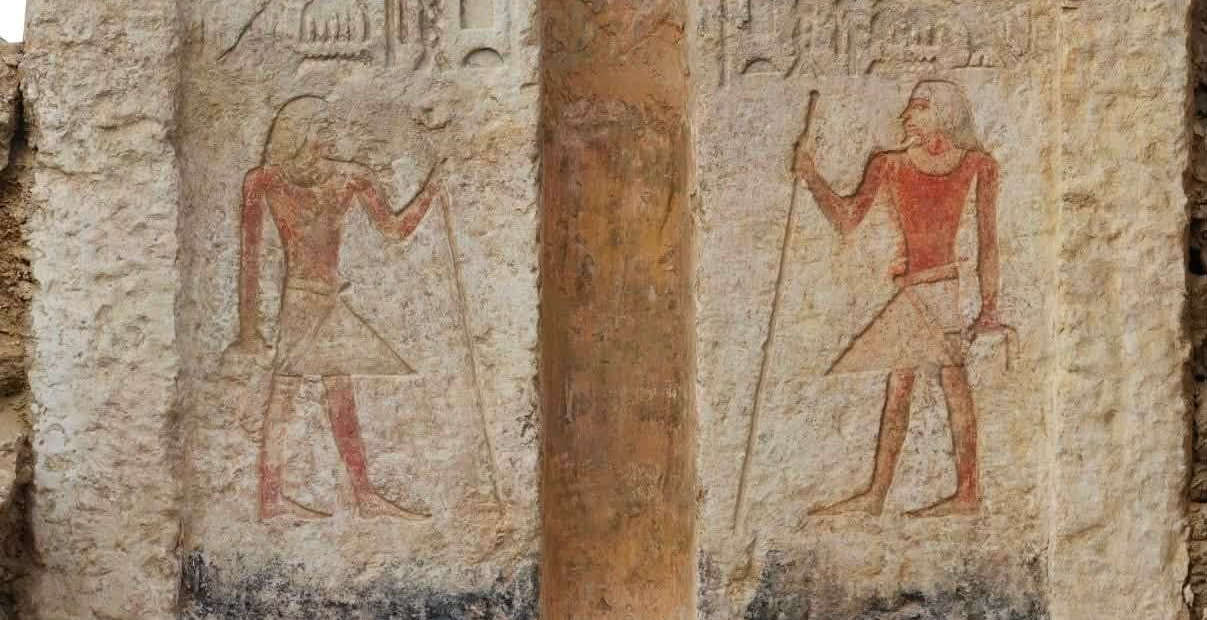
The excavations uncovered the remains of the burial chapel of Sekhentiu-Ptah’s tomb, which still preserves the false door in its original position. In front of the false door, a complete set of alabaster ritual objects was discovered, including an offering table, an offering disc, a basin for ritual ablutions, a jug, and a washbasin, all bearing hieroglyphic inscriptions with the name and titles of the individual buried in the tomb.
Mohamed Abdel Badie, head of the Egyptian antiquities department, emphasized that the discovery of this complete set of objects, still in their original location within the funerary chapel, represents a discovery of great significance, capable of providing valuable information on the funeral rites and practices in use during the Old Kingdom period.
The hieroglyphic inscriptions preserved on the false door and on the funerary elements have also made it possible to precisely identify the name of the deceased and some of the titles he held, including those of royal chamberlain, superintendent of all the king’s works, superintendent of royal documents, keeper of the secrets of royal decrees, priest of the goddess Maat, and overseer of the scribes. These titles reflect the prominent administrative position held by the deceased within the state apparatus of the Old Kingdom.
The mission also uncovered an interconnected system of burial shafts, within which numerous human burials, large quantities of colored funerary cartonnage (i.e., material used for mummy wrappings), and over one hundred faience ushabti figurines were found. Three stone sarcophagi were also found, still sealed in their original condition, along with a wooden falcon-shaped statue and a varied collection of ceramic pottery and other archaeological artifacts.
Amr El Tayebi, general director of the Saqqara archaeological site and head of the mission, explained that these discoveries provide a wealth of scientific data for the study of funerary rites and burial practices during the Late Period, as well as enabling the reconstruction of the phases of reuse of the necropolis throughout various historical eras. El Tayebi added that preliminary studies have shown that several burial shafts have been looted since ancient times, as evidenced by the openings made by tomb raiders between the burial chambers. Despite this, the mission leader noted, the remaining artifacts retain considerable archaeological and scientific value, capable of contributing to an understanding of the site’s internal layout and the evolution of its architecture across different historical phases.
The mission is currently continuing with the documentation, analysis, and scientific study of the artifacts, conducted in part through comparisons with finds from other archaeological sites, with a view to completing the studies and publishing the results in specialized, peer-reviewed scientific journals, in accordance with current academic standards. This work is part of an integrated scientific plan, in a context that offers promising indications of the possibility of further discoveries of archaeological structures and artifacts, thereby contributing to the completion of the documentation of the history of the Bubasteion necropolis.
 |
| Egypt: An Important Tomb Discovered in Saqqara, Bearing the Names of the Deceased and Artifacts from the Old Kingdom |
Warning: the translation into English of the original Italian article was created using automatic tools. We undertake to review all articles, but we do not guarantee the total absence of inaccuracies in the translation due to the program. You can find the original by clicking on the ITA button. If you find any mistake,please contact us.