




by Redazione 16/10/2026



Categories: Archaeology / Disclaimer
The first excavation campaign at Angelokastro, in the Greek region of Aetolia-Acarnania, concluded in July 2026. This five-year project, conducted by the Greek Ministry of Culture in collaboration with the Chinese School of Classical Studies in Athens, aims to reconstruct the layout of the ancient settlement.


The first systematic archaeological excavation campaign in the Angelokastro area ( part of the municipality of Agrinio) concluded in July 2026, in the Greek region of Aetolia-Acarnania, which was launched as part of a five-year program running from 2026 to 2030. The research is sponsored by the Greek Ministry of Culture in collaboration with the Chinese School of Classical Studies in Athens and the Ephorate of Antiquities of Aetolia-Acarnania and Lefkada. The goal is to investigate the ancient settlement of Arsinoe, examining its urban and residential organization and studying the main architectural structures preserved at the site.


The program is directed by Olympia Vikatou, Secretary General of the Greek Ministry of Culture, while scientific responsibility for the Chinese School of Classical Studies rests with Li Xinwei, the institution’s director. The first phase of the research focused onthe area known as Kakavaria, where architectural remains attributed to ancient Arsinoe had already been uncovered in the past. The 2026 excavations involved expanding previous excavations, documenting the unearthed structures, and searching for new elements to help reconstruct the layout of the settlement.


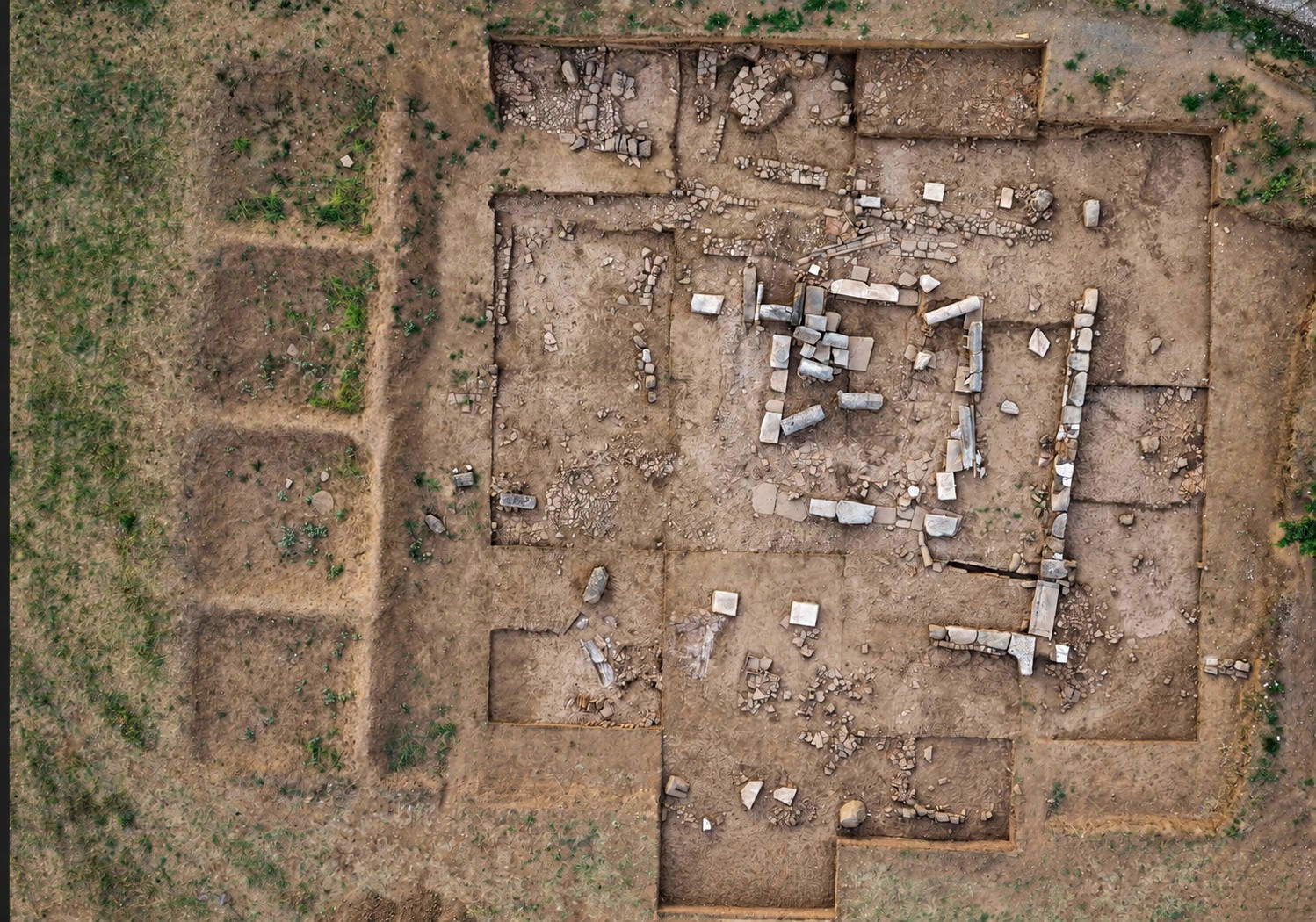
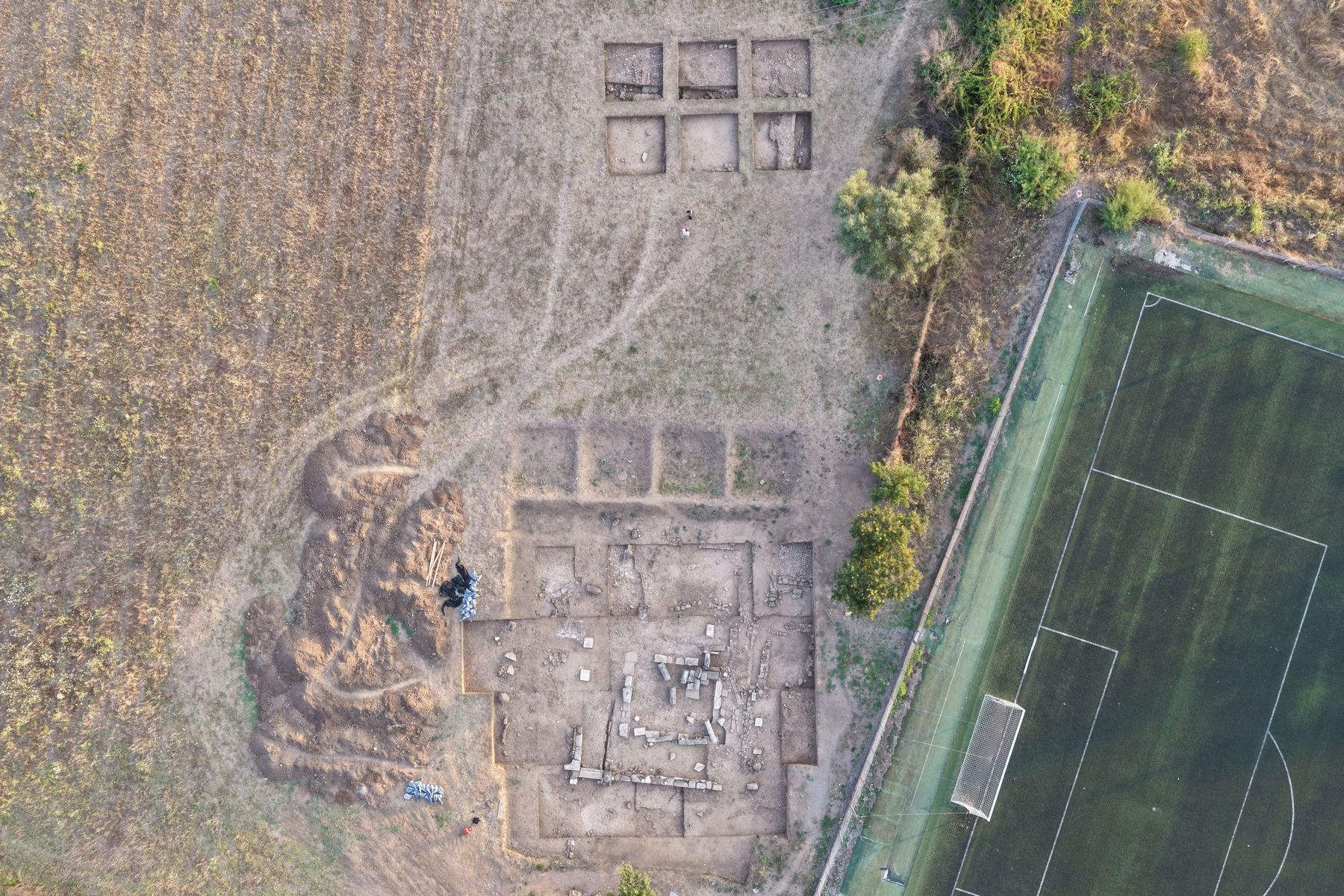
One of the key findings concerns a building of particular interest, portions of which had previously been excavated by archaeologist Lazaros Kolonas. The new investigations indicate that it is a square-plan structure, built using precise construction techniques and featuring a peristyle courtyard (portico). The building shows evidence of alterations and various phases of use, aspects that will be explored in greater depth during subsequent research activities. The structure also exhibits similarities with buildings identified at other sites in Aetolia-Acarnania, including the one at Calydon, offering a potential point of comparison for the study of the region’s architecture.


The excavations have also yielded a significant quantity of archaeological materials. Among the finds are roof tiles, terracotta acroteria, vases, bronze coins, and animal remains. The materials are currently undergoing conservation treatments and specialized analyses, which will be followed by identification and dating procedures. The results may help define the various phases of the site’s occupation with greater precision and reconstruct certain aspects of daily life in the ancient settlement.
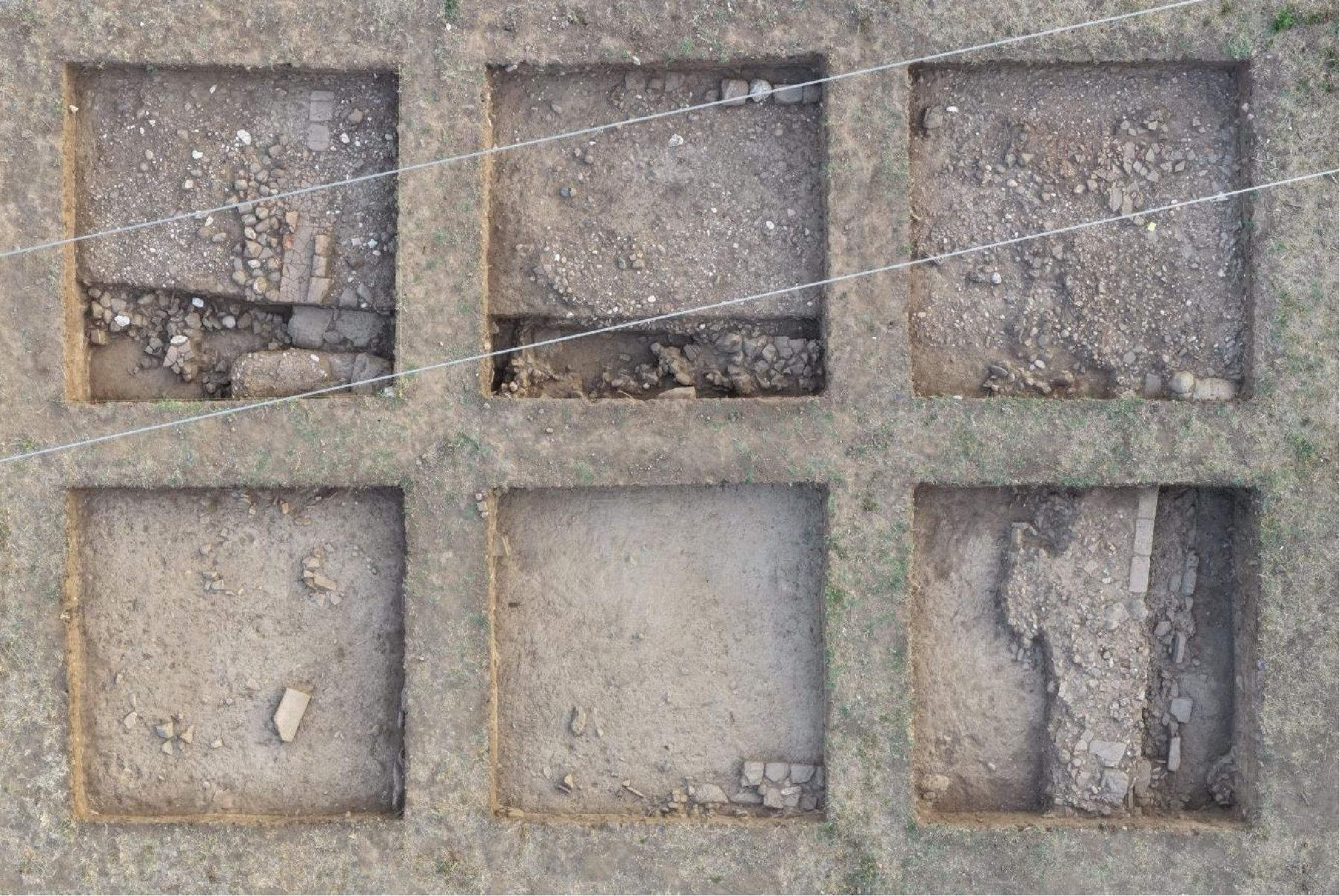
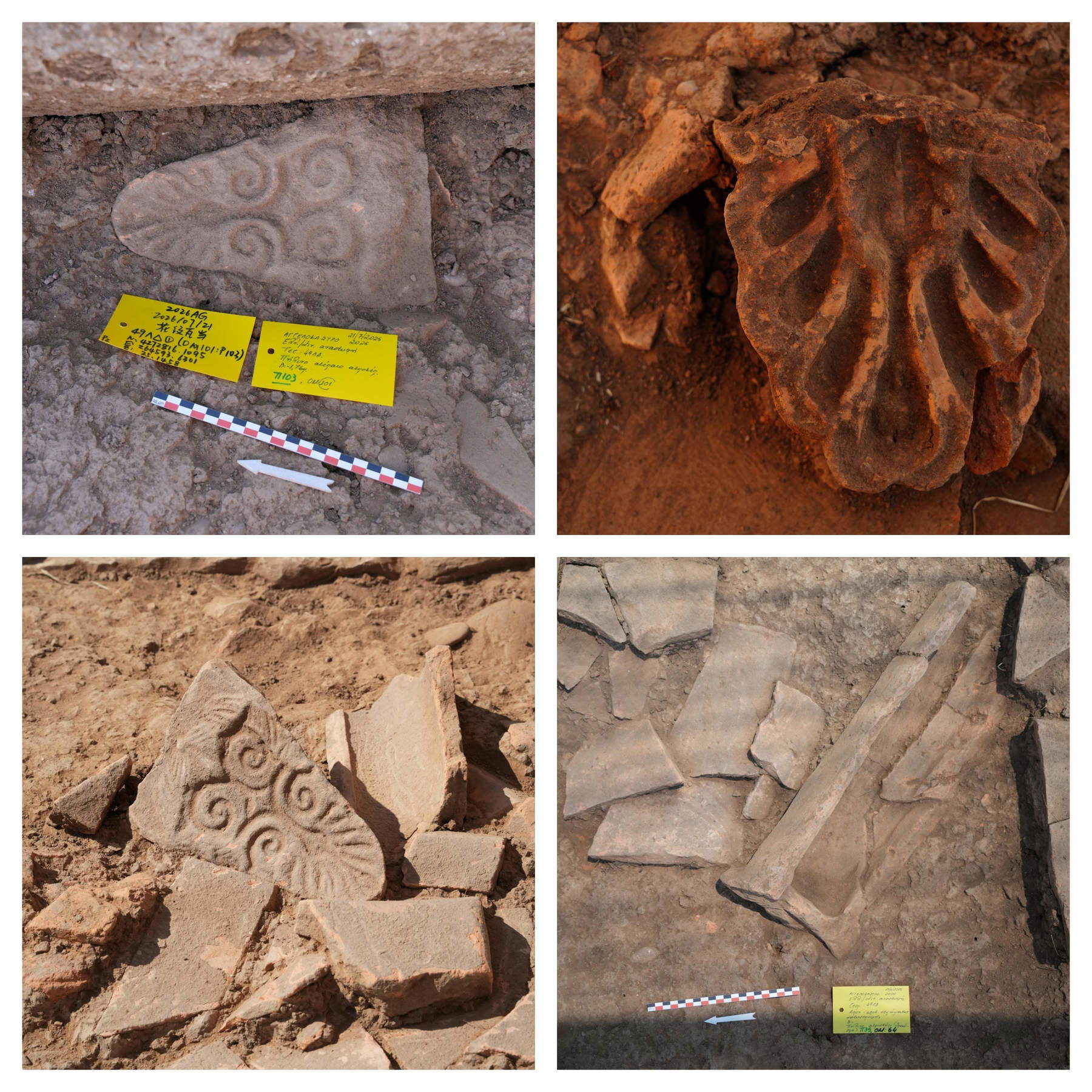
The program planned for the period 2026–2030 includes the continuation of excavations and the study of defensive structures. The investigations will be complemented by the use of geophysical methods, remote sensing techniques, surface surveys, and geoarchaeological analyses. The integration of these methodologies will expand our understanding of Arsinoe’s urban layout and provide deeper insight into its history and transformations over time.
The first field season thus marks the beginning of an international scientific collaboration that is set to develop over the coming years. The activities aim to clarify the structure of the ancient settlement and document its architectural and material remains, with the goal of contributing to the understanding and preservation of the region’s archaeological heritage. The project is also part of the broader framework of cooperation between Greece and China in the fields of archaeological research and cultural heritage protection.
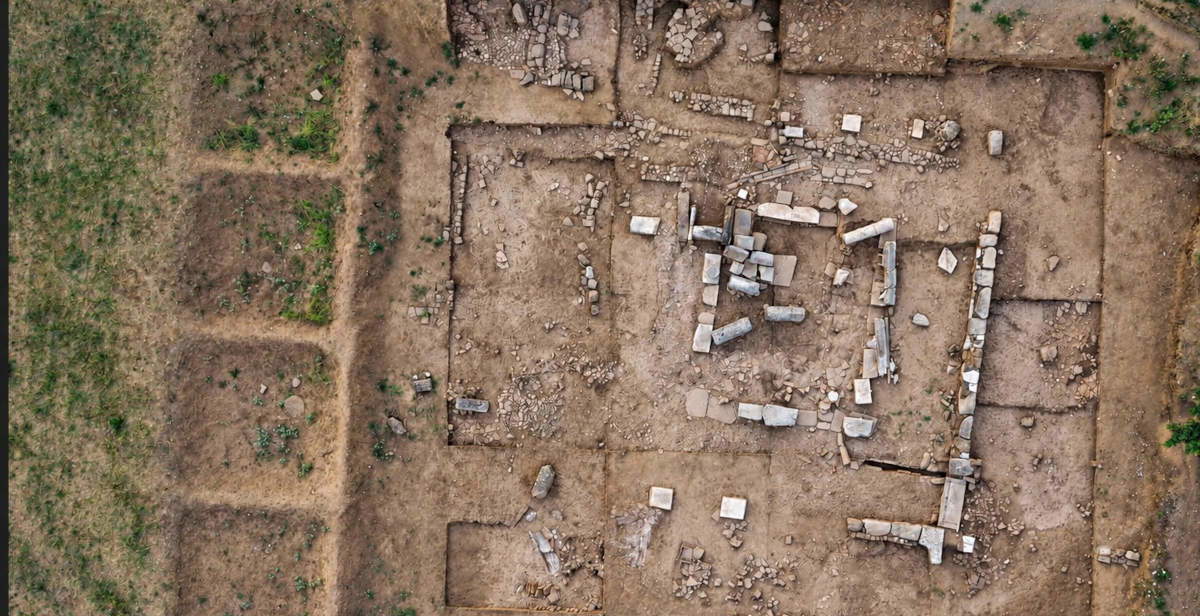 |
| Greece: Ancient Arsinoe Resurfaces in Agrinio—A Building with a Porticoed Courtyard at the Center of the Excavations |
Warning: the translation into English of the original Italian article was created using automatic tools. We undertake to review all articles, but we do not guarantee the total absence of inaccuracies in the translation due to the program. You can find the original by clicking on the ITA button. If you find any mistake,please contact us.