





Contemporary archaeology has moved beyond the romantic image of treasure hunting to establish itself as a scientific discipline with a rigorous methodological framework, whose primary goal is to reconstruct human history and the relationships between ancient communities and their environments. Fieldwork is a unique undertaking: unlike other sciences, an archaeological excavation is, to all intents and purposes, a non-repeatable process. The very moment soil is removed to uncover buried remains, the original stratigraphy is irreversibly disrupted and ceases to exist in its physical form. For this reason, the meticulous documentation of every phase of work and the ability to establish the chronological sequence of deposits form the backbone of any research. Dating an archaeological find—and thus assigning a time period to an object, a wall, or a soil layer—is not merely a matter of cataloging, but the essential prerequisite for transforming material fragments into a coherent historical narrative. To orient itself in time, research relies on two complementary concepts: relative chronology, which orders events and artifacts into a temporal sequence, indicating what happened first and what happened next; and absolute or numerical chronology, which allows us to link an event or artifact to a precise date expressed in years. Relative chronology, as archaeologist Daniele Manacorda writes, “allows us to determine whether one context is older or younger than another and aims to construct sequences that neatly arrange individual objects, layers, or events in time on any scale: from the succession of various glaciations in the Quaternary to the reconstruction of the sequence of artisanal processes underlying the production of an artifact or the construction of a building,” whereas absolute chronology “allows us to arrange events in their mutual relationships and to assess, for example, the duration of certain fundamental historical phenomena, the pace of the transformations that have taken place, and their possible simultaneity in different regions of the world.”
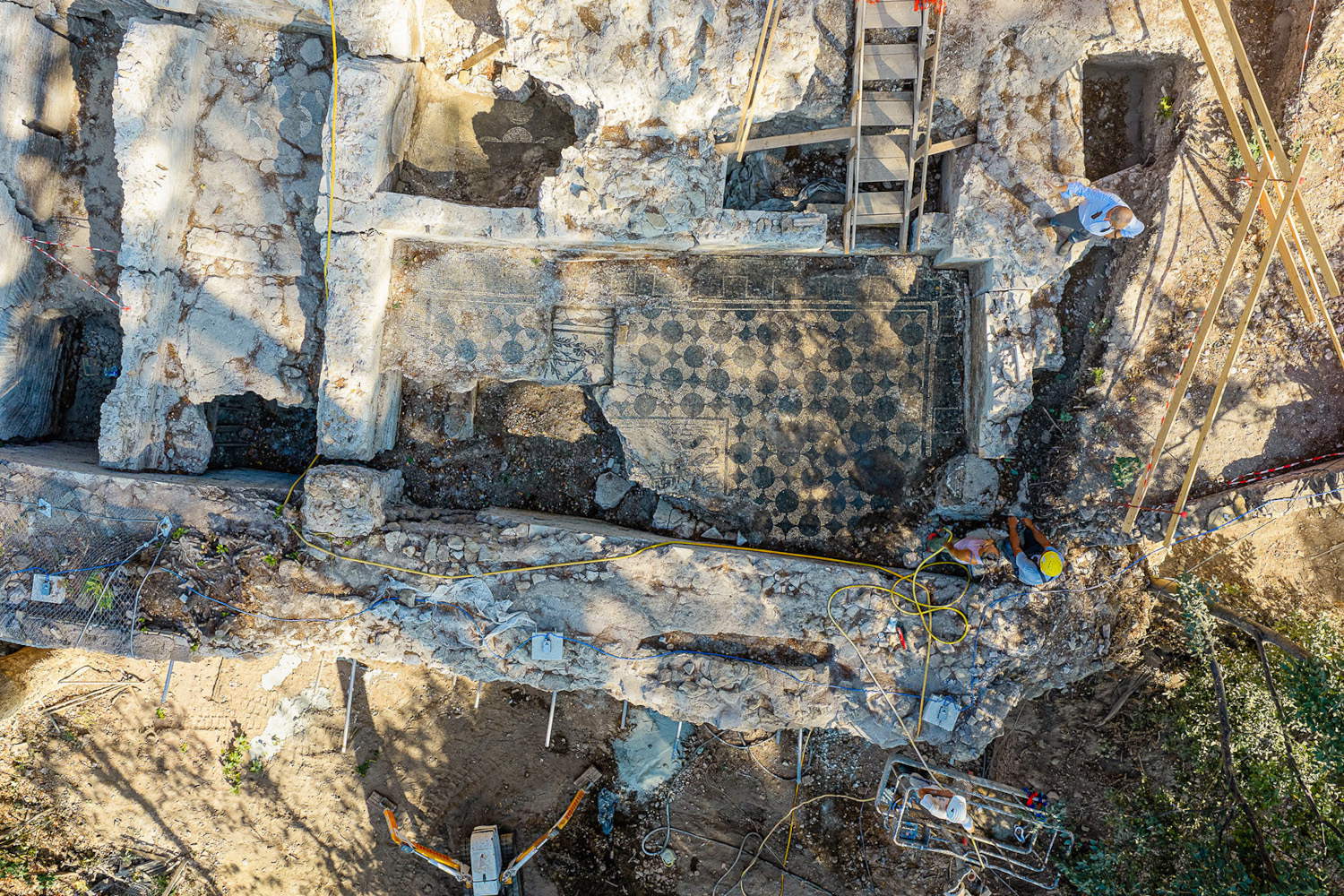
The cornerstone of excavation work is the stratigraphic method, a procedure derived from the principles of geology and adapted to account for the specific nature of anthropogenic deposits. On the ground, traces of human activities and natural agents progressively overlap over time. To put it simply, one could say that the rule of superposition states that, in an undisturbed sequence, the layer located deepest is the oldest, while the one situated higher up is the most recent. “Stratigraphy,” writes archaeologist Carolina Megale, “is based on the principle that the layer lying lowest is older than the one above it: the succession of layers, therefore, can provide a relative chronological sequence, from the oldest (the lowest layer) to the most recent (the uppermost layer). Furthermore (although it is not always that simple), the artifacts contained in a layer that has not undergone subsequent alterations can be considered contemporary with the layer itself.” In an archaeological deposit, a distinction is made between positive stratigraphic units, which attest to physical acts of accumulation or construction—such as the filling of an area with soil or the raising of a wall— and negative stratigraphic units, which instead represent moments of destruction or removal of material, such as the digging of a pit or the demolition of a building. Recognizing the boundaries of each unit and analyzing their physical relationships—whether they overlap or intersect—allows the archaeologist to translate the complexity of the subsoil into an abstract sequential schema: thanks to the use of the stratigraphic diagram, therefore, individual actions are linked into a sequence of relative chronology and grouped into historical activities and periods, providing the fundamental temporal framework for interpreting the site.
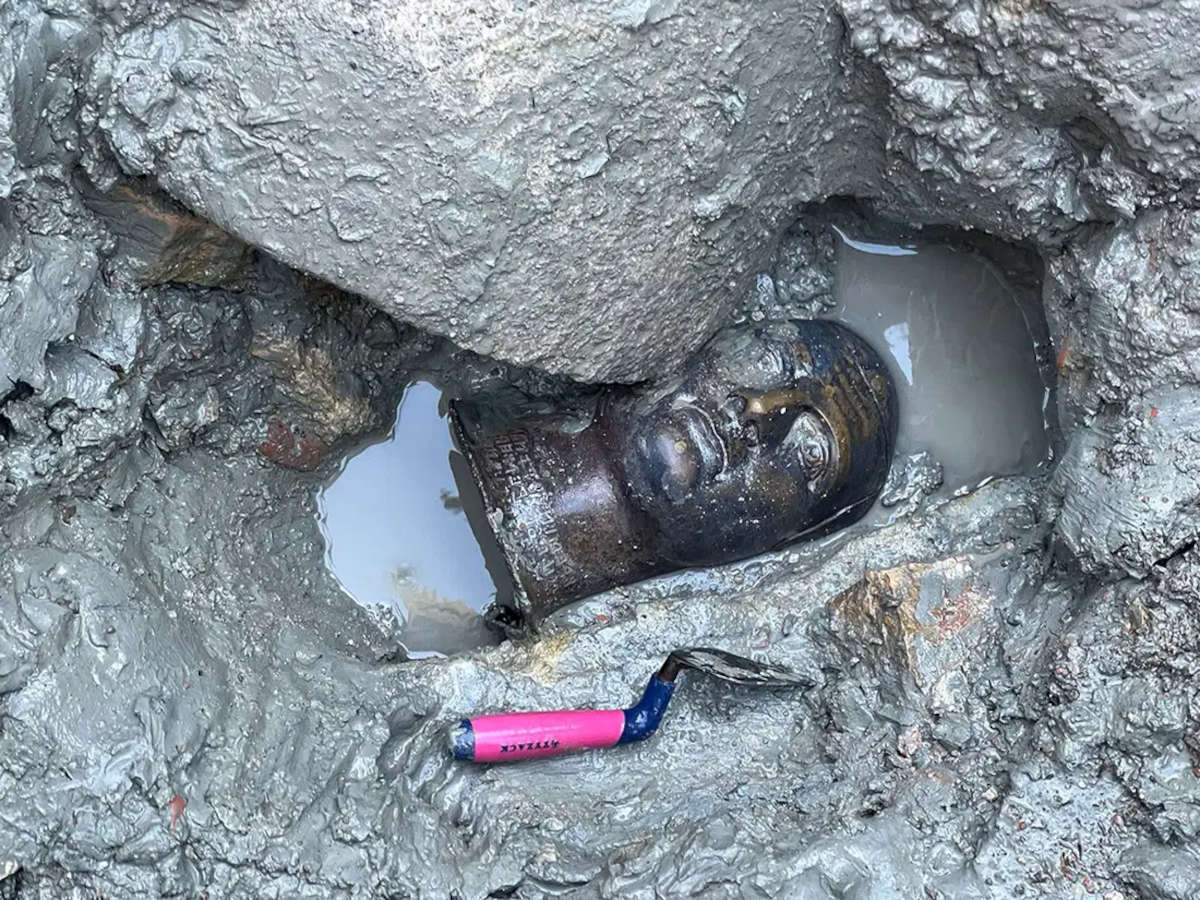
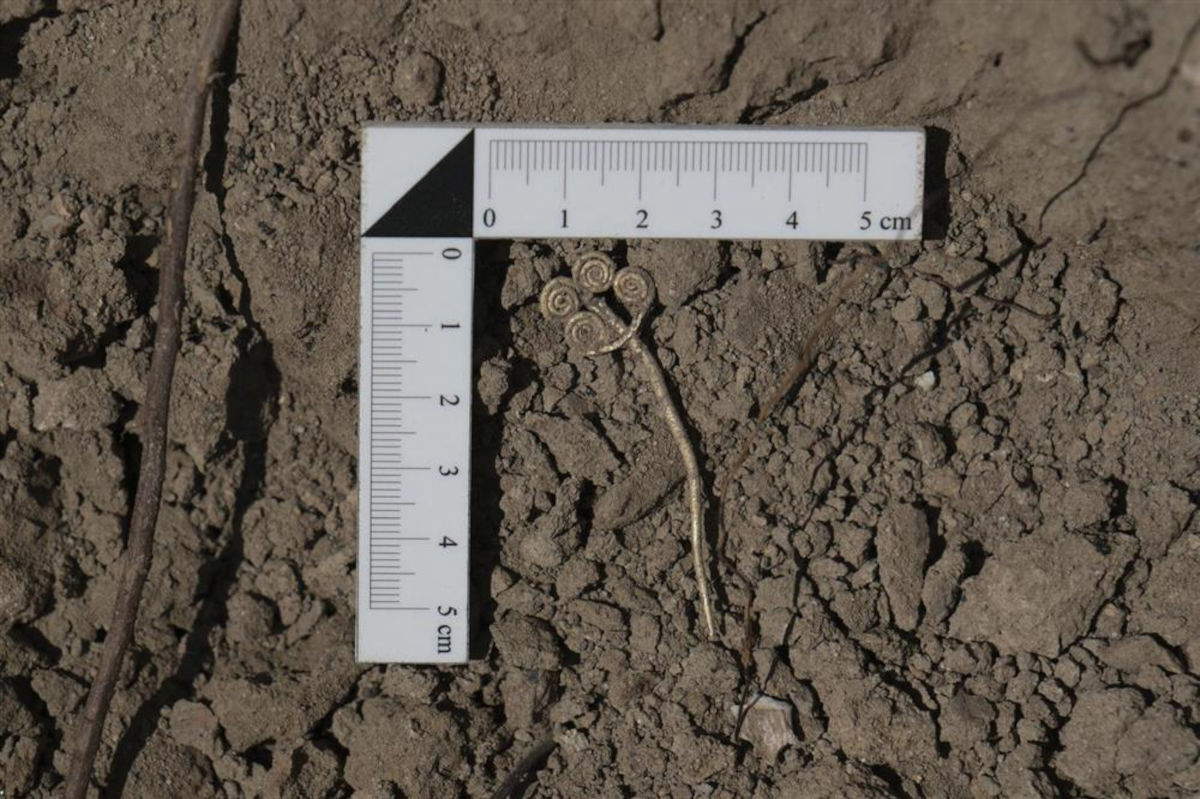
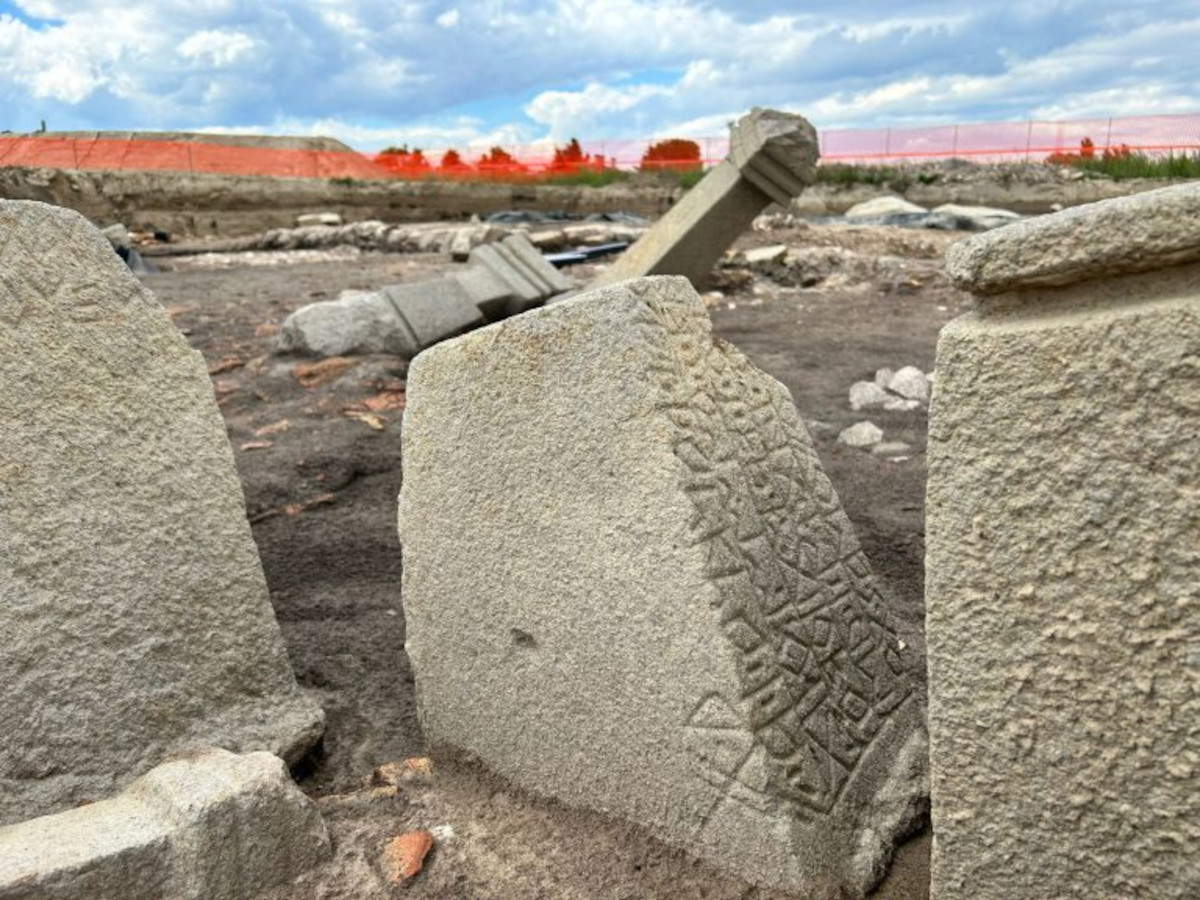
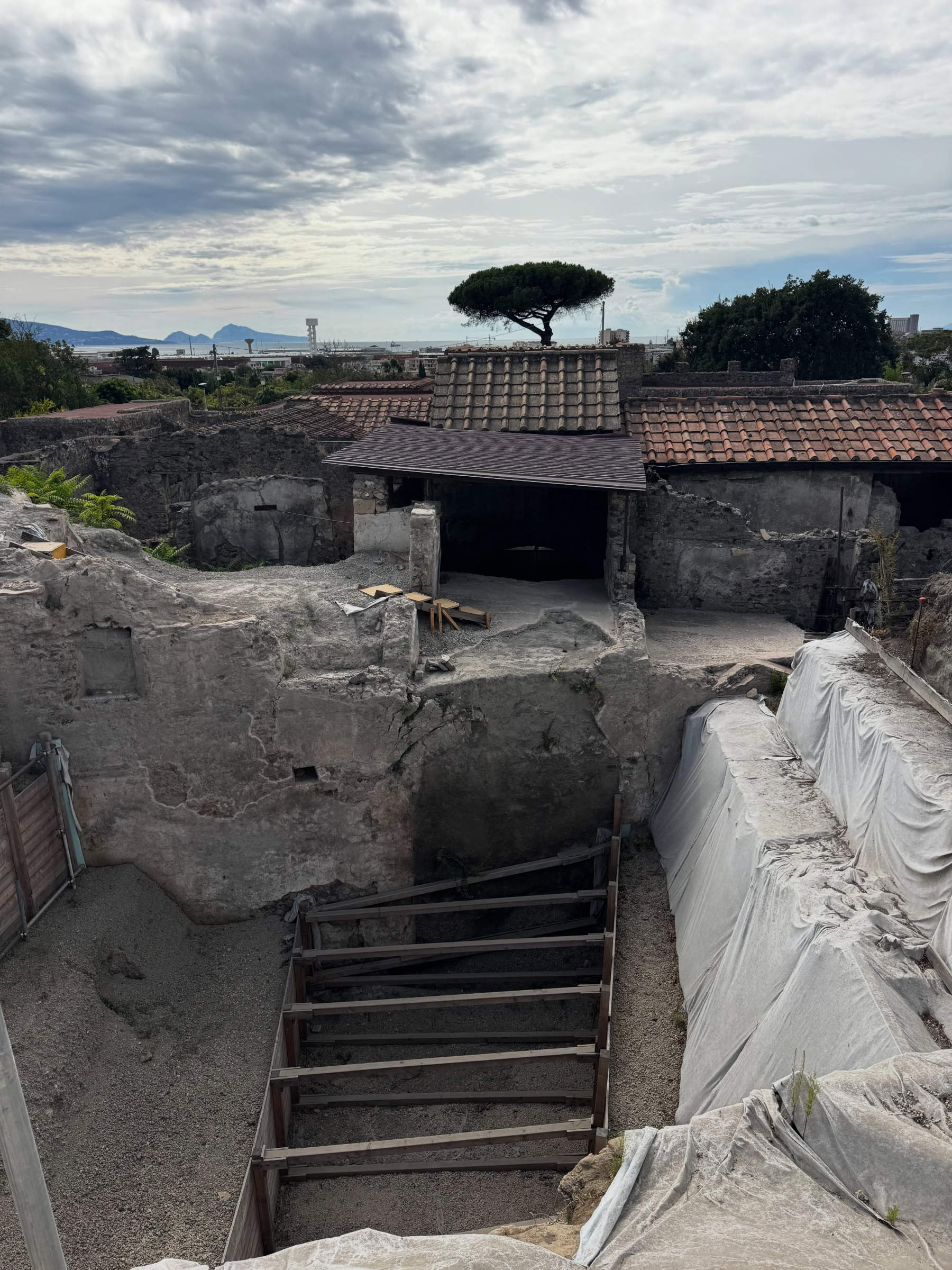
The transition from a relative chronological sequence to an absolute chronology is achieved by identifying the dating elements contained within the layers. In historical periods characterized by the use of writing or the minting of coins, for example, the presence of specific artifacts bearing explicit information is an extraordinarily valuable resource: a coin bearing the portrait of a ruler or the year of minting, as well as an epigraphic inscription dated according to a Roman consular era, constitute key reference points of primary importance for temporal contextualization. Similarly, artifacts such as bricks or large transport amphorae may bear factory stamps indicating the workshop or year of production. However, the chronological use of these objects requires methodological caution linked to the concepts of terminus post quem and terminus ante quem. The terminus post quem represents the earliest possible date by which a layer could have formed: the presence of a coin minted in A.D. 10 indicates that the layer was formed either at the same time as or after that year, since an object cannot enter the ground before it has been manufactured. Conversely, the terminus ante quem establishes the date before which the deposit must have formed. This situation occurs in sealed contexts, where a sudden event such as a volcanic eruption, a fire, or a shipwreck—or an intentional act such as a burial—instantly freezes the combination of materials in use at that precise moment, as happened in Pompeii in A.D. 79.
When research is conducted in contexts lacking written sources or objects bearing explicit dates, the formal classification of artifacts becomes the primary tool for constructing chronological frameworks. The chrono-typological method involves grouping finds into types defined on the basis of recurring morphological, technological, and decorative characteristics. This approach rests on two essential concepts: the fact that objects produced within a given time interval will share a consistent style, and the observation that stylistic transformations occur gradually. By arranging these types into serial sequences, seriation makes it possible to establish the relative chronological evolution of artifact assemblages. In this context, pottery plays the role of... a guide for archaeology; one might define it as such: its extraordinary abundance in excavations, combined with the durability of terracotta and the marked sensitivity of its forms to cultural trends, makes ceramic fragments chronological indicators to which a high degree of precision is attributed. The creation of comprehensive typological tables for the various ceramic classes—such as those developed for Roman amphorae—also enables cross-dating: the discovery of artifacts of a known form at an unknown site allows us to apply the dates already established in other contexts to that site.
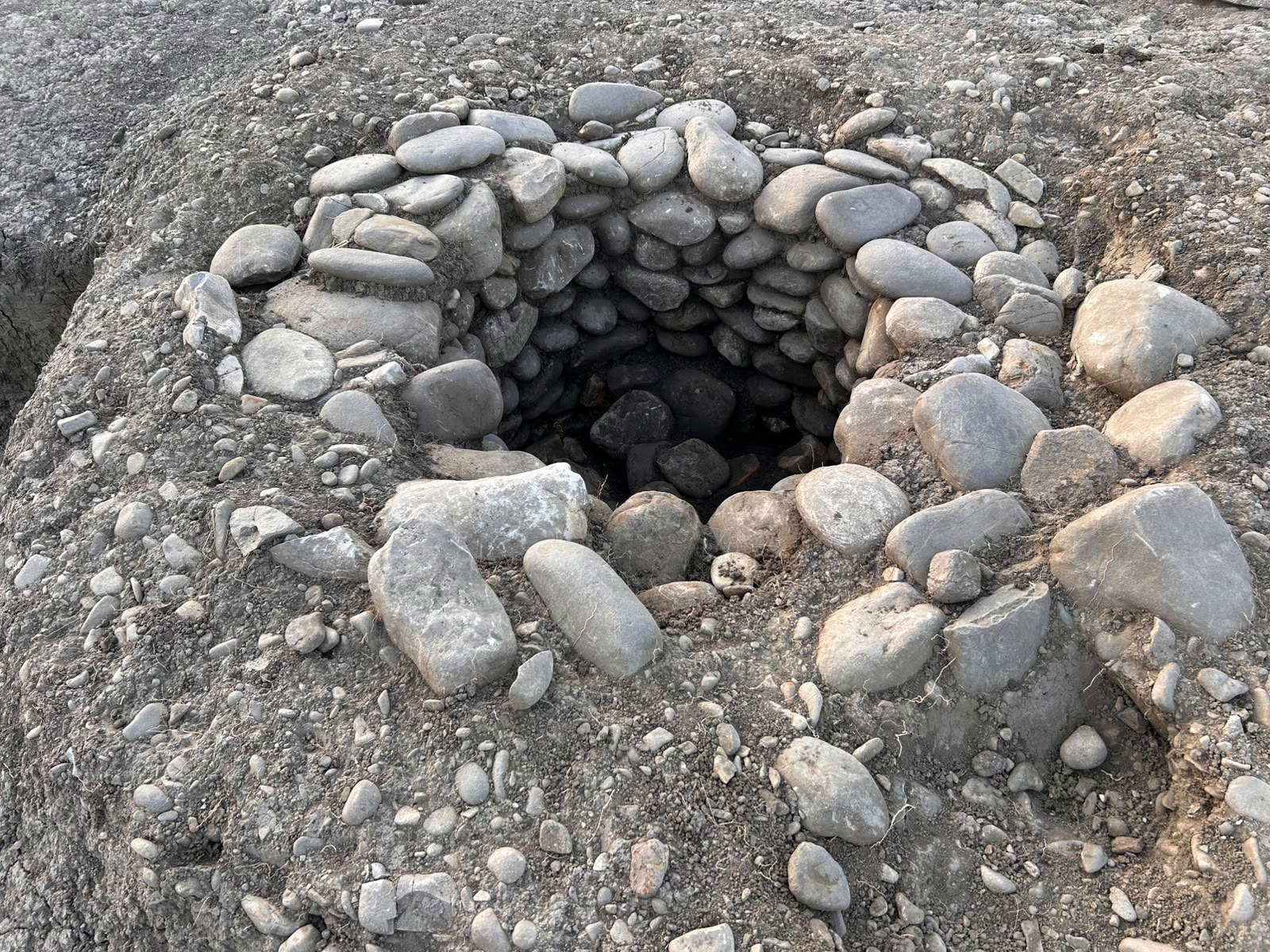
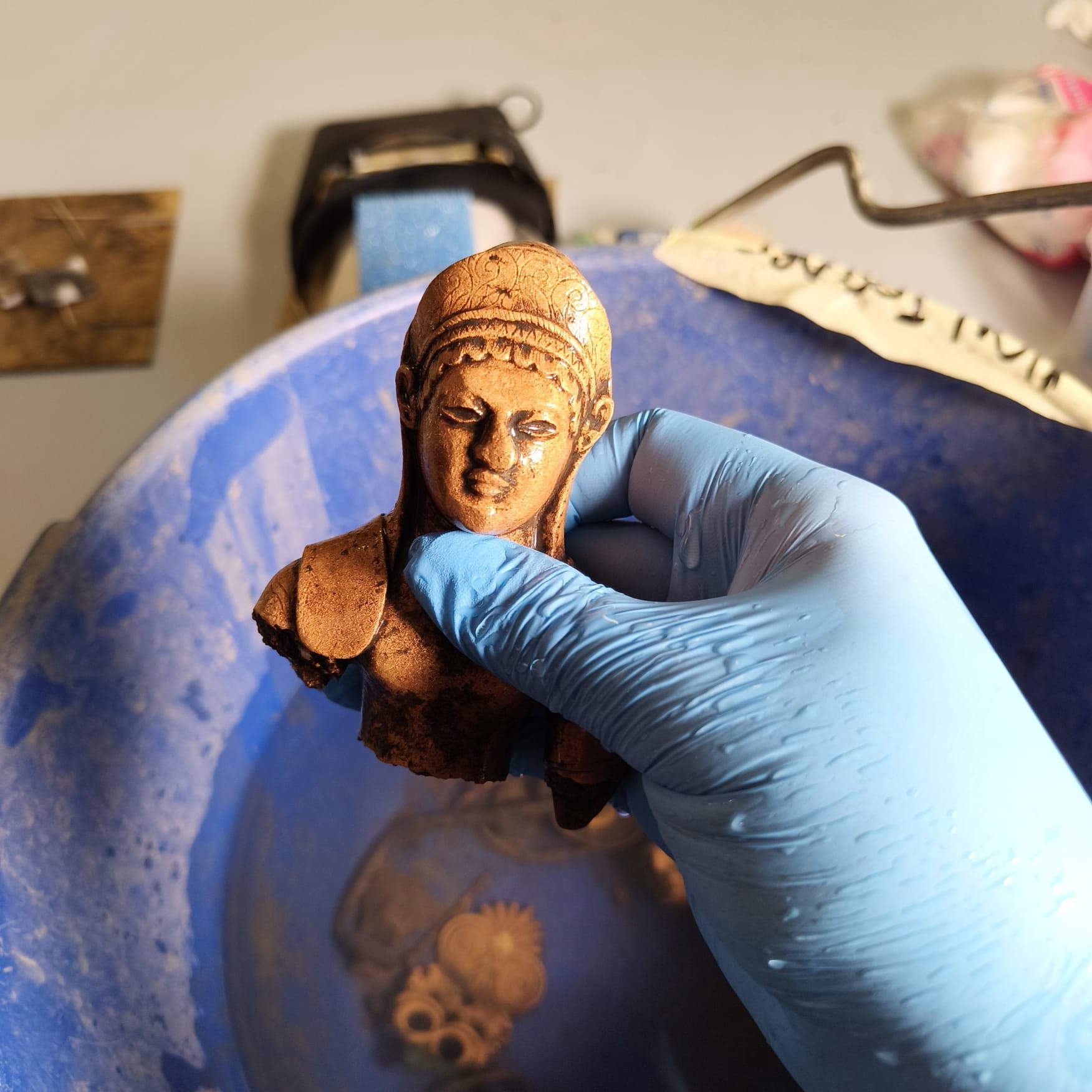
There are also several other methods. Since the mid-20th century, the convergence of archaeology and science has paved the way for dating methods based on natural phenomena—known as archaeometric methods—which can provide numerical time estimates independent of historical cultural contexts. For example, the radiocarbon or Carbon-14 method, developed by Willard Libby between 1945 and 1955, is the most well-known technique for dating organic materials such as wood, charcoal, bones, textiles, shells, and seeds. The operation of this “nuclear clock” is based on the radioactive isotope Carbon-14, which is generated in the upper atmosphere by cosmic rays and incorporated by all living organisms through photosynthesis or the food chain. As long as an organism is alive, the ratio of Carbon-14 to stable isotopes remains in constant equilibrium with that of the atmosphere. Upon the organism’s death, this exchange ceases, and the proportion of Carbon-14 in the tissues begins to decrease steadily due to radioactive decay, halving approximately every 5,730 years. By measuring the amount of the remaining isotope, it is thus possible to calculate the time elapsed since death. Radiocarbon dating allows us to date artifacts dating back as far as approximately 50,000 years from the present, although we must, of course, take into account the fact that radiocarbon dating determines the age of the material, not necessarily the artifact itself: an artist might, for example, have painted on a panel that was two or three hundred years older than he was.
For inorganic artifacts that were heated or fired in antiquity, the standard physical technique is thermoluminescence, a method applied to ceramics, bricks, architectural terracotta, the clay molds used for bronze statues, and burnt flint. Clay matrices contain crystalline minerals such as quartz and feldspars that are continuously bombarded by ionizing radiation emitted by naturally occurring radioactive elements in the soil: the process of high-temperature firing completely resets the object’s internal “clock,” releasing the electrons accumulated up to that point, and from that moment on, a new and steady accumulation of energy charges begins. By subjecting a small fragment of the artifact to a new, controlled heating process in the laboratory at around 400 °C, the trapped electrons are released, emitting a faint light signal. The intensity of the emitted light is directly proportional to the absorbed radiation dose and the time elapsed since firing, and this property of the material can provide dates with a margin of error between 5 and 10% for a time span of up to tens of thousands of years. A similar method that avoids thermal destruction of the sample is Electron Spin Resonance (ESR). This process directly measures the number of electrons trapped in defects within the crystal lattice without the need for heating, by exploiting the absorption of microwaves by particles immersed in a varying magnetic field. The technique has proven particularly effective for biological materials such as tooth enamel, corals, shells, and fossilized bones. Another method based on the effects of radiation involves nuclear fission tracks: uranium present in volcanic glass such as obsidian, in artificial glass, or in minerals undergoes spontaneous fission, and the resulting fragments leave microscopic damage grooves in the crystalline structure; counting these traces makes it possible to determine the age at which the rock formed or the artifact was crafted.
The vast scope of archaeological investigations often requires the use of additional chemical, radiometric, and geophysical techniques to cover different material and chronological contexts. For ancient volcanic rocks or tuff layers intercalated within Paleolithic sites, the potassium-argon (K-Ar) method exploits the slow radioactive decay of the potassium-40 isotope into the inert gas argon-40, which was reset to zero at the time of lava solidification, allowing for the dating of geological formations and associated fossil remains. The Uranium Series (Thorium-Uranium) method, on the other hand, is applied to carbonate rocks, stalagmites in caves, and travertine, measuring the isotopic imbalance to cover the range from 500,000 to 50,000 years ago. Another family of physical methods exploits the planet’s magnetic properties to determine the age of artifacts and natural sediments.Archaeomagnetism is applied to in-situ fired clay structures, such as potter’s kilns, hearths, and furnaces: when clay containing iron minerals is heated above the Curie temperature, the magnetic domains align with the direction of the Earth’s magnetic field at that moment; during cooling, this orientation remains locked within the structure in the form of remanent magnetization. Since the geomagnetic field continuously changes in direction, inclination, and intensity according to a pattern known as secular variation, measuring the sample’s residual magnetism allows us to determine the date of the last firing by comparing it with regional reference curves. On a geological timescale, paleomagnetism studies the large-scale, periodic reversals in the Earth’s magnetic field polarity, which are recorded in rocks and sediments. In the field of biochemistry, the method of amino acid racemization is applied to bone remains and fossil shells, measuring the slow chemical transformation of L-amino acids into D-amino acids that occurs after the organism’s death at a rate determined by temperature. Finally, obsidian hydration measures the thickness of the water film absorbed by the surfaces of volcanic rock starting from the moment it was chipped by humans to make stone tools.
Finally, the analysis of regular cycles provided by nature offers additional dating methods of extraordinary precision, based on the annual rhythm of the seasons. For example, dendrochronology, developed by Andrew Ellicott Douglass in the early decades of the 20th century, studies the concentric growth rings visible in the cross-section of tree trunks. In temperate regions, trees produce a new ring of wood each year, the thickness of which varies depending on the tree’s age and seasonal climate fluctuations. Since trees of the same species growing in the same region record the same environmental variations, producing sequences of rings that can be superimposed, it is possible to link progressively older wood samples, starting from living trees and extending to beams and archaeological finds. By comparing the growth ring sequence of a wooden artifact with the regional growth ring standard curve, dendrochronology makes it possible to determine the year in which the tree was felled, offering an unparalleled level of precision. Another method based on seasonal rhythms is the counting of varves, layered clay-sand sedimentary deposits at the bottom of glacial lake basins. Discovered by Gerard de Geer, this system measures the varying thicknesses of the pairs of layers formed by summer melting and winter freezing of glaciers, making it possible to construct absolute chronologies for the deglaciation phases of the Late Pleistocene. Furthermore, we can mention the study of botanical remains, particularly palynology: this discipline analyzes fossilized spores and pollen grains, which are preserved for millennia within lake basins, peat bogs, or cave sediments. Palynologists study the composition of pollen deposits found in various stratigraphic layers, reconstructing the evolution of vegetation and climate fluctuations. Variations in the relative abundance of different tree and herbaceous species allow for the definition of specific pollen biozones, characterized by distinctive plant communities that reflect periods of warming or glacial cooling. By placing the pollen profile obtained from an archaeological deposit within a regional reference pollen sequence, it is possible to assign the site a relatively precise relative chronological dating. Furthermore, pollen analysis at sites frequented by humans allows for the identification of human interventions in the ancient landscape, such as early deforestation and the onset of agriculture. In regions affected by ancient volcanic events, tephrochronology is a method of indirect dating with high stratigraphic accuracy. The method is based on the study of tephra—that is, the collection of pyroclastic fallout materials (such as ash, lapilli, and pumice) ejected into the atmosphere during eruptions and transported by air currents even over great distances. The deposition of a tephra layer occurs over an extremely short period of time from a geological perspective and is distributed across very large areas. For this reason, a pyroclastic layer intercalated within a sedimentary or archaeological sequence represents a perfectly isochronous surface—a unique guide horizon. When a specific eruptive event is dated using direct radiometric analyses of tephra minerals or through radiocarbon dating of adjacent organic materials, the pyroclastic layer becomes an indisputable chronological marker. Any deposit located below the volcanic level will predate the eruption, while overlying levels will be post-eruption, allowing for immediate chronological correlations between distant archaeological sites.
The wide range of available methodologies demonstrates that the dating of an artifact or an archaeological site is never the result of the isolated application of a single laboratory formula or a single analytical instrument. Any numerical data provided by the physical or biological sciences acquires real historical significance only when placed within—and critically examined in the context of—stratigraphic observations from excavations, the typological study of artifacts, and comparison with written and iconographic sources. Historical methods, archaeometric methods, and the natural sciences are not alternatives to one another but operate in constant synergy, calibrating and verifying one another. The archaeologist’s ability to formulate the right questions for the site and to interpret the synthesis of all the answers constitutes the very core of historical research. Questioning the material world to read the passage of time remains the indispensable condition for transforming fragments of stone, earth, pottery, metal, or bone into the living memory of human civilization.
 |
| How is an archaeological artifact dated? All the methods used by archaeologists |

Warning: the translation into English of the original Italian article was created using automatic tools. We undertake to review all articles, but we do not guarantee the total absence of inaccuracies in the translation due to the program. You can find the original by clicking on the ITA button. If you find any mistake,please contact us.






























 IT
IT FR
FR DE
DE ES
ES CN
CN


