





An exceptional archaeological discovery made in the City of David, in East Jerusalem ( territory occupied by Israel), provides new evidence of the destruction of the First Temple in 586 B.C. During ongoing excavations in the Givati parking lot area, conducted by the Israel Antiquities Authority in collaboration withTel Aviv University, massive charred wooden beams have been unearthed that belonged to a building that collapsed during the Babylonian conquest of the city. The discovery is considered particularly significant not only for its historical value but also for the new avenues it opens up for scientific research, thanks to the exceptional state of preservation of the wooden material.
The excavations are taking place in the City of David, within the Jerusalem Walls National Park—one of the city’s major archaeological sites—where investigations have for years been unearthing evidence of the various phases of Jerusalem’s history. In this case, archaeologists identified the beams within the remains of a building destroyed by the violent fire that accompanied the capture of the city by the Babylonian army led by Nebuchadnezzar II—an event traditionally associated with the destruction of the First Temple. According to scholars, the discovery is exceptional above all because of the condition in which the wood has been preserved for some twenty-six centuries. Normally, in fact, wood tends to decompose rapidly, and only particularly favorable environmental conditions allow it to survive for such long periods. In this case, the preservation was likely made possible by a phenomenon that occurred during the fire that devastated the building.
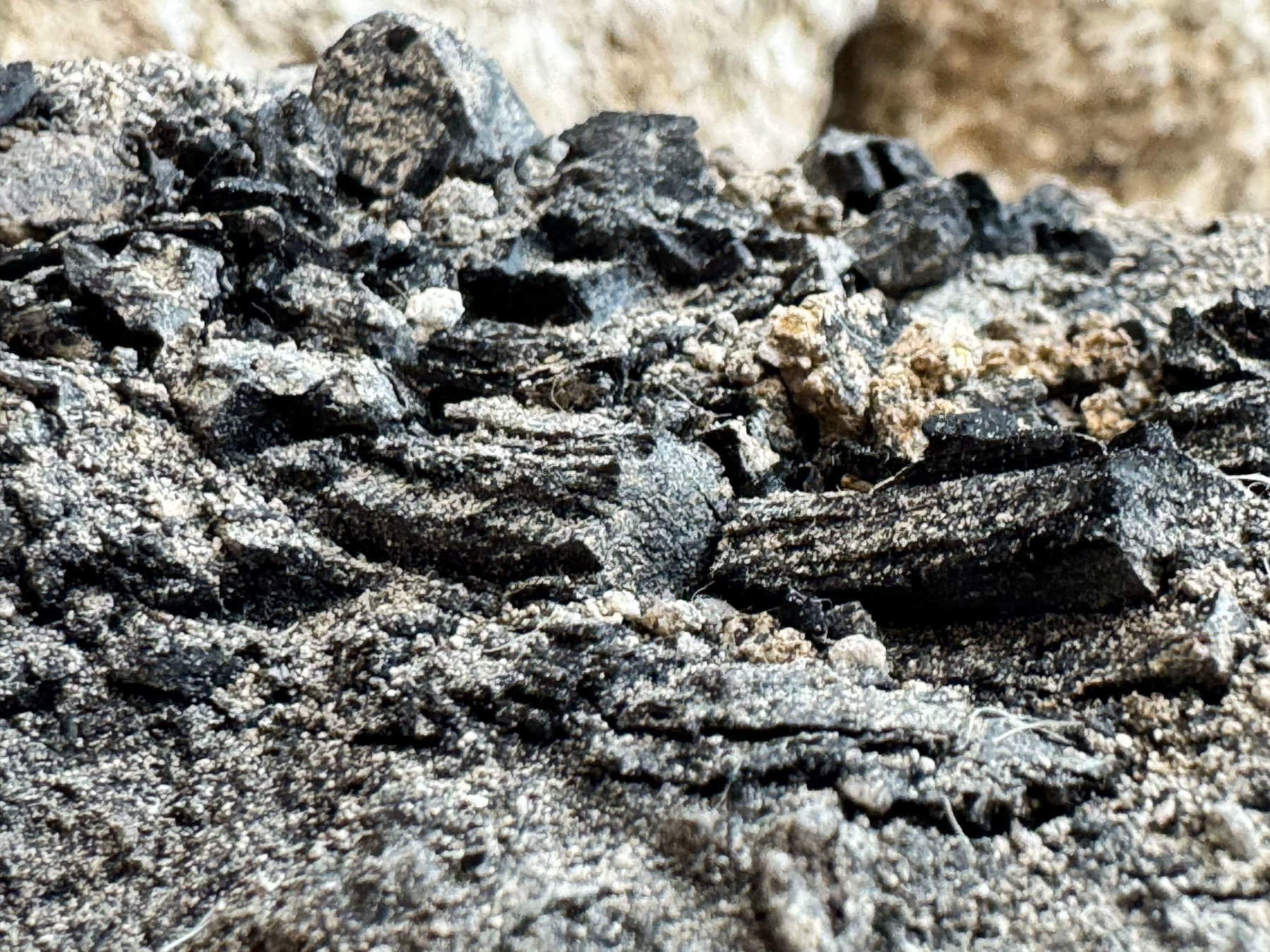
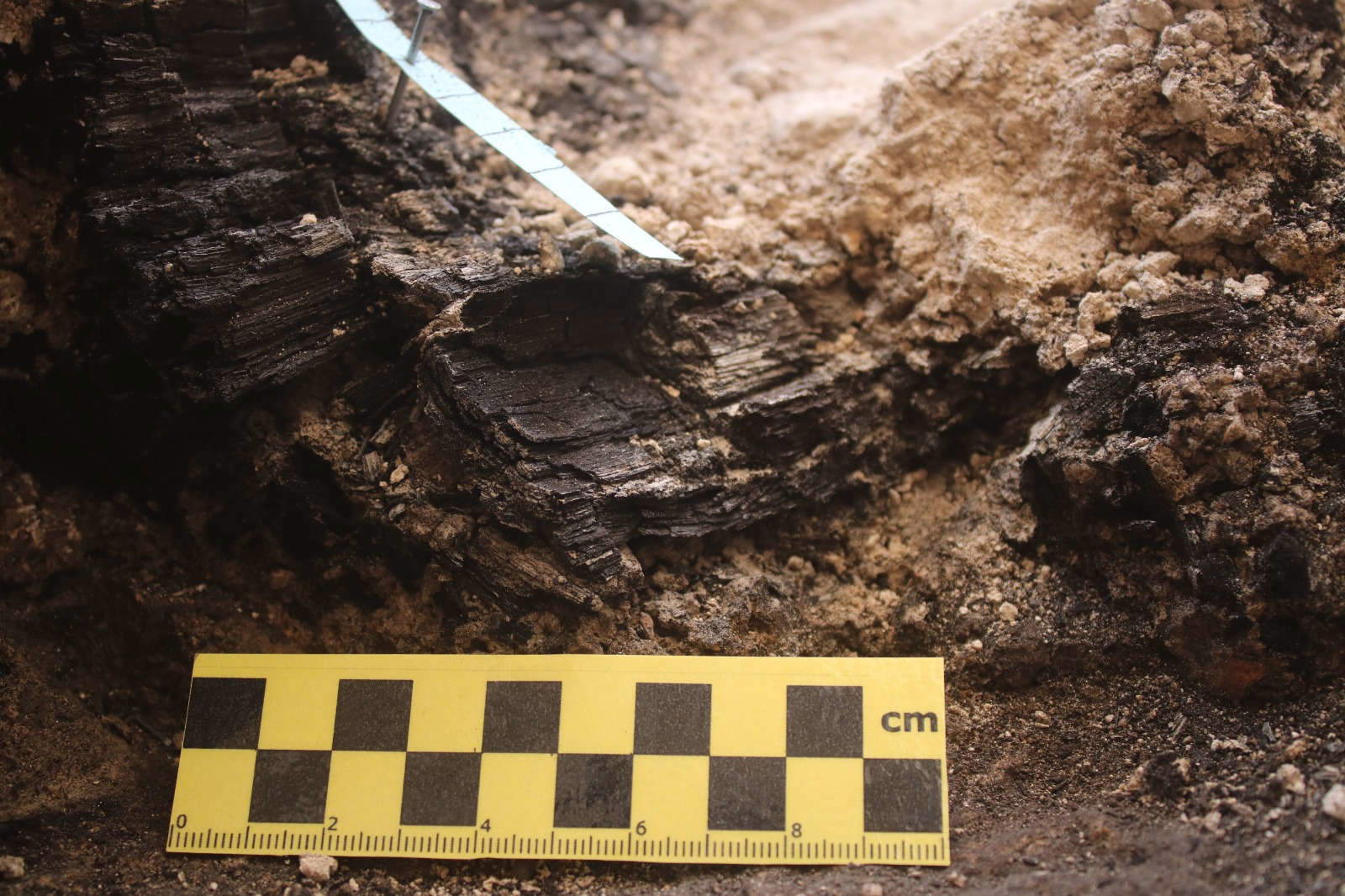
The extremely high temperatures generated by the fire are believed to have caused the plaster covering the building’s walls to melt. Once liquefied, the material would have coated the already charred beams, creating a sort of protective shell that isolated them from external elements and allowed them to be preserved to the present day. The beams were found lying on the building’s floor, where they had fallen following the structure’s collapse during the city’s destruction. Their position allowed archaeologists to reconstruct, at least in part, the building’s original layout.
According to Efrat Bocher, director of the excavation, the wooden elements were likely part of the roof of an inner courtyard belonging to a building from the First Temple period. “The beams were likely the roof of an inner courtyard of a building dating to the First Temple period,” the archaeologist explained. “During the destruction, they fell to the floor. We believe that the plaster covering the walls, which melted due to the fire, coated the charred wood, making its truly exceptional preservation possible.” In addition to the historical significance of the find, the discovery is of considerable scientific interest. The beams retain a large number of growth rings, a feature that offers new possibilities for chronological dating using dendrochronological techniques.
Johanna Regev of the Israel Antiquities Authority, who is leading the study of the beams uncovered during the excavations, emphasizes the value of the find. According to Regev, it is extremely rare to find wooden elements so well-preserved and characterized by such a high number of annual growth rings. “It is extremely rare to find wooden elements with such a high number of growth rings,” she stated. “In the City of David, we have uncovered very thick beams with numerous rings, which offer enormous research potential. The greater the number of rings, the more precise the dating can be. Until now, it was possible to place many artifacts within chronological ranges of a few hundred years; now we will be able to narrow this margin down to about ten years.”
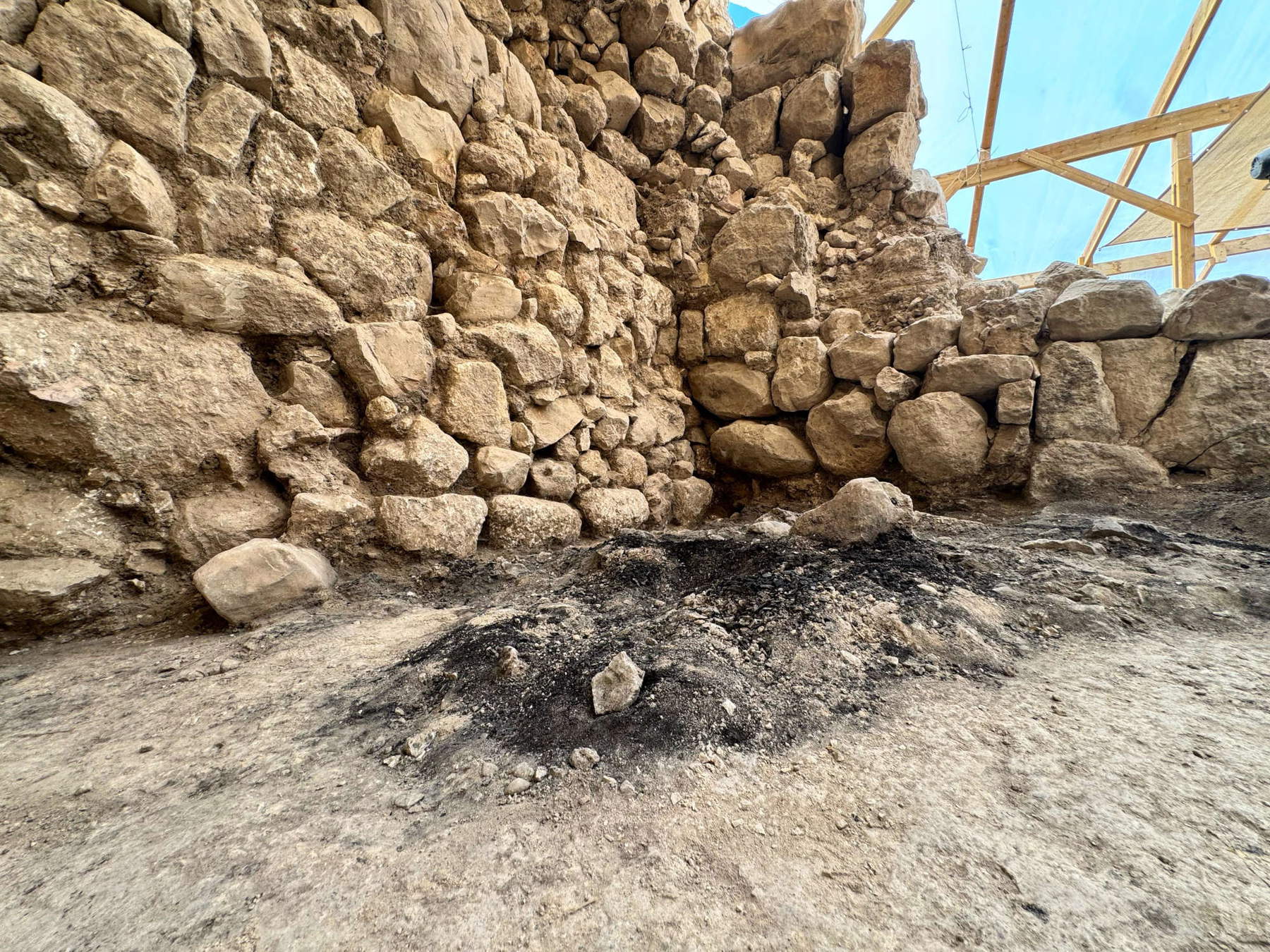
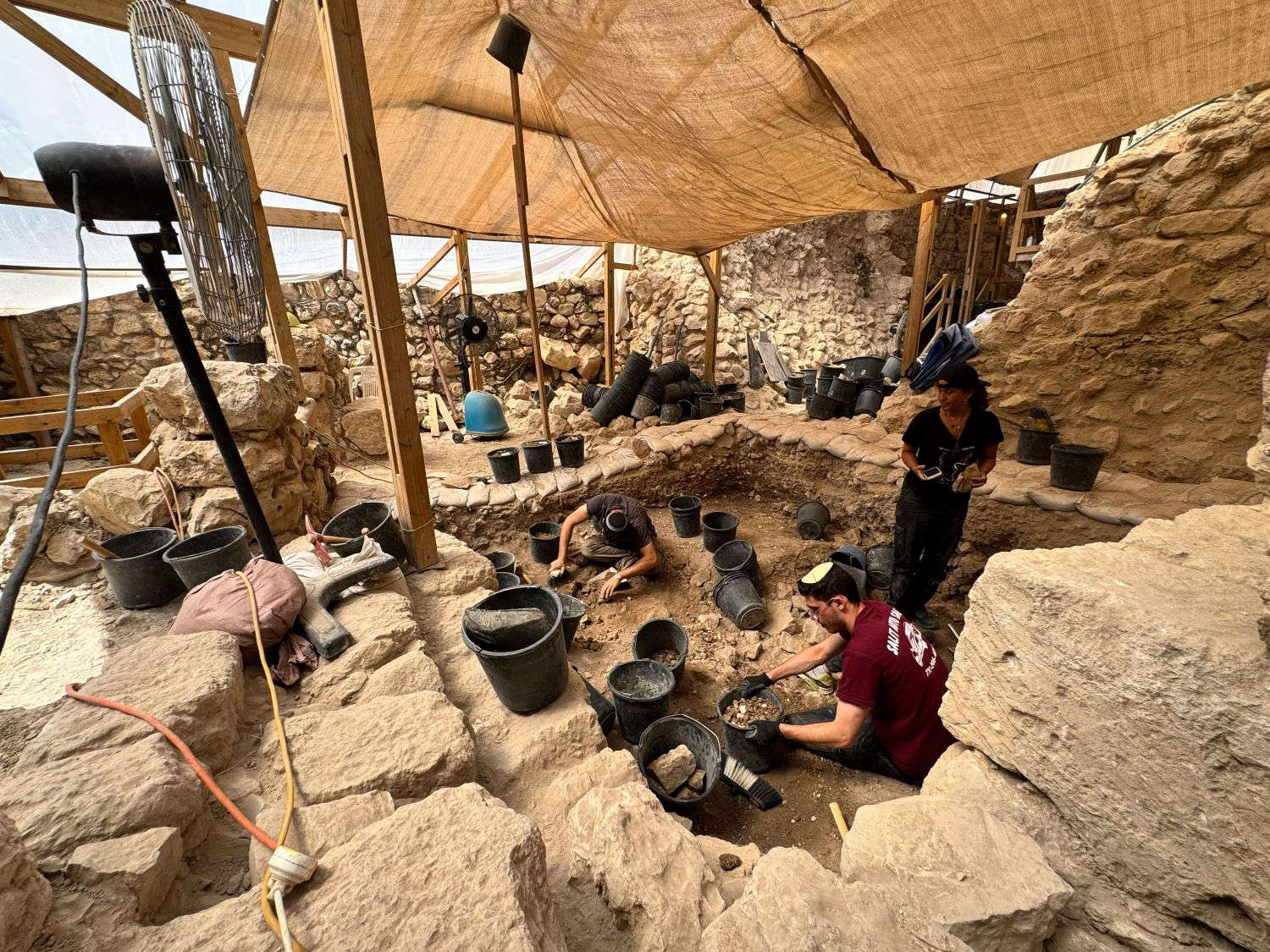
Such precision would represent a significant step forward for the study of Levantine archaeology and, more broadly, for reconstructing the chronology of the ancient Near East. The new analyses could, in fact, help verify and refine the chronological sequences used to interpret numerous archaeological sites in the region. The discovery also offers new insights into how Jerusalem coped with the aftermath of the destruction of 586 B.C. According to archaeologists, the evidence uncovered during the excavations suggests that subsequent generations did not completely erase the traces of the devastation caused by the Babylonian conquest. On the contrary, the inhabitants who returned to the city after the exile appear to have deliberately chosen to leave part of the ruins in their original state, constructing new buildings atop the remains of the destroyed city. According to scholars, this decision reflects a desire to keep the memory of the traumatic event alive.
Yiftah Shalev, who is directing the excavations on behalf of the Israel Antiquities Authority alongside Professor Yuval Gadot of Tel Aviv University, interprets this choice through the concept of the “landscape of memory, ” a phenomenon also documented in other cultures. “Preserving memory,” they explain, “responds to a deeply human need: to keep alive the trace of what once existed. Here we see it in its most evident form: a deliberate choice to leave the ruins in place as a testament to the destruction, while building the new urban layer on top of them.”
|
| Jerusalem: Charred Beams from the Destruction of the First Temple Discovered |

Warning: the translation into English of the original Italian article was created using automatic tools. We undertake to review all articles, but we do not guarantee the total absence of inaccuracies in the translation due to the program. You can find the original by clicking on the ITA button. If you find any mistake,please contact us.





























 IT
IT FR
FR DE
DE ES
ES CN
CN


