



by Giuseppe Adani 06/11/2026


Categories: Travel / Disclaimer
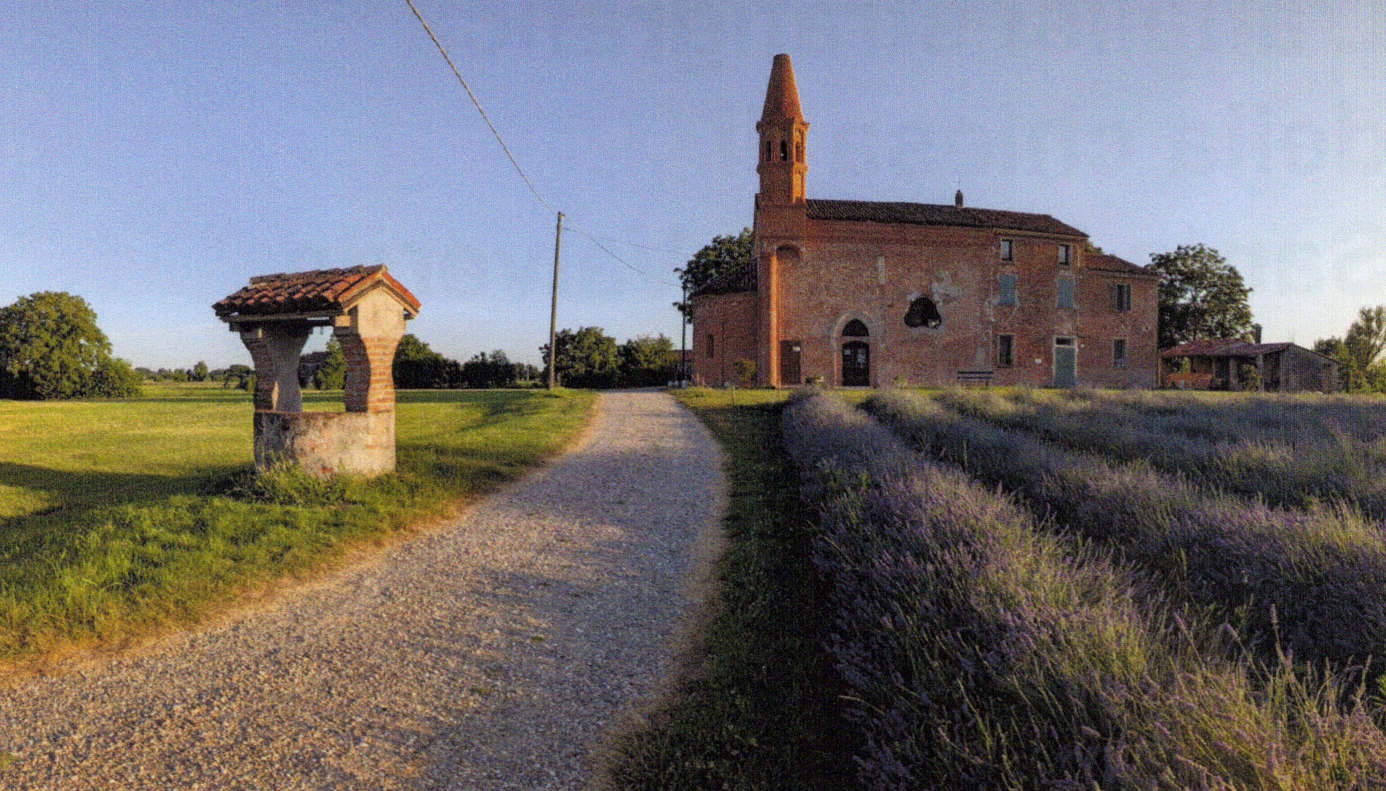
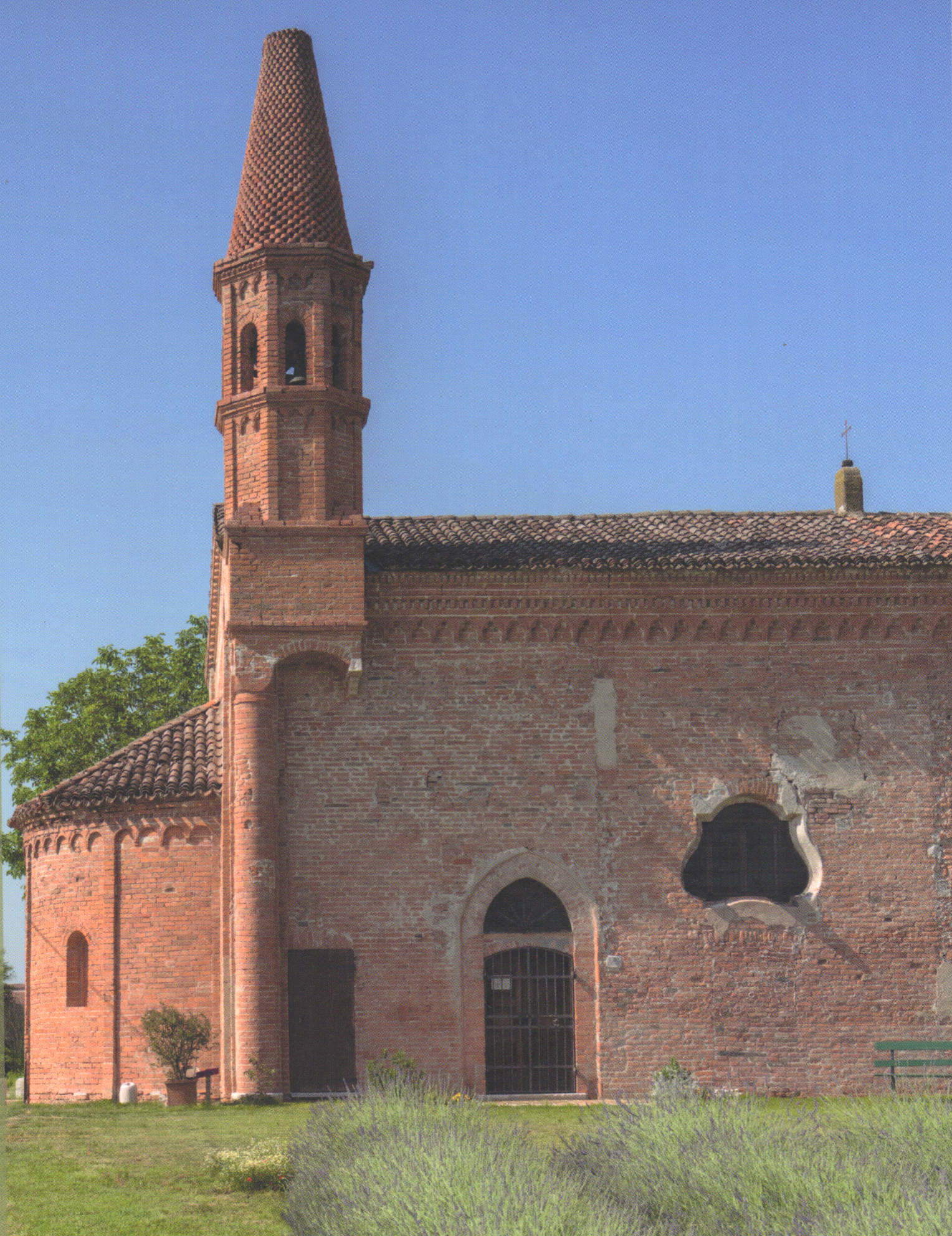
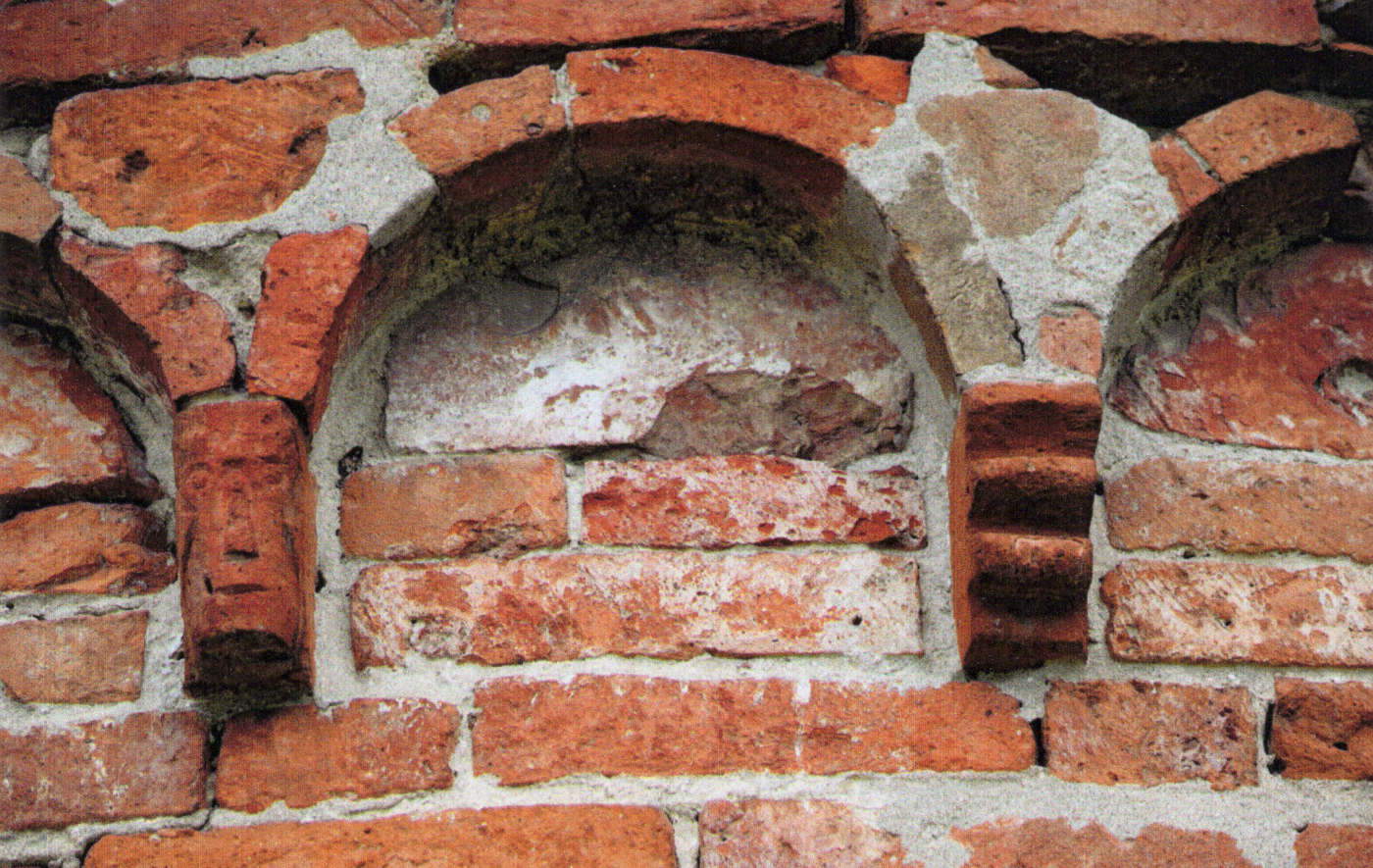
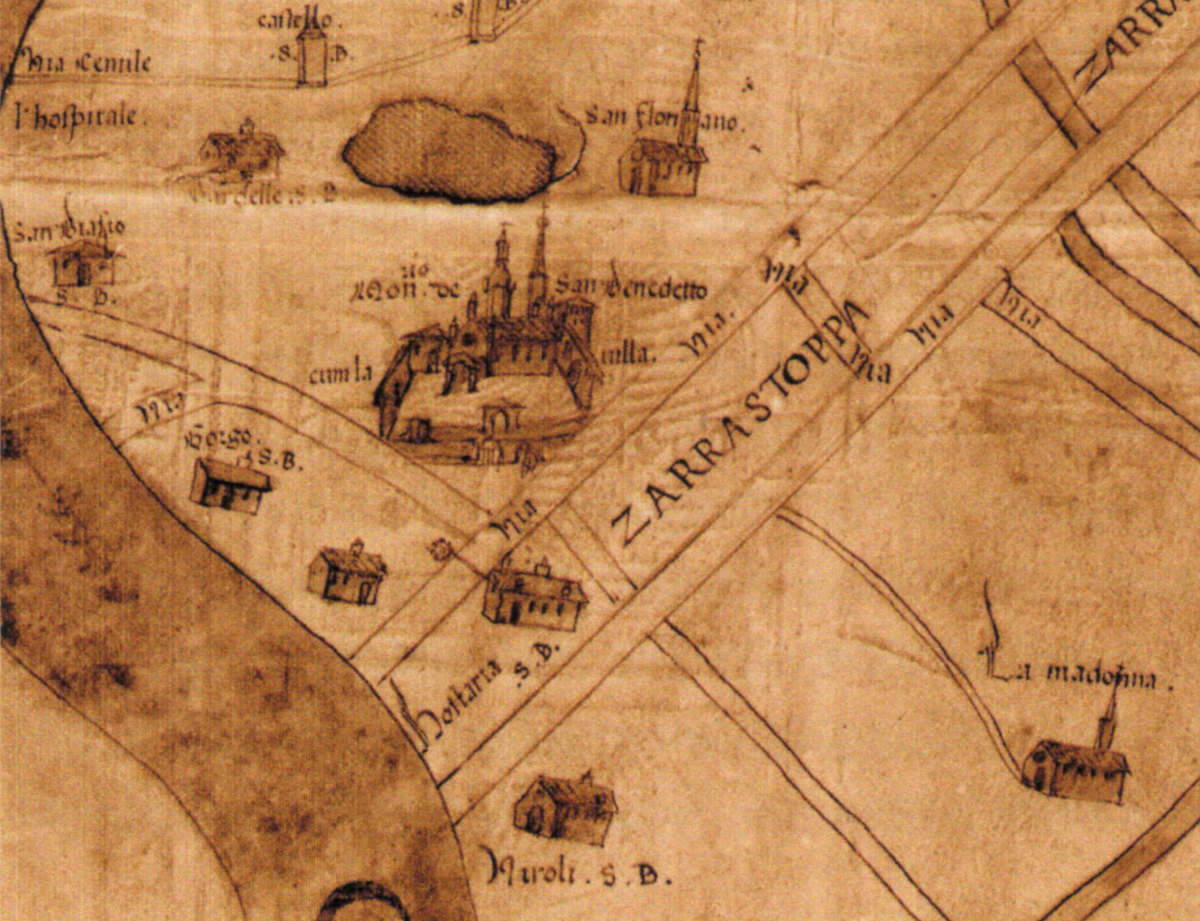
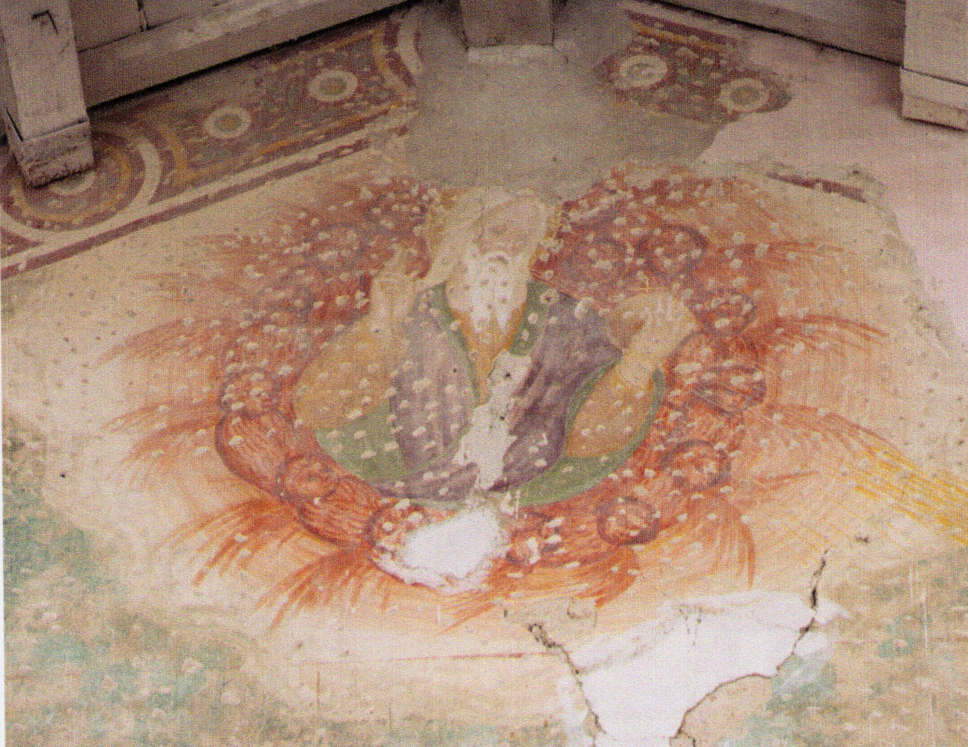
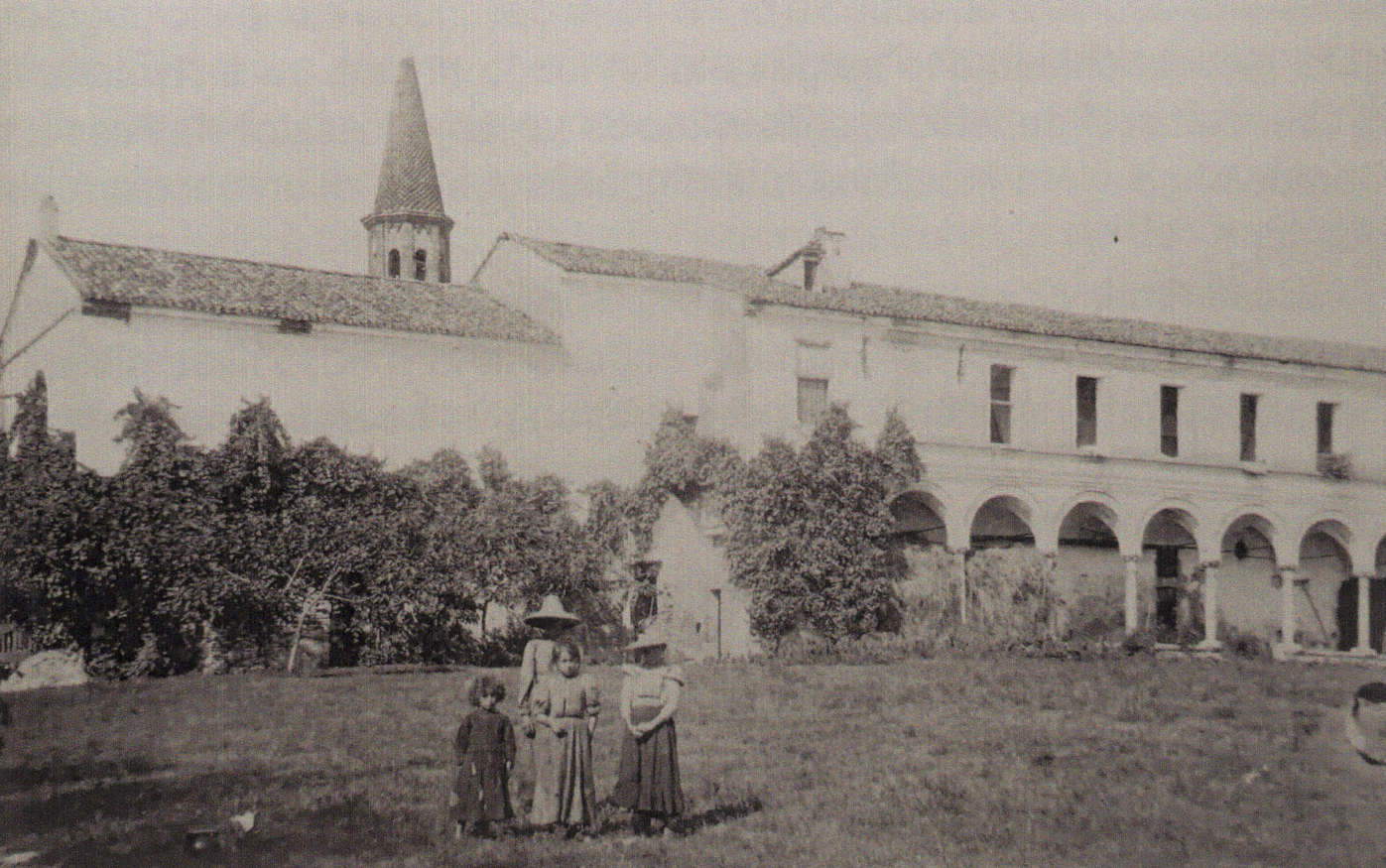
The small church of Santa Maria di Valverde (San Benedetto Po, Mantua) dates back to late antiquity and was under the care of a monastic order of particular note, especially in relation to the magnificent and nearby Abbey of San Benedetto in Polirone. In recent years, a group of scholars from various fields has sought to bring this site out of obscurity and has reevaluated it in many respects.

We might call this remnant of architecture “remote and unknown,” scattered amid the agricultural silence of the vast area reclaimed since ancient times in the Mantua Oltrepò, yet always charming and deeply evocative for those few who wished to venture among the grasses and rows of the newer farms to rediscover it there, among the trees and vines. It was, therefore, an outbuilding for the farming monks who could stay and pray here during the seasons of major agricultural work.


In San Benedetto Po, a group of friends of the great Basilica—splendid in its Giulian style—has formed in recent years; they have extended their interest to include Santa Maria della Verde Valle as well. Benito Benatti serves as its leader, and the kind Bernardi family, the current owners of the land, are its supporters. Thus, the research, excavations, surveys, classifications of artifacts, and art studies have been organized with extreme care and well-defined specializations; they now find their culmination in a rigorous yet charming and elegant publication, hot off the press. The work of art photographer Carlo Perini, from San Benedetto, is particularly noteworthy in this volume.


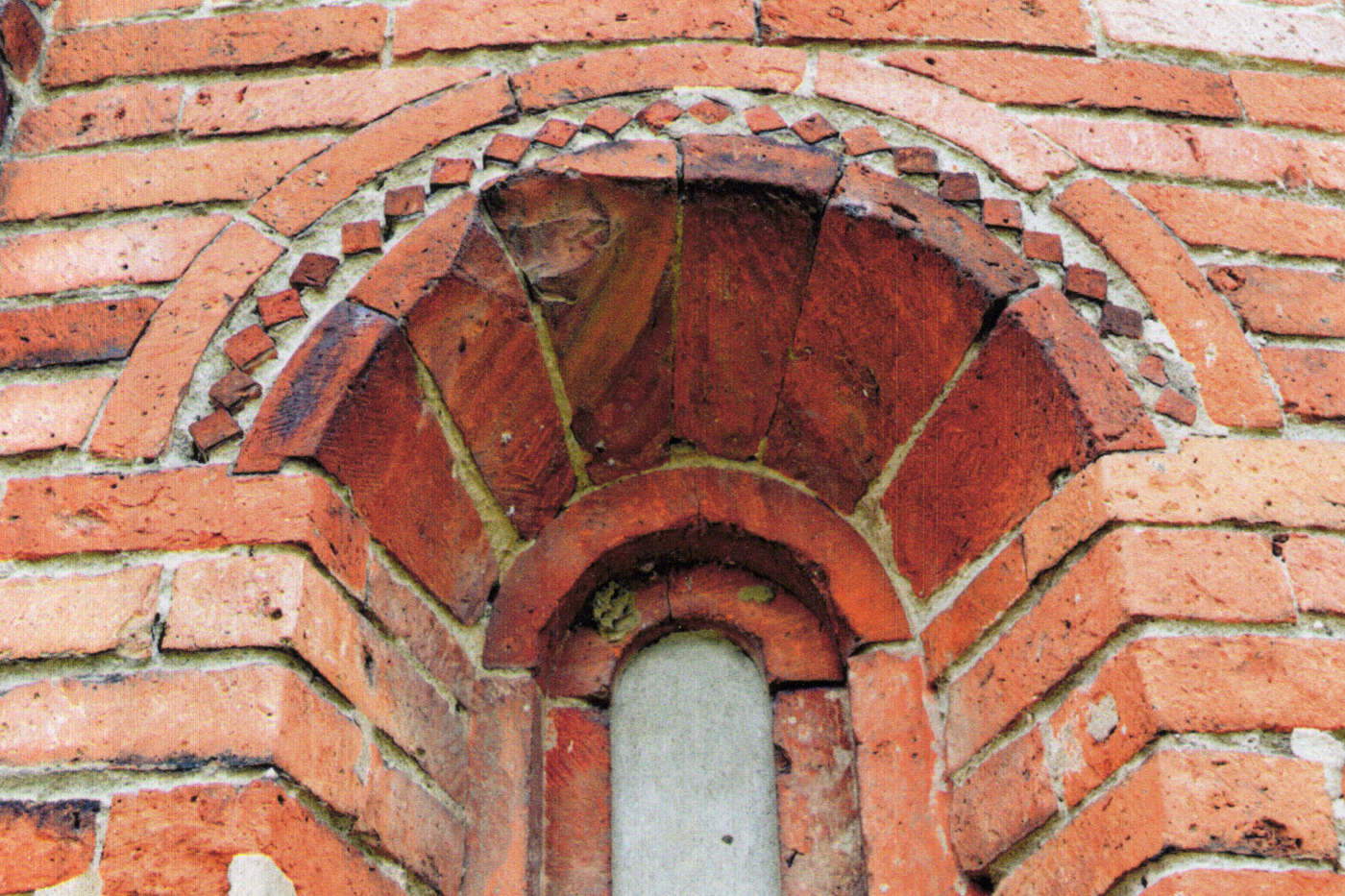
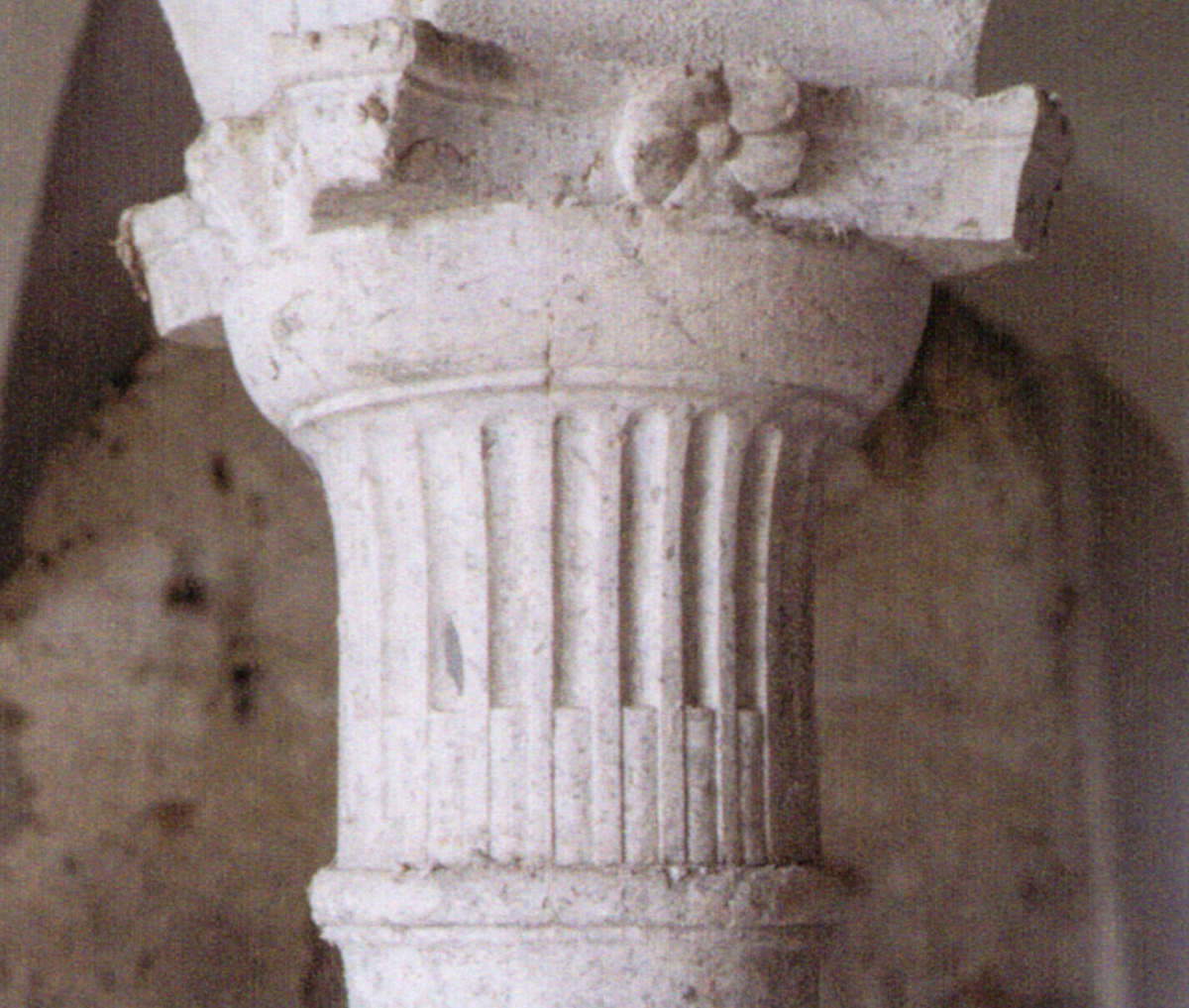
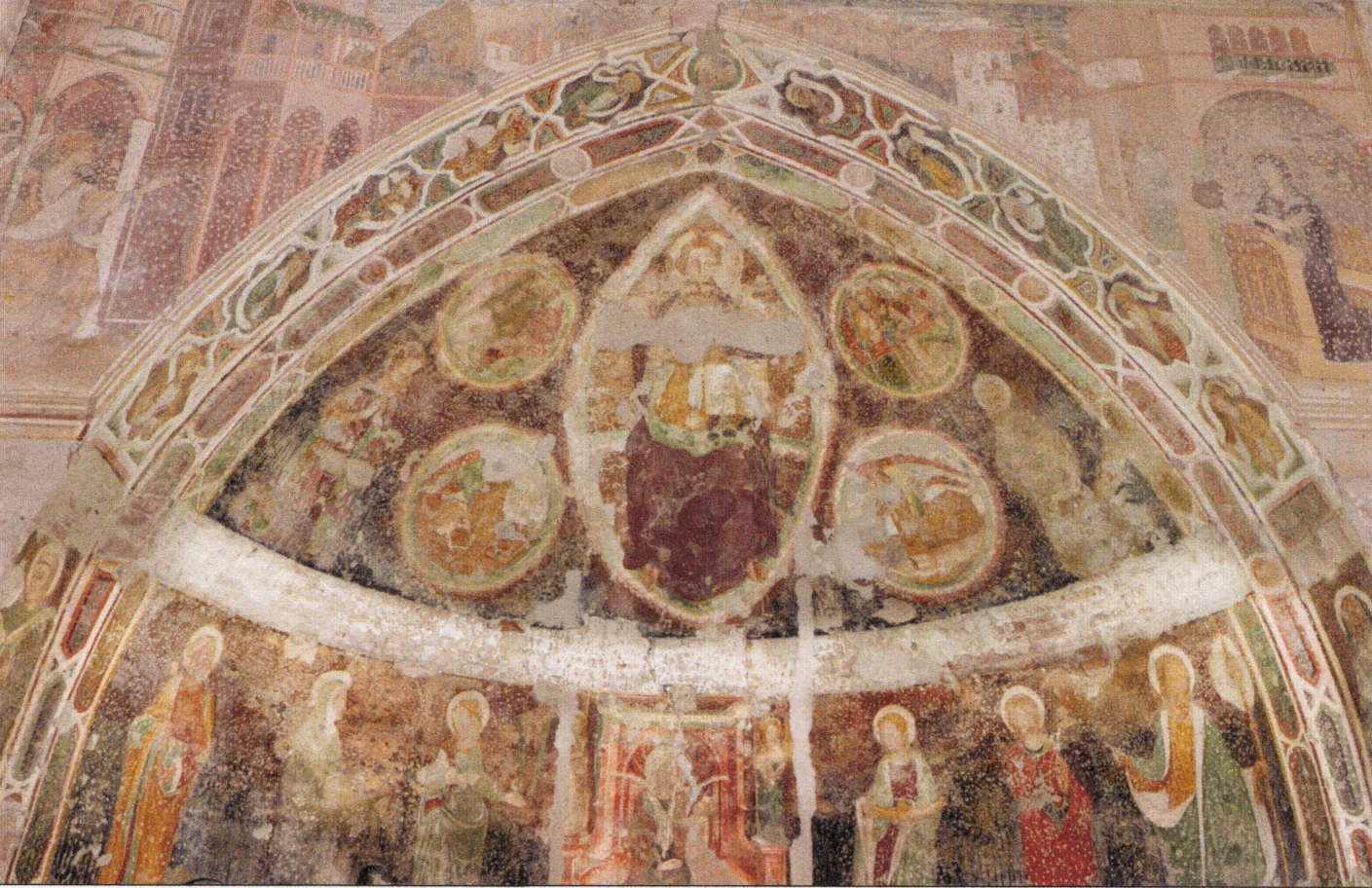
Special mention must be made of the solidarity shown by numerous friends and volunteers. The entire project was carried out with the archival and art-historical guidance of Professor Paolo Piva. The test excavations were conducted by Simone Sestito and Alberto Manicardi with their invaluable team of collaborators, always under the watchful eye of the Superintendency of Cremona-Lodi and Mantua: thus, the strata and artifacts have been photographed and drawn with meticulous documentation. The other contributors, true specialists in their fields, were Dario Gallina, Andrea Breda, Luca Arioli, M. F. A. Cantatore, Giancarlo Pavesi, and Letizia Ceriati. Professor Piva has analyzed every stylistic aspect, particularly the late Gothic and Gonzaga frescoes in the interior; he asserts that the existing building is, in essence, a 12th-century (second half) Romanesque church with an apsidal nave, built on the site of a pre-existing church.


The publication concludes with Oriana Caleffi’s loving and meticulous chapter on the popular worship and devotion that remain alive among the local population to this day, where one can still see, in photographs, the part of the cloister that was demolished in the early decades of the 20th century. The invitation to visit Santa Maria di Valverde—after taking in the masterpieces of Correggio, Begarelli, and Giulio Romano in San Benedetto Po—remains imbued with poignant emotion. And in the silence of one’s thoughts, one can once again hear the melodious chanting of the monks at work… benedictus Dominus Deus Israel.
Warning: the translation into English of the original Italian article was created using automatic tools. We undertake to review all articles, but we do not guarantee the total absence of inaccuracies in the translation due to the program. You can find the original by clicking on the ITA button. If you find any mistake,please contact us.