



by Redazione 19/10/2026


Categories: Archaeology / Disclaimer
The so-called Villa of Cicero, which was explored in 1748 and later reburied, has been investigated using ground-penetrating radar, magnetometry, and other non-invasive technologies. Initial results indicate that the architectural remains are more extensive than previously thought.


What lies hidden beneath the green hill of Cicero’s Villa, one of the most important sites from the early archaeological explorations of Pompeii, where orchards and vineyards now grow? New geophysical surveys, conducted in June 2026 without resorting to excavations, indicate that the remains of the complex are more extensive than previously thought. The preliminary results were publishedin the E-Journal of the Pompeii Excavations.

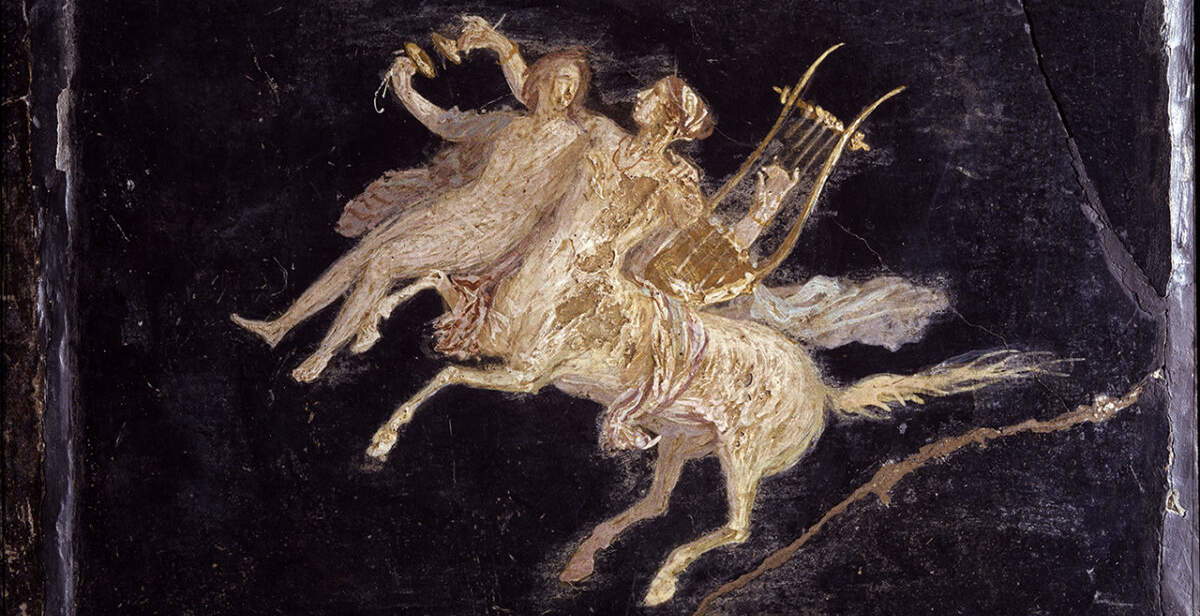
Located outside Porta Ercolano, the villa was first explored in 1748, during the initial campaigns sponsored by the Bourbon court, and was investigated again in subsequent years, up until 1779. Its attribution to Cicero has no basis, but the decorations discovered there contributed to the rediscovery of ancient art and the spread of Neoclassicism in Europe. Frescoes and mosaics from the complex are now on display at the National Archaeological Museum of Naples. Among its distinguished visitors was Johann Winckelmann, who in 1764 was struck by the frescoes depicting dancers.


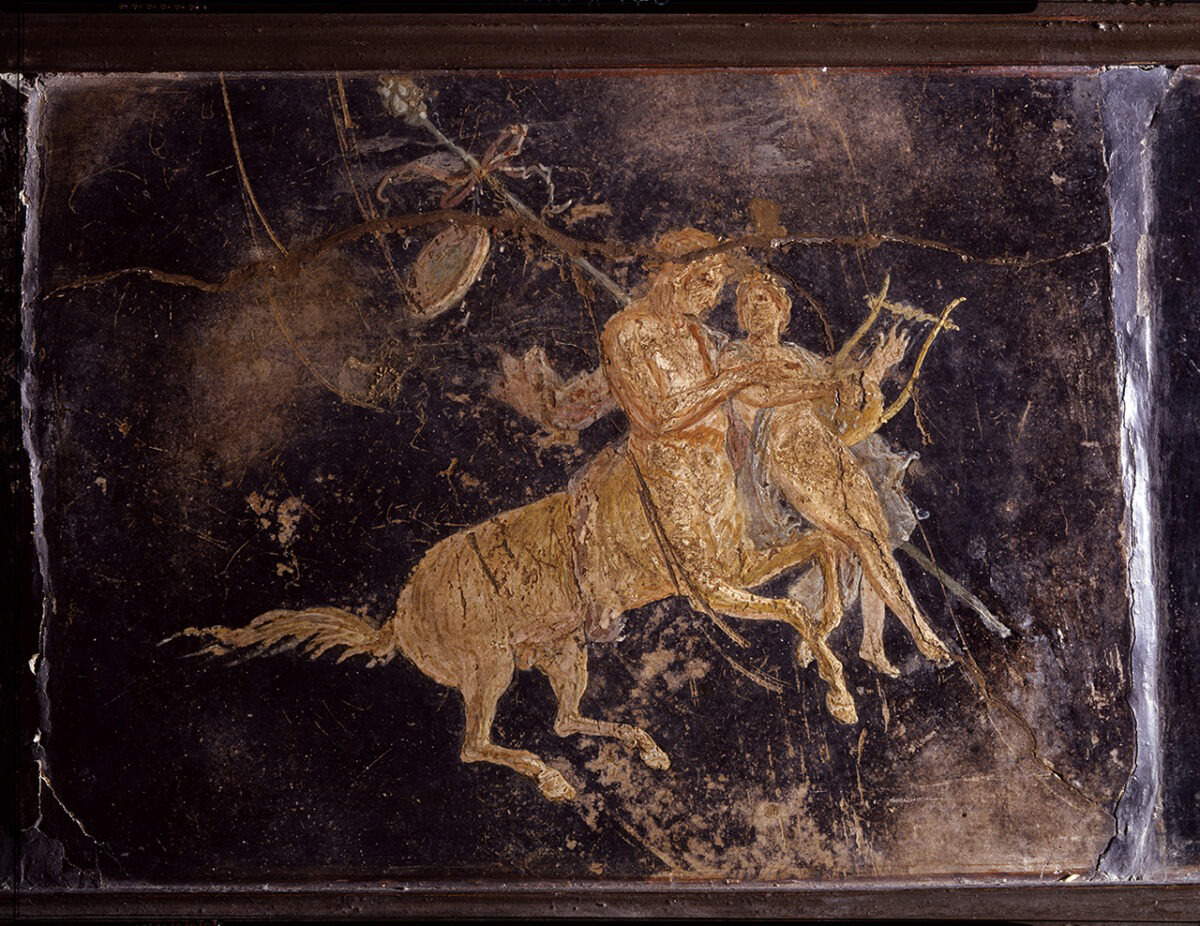
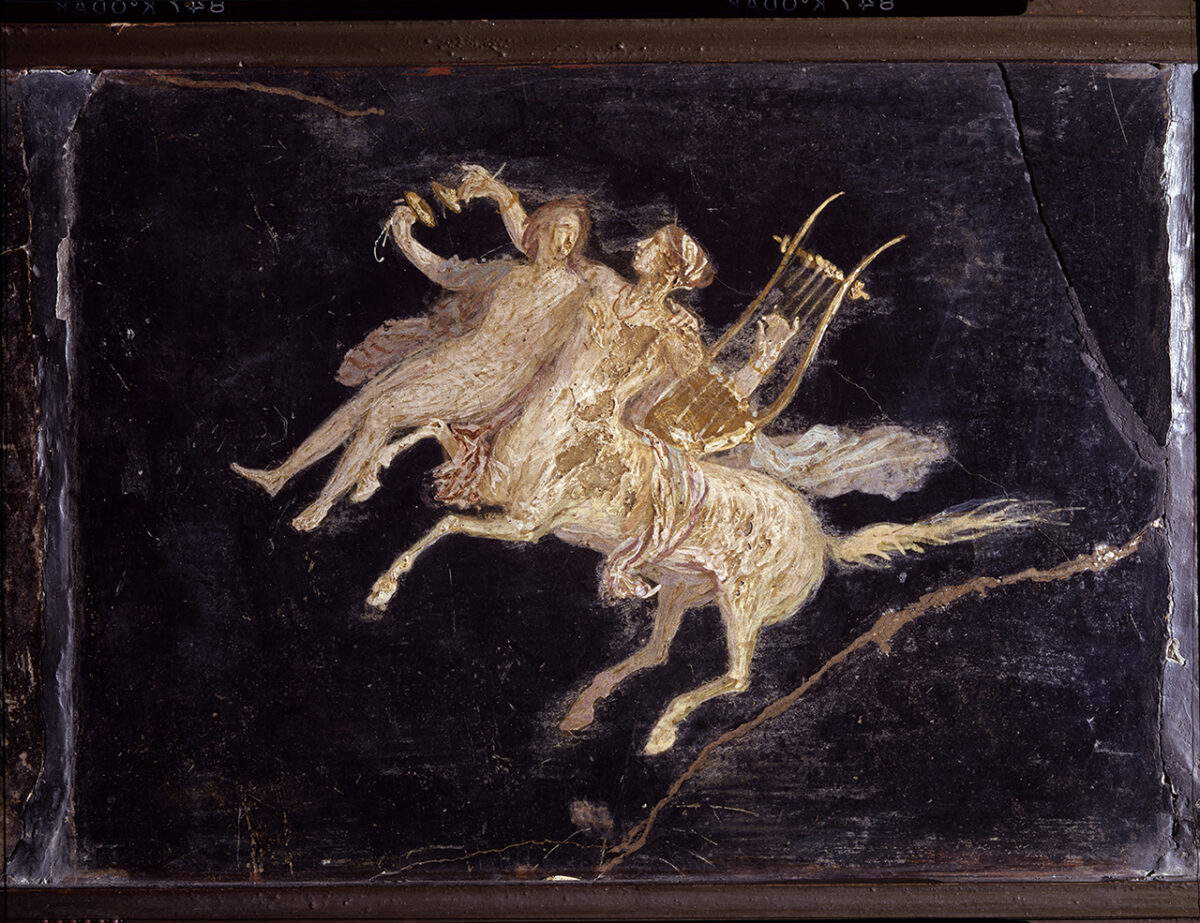
The villa fell into obscurity after being explored through large pits, trenches, and tunnels. Once the artifacts deemed most valuable had been removed, the building was reburied. Today, the site is covered by a green hill within the Archaeological Park of Pompeii, used for orchards and vineyards as part of the Pompeii Farm project. Unlike other 18th-century excavations, however, the explorations of the villa are documented by diaries and historical floor plans.

The “Villa of Cicero” project, led by Ivo van der Graaff of the University of New Hampshire and John Clarke of the University of Texas at Austin, also involves the Edith O’Donnell Institute of Art History at the University of Texas at Dallas, the Custard Institute for Spanish Art and Culture at Southern Methodist University, and the Archaeological Park of Pompeii. The goal is to digitally reconstruct the villa, the surrounding landscape, and its original decorative elements.
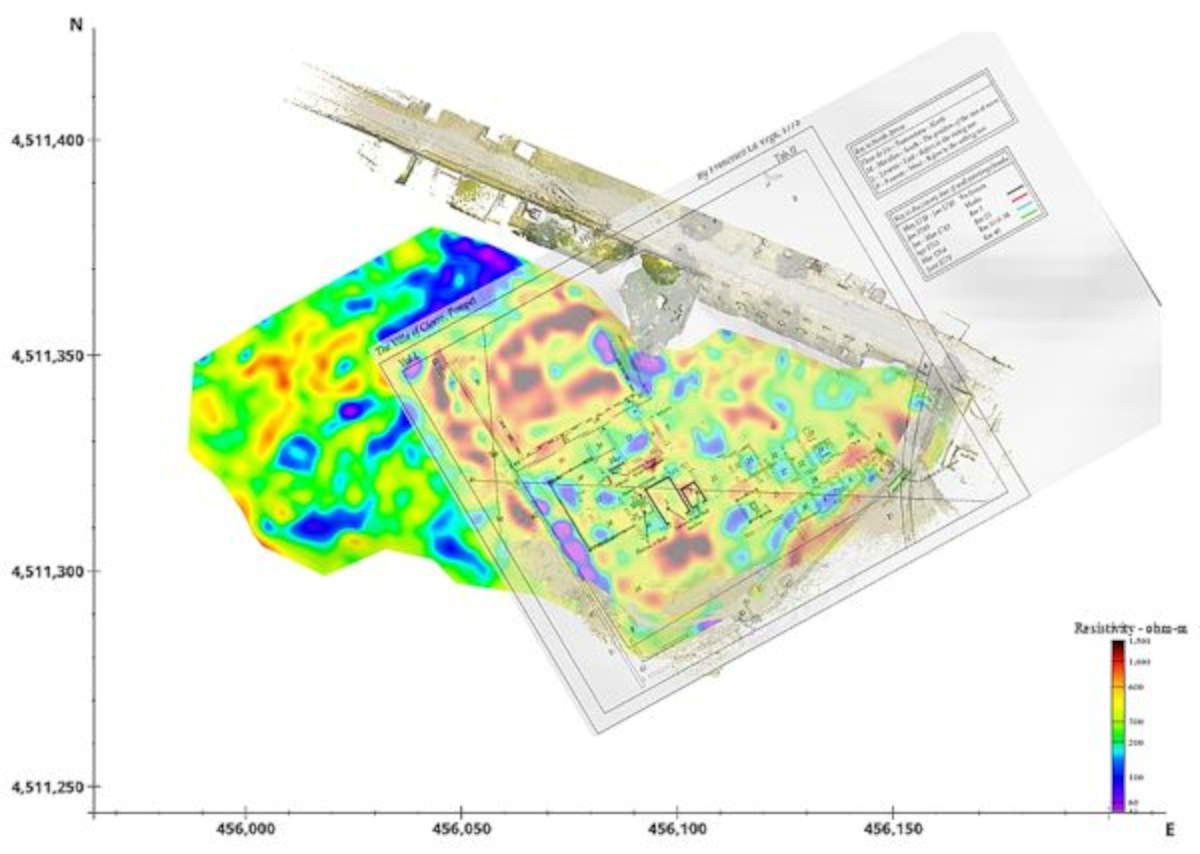
The investigations utilized ground-penetrating radar, electrical resistivity tomography, magnetometry, and LiDAR technology. The anomalies identified can be attributed both to buried structures and to earlier Bourbon-era explorations, and they allow for the verification and supplementation of the preserved floor plans. The results represent a first step toward a more precise reconstruction of the complex’s extent and layout, which is believed to have been larger and more sumptuous than other suburban villas in Pompeii, such as the Villa of the Mysteries and the Villa of Diomedes.
“It’s the only chance we have left,” explains the director of Pompeii, Gabriel Zuchtriegel, “to fully understand the Bourbons’ excavation method by comparing the documentation from that era with what remains on site. That’s why this is a unique archaeological site. Understanding Cicero’s villa means solving a mystery that concerns nearly the entire ancient city of Pompeii: we find traces of the earliest explorations almost everywhere, but we almost never have historical records that help us better understand exactly what happened and when. Here, however, we have fairly detailed documentation. There is, therefore, still much to investigate and understand: we will need to assess what the next steps might be, taking into account the delicate balance between excavation and the preservation of Pompeii’s immense heritage.”
 |
| Pompeii: What Lies Beneath the Hill of Cicero’s Villa? New Investigations Reveal the Truth |
Warning: the translation into English of the original Italian article was created using automatic tools. We undertake to review all articles, but we do not guarantee the total absence of inaccuracies in the translation due to the program. You can find the original by clicking on the ITA button. If you find any mistake,please contact us.