




by Redazione 15/10/2026



Categories: Archaeology / Disclaimer
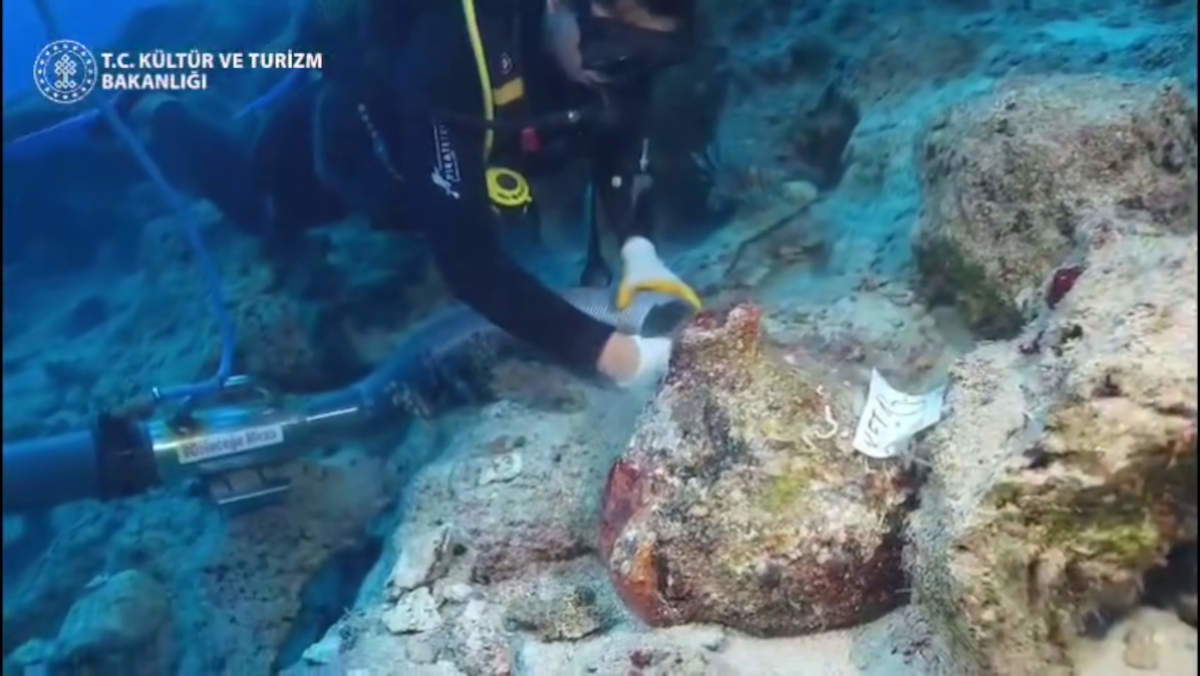
Turkish Minister Mehmet Nuri Ersoy announced the discovery of 4,700-year-old amphorae during underwater excavations at Kekova, and presented the find as evidence of the world’s oldest shipwreck. The artifacts offer new insights into ancient trade in the eastern Mediterranean.


Underwater excavations conducted in Kekova, on Turkey’s Mediterranean coast, have unearthed amphorae dating back approximately 4,700 years. Turkish Minister of Culture and Tourism Mehmet Nuri Ersoy presented the findings on social media as evidence of the world’s oldest shipwreck.


The recovered amphorae may have been used to transport olive oil or wine. Analysis of the clay suggests that the amphorae were produced in workshops located in the Jordan Valley. The discovery of similar specimens in Egypt, Troy, and Crete provides further evidence for reconstructing the trade networks that connected different territories via the eastern Mediterranean routes, thereby also fostering cultural interactions.


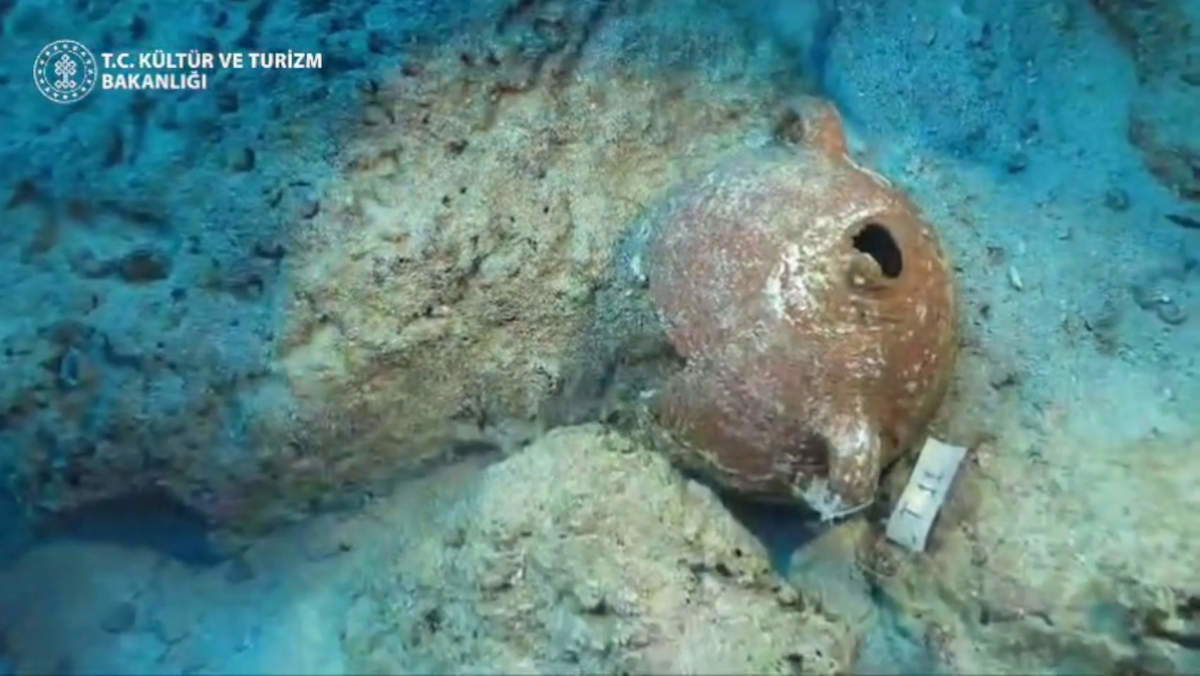
Among the artifacts is an amphora featuring nine distinct markings and two holes in its body. According to one hypothesis, the vessel may have been used as a churn for making cheese or butter. This possible function would suggest that sailors were able to prepare certain foods during their voyages, offering new avenues of research into the habits and organization of life aboard ancient ships.


Ersoy emphasized the importance of the new evidence for furthering our understanding of Anatolia’s maritime history and reaffirmed the commitment to protecting submerged cultural heritage and passing it on to future generations. Finally, the minister expressed his appreciation to Associate Professor Hakan Öniz, the scientific director of the excavations, and to all members of the research team.
 |
| Turkey: 4,700-Year-Old Amphorae Resurface from the Sea—Is This the World's Oldest Shipwreck? |
Warning: the translation into English of the original Italian article was created using automatic tools. We undertake to review all articles, but we do not guarantee the total absence of inaccuracies in the translation due to the program. You can find the original by clicking on the ITA button. If you find any mistake,please contact us.