



by Redazione 05/11/2026


Categories: Exhibitions / Disclaimer
At the Gallerie d’Italia, 73 works trace the careers of two female artists who captivated European courts and academic institutions, establishing themselves in a male-dominated art world. The exhibition also focuses on their relationship with Naples and the Bourbon court.

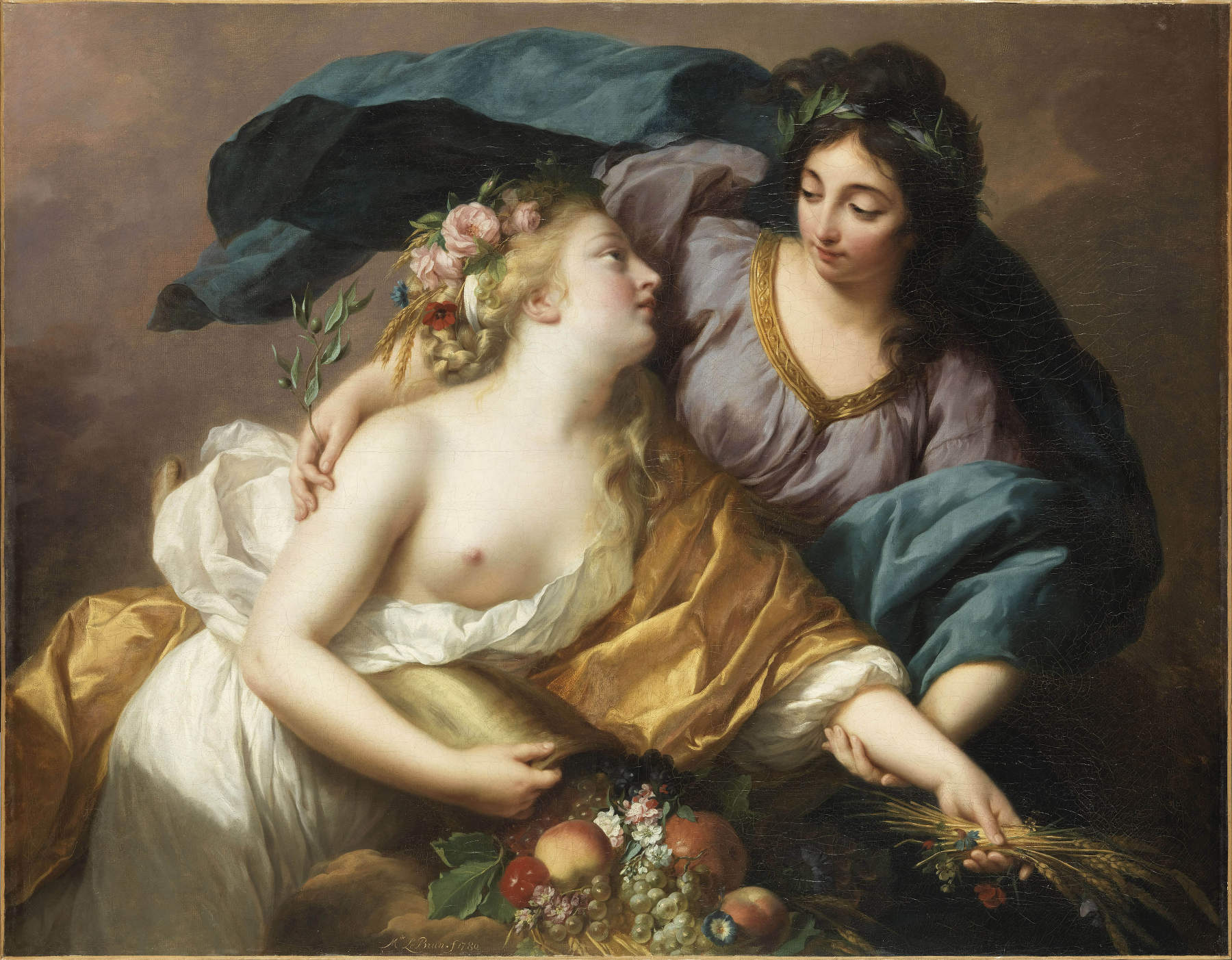
From November 6, 2026, to March 7, 2027, the Gallerie d’Italia in Naples will host “Angelica and Élisabeth: The Age of Women Painters,” an exhibition dedicated to Angelica Kauffmann (Chur, 1741 – Rome, 1807) and Élisabeth Louise Vigée Le Brun (Paris, 1755 – 1842), two leading figures in 18th-century European painting who forged international careers in an art world that was still predominantly male. The exhibition, organized by Intesa Sanpaolo under the patronage of the City of Naples and in collaboration with the Accademia Nazionale di San Luca ETS, is curated by Francesco Leone, Fernando Mazzocca, and Elisabetta Rasy.


For the first time, the lives and works of the two artists are compared through an exhibition featuring 73 works—including paintings, drawings, engravings, and sculptures—drawn from major Italian and international public and private collections. Among the lenders are the Uffizi Galleries, the Musée du Louvre, the Capitoline Museums, the National Portrait Gallery in London, the National Academy of San Luca, the Liechtenstein – The Princely Collections, the Capodimonte Museum and Royal Park, the National Museum of Women in the Arts in Washington, the Musée des Beaux-Arts in Rouen, and the Pilotta National Gallery in Parma.


Cultured, independent, and cosmopolitan, Kauffmann and Vigée Le Brun won the favor of European courts and an international clientele, achieving a level of professional and social recognition that was uncommon for women of their time. Their career paths share similarities but also substantial differences, linked to their training, sensibilities, and, above all, their artistic choices.

A key point of comparison is provided by the two self-portraits from the Uffizi Galleries: that of Vigée Le Brun, painted in 1789 and donated by the artist herself, and that of Kauffmann, dated 1787. These works introduce one of the exhibition’s central themes: the conscious way in which both artists constructed and managed their public image, using it as a tool for professional success and social legitimacy.
Naples is a significant setting for exploring their stories. During the 18th century, the city was one of the main destinations of the Grand Tour and a meeting place for European artists, intellectuals, and collectors. Both painters worked, at different times, for the Bourbon court, engaging with the same circles and leading figures of Neapolitan society.
Among the works on display is Kauffmann’s *Study for the Portrait of King Ferdinand IV of Naples and His Family*, from the Princely Collections of Liechtenstein. Also on display are portraits by Vigée Le Brun of the Bourbon princesses Maria Cristina of Bourbon, Princess of the Two Sicilies, depicted picking roses in a garden, and Maria Teresa Carolina Giuseppina of Bourbon, Princess of the Two Sicilies and future Empress of Austria, both housed at the Capodimonte Museum and Royal Park. This collection allows visitors to observe how the two artists offered different interpretations of the royal family and the society of their time. Kauffmann is also credited with a conception of the family portrait that emphasizes nature, affection, and the moral values of the Enlightenment.
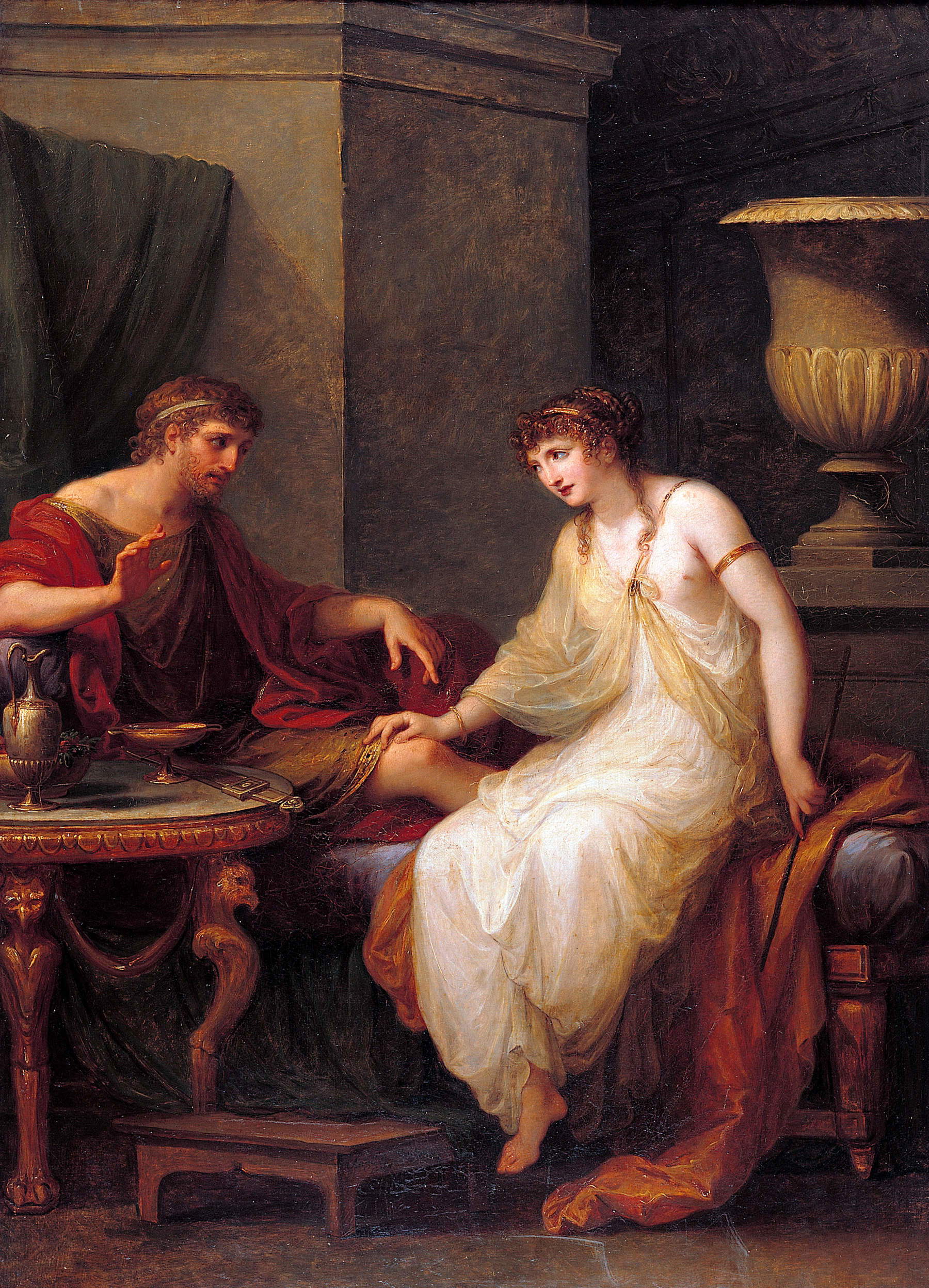
Differences also emerge in the choice of pictorial genres. Born in Chur (Switzerland) in 1741, Angelica Kauffmann was a versatile artist, active in portraiture, religious painting, allegory, and above all history painting, considered the highest genre in the academic hierarchy. Her philosophical, literary, and musical education, combined with her knowledge of several languages, enabled her to tackle subjects drawn from mythology, ancient and modern history, and literature—from Homer to Shakespeare.
Vigée Le Brun, born in Paris in 1755, focused her work primarily on portraiture, developing a unique ability to interpret the personalities of her subjects while simultaneously shaping their public image. Her career was marked above all by her relationship with Marie Antoinette, for whom she became one of the principal portraitists, and by her ability to secure commissions from various European courts and aristocratic families.
Both managed to gain admission to academic institutions traditionally closed to women. Kauffmann was, along with Mary Moser, the only woman among the founding members of the Royal Academy in London, while Vigée Le Brun was admitted to the Académie Royale de Peinture et de Sculpture in Paris.
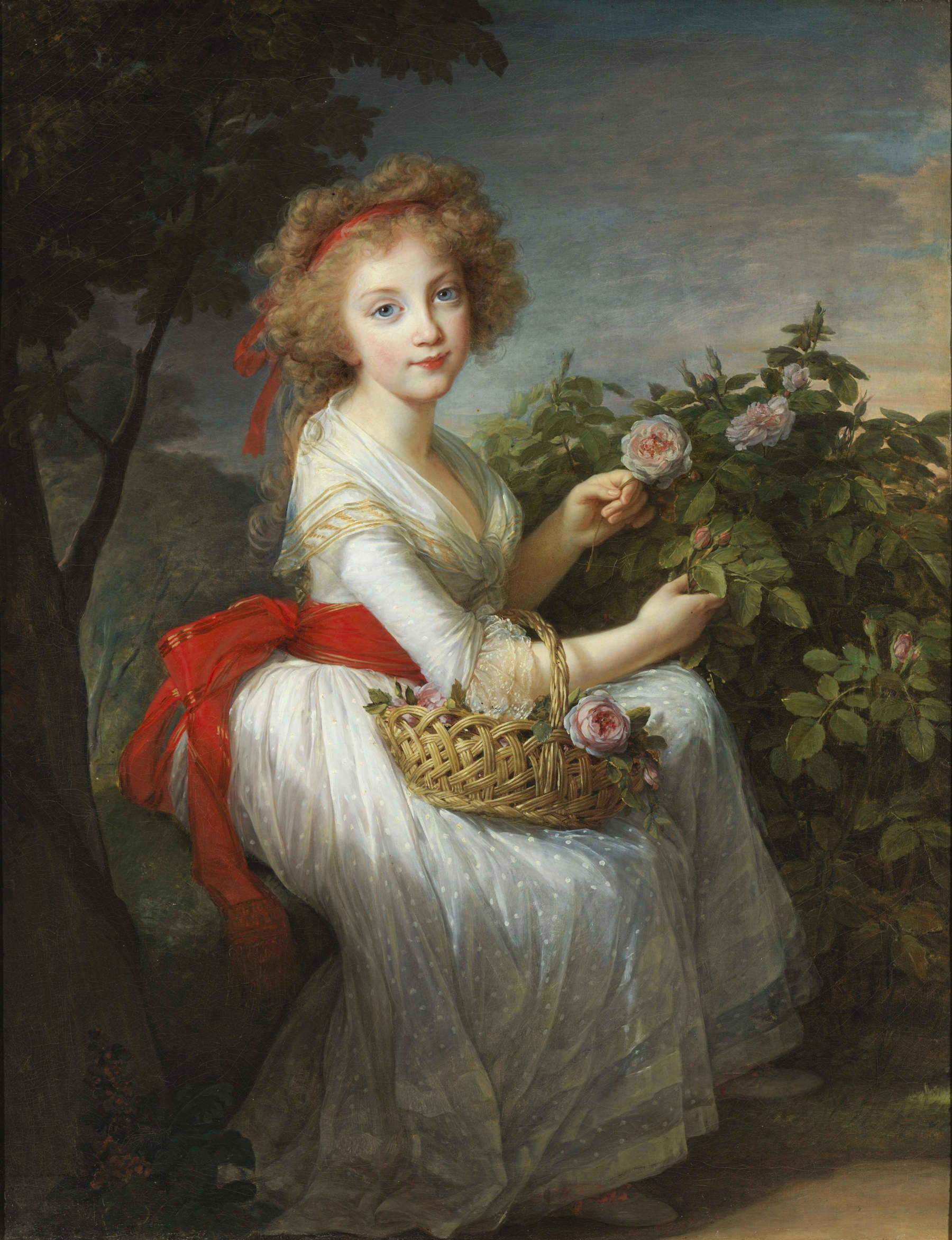
An important chapter in their careers concerns the two painters’ stays in Italy. For Vigée Le Brun, the period between 1789 and 1792 marked a turning point, following her departure from France at the outbreak of the Revolution. In Italy, she managed to rebuild her network of patrons, was admitted to the Academy of San Luca in Rome and the Academy of Parma, and found one of her main points of reference at the Neapolitan court, where she worked for Maria Carolina, Marie Antoinette’s sister. During her stay, she also came into contact with leading figures of the Grand Tour culture, intellectuals, and musicians, including Carlo Gastone della Torre di Rezzonico and Giovanni Paisiello. Her career subsequently continued in Vienna, St. Petersburg, and Berlin, where she was admitted to the respective Academies of Fine Arts and continued to work for monarchs and aristocrats.
For Kauffmann, too, Italy was the center of her artistic experience. After staying in Milan, Bologna, and Florence, she settled permanently in Rome in 1781. There, her studio and salon became important gathering places for European artists, intellectuals, and collectors. Among the figures with whom she maintained relationships were Johann Wolfgang Goethe and Antonio Canova, to whom she was particularly close. The exhibition also features the Portrait of Antonio Canova with the model of “Hercules in a Rage Throws Lica into the Sea, ” a testament to the relationship between these two leading figures of late 18th-century Roman artistic culture.
The exhibition also explores the sources that have helped preserve the memory of the two artists. For Vigée Le Brun, her famous *Souvenirs* and her correspondence—in which her stay in Naples features prominently—are of particular significance. For Kauffmann, on the other hand, contemporary documentation allows us to reconstruct the prestige she achieved in European cultural circles and her international success.
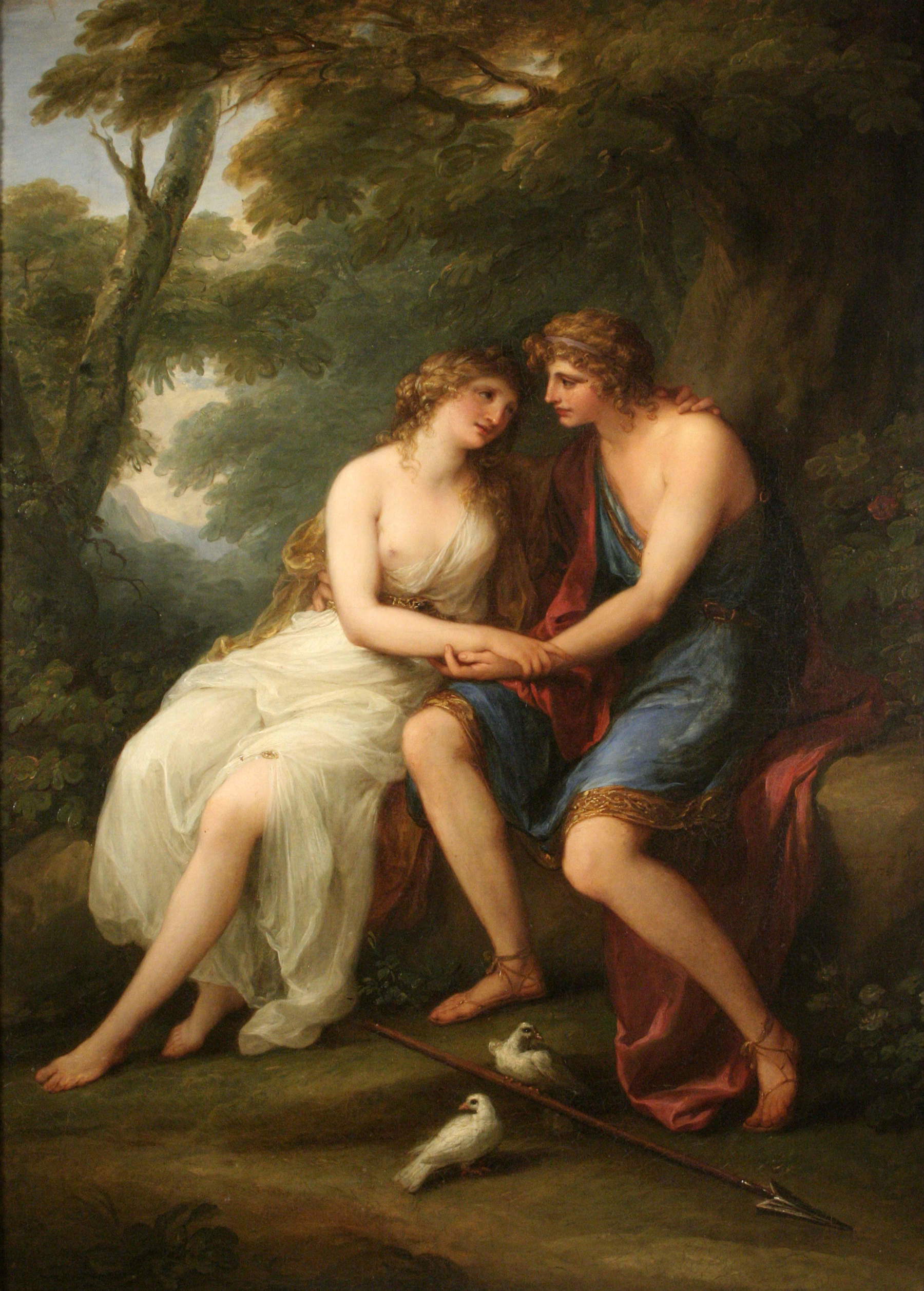
Finally, the comparison extends to the broader presence of women painters between the 18th and early 19th centuries. Alongside the two main figures, works by Adélaïde Labille-Guiard, Sofia Clerk Giordano, Maria Callani, Adèle Romanee, Marie-Geneviève Bouliard, Marie Guilhelmine Benoist, and Constance Mayer—artists who managed to establish themselves in a system still characterized by male dominance.
*Angelica and Élisabeth: The Age of Women Painters* is part of the Gallerie d’Italia in Naples’ program dedicated to the presence of women in art history, building on the previous exhibition featuring female artists active in 17th-century Spanish Naples. The project thus offers a reflection on the role of women in society and in the art world between the 18th and early 19th centuries, through two professional trajectories that illustrate the transformations of modern Europe. The catalog is published by Società Editrice Allemandi.
The Naples location is part of Intesa Sanpaolo’s Gallerie d’Italia museum project, alongside the locations in Milan, Turin, and Vicenza. The project is led by Michele Coppola, Executive Director of Art, Culture, and Historical Heritage at Intesa Sanpaolo and General Director of the Gallerie d’Italia.
“The Gallerie d’Italia,” says Michele Coppola, Executive Director of Art, Culture, and Historical Heritage at Intesa Sanpaolo, “continue our mission to highlight the great figures of art history by bringing, for the first time to Naples, an exhibition dedicated to Angelica Kauffmann and Élisabeth Vigée Le Brun, two extraordinary artists who made their mark on the European art scene of their time. Thanks to the contributions of leading scholars and our collaboration with prestigious institutions, such as the Accademia Nazionale di San Luca, we are presenting an exhibition of great scholarly value, enriched by exceptional loaned works. This reaffirms the role of Gallerie d’Italia in fostering dialogue among international institutions, thereby contributing to the cultural vitality of Naples.”
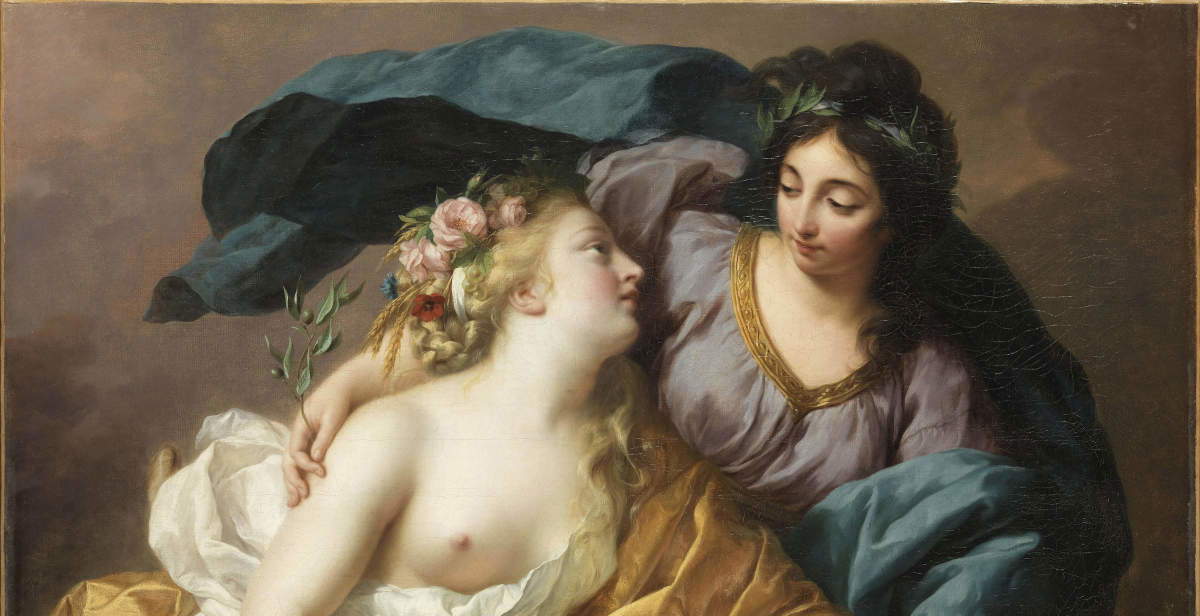 |
| Angelica Kauffmann and Élisabeth Vigée Le Brun: A Comparison of Two Great 18th-Century Painters in Naples |
Warning: the translation into English of the original Italian article was created using automatic tools. We undertake to review all articles, but we do not guarantee the total absence of inaccuracies in the translation due to the program. You can find the original by clicking on the ITA button. If you find any mistake,please contact us.