




by Redazione 15/10/2026



Categories: Exhibitions / Disclaimer
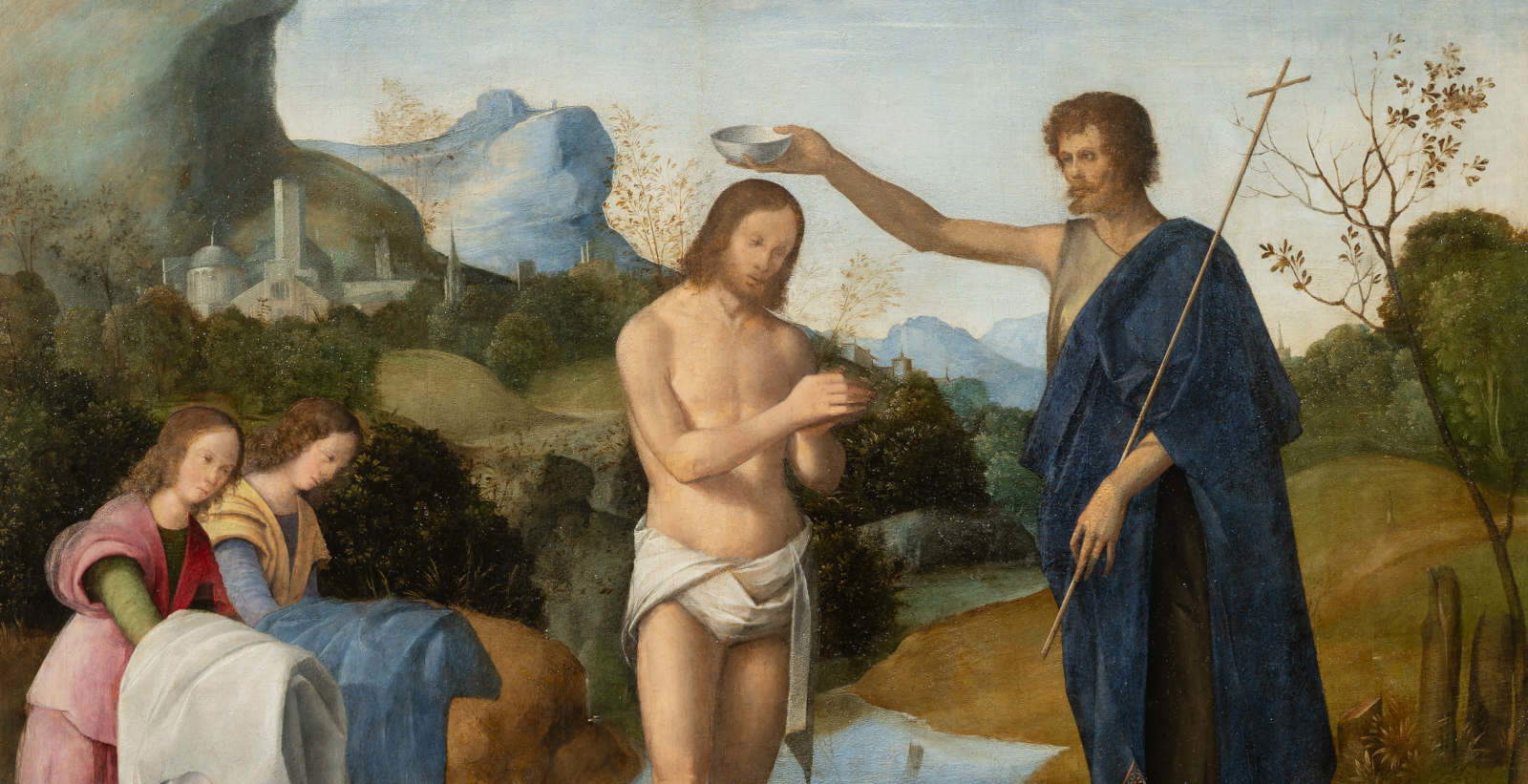
A “Blessing God the Father” and a “Baptism of Christ,” both attributed to Boccaccio Boccaccino, expand the catalog of works by the Cremonese Renaissance painter. The two works will be on display from October 17 to November 29, 2026, as part of an exhibition that once again explores the artist’s pivotal role in Northern Italian painting.


Two virtually unknown paintings by Boccaccio Boccaccino (Ferrara, before 1466 – Cremona, 1525) have come back into the spotlight among scholars and are now set to enrich the body of work of one of the leading figures of the Renaissance in northern Italy. These works form the core of the exhibition *In the Name of the Father: Two Rediscovered Paintings by Boccaccio Boccaccino*, which the Diocesan Museum of Cremona is hosting from October 17 to November 29, 2026. The exhibition brings together the “God the Father Bestowing a Blessing” from the Giulini Giannotti Foundation in Milan—once documented in the collection of the Barbò family of Cremona—and a “Baptism of Christ” from a private collection, which has recently undergone restoration.


The initiative, curated by Francesco Ceretti and Filippo Piazza, continues the research project dedicated to the painter following the monographic exhibition *The Renaissance of Boccaccio Boccaccino*, organized in the fall of 2025. This time, the focus is on two works which, although belonging to different periods of the artist’s career, allow us to revisit some central aspects of his painting and his contribution to the formation of a new figurative culture in Cremona during the early decades of the sixteenth century.


The value of these two panels lies not only in their rarity: their juxtaposition offers an opportunity to observe how Boccaccino processed the influences of some of the leading figures in the artistic culture of his time—particularly Albrecht Dürer and Giorgione— whom he encountered, in a sense, through his pivotal Venetian experience (the comparison of the paintings thus allows us to gain a deeper understanding of an artist who played a decisive role in the renewal of Cremonese painting, influencing the local art scene and helping to transform it in a lasting way).


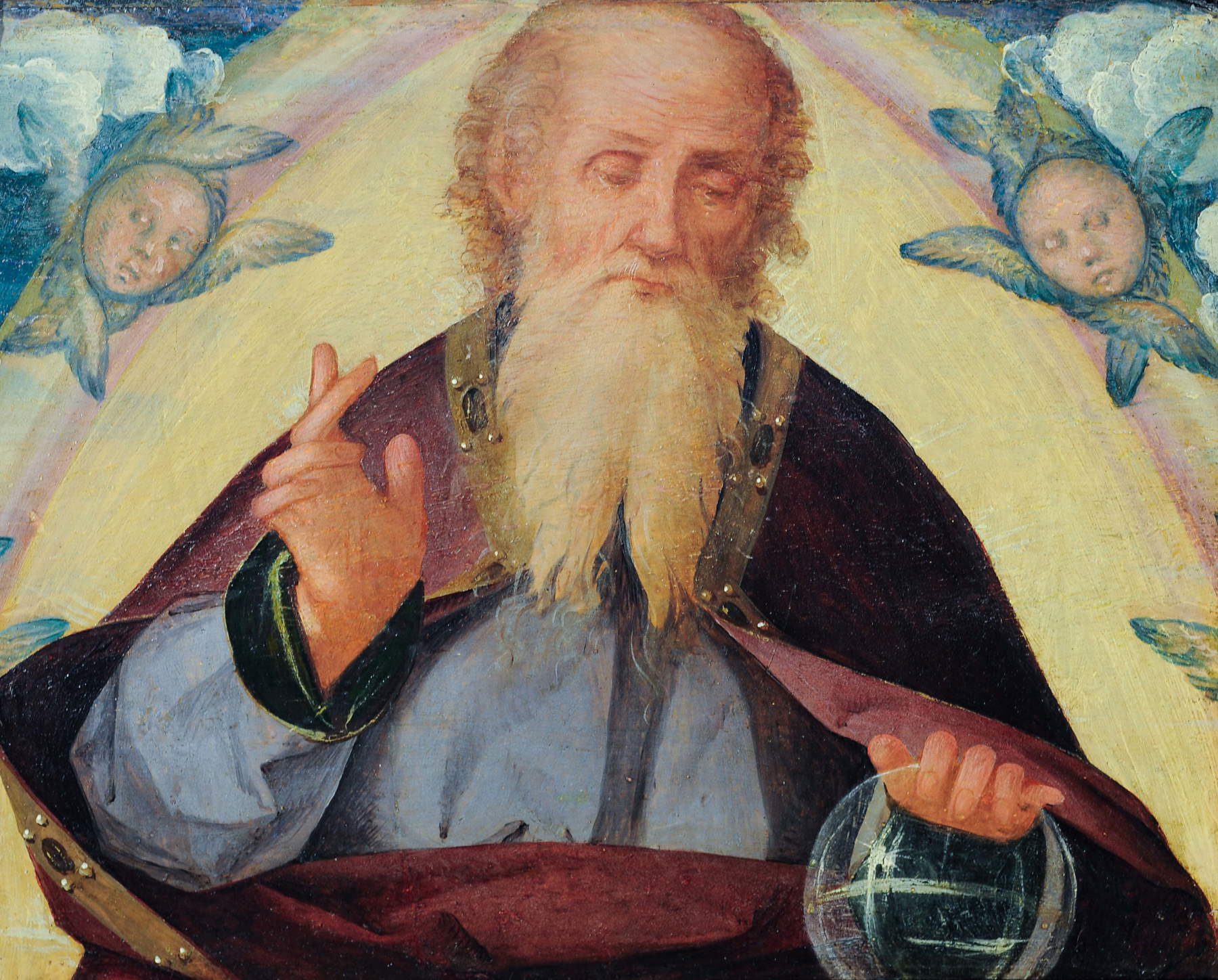
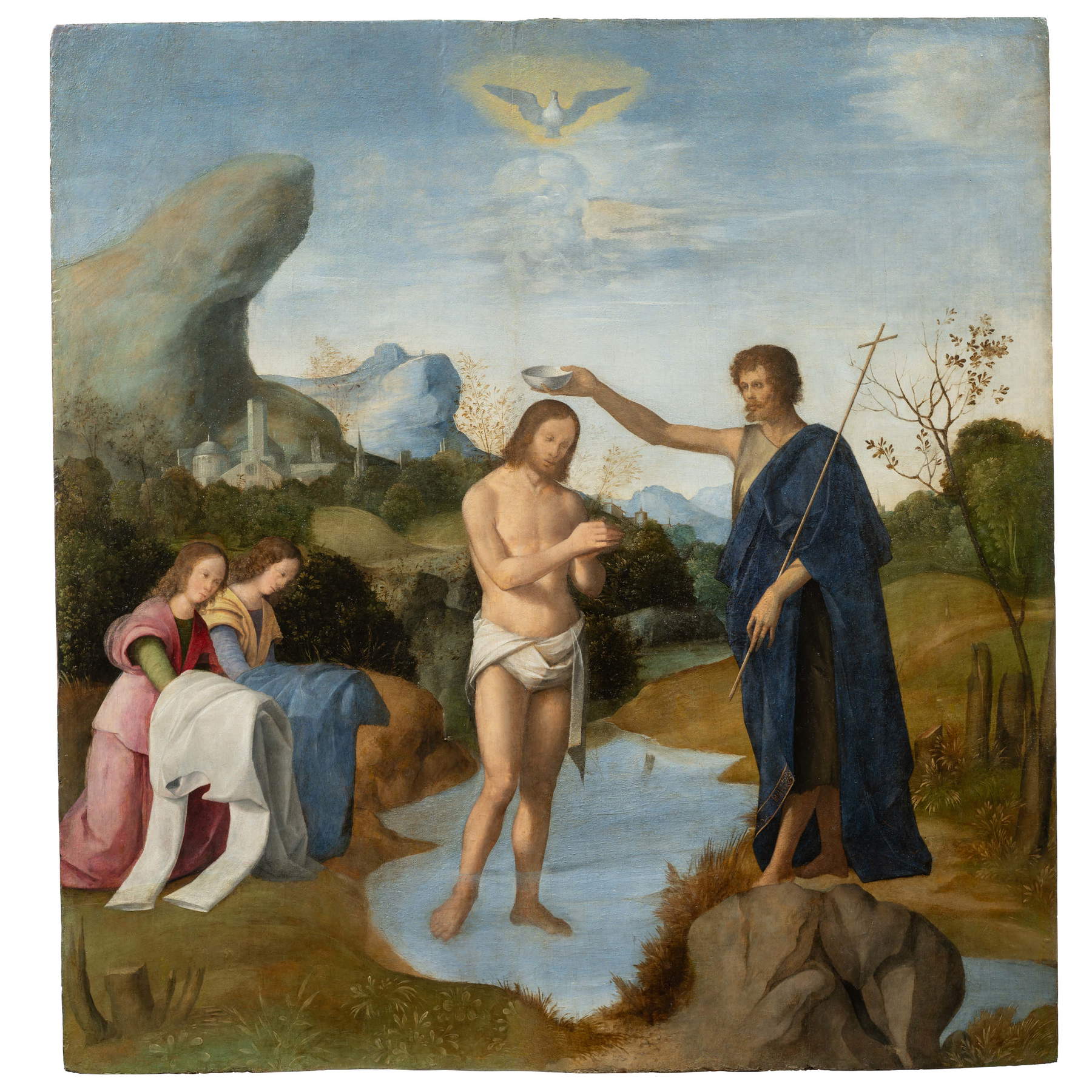
The exhibition’s title, In the Name of the Father, refers first and foremost to one of the two works on display, *God the Father Bestowing a Blessing*, and connects the two paintings through the theme of the representation of the divine. The panel preserved by the Giulini Giannotti Foundation is also linked to the history of collecting in Cremona: its long-standing presence in the Barbò family constitutes a significant element in reconstructing that history, while the new attribution to Boccaccino expands our knowledge of the painter’s career. Next to it, *The Baptism of Christ*, from a private collection, is on display following restoration. The opportunity to examine the two works in the same space allows for a comparison of their figurative approaches and for identifying similarities and differences (since they date from distinct phases of his career, this comparison is particularly useful for tracing the evolution of his artistic language).
Boccaccio Boccaccino is a key figure for understanding Cremonese painting of the early sixteenth century: his work emerged at a time when the movement of artists, models, and ideas was helping to redefine local traditions, connecting them with the major centers of the Italian peninsula. His importance is not limited to the quality of his individual works. Boccaccino also served as a reference point for the development of painting in Cremona, where his artistic language helped pave the way for subsequent artistic endeavors (the curators’ description of him as the “putative father” of a new figurative culture underscores precisely this role: not merely a prominent painter, but a figure capable of influencing the direction of an entire artistic scene).
The exhibition at the Diocesan Museum aims to explore this role in depth through a focused itinerary, built around two works that take on particular significance precisely because they are rare and little known. In a thematic exhibition, focusing on a limited number of paintings allows for a closer examination of their history, their place within the artist’s body of work, and the challenges posed by their interpretation. In this case, the comparison concerns not only two religious paintings but also two distinct phases in Boccaccino’s artistic development and the way in which the influences of the figurative culture of the time were assimilated and reinterpreted.
The project is also part of the Diocesan Museum’s ongoing engagement with the city’s artistic heritage. Its permanent collections include four works by Boccaccio Boccaccino, which, during the exhibition period, will enter into an ideal dialogue with the two temporarily hosted paintings.
A visit can also serve as an opportunity to rediscover the monumental complex in which the museum is located, next to the Torrazzo and Cremona Cathedral. The Cathedral itself houses one of the most important painting cycles of the Italian sixteenth century, initiated by Boccaccio Boccaccino himself: a tangible testament to the bond between the artist and the city, as well as to the role his painting played in shaping Cremona’s figurative identity.
 |
| Boccaccio and Boccaccino: Two Rediscovered Paintings on Display at the Diocesan Museum of Cremona |
Warning: the translation into English of the original Italian article was created using automatic tools. We undertake to review all articles, but we do not guarantee the total absence of inaccuracies in the translation due to the program. You can find the original by clicking on the ITA button. If you find any mistake,please contact us.