





Two Tyrannosaurus rex skeletons will face off inside the Mole Antonelliana, transforming the “Aula del Tempio” at the National Cinema Museum in Turin: this is the centerpiece of “T. rex vs. T. rex.” From fossils to icons of cinema, the exhibition runs from November 19, 2026, to January 31, 2028.
The exhibition was conceived to tell the extraordinary story of a creature that disappeared over 60 million years ago yet remains one of the most recognizable figures in contemporary visual culture. Thanks to a collaboration with the Arezzo-based gallery Theatrum Mundi, directed by Luca Cableri, the museum will be able to present two T. rex fossils, accompanied by a selection of materials provided by the gallery itself.
The project connects two seemingly distant dimensions: the Earth’s deep time, reconstructed through paleontological findings, and the time of cinema, made up of images, movement, sounds, and special effects. The two dinosaurs thus become the starting point and the endpoint of a narrative dedicated to what humans have never been able to observe directly and have had to reconstruct through research and imagination.
The two fossils were discovered in the United States, in the sands of the central states, after more than 60 million years. Their authenticity was certified by paleontologist Peter Larson. This is a particularly rare find, given the limited number of T. rex fossils discovered to date, all of which come from the United States. In Turin, the two skeletons will be displayed in a position evoking a battle, facing each other on a three-meter-high platform designed specifically around the Mole’s panoramic elevator. Surrounding this central core, along the spiral ramp, will be the exhibition curated by Gianni Canova and Stefano Boni, in collaboration with Giaime Alonge. The exhibition will trace the evolution of the dinosaur in cinema and visual culture, showing how the seventh art has transformed an animal known only through fossil records into a creature endowed with movement, voice, character, and dramatic power.
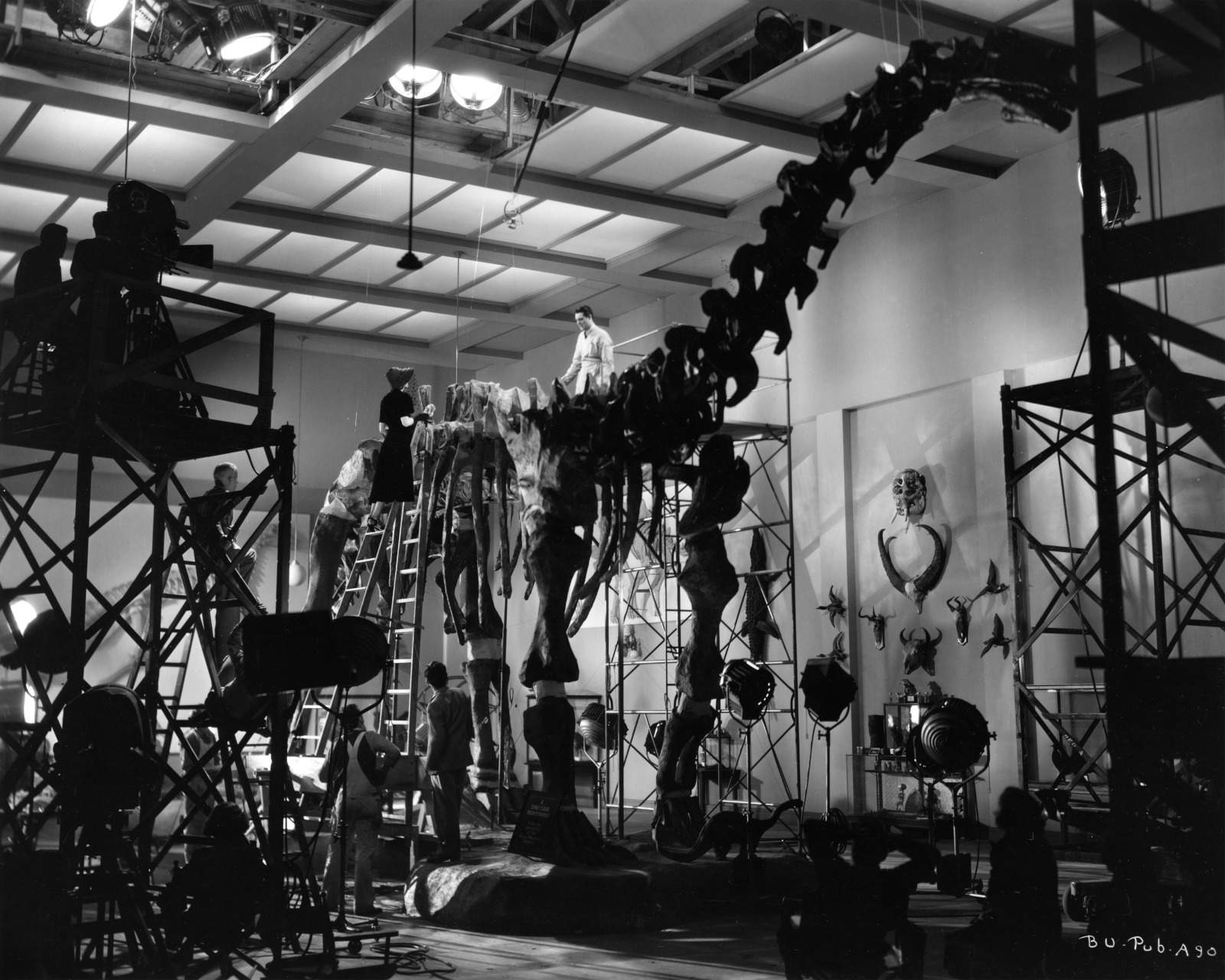
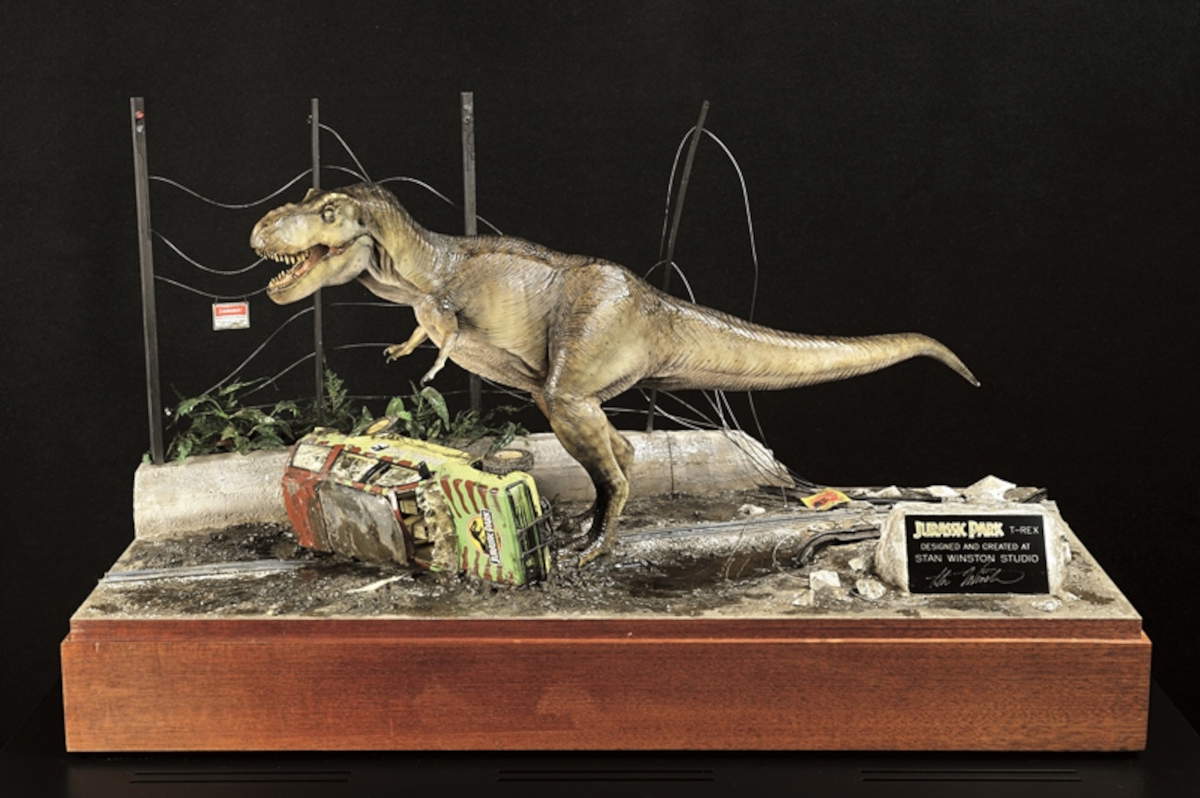
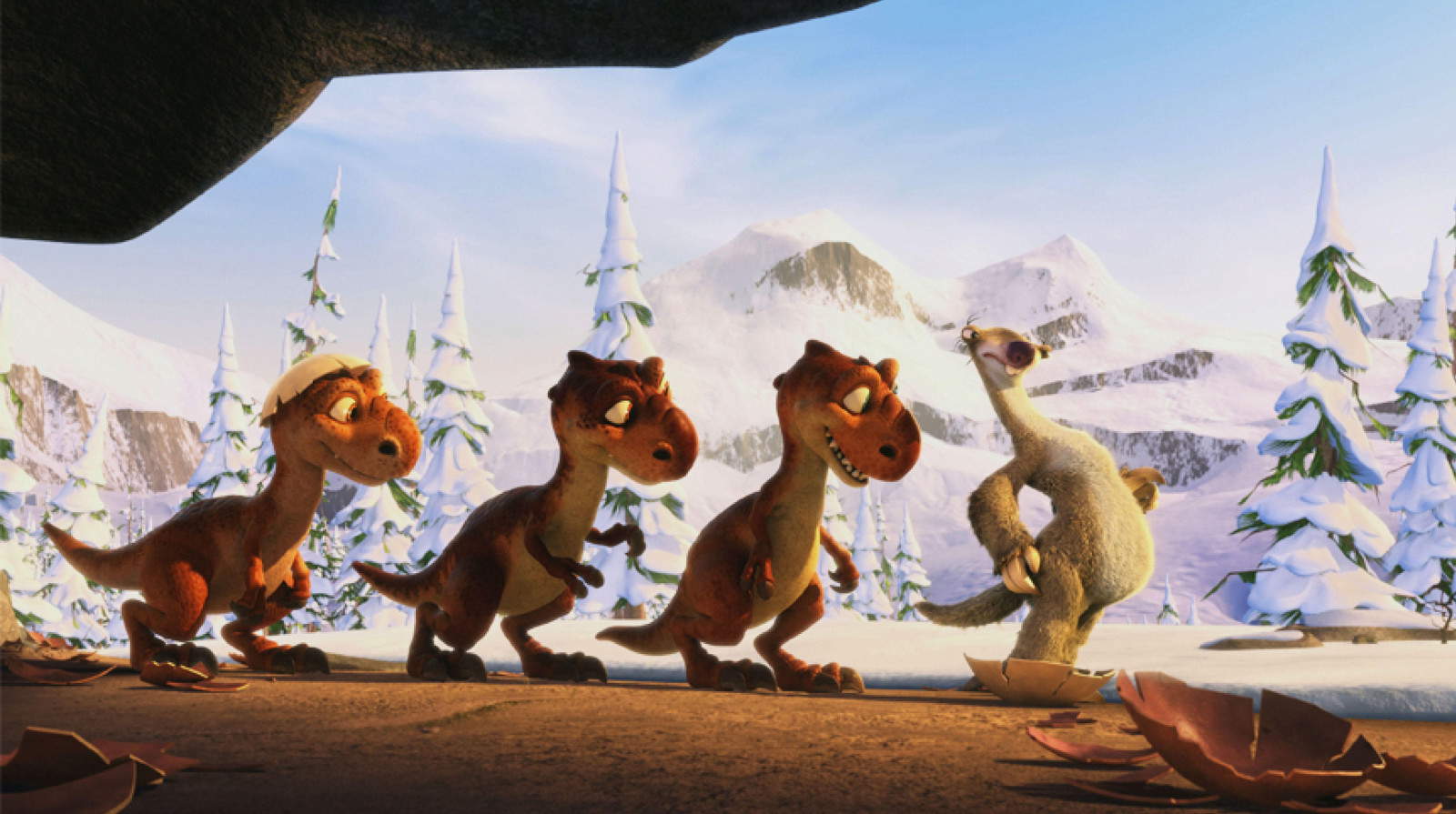
The story begins in the 19th century, with the first depictions of dinosaurs on glass slides for the magic lantern, and extends to contemporary film productions. Through more than a century of images, techniques, and inventions, the exhibition also documents the gradual transformation of special effects. Posters, photographs, screenplays, sketches, storyboards, props, animatronics, original models, toys, and video games will guide visitors on a journey to discover the many lives of the T. rex on the big screen. The dinosaur appears, in turn, as a scientific reconstruction, a monstrous creature, a spectacular attraction, an adventure character, or a pop icon. Its portrayal also reflects the complex relationship between humans and nature and questions the role of technology in the construction of images. The T. rex thus also becomes a metaphor for fear, the desire for knowledge, and the imagination’s ability to give form to what is no longer visible.
The exhibition project is the result of extensive research involving institutions from Europe, America, and Oceania. A significant section will be dedicated to the artists, technicians, and artisans who helped shape the dinosaur’s cinematic image. The exhibition will showcase the pioneering work of Czech director Karel Zeman and the famous stop-motion creatures created by Ray Harryhausen. It will also feature Carlo Rambaldi, the Italian master of special effects and Oscar winner, as well as Glen McIntosh, one of the creators of the creatures in the *Jurassic World* saga.
The exhibition will also feature the ironic and personal interpretations of Bruno Bozzetto and Zerocalcare, illustrating how the T. rex has entered a wide range of artistic languages and imaginaries, from animated film to contemporary comics.
The scientific dimension of the project, developed in collaboration with the Regional Museum of Natural Sciences in Turin, serves as the starting point for an exploration of how research has intertwined with the creation of imagery associated with these creatures. The first paleontological discoveries of the 19th century fueled hypotheses and reconstructions regarding the anatomy, behavior, and evolution of dinosaurs. As research progressed, these interpretations changed, altering the way these animals were depicted.
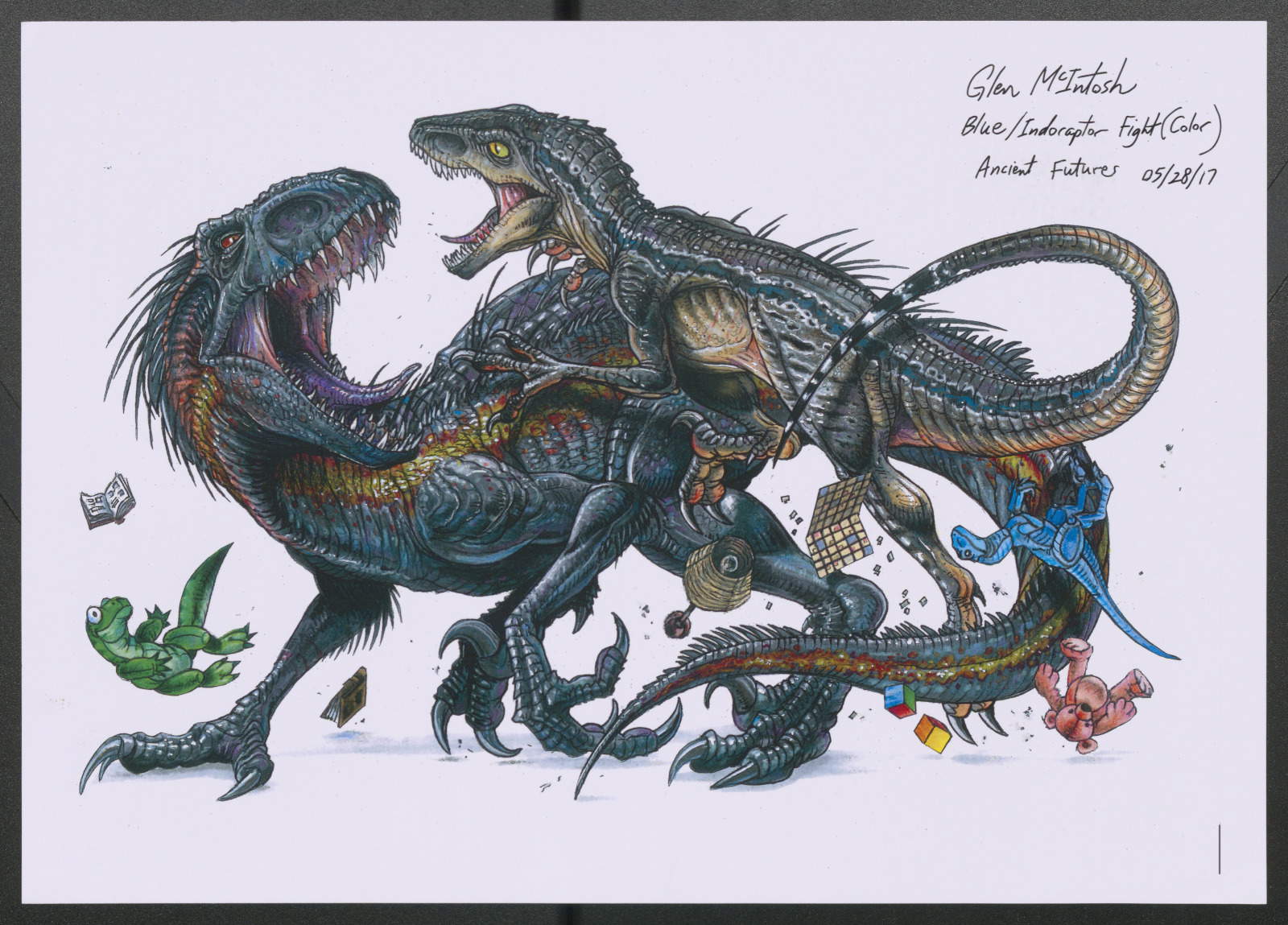
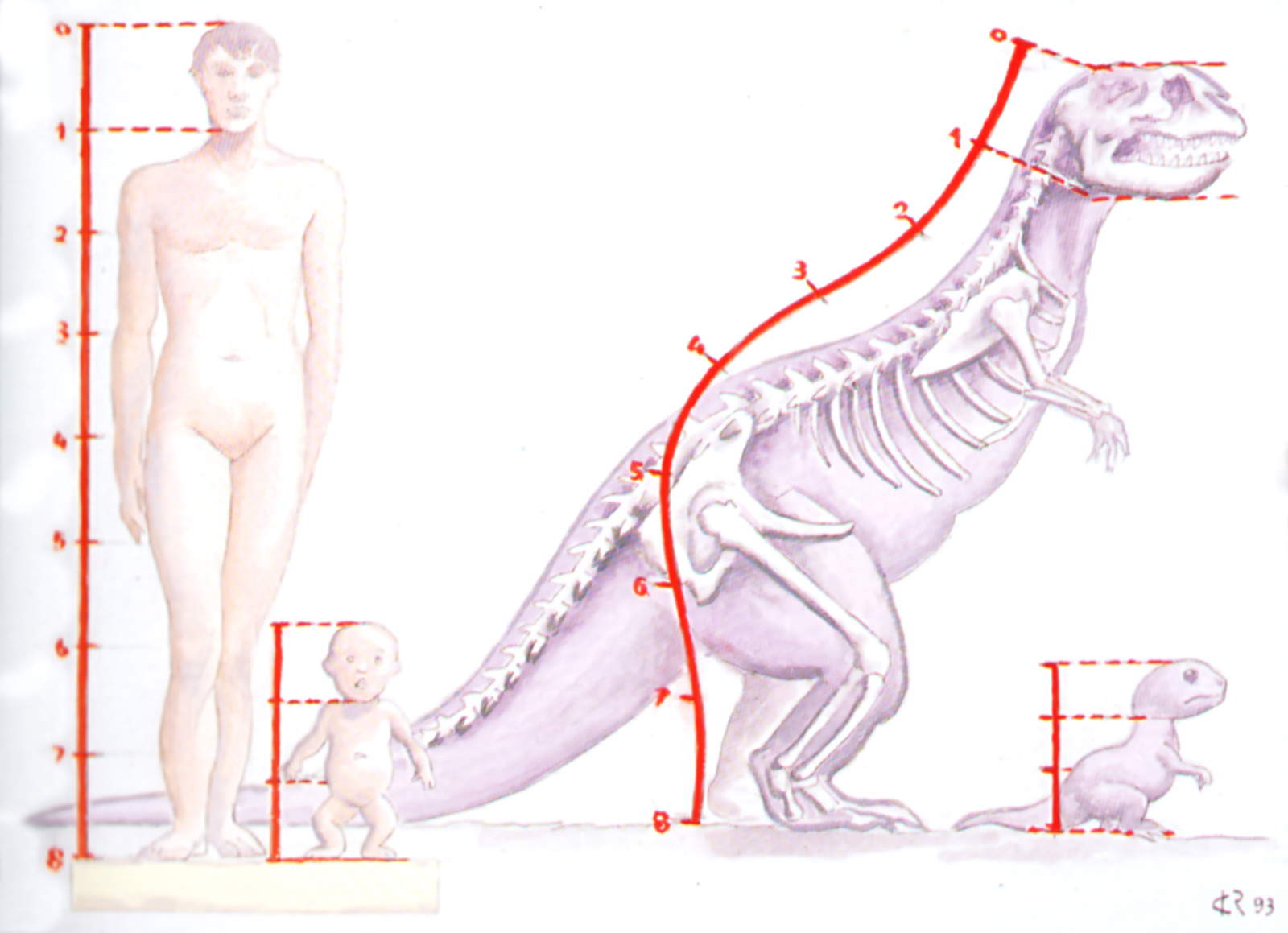
Literature, the visual arts, and cinema have thus helped transform dinosaurs from fossils to be studied into protagonists of a shared imagination. The exhibition at the National Museum of Cinema will showcase precisely this transition: from fossil evidence to visual representation, from scientific data to fantastical creatures.
The works and materials on display come from the collections of the National Museum of Cinema and from the collections of museums, foundations, institutions, professionals, and Italian and international production companies. The exhibition at the Mole Antonelliana thus offers a journey through paleontology and cinema, telling not only the story of an extinct animal but also the way in which humans continue to reinvent it.
“It is an unprecedented encounter that transforms the Museum’s iconic centerpiece into a space suspended between the distant past and the contemporary imagination,” emphasize Enzo Ghigo and Carlo Chatrian, respectively president and director of the National Cinema Museum.“T. rex vs. T. rex is a challenge that seemed impossible to us a year ago and that we can celebrate today. Not only are we bringing two extremely rare fossils to Italy—fossils that embody the quintessence of the dinosaur, a symbol of grandeur and power—but through them, we are also conveying the essence of cinema: a medium capable of giving form and movement to the invisible.”
“Bringing two T. rex fossils to the heart of the Mole Antonelliana for an exhibition that gives Piedmont a new opportunity to showcase its capacity to produce culture, innovation, and international appeal,” declares Alberto Cirio, president of the Piedmont Region. “It is particularly significant that such an original project stems from the collaboration between the National Cinema Museum and the Regional Museum of Natural Sciences, two institutions that, through different forms of expression, contribute to making Turin an increasingly recognizable city on the international cultural scene. It is a concrete example of how collaboration between institutions can transform a major event into an opportunity for the region, capable of appealing to diverse audiences and strengthening Piedmont’s cultural and tourist offerings.”
“T. Rex vs. T. Rex doesn’t just tell the story of dinosaurs—it also tells the story of how we’ve imagined them,” emphasizes Gianni Canova, co-curator of the exhibition. “It is an exhibition about the invention of an image that, while grounded in science and paleontological research, has never ceased to be a cultural construct. The exhibition moves back and forth through time to show how dinosaurs have been simultaneously objects of fear and desire, fascination and terror—an epiphany of a lost past that continues to attract and unsettle us. To speak of dinosaurs is to speak of a world and a way of representing it that is extremely fluid and malleable—and, precisely for this reason, deeply contemporary.”
“Two T. rex skeletons in the heart of a museum dedicated to the art of the moving image? If the combination seems bizarre, it’s only because it’s never happened before,” says Stefano Boni, co-curator of the exhibition and chief curator of the National Museum of Cinema. “The relationship between cinema and science dates back well before the Lumière brothers, when magic lanterns were used in academic and educational settings. Showing what has never been seen has always been a human obsession, and cinema, with its power of representation and imagination, has progressively satisfied this need, even transcending the boundaries of reality. The visual arts, literature, and cinema have literally invented prehistory based on fossils and traces of the past. Tracing the history of the seventh art through its relationship with paleontology is therefore not at all bizarre, but rather necessary and surprising.”
“The idea of having two T. rexes ‘fight’ came to me during the COVID-19 pandemic, and I started discussing it with my American business partner. It wasn’t easy to convince him,” explains Luca Cableri of the Theatrum Mundi gallery. “We chose the National Cinema Museum in Turin as the perfect venue to combine my two greatest passions: original cinema artifacts and paleontology. The simultaneous presence, in the Aula del Tempio, of two original Tyrannosaurus rex specimens represents an extraordinary scientific achievement: these are skeletons approximately 10 meters long and weighing one metric ton each, composed of authentic fossil remains. This exceptional exhibition, born from a collaboration with the National Cinema Museum, bridges the gap between paleontology and the seventh art. In the exhibition, the rare fossils interact with an extraordinary selection of original film props and memorabilia, some of which come from the Theatrum Mundi gallery. It is a one-of-a-kind journey that celebrates the evolution of the T. rex from a prehistoric giant to a timeless icon of global pop culture.”
“This exhibition stems from a genuine synergy between two institutions that, while belonging to seemingly distant worlds—science and cinema—share the same mission: to tell stories, inspire emotion, and foster discovery,” emphasizes Marco Fino, director of the Regional Museum of Natural Sciences in Turin. “This collaboration has allowed us to blend scientific rigor with the narrative and imaginative power that only the language of cinema can offer. To further solidify this connection, visitors to the Museum of Natural Sciences will be able to admire the extraordinary exhibition of the Giganotosaurus, owned by the Museum, thus offering the public the chance to experience dinosaurs in Turin throughout 2027. This joint effort, built on diverse expertise truly pooled together, demonstrates how collaboration among Turin’s museums can generate projects capable of appealing to diverse audiences—from science enthusiasts to film buffs, from families to schools.”
|
| From Fossils to Jurassic Park: The T. rex Takes Center Stage at the Mole Antonelliana in Turin |

Warning: the translation into English of the original Italian article was created using automatic tools. We undertake to review all articles, but we do not guarantee the total absence of inaccuracies in the translation due to the program. You can find the original by clicking on the ITA button. If you find any mistake,please contact us.



























 IT
IT FR
FR DE
DE ES
ES CN
CN


