





From November 4, 2026, to August 22, 2027, the Santa Giulia Museum in Brescia will host TESORI. The Grand Narrative of Brescia’s Museums. 1826 | 2026, the exhibition that concludes the celebrations marking the bicentennial of the discovery of the Winged Victory. Curated by Stefano Karadjov and Roberta D’Adda, the exhibition is sponsored by the City of Brescia and the Brescia Museums Foundation and will feature a collection of 100 works from the city’s museum holdings, selected from pieces not typically on display.
The exhibition is conceived as a narrative of the history of collecting in Brescia, interpreted as a collective story in which the objects serve as traces of the people who collected, preserved, and passed them down. The exhibition treats heritage as a living organism, capable of connecting individual stories with major historical transformations, embracing the principles of the Faro Convention, the 2005 Council of Europe treaty ratified by Italy in 2020, which recognizes cultural heritage as a shared right and responsibility and assigns citizens an active role in its protection and promotion.
The exhibition will trace the history of Brescia’s civic collections through a tapestry of relationships, passions, and dialogues across generations. The narrative will explore the legacy of nineteenth-century encyclopedic scholarship, the Risorgimento ideals linked to the construction of a national consciousness through heritage, the Romantic taste for the exotic, the complexity of works associated with the Fascist dictatorship, and the evolution of contemporary principles of conservation and promotion.
The exhibition will focus on the stories of those who contributed to the formation of the museum’s collections: alongside the names of the great collectors, lesser-known but equally important figures will emerge, such as a late-19th-century watchmaker, a Red Cross nurse, a riding instructor, a sailor, a soldier in love, a serial hoarder, a priest with controversial associations, a captain of the Alpini, and a high school teacher. Their stories will form a sort of collective saga built around the idea of the museum and its role in society. Giving visual form to this narrative will be a gallery of 20 portraits created by illustrator Elisa Macellari, which will guide visitors through the exhibition.
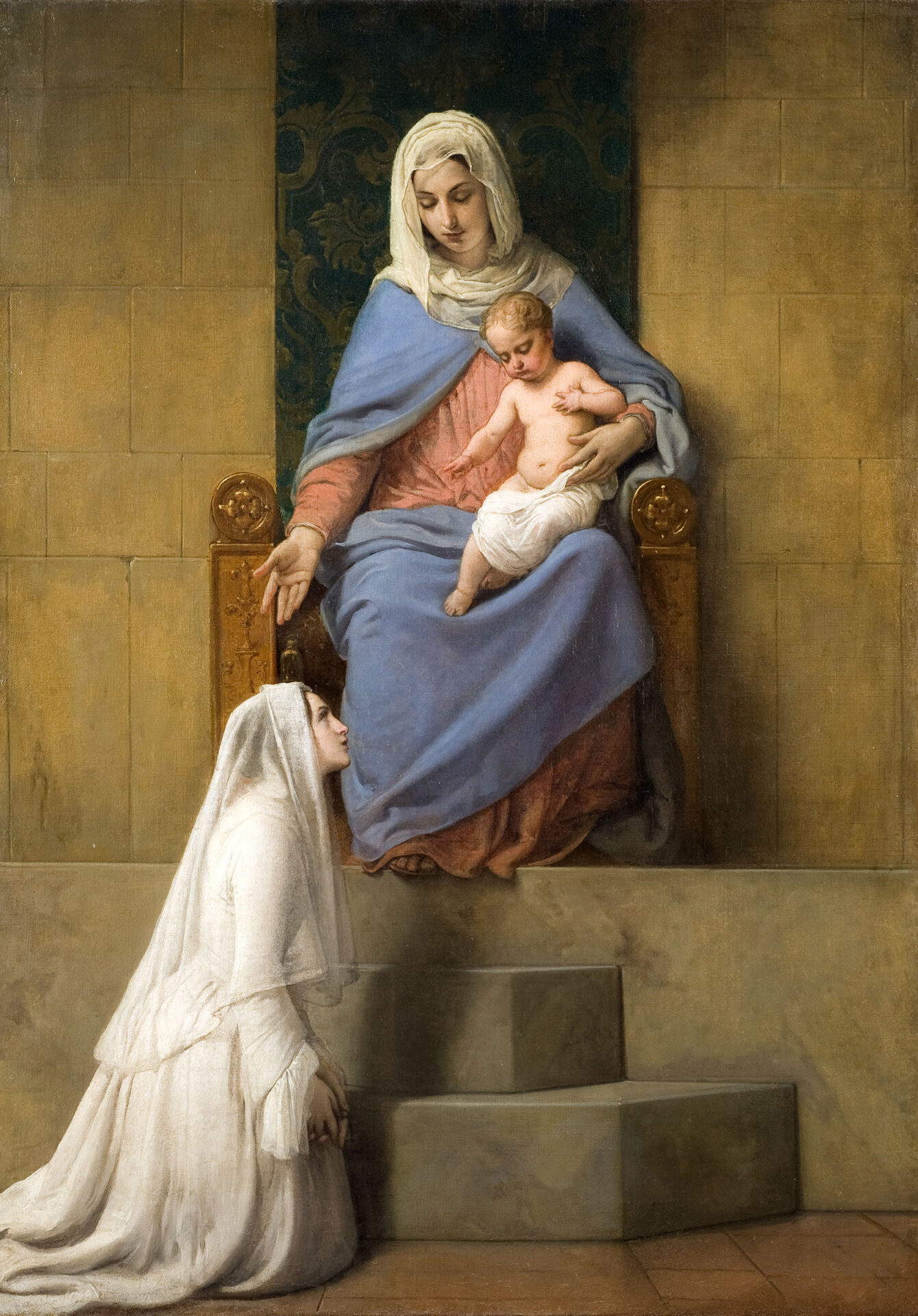
TESORI will be divided into five sections dedicated to five distinct areas of nineteenth-century museology: Archaeology, Fine Arts, Science and Technology, History, and Ethnography. Each section will follow a circular chronological path, beginning with the contemporary era through works by artists acquired by Fondazione Brescia Musei over the past ten years, in continuity with the centuries-long growth of the civic collections. Among the featured artists are Mohammed Al-Hawajri, Badiucao, Giuseppe Bergomi, Bruce Gilden, Axel Hütte, David LaChapelle, Victoria Lomasko, Joel Meyerowitz, Giulio Paolini, Fabrizio Plessi, Davide Rivalta, Alfred Seiland, Massimo Sestini, and Mary Zygouri. These works will engage in a dialogue with historical pieces from the collections, taking viewers on a journey back in time that will include, among others, Albrecht Dürer, Lattanzio Gambara, Francesco Hayez, Angelo Inganni, Giovan Battista Moroni, Pelagio Palagi, Rembrandt, Guido Reni, Romanino, and Angelo Zanelli.
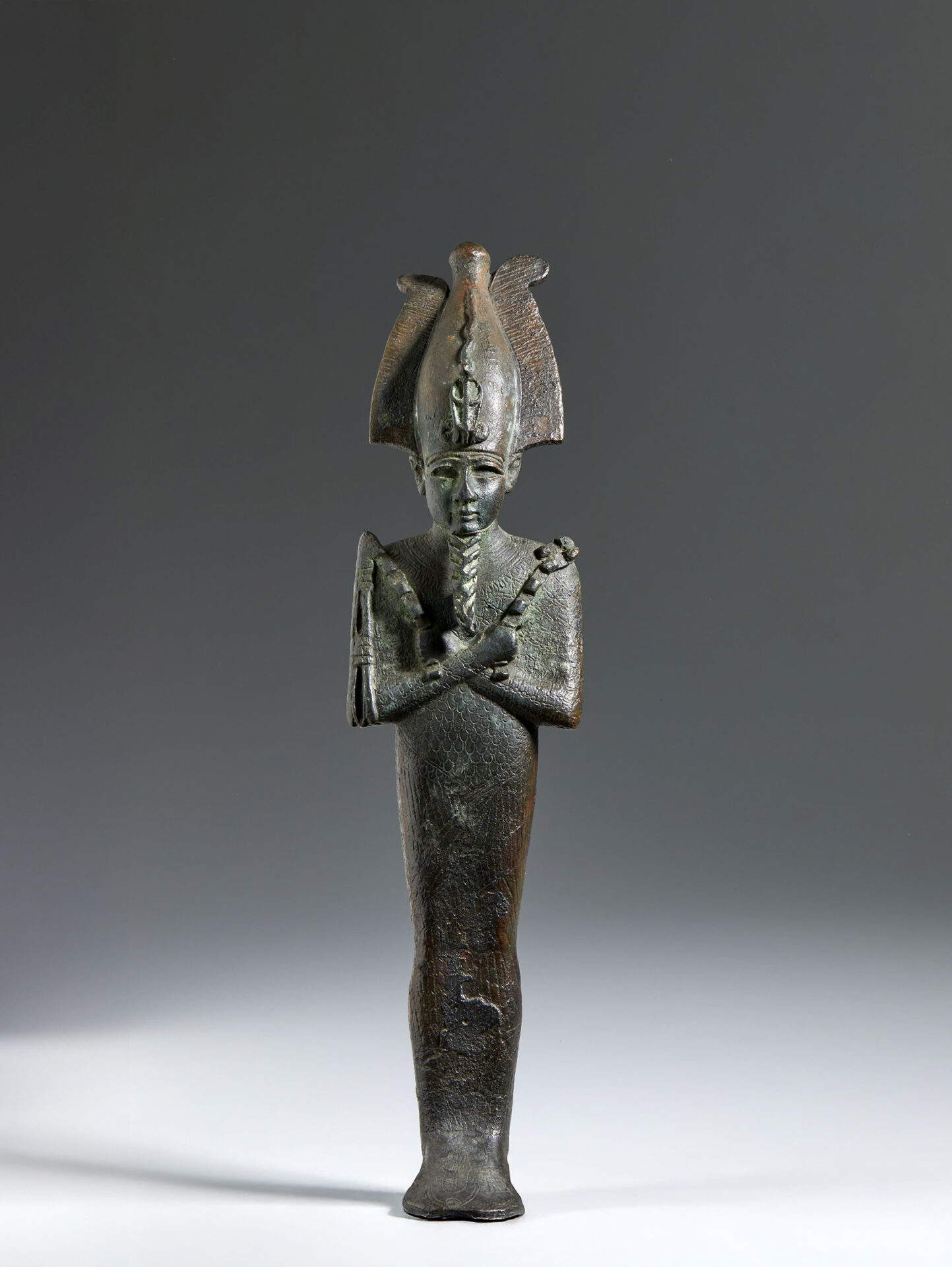
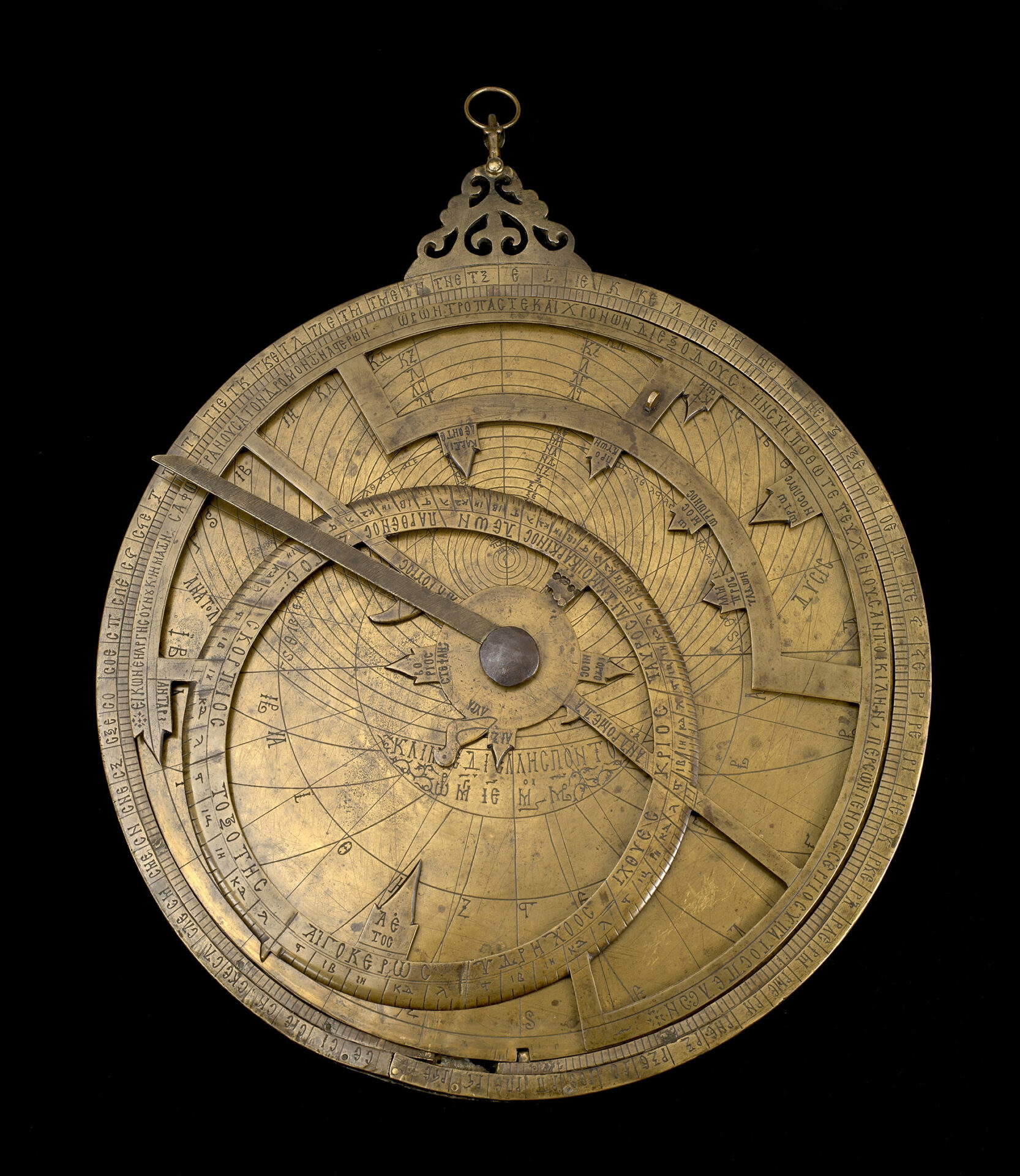
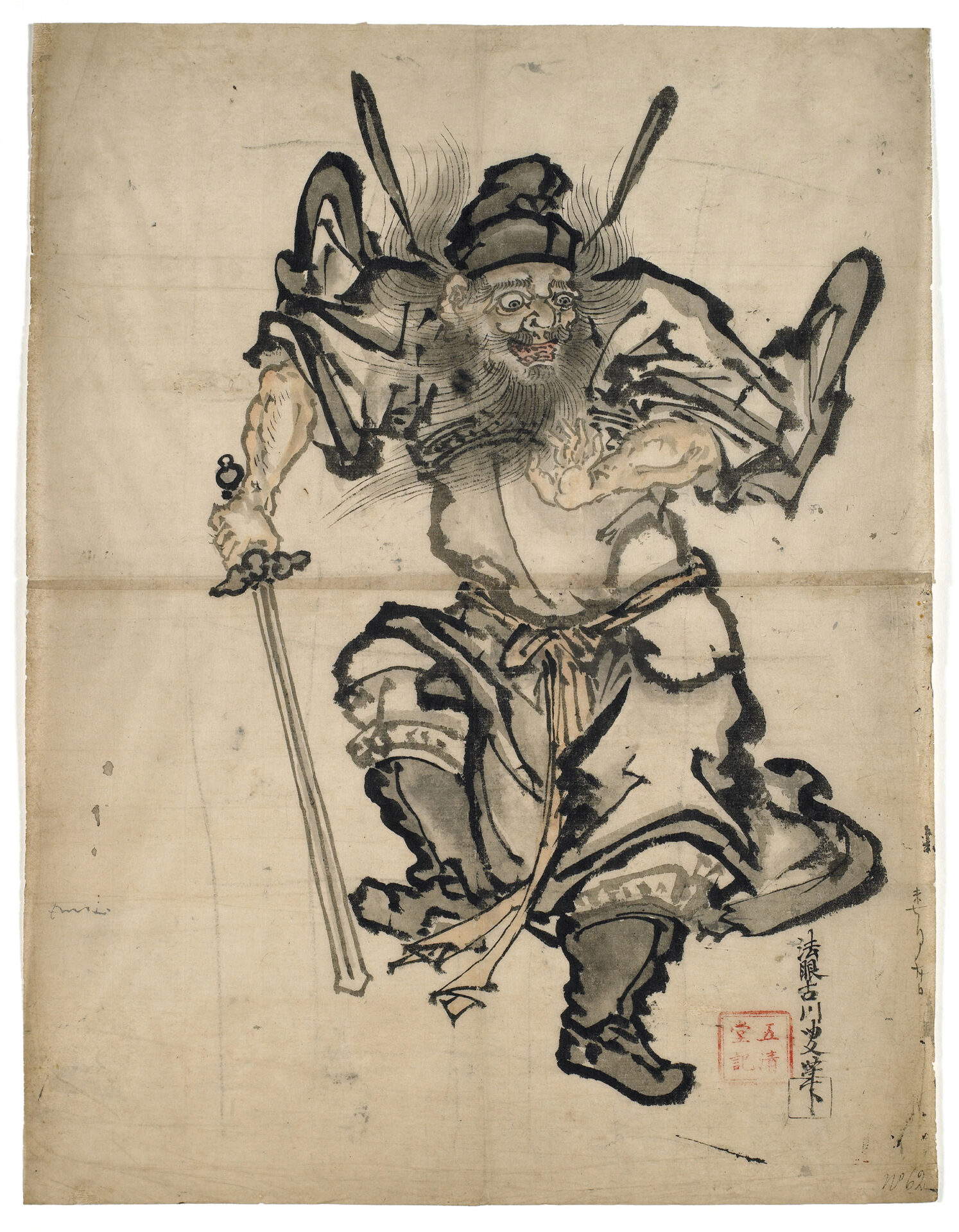
The exhibition will also bring to light numerous artifacts preserved in the museum’s storage, including a Byzantine astrolabe from 1062 that belonged to Cardinal Bessarion and refined Oriental kakemono paintings, juxtaposed with everyday objects such as herbarium sheets and historical postcards. The exhibition will be conceived as a Chamber of Wonders capable of bringing together diverse works and materials: marble sculptures, frescoes, Egyptian bronzes, drawings, engravings, photographs, video art, majolica, glassware, musical instruments, historical artifacts, posters, ceremonial masks, and paintings from the 16th to the 20th centuries.
Thanks to a collaboration with the Natural Science Museum, the exhibition will also feature animal mummies, dinosaur fossil footprints, and fragments of meteorites that fell in the Brescia area in the 19th century. The exhibition will also explore the representation of non-Western cultures through objects collected during the colonial era and the Fascist period, including artifacts that belonged to Benito Mussolini and were seized after the fall of the Republic of Salò. African weapons brought to Brescia by traders and military personnel out of curiosity about the exotic world will be displayed alongside African ritual masks and sculptures purchased in Paris by the artist Bruno Romeda and later donated to the Brescia Museums Foundation.
The exhibition will be accompanied by a series of urban itineraries linking the Santa Giulia exhibition with works from the permanent collections of the civic museums and with several of the city’s iconic landmarks. The exhibition catalog will be published by Skira.
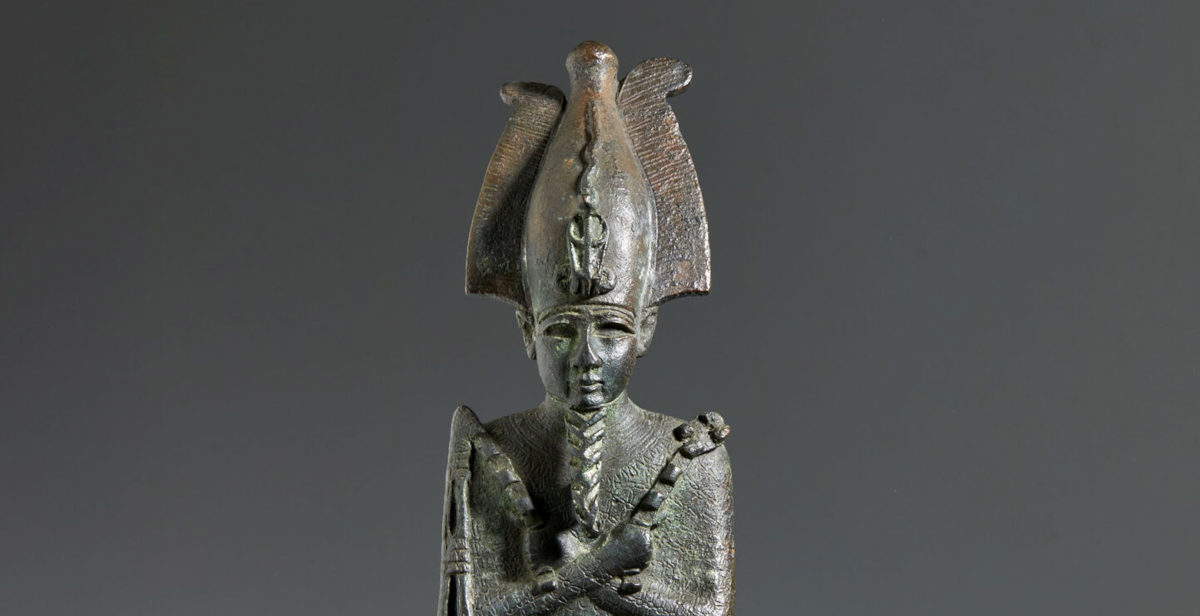 |
| In Brescia, the museums’ “Treasures” chronicle two centuries of collecting and memory |

Warning: the translation into English of the original Italian article was created using automatic tools. We undertake to review all articles, but we do not guarantee the total absence of inaccuracies in the translation due to the program. You can find the original by clicking on the ITA button. If you find any mistake,please contact us.





















 IT
IT FR
FR DE
DE ES
ES CN
CN


