



by Redazione 04/11/2026


Categories: Exhibitions / Disclaimer
An exhibition at the Belvedere in Vienna brings together different generations and international perspectives within feminist art. The project also draws on a historic 1985 exhibition and features a layout that reimagines the museum spaces through environments inspired by everyday life.

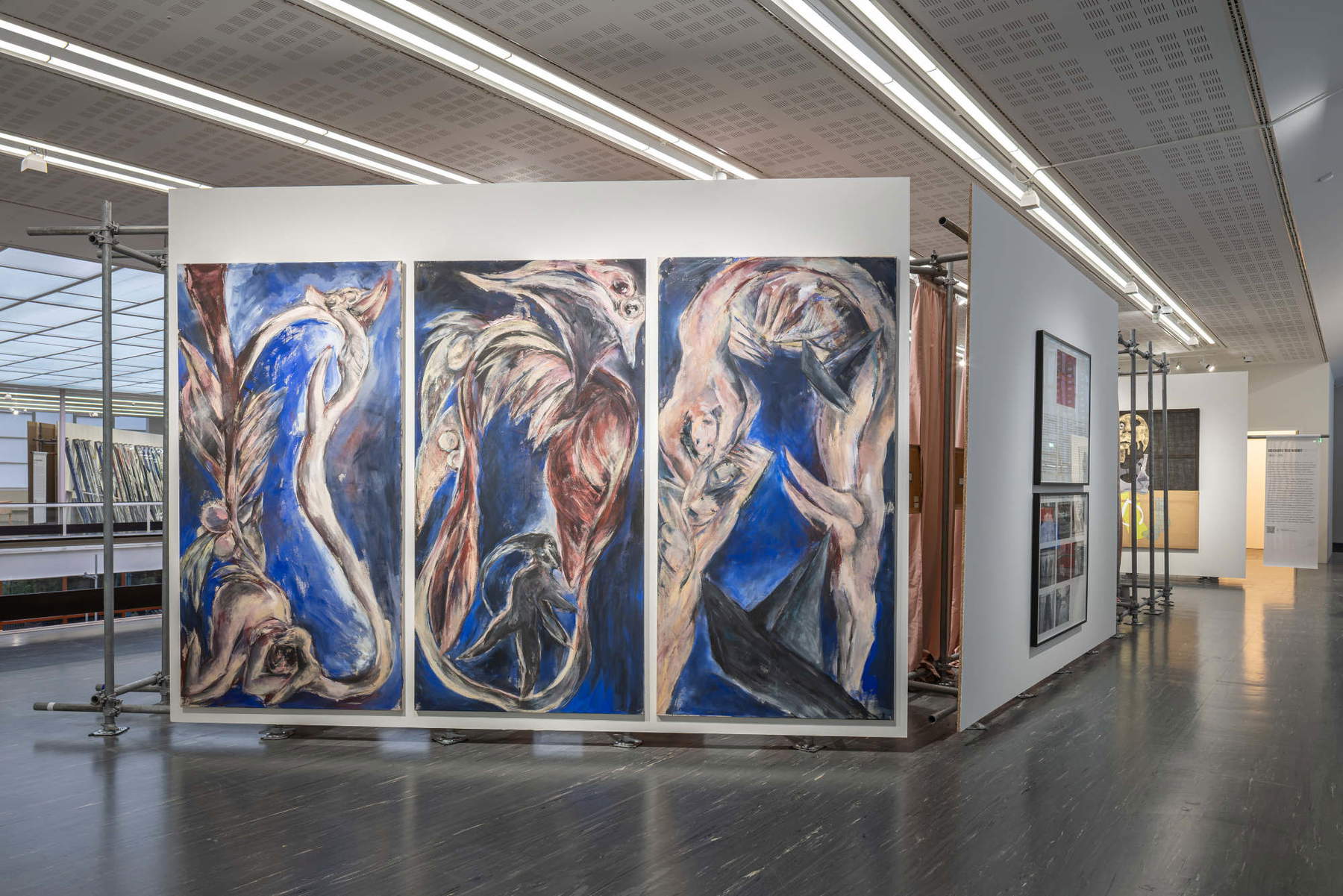
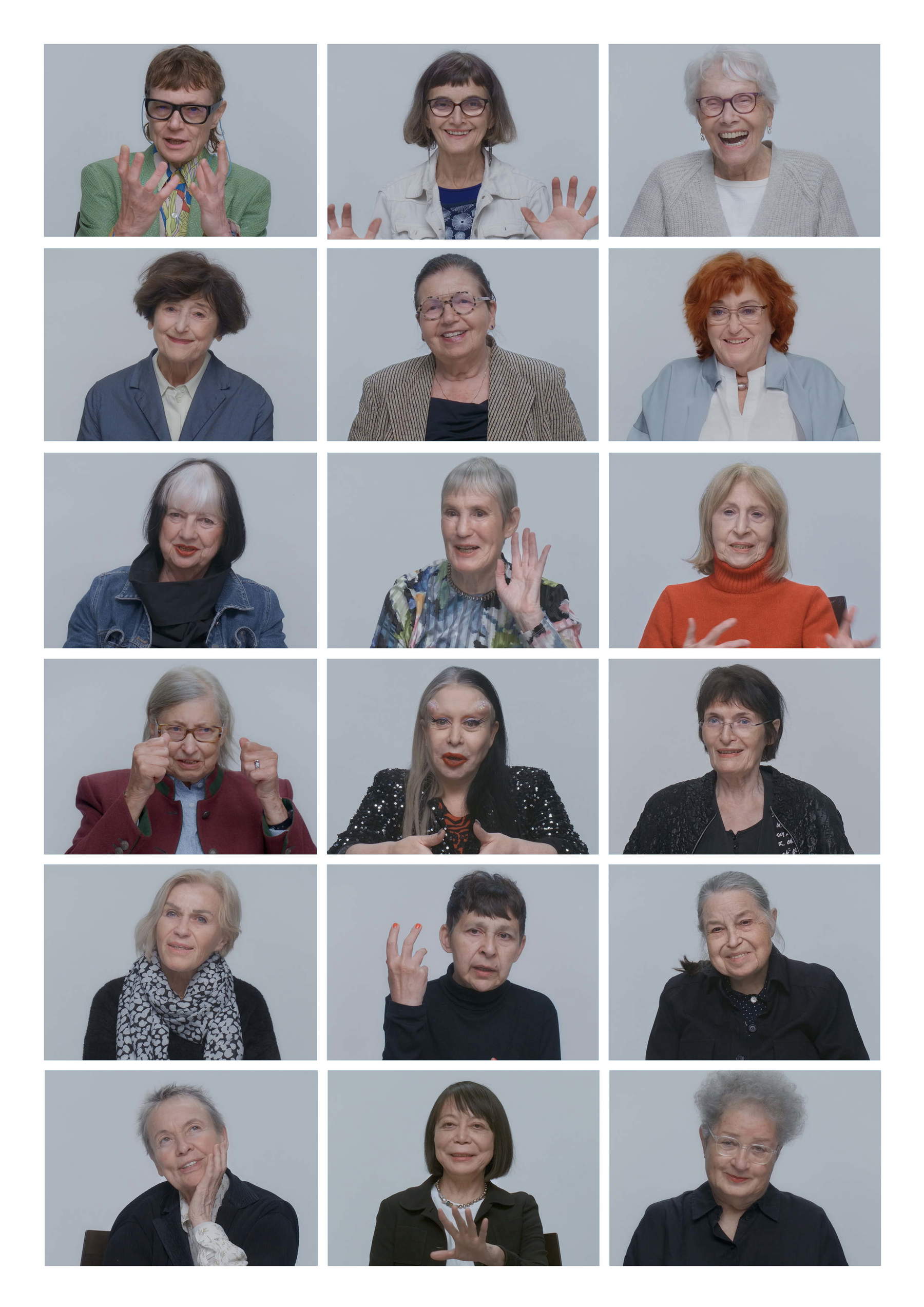
What does it mean to design a museum from a feminist perspective? The question isn’t just about which female artists to hang on the walls, but how spaces change, the relationship between the viewer and what is being viewed, and the stories an institution chooses to tell. This is the focus of “Feminist Futures Forever,” an exhibition at the Belvedere in Vienna, running from November 5, 2026, to March 8, 2027, that brings together works ranging from the feminist avant-garde to the most recent generation.


To put it together, curators Christiane Erharter and Stefanie Reisinger looked back nearly forty years. The starting point is, in fact , *Kunst mit Eigen-Sinn: Internationale Ausstellung aktueller Kunst von Frauen*—“Art with a Mind of Its Own: International Exhibition of Contemporary Art by Women”—an exhibition held in 1985 in the spaces that are now Belvedere 21. That exhibition now serves as the historical reference point from which to launch a dialogue between international, intersectional, and intergenerational perspectives.


This reference to the past is not a nostalgic exercise—at least not in the project’s intentions. The curatorial approach is based on the idea that feminist movements are characterized by continuity: they emerged long before the 1980s, continue into the present, and, according to the museum, have lost none of their relevance. And they have been plural from the very beginning. This multiplicity of voices is the central theme of the exhibition, which translates it into a variety of languages, media, themes, and generations. Every desire for change, the project posits, critically engages with its own past and present while looking toward the conditions of an imagined future: feminist demands, sociopolitical repercussions, and different temporalities are thus brought together.

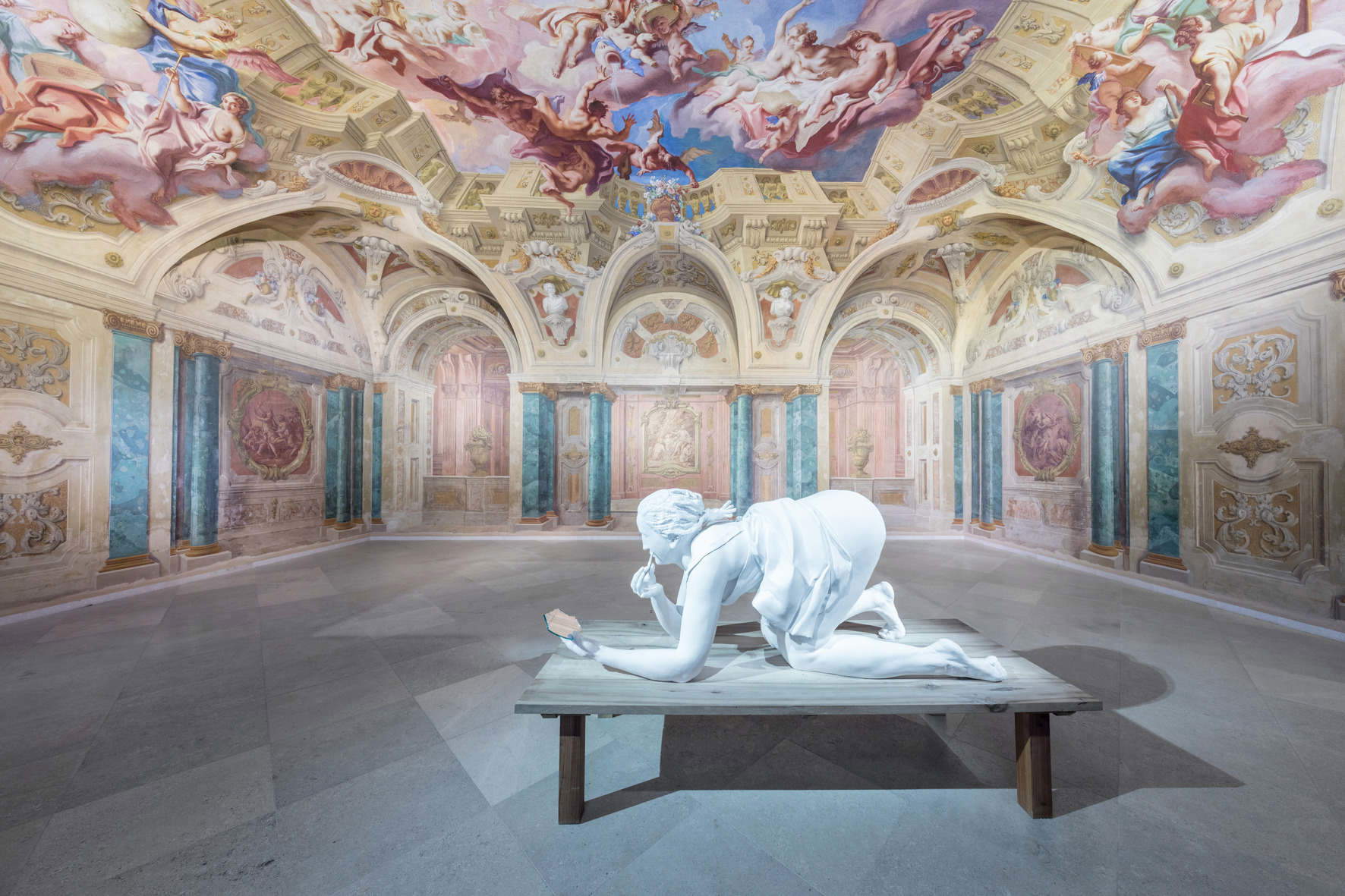
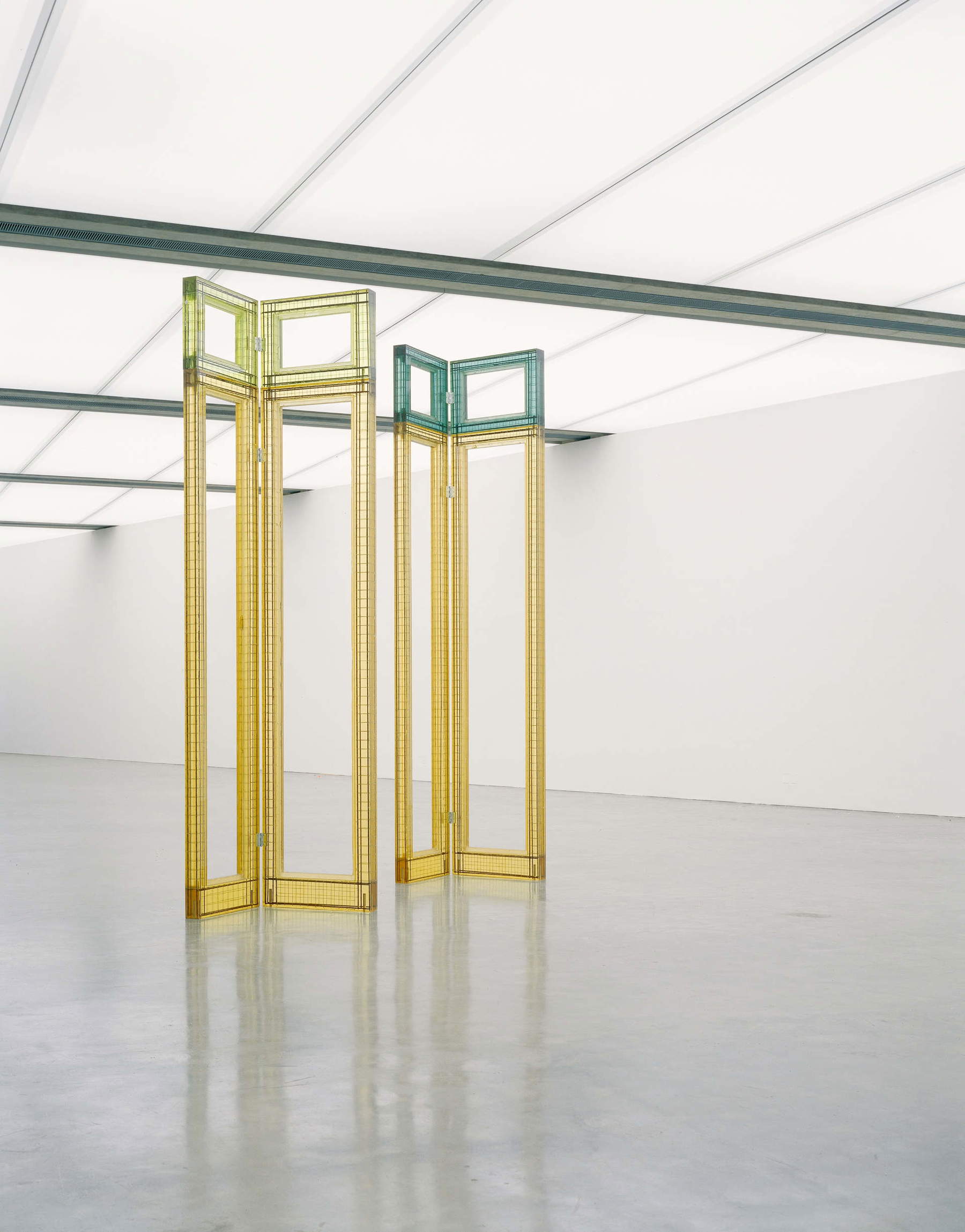
The individual works remain at the heart of the exhibition. Their narratives interact within environments inspired by everyday life, designed to allow visitors to intuitively experience possible models for the future. It is here that the initial question takes concrete form: the exhibition design, created by Dorit Margreiter Choy and Cosma Grosser, challenges the museum space as an institutional context and opens up the possibility of its appropriation and reconfiguration from a feminist perspective. One detail makes the connection even closer: Dorit Margreiter Choy, in addition to designing the exhibition layout, is also one of the artists featured in the exhibition.
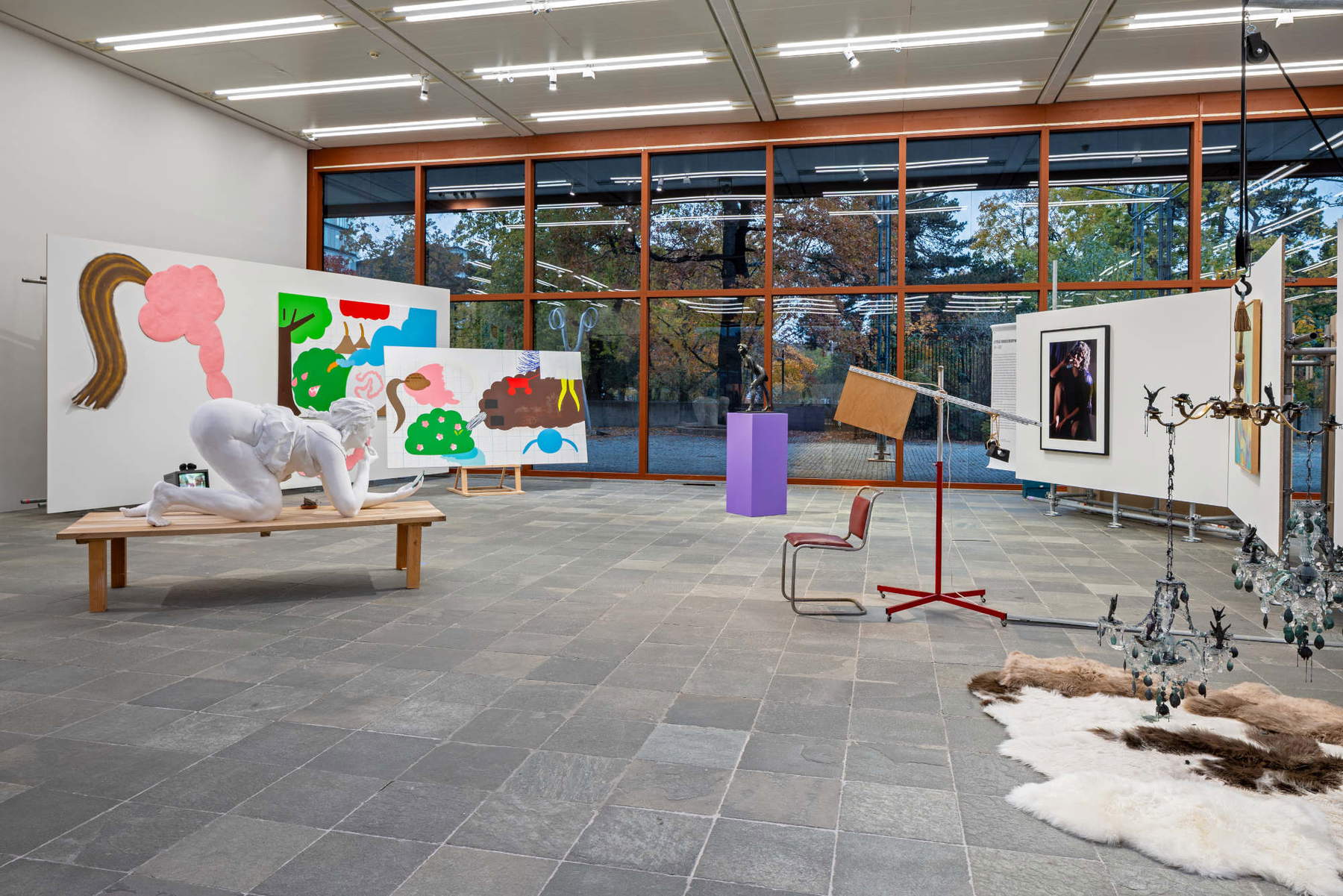
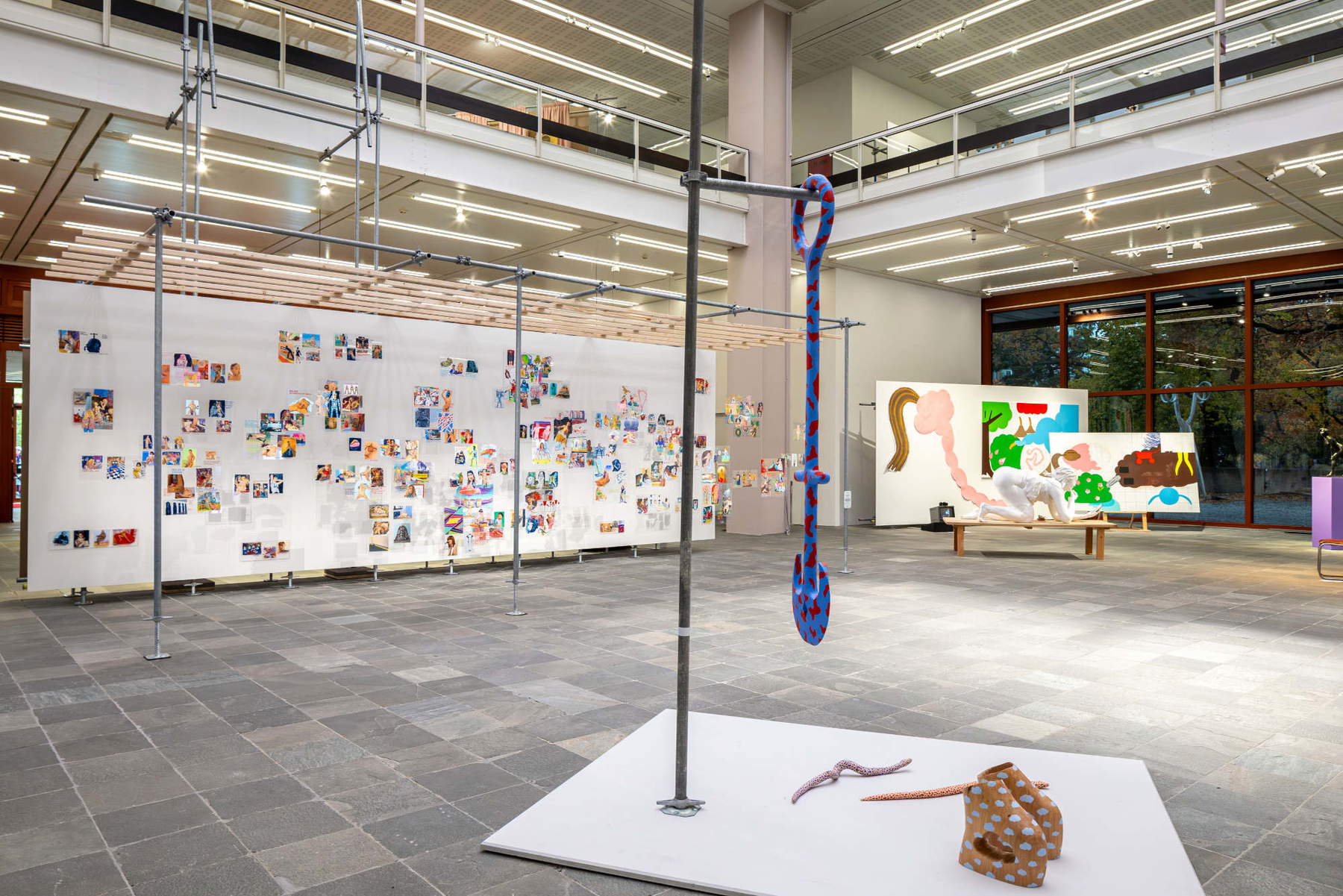
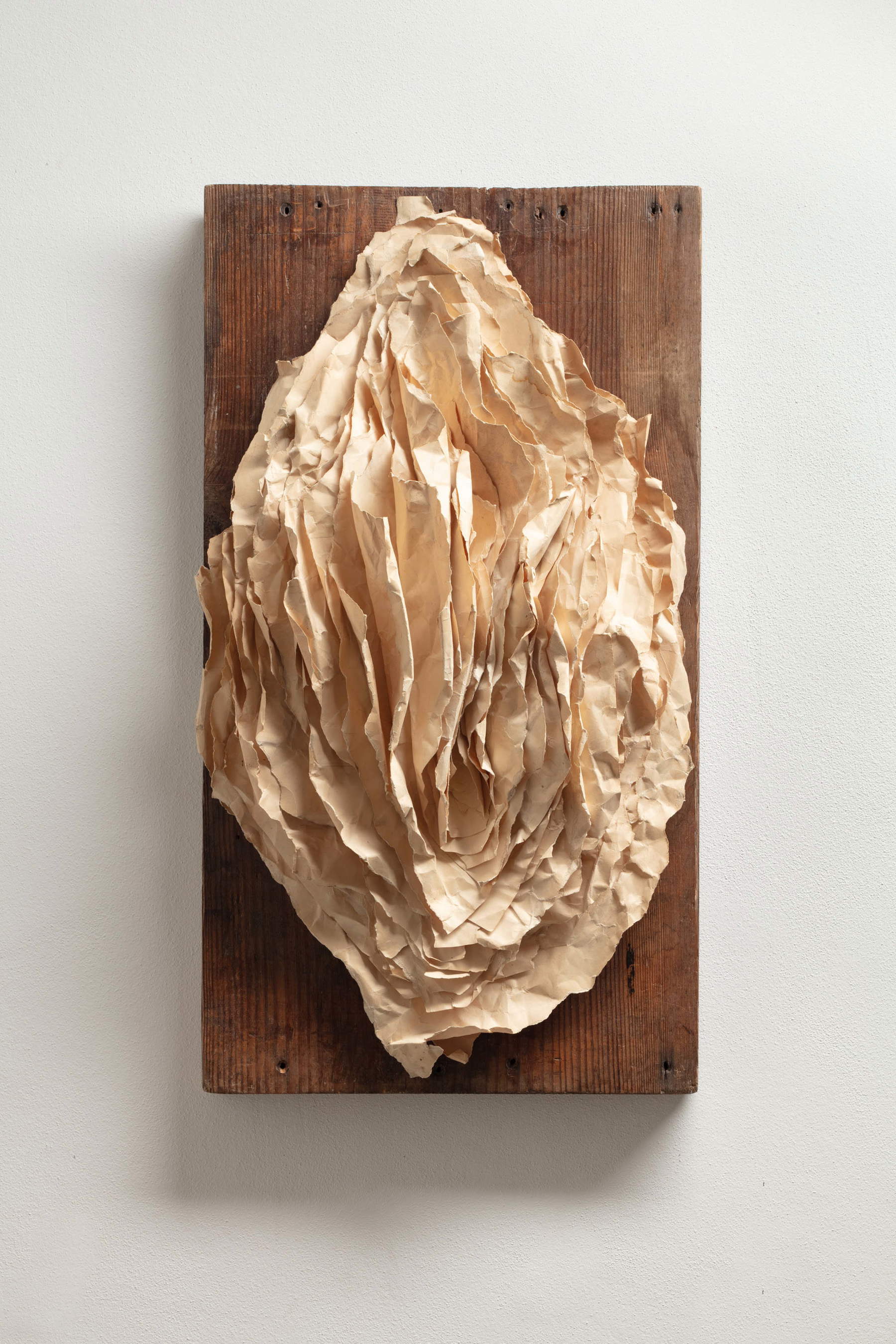
In terms of content, the selection prioritizes works that address sociopolitical, gender, and ecological issues. The systematic expansion of the Belvedere’s collection, on which the exhibition is based, plays a decisive role. According to the museum’s presentation, the works on display critically examine the past, engage with the present, and vocally advocate for a shared future. The title should also be interpreted in this light: “Feminist Futures Forever!”—with the exclamation point—is intended as a call for new, possible perspectives.
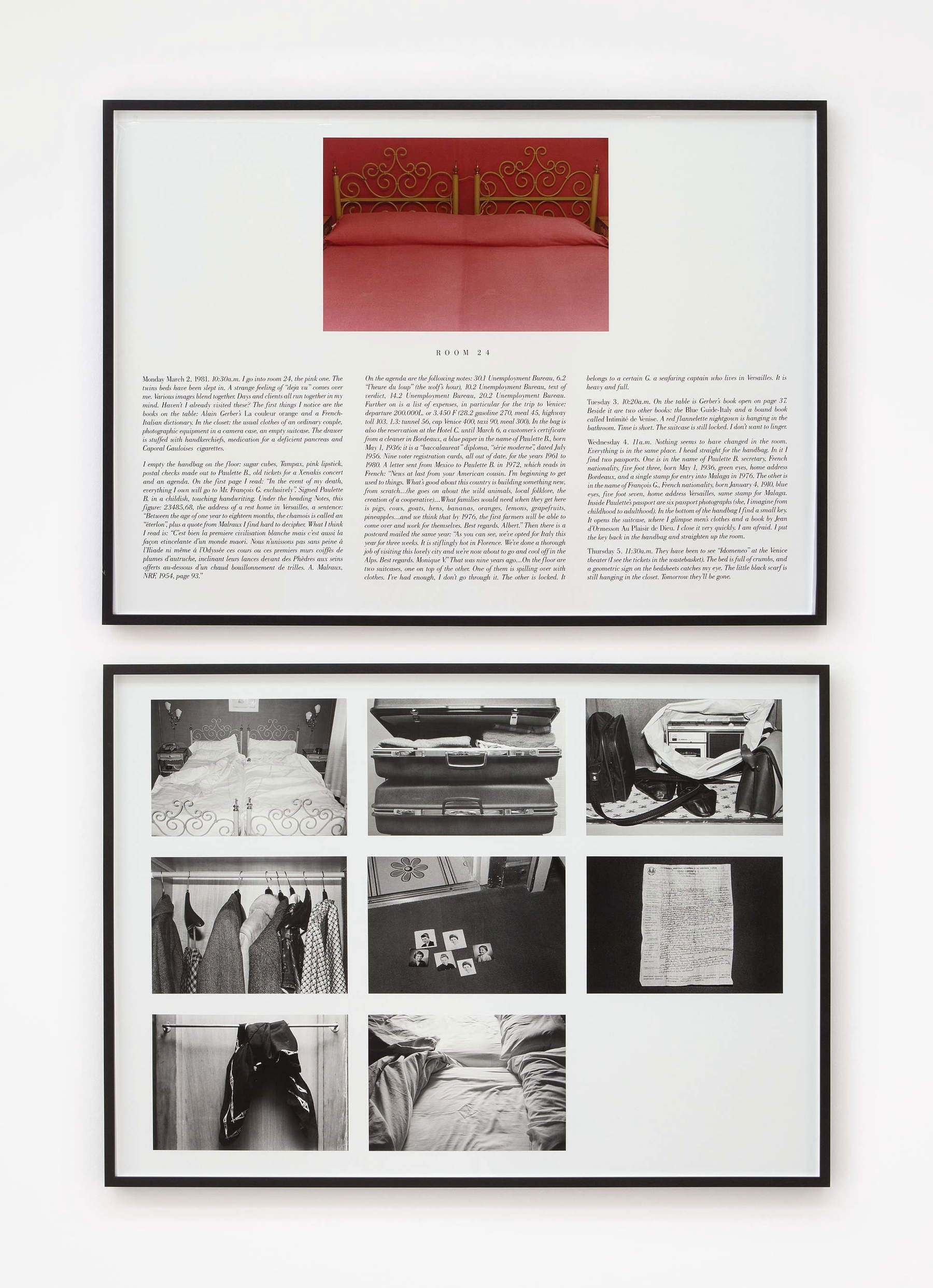
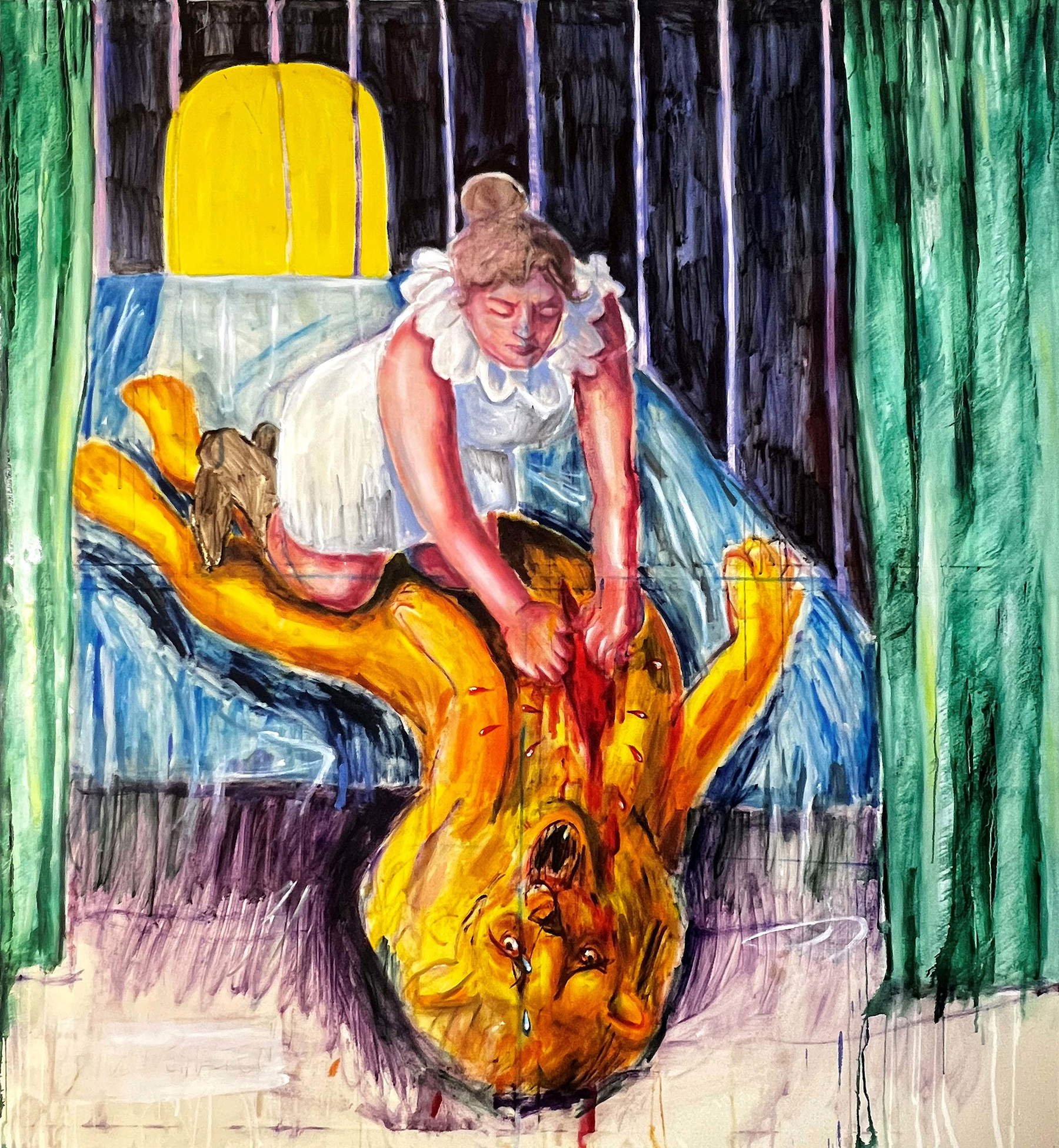
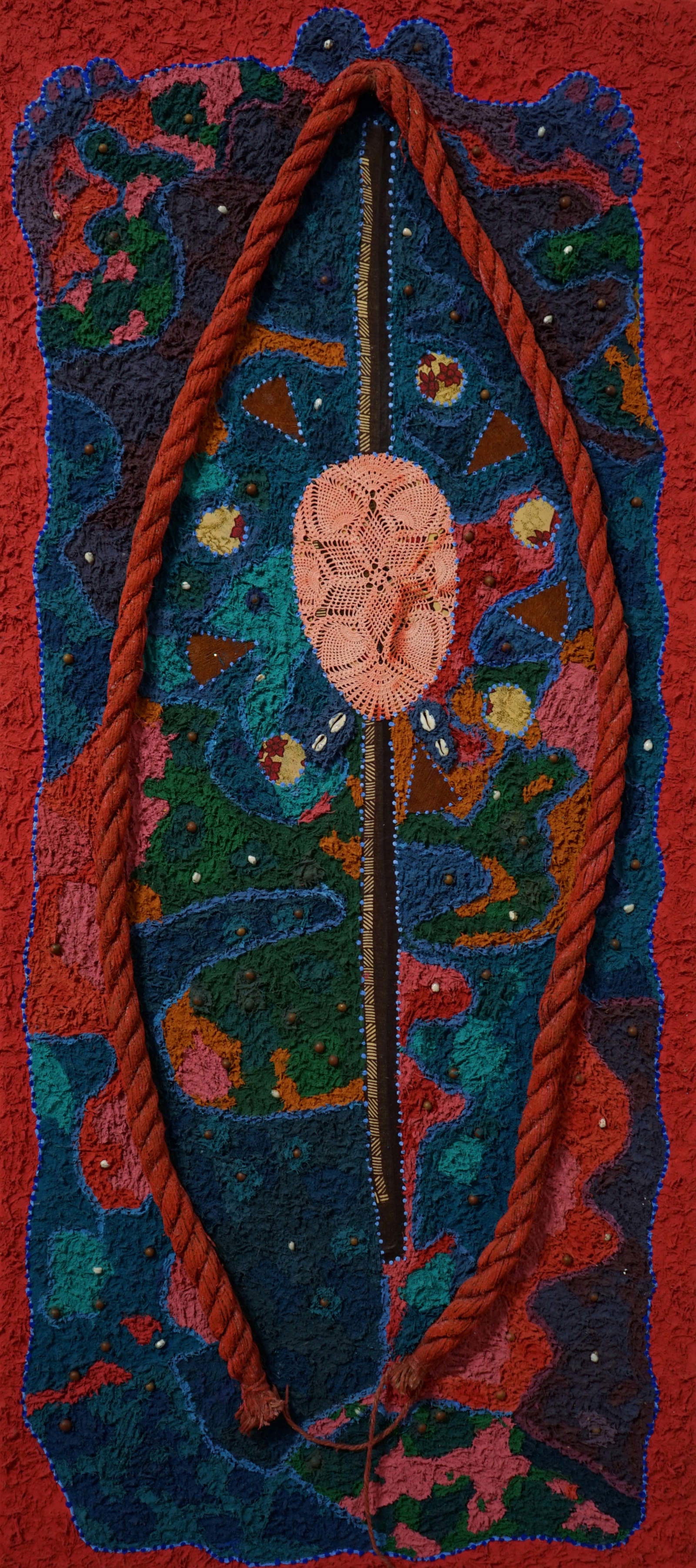
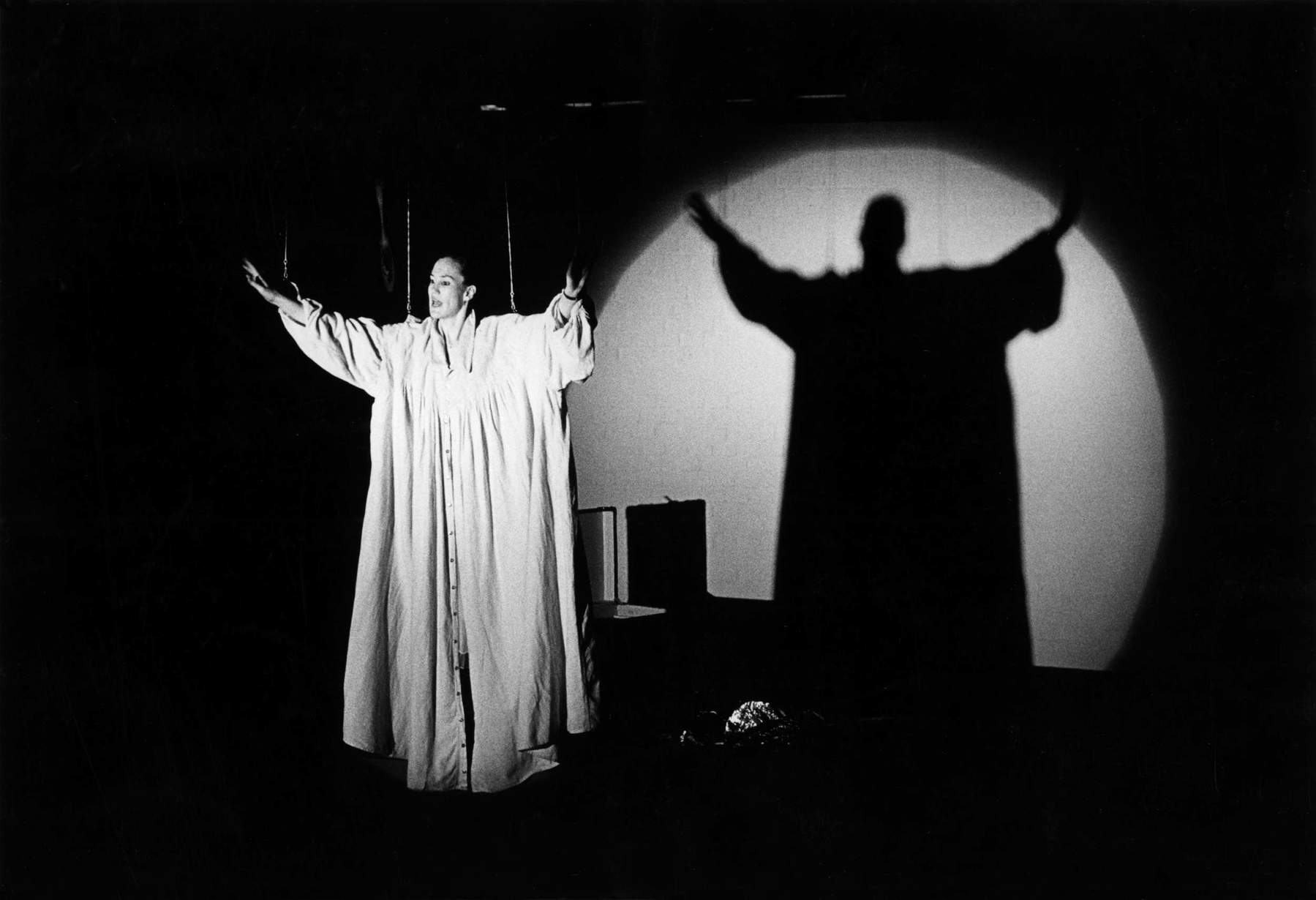
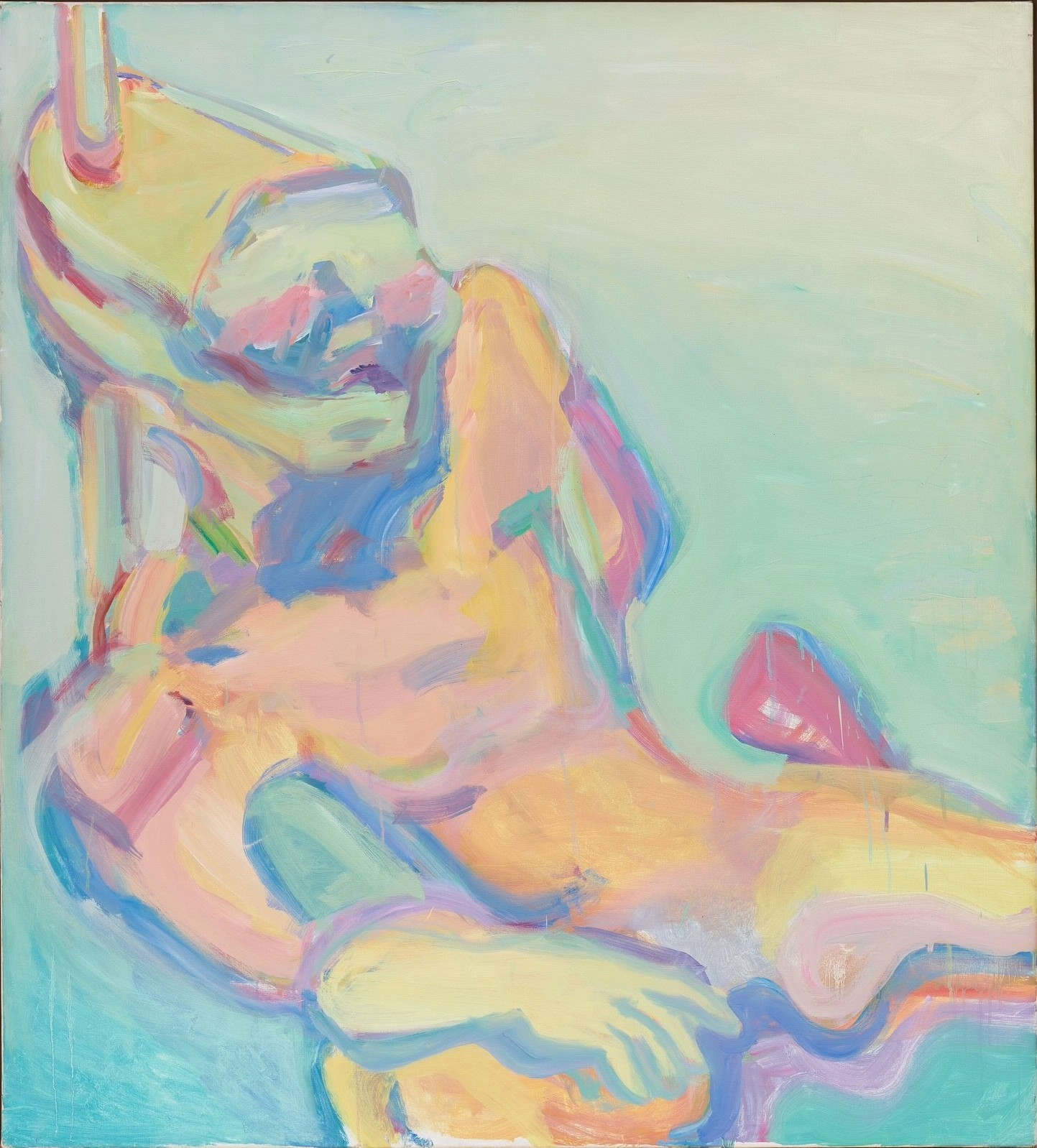
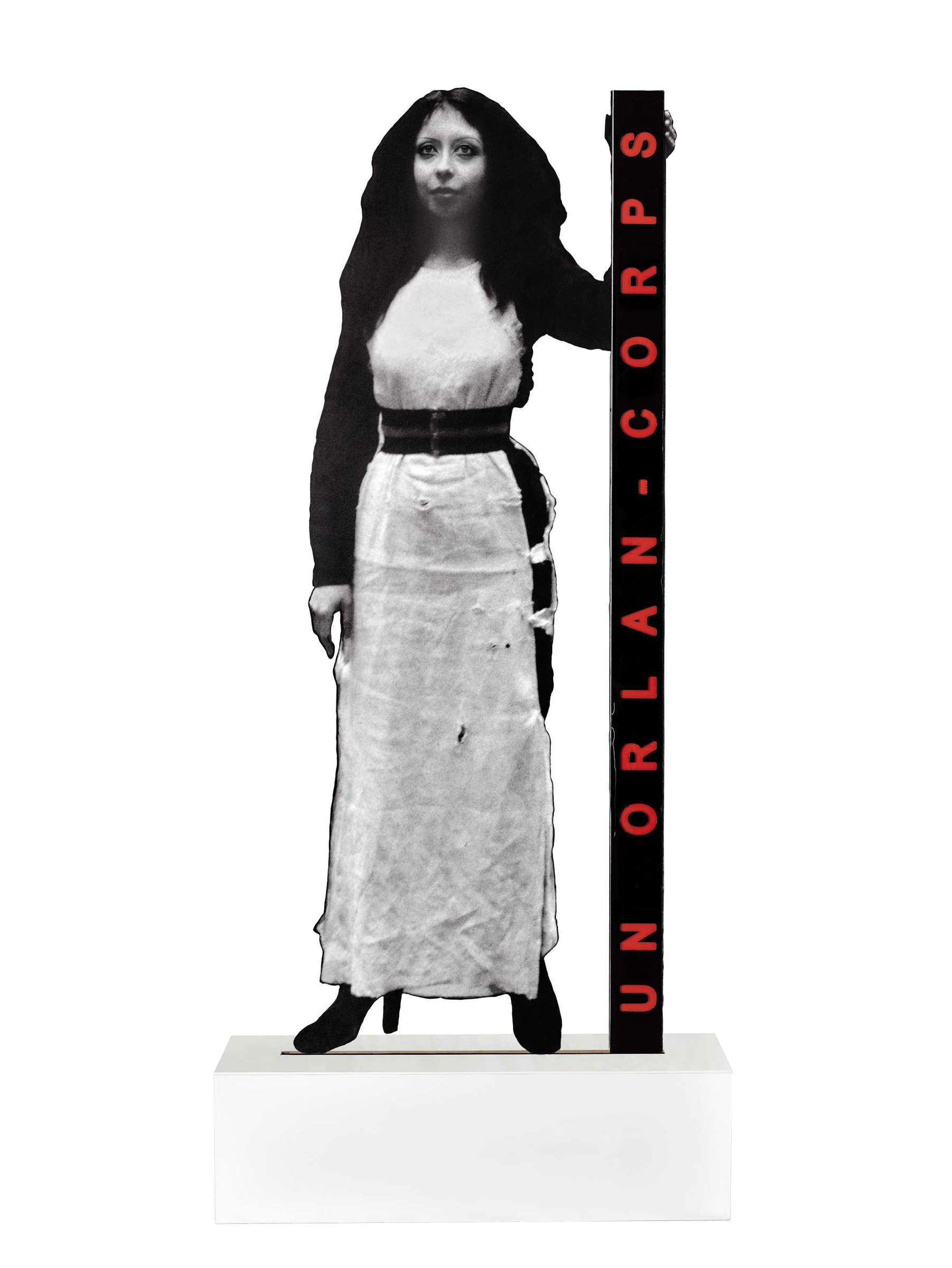
The list of participating artists clearly reflects the breadth of the chronological and geographical scope. Alongside names that have shaped the history of feminist art—such as VALIE EXPORT, Carolee Schneemann, Martha Rosler, Nancy Spero, Yoko Ono, Maria Lassnig, Birgit Jürgenssen, Renate Bertlmann, Sanja Iveković, Nil Yalter, and ORLAN, the exhibition features artists who developed their practices in the 1980s and 1990s—from Cindy Sherman to Barbara Kruger, from Jenny Holzer to Sarah Lucas and Mona Hatoum—as well as younger generations, including figures such as Florentina Holzinger, Hito Steyerl, Selma Selman, and Kurdwin Ayub.
Overall, the exhibition features works by Marina Abramović, Helena Almeida, Laurie Anderson, Anna Artaker, Kurdwin Ayub, Jamile Azadfallah, Eva Basta, Gretchen Bender, Renate Bertlmann, Linda Bilda, Dara Birnbaum, Moucle Blackout, Pauline Boudry / Renate Lorenz, Kaucyila Brooke, Amanda Burzić, Sophie Calle, Theresa Ulrike Cellnigg, Helen Chadwick, Linda Christanell, Waltraut Cooper, Ramesch Daha, Katrina Daschner, Louise Deininger, Verena Dengler, Ricarda Denzer, Carola Dertnig, Naz Dinçel, Natalia Domínguez Rangel, Ines Doujak, Róza El-Hassan, Rose English, VALIE EXPORT, Tina Frank, Flora N. Galowitz, Isa Genzken, Friedl vom Gröller, Nilbar Güreş, Marcia Hafif, Maria Hahnenkamp, Barbara Hammer, Marlene Haring, Mona Hatoum, Florentina Holzinger, Jenny Holzer, Nan Hoover, Judith Huemer, Leiko Ikemura, Iman Issa, Sanja Iveković, Janine Jembere, Anna Jermolaewa / Oksana Serheieva, Magdalena Jetelová, Joan Jonas, Birgit Jürgenssen, Belinda Kazeem-Kamiński, Soli Kiani, Eva Kmentová, Jakob Lena Knebl, Nathalie Koger, Renate Kordon, Anna Kowalska / Mikki Muhr / Ulrike Müller, Brigitte Kowanz, Barbara Kruger, Elke Silvia Krystufek, Nika Kupyrova, Adriana Lara, Maria Lassnig, Kris Lemsalu, Sarah Lucas, Kateryna Lysovenko, Karin Mack, Dorit Margreiter Choy, Sabine Marte, Mara Mattuschka, Ursula Mayer, Michaela Melián, Anna Meyer, Stephanie Misa, Lejla Mulaosmanovic, Ulrike Müller, Hannah Neckel / Lea Neckel, Abiona Esther Ojo, Yoko Ono, ORLAN, Martina Öttl, Michèle Pagel, Bianca Pedrina, Christiana Perschon, Friederike Pezold (pezoldo), Margot Pilz, Adrian Piper, Sasha Pirker, Lisl Ponger, Ursula Pürrer, Lili Reynaud-Dewar, Ulrike Rosenbach, Isa Rosenberger, Martha Rosler, Constanze Ruhm, Maruša Sagadin, Dunia Sahir, Wally Salner, Ashley Hans Scheirl, Meina Schellander, Julia Scher, Isa Schieche, Toni Schmale, Carolee Schneemann, Stefanie Seibold, Selma Selman, Cindy Sherman, Adriena Šimotová, Mariama Sow / Isabelle Edi / Kim Sanou, Anna Spanlang / KLITCLIQUE, Nancy Spero, Annie Sprinkle, Evelin Stermitz, Hito Steyerl, Miriam Stoney, Andrea van der Straeten, Ingeborg Strobl, Sophia Süßmilch / Henrike Henoch / Leni Ulrich, Rini Tandon, Rychèl Thérin Scott, Sofie Thorsen, Sophie Thun, Rosemarie Trockel, Sophie Utikal, Maja Vukoje, Anna Witt, Nil Yalter, and Daniela Zahlner.
The exhibition is curated by Christiane Erharter and Stefanie Reisinger, with Anna Ewa Dyrko and Andrea Kopranovic serving as assistant curators. The exhibition design is by Dorit Margreiter Choy and Cosma Grosser, and the graphic design is by Marie Artaker and Alexandra Möllner.


 |
| In Vienna, the museum becomes a feminist space: an exhibition envisions the society of the future |
Warning: the translation into English of the original Italian article was created using automatic tools. We undertake to review all articles, but we do not guarantee the total absence of inaccuracies in the translation due to the program. You can find the original by clicking on the ITA button. If you find any mistake,please contact us.