




by Redazione 15/10/2026



Categories: Exhibitions / Disclaimer
From December 1, 2026, to April 12, 2027, at Villa Bardini (Florence), a retrospective dedicated to the National Geographic photographer traces the routes of the Silk Road, Admiral Zheng He’s expeditions, and the transformations of Asia, connecting history, landscapes, and millennia-old traditions.


From December 1, 2026, to April 12, 2027, Villa Bardini in Florence will host Michael Yamashita. “Journeys to the East” is a retrospective exhibition dedicated to the work of the National Geographic photographer, whose photoessays have documented the landscapes, cultures, and transformations of the Asian continent for over four decades. The exhibition brings together 90 photographs—many of which are being shown in Italy for the first time—alongside a selection of historical images, retracing the great routesof exploration through the geography and history of Asia.


The exhibition is sponsored by the Fondazione CR Firenze and Intesa Sanpaolo’s Gallerie d’Italia, in collaboration with the National Geographic Society, and is curated by Marco Cattaneo, editor-in-chief of National Geographic Italia. Through a practice that combines journalistic documentation and aesthetic exploration, Yamashita has developed over the course of his career a visual narrative capable of bridging East and West, documenting the historical, anthropological, and environmental changes in the territories he has traversed.


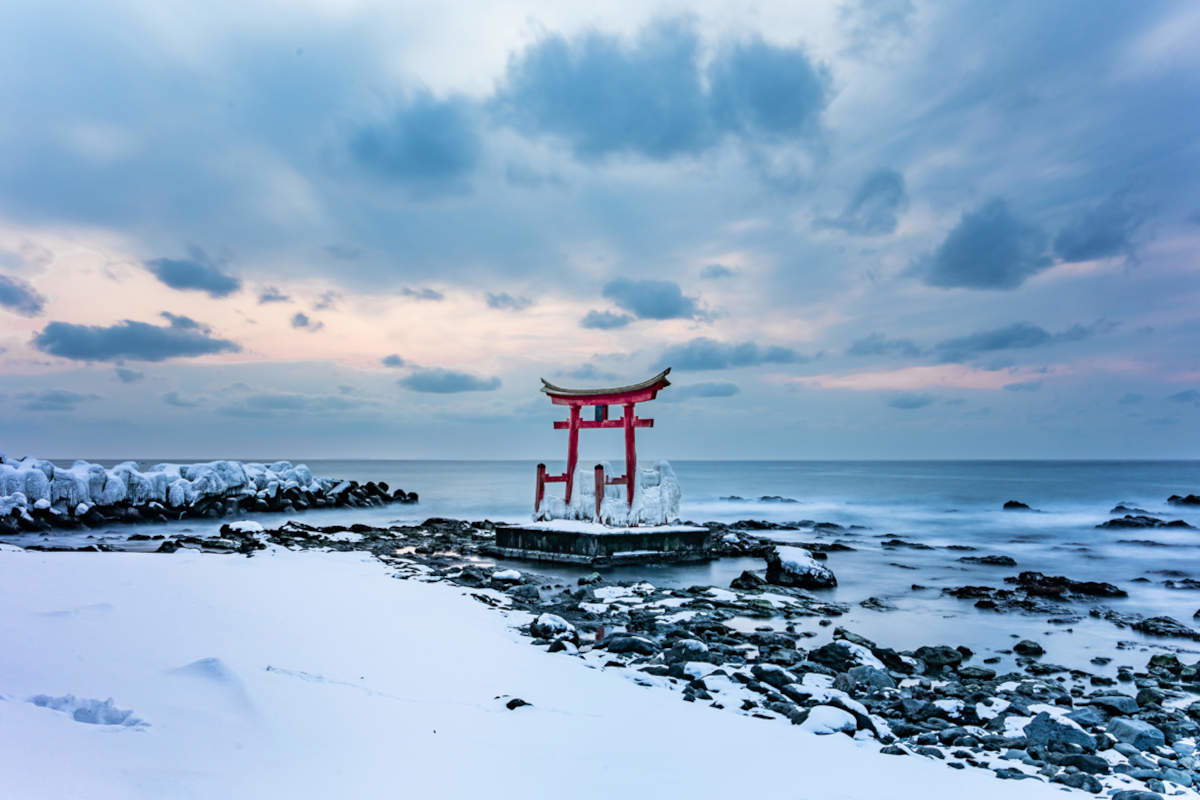
The photographs on display showcase the diversity of his visual language, which encompasses street photography, portraiture, landscape photography, and historical-geographical storytelling. The rigor of photojournalism is paired with a particular attention to composition and the human dimension of his subjects, with images that convey both the characteristics of the places and the experiences of the communities that inhabit them.


The project conceived for Villa Bardini proposes a journey along two main axes: the geographical and the temporal. The first section follows in the footsteps of the great travelers of the past, beginning with Marco Polo. A substantial portion of the photographs comes from photoessays created along the ancient caravan routes of the Silk Road, on the journey from Venice to Beijing, retracing the territories described in *Il Milione*. Another group of images documents the places linked to the 15th-century maritime expeditions led by the Chinese admiral Zheng He.
China and Japan form the geographical heart of the journey, as they are central to Yamashita’s research and professional experience. The narrative also extends to the mountains and valleys of Afghanistan, the cultures of Southeast Asia, and other places he visited during his field missions. The itinerary also includes two images that depart from the predominantly Eastern setting: a view of Venice—the ideal starting point for Marco Polo’s journey and a symbolic place where East and West meet—and a photograph of New York, an emblem of the New World and a reference to the photographer’s personal and family life.
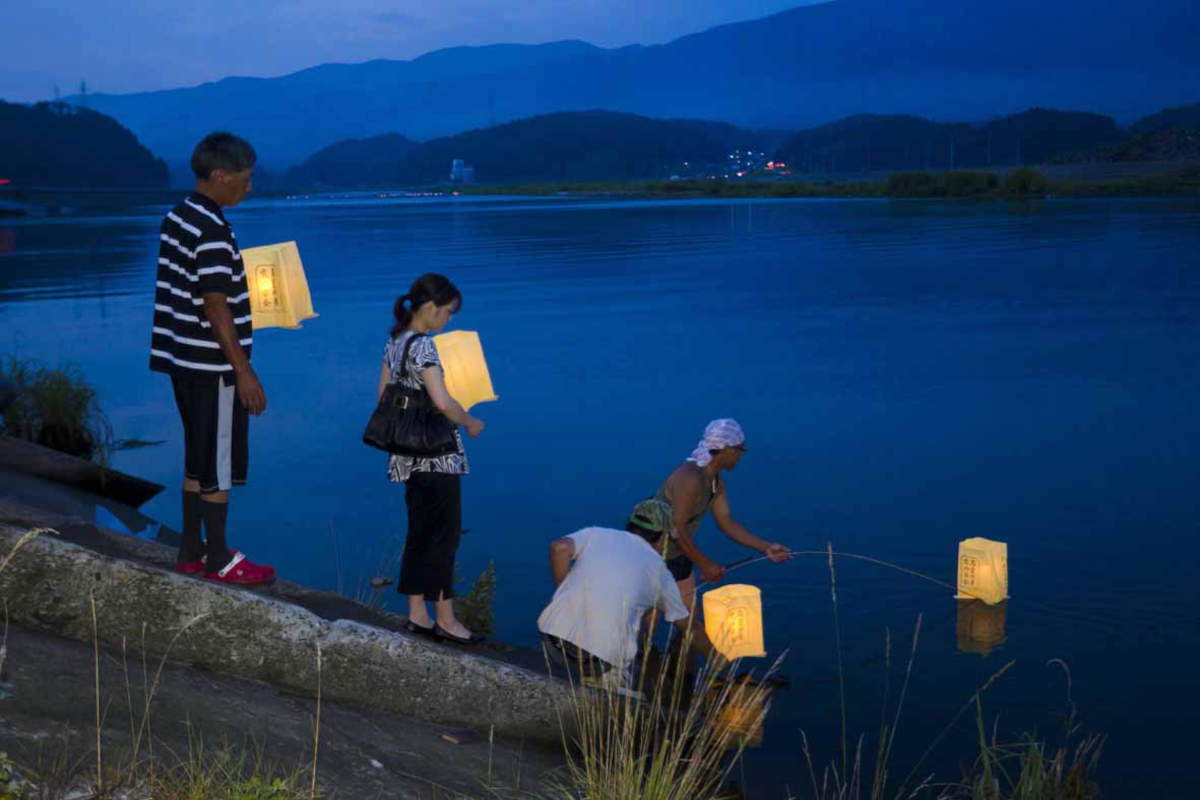
The second theme, on the other hand, explores the relationship between tradition and modernity in contemporary Asia. The photographs highlight the coexistence of millennia-old rituals, spiritual practices, and historic architecture alongside the economic and urban transformations affecting the Asia-Pacific region. What emerges is a picture in which nature and culture intertwine, while the people and communities encountered by the photographer take center stage, observed with close attention to their social and cultural particularities.
The exhibition will be complemented by the screening of a short documentary lasting about ten minutes. The video features an interview with Yamashita conducted in his studio in New Jersey, during which the photographer discusses the work behind his photo essays, his research methods, the waiting times required to capture a shot, and the relationships he has built with the local communities he has encountered during his travels. The interview also provides an opportunity to look back on his career and reflect on the value of his photographic archives and his research.
Practical Information
Hours:
Daily from 10 a.m. to 7:30 p.m. Closed on the first and last Monday of the month
Tickets:
Full price: €10;
Reduced €5.
 |
| Michael Yamashita in Florence: 90 Photographs Depicting Asia and Its Great Routes |
Warning: the translation into English of the original Italian article was created using automatic tools. We undertake to review all articles, but we do not guarantee the total absence of inaccuracies in the translation due to the program. You can find the original by clicking on the ITA button. If you find any mistake,please contact us.