





One hundred years after Claude Monet’s death in 1926, the Musée de l’Orangerie in Paris is dedicating an exhibition to the great Impressionist painter that explores one of the central themes of his work: the relationship between painting and time. “Monet: Painting Time,” scheduled from September 30, 2026, to January 25, 2027, offers a fresh perspective on the artist’s work through nearly forty paintings. The exhibition is organized by the Musée de l’Orangerie in collaboration with the Tate Modern in London, where it will subsequently be on view from February 25 to June 27, 2027, and is supported by the Musée Marmottan Monet andthe Académie des Beaux-Arts in Paris.
The exhibition brings together works drawn primarily from the collections of the Musée d’Orsay and the Musée Marmottan Monet, alongside loans from public institutions and private collections in France and abroad. The central theme is the evolution of Monet’s artistic vision: from the Impressionist desire to capture the fleeting nature of the moment on canvas to the search for a style of painting capable of conveying a broader sense of duration.
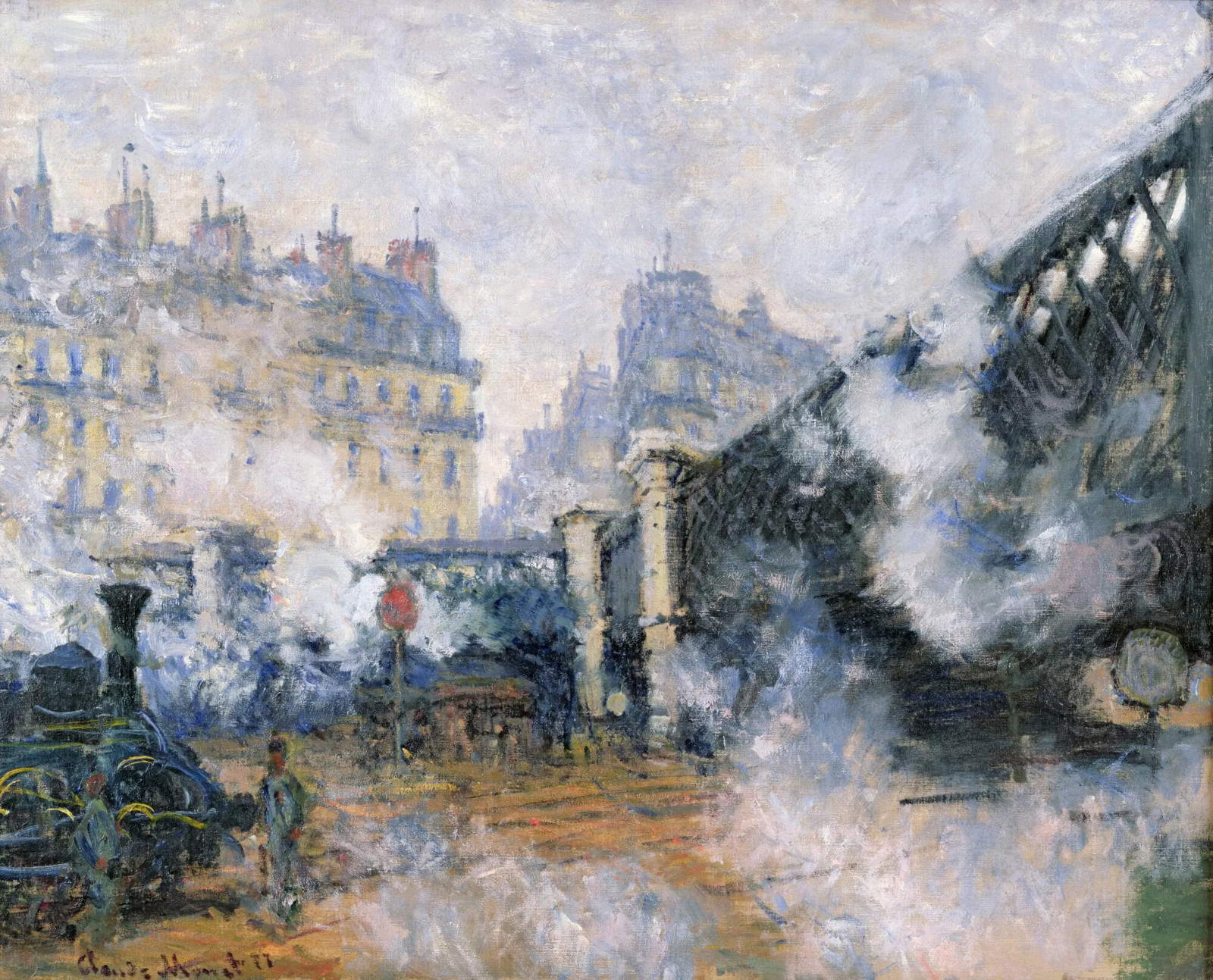
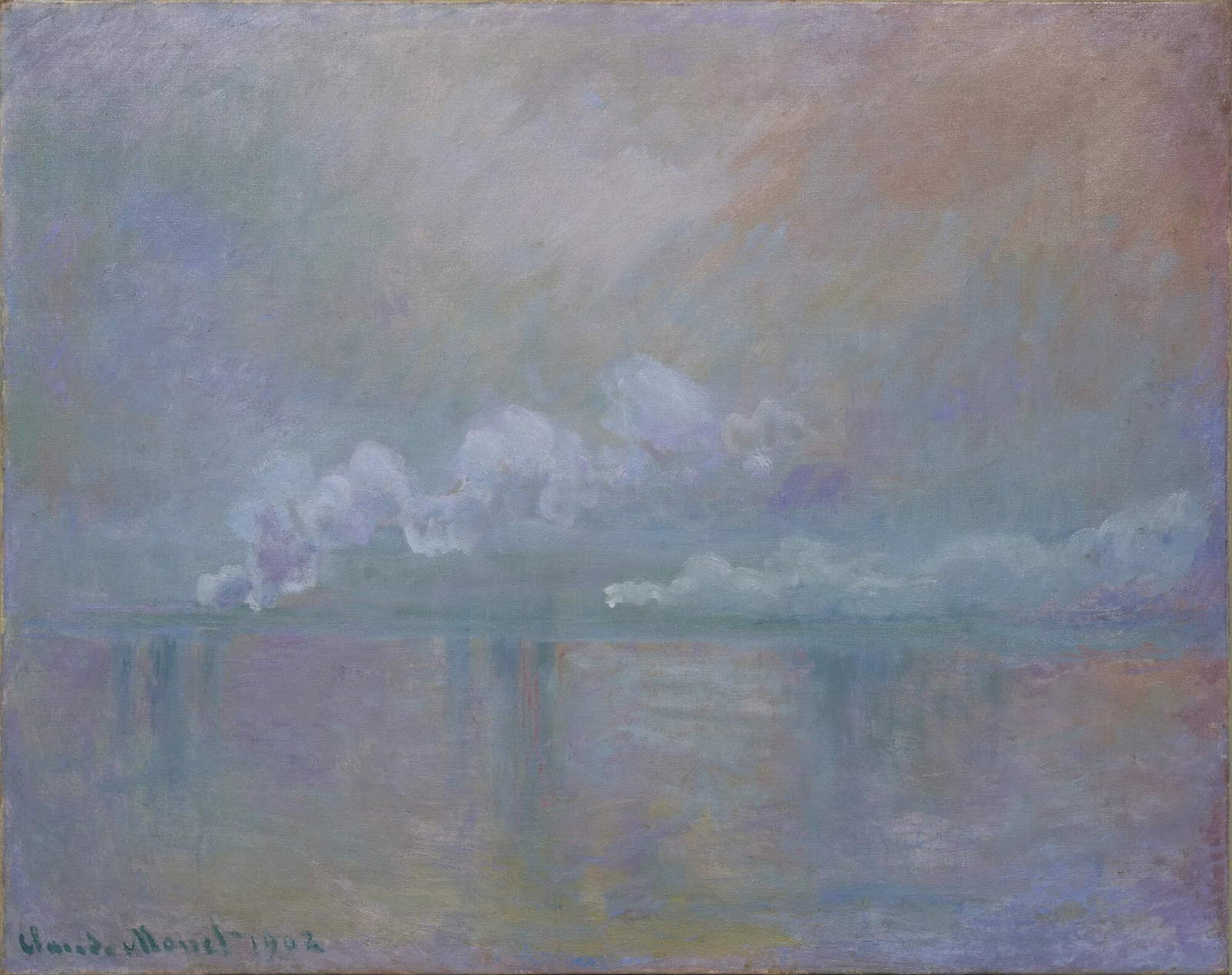
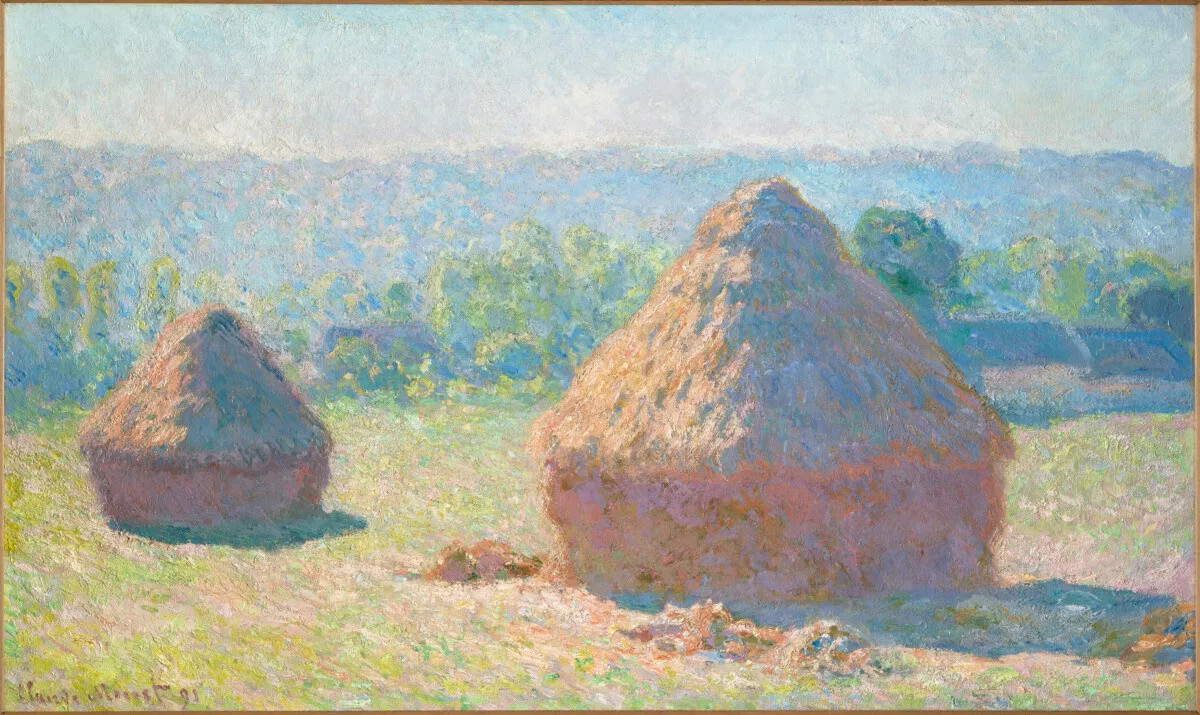
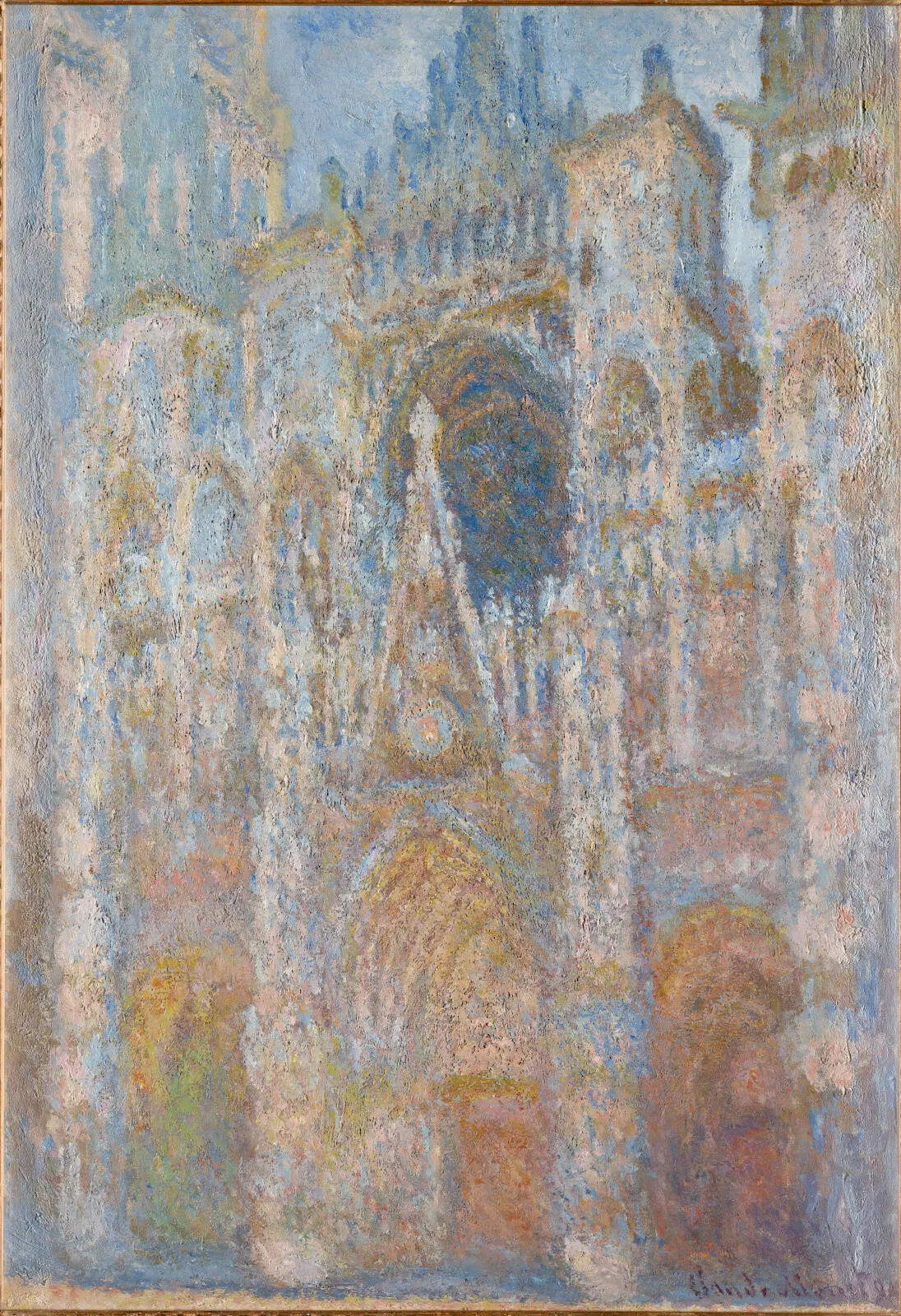
As early as the 1870s, Monet was considered one of the leading exponents of the new Impressionist movement, even though he had participated in only five of the exhibitions organized by the group. His works embodied some of the movement’s most innovative elements: painting en plein air, rapid brushstrokes, luminous hues, and above all, a focus on what happens at a specific moment. But over the decades, the artist’s relationship with time would become increasingly complex. Monet began observing the same subject under different conditions, tracking the variations caused by the time of day, the light, and the weather. This exploration reached one of its most significant expressions in the large series he created between the 1880s and 1890s: the Haystacks, the Poplars, the Mornings on the Seine, and the Rouen Cathedral demonstrate how painting could become a tool for breaking down time and observing the transformations of a single image. Through these series, Monet took the Impressionist logic of capturing the moment to its extreme, multiplying his perspectives on the same subject to convey not a static image, but its constant change.
His exploration of time reached its culmination in the great “Water Lilies” series, which Monet began in the 1890s and continued until his death in 1926. There are over 250 canvases dedicated to the garden at Giverny and its variations in light, reflections, colors, and atmosphere. The subject is no longer merely something to be observed: it becomes an environment in which to immerse oneself. The experience reaches its peak in the large-scale murals designed by the artist for two specially constructed rooms, which were donated to France after the 1918 armistice. The works were unveiled in 1927, a year after Monet’s death, and are now housed at the Orangerie. It is in this context that the exhibition finds its ideal setting. The museum’s monumental Water Lilies, in fact, represent the culmination of a journey in which Monet moves from capturing the instant to exploring duration, understood as a continuous and immersive experience. This approach also echoes Bergson’s conception of time as lived experience, rather than as a mere succession of measurable moments.
Reflection on time also allows us to reinterpret Monet in light of the profound transformations of nineteenth-century society. The nineteenth century was an era marked by the proliferation of clocks in public spaces and the gradual standardization of time, but also by the transportation revolution, the development of railroads, and an accelerating pace of daily life. Monet’s Impressionist painting seems to respond precisely to this new perception of time. The artist observes the world as it changes and seeks to capture its most fleeting manifestations on canvas. With the transition from individual “impressions” to series and finally to the Water Lilies, this quest takes on an increasingly radical dimension: no longer merely freezing a moment, but understanding how the image transforms over time.
The exhibition, curated by Sophie Eloy and Cécile Girardeau, thus invites viewers to examine Monet’s entire career from a unique perspective, focusing on his relentless search for a visual language capable of representing change.
Alongside the exhibition, the Musée de l’Orangerie is also offeringan immersive virtual reality experience dedicated to Monet’s relationship with water. The experience traces roughly half a century of his career through a dialogue between Monet, his stepdaughter Blanche Hoschedé, and the statesman and friend Georges Clemenceau. Water—with its reflections, transparency, and the movement of its surface—becomes the central theme of an immersive journey into the painter’s universe. Created by Lucid Realities in collaboration with the Musée de l’Orangerie and with the participation of VIVE Arts, the project is directed by Nicolas Thépot.
The centennial celebration also continues in the Focus Room of the Musée de l’Orangerie with *Monet: Focus on the Family Archives*, a project dedicated to the artist’s most private and everyday life. The exhibition features materials from the collection of Philippe Piguet, a historian, art critic, curator, and descendant of Monet. Photographs, letters, and documents related to exhibitions allow visitors to see the man behind the great painter, offering a more intimate glimpse into his life and work. The initiative is divided into two parts. The first part, “Monet at Work,” on view from September 30, 2026, to January 25, 2027, focuses on the creative process through photographs and correspondence. The second part, “Monet in Private,” will run from January 29 to May 31, 2027, and will accompany the exhibition “1927: Time Regained,” offering a glimpse into the artist’s daily life.
On the centennial of his death, therefore, Monet is once again viewed not only as the painter who revolutionized the representation of light, but as an artist deeply interested in the ever-changing nature of reality. From the fleeting nature of the impression to the infinite variations of the *Water Lilies*, his painting becomes a way to engage with time, preserve its traces, and transform the perception of a single moment into an experience destined to endure.
|
| Monet, Painting Time: A Major Exhibition in Paris Marking the Centennial of His Death |

Warning: the translation into English of the original Italian article was created using automatic tools. We undertake to review all articles, but we do not guarantee the total absence of inaccuracies in the translation due to the program. You can find the original by clicking on the ITA button. If you find any mistake,please contact us.




























 IT
IT FR
FR DE
DE ES
ES CN
CN


