



by Redazione 07/11/2026


Categories: Exhibitions / Disclaimer
The Zani House Museum pays tribute to Palma il Giovane with an exhibition celebrating the four centuries since the altarpiece was created for Brescia’s Duomo Nuovo, marking the start of its restoration, which is supported by the Zani Foundation.

Four hundred years after the completion of the large altarpiece for Brescia’s Duomo Nuovo, Palma il Giovane returns to the forefront of the city’s cultural scene. To mark the holiday season, the Zani House Museum in Cellatica (Brescia) is dedicating a two-part event to the Venetian artist: on the one hand, the start of the restoration of the painting *The Assumption and Saints Charles Borromeo, Francis, and Bishop Marino Zorzi*, supported by the Zani Foundation; and second, the exhibition *Palma il Giovane and Brescia: A Tribute to Palma*, which traces the connection between the painter and the Brescia region.


Curated by Angelo Loda, head of the historical-artistic division of the Superintendence of Archaeology, Fine Arts, and Landscape of Bergamo and Brescia, the exhibition will be open to the public from December 4, 2026, to February 28, 2027, and will feature four paintings on canvas, selected to document the success of Palma il Giovane’s oeuvre and the role of public and private commissions in the dissemination of his works in Brescia.
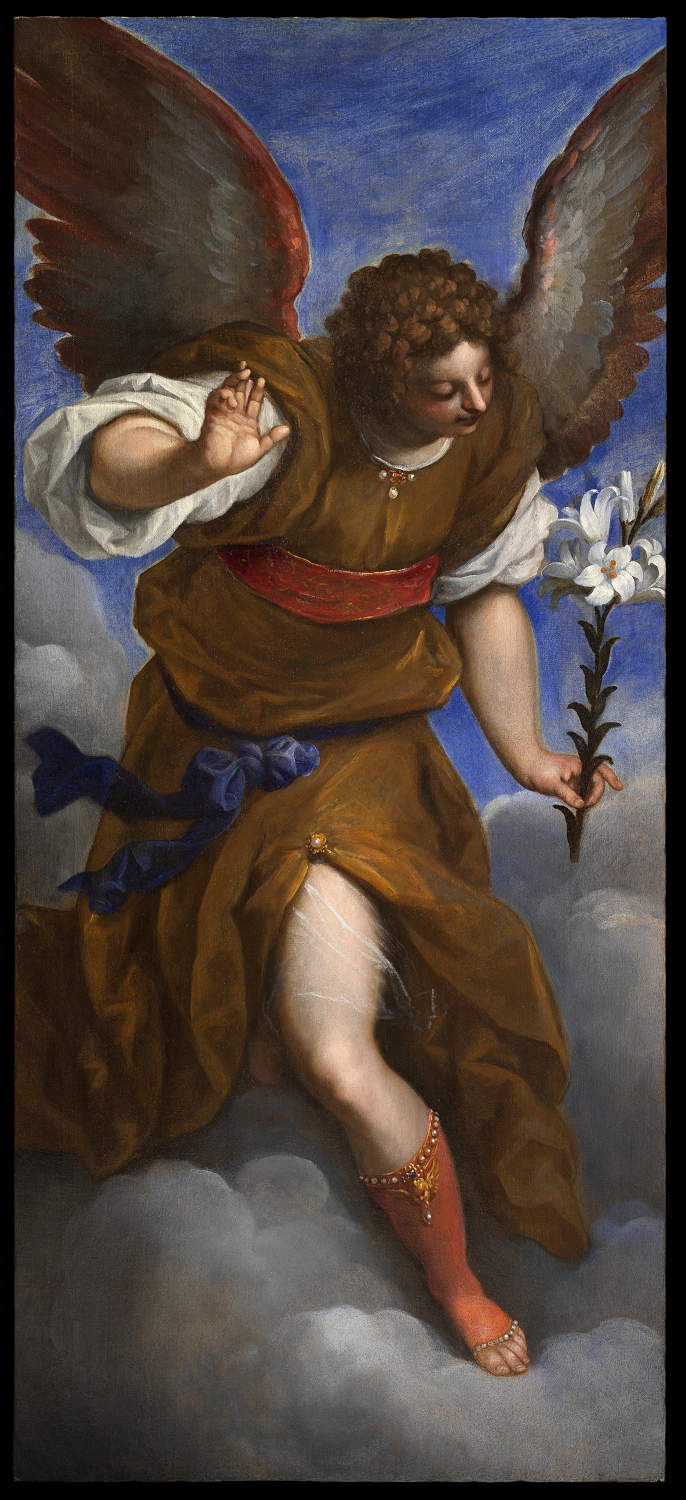
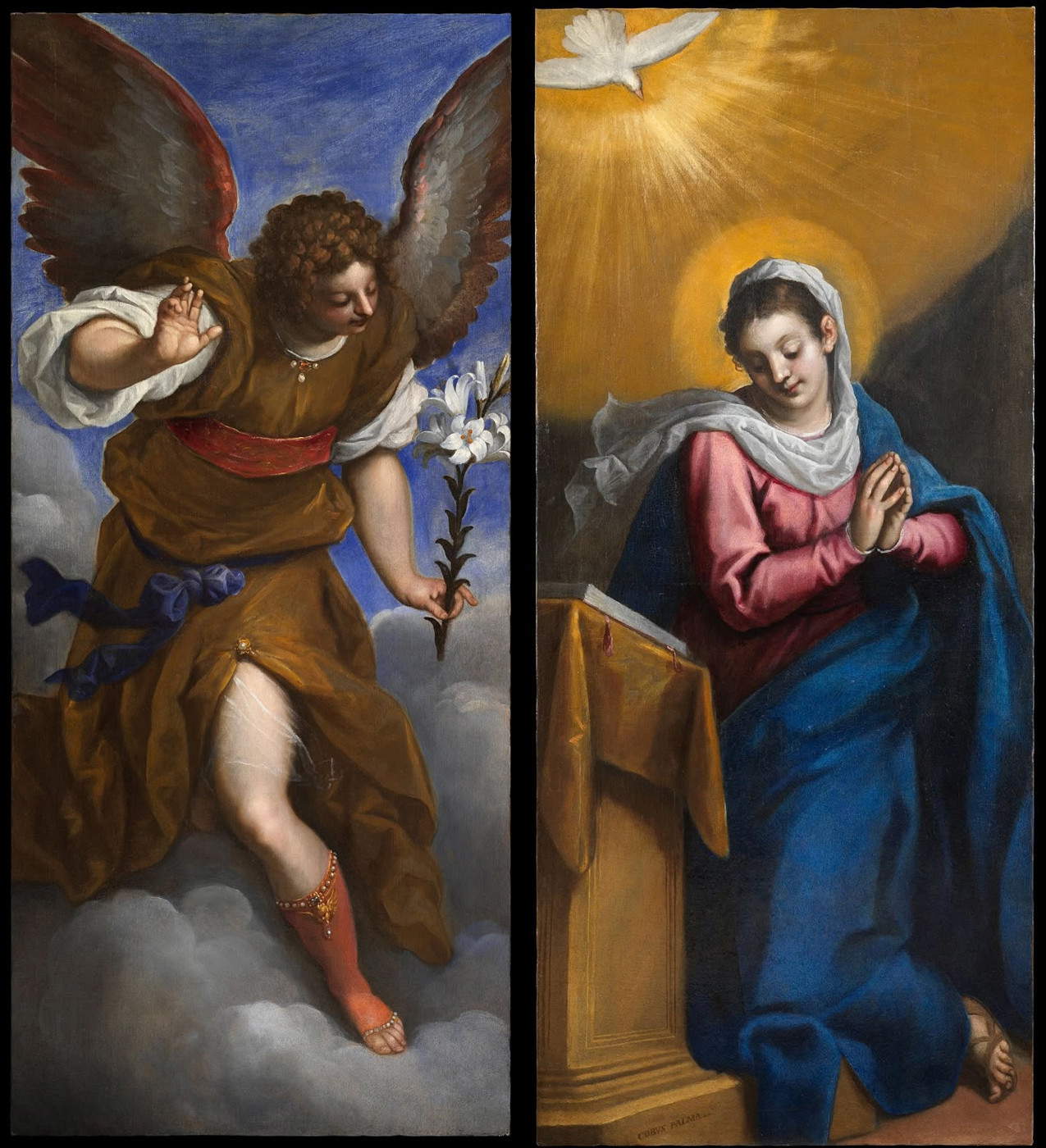
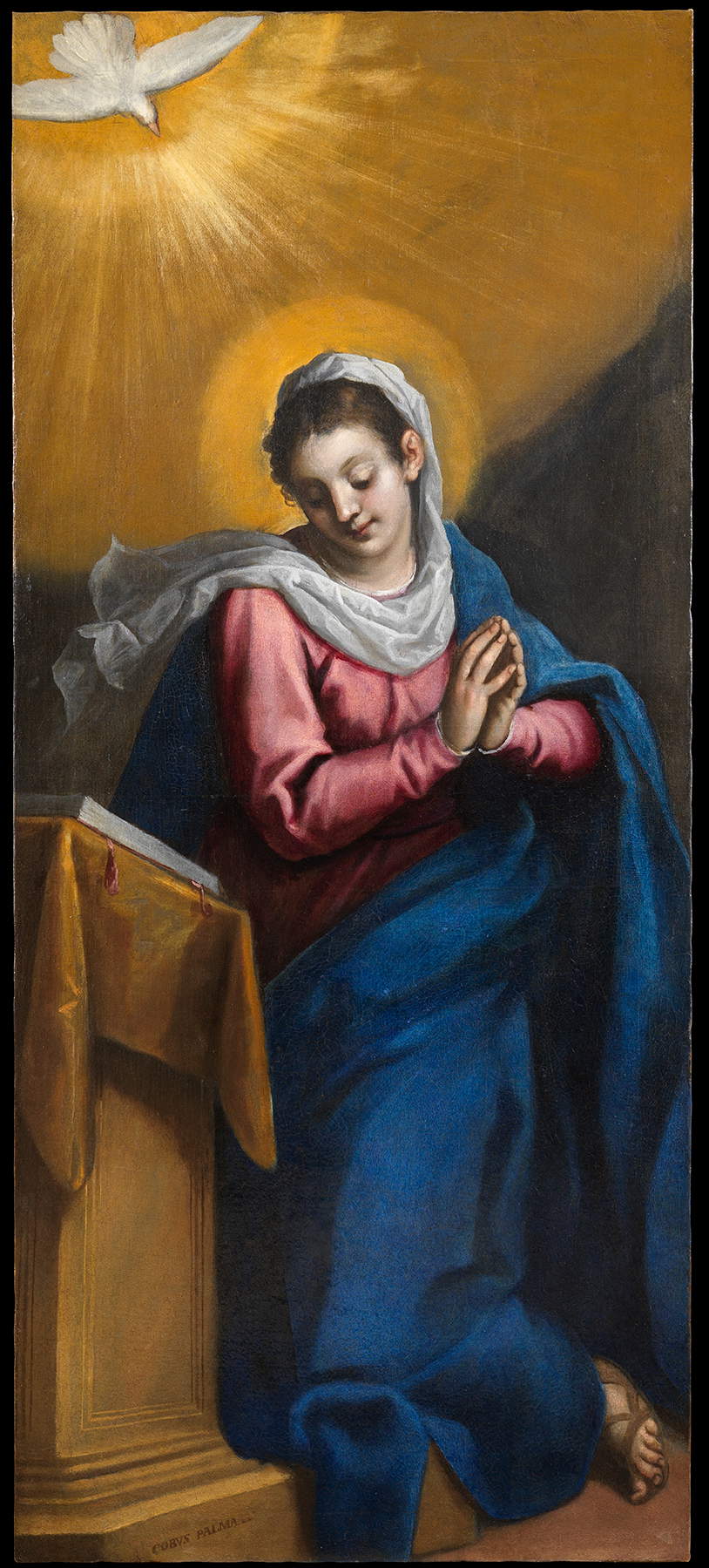
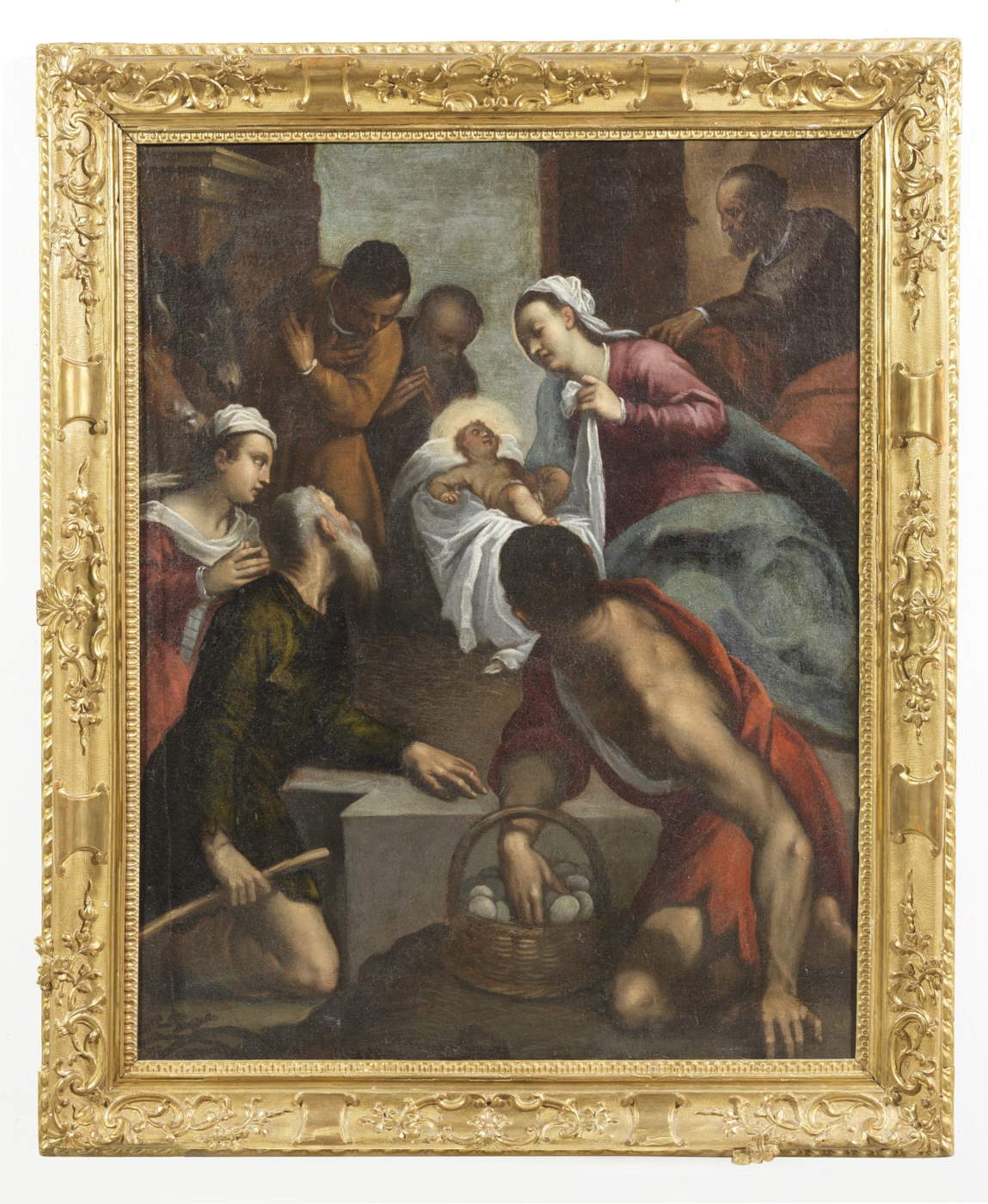
Among the works on display, the refined diptych depicting the Archangel Gabriel Announcing the Good News and the Announced Virgin Mary stands out; it is currently housed at the Museo dei Cappuccini in Milan and originates from the former Capuchin church in Brescia. Also on display will be the Adoration of the Shepherds, documented in the 18th century at Casa Avogadro and a significant testament to the presence of the artist’s works in the city’s private collections.



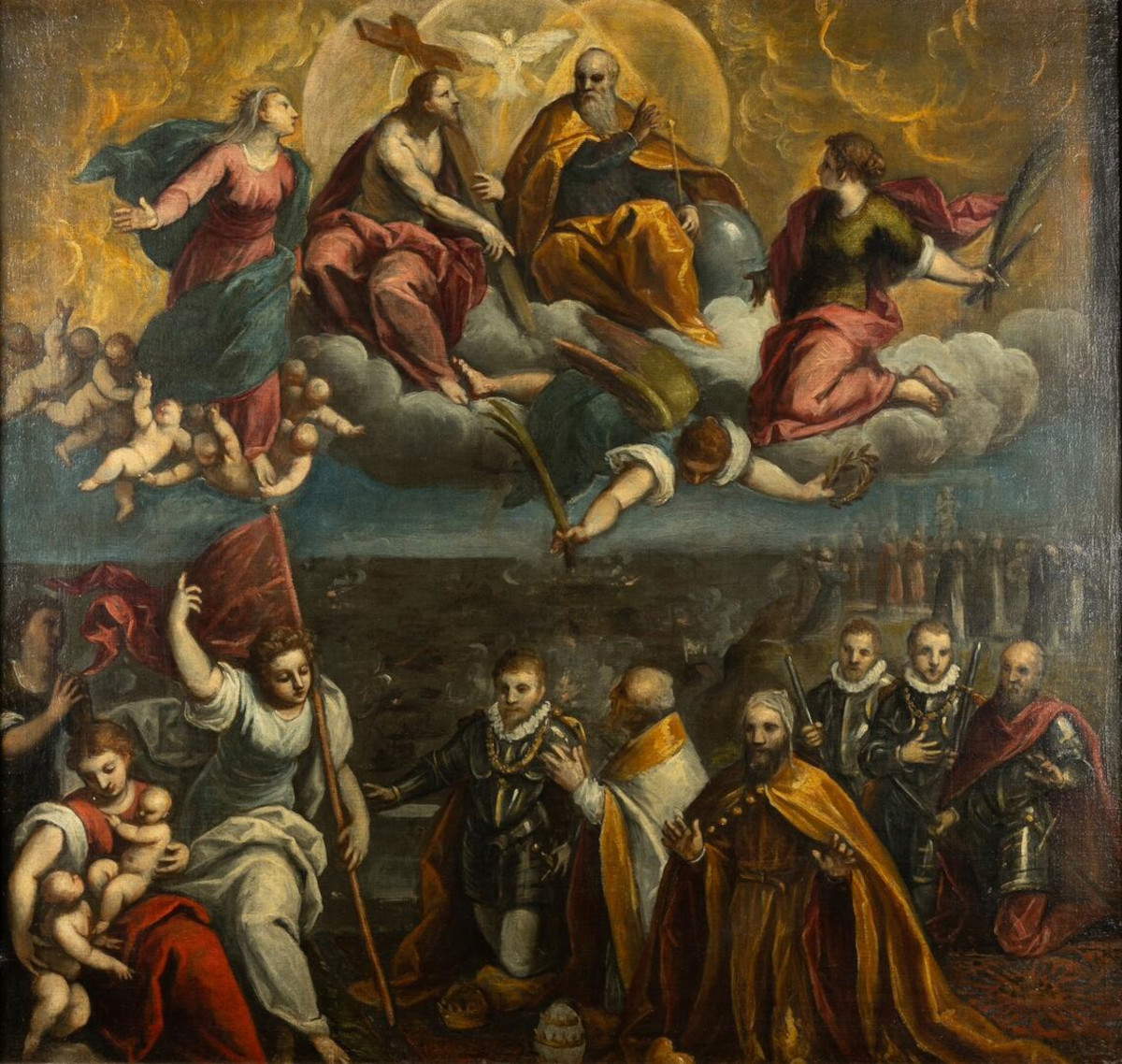
A place of particular prominence is reserved for the sketch of the *Allegory of the Battle of Lepanto*, a preparatory study for the large canvas intended for the Chapel of the Rosary in the Church of San Domenico in Brescia, a building demolished in the late 19th century. Rediscovered only recently, the work is now housed at Venaria Reale, following an extensive restoration, and offers insight into one of the most important decorative cycles created by Palma the Younger for the city.
Described in 1648 by Carlo Ridolfi as “the triumphant master of art in his century,” Palma the Younger was born in Venice between 1548 and 1550 and died in the same city in 1628. Throughout his career, he produced a vast body of work, including altarpieces, large canvases, and paintings intended for both public spaces and private collections.
His connection to Brescia and the territories of the Venetian mainland was particularly significant. Numerous works by the artist are still preserved today in the churches of the city, in Franciacorta, on Lake Garda, and in the valleys around Brescia. The paintings selected for the exhibition reflect the variety and quality of his body of work, highlighting a style that combines the colorism of the Venetian tradition with the monumentality and formal composure he developed during his stay in Rome. Palma il Giovane’s painting also exerted a profound influence on Lombard figurative art between the 16th and 17th centuries, contributing to the spread of new compositional and stylistic models.
The exhibition is open Tuesday through Friday from 9 a.m. to 1 p.m.; Saturday and Sunday from 10 a.m. to 5 p.m.
|
| Palma the Younger and Brescia: An Exhibition Celebrates the 400th Anniversary of the Altarpiece for the Duomo Nuovo, Which Is Set to Be Restored |
Warning: the translation into English of the original Italian article was created using automatic tools. We undertake to review all articles, but we do not guarantee the total absence of inaccuracies in the translation due to the program. You can find the original by clicking on the ITA button. If you find any mistake,please contact us.