




by Redazione 24/08/2026



Categories: Exhibitions / Disclaimer
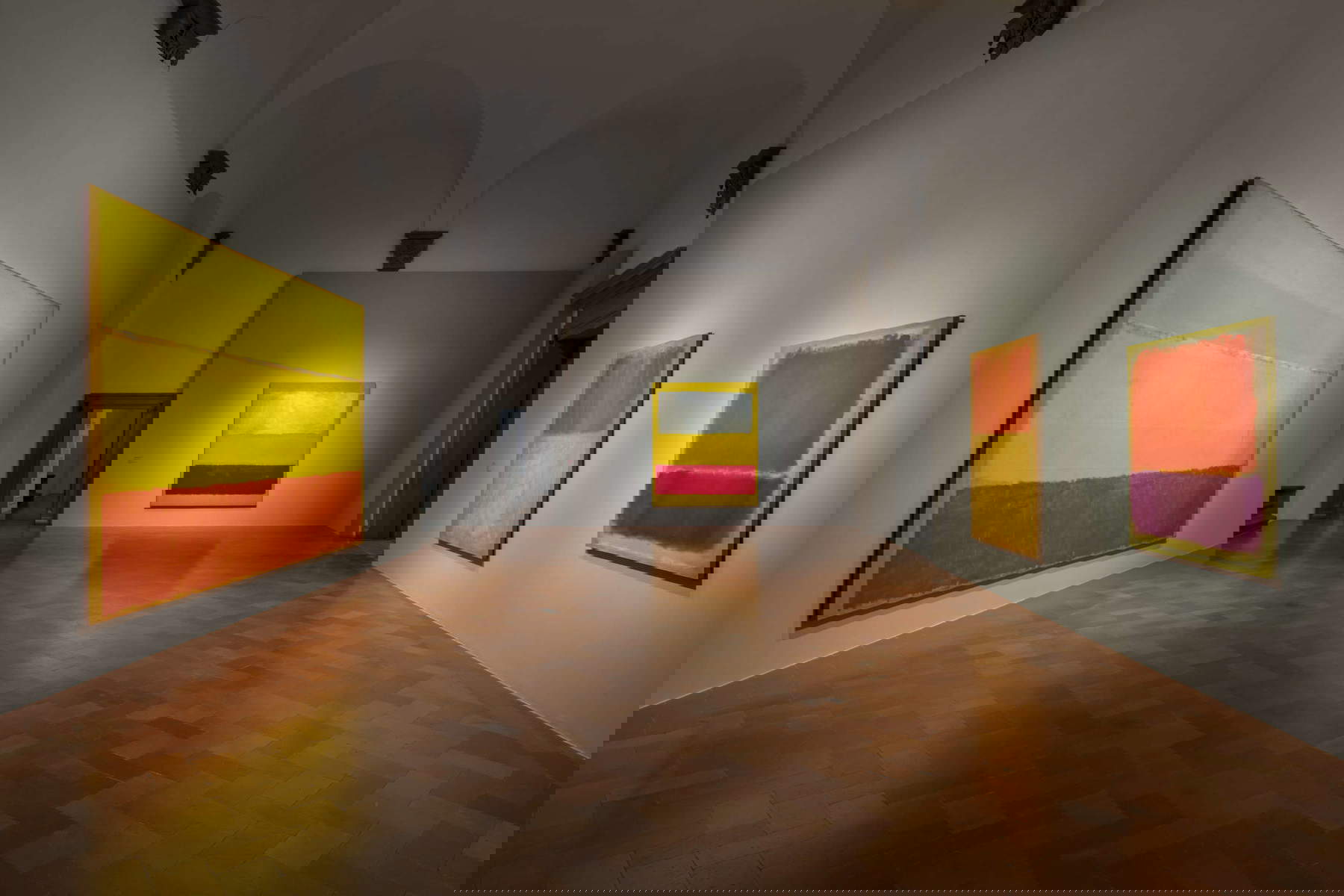
The Mark Rothko exhibition in Florence closed after 162 days, having attracted over 300,000 visitors. It is the most-visited exhibition in the Palazzo Strozzi Foundation’s twenty-year history.
The Rothko exhibition in Florence concluded yesterday, Sunday, August 23, 2026, with over 300,000 visitors, establishing itself as the most-visited exhibition in the Palazzo Strozzi Foundation’s twenty-year history.
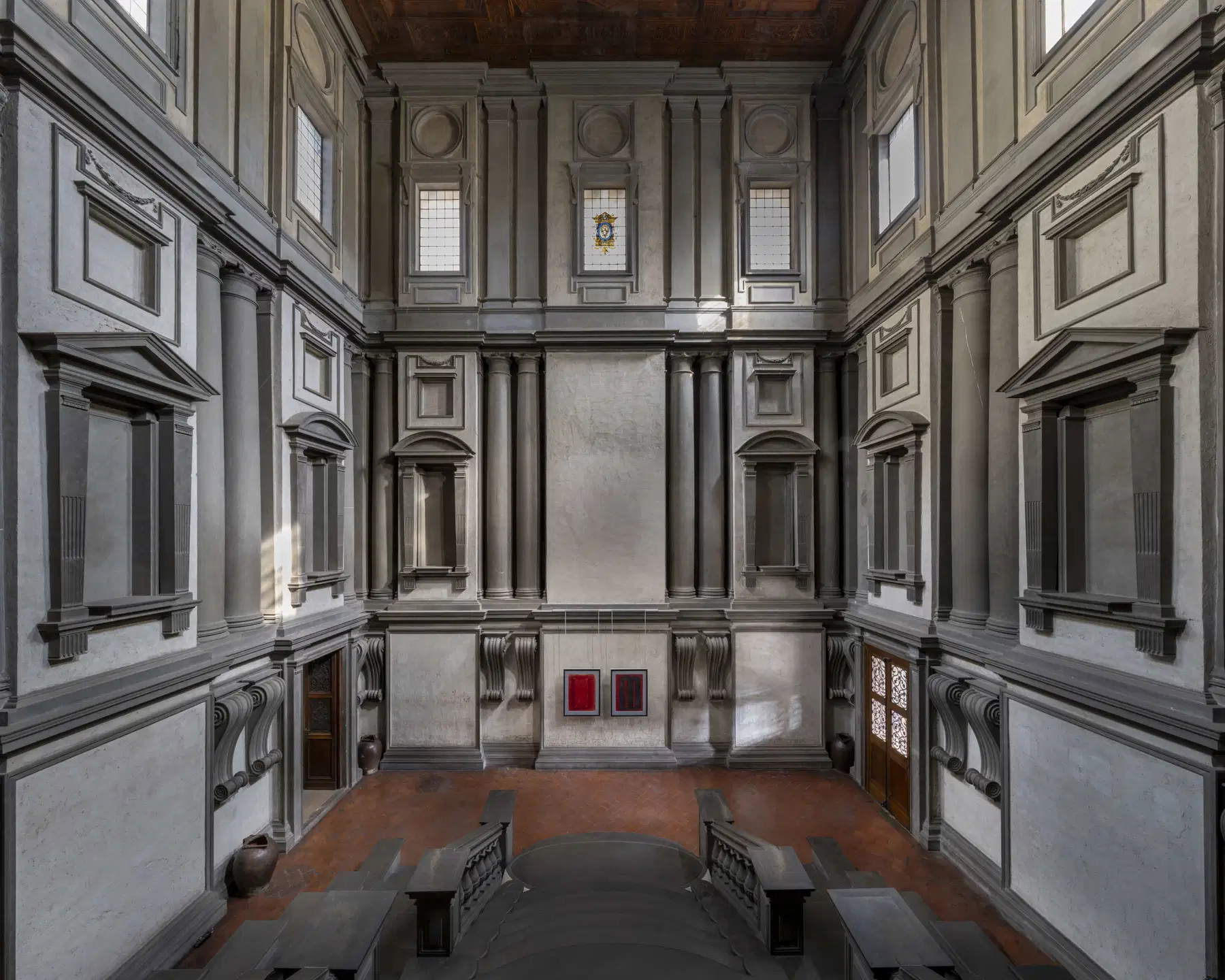
The exhibition, conceived specifically for the spaces of Palazzo Strozzi in Florence and its two satellite venues— the Museo di San Marco and the Biblioteca Medicea Laurenziana—and curated by Christopher Rothko and Elena Geuna, explored the relationship between Mark Rothko and Florence, through works drawn from prestigious private collections and some of the world’s leading museums. Lenders included the Museum of Modern Art (MoMA) and the Metropolitan Museum of Art in New York, the Tate in London, and the National Gallery of Art in Washington.
During its 162 days on view, Palazzo Strozzi welcomed 301,730 visitors, making “Rothko in Florence” the most-visited exhibition in the Foundation’s history. The two satellite venues also recorded significant results: the Museo di San Marco attracted 96,665 visitors, while the Biblioteca Medicea Laurenziana welcomed 32,140 visitors.
The exhibition’s success also boostedFlorence’s appeal to tourists. According to data released by the Palazzo Strozzi Foundation, approximately 60% of the audience—equivalent to 200,000 visitors—consisted of Italians and foreigners residing outside the Florence metropolitan area. This is the highest figure ever recorded in the Foundation’s history and indicates that a significant portion of the audience traveled to Florence specifically to visit the exhibition, either for a day trip or by staying in the city.


Significant attention was also devoted to educational activities and the public program, engaging diverse audiences: people under 30, families, schools, universities, and participants in accessibility initiatives. The exhibition complemented its core display with a comprehensive program of initiatives designed to foster broad and inclusive participation. The success of “Rothko in Florence” extended to the digital realm as well. Content published on the Foundation’s social media channels—including Facebook, Instagram, TikTok, and LinkedIn—reached over 6.1 million people, generating more than 470,000 interactions, including likes, comments, and shares.
The exhibition thus concludes on a particularly positive note.
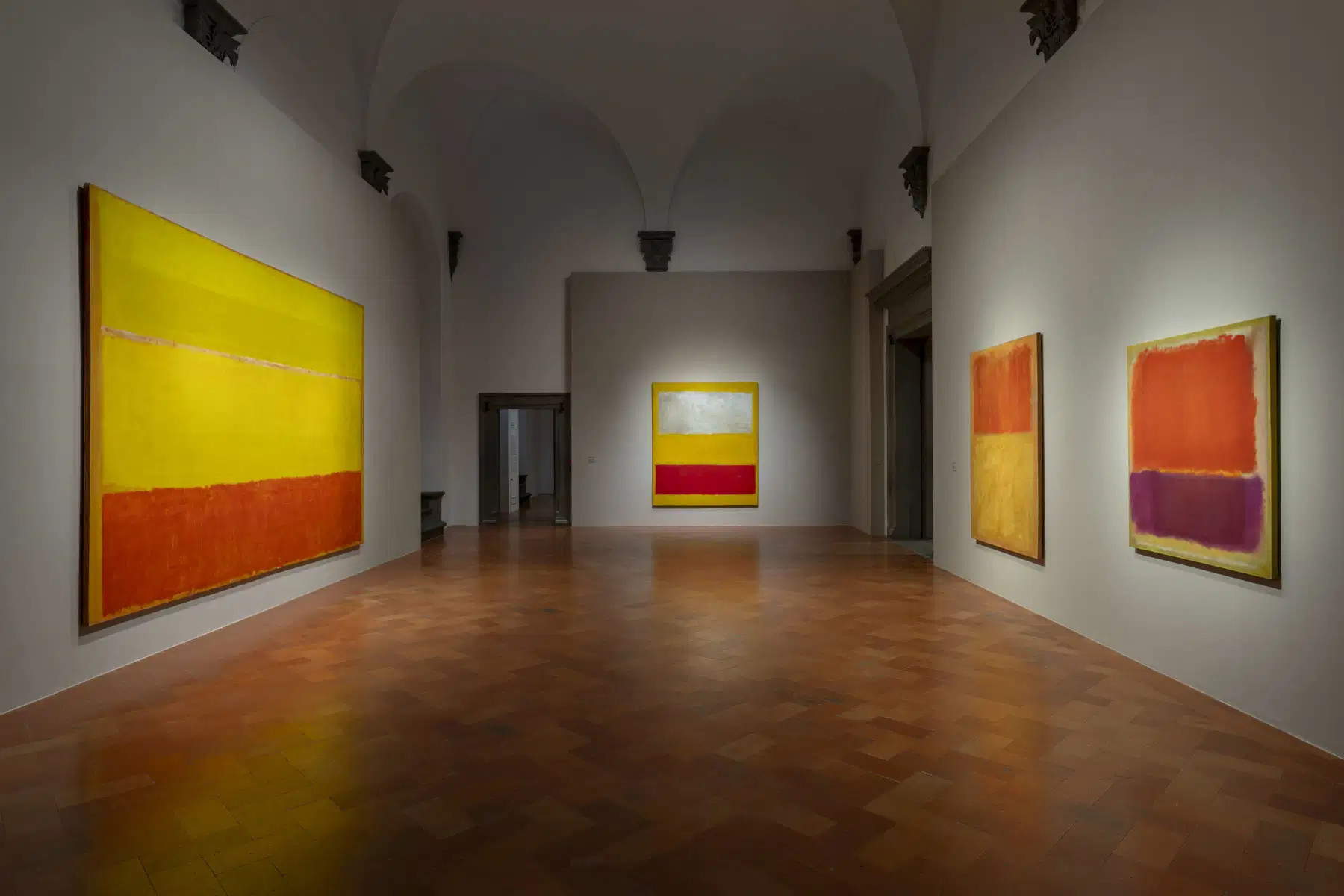
“Rothko in Florence was a project of exceptional importance for Palazzo Strozzi and for the city, offering the public a profound and unprecedented encounter with one of the greatest figures in 20th-century art,” stated Arturo Galansino, General Director of the Fondazione Palazzo Strozzi. “The extraordinary turnout of visitors and the attention from the national and international press confirm the quality of an exhibition built around exceptional loans and a curatorial approach designed to create an intense dialogue between Rothko’s work, the spaces of Palazzo Strozzi, and the artistic history of Florence. This achievement reinforces our mission: to produce ambitious yet accessible exhibitions that combine scholarly research with public engagement, thereby consolidating Palazzo Strozzi’s role as a leading international cultural center.”
“We are delighted to have collaborated with Palazzo Strozzi to create a one-of-a-kind juxtaposition at the Museo di San Marco between two artists separated by time yet surprisingly close in their ability to imbue painting with a dimension of meditation, spirituality, and introspection,” emphasized Carlotta Paola Brovadan, regional director of the National Museums of Tuscany at the Ministry of Culture. “The extraordinary experience of the encounter between Angelico’s frescoes and Rothko’s paintings has become a unique inspiration for the public, confirming the value of our collaboration with the Palazzo Strozzi Foundation, which has grown stronger over time and continues to demonstrate how fruitful it is to develop projects that bridge the ancient and the contemporary, highlighting the historical and artistic heritage and its ability to speak to today’s audience.”
“Sometimes, the revitalization and reinterpretation of a space as iconic as Michelangelo’s Vestibule of the Laurentian Library require bold and courageous approaches,” stated Francesca Gallori, director of the Laurentian Library (Ministry of Culture), “and pairing this space with Rothko’s works was precisely that—allowing the public to see, side by side, the inspiration and its artistic expression. For the library, this was its first collaboration with the Fondazione Palazzo Strozzi: the extraordinary success with both the public and critics confirms that the choice was the right one.”
 |
| "Rothko in Florence" Closes With Over 300,000 Visitors: It Is the Palazzo Strozzi Foundation's Most-Visited Exhibition |
Warning: the translation into English of the original Italian article was created using automatic tools. We undertake to review all articles, but we do not guarantee the total absence of inaccuracies in the translation due to the program. You can find the original by clicking on the ITA button. If you find any mistake,please contact us.