




by Redazione 15/10/2026



Categories: Museums / Disclaimer
The new Altopascio Spedale del Tau Museum (MAST) in Altopascio (Lucca) tells the story of the town along the Via Francigena through archaeological artifacts, multimedia reconstructions, and virtual reality. The grain silo complex, which had been closed to the public for years, is also reopening.


For centuries, it provided rest and refreshment to pilgrims heading to Rome, safeguarded the resources needed to care for them, and underwent transformations that reflect the economic and religious history of Tuscany. Now, in Altopascio (Lucca), the ancient Spedale del Tau once again serves as the centerpiece of a visitor itinerary that connects the town’s medieval past with the region’s subsequent history. On October 10, 2026, the MAST —the Altopascio Spedale del Tau Museum—a new museum project that also includes the revamped archaeological collection in the Loggiato Mediceo and the reopening to the public of the grain silos in Piazza Ospitalieri, which had been closed for many years.


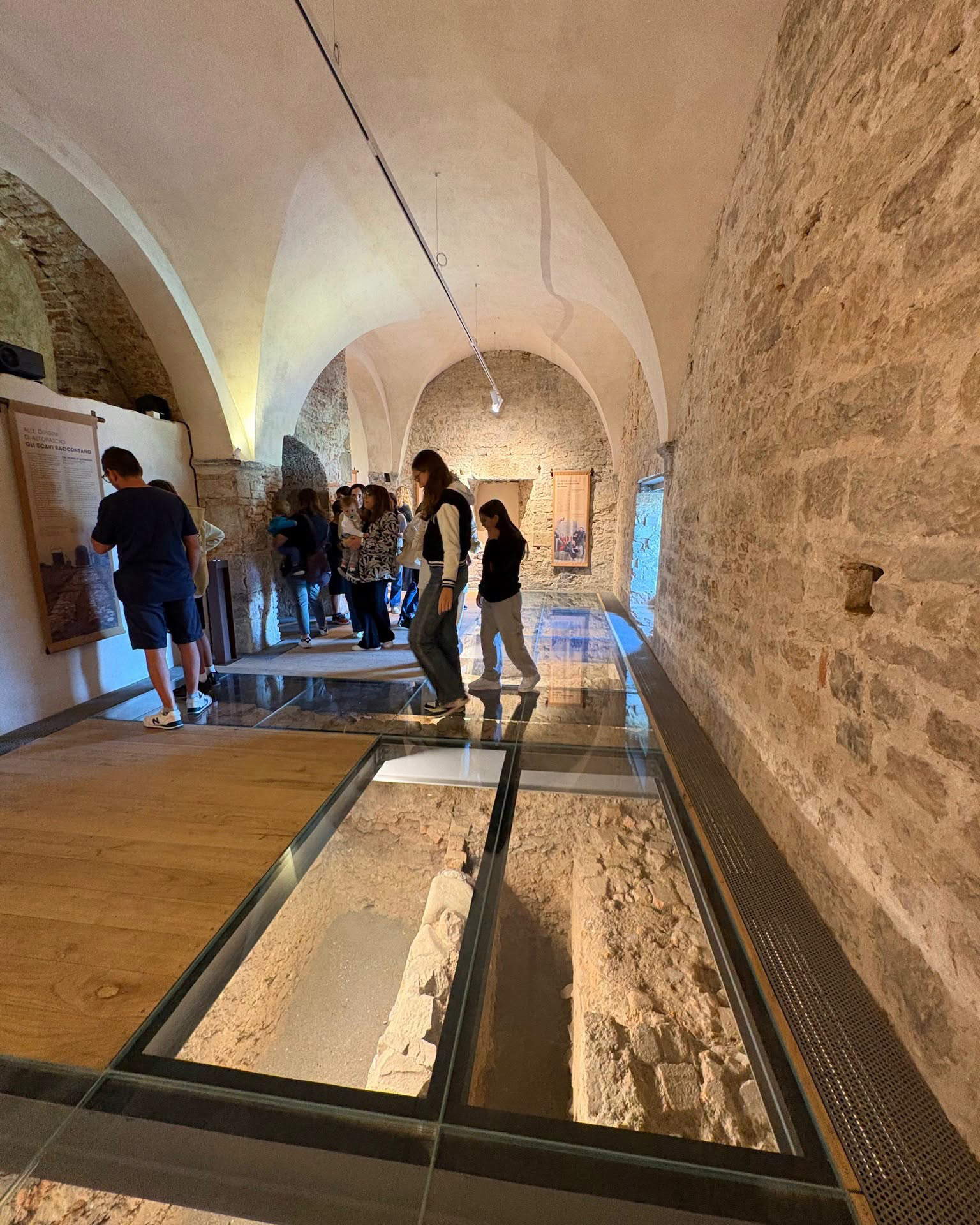
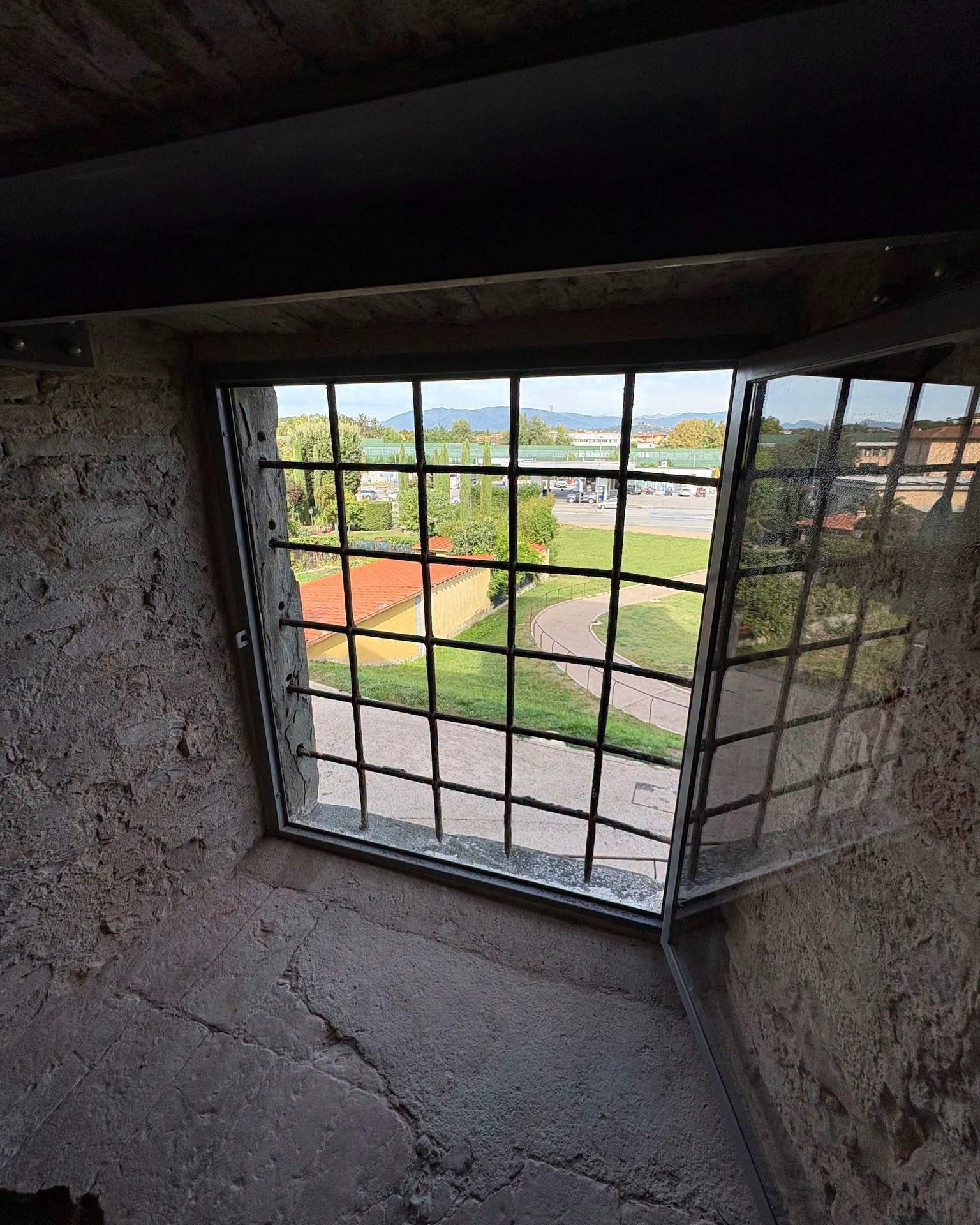
The museum does more than simply gather objects and historical artifacts in an exhibition space. The project connects the rooms of the ancient Spedale, the archaeological site, the silos, and the Loggiato Mediceo, creating a journey that allows visitors to understand the history of Altopascio through the very places where it unfolded: artifacts, informational panels, multimedia installations, and virtual reality tools guide visitors from the charitable function of the medieval settlement to the agricultural transformations of the Grand Ducal era, when wheat and its storage played a central role in the region’s economic organization. The new tour thus brings to light a part of the town’s heritage that, despite its significant history, had long remained difficult to access. Among the most interesting spaces are the silos themselves, linked to grain storage and the history of the grand ducal farm. Here, the tour allows visitors to explore the areas used for storing the harvest, enter the heart of the castle walls, and observe—through glass panels—the historical and archaeological layers of Piazza Ospitalieri.


MAST is the result of a project promoted by the Altopascio municipal administration and carried out by ETT S.p.A., a creative digital industry company part of Dedagroup, with funding from the Region of Tuscany and the Fondazione Cassa di Risparmio di Lucca. The architectural firm Battaglini-Frediani was responsible for project management, while the historical research was conducted by Giuseppe Dal Canto in collaboration with archaeologist Rossella Megaro, with the involvement of the municipal departments responsible for culture, tourism, and public works.


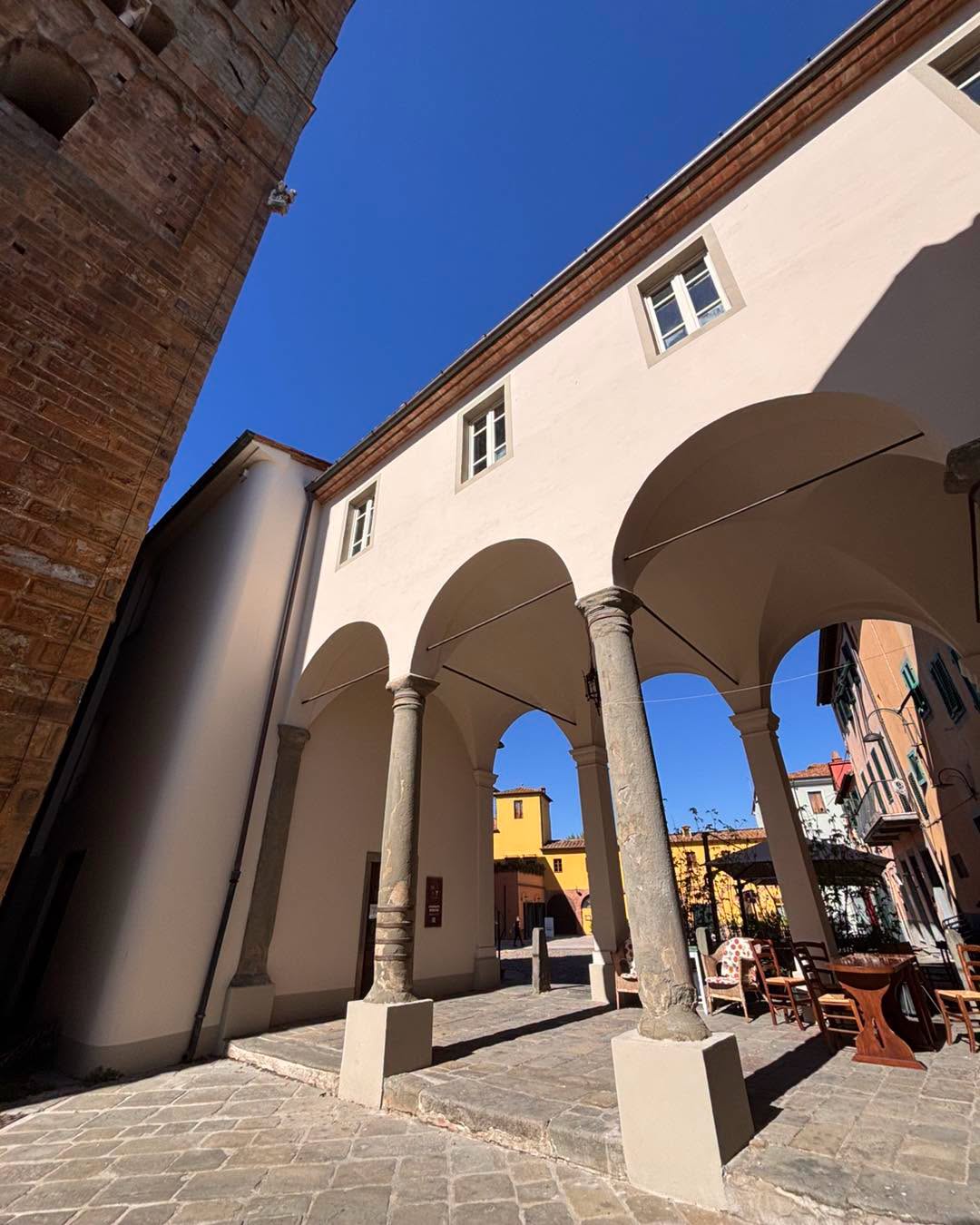
The central theme of the exhibition ishospitality, a concept that has profoundly shaped the history of Altopascio: the settlement developed along the Via Francigena, the great pilgrimage route connecting Northern Europe to Rome. Beginning in the 11th century, the Spedale provided shelter, refreshment, and assistance to travelers, the poor, and pilgrims. It was managed bythe Hospitaller Order of the Friars of St. James, linked to the Knights of the Tau, who became one of the town’s symbols. The ancient complex was far larger and more elaborate than a simple shelter for travelers. Surrounded by sturdy walls, it resembled a fortress and consisted of two large courtyards: one reserved for the friars and the other for guests. It was accessed through the Porta degli Ospedalieri, and inside stood the church of San Jacopo and the imposing bell tower, a landmark visible even from a distance to those traveling along the road.
Caring for pilgrims required an organization capable of providing not only a place to rest but also food and resources to sustain the hospital’s operations over time. For this reason, the history of hospitality is intertwined with that of agricultural work and the preservation of crops. Bread, in particular, became one of the themes linking the museum’s various galleries: a staple food for travelers, but also a product of an economic system that had to manage fields, harvests, storage facilities, and stockpiles.
The history of the Spedale changed during the fifteenth century: in 1460, Pope Pius II decreed its dissolution, calling it “a useless institution” and allocating its assets to support the fight against the Turks. In 1476, Pope Sixtus IV permanently abolished the Order of Altopascio. The assets then came under the administration of prominent Florentine families and, during the sixteenth century, became part of the Medici holdings, before also being linked to the Order of Saint Stephen. Under the rule of Peter Leopold of Lorraine in the 18th century, the territory underwent a new agricultural reorganization through the creation of grand ducal farms and the introduction of different farming practices. The great Piaggione dates back to this period; it was a structure equipped with silos and hatches designed to store grain (the Altopascio farm included fields planted with wheat and fodder crops, mulberry trees for silkworm farming, and animals raised in the farmyards: a system organized around production needs and harvest management).
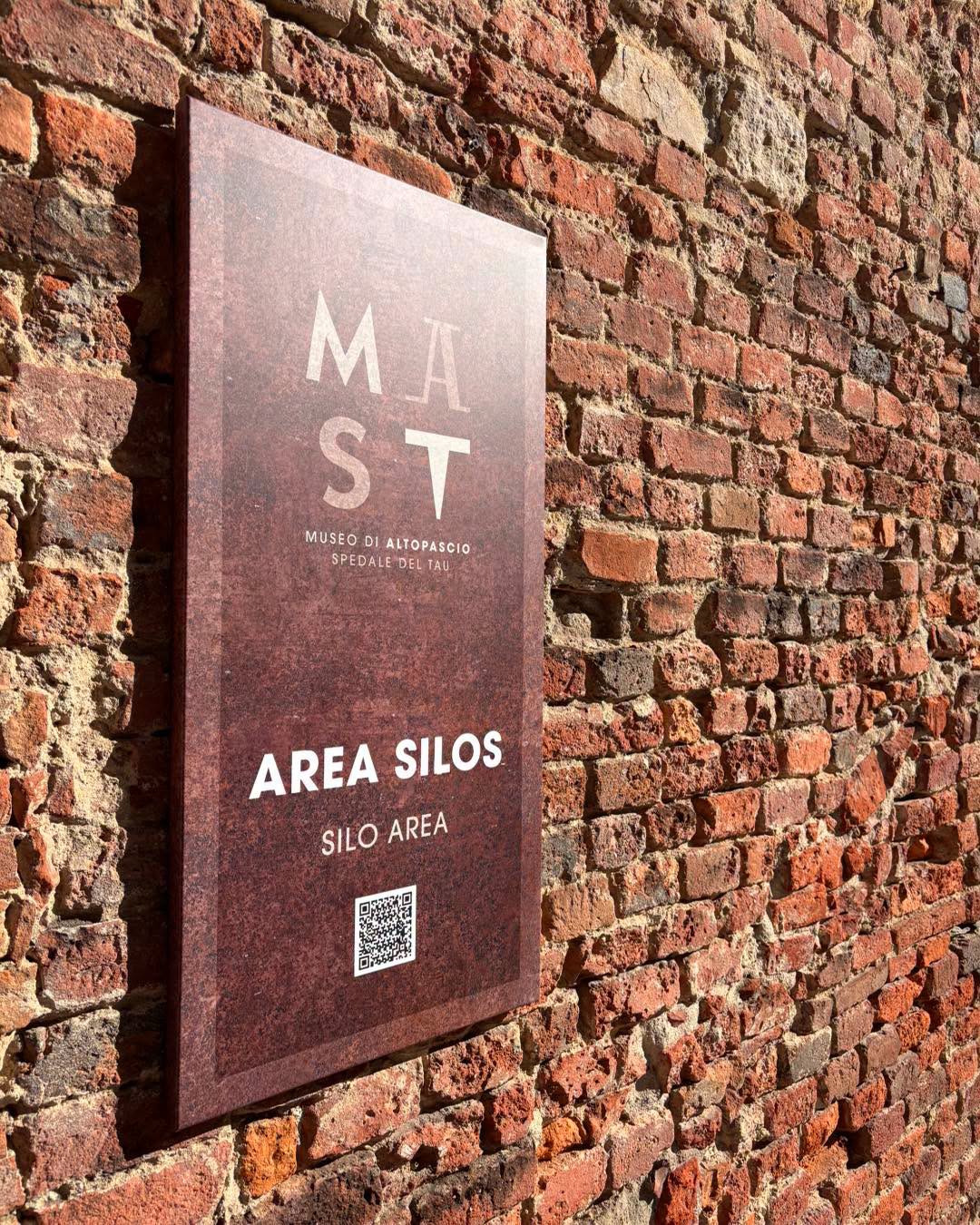
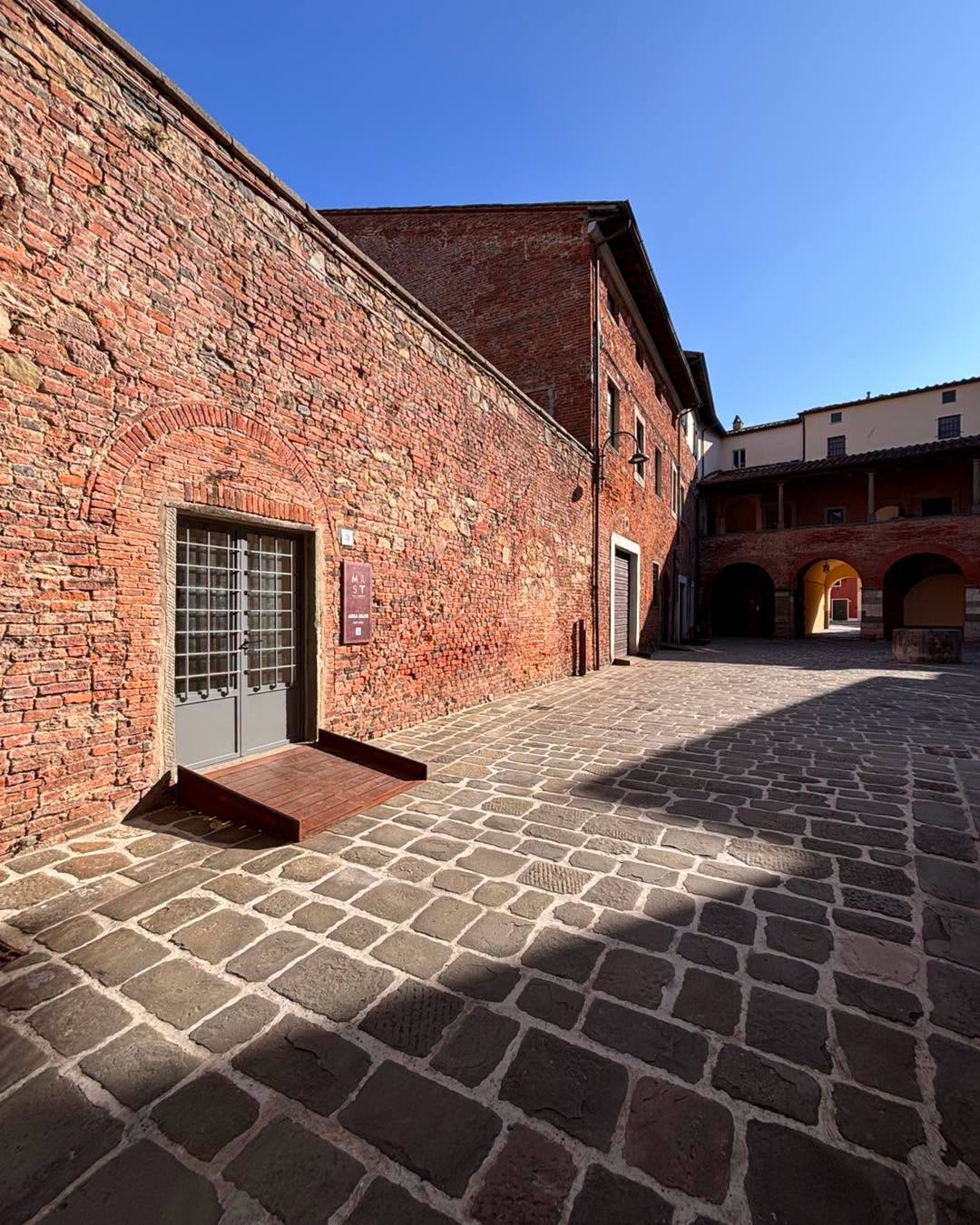
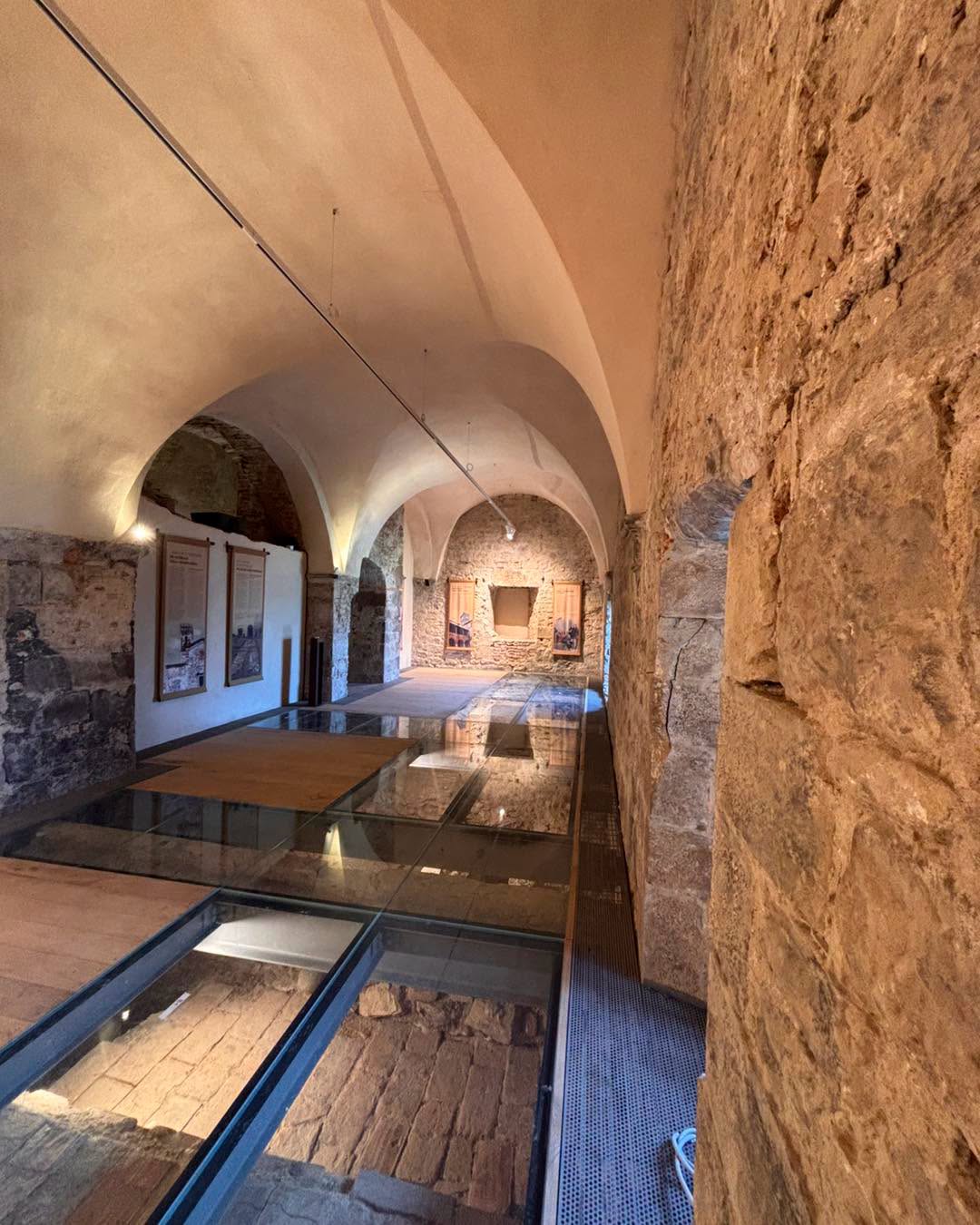
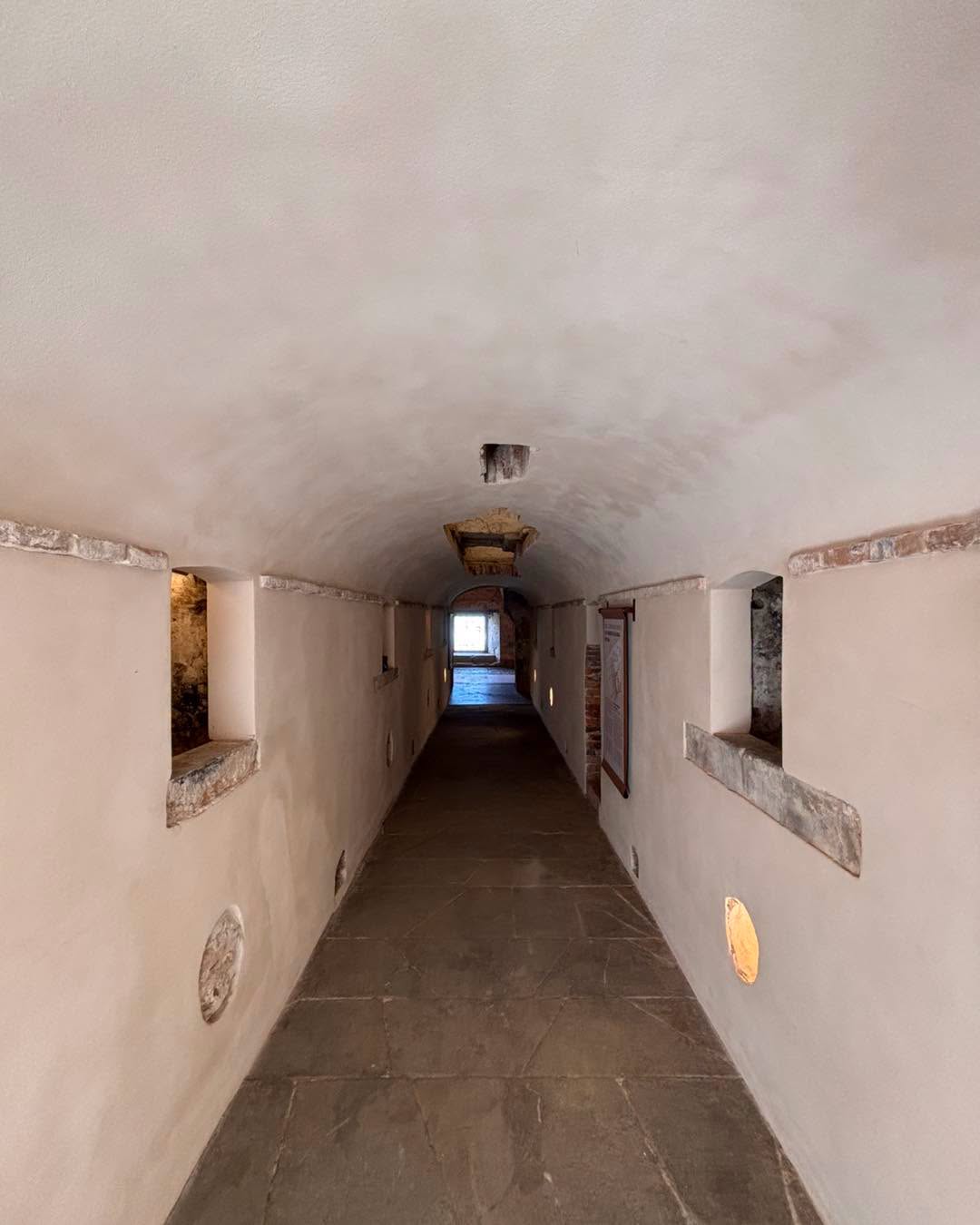
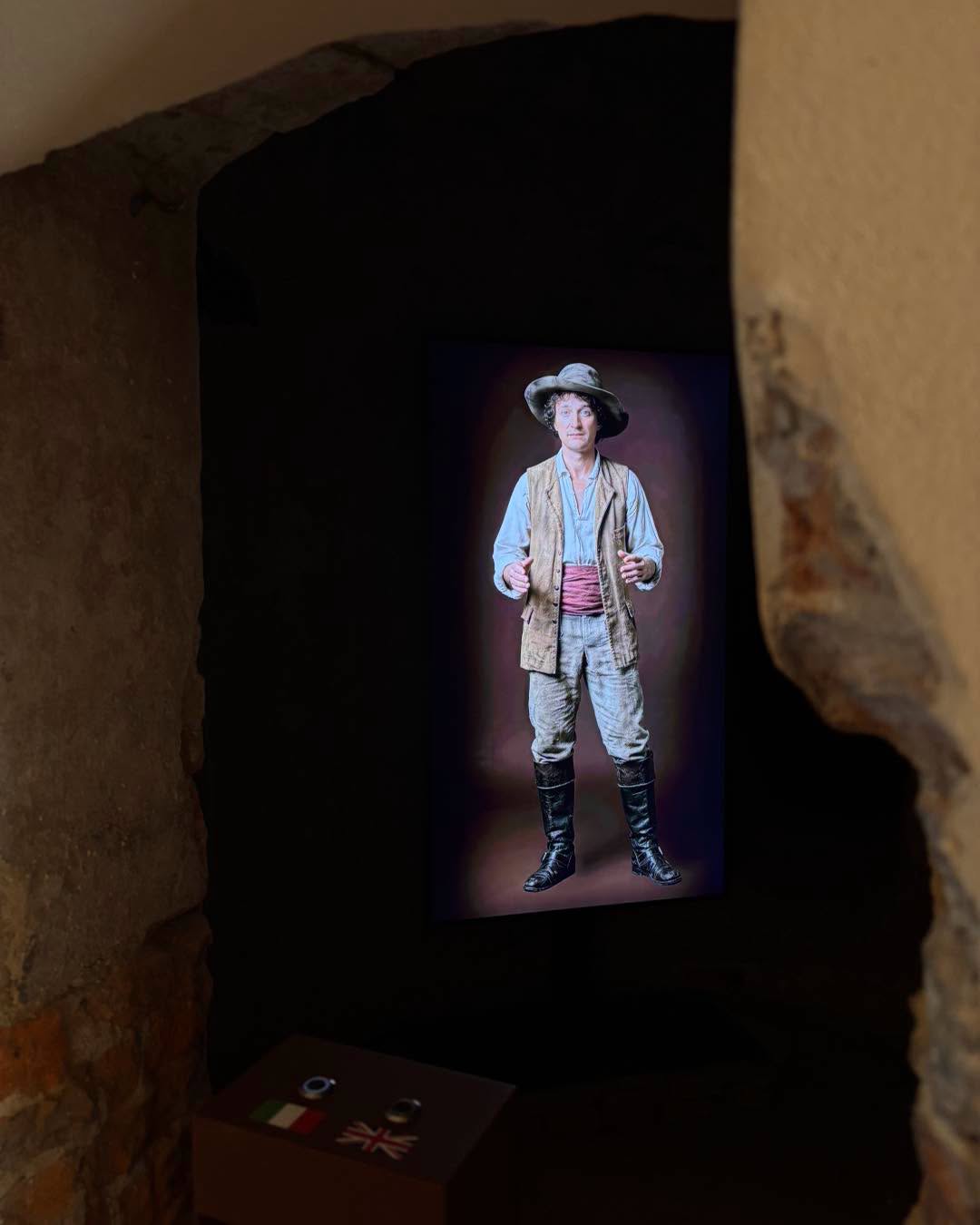
Previously, wheat was stored in so-called “buche da grasce”—deep stone pits lined with straw. With the use of the Piaggione silos, grain storage found a new solution designed to protect a precious resource for both the local community and Florence. The farm, however, had a relatively short lifespan and was sold in 1780. The rooms that are now open to visitors thus bear witness to a period distinct from the medieval era but closely linked to the complex’s history: after providing assistance to pilgrims, the management of agricultural resources became one of the central elements of the region’s organization. It is precisely this succession of functions that makes the tour of the silos so meaningful: visitors encounter not only a restored historic space but can also observe how the spaces have been adapted over time to meet different needs. The exhibition design highlights the existing structures and connects them to the history of the Spedale, reconstructing the transition from a system based on medieval hospitality to an agricultural organization linked to the grand ducal estates. A digital avatar in the likeness of a late-18th-century farmer, displayed on a freestanding totem, also helps tell this story. The character guides visitors through the tour, describing work in the fields, the development of the farms associated with the Spedale, and the use of the Piaggione as a grain storage facility. A video presentation, meanwhile, traces the history of the Via Francigena, the Spedale, and the Order of the Friars of St. James, focusing on the role of the Knights of the Tau and the assistance they provided for centuries to travelers and the needy.
Digital media certainly does not replace physical evidence, but rather seeks to make the history more accessible. The informational panels, available in Italian and English, guide visitors through the archaeological site, the excavations, and the silo corridor, and the reopening of these spaces also allows visitors to directly observe the structures and stratifications that tell the story of Piazza Ospitalieri’s transformations, linking the visitor experience to the material history of the site.
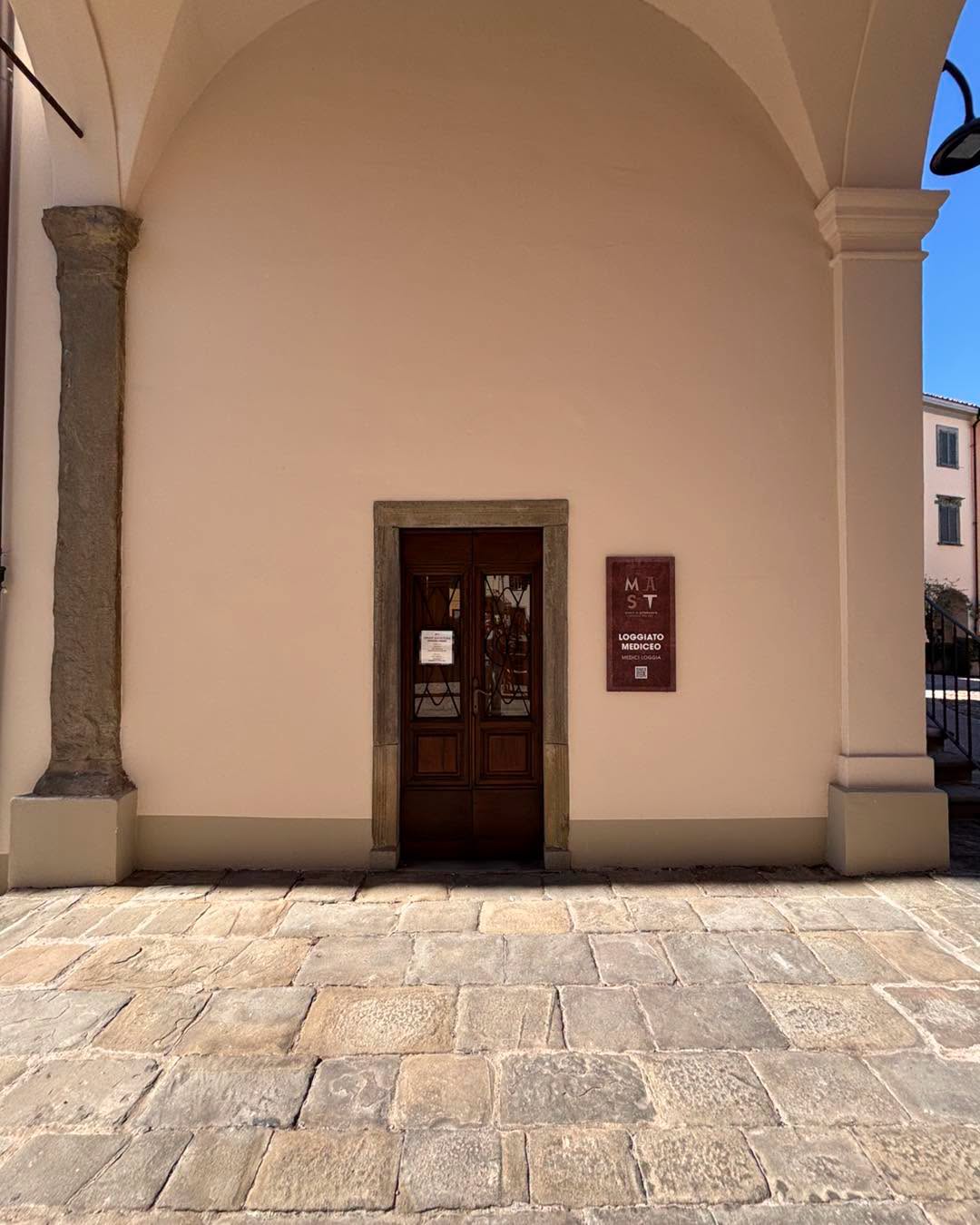
The museum’s second section is located in the Loggiato Mediceo, where the archaeological collection’s display has been redesigned. The artifacts come from excavations conducted in the historic center between 1985 and the early 2000s and reveal aspects of daily life at the ancient Spedale and in the surrounding area: pottery, architectural elements, bone artifacts, and metal and glass objects allow us to reconstruct activities and customs, from practices related to grain storage to the use of tableware and everyday objects. It is not always possible to determine with certainty the origin of individual artifacts, but the collection nonetheless offers a glimpse into the material culture of Altopascio. The artifacts tell a different story from that conveyed by grand architectural structures or institutional documents: it is the story of the objects used, daily activities, and the practical needs of those who lived in or passed through the complex. The grain storage jars and kitchen tableware, for example, draw attention to the needs of a place that had to accommodate a significant number of people.
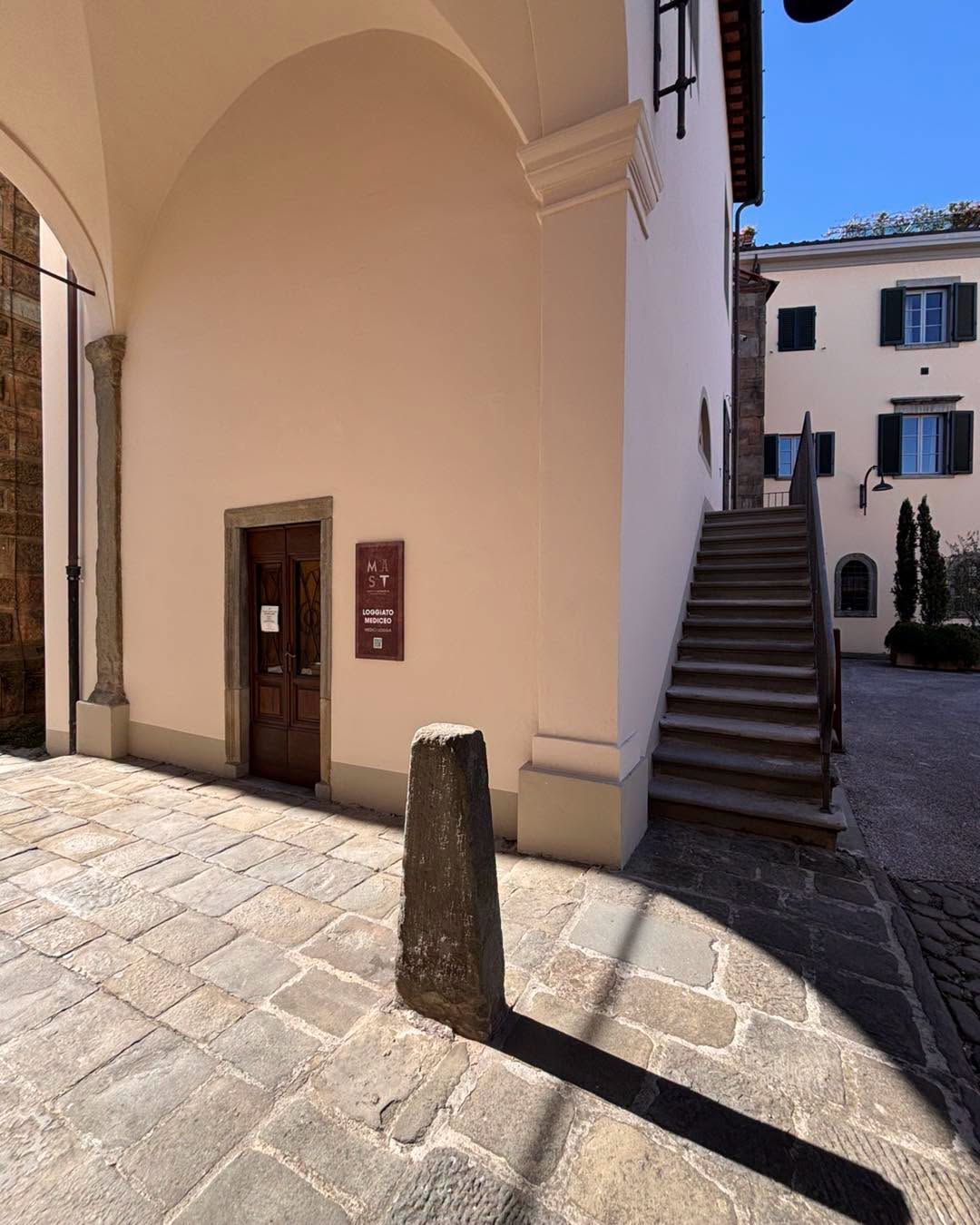
The updated signage accompanies the tour of the display cases and offers new tools for contextualizing the artifacts. Here, too, the interactive element plays an important role. A multimedia station dedicated to medieval cuisine invites visitors to imagine themselves as a cook at the Spedale tasked with preparing a meal for pilgrims. The digital cookbook *Liber de coquina peregrinorum* allows visitors to choose a recipe and identify the necessary ingredients; if the combination is correct, a short video demonstrates how to prepare the dish.
Among the options is Altopascese bread, which ties the experience back to the village’s culinary traditions and the theme of hospitality. Cooking thus becomes a key to understanding the practical function of the Spedale: welcoming guests also meant organizing meal preparation, procuring raw ingredients, and ensuring resource management capable of sustaining the charitable mission.
In the Loggiato , visitors can also use virtual reality headsets to watch the immersive short film *In the Sign of the Tau: Knights and Pilgrims in Medieval Altopascio*, produced by ETT: The experience reconstructs the journey through Altopascio of a family of pilgrims headed for Rome at the end of the 14th century, featuring settings in the village and along the Via Francigena, costumed actors, and 360-degree cinematography. The story depicts daily life at the Spedale and the role of the Knights of the Tau, offering a narrative reconstruction of the places and people who brought them to life. The short film is available in Italian and English.
The use of virtual reality stems from a desire to make cultural heritage accessible through media capable of engaging diverse audiences, including younger generations: as Giuseppe Guerrisi, CEO of ETT, explained during the press conference, technology can help people understand historical content and the places that preserve it, facilitating the convergence of scientific rigor and contemporary forms of storytelling. The project thus aims to combine the preservation of historical records with tools that make their interpretation more accessible.
For the municipal administration, the MAST also represents a new opportunity to highlight Altopascio’s identity and its connection to the Via Francigena. Mayor Sara D’Ambrosio emphasized the intention to make the museum not only a place of preservation but also a cultural space open to the community, capable of telling the story of the town’s roots through innovative tools. The councilor for culture, Alessio Minicozzi, highlighted the importance of engaging younger generations with the town’s heritage, combining preservation with the ability to tell its story and spark interest.
The new museum thus brings together, in a single itinerary, artifacts from different eras that collectively define Altopascio’s history: the medieval settlement, the role of the Knights of the Tau, the material culture documented by excavations, and the subsequent agricultural organization. The reopening of the grain silos adds to this narrative a site that had been closed to the public for years, while the archaeological trail and immersive installations allow visitors to interpret the heritage through different lenses. With the MAST, Altopascio thus offers a new interpretation of its history, beginning with the spaces that have witnessed its transformations.
 |
| Altopascio: MAST Opens—The Historic Spedale del Tau and the Grain Silos in a New Museum Exhibition |
Warning: the translation into English of the original Italian article was created using automatic tools. We undertake to review all articles, but we do not guarantee the total absence of inaccuracies in the translation due to the program. You can find the original by clicking on the ITA button. If you find any mistake,please contact us.