




by Redazione 13/10/2026



Categories: Museums / Disclaimer
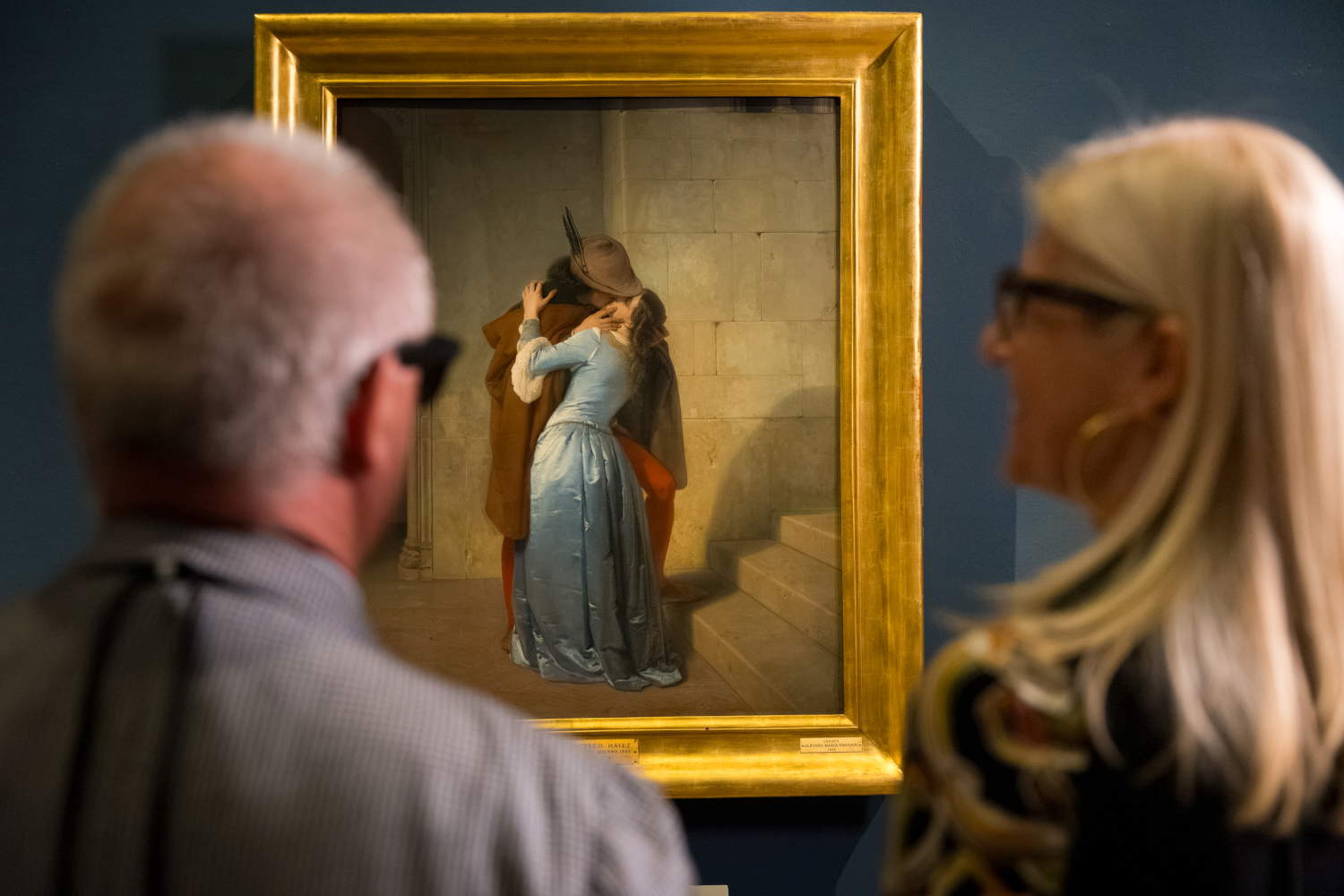
Starting October 13, 2026, the Pinacoteca di Brera will launch “Sensing Art – Masterpieces Beyond Sight,” a project sponsored by Meta, EssilorLuxottica, and Grande Brera to make museum visits more accessible to blind and visually impaired visitors through the use of AI glasses and audio descriptions.


How does a museum visit change when art can be explored even without relying on sight? At the Pinacoteca di Brera, artificial intelligence and wearable technologies are becoming tools to overcome certain barriers to accessing culture. The project, called “Sensing Art – Masterpieces Beyond Sight,” launches on October 13, 2026, and introduces a new way for blind and visually impaired people to access artworks through smart glasses capable of activating audio descriptions and providing support throughout the visit. The initiative is sponsored by Meta, the Pinacoteca di Brera, and EssilorLuxottica, in collaboration with the National Association for the Visually Impaired (ANS), the Italian Union of the Blind and Visually Impaired (UICI), and the Milan Institute for the Blind Foundation.


This pilot program represents one of the first museum initiatives in the world to use the AI glasses developed by Meta and EssilorLuxottica as part of a visitor experience designed for people with visual impairments. The goal is to integrate technology and cultural content to offer more flexible access tools, fostering a personal connection with the artworks and greater independence within museum spaces.


The project integrates with the Grande Brera app and expands the possibilities for using the “DescriVedendo” tour, developed to guide visitors in discovering the artworks through accessible descriptions. For ten years, this method has helped make the artistic heritage more understandable by translating the visual elements of the artworks into words and offering tools to interpret them. The tour features eight masterpieces from the Pinacoteca. For each one, three types of content are available, created according to the DescriVedendo method of the National Association for the Visually Impaired: the morphological description, which illustrates forms, composition, details, and visual characteristics; the historical-artistic analysis; and the artist’s biography. Visitors are free to choose which content to listen to, based on their interests and needs. The information already available is thus complemented by a new mode of access, designed to make the experience more immediate and reduce the need to constantly interact with a smartphone.


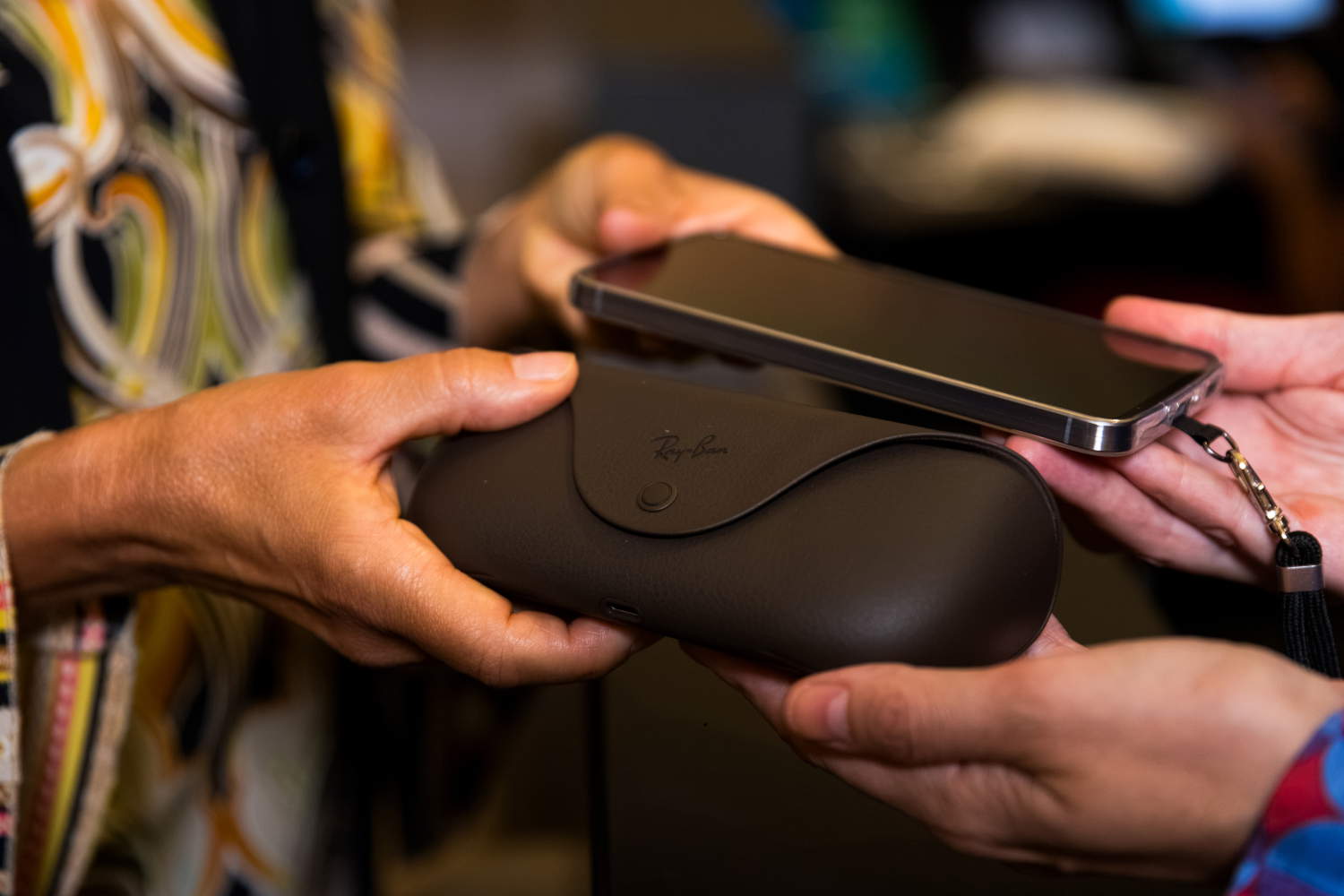
The smart glasses allow visitors to listen to audio descriptions directly through speakers built into the temples, without having to hold a device in their hands. Once in front of one of the eight works included in the tour, visitors can activate the glasses’ painting recognition feature and access the corresponding audio description. Open-ear audio technology allows visitors to listen to the content without isolating themselves from the sounds of their surroundings. This makes it possible to stay connected to the museum space and to the people accompanying the visitor, creating a more natural experience. The system also includes brief audio prompts to help visitors navigate from one artwork to the next. The aim is also to provide greater freedom in managing the pace and style of the visit, without imposing a single listening route.
During the visit, visitors can also use other features of the AI glasses, choosing the tools best suited to their needs. The Meta AI voice assistant allows visitors to ask questions about the context and their surroundings, adding an additional layer of interaction with the space. Furthermore, thanks to integration with Be My Eyes, users can connect through the glasses with sighted volunteers and trained staff to receive real-time assistance with navigation and managing practical situations. This support can be helpful both during the visit and while traveling to the museum. These features complement audio descriptions and expand the range of assistance available, with the goal of fostering a more independent experience that is adaptable to different needs.
“Sensing Art – Masterpieces Beyond Sight” is the result of experimentation and collaboration with associations and organizations representing people with visual impairments, who were involved in testing the experience and its methods of use.
The project also serves as an opportunity to assess the role of artificial intelligence in the museum experience, through a dialogue between technological innovation, historical and artistic content, and people’s needs. This pilot phase marks the first step in a process destined to evolve over time, based on user feedback and discussions among partners. At the heart of the project remains the idea that accessibility is not merely about making information available, but also about allowing everyone to choose how to engage with art, understand it, and experience it.
The “Sensing Art – Masterpieces Beyond the Gaze” experience will be available at the Pinacoteca di Brera starting October 13, 2026, by reservation only. The AI glasses can be used Tuesday through Friday, from 10 a.m. to 4:30 p.m. To make a reservation, please email educazione@pinacotecadibrera.org, specifying your preferred day and time, as well as any additional needs.
“Making cultural heritage accessible means creating the conditions for everyone to build their own relationship with art. DescriVedendo has been an important part of our commitment for years, and today we can enrich it with yet another opportunity, born from the convergence of cultural expertise, technology, and human experience,” stated Angelo Crespi, Director of the Grande Brera and the Last Supper. “The Pinacoteca continues to be a place of experimentation where we can explore new languages and tools capable of bringing universal cultural heritage to an ever-wider audience.”
“People with visual impairments—more than 1 million in Italy, a number that is constantly rising due to the aging population—have long been able to benefit from content such as that offered by the DescriVedendo method to engage with art. Through meticulous morphological descriptions, this method is able to evoke a mental image consistent with the works on display,” said Rosa Garofalo, Director of the National Association for the Visually Impaired (ANS). “Being able to integrate new technologies today further enhances this service offering, in the spirit of true inclusivity.”
“Technology can offer new opportunities to blind and visually impaired people, promoting access to information and greater independence. However, for these opportunities to translate into concrete benefits, it is essential to directly involve those who use them in the design and development of solutions,” commented Mario Barbuto, National President of the Italian Union of the Blind and Visually Impaired (UICI). “This is the contribution we have made to the project: sharing our experiences, expertise, and perspectives to make innovation more accessible and better able to meet the needs of everyone.”
|
| At the Pinacoteca di Brera, art is experienced through smart glasses: Introducing “Sensing Art – Masterpieces Beyond the Gaze” |
Warning: the translation into English of the original Italian article was created using automatic tools. We undertake to review all articles, but we do not guarantee the total absence of inaccuracies in the translation due to the program. You can find the original by clicking on the ITA button. If you find any mistake,please contact us.