



by Redazione 20/10/2026


Categories: Museums / Disclaimer
In Catalonia, in Sant Fruitós de Bages, near Barcelona, the new National Reserve for Catalan Museum Collections will be built to house works of art, archaeological artifacts, and historical treasures. The planned investment is 73.1 million euros, and the facility is expected to open between late 2029 and early 2030.


The preservation of museum collections extends beyond the galleries open to the public: a significant portion of the heritage held by museums is, in fact, located in storage facilities, where environmental conditions, security, and available space are critical to its protection. It is also in response to the challenges many institutions face in adequately preserving their collections that Catalonia is preparing to establish a Reserva Nacional—a national storage facility—designed to house approximately 140,000 items from 122 museums across the region. The facility will be built in Sant Fruitós de Bages, in the province of Barcelona, and will be designed as a shared space, complementing the storage facilities already present in individual museums. The project involves an investment of 73.1 million euros by the Generalitat de Catalunya and aims to improve the conditions for the conservation, storage, and management of collections, providing institutions with an infrastructure equipped to safeguard artifacts that require specific security and protection measures.

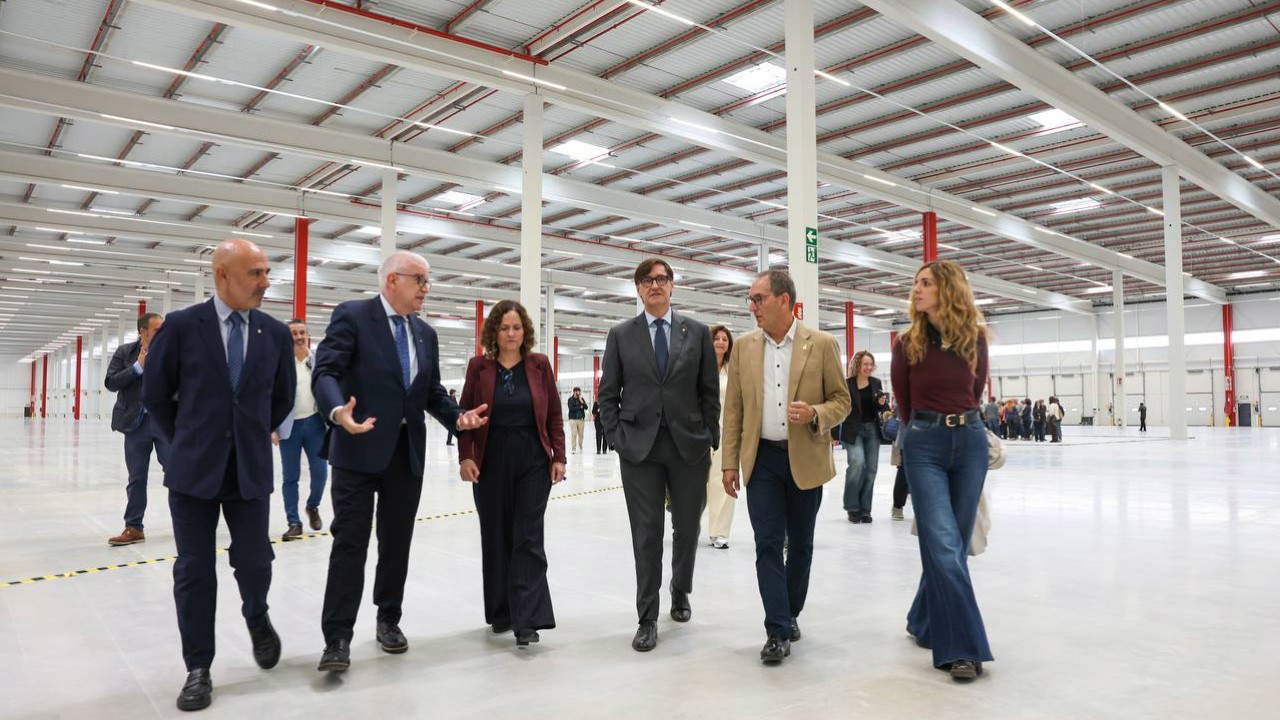
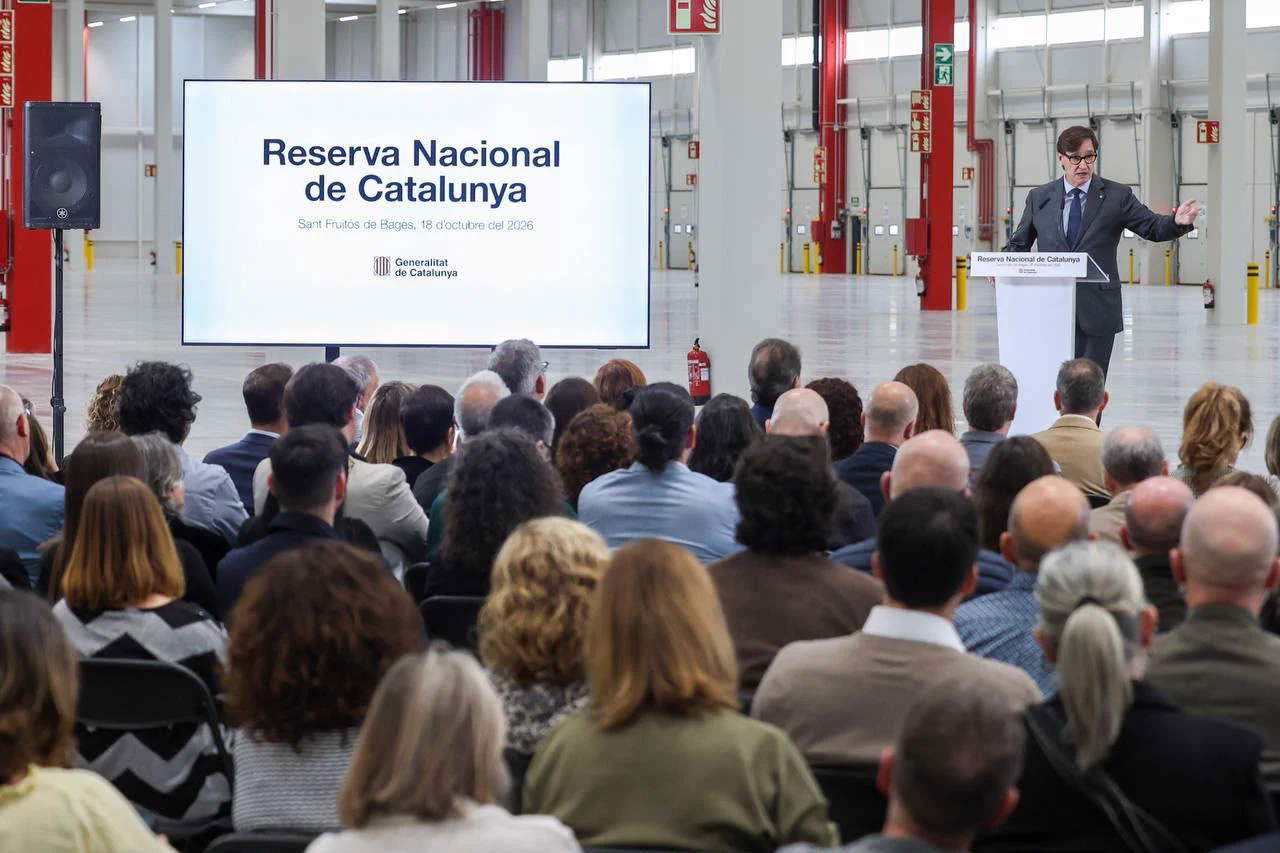
On October 18, 2026, the president of the Generalitat, Salvador Illa, accompanied by the Minister of Culture, Sònia Hernández, visited the building that will house the future facility. Also participating in the visit were the mayor of Sant Fruitós de Bages, Joan Carles Batanés, and the city councilor for Culture and Heritage, Xavier Racero. On this occasion, Illa highlighted the innovative nature of the initiative for the Catalan museum system: “We are pioneers,” he declared, referring to the creation of the National Reserve.


A shared storage facility for 122 museums
The new facility was created in response to a concrete problem: not all museums have sufficient space to store their collections, and not all existing facilities can guarantee the environmental conditions necessary to preserve the artifacts. The National Reserve aims to provide a shared solution to these needs by offering the 122 registered museums in Catalonia a facility where they can store works and artifacts under appropriate conditions.

As mentioned, the projected capacity is approximately 140,000 items: the materials to be housed in the facility will include artistic, archaeological, and historical collections, as well as cultural heritage items requiring special care. The Reserva will not replace the storage facilities of individual museums but will complement them, as it will allow them to share spaces and resources and to manage their collections more efficiently. The project therefore addresses an aspect of museum work that is less visible than exhibitions but essential for heritage preservation: the availability of suitable environments, climate control systems, and spaces organized according to the diverse needs of the materials is, in fact, central to preventing the risk of deterioration and ensuring proper care over time.
The storage facility is part of the Generalitat’s strategy to strengthen preventive conservation and develop a network of shared national and regional storage facilities: the project’s goal is to address the needs of the collections not only through interventions on individual works but also through structures and procedures that prevent damage and improve overall conservation conditions.
The selected site is located in the industrial park along the Berga Road, within the municipality of Sant Fruitós de Bages. It is a newly constructed building with a total usable area of 33,488 square meters, situated on a lot measuring 65,800 square meters. The size of the facility will allow for the organization of spaces according to the various functions required for collection management (the planned layout includes storage areas, offices and administrative spaces, laboratories, and workspaces for technical activities; it also includes circulation areas and specialized equipment to ensure conditions suitable for the conservation of the artifacts). Among the elements specified in the project are climate control systems, necessary for regulating environmental parameters, and an anoxic chamber. The latter is a device used in pest control treatments through oxygen reduction, which helps combat pests without necessarily resorting to chemical treatments. The inclusion of specialized equipment is part of the Reserve’s concept as a center designed not only to house the collections but also to support their management and conservation. The building’s layout allows for the division of spaces into distinct functional areas, a feature that will need to be further developed during the design phase. The final layout of the storage areas, offices, laboratories, and facilities will, in fact, depend on the conceptual and functional plan currently being developed.
From Design to Opening
The Department of Culture of the Generalitat has already signed the lease agreement for the building that will become the headquarters of the Reserva Nacional, and preparatory work is currently underway to define the organization of the spaces and translate the needs of the museum system into an architectural and functional design. Then, once this phase is complete, the necessary work can proceed to adapt the building to its intended use: the work will involve configuring the storage areas, offices, and laboratories, as well as constructing and installing the systems and equipment required for the conservation of the collections.
The necessary technical work and activities to prepare the collections for their future transfer to the Reserve are scheduled for 2027. The infrastructure is expected to become operational between the third quarter of 2029 and the first months of 2030.
The Reserva Nacional is part of Catalonia’s Museum Plan, known as Museus 2030, the strategic document that sets out the development objectives for the museum sector: Among the plan’s priorities are improving the conservation and management of collections and creating and maintaining a system of storage facilities and centers dedicated to museum artifacts.
|
| Catalonia is preparing a large storage facility for 140,000 works of art and artifacts from 122 museums |
Warning: the translation into English of the original Italian article was created using automatic tools. We undertake to review all articles, but we do not guarantee the total absence of inaccuracies in the translation due to the program. You can find the original by clicking on the ITA button. If you find any mistake,please contact us.