



by Redazione 06/11/2026


Categories: Museums / Disclaimer
After five years of restoration, the two Palm Houses—the Victorian greenhouses at the Royal Botanic Garden in Edinburgh, built in 1834 and 1858—are once again open to the public as a single space. A total of 5,750 panes of glass were replaced, and the ironwork and sandstone were restored; among the plants that have been reintroduced are species that are endangered in the wild.


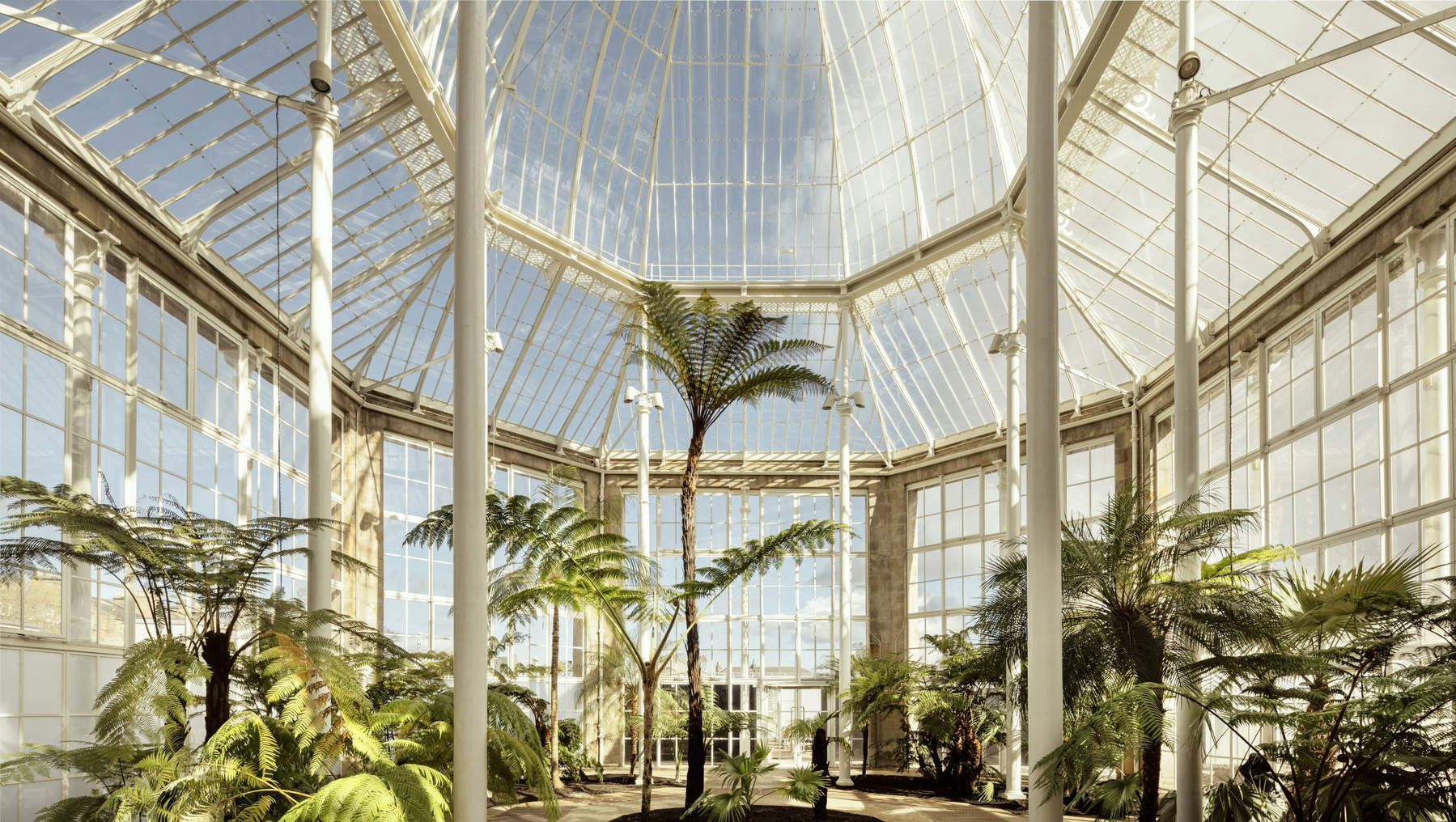
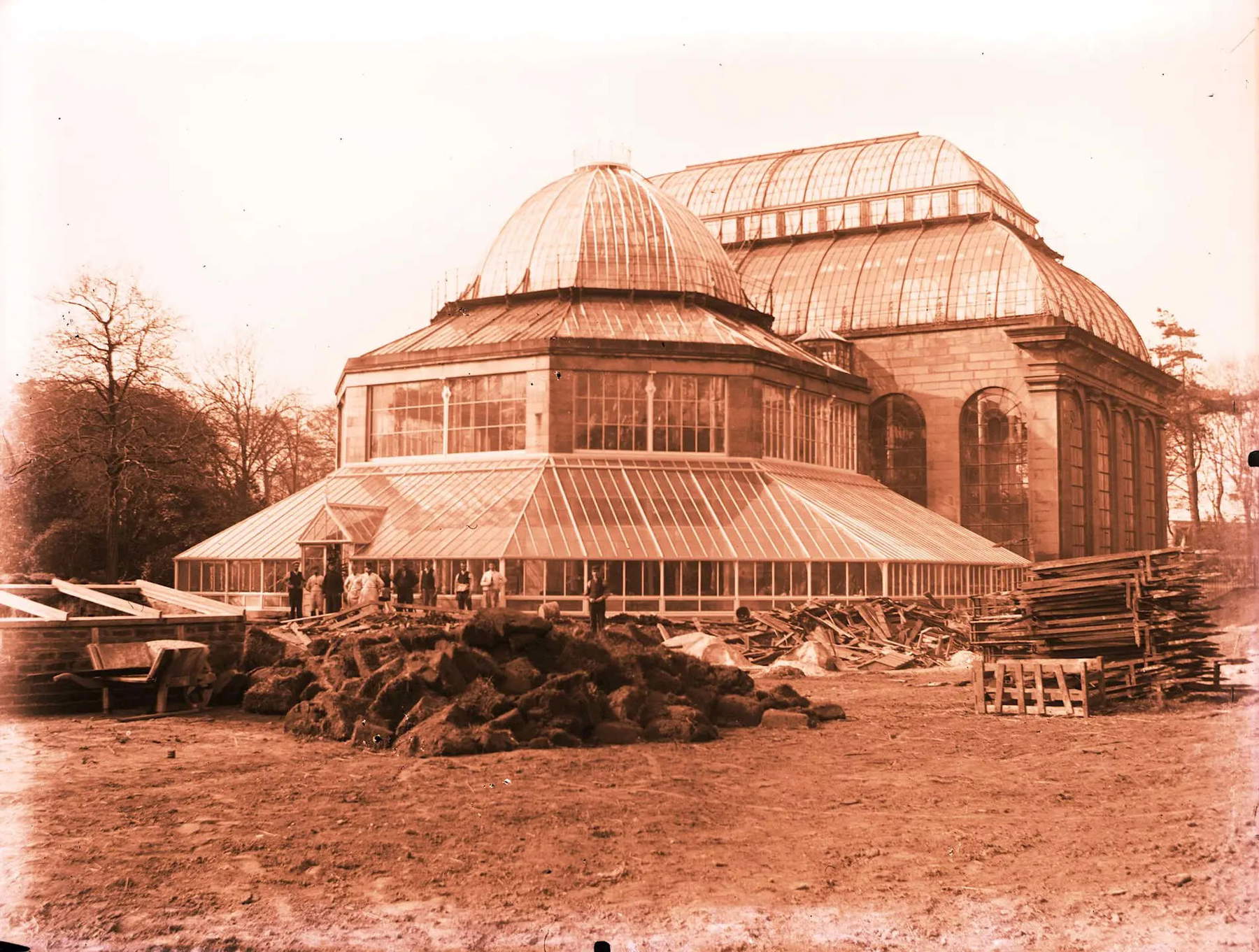
By the mid-19th century, the palm trees at the Royal Botanic Garden in Edinburgh, Scotland, had grown so large that their fronds were breaking through the greenhouse roof. A photograph from 1855 captures exactly this scene: the octagonal Palm House, built just twenty years earlier, had become too small for the plants it housed. Parliament funded the solution—a second, larger greenhouse—which was completed in 1858. Today, nearly two centuries after the first one was built, both structures— Edinburgh’s Palm Houses — reopened to the public in October following five years of restoration, now combined into a single visitor space and once again home to approximately 600 plants.


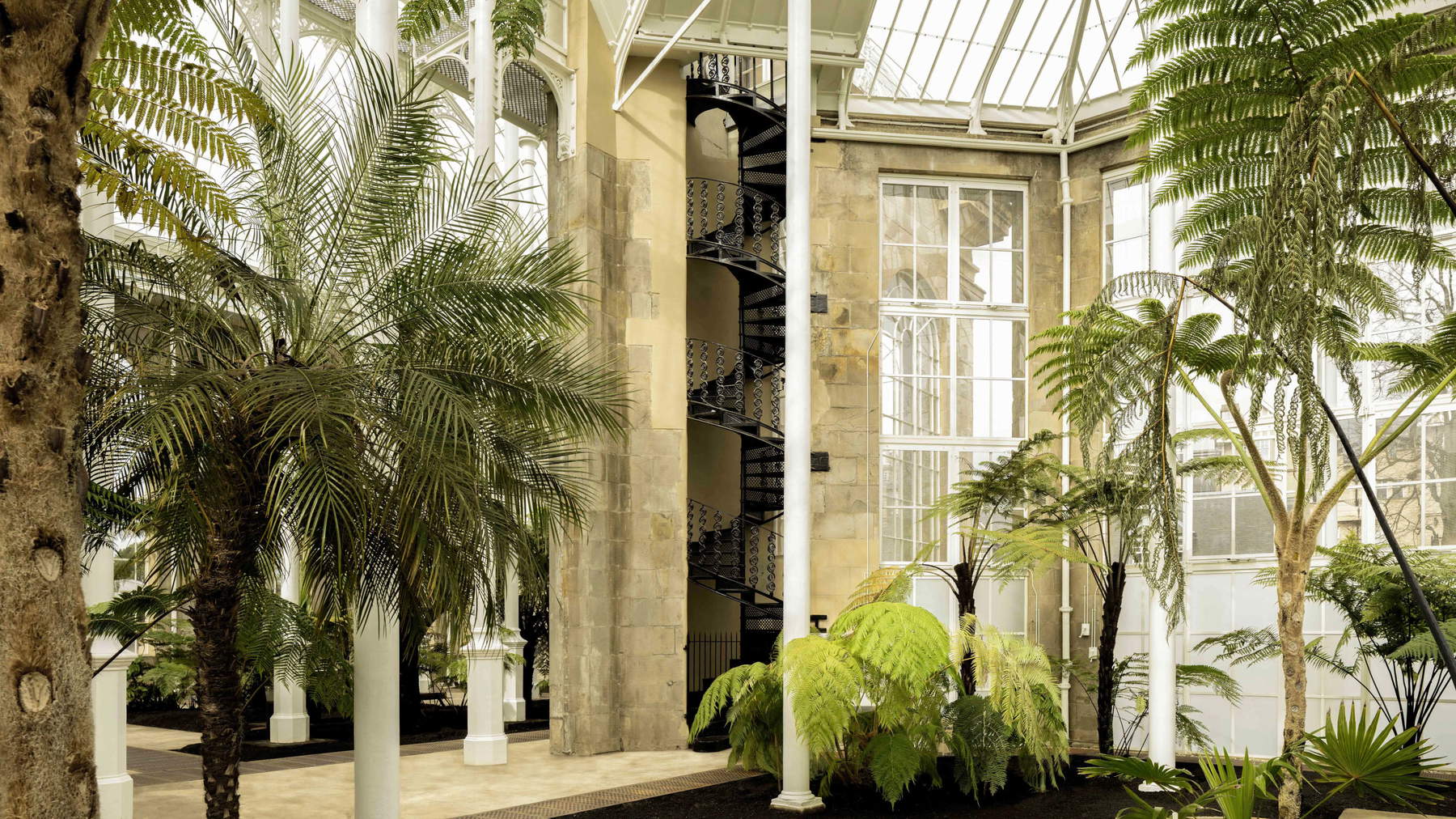
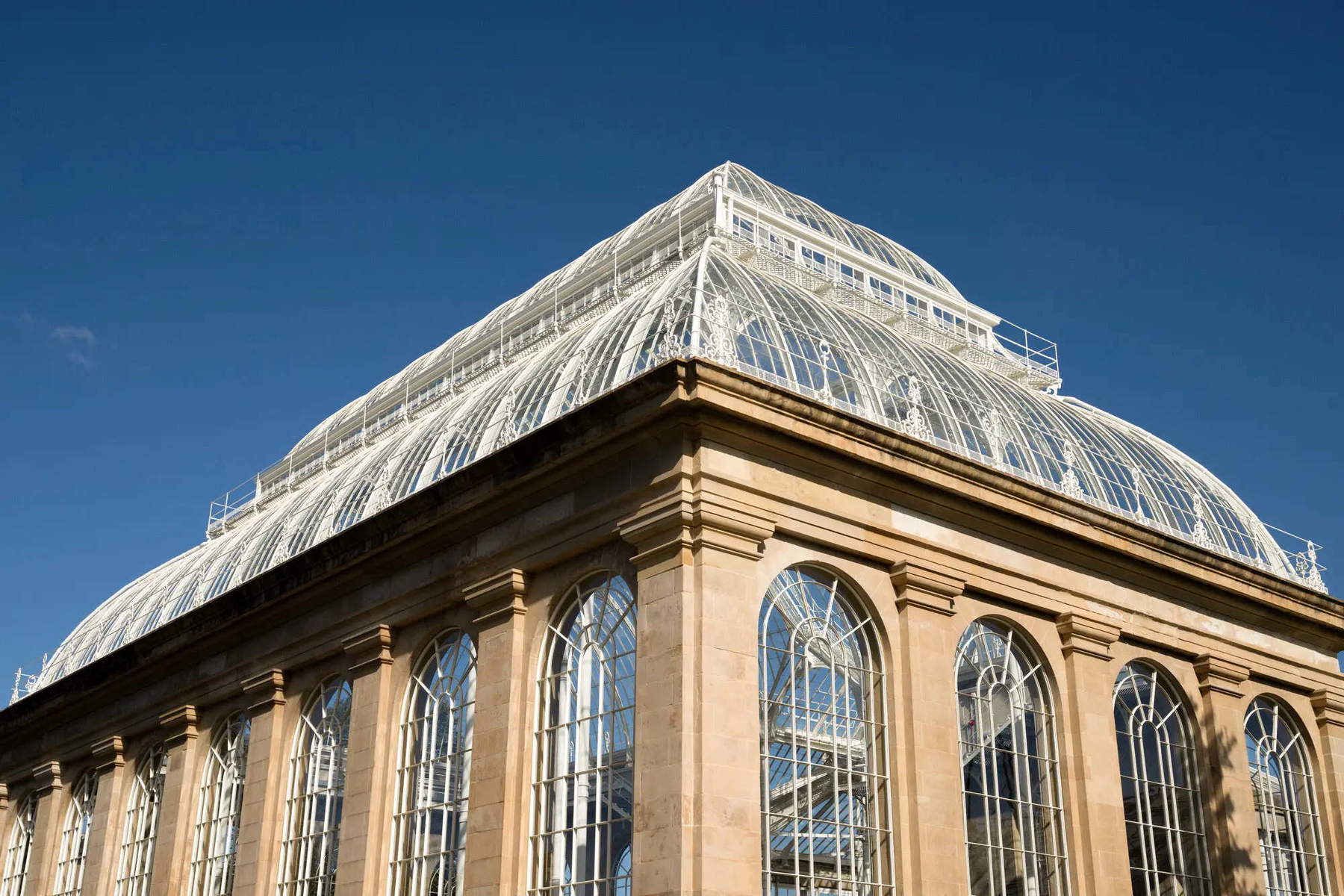
The two greenhouses are protected as A-listed historic buildings and date from different eras. The older one, an irregular octagon, was built in 1834, a few years after the Garden was moved to the Inverleith area in the 1820s, when more space was needed for an ever-growing collection of exotic plants. The second, designed by Robert Matheson, is built of Bishopbriggs sandstone, with a Tuscan-style façade and a curved iron-and-glass dome. Together, even back then, the two greenhouses contained over 5,000 panes of glass. They are among the finest surviving examples in the world of 19th-century greenhouse architecture.


The relationship between the two buildings has changed several times throughout their history. A dividing wall was built between the greenhouses in 1859, demolished in 1874 to create a single tropical area, and then rebuilt before the end of the century. The restoration removed it once again, and so, for the first time in decades, visitors can walk through the two greenhouses as a single space, with new views of the interiors, and the smaller Palm House is also visible from the visitor route for the first time.


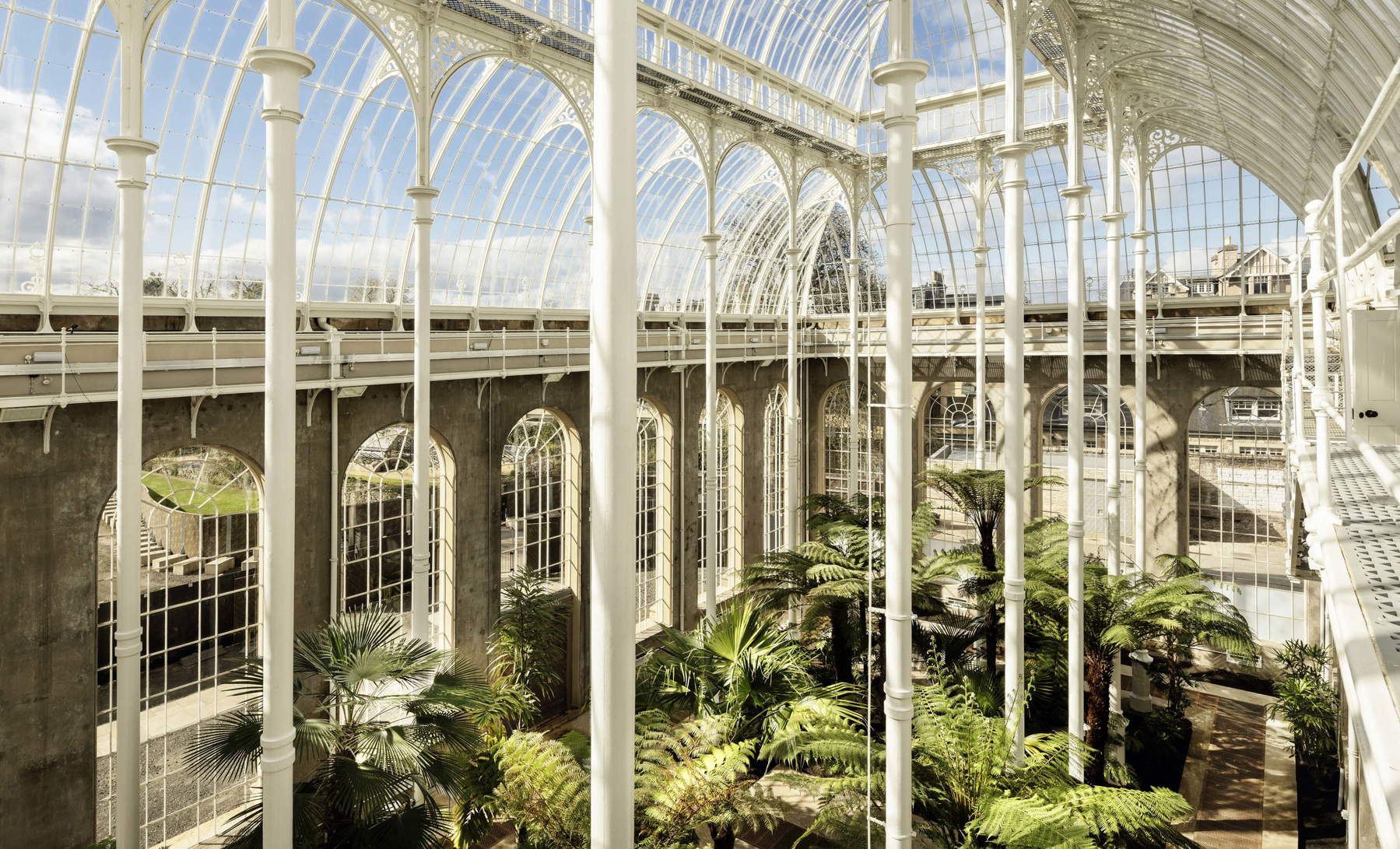
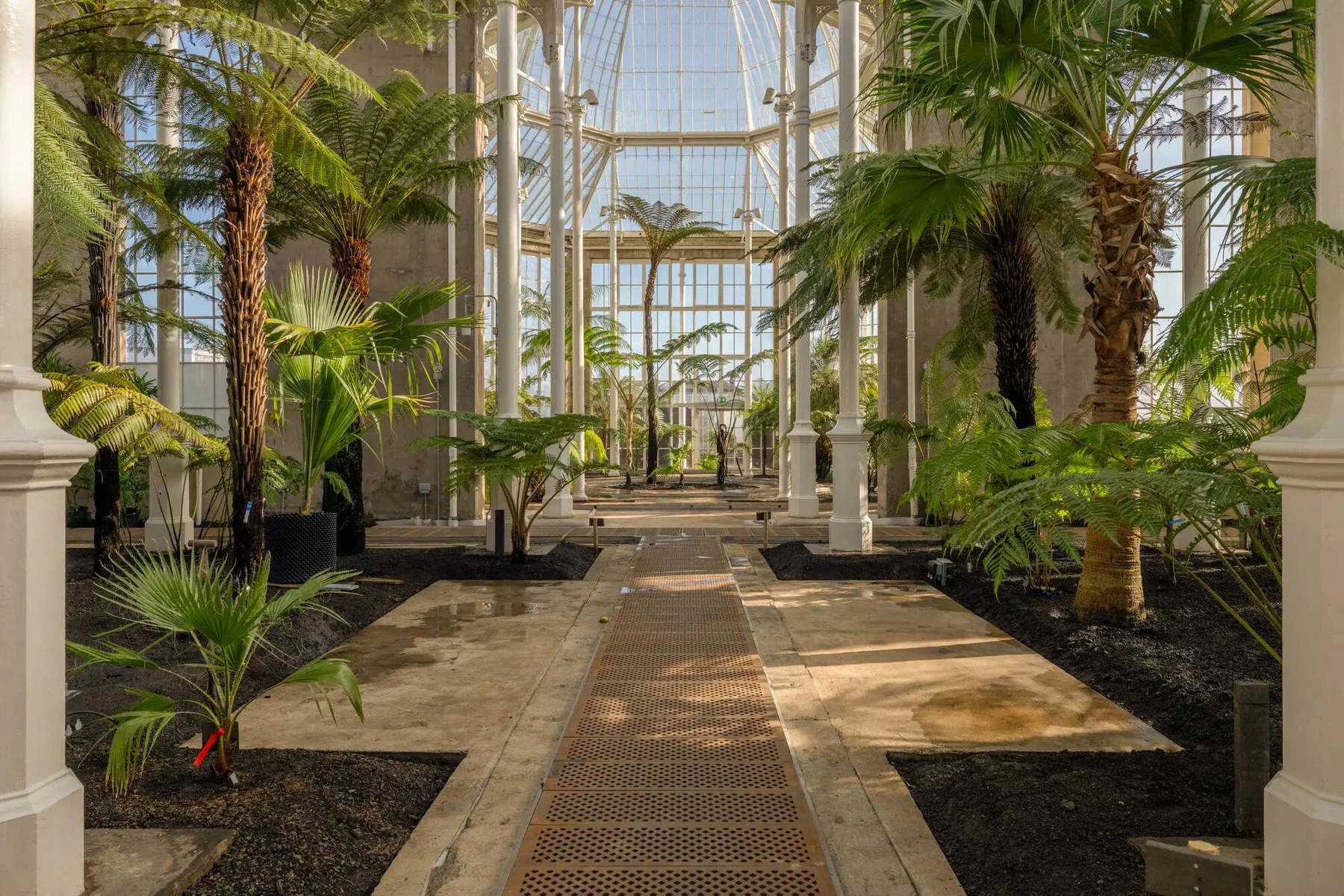
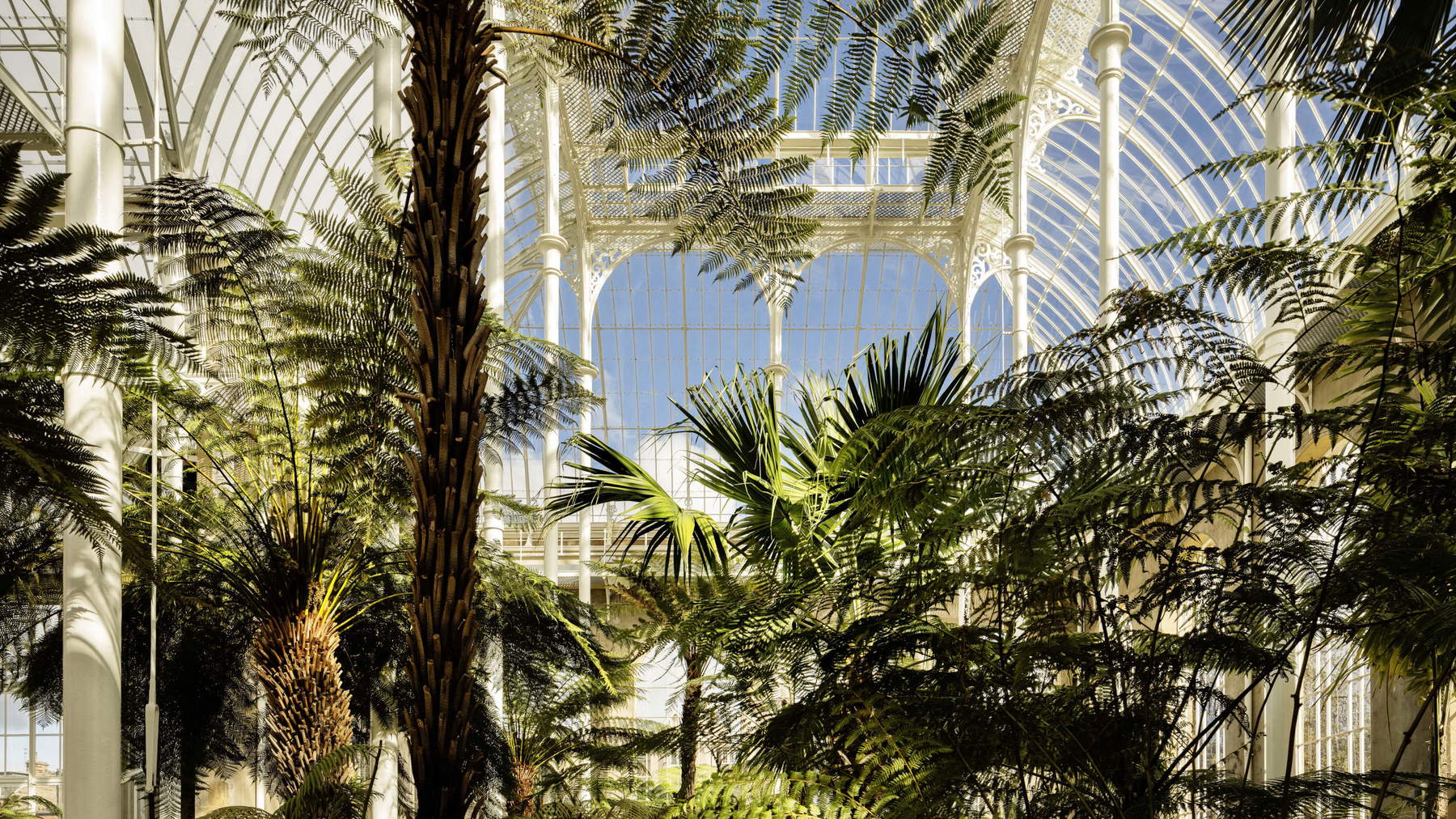
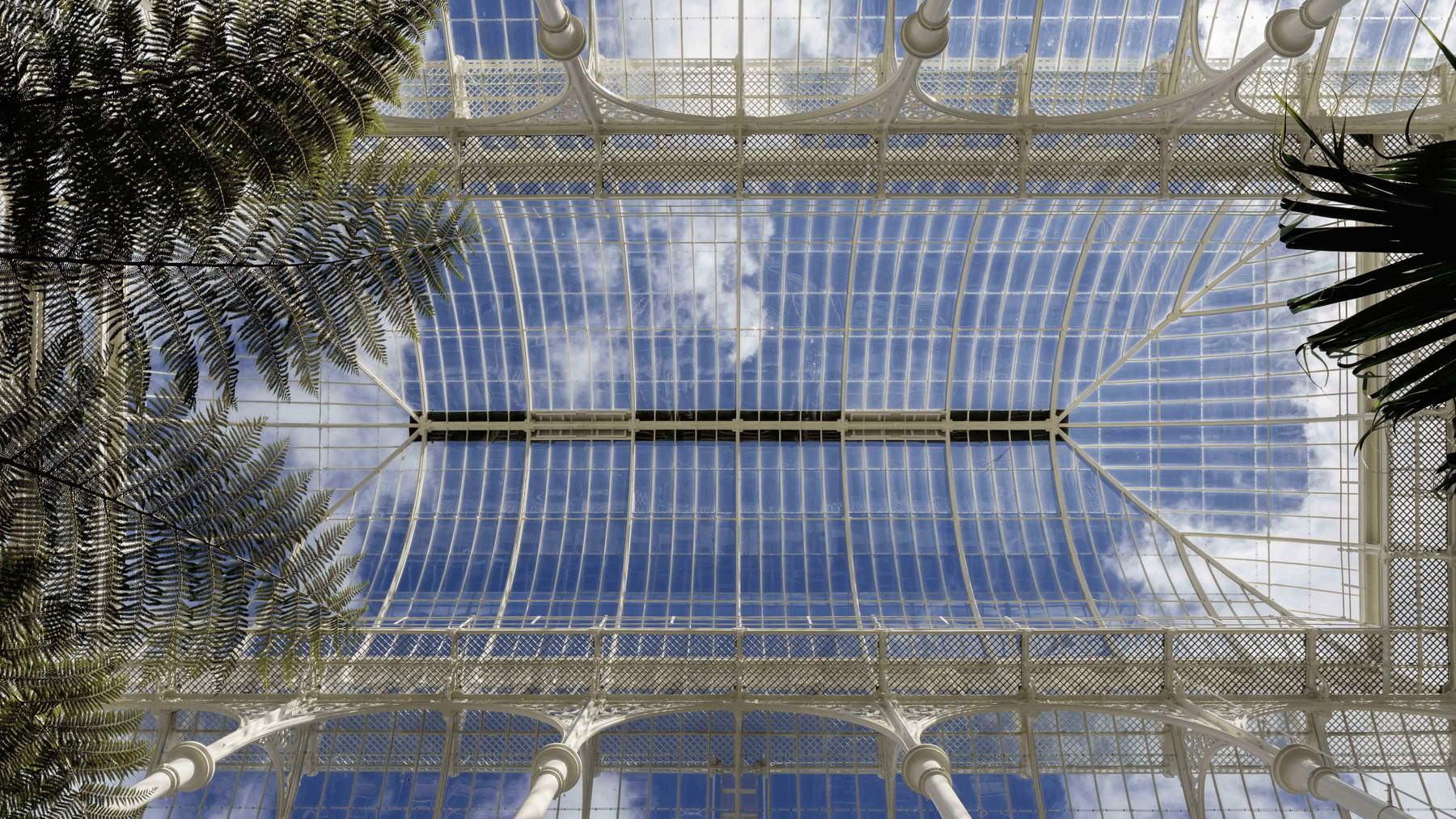
The renovation had become necessary because nearly two centuries of exposure to Scotland’s damp climate had taken their toll: the iron was corroded, the glass had aged, the sandstone was deteriorating, and the situation threatened both the buildings and the more delicate species housed within them. As early as 2017, it was clear that the greenhouses needed more than just simple repairs. The actual work began in 2022, and all 5,750 glass panes were replaced with tempered glass, custom-made to better withstand extreme weather conditions. Specialized teams repaired or restored 600 square meters of the original Georgian- and Victorian-era iron structures, and worked on 500 square meters of sandstone. New climate-control systems were discreetly integrated to ensure more stable conditions for the plants over the next century, and a new interpretive system now guides visitors through the history of the buildings, the plants, and the people who care for them.
The most delicate part of the project involved the plants themselves. Before work began, each specimen was assessed and cataloged, and the horticulturists at the Royal Botanic Garden relocated 800 plants—from the tallest palms to the most fragile ferns—to other greenhouses within the Garden, where they were monitored throughout the duration of the construction project. Many are considered irreplaceable and have been cared for by the Garden for generations. About 600 have now returned to the Palm Houses, including some species at risk of extinction in the wild: among them is an eight-meter-tall Trachycarpus princeps, believed to be the tallest of its kind grown outside of China, and a young palm of the genus Sabal, descended from a specimen estimated to have been about 200 years old when it was felled in 2021. Visitors can also see the Norfolk Island tree fern (Sphaeropteris excelsa), whose natural habitat has been drastically reduced and which can reach heights of up to 20 meters in the wild. About a thousand ladybugs have been introduced among the fronds of the Mexican tree fern (Cibotium regale), where they protect the plants from other insects. The renovation project also provided an opportunity to rethink the layout of the botanical collection, which now brings together palms, ferns, and species such as begonias—all central to the Garden’s scientific research.
The project also involved the local community: five groups of residents participated in 21 creative workshops with specialists, artists, and musicians, producing textile banners, ceramic pots, music, and even a tea blend dedicated to the Palm Houses. The works were presented at a celebration organized prior to the reopening to the public.
The restoration is the first major phase of Edinburgh Biomes, the long-term program through which the Royal Botanic Garden Edinburgh is restoring and modernizing its greenhouses. The program has a total cost of 58.1 million pounds, approximately 69.5 million euros, and is supported by the Scottish government and private donors; the National Lottery Heritage Fund contributed 4.8 million pounds, approximately 5.7 million euros. The goal is to protect a collection of 13,500 plant species, including some that are threatened or extinct in the wild, of which approximately 6,000 are housed in the greenhouses. Upcoming work will focus on the Front Range Glasshouses—built in the 1960s and still closed to the public—and the research greenhouses. The program also includes plans for a more efficient power plant and a plant health center equipped with biosecurity systems.
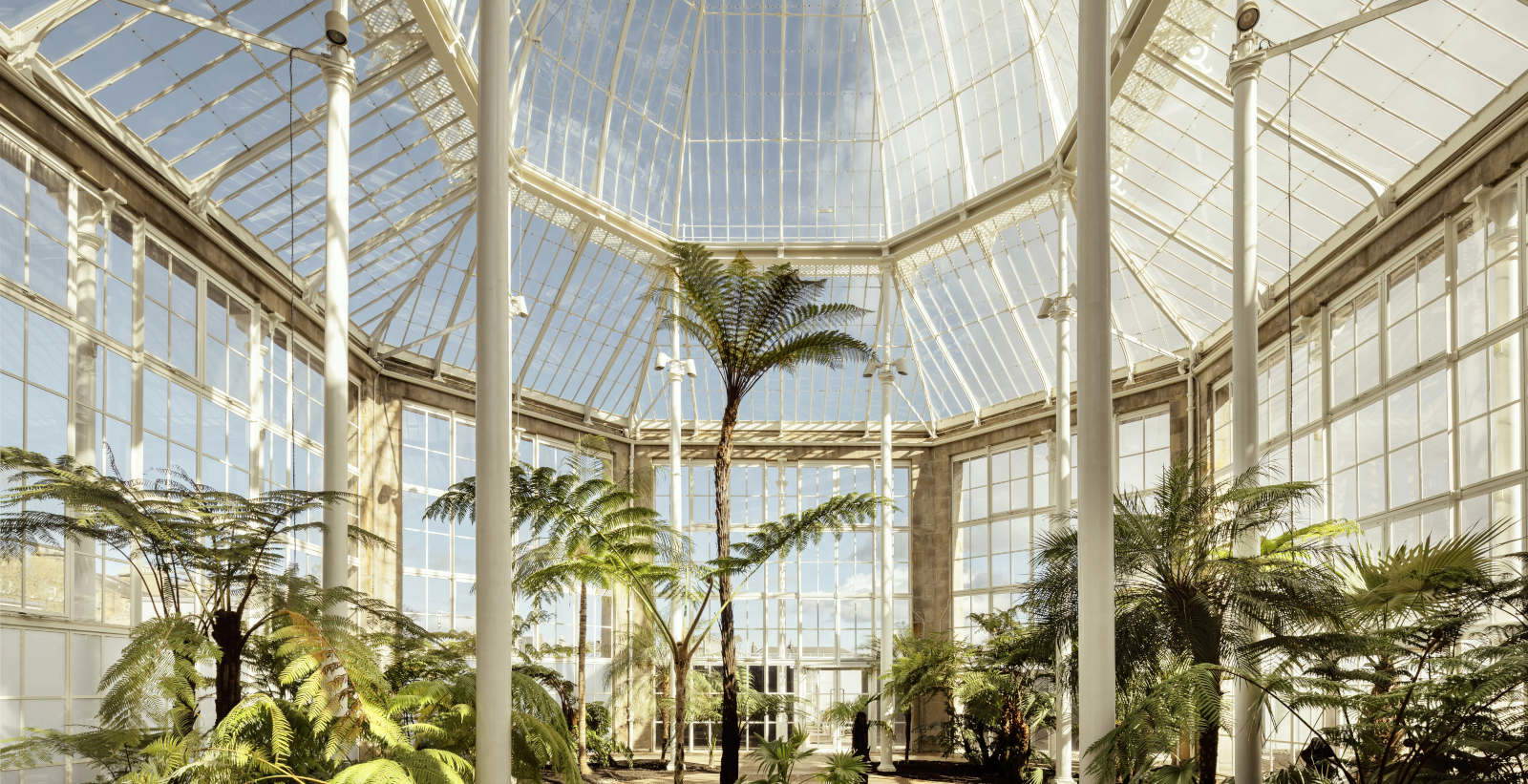 |
| Edinburgh: The Royal Botanic Garden’s magnificent Victorian greenhouses reopen after five years of restoration work |
Warning: the translation into English of the original Italian article was created using automatic tools. We undertake to review all articles, but we do not guarantee the total absence of inaccuracies in the translation due to the program. You can find the original by clicking on the ITA button. If you find any mistake,please contact us.