



by Redazione 21/07/2026



Categories: Museums / Disclaimer
A multi-year project is launching that aims to reinterpret the collections of Bologna’s National Museums through exhibitions, redesigns, and new visitor itineraries. It begins with an exhibition dedicated to St. Francis from the 16th to the 17th centuries.
The National Art Gallery of Bologna is launching a new program to showcase its collections, which over the coming years will gradually encompass the entire collection of the National Museums of Bologna. The project, set to begin in the fall of 2026, aims to offer new perspectives on the collections through a comprehensive calendar of exhibitions, re-staging, and exhibition itineraries, creating a dialogue between the works housed in the museum and loans from major Italian and international institutions. The initiative was conceived and promoted by the new director, Luigi Gallo, together with the museum’s staff, and is part of a long-term strategy intended to expand opportunities for learning, study, and research on the heritage held by the National Museums of Bologna. At the heart of the project is the desire to highlight not only the works already on display in the Pinacoteca’s galleries but also the vast collection preserved in the storage facilities, which is often little known to the public and even to scholars themselves.
The program will be carried out through a series of temporary exhibitions and new displays that will progressively involve all of the institution’s collections, from paintings to sculptures, from drawings to photographs. The goal is to create thematic itineraries that connect works normally stored in the storage facilities with masterpieces from other museums, fostering unprecedented opportunities for comparison and encouraging new interpretations of the region’s artistic and cultural history. This initiative will be complemented, by the end of the year, by the opening to the public of the new headquarters and the accessible storage areas at Palazzo Pepoli Campogrande—a project designed to expand the visitor spaces of the National Museums of Bologna and make a significant portion of the collections that are normally not on display accessible to the public.


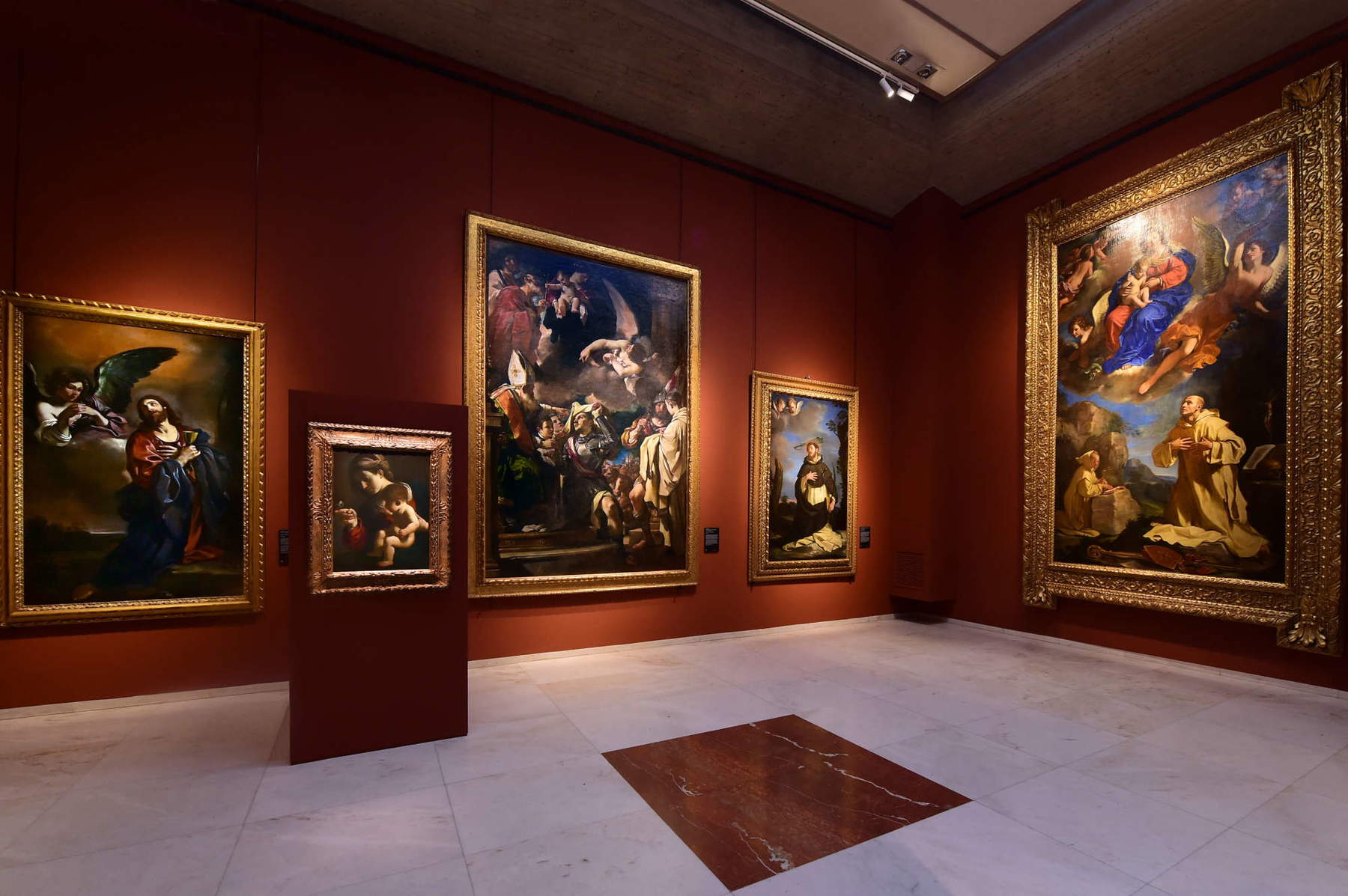
The first event in the new program will be the exhibition *Il cielo in terra. St. Francis and Bologna from the 16th to the 17th Century, which will be on view from October 2, 2026, to January 10, 2027, in the Salone degli Incamminati, with an exhibition route that will also extend to the Pinacoteca’s permanent galleries. The exhibition is organized to mark the eighth centenary of the death of St. Francis of Assisi and represents the first concrete example of the new strategy for showcasing the collections. Curated by Director Luigi Gallo together with art historian Elena Rossoni, former director of the Pinacoteca, the exhibition explores the transformation of the iconography of St. Francis between the 16th and 17th centuries, focusing primarily on the works of the leading artists of the Bolognese school. Visitors will be able to trace the evolution of the saint’s image in the works of Francesco Francia, the Carracci, Guido Reni, Francesco Albani, and Guercino, reconstructing the profound change that swept through Franciscan representation during the transition from the Renaissance to the Baroque.
The exhibition stems from the exceptional number of works dedicated to the saint created by Bolognese artists during the period under examination, many of which are now preserved in the collections of the Pinacoteca Nazionale. This heritage serves as the starting point for the project, which aims to highlight numerous paintings normally kept in storage and rarely seen by the public. In fact , more than thirty works will be brought out of the Pinacoteca’s storage to be displayed as part of the exhibition. This is a significant opportunity to bring to the public’s attention high-quality paintings that until now had been excluded from the permanent exhibition.
Among these are Bartolomeo Passerotti’s *St. Francis in Adoration of the Crucifix *, Francesco Gessi’s *St. Francis in Ecstasy Receiving the Stigmata*, and Ludovico Carracci’s*The Meeting of Saints Dominic, Francis, and Angel *. These works will engage in a dialogue with other important paintings already on display in the Pinacoteca’s galleries, such as the famous *Madonna degli Scalzi* by Ludovico Carracci himself, offering a comprehensive overview of the role played by the figure of the saint in Bolognese painting between the 16th and 17th centuries. One of the exhibition’s most significant sections will be dedicated to Mastelletta, featuring the complete series of twelve “visionaries” from the Basilica of San Francesco. For the first time, this cycle will be brought together in a single exhibition, allowing visitors to fully appreciate its iconographic unity and significance within the religious culture of the time.
Alongside works from Bolognese collections, the exhibition will feature loans from some of Italy’s most important museums. In fact, the Pinacoteca di Brera, the Galleria Borghese, the Capitoline Museums, the Pilotta Monumental Complex in Parma, and the National Gallery of the Marche in Urbino have all joined the project. Among the most significant loans is the monumental canvas depicting the Stigmata of St. Francis, on loan from the Palazzo Ducale in Urbino, which is set to be one of the focal points of the exhibition.
The exhibition will not be limited to painting. A large section will in fact be dedicated to graphic arts and religious publishing of the period, broadening the perspective on the cultural context of Bologna between the 16th and 17th centuries.
Numerous drawings and as many as seventeen engravings from the Pinacoteca’s Department of Drawings and Prints will be on display, featuring works by artists such as Federico Barocci, Annibale Carracci, Agostino Carracci, and Pietro Faccini. These materials will be complemented by some of the most significant Franciscan publications of the era—often illustrated with engravings—drawn from Bolognese archives.
The inclusion of books, prints, and drawings will broaden the perspective on the religious and spiritual culture of Bologna at the time, demonstrating how the spread of the image of St. Francis was also supported by publishing activities and the circulation of engravings.
The exhibition itinerary will not be limited to the spaces of the Salone degli Incamminati but will also involve the Pinacoteca’s permanent galleries, creating a direct dialogue between the temporary exhibition and the museum’s collections. Among the themes explored is the devotion to St. Francis as the patron saint of the city of Bologna, illustrated through important paintings, including two works by Guido Reni. Another section will be dedicated to the veneration of the Immaculate Conception, a theme of particular significance in the religious culture of the time, documented by masterpieces by Francesco Francia, Ludovico Carracci, and Bartolomeo Cesi held by the Pinacoteca.
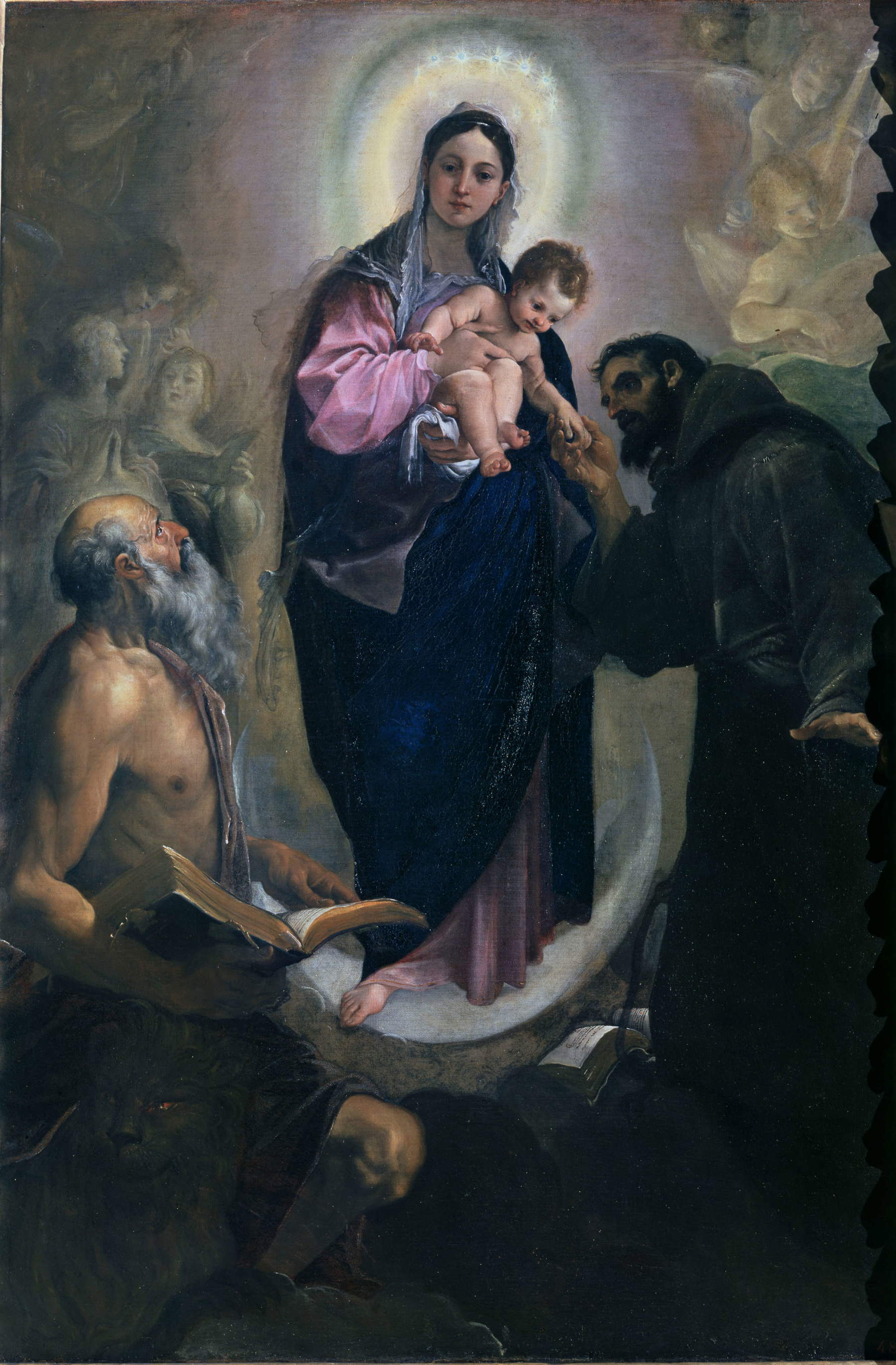
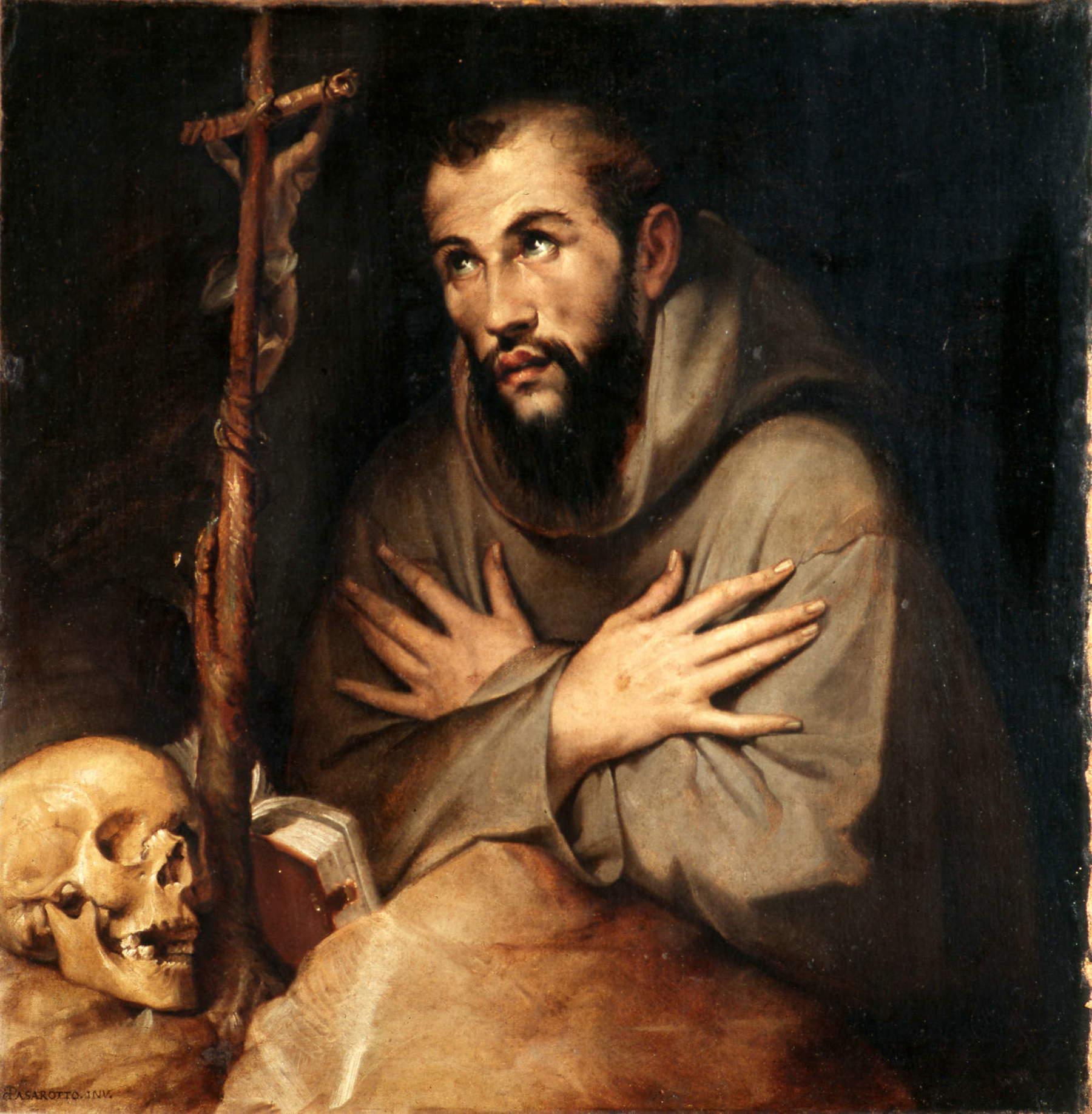
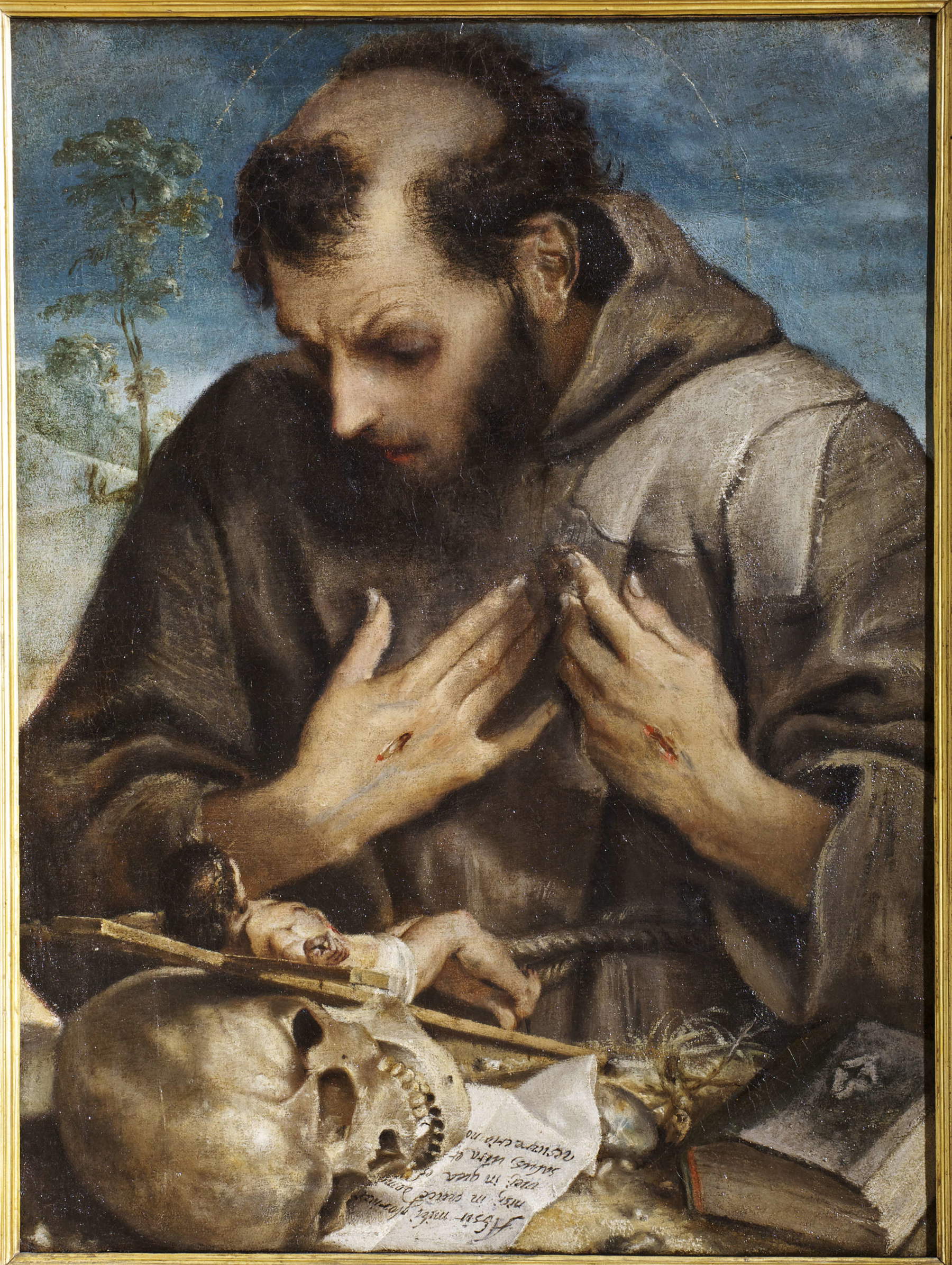
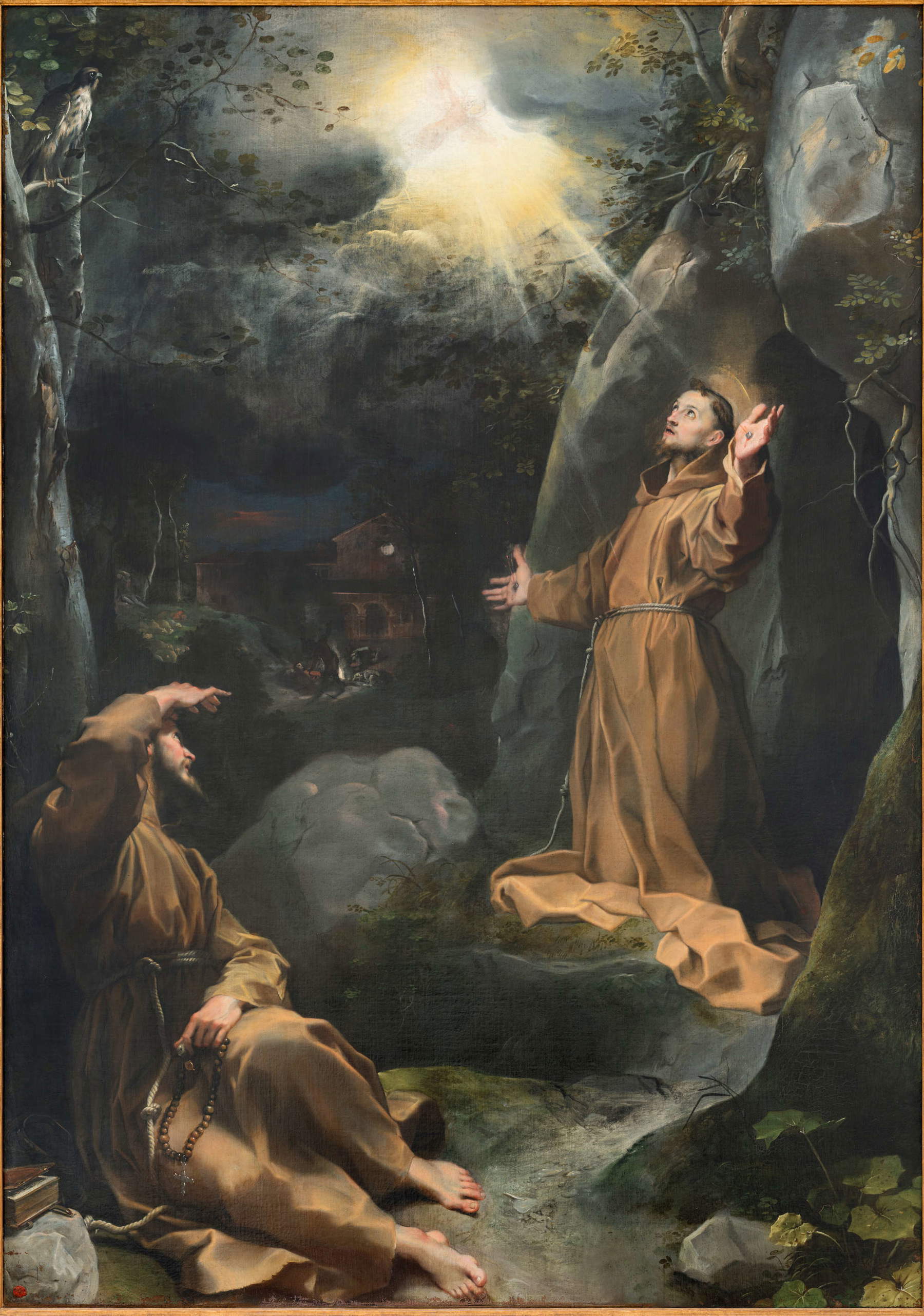
The selection of works also offers an opportunity to explore the historical, religious, and artistic context in which the new Franciscan iconography developed. The exhibition, in fact, reconstructs the cultural climate of Bologna during the Counter-Reformation, characterized by an intense debate on the relationship between sacred images, devotion, and the educational function of art.
According to the exhibition’s curatorial concept, it was precisely during these decades that new religious and artistic sensibilities emerged, which would gradually lead to the development of Baroque culture. There was a growing focus on the expression of passions and the emotional engagement of the faithful—elements that also profoundly altered the way Saint Francis was depicted. The saint is no longer merely the protagonist of narrative episodes but becomes the absolute center of the composition. The images emphasize penance, contemplation, mystical visions, and ecstasy, culminating in the depiction of the moment when he received the stigmata.
The image that emerges is that of a deeply human Francis, anchored to the earth through his bare feet, his choice of poverty, and his continuous relationship with nature, yet at the same time constantly drawn toward the divine through visionary experiences and ecstatic states that culminate in his identification with the Passion of Christ. A comparison between the works on display and the studies compiled in the exhibition catalog will also make it possible to reconstruct a decisive phase in the history of Bolognese religious art, highlighting the role played by the Franciscan Order in the major theological and figurative issues of the Counter-Reformation era.
The exhibition will be accompanied by a rich program of public events running throughout its duration. These include lectures, guided tours, educational activities, and musical performances designed to explore the themes addressed by the exhibition and encourage broader participation.
The exhibition is organized in collaboration with Officina San Francesco Bologna and stems from a project launched during Costantino D’Orazio’s tenure as interim director. The initiative also enjoys the patronage of the National Committee for the celebration of the eighth centenary of the death of St. Francis of Assisi.
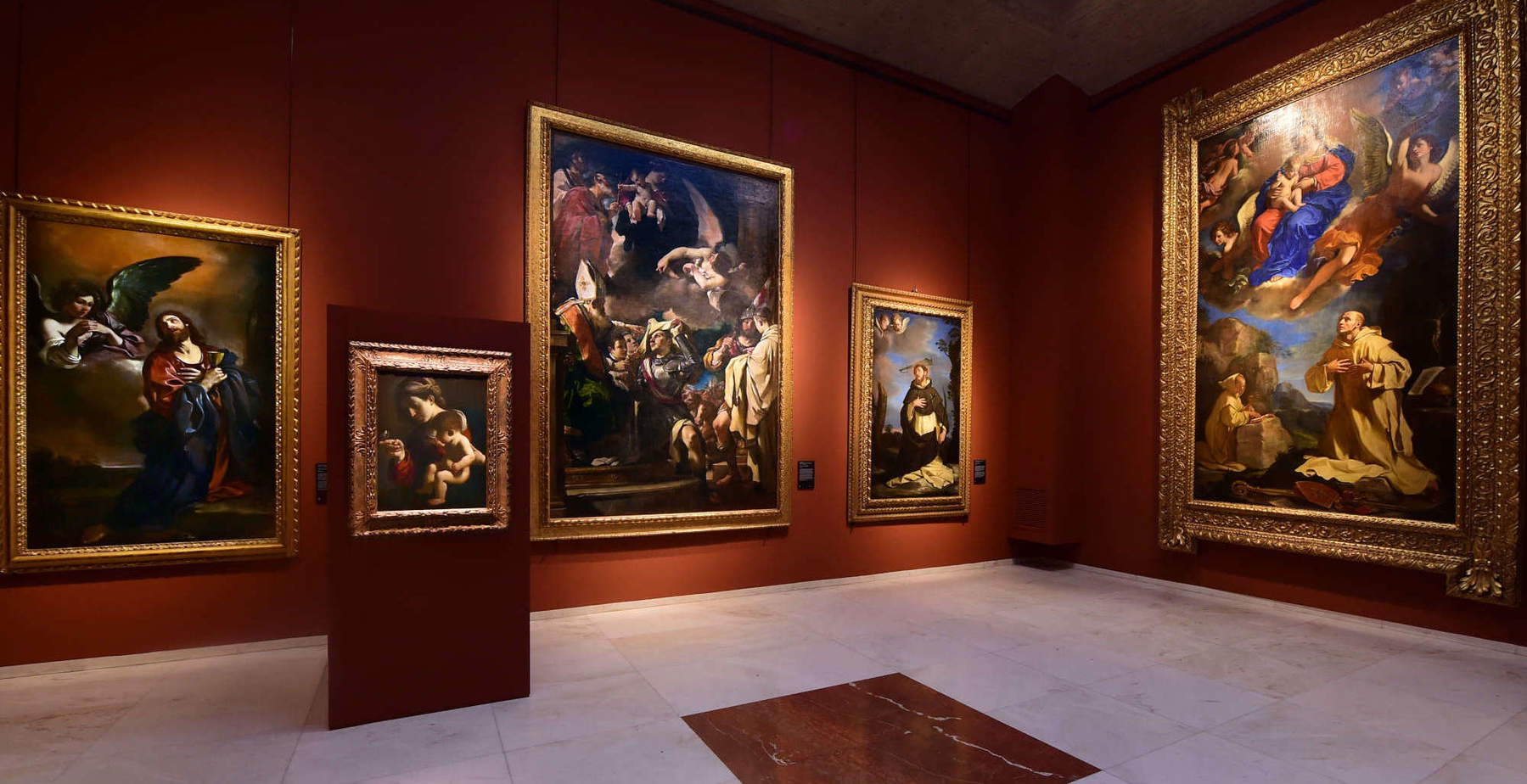 |
| The National Art Gallery of Bologna is launching a new program to promote its collections |
Warning: the translation into English of the original Italian article was created using automatic tools. We undertake to review all articles, but we do not guarantee the total absence of inaccuracies in the translation due to the program. You can find the original by clicking on the ITA button. If you find any mistake,please contact us.