




by Redazione 19/08/2026



Categories: Museums / Disclaimer
A valuable sketchbook that belonged to the Van Eeghen family for over three centuries has been added to the collections of the Rijksmuseum in Amsterdam. The approximately 30 works contained in the volume are associated with Rombout Uylenburgh, a little-known painter who was active at the Polish court.
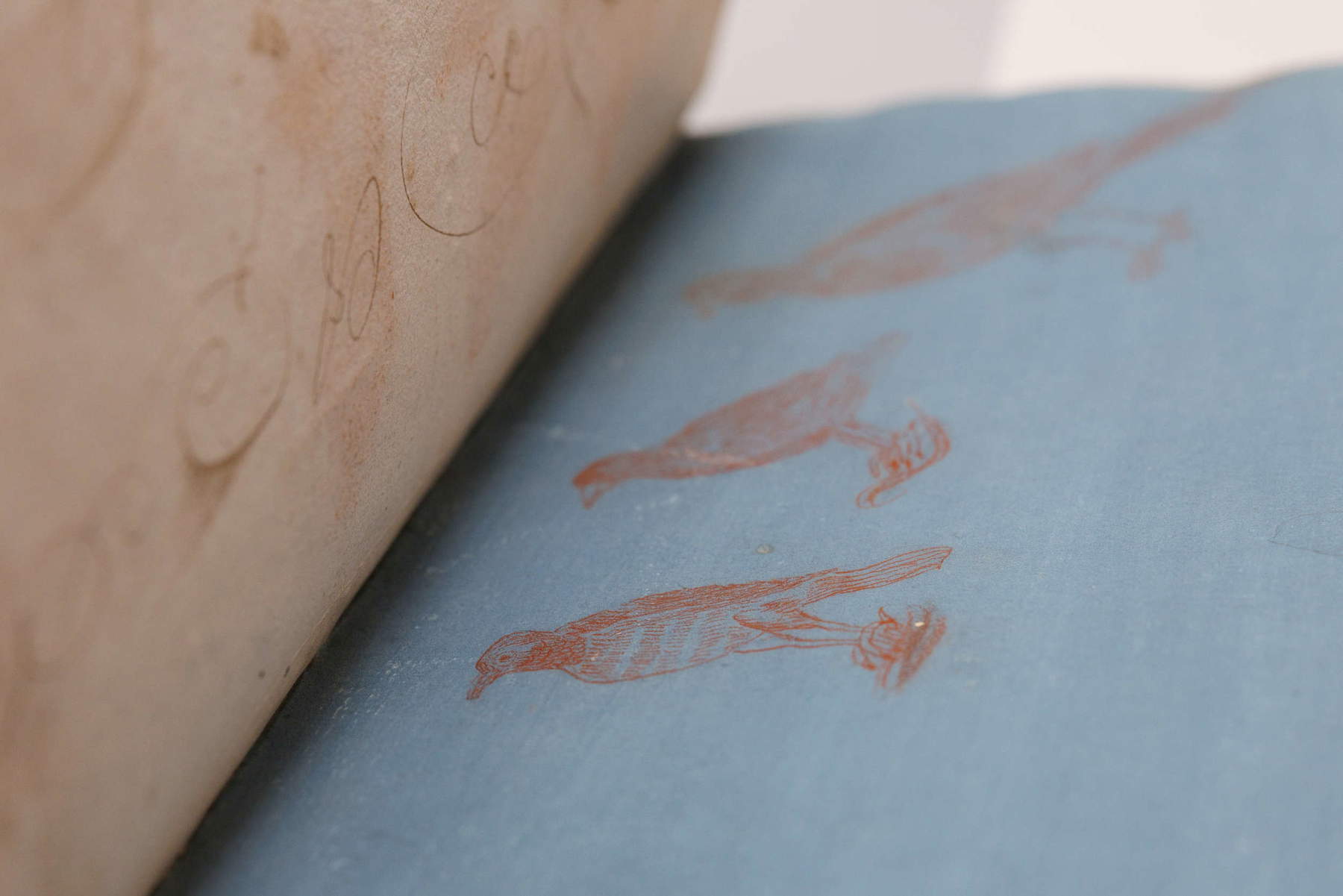
The Rijksmuseum in Amsterdam is expanding its Print Room Collection with an exceptional and rare work: the Van Eeghen Drawing Book, a book of drawings from the early 17th century that has remained in the same family for more than three hundred years. The museum received the book as a donation from the Van Eeghen family itself, and this gesture allows the Dutch museum to make public a collection of drawings of particular importance for understanding early 17th-century Dutch graphic art and, above all, to draw attention once again to Rombout Uylenburgh ( 1580/1585 – Gdańsk, 1627/1628), an artist who is little known today but was well-established and celebrated during his lifetime. The volume contains about thirty drawings, among which a series of biblical scenes attributed to Uylenburgh and his workshop stands out. These are large-format sheets, executed with remarkable refinement and characterized by a strong narrative, dramatic, and emotional quality. Some are executed on blue paper and display a particularly striking chromatic quality. The book’s preservation has, in fact, limited the drawings’ exposure to light to an extremely minimal extent; for this reason, the colors have retained a vibrancy that still allows us today to appreciate their original appearance, some four centuries after their creation.
The survival of a 17th-century drawing book in its entirety is an exceptional occurrence. Many volumes of this kind have been dismembered over time, with the individual sheets separated and subsequently scattered among different collections. The Van Eeghen Drawing Book, on the other hand, represents a rare case of nearly complete preservation, allowing us to view together a group of works united by their shared history and to study their relationship to the output of an artist and his workshop.


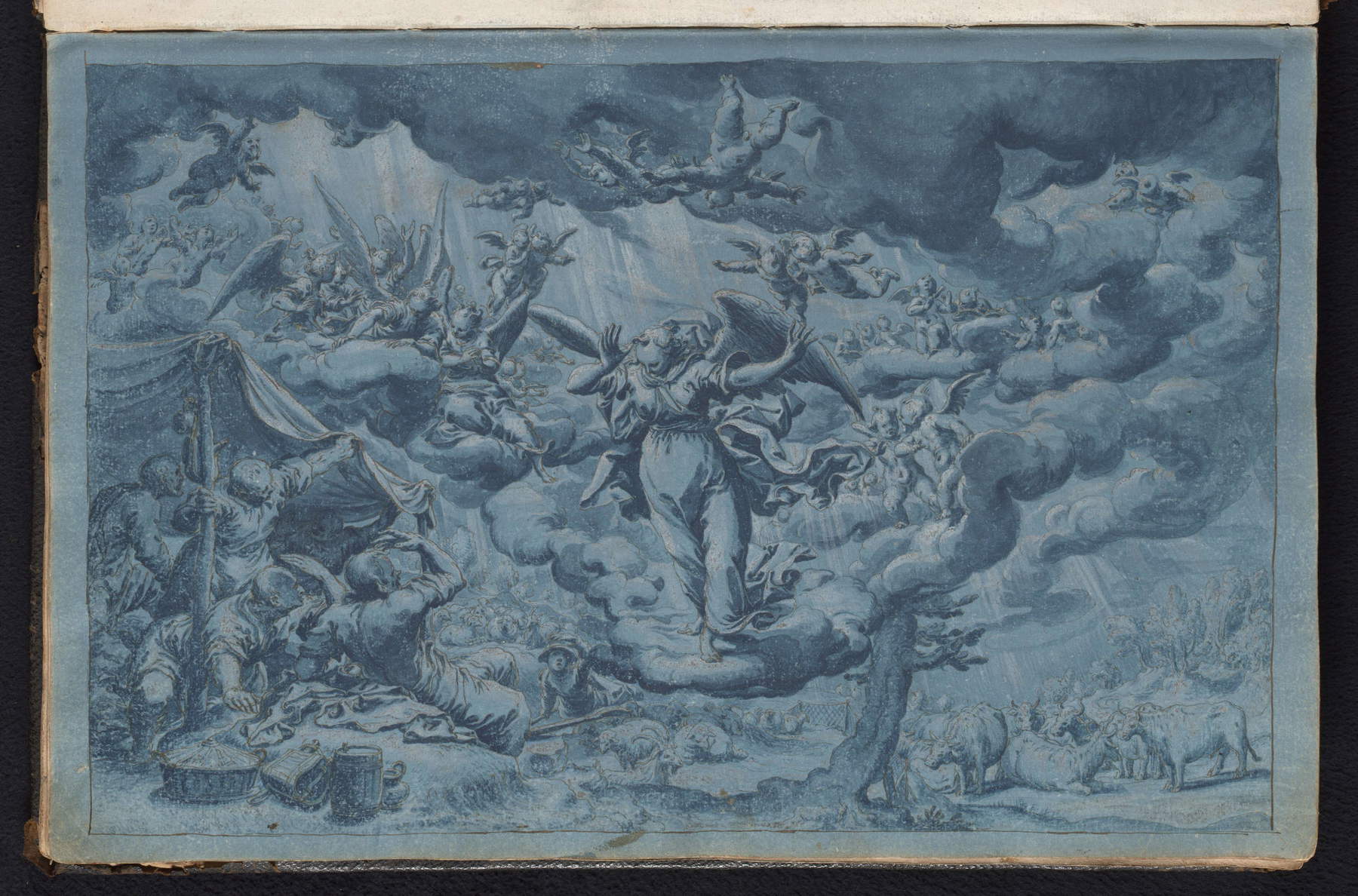
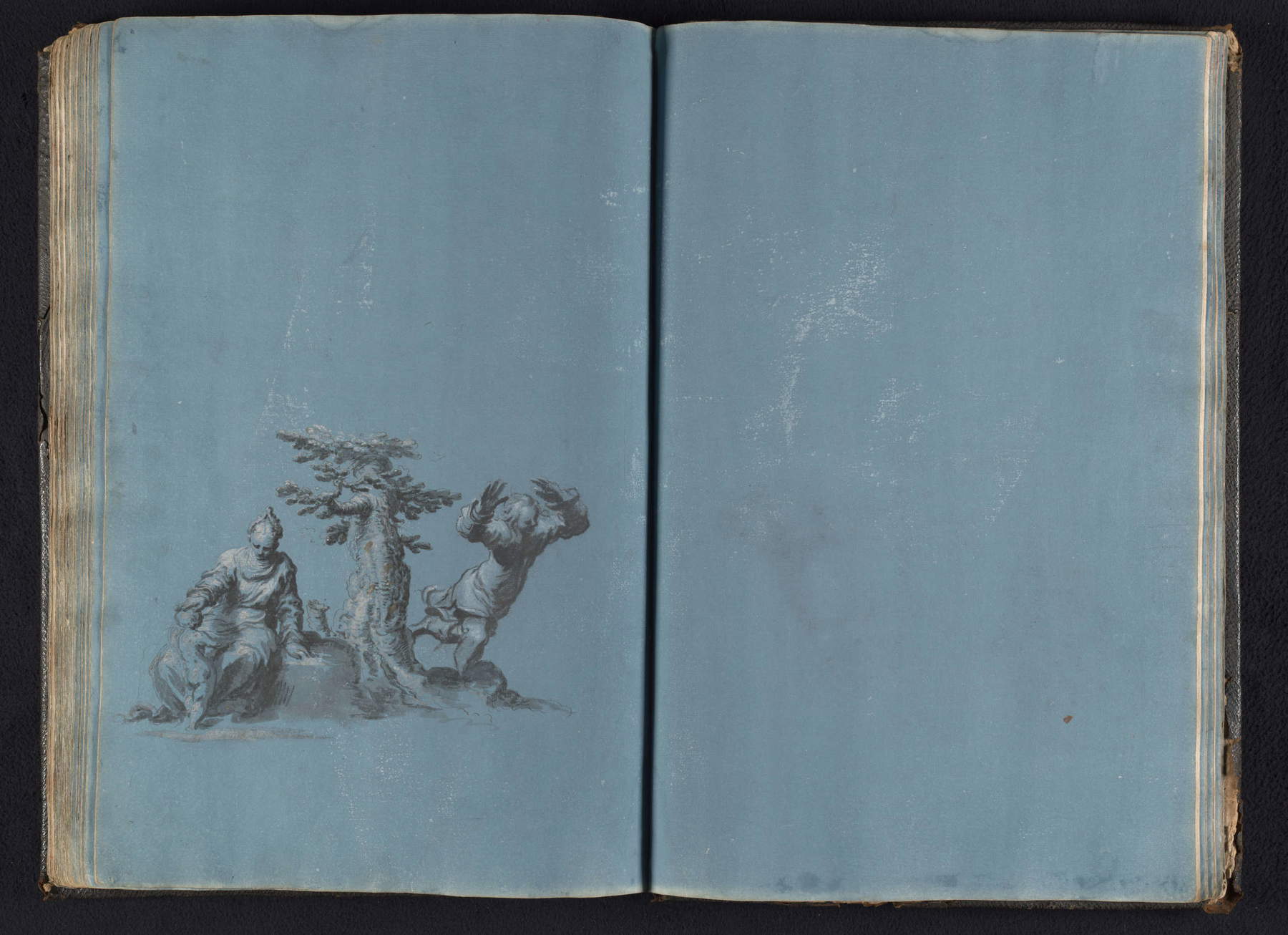
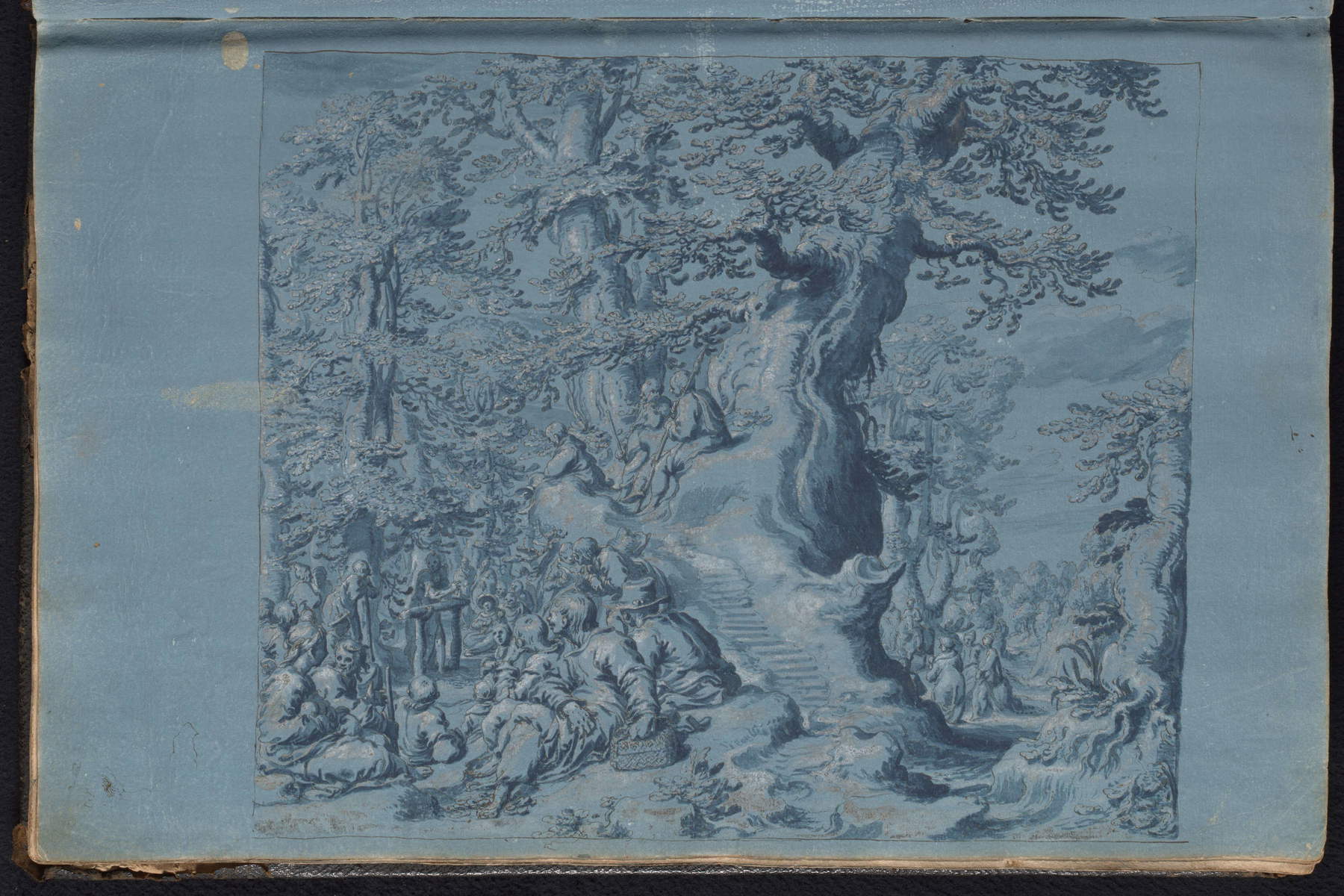
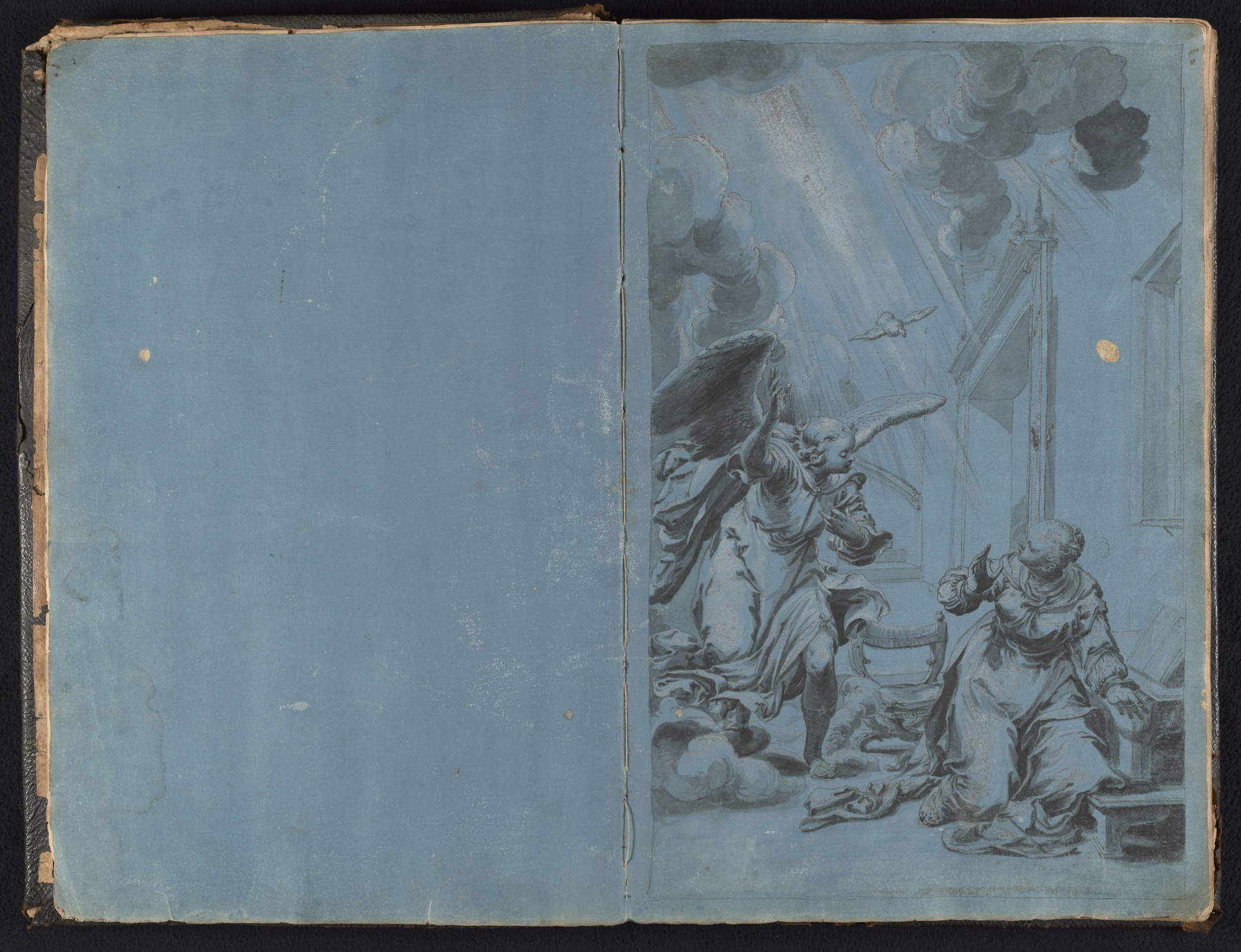
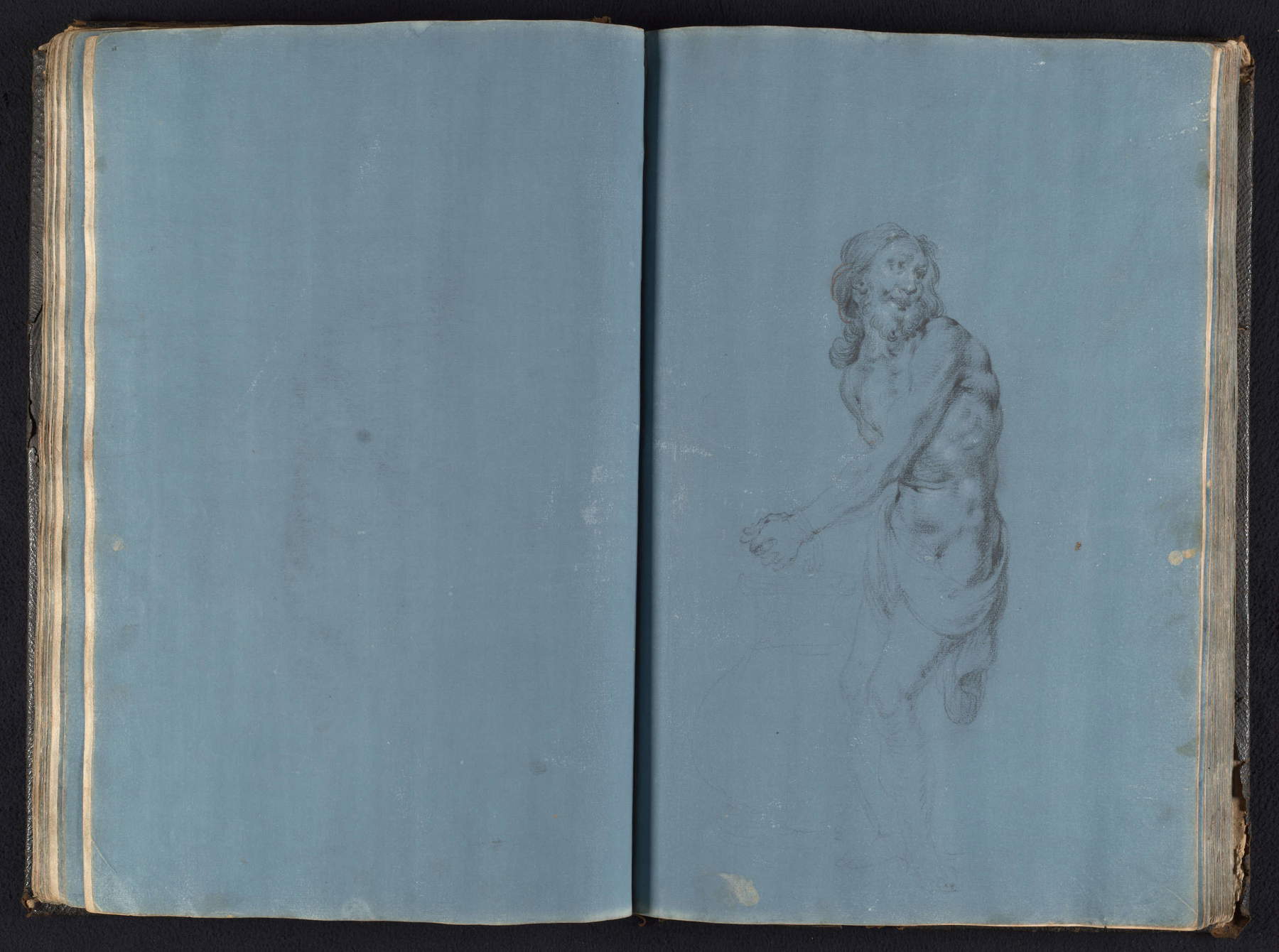
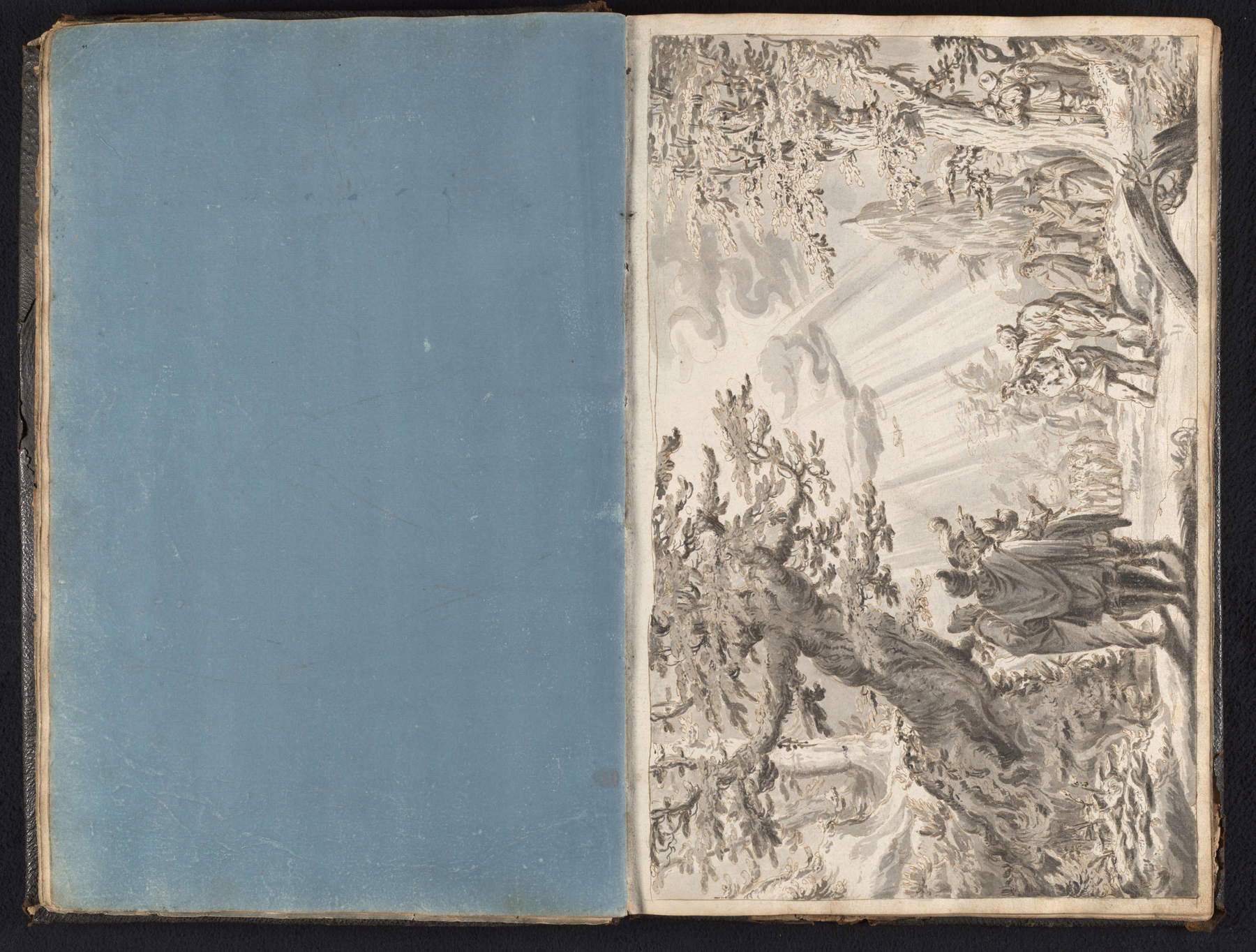
“The Van Eeghen Drawing Book is a masterpiece of Dutch drawing,” said Taco Dibbits, director general of the Rijksmuseum. “This donation allows the museum to introduce Rombout Uylenburgh to the public—a fascinating artist of whom very few works have survived. We are deeply grateful to the Van Eeghen family for this generous gift, which is part of a long family tradition.”


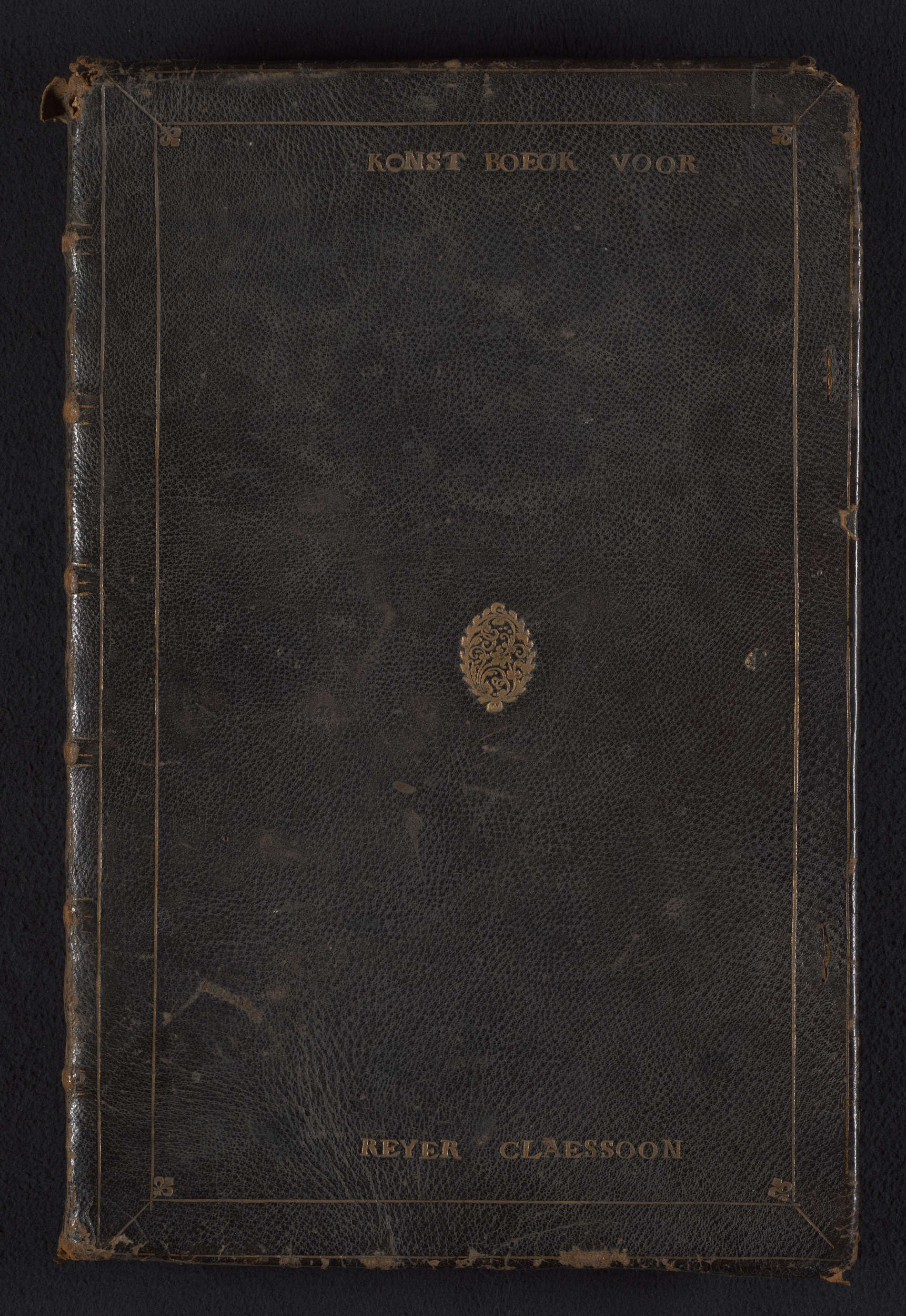
The history of the volume is, in turn, closely linked to the movements of Dutch artists and merchants throughout northern and central-eastern Europe in the 17th century. The book’s binding bears the inscription “Konstboeck voor Reyer Claessoon” in gold lettering, meaning “Art Book for Reyer Claessoon.” The intended recipient was Reyer Claessoon, a merchant originally from Enkhuizen who, like many of his compatriots, had settled in the port city of Gdańsk. Claessoon must have known Rombout Uylenburgh well: the two shared the Mennonite faith, a factor that helped forge bonds within the Dutch communities settled in the cities of Central and Eastern Europe. The Van Eeghen family, which acquired the book more than three centuries ago and has preserved it ever since through the generations, shared this same religious affiliation. The volume had been publicly exhibited only once before, in 1935, and this circumstance makes its inclusion in the Rijksmuseum’s collections a particularly significant event.
For a long time, the book’s history was accompanied by a fundamental question: which artists had created the drawings contained within it? For many years, it was not possible to establish the artists’ identities with certainty. The breakthrough came about twenty years ago, when C.P. van Eeghen, one of the book’s former owners, identified a connection between a sheet by Rombout Uylenburgh in the Rijksmuseum’s collections and a drawing in the book that had belonged to his family.
The attribution was first published in 2013 by Erik Löffler—who subsequently passed away—who was a curator at the Dutch Institute for Art History (RKD). This research helped usher in a new phase of studies on Uylenburgh and also led to the identification of a series of the artist’s paintings in the collections of the Museum Ons’ Lieve Heer op Solder in Amsterdam. The book, therefore, is not only a valuable new acquisition for the Rijksmuseum but also serves as an essential tool for reconstructing the oeuvre of a painter about whom art history today has extremely limited documentation.
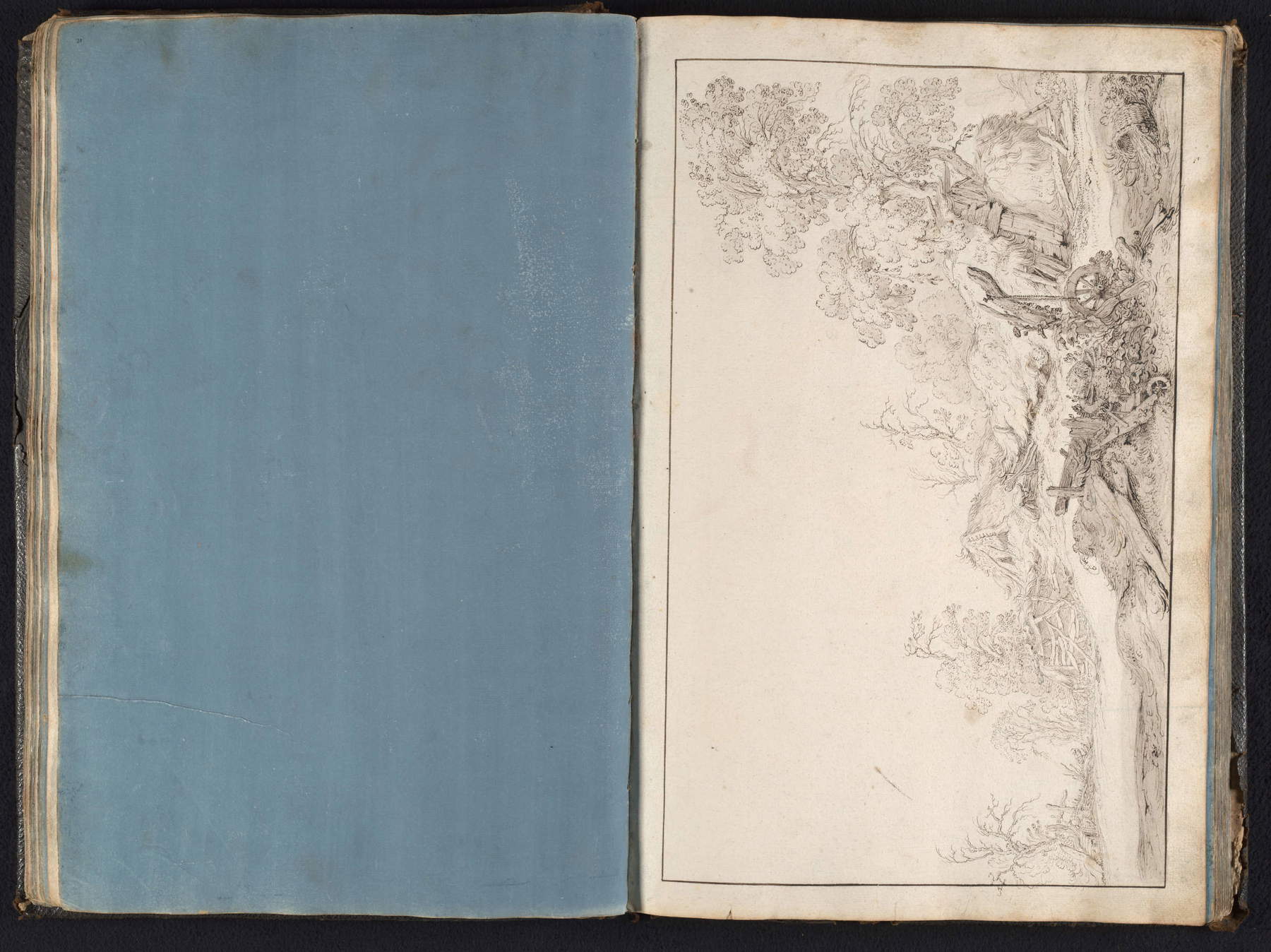
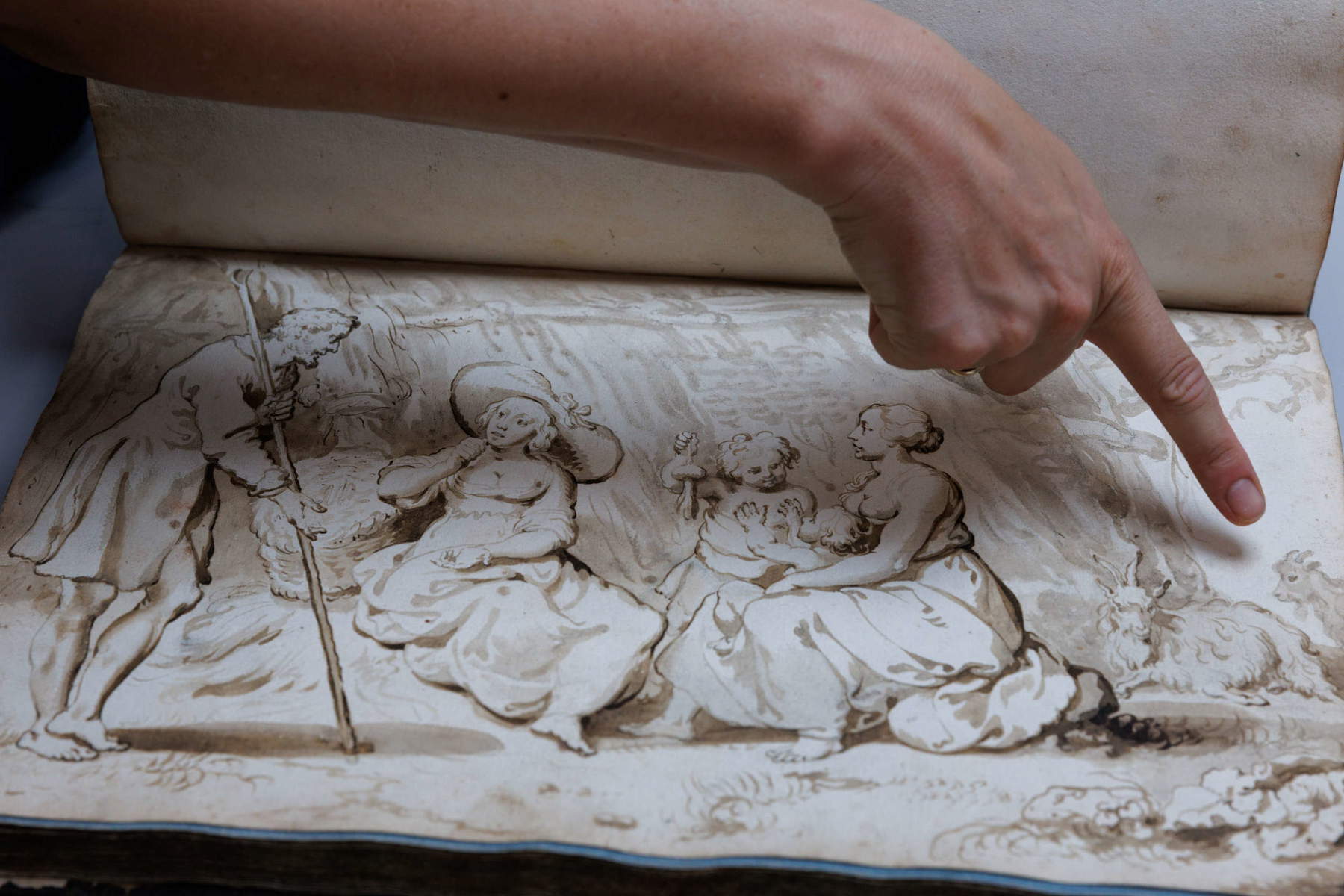
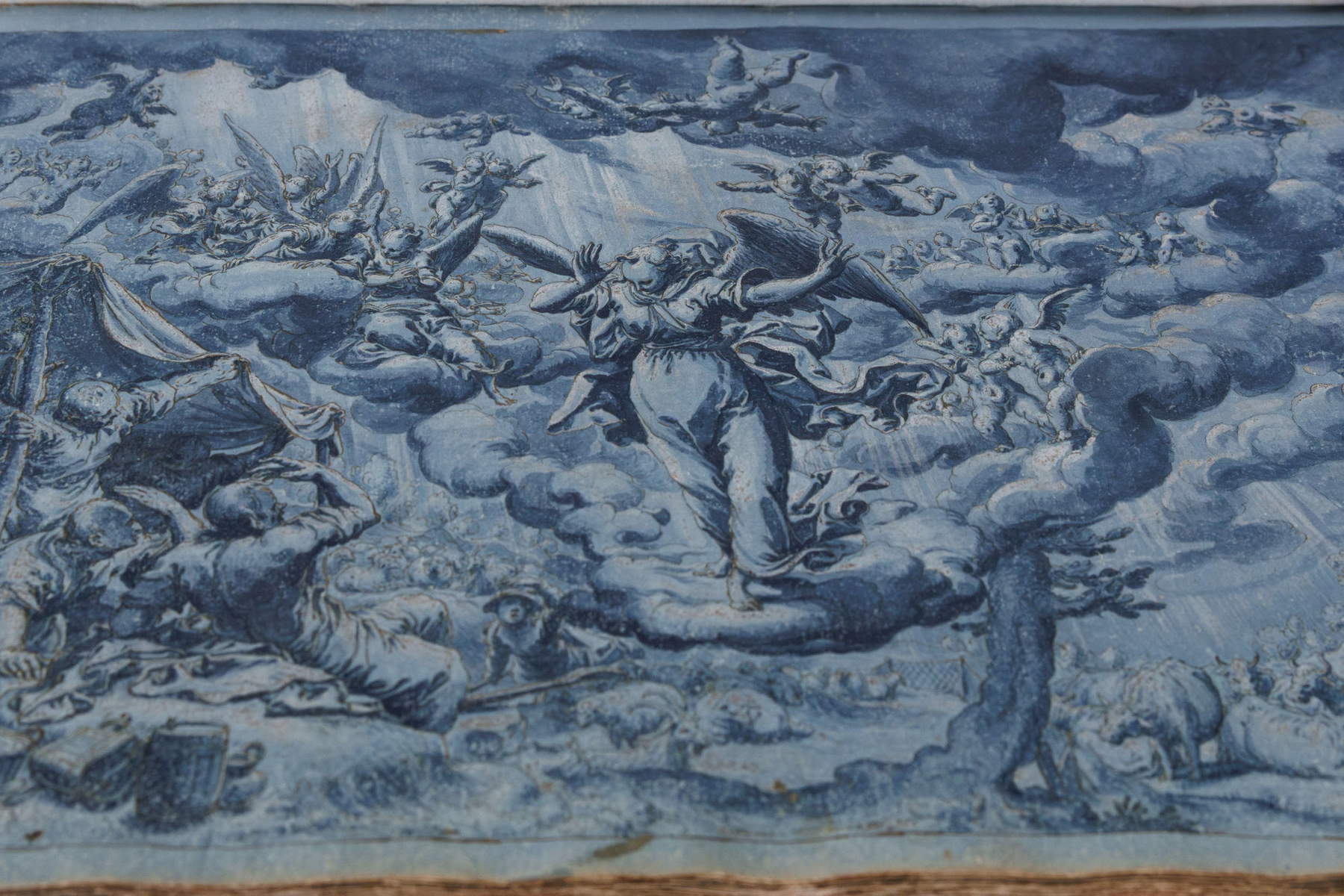
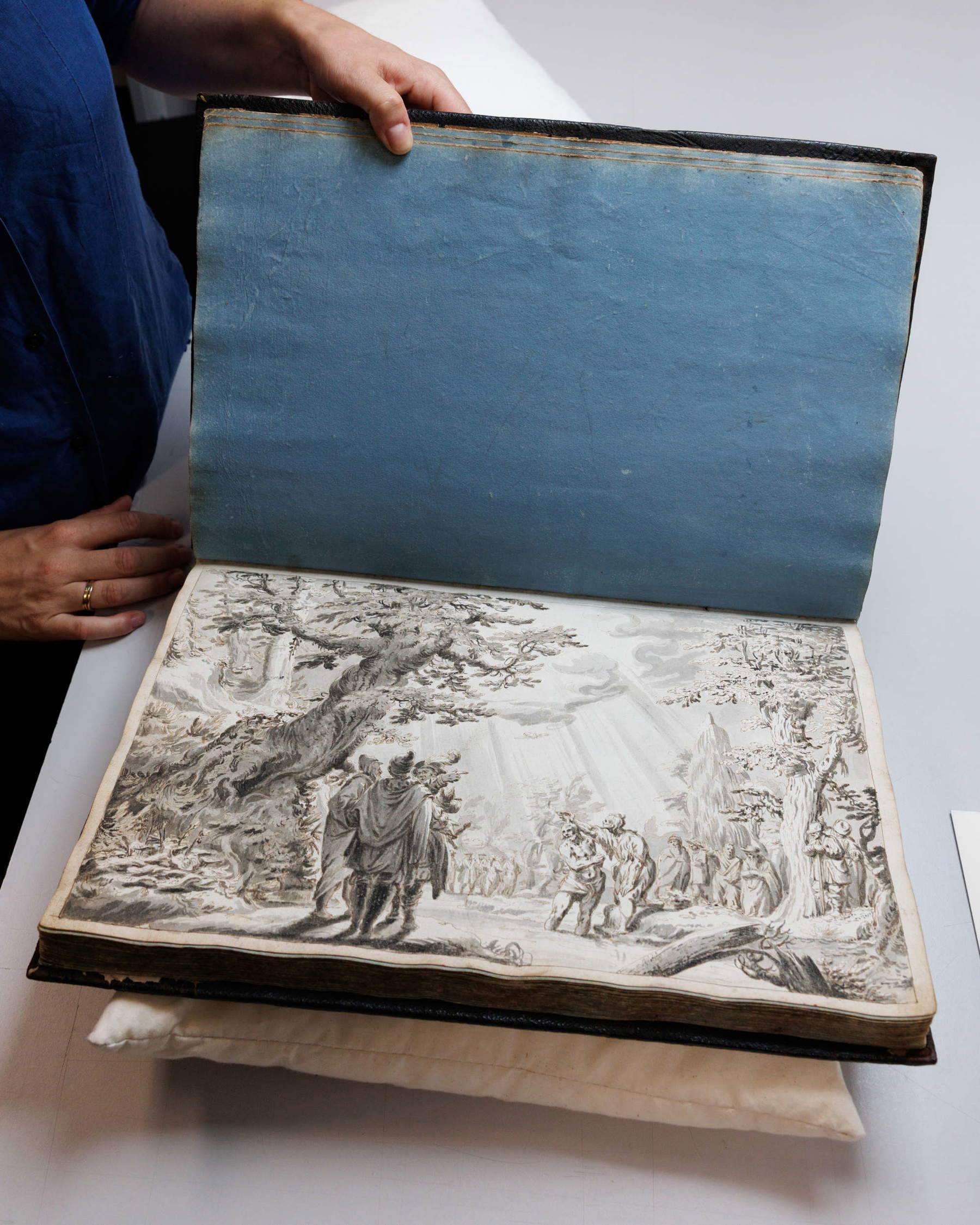
Rombout Uylenburgh was born around 1580–1585 and died in Gdańsk in 1627–1628. His life story reflects the mobility of Dutch artists and communities in the early decades of the 17th century. While still young, he left Leeuwarden, in the northern province of Friesland, along with his family, and moved to the Polish city of Kraków, where the court of King Sigismund III Vasa was located. It was precisely within the royal court that Uylenburgh developed his career, eventually working as a court painter.
His brother Hendrick also pursued a career linked to the artistic circles of the Polish court. Having entered the sovereign’s service as a commercial agent, he was also responsible for acquiring paintings for the royal collections. The lives of the two brothers would later become intertwined with the history of 17th-century Dutch art and, in particular, with that of Rembrandt van Rijn. Then, in 1612, Rombout Uylenburgh settled in Danzig, an important commercial center and port in the Baltic region that was home to a sizeable Dutch community. It was probably in this context that he met Reyer Claessoon, the merchant whose name appears on the binding of the book now in the Rijksmuseum’s collections. In Danzig, Uylenburgh successfully continued his artistic career. Among the specialties of his work were grisaille paintings—works created entirely using shades of gray—a technique that could be used both to imitate the effect of sculpture and to create sophisticated effects of light and volume.
Despite the fame he achieved during his lifetime, after his death in Gdańsk in 1627–1628, Rombout Uylenburgh gradually fell into obscurity. His known body of work is extremely limited and comprises only a small group of paintings and two drawings considered to have survived. One of these two drawings is already in the collections of the Rijksmuseum, and it was precisely the comparison with that drawing that proved decisive in recognizing the connection between the artist and the Van Eeghen Drawing Book.
The story of the Uylenburgh family, however, took a much more fortunate turn in the history of Dutch art. Hendrick Uylenburgh returned from Poland and settled in Amsterdam, where he became an important art dealer and also played a significant role in Rembrandt’s career. In 1634, Rembrandt married Saskia van Uylenburgh, the cousin of Rombout and Hendrick. The family name is therefore closely associated with the story of the great Dutch painter, even though Rombout, compared to his brother Hendrick and his cousin Saskia, has long remained a marginal figure in the reconstruction of the artistic culture of the period.
The Rijksmuseum’s new acquisition now offers an opportunity to change this situation. The donation will, in fact, allow the museum to continue its studies on Rombout Uylenburgh’s body of work, by correlating the drawings in the book with the few paintings and drawings that have survived the passage of the centuries. The availability of such a substantial group of drawings attributed to the artist and his workshop is particularly valuable precisely because the surviving body of his work is very limited. “This donation,” the museum states, “will enable the Rijksmuseum to deepen its research into the work of Rombout Uylenburgh. Aside from a small number of paintings, only two of his drawings are known to have survived, one of which is in the Rijksmuseum’s collection. Thanks to a loan from the Rembrandt House Museum, a significant portion of his surviving works will be brought together for the first time in an exhibition at the Rijksmuseum, which will open on August 19, 2026.”
|
| The Rijksmuseum in Amsterdam receives a rare book of 17th-century drawings as a gift |
Warning: the translation into English of the original Italian article was created using automatic tools. We undertake to review all articles, but we do not guarantee the total absence of inaccuracies in the translation due to the program. You can find the original by clicking on the ITA button. If you find any mistake,please contact us.