



by Redazione 03/11/2026


Categories: Travel / Disclaimer
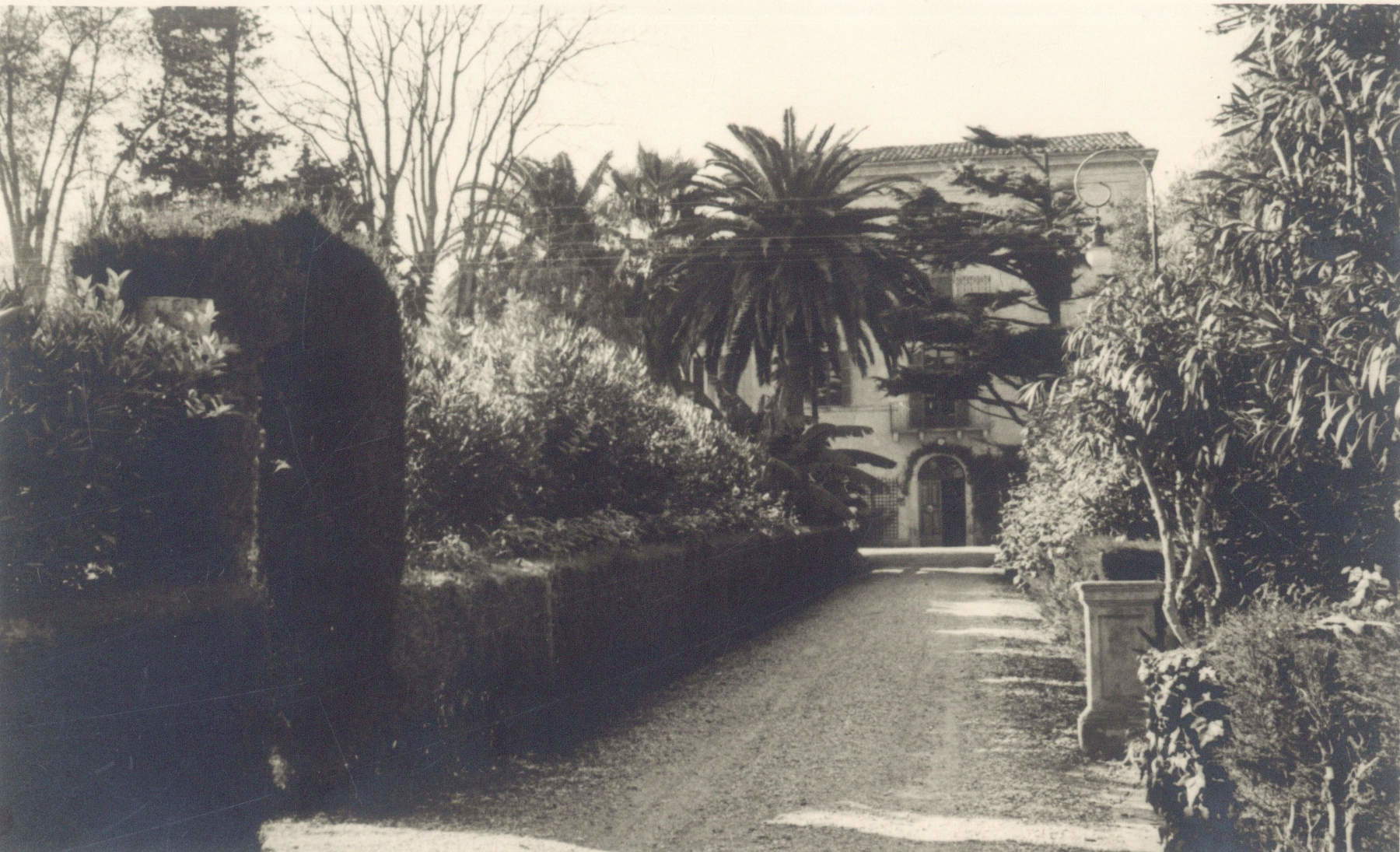
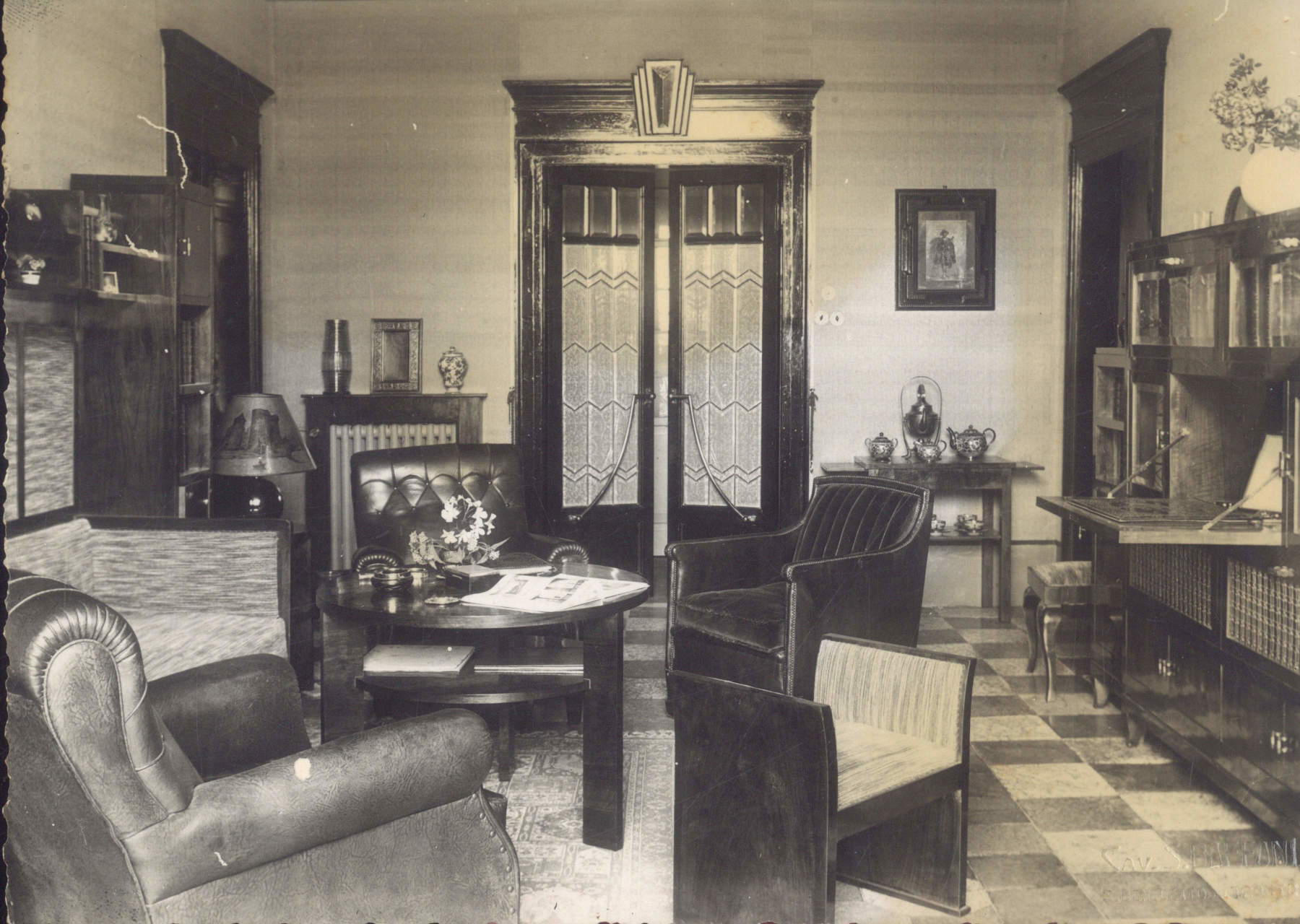
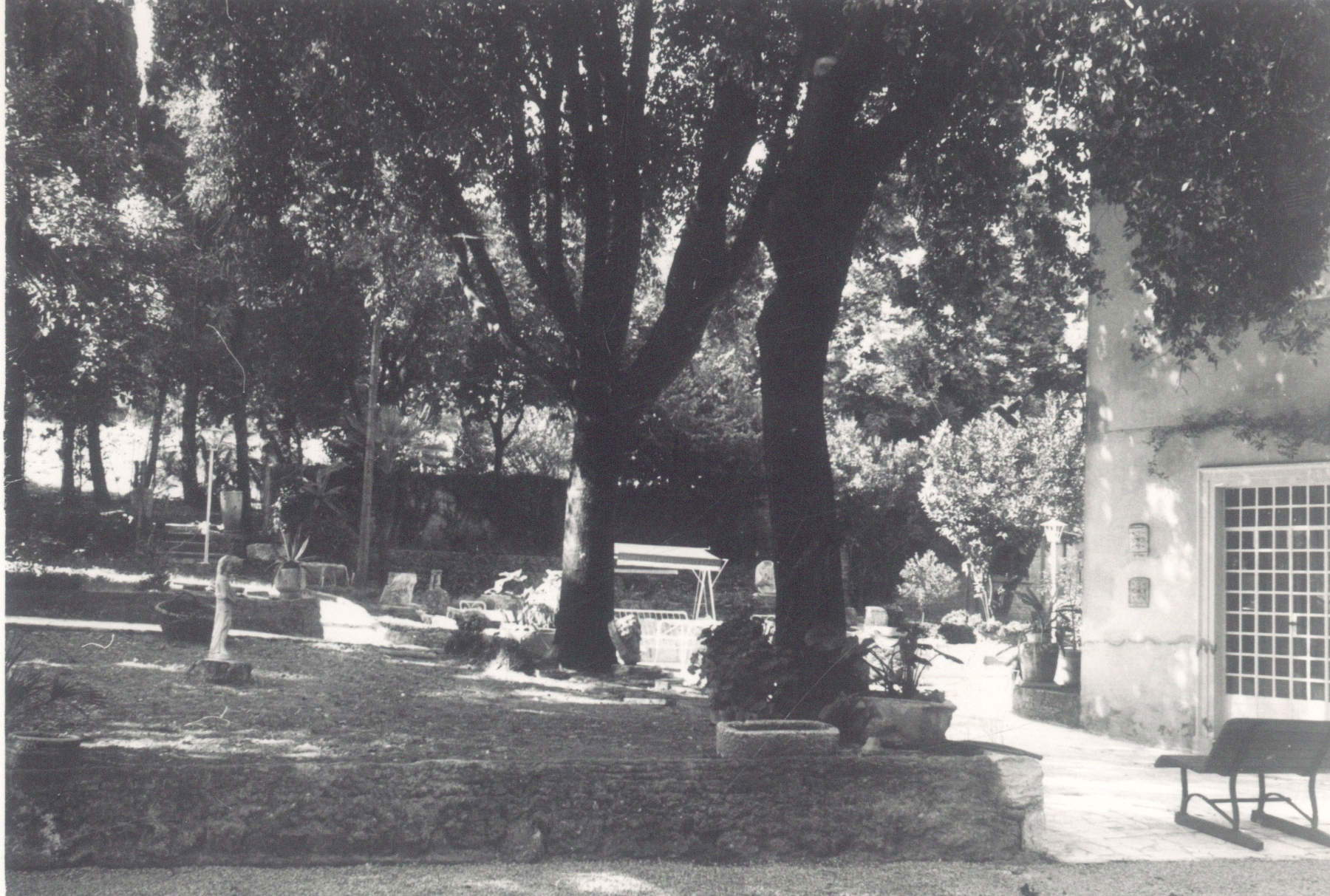
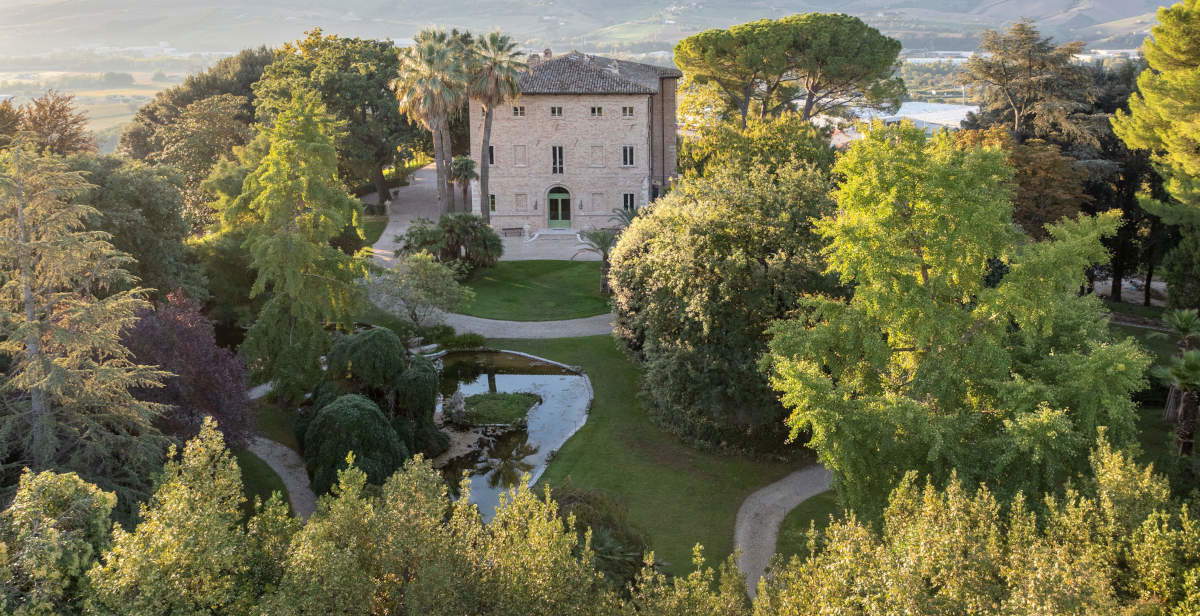
From the noble villas of Grottammare to the ancient gardens of the inland region, the Network of Historic Residences and Parks of the Marche—promoted by the Fondazione Marche Cultura—brings together six sites in the province of Ascoli Piceno that bear witness to the region’s architectural and landscape history.


The Marche Region, through the Marche Cultura Foundation, has launched an initiative to inventory and promote the region’s historical, architectural, and landscape heritage. The Network of Historic Residences and Parks of the Marche, active since 2023 and steadily expanding, currently includes 34 properties spread across the five provinces of the Marche, including castles, monumental complexes, historic residences, parks, gardens, and villas.


In the province of Ascoli Piceno, this heritage includes stately villas, historic gardens, and parks that tell the stories of local families and communities, as well as the relationship between architecture and landscape. These sites are scattered across the hilly inland region and the coastal strip, set within diverse natural contexts and often linked to the area’s agricultural history.
The project aims to collect and organize information on individual sites, document their history, and make this information accessible through texts, images, and other content. The goal is to connect different heritage sites, owners, managers, institutions, and local areas, promoting awareness of this heritage and, whenever possible, encouraging visits. In the province of Ascoli Piceno, six sites are included in the Network: Villa Mastrangelo in Colli del Tronto, the Seghetti Panichi Historic Village in Castel di Lama, Villa Sgariglia in Grottammare, the “Il Crocifisso” Historic Citrus Garden in Massignano, De Vecchis Park in Montefiore dell’Aso, and Villa Cerboni Rambelli with its park in San Benedetto del Tronto.




Castel di Lama, Seghetti Panichi Historic Village
Located in the Castel di Lama area, the Seghetti Panichi Historic Village is a medieval complex that preserves traces of seven centuries of history, architectural transformations, and family events. Originally built as a military fortress to defend the border with the Kingdom of the Two Sicilies, the village has been preserved and passed down by the family of Princess Giulia Panichi Pignatelli.
A significant transformation took place in the late 17th century, when the monumental entrance gallery, the new main staircase, and the façade were constructed, altering the complex’s original layout. Among the most notable rooms is the noble oratory of San Pancrazio, built between 1580 and 1620. Inside, it houses a travertine altar and frescoes attributed to the school of Biagio Miniera.
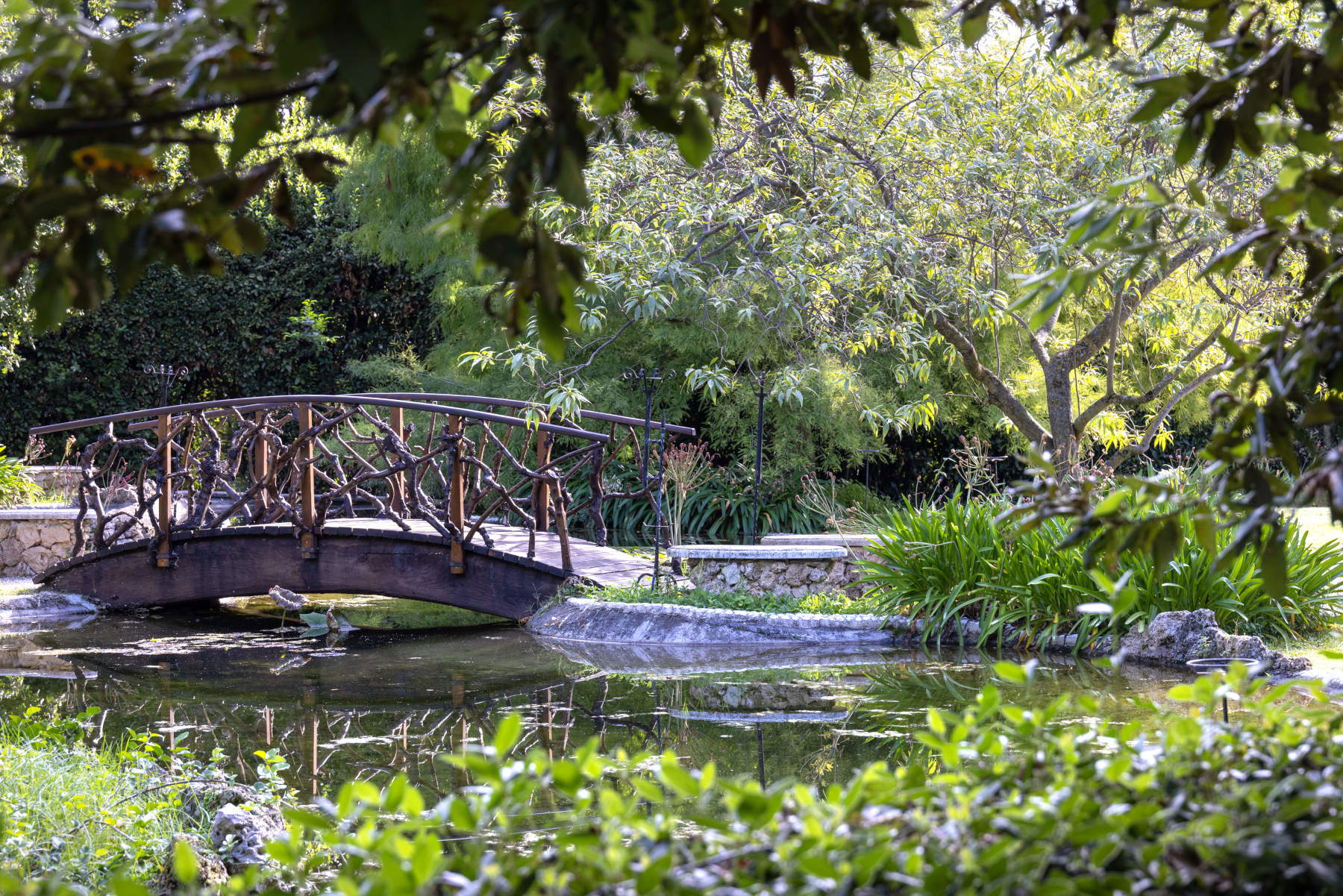
The estate is surrounded by a Historic Bioenergetic Park, which complements the complex with its botanical heritage. Today, the village combines the preservation of its history with hospitality services and the organization of events, maintaining an active role within the local area.
Colli del Tronto, Villa Mastrangelo
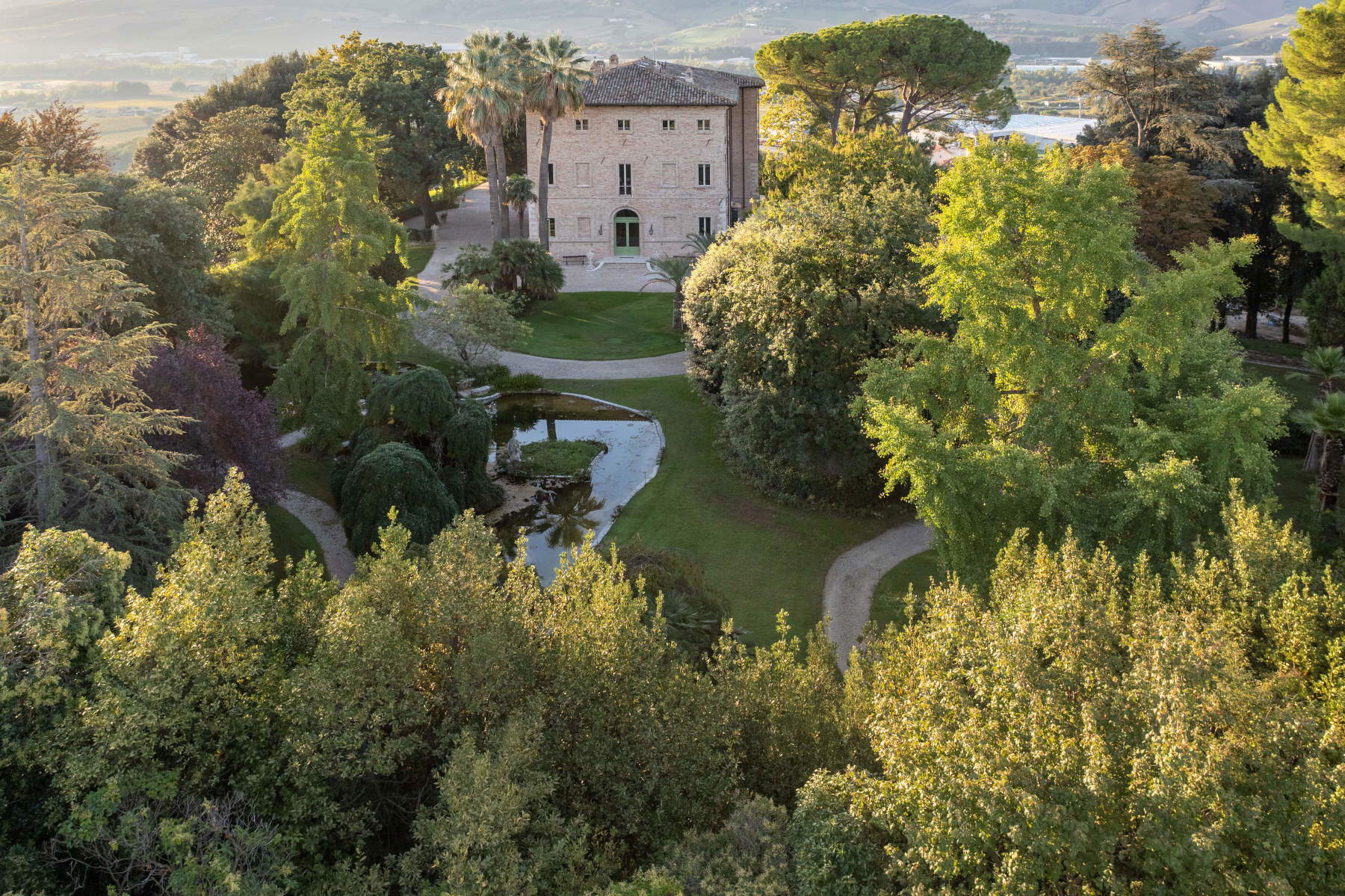
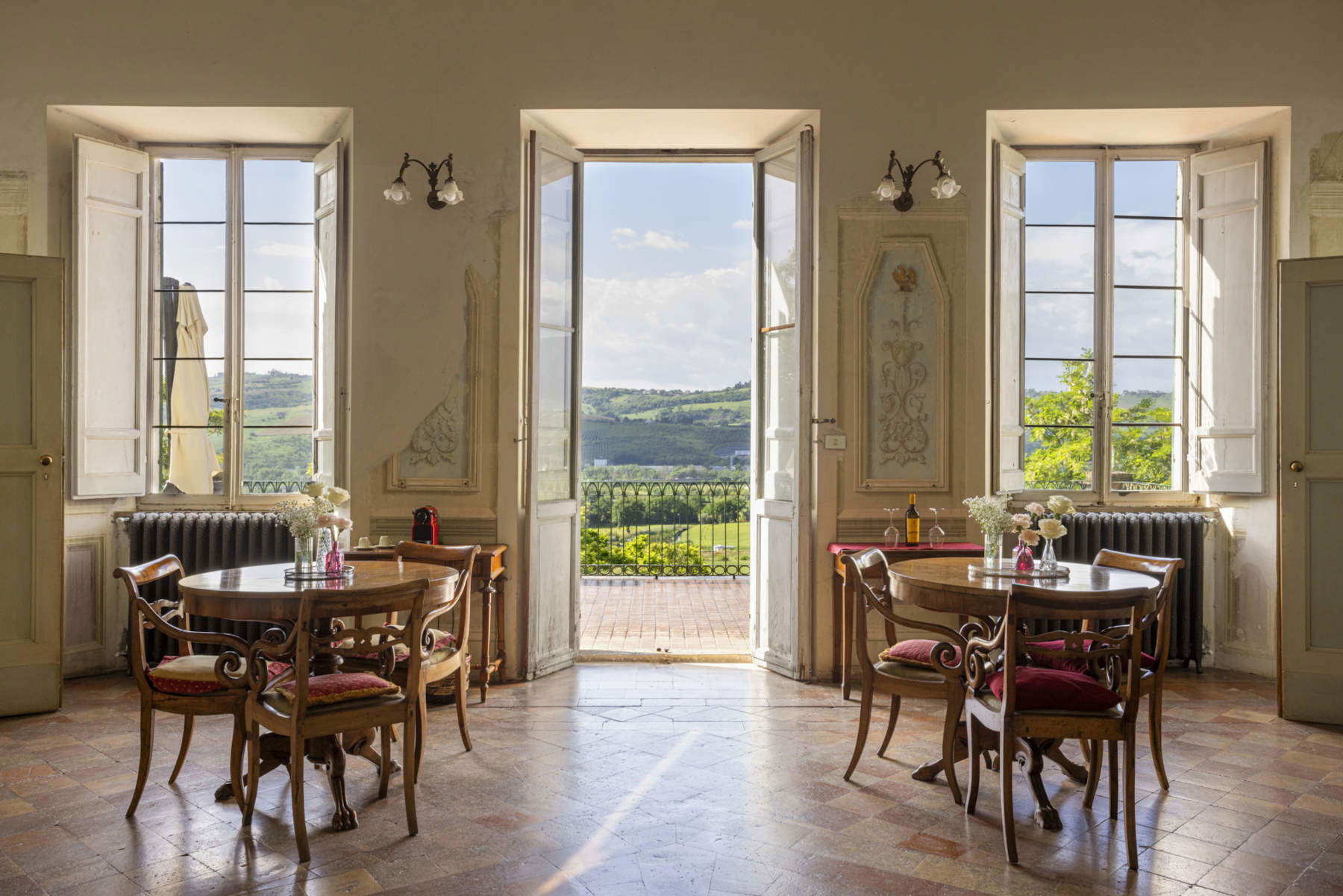
In Colli del Tronto, Villa Mastrangelo stands as an example of 19th-century neoclassical architecture in the Ascoli area. Designed in 1844 by architect Ignazio Cantalamessa Carboni, it is one of the architect’s final works and still retains its original architectural layout, characterized by a strictly symmetrical floor plan and a balanced distribution of volumes.
The villa stands on a hillside and consists of a three-story central body, flanked by two two-story side wings. On the southern facade, a porticoed projection stands out, surmounted by a terrace overlooking the main hall. The windows are framed by travertine cornices and Renaissance-inspired acroteria, elements that enrich the design of the facade.
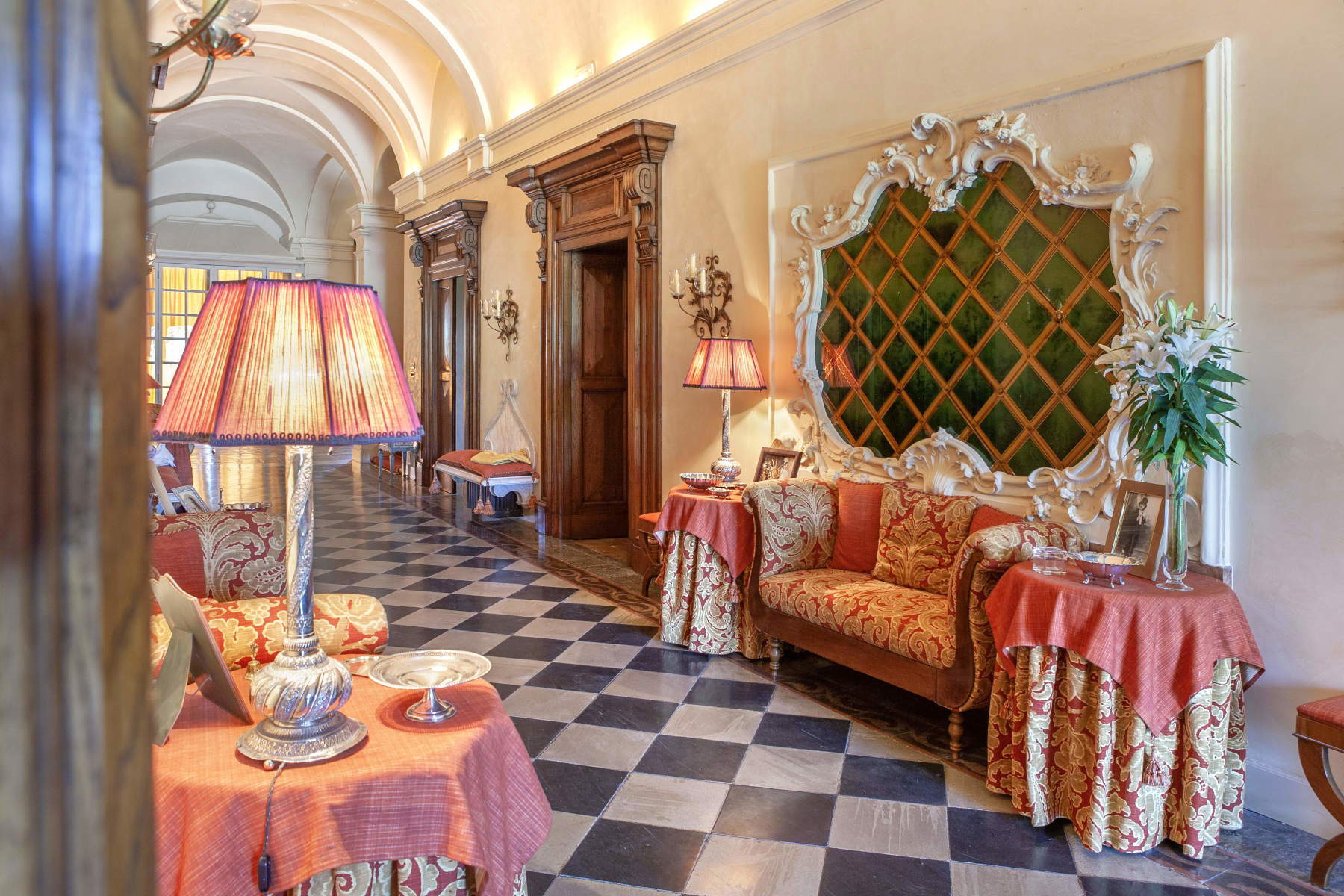
The interior spaces also reflect the functional layout of the residence. The basement houses the wine cellar, a grotto, and several service rooms; on the mezzanine level are the entrance hall, the bedrooms, and the reception room. The upper level, on the other hand, included the service quarters, a private chapel, and the attic, which was later converted for residential use. Some of the rooms still feature tempera decorations attributed to Raffaele Fogliardi.
The building exemplifies the architectural style of Cantalamessa Carboni, which is also evident in other projects he carried out in the Ascoli area, including Villa Rosati-Sacconi, Palazzo Merli, and the Church of San Francesco di Paola.
Grottammare, Villa Sgariglia
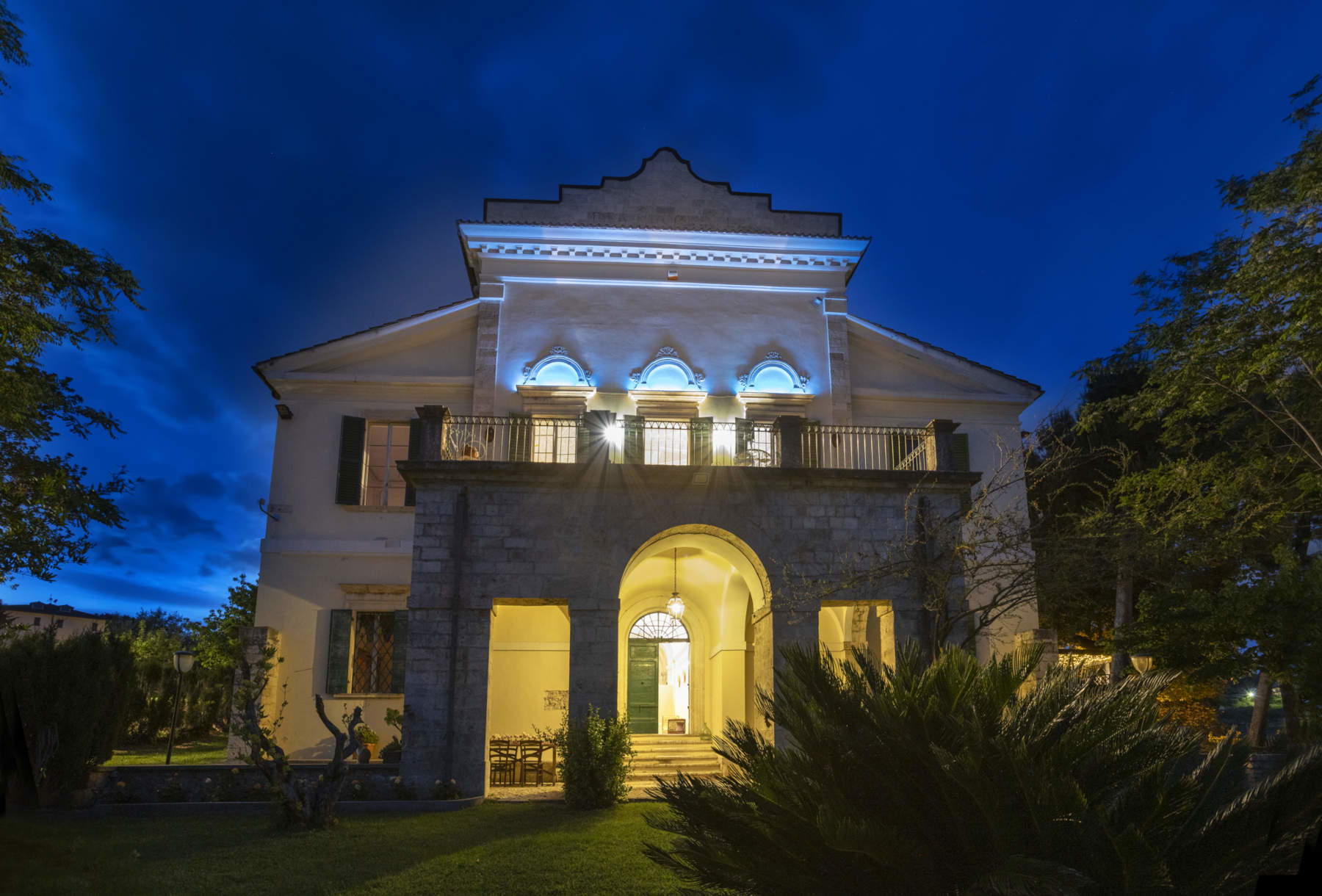
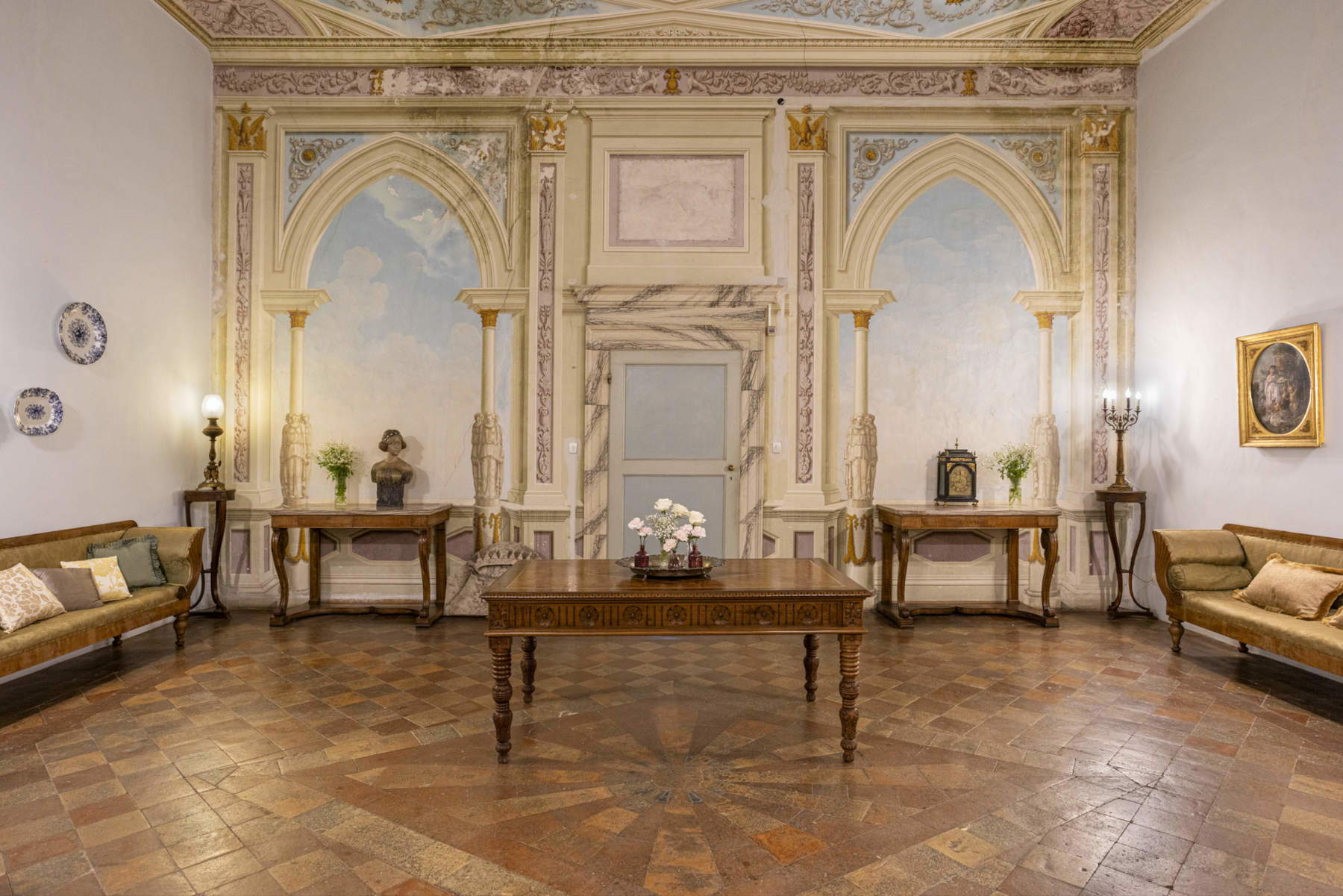
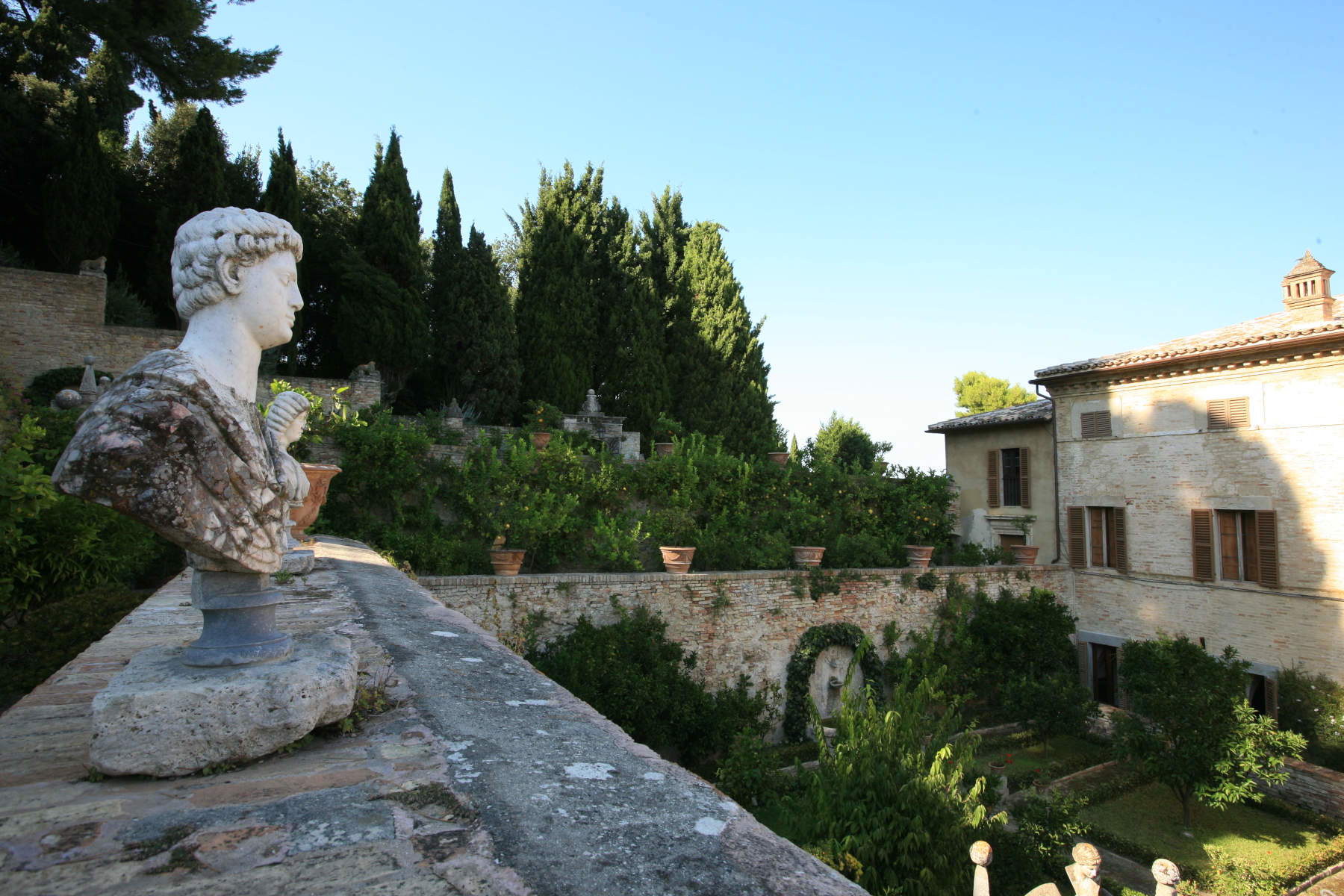
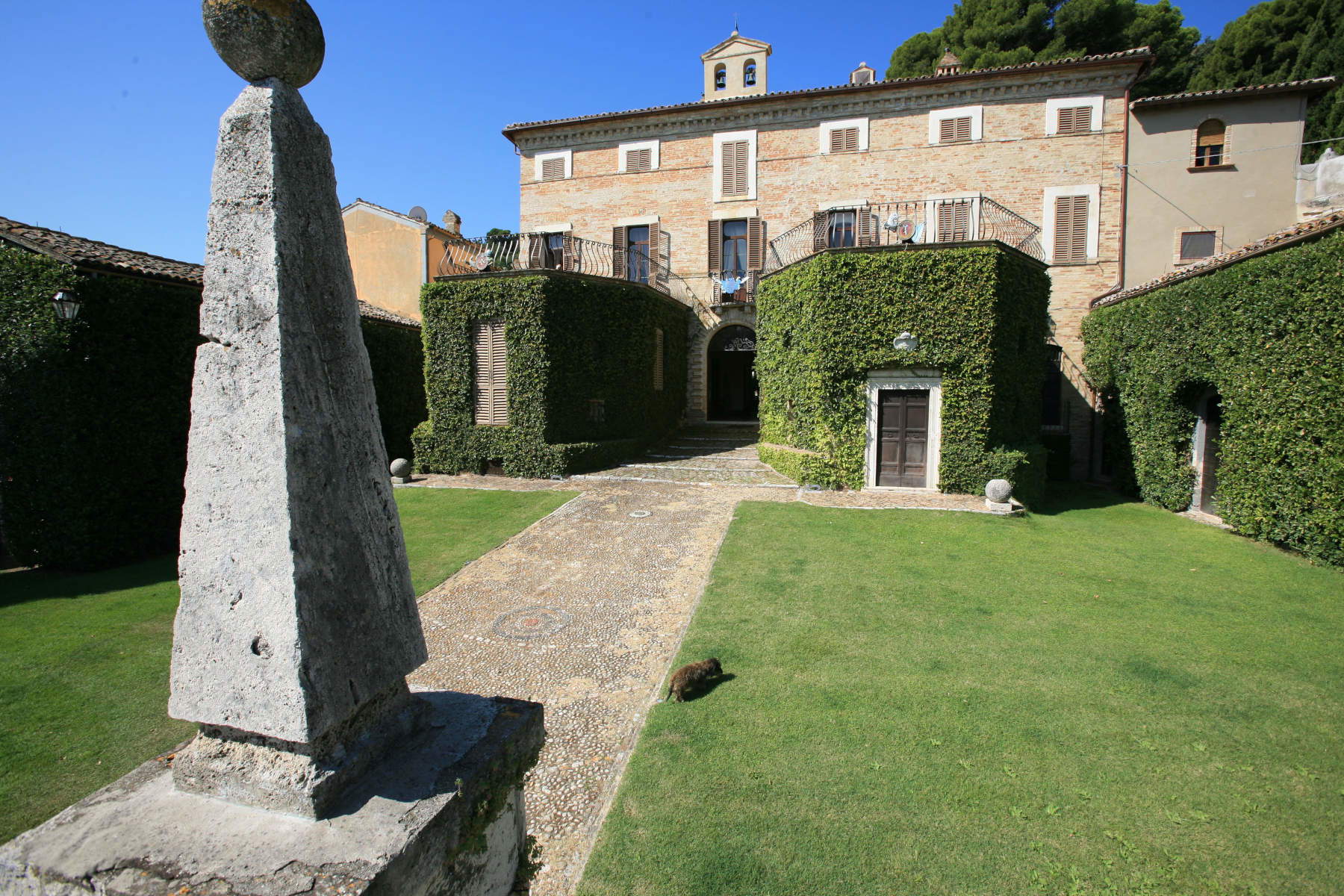
Located about one kilometer from the coast, on a hill south of Grottammare, Villa Sgariglia is a suburban noble residence whose origins date back to the 16th and 17th centuries. The complex was built on the ruins of an 11th-century convent-fortress, which was later incorporated into a Dominican settlement. The 17th-century core was expanded in the 18th century by Marquis Emidio Sgariglia, who added two side wings designed to house a Baroque chapel and a frescoed dining room.
The villa spans several levels: the rooms include the old cellars and kitchens, the reception halls, and the main floor, which features a salon with a coffered ceiling, a Louis XIV-style fireplace, and paintings depicting Roman emperors. The upper floors house salons with portraits of ancestors and rooms decorated with trompe-l’œil.
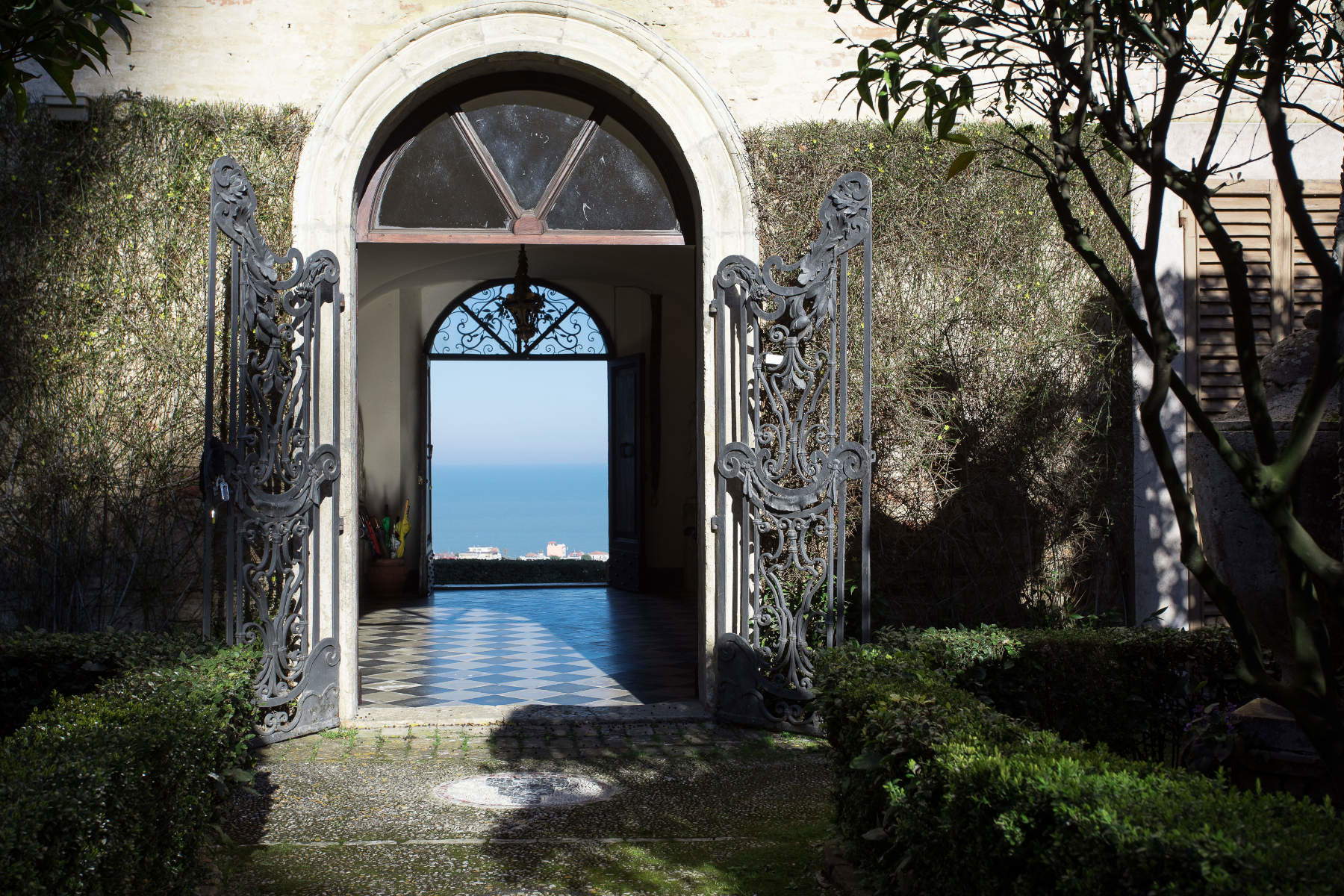
Of particular interest is the terraced citrus garden, designed by Lazzaro Giosafatti as a “green theater” spread across three levels. The terraces are home to over 150 citrus trees, including orange, lemon, mandarin, and kumquat trees. A curved backdrop featuring a fountain, a belvedere, and an ancient system of caves and underground passages complete the tour. Part of the Network of Historic Italian Gardens, the garden was opened to the public by the FAI in the spring of 2026, attracting approximately 3,600 visitors and ranking fifth among the more than 700 sites included nationwide.
Massignano, “Il Crocifisso” Historic Citrus Garden
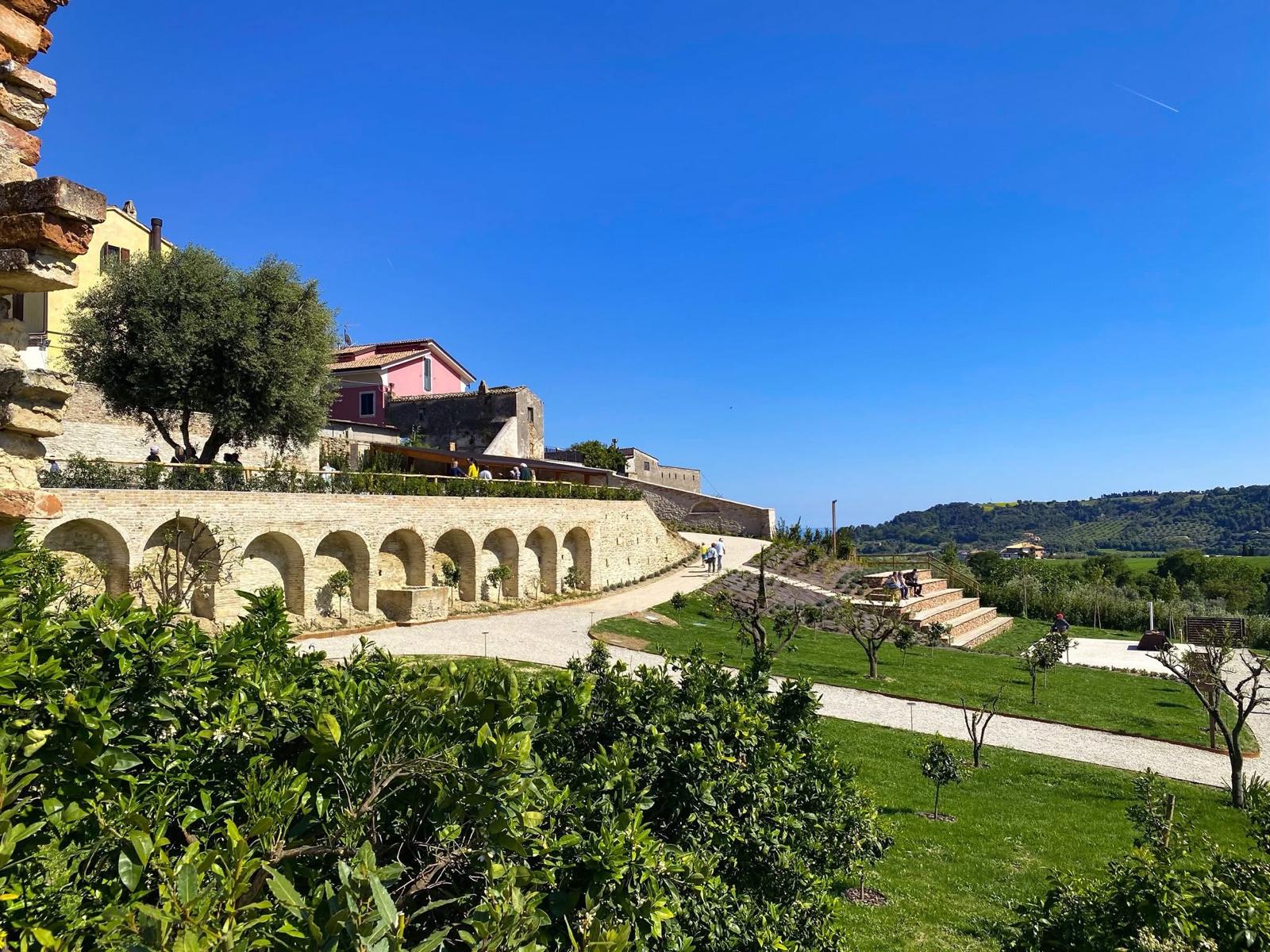
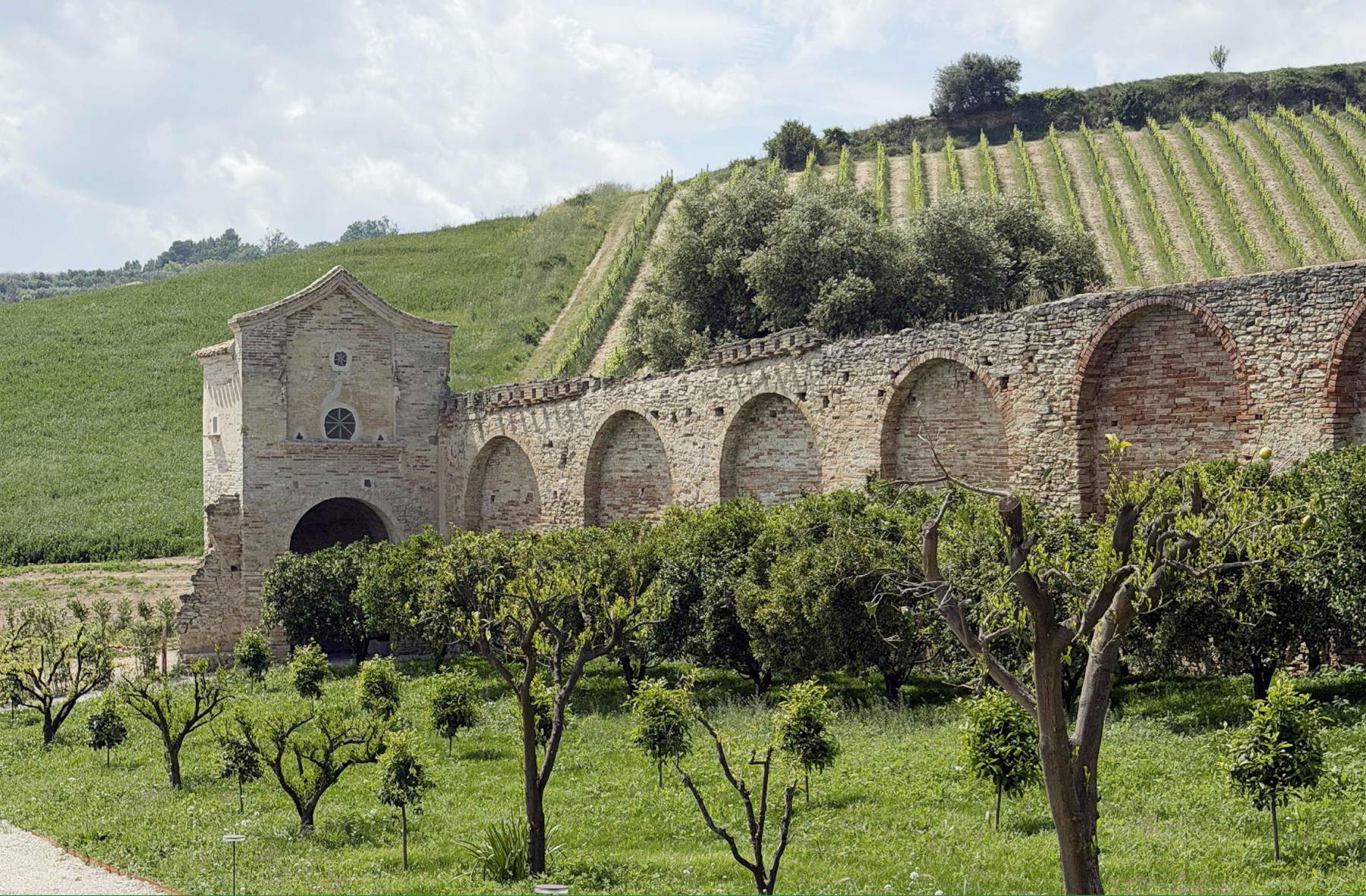
In Massignano, on the hills overlooking the Menocchia Valley, the “Il Crocifisso” Historic Citrus Garden preserves a testament to the agricultural tradition of the Piceno region. Created in the mid-18th century as a pleasure garden for the manor house—likely on the site of a previous rural layout—it gradually became an important citrus grove, closely tied to the area’s economic prosperity.
The complex retains its original terraced structure, bordered by imposing brick walls punctuated by arched niches. Dovecote towers, farm buildings, and a basin for collecting spring and rainwater complete the architectural system, designed to protect and organize the crops. The garden lies at the foot of an ancient rural village commissioned by the Marezi family of Ripatransone, who had established housing for their farmers there, along with a residence intended for summer stays. Remaining from the original complex are the Church of San Nicola da Tolentino, several agricultural outbuildings, and part of the historic residence.
From its panoramic vantage point, the site offers a view stretching from the Adriatic coast to the Sibillini Mountains. As a guardian of ancient ecotypes from the Oasi Agrumaria Picena, the garden was recently restored thanks to funds from the PNRR, as part of initiatives dedicated to historic parks and gardens and the enhancement of rural architecture and landscape. Today, it hosts guided tours, educational workshops, children’s activities, cultural events, and tastings, complemented by a bioenergy park. The restoration has given the community a space where botanical heritage, agricultural history, and cultural initiatives coexist.
Montefiore dell’Aso, De Vecchis Park
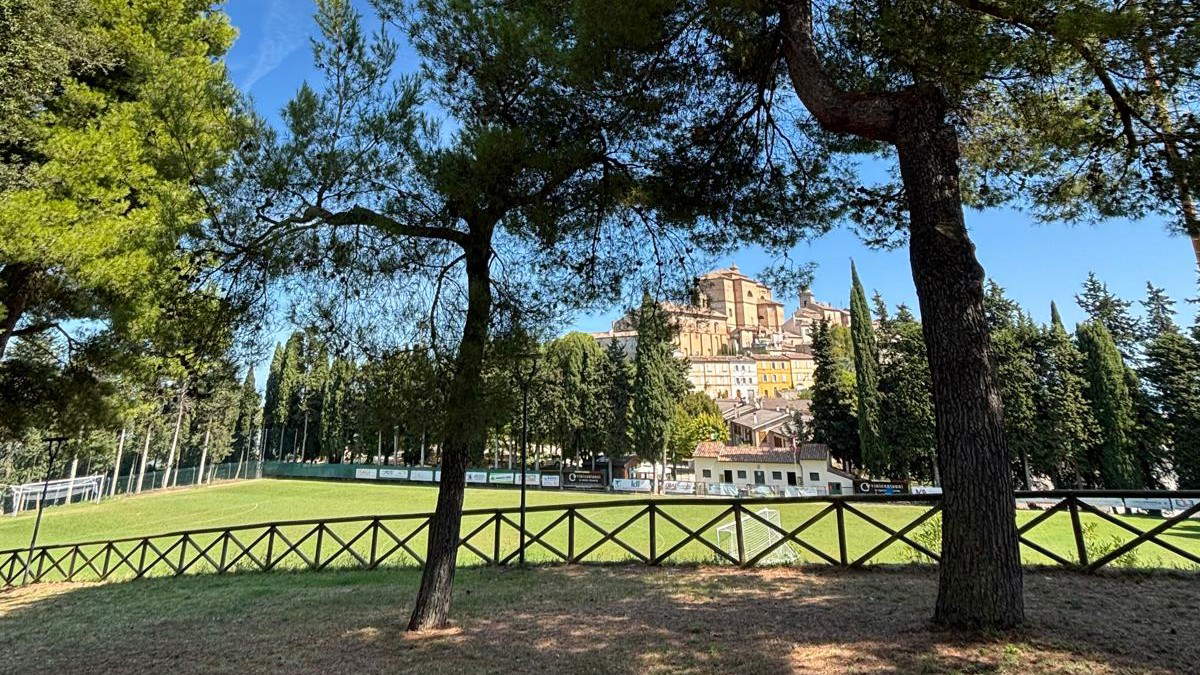
To the west of the historic center of Montefiore dell’Aso, on a hill with panoramic views, De Vecchis Park—formerly known as “Monte Castello”—occupies an area whose origins date back to the period between the 9th and 11th centuries. The area was donated to the town by agricultural entrepreneur Giulio De Vecchis, thanks to the mediation of Francesco Egidi, and was organized into its current layout between the 1950s and 1960s by Egidi himself, who was mayor of the town at the time. The construction of the panoramic chalet, designed by architect Breccia, also dates back to this period.
The park combines native vegetation with Mediterranean-style landscaping. The cool microclimate supports a population of squirrels and small mammals, while the tree population is divided into three main areas: dense stands of cypresses and cedars, reaching heights of 15 meters; the pine forest at the summit, featuring Aleppo pines, Italian pines, and holm oaks; and the holm oak forest on the western slope, where hackberry and black locust trees also grow. Arbutus, horse chestnuts, oaks, weeping willows, laurels, and junipers round out the area’s botanical diversity.
San Benedetto del Tronto, Villa Cerboni Rambelli and Park
Located in the municipality of San Benedetto del Tronto, Villa Cerboni Rambelli is a 19th-century stately residence overlooking the Adriatic coast, now under the protection of the Superintendency. Construction began around 1850, and the complex was expanded between the late 19th and early 20th centuries. It originally belonged to the Cerboni Bajardi family before passing to the Rambelli family, who enriched the residence with a significant art collection. In 1999, the property was donated to the municipality, with the commitment to convert it into a museum dedicated to the family’s history.
The building’s layout has been modified over time through various renovations, including the addition of upper stories, the construction of side wings, and the addition of auxiliary structures. The structure retains some characteristics of 19th-century residential architecture, such as the plastered facades, wooden floors, and roofs, which have been remodeled several times. The interiors retain fresco decorations, vaulted ceilings, and floors made of fine materials—elements that attest to the villa’s original function as a private residence and a venue for entertaining.
 |
| Discovering the Historical Heritage of Ascoli Piceno: Six Mansions and Gardens in the Marche Region |
Warning: the translation into English of the original Italian article was created using automatic tools. We undertake to review all articles, but we do not guarantee the total absence of inaccuracies in the translation due to the program. You can find the original by clicking on the ITA button. If you find any mistake,please contact us.