By Redazione | 03/04/2026 13:36
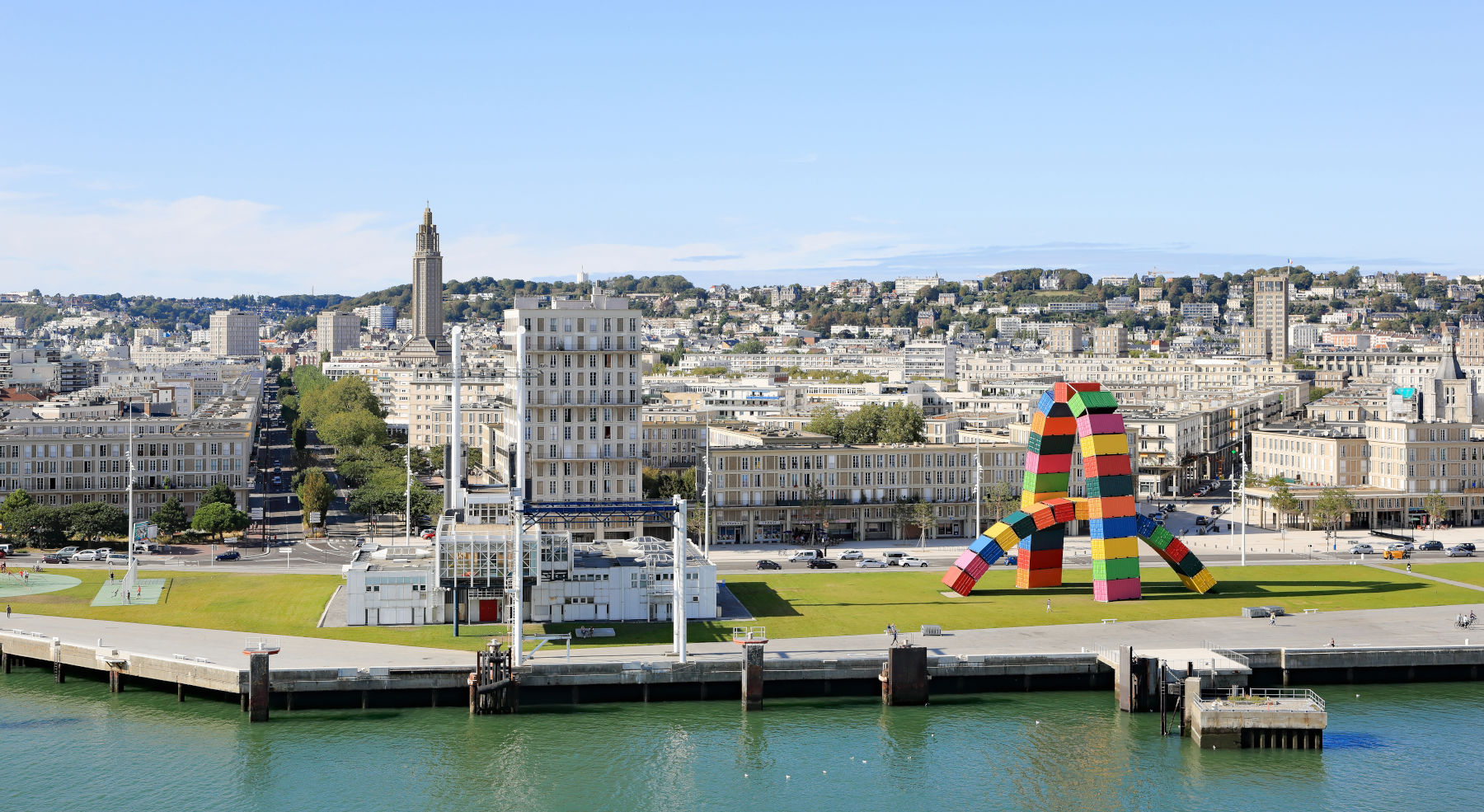
Long associated primarily with its function as a commercial and industrial port, Le Havre has experienced a profound reinterpretation of its urban and cultural identity in recent decades. Located on the coast of Normandy, the city, called "the Manhattan by the sea," has gained an increasingly prominent position on the European scene since the recognition obtained in 2005, when the center rebuilt by Auguste Perret was included in the UNESCO World Heritage list. Since then, Le Havre has firmly entered the international debate on 20th-century town planning, becoming an emblematic case of postwar reconstruction.
Much of the city was destroyed in 1944 during World War II bombings. The reconstruction project was entrusted to architect Auguste Perret, who conceived an urban plan based on a systematic use of reinforced concrete and a rational structure of urban spaces. The result was a completely new city, characterized by wide boulevards, monumental perspectives and a strong relationship with light and the sea. The center of Le Havre is now considered one of the most important examples of 20th-century modernist urbanism.
To understand Perret's project, a visit to theAppartement témoin Perret, a model apartment that reproduces the interiors of 1950s housing, is often indicated as a stop-off point. The building gives an accurate picture of the way of life of the reconstruction: bright rooms, functional distributions, and a conception of domestic spaces that still influences contemporary design today.
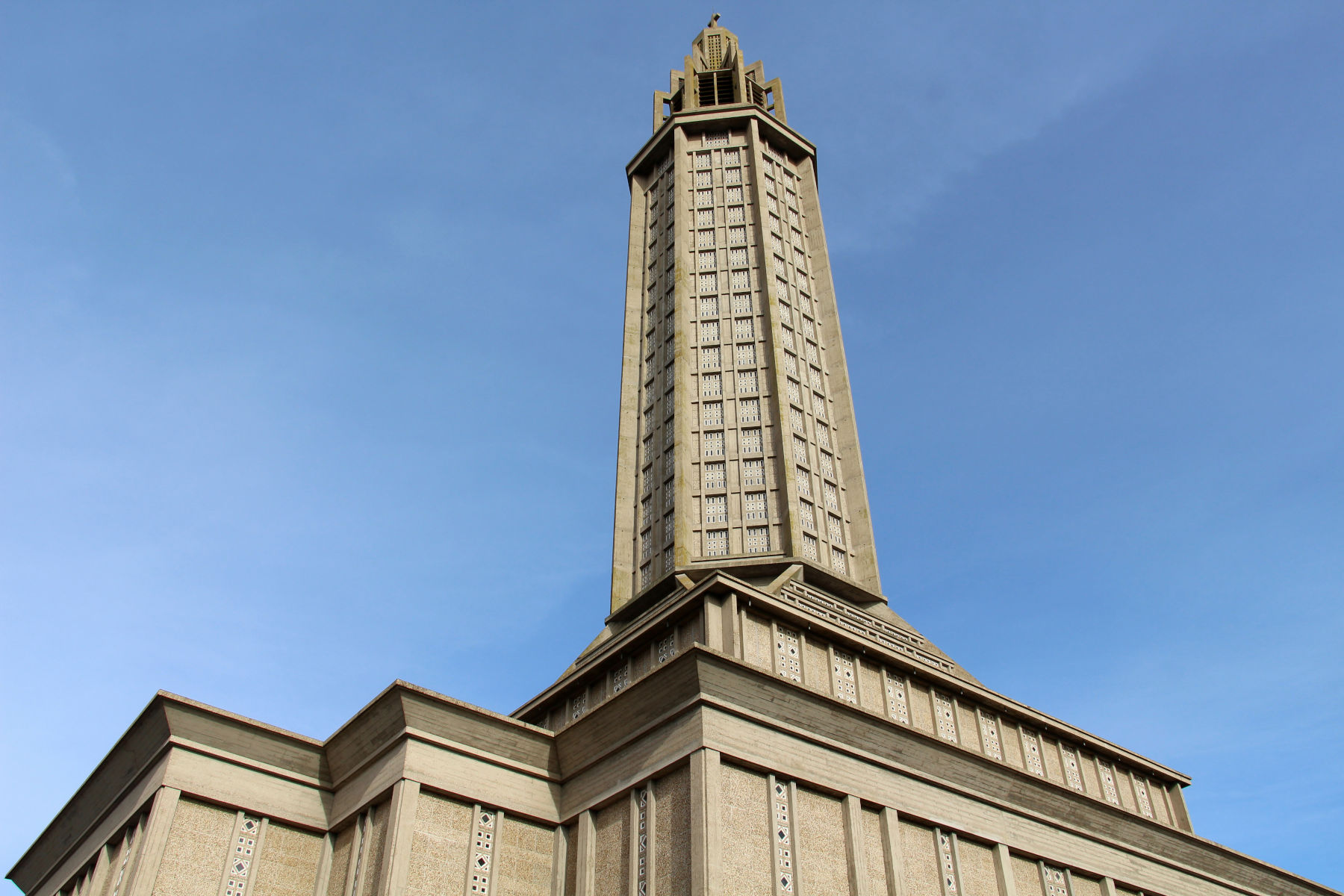
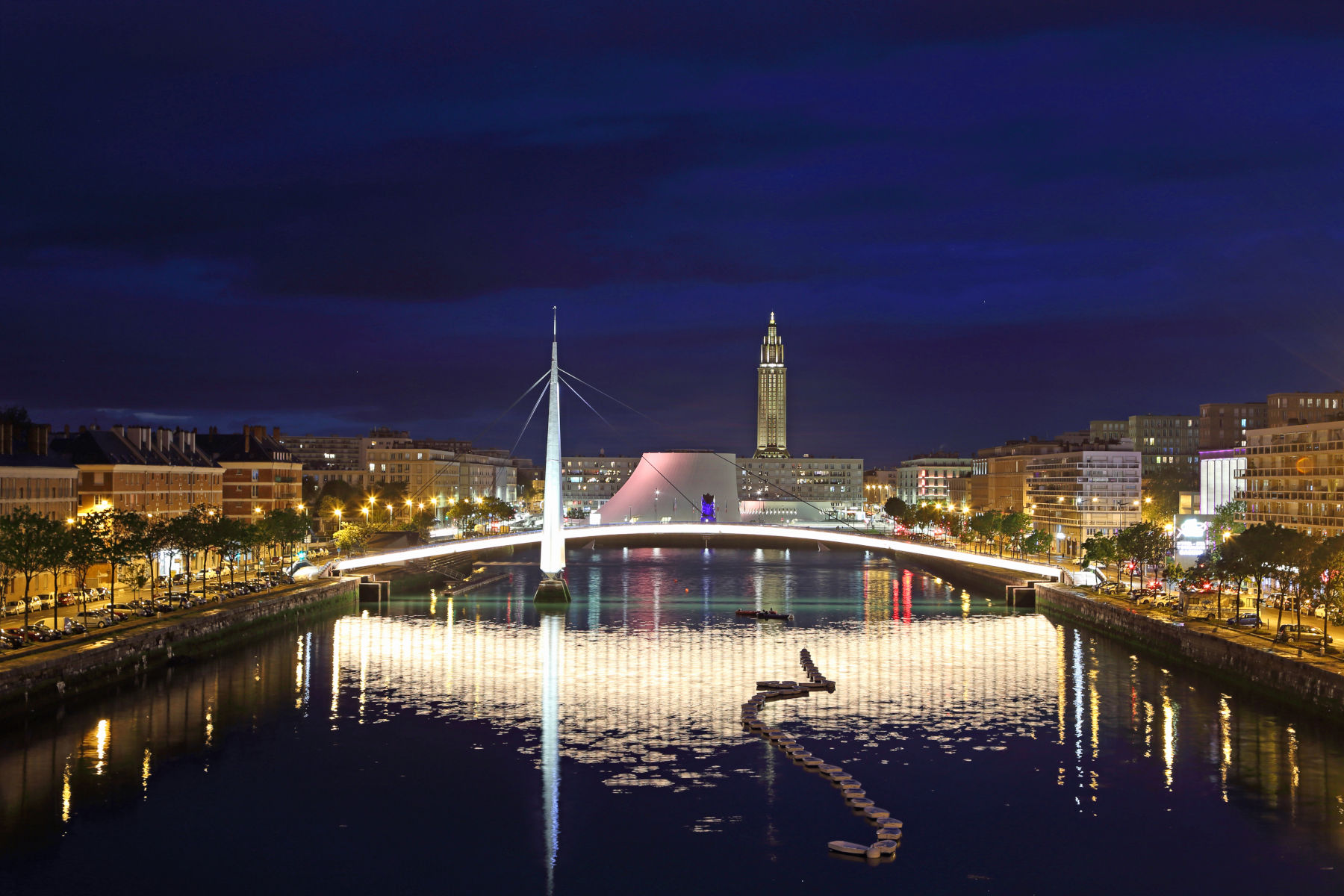
Also among the main symbols of the reconstructed city is the church of St. Joseph or Saint-Joseph, designed by Perret himself and completed in the 1950s. The building is recognizable by its 107-meter-high lantern tower, visible from both land and sea and often interpreted as an urban and maritime landmark. The interior features a complex system of stained glass windows created by artist Marguerite Huré: more than twelve thousand stained glass elements filter natural light and define a liturgical space built around the dialogue between concrete and luminosity.
Le Havre's architectural modernity is not limited to Perret's project. Over the following decades, the city welcomed interventions by international architects who helped expand the contemporary urban landscape. Prominent among them is the Volcan complex, designed by Brazilian architect Oscar Niemeyer. The building, characterized by white volumes and monumental curves, houses a theater and media library and is one of the city's cultural hubs. The architectural ensemble is connected to the Urban Forum and is one of the most recognizable spots in the city center.
Another intervention within the city is the Bains des Docks, an aquatic complex consisting of about ten pools designed by Jean Nouvel and inspired by ancient Roman baths. The building was constructed in the area of the historic port docks, which the reconstruction has preserved by integrating them into the urban fabric. Indeed, the relationship between city and port continues to be an essential component of Le Havre's identity, where the sea remains a constant presence even in the urban center.
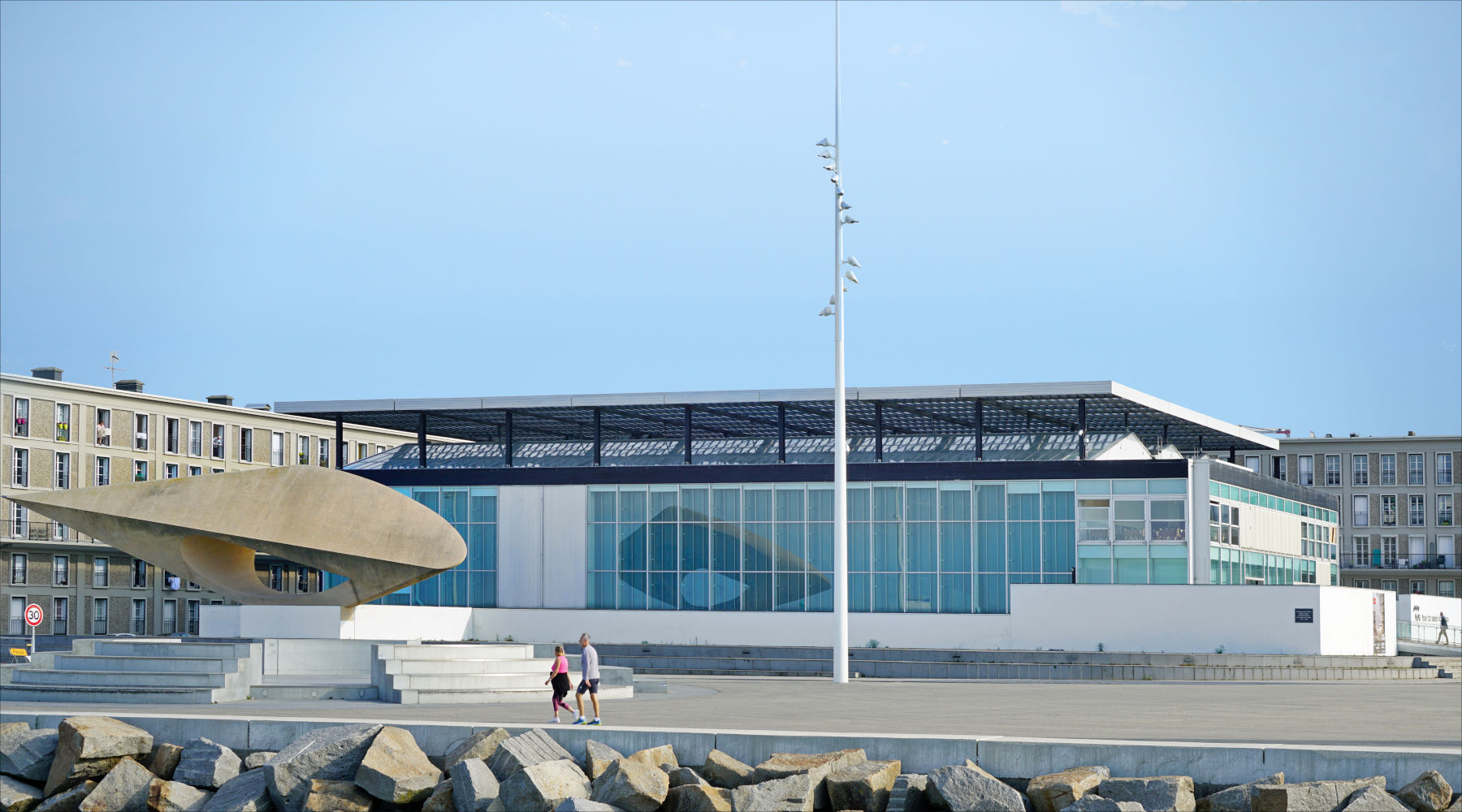
Facing directly onto the harbor entrance is MuMa, the André Malraux Museum of Modern Art. Opened in 1961 by Malraux himself, then minister of culture, the museum was one of the first cultural buildings constructed in the rebuilt city. The architecture, conceived as a large light structure open to the estuary, reflects the desire to establish a direct dialogue between the real landscape and its artistic representation. The MuMa holds one of the most important Impressionist collections in France, second only to that of the Musée d'Orsay in Paris. The museum offers a comprehensive look at Impressionism, with masterpieces by Eugène Boudin, including Barques et Estacade, and Claude Monet, such as Soleil d'Hiver, Lavacourt. Works by Pierre-Auguste Renoir include Femme vue de dos and Baie de Salerne ou Paysage du Midi, while Alfred Sisley is represented by Le Loing à Saint-Mammès. The itinerary continues with masterpieces by Camille Pissarro and Edgar Degas, until it reaches the works of the Fauves, including André Derain with Bougival, Kees van Dongen, Raoul Dufy and Albert Marquet with La Baie d'Alger. The richness of these collections highlights the strong historical connection between the Normandy region and the birth of Impressionism.
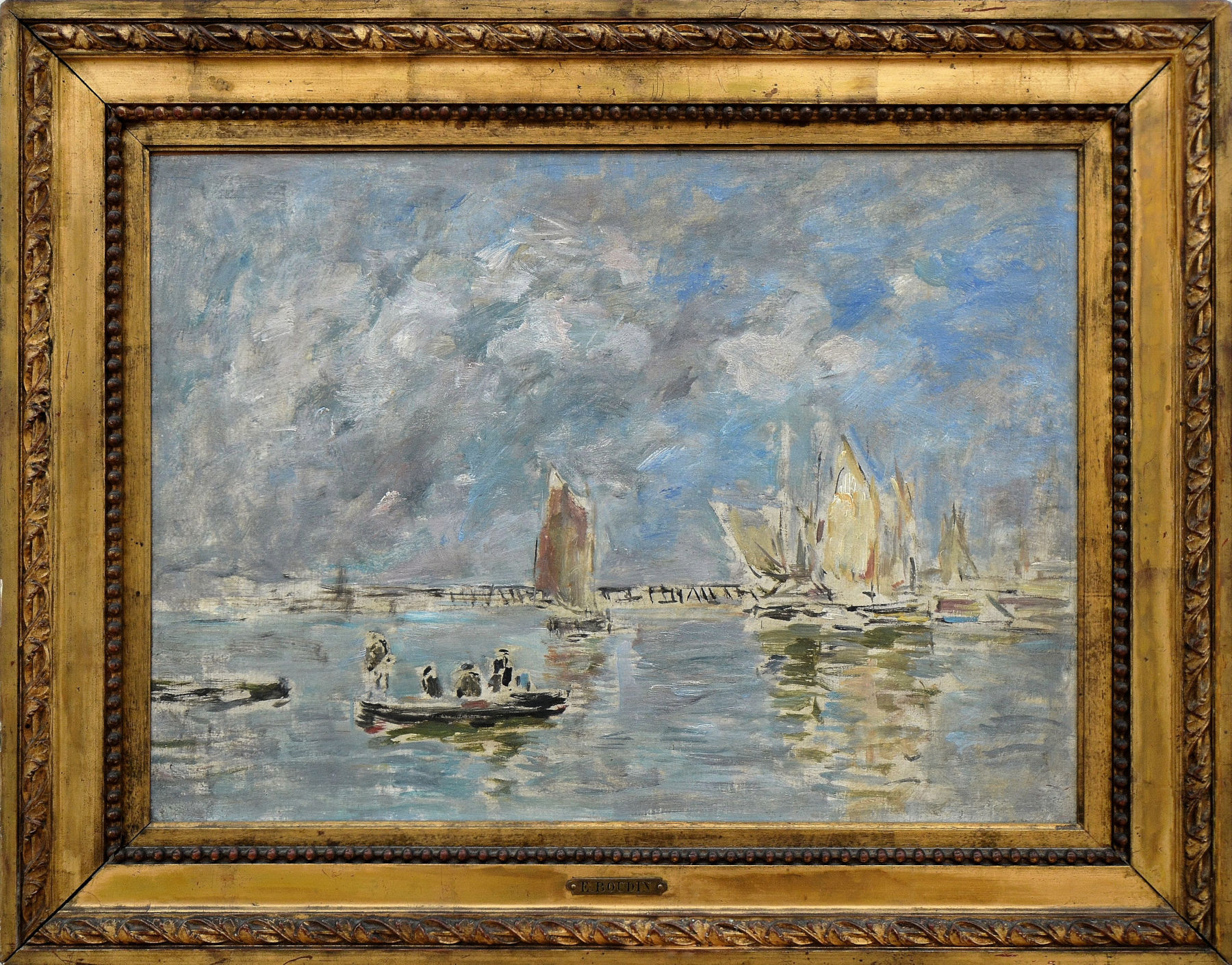
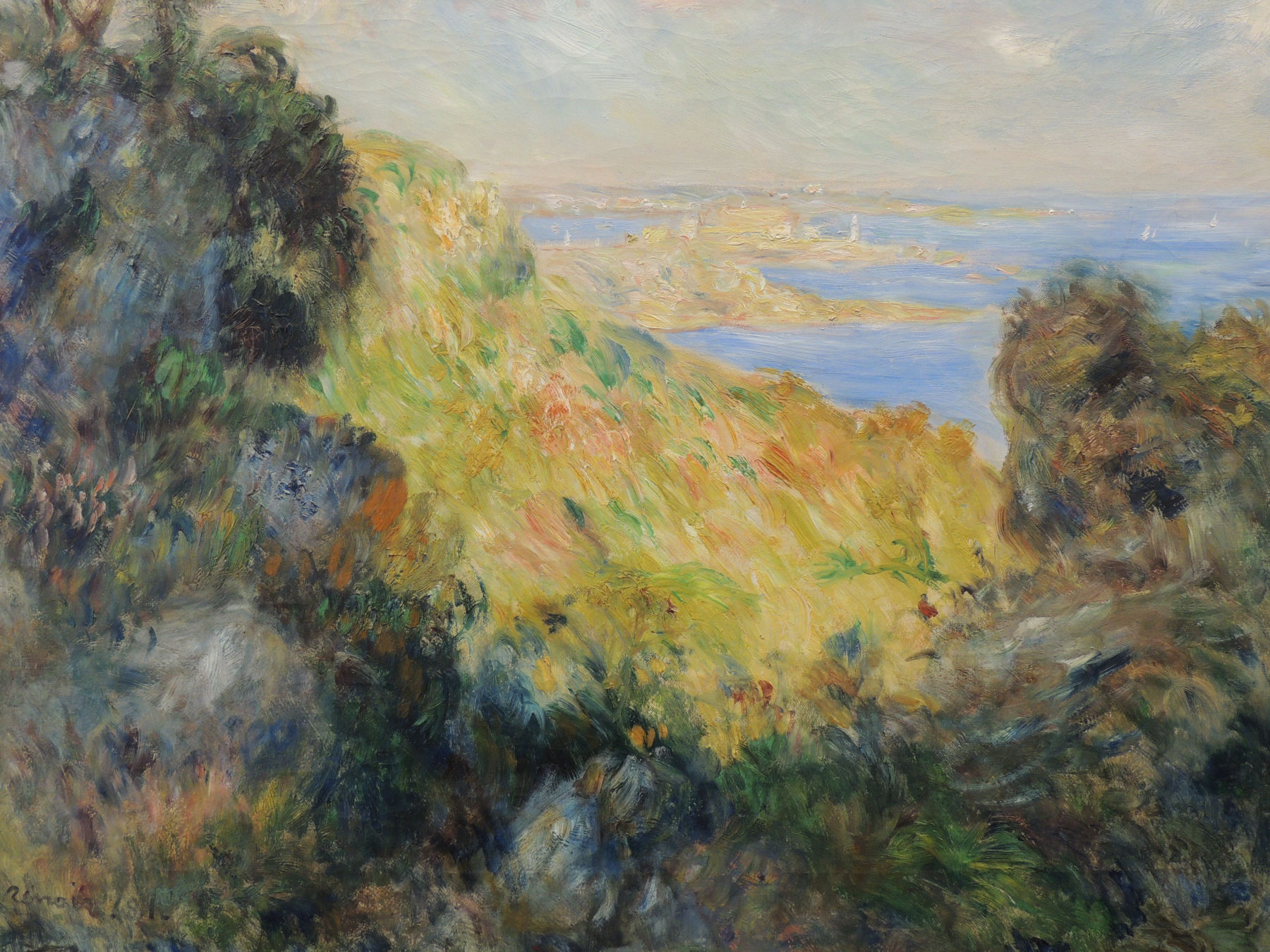
Eugène Boudin, a native of nearby Honfleur, played a crucial role in Monet's education. Monet himself recognized the artist's importance, declaring that he owed his own visual education to him. Boudin was nicknamed "king of the skies" for his ability to depict the atmospheric variations of the Normandy coast, a characteristic that profoundly influenced the development of Impressionist painting.
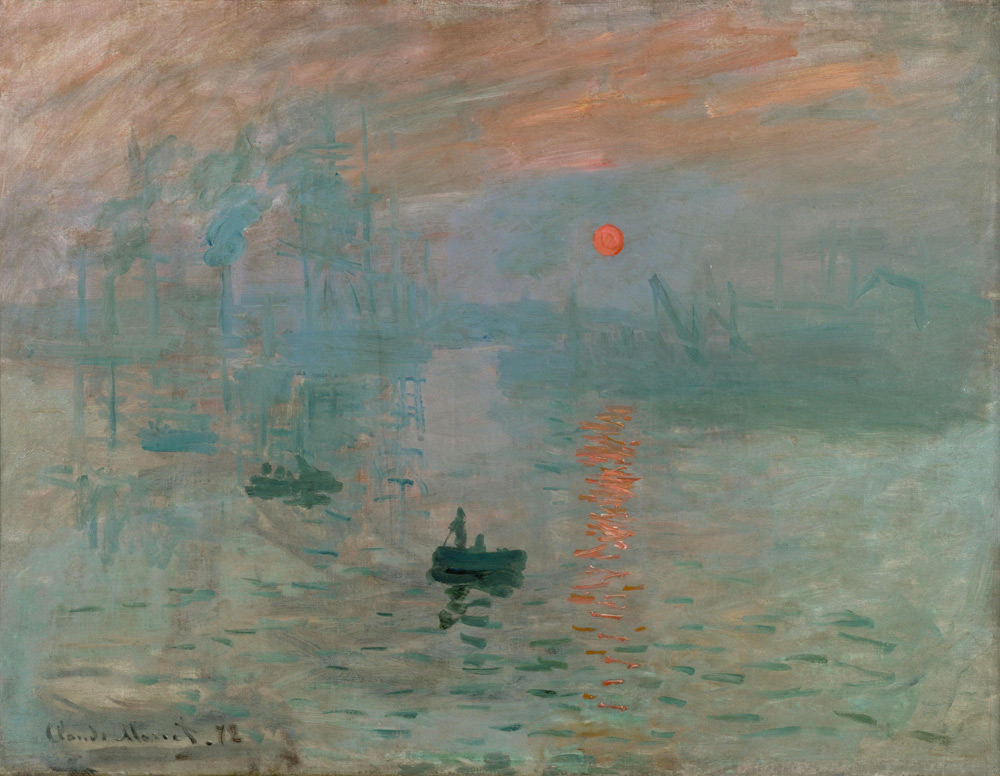
In 2026 the city is preparing to commemorate one of the most important moments in this artistic tradition. Indeed, the year will mark the centenary of the death of Claude Monet ( Paris, 1840 - Giverny, 1926). To mark the anniversary, MuMa will organize a major exhibition dedicated to the artist's youthful years spent in Le Havre. The exhibition will be part of the Normandie Impressionniste festival program and will be open from June 5 to September 27, 2026.
The initiative is part of an extensive calendar that will involve several Normandy towns, including Giverny, Vernon, Rouen, and Honfleur. More than 100 events including exhibitions, cultural itineraries and immersive experiences will retrace the places that influenced the painting of Monet and other leading figures ofImpressionism. Among the artist's iconic works is Impression: soleil levant, the painting made right in the port of Le Havre in 1872 and destined to give the entire art movement its name.
Despite the destruction of the war, the city also retains older evidence of its history. Some 17th- and 18th-century buildings survived the bombings and have been turned into museums. These include the Maison de l'Armateur, the Armorer's House, built in the 18th century and organized around a central light well, and theHôtel Dubocage de Bléville, a 17th-century residence linked to the city's mercantile tradition. Le Havre's historic heritage also includes green spaces and scenic areas developed on disused military sites. One important example is the hanging gardens, (Jardins Suspendus), built on an old fort overlooking the bay and the Seine estuary. The complex houses thematic gardens and greenhouses dedicated to plants from different regions of the world, in tribute to the botanists and explorers who left the port of Le Havre in the past. Alongside these spaces are other urban parks that constitute the city's main green lungs, such as the Montgeon Forest Park and Rouelles Park. Added to these is the Japanese garden, a symbol of the twinning between the port of Le Havre and Osaka.
The relationship between the city and the sea is also manifested in the urban shoreline, located about eight hundred meters from the center and accessible by streetcar line. The beach represents one of the most popular public spaces, active from spring to fall with sports activities and recreational facilities. In recent years, Le Havre has also strengthened its cultural dimension through festivals and events involving various artistic fields, from literature to music. These include the literary festival Le goût des autres, dedicated to the presence of international writers, and numerous musical and cultural events distributed throughout the year.
The city is also featured in the initiative A Summer in Le Havre, which transforms urban spaces into an open-air museum with contemporary art installations and interventions. The project encourages the encounter between modernist architecture and contemporary art production, contributing to the reinterpretation of urban identity. A few kilometers from the city is Étretat, a coastal resort known for its limestone cliffs and the scenic trails of the GR21 route. The landscape, characterized by natural arches and sheer cliffs, has inspired numerous artists including Monet himself. The changing light of the Normandy coast continues to be one of the area's distinctive features.
In the context of regional tourism development, the territory of Le Havre-Étretat proposes an offer that combines cultural itineraries, maritime heritage, outdoor activities and Norman gastronomy. The accommodation sector is constantly evolving and includes new facilities such as the Bout de Bois inn, located between Le Havre and Étretat within a three-hectare natural estate. The facility has eleven rooms and offers a wood-fired restaurant, as well as activities related to the discovery of the surrounding environment. The year 2026 will also bring infrastructure interventions related to the port and cruise tourism. The city and the port authority are collaborating on the construction of two new cruise ship terminals located opposite the southern waterfront. The buildings will come into operation between spring and fall of the same year and will offer a direct view of the reconstructed city's architecture.
In parallel, Normandy has launched the Tourism 4 Seasons project, a program designed to promote a more balanced distribution of tourist flows throughout the year. The initiative involves several regional tourist offices, including that of Le Havre Étretat, with the aim of developing cultural and nature offers during the middle and low seasons as well. The project aims to strengthen the sustainability of tourism and enhance the specificities of local territories. Within this context, Le Havre continues to redefine its image. The port city that for decades was perceived primarily as an industrial center now presents itself as a space in which modern architecture, artistic heritage and maritime landscape are intertwined in a complex way. UNESCO recognition, MuMa's Impressionist collections, and initiatives related to Monet's centennial contribute to consolidating the city's role within the cultural geography of Normandy and France.