By Noemi Capoccia | 23/09/2026 10:45
For nearly three thousand years, the city of Troy has been, above all, a story. The city of Priam, besieged by the Achaeans—the city of Hector, Paris, and Helen, of the wooden horse and the war recounted by Homer—has remained frozen in time, suspended between memory, legend, and literature. But beneath the narrativeof the *Iliad* lies a real city, layered over time and traversed by peoples, trade, and conflicts, whose traces are still visible on the hill of Hisarlık, inpresent-day Turkey.
We are about thirty kilometers from Çanakkale, at the entrance to the Dardanelles (a strait called the Hellespont in ancient times), at a strategic point where the Aegean Sea meets the Sea of Marmara. Here, strong northern winds and currents made navigation difficult and often forced ships to wait for better conditions. The ports of Troy became places of rest and trade, contributing to the city’s wealth. The landscape explains part of its history: Troy was located along one of the major trade routes between Europe and Asia, and was therefore not isolated.
In fact, the city’s archaeological site, designated a UNESCO World Heritage Site in 1998, tells a story far longer than that of the Homeric War. As many as nine major stratigraphic layers have been identified, dating from the Early Bronze Age to the Eastern Roman period. In 2019, an additional layer also revealed a settlement dating back to around 3600 B.C. The city is referred to in the epic by two names: Troy and Ilios, or Ilion. Inthe *Iliad*, “Troy” appears 49 times, while “Ilios” appears 106 times, often accompanied by the epithet “sacred Ilion.”
Determining, therefore, which of the cities buried beneath Hisarlık corresponds to the Troy of tradition is one of the questions that has accompanied archaeological research. Layers VI and VII are the ones most frequently considered in the debate over the possible Homeric Troy. In particular, Phase VIIa shows traces of fire and destruction dating to around the 13th century B.C. and fortified structures of considerable scale. Archaeology, however, reveals a reality more complex than that of the poem: we are not speaking of a single city, but rather a succession of communities that transformed over the course of millennia.
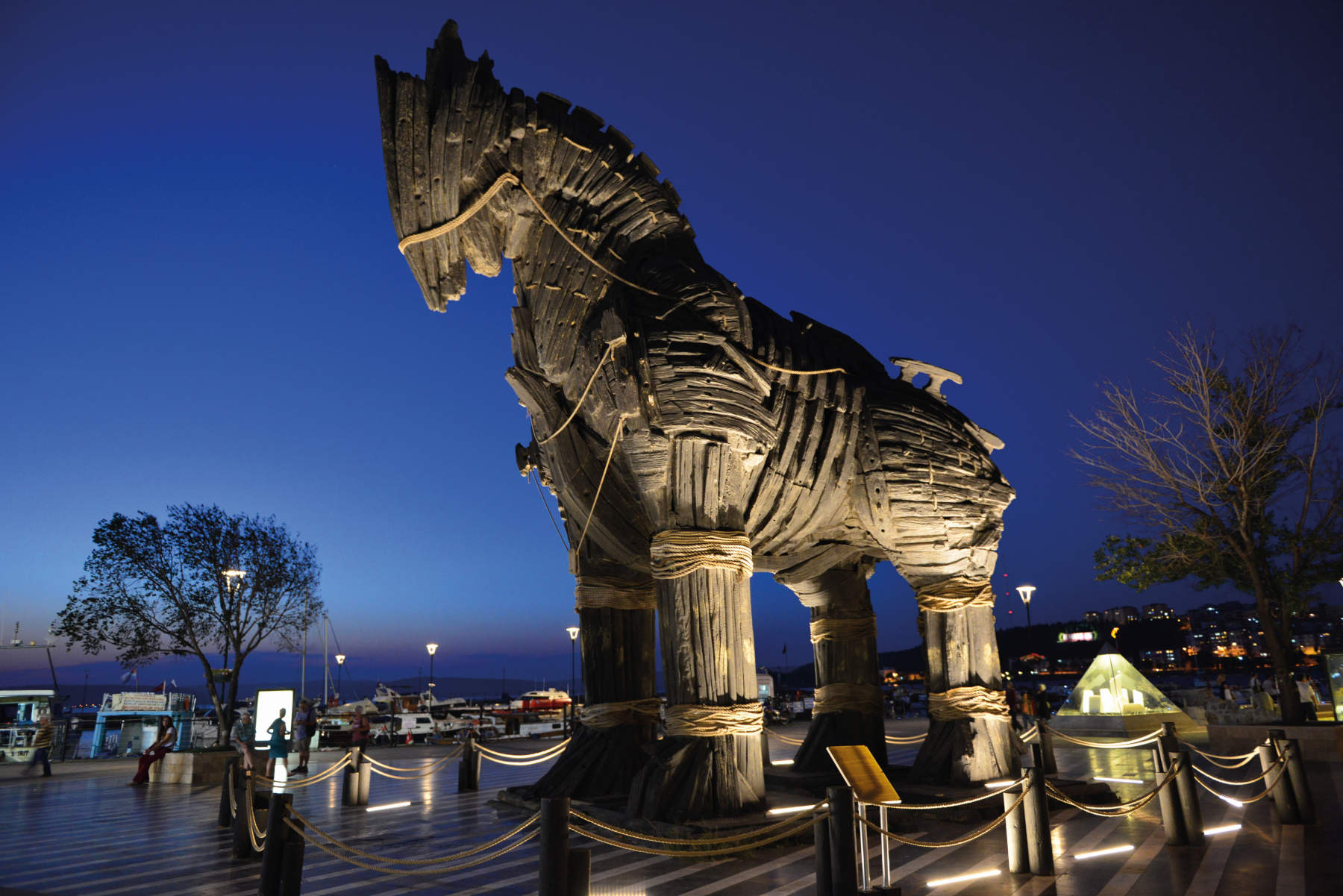
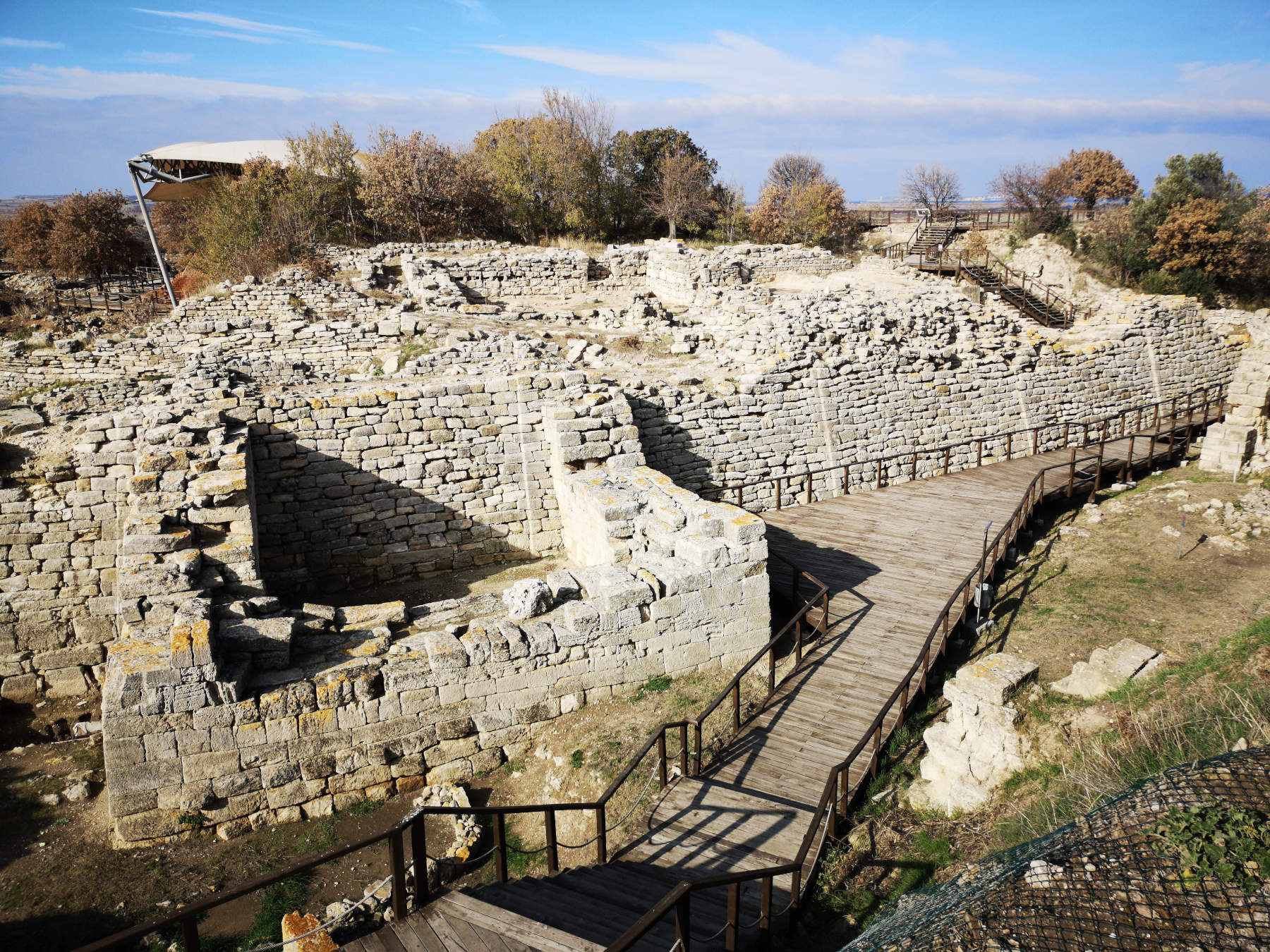
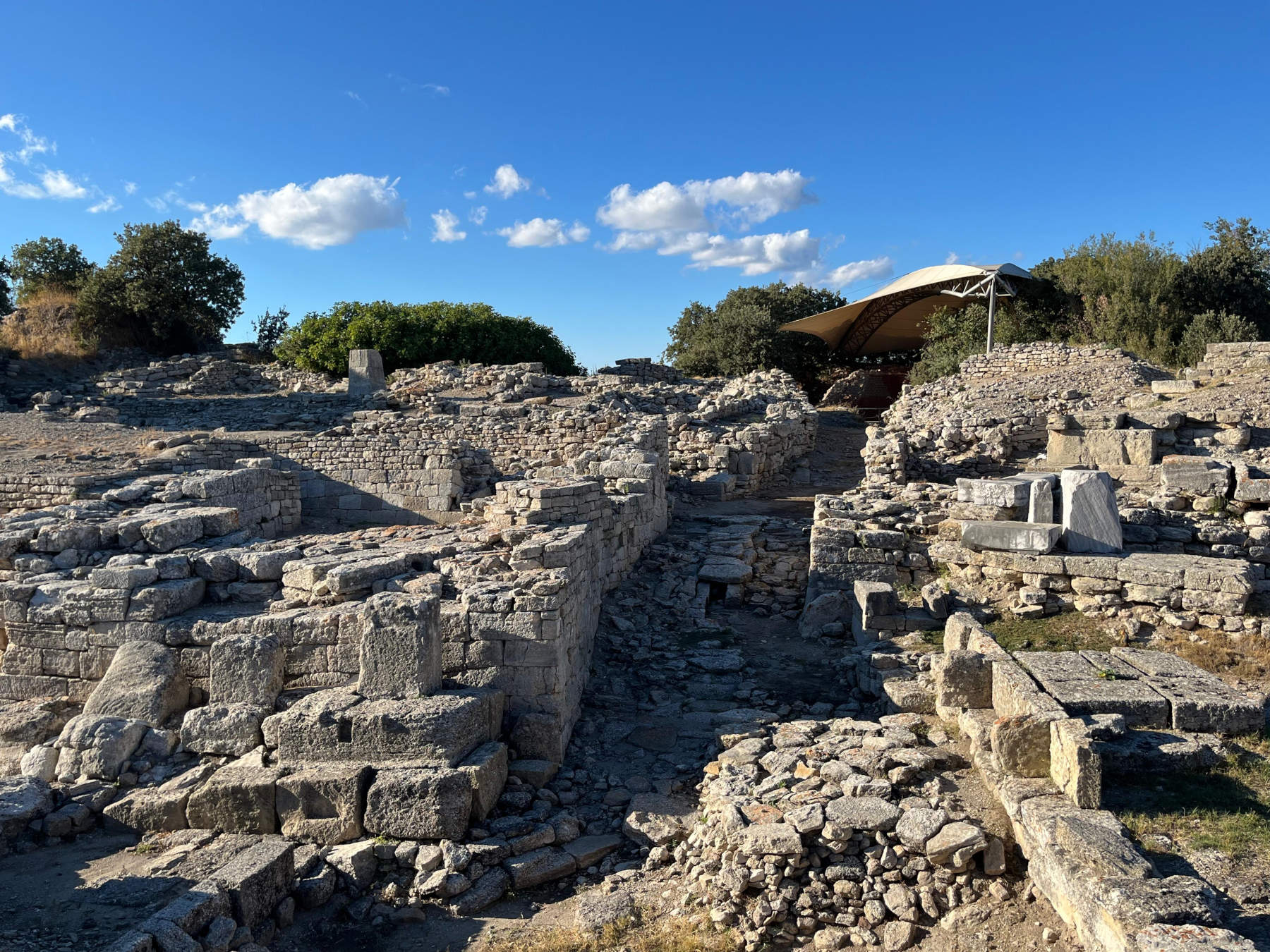
Modern rediscovery began in the 19th century. In 1870, archaeologist Heinrich Schliemann began excavations, convinced he had found Homer’s city, and identified some precious objects as Priam’s treasure. Some of the artifacts were taken out of the Ottoman Empire and later incorporated into the collections of the Pushkin Museum in Moscow. The early excavations were conducted using methods that are heavily criticized today, in part because they resulted in the loss of important stratigraphic information.
Schliemann was followed by Wilhelm Dörpfeld, who identified a succession of different construction phases, and Carl Blegen, who led the excavations from 1932 to 1938. Between 1988 and 2005, Manfred Korfmann gave new impetus to the research and helped establish Troy as a center of Anatolian history. Korfmann, who had also adopted the Turkish name Osman (thus Manfred Osman Korfmann) and obtained Turkish citizenship, played a leading role in the process of promoting the site and the surrounding area, which culminated in the creation of the National Park and UNESCO recognition. After 2005, excavations continued under Ernst Pernicka until his appointment was terminated in 2012 and operations were handed over to the Turkish side in June 2013.
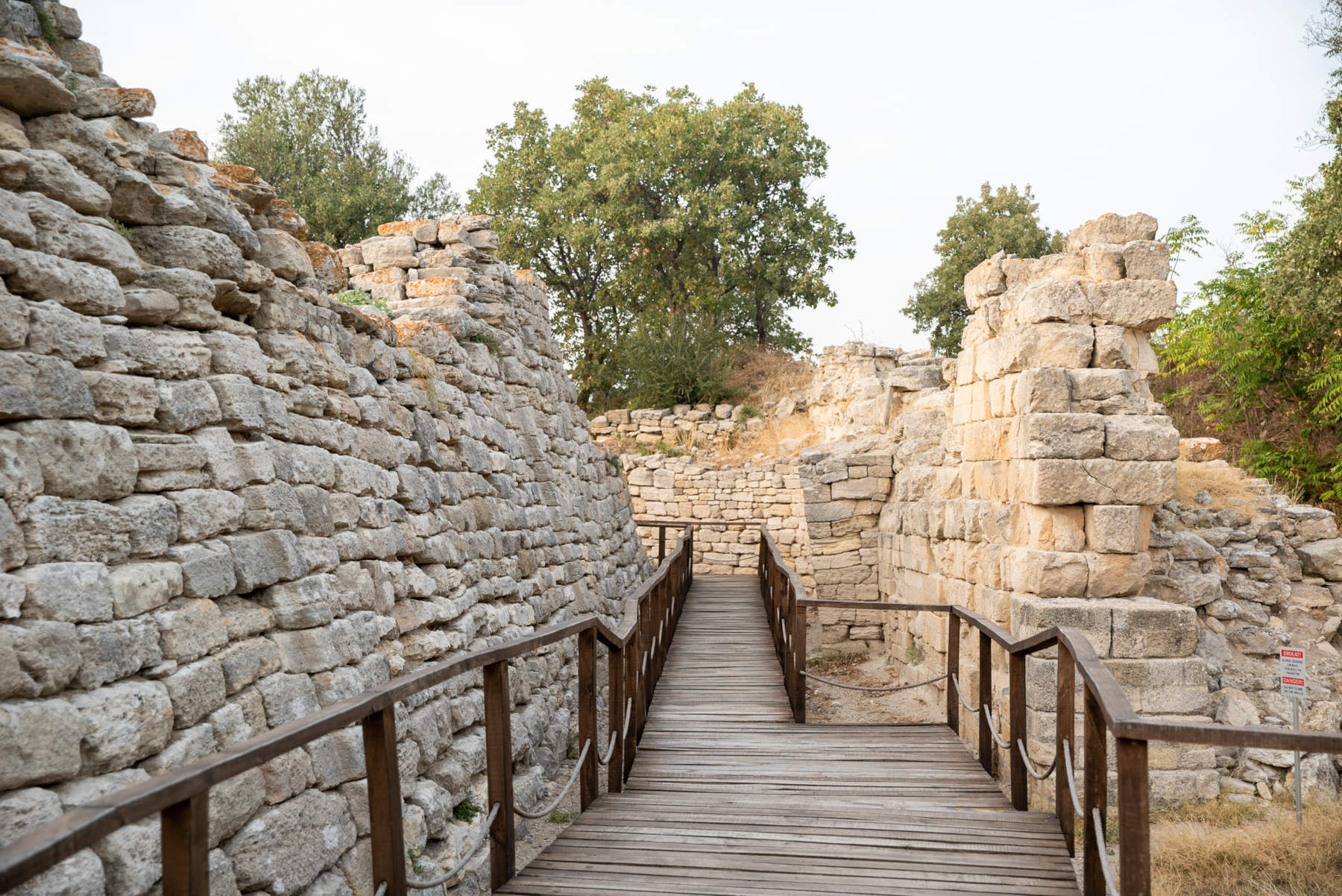
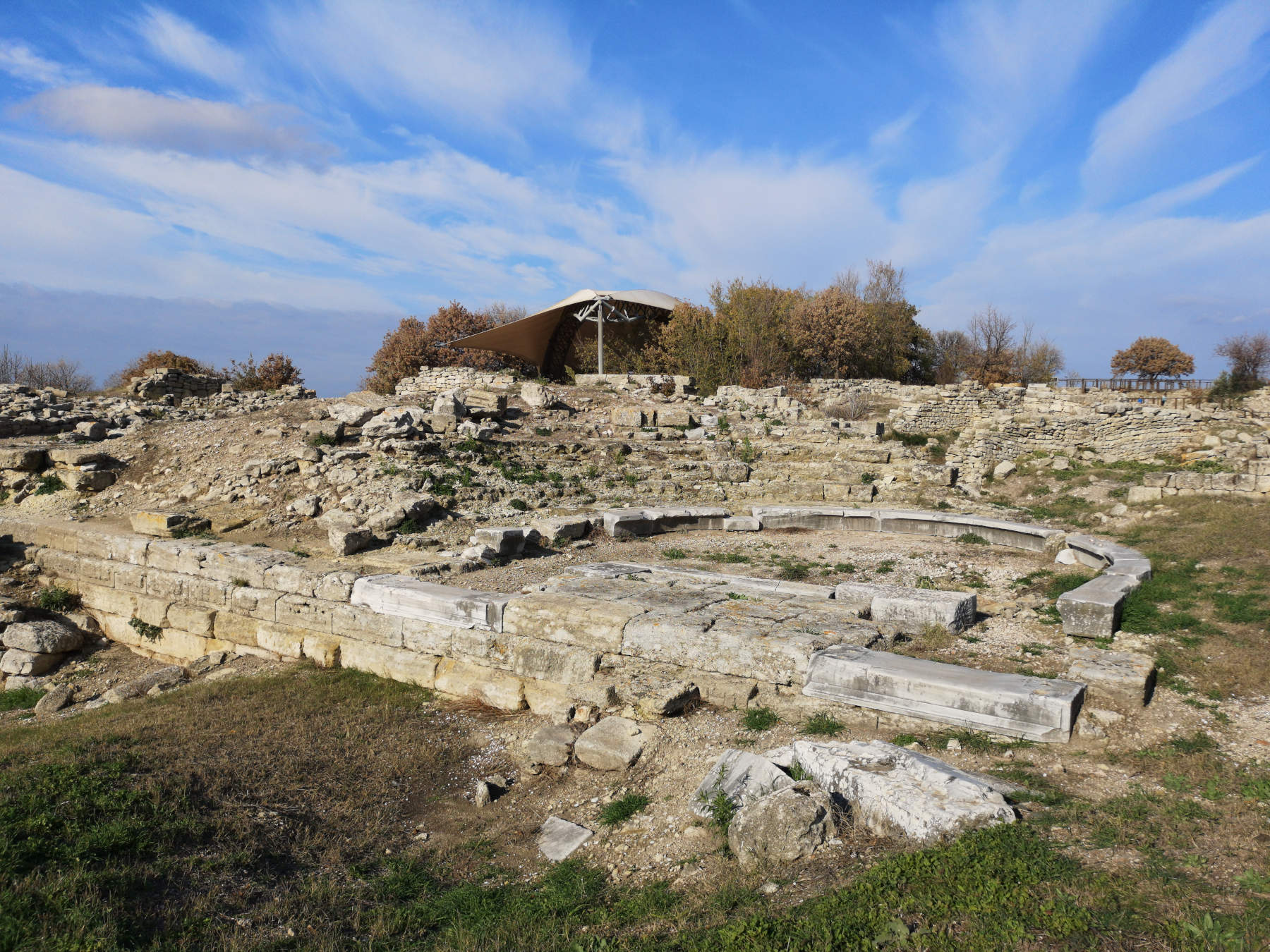
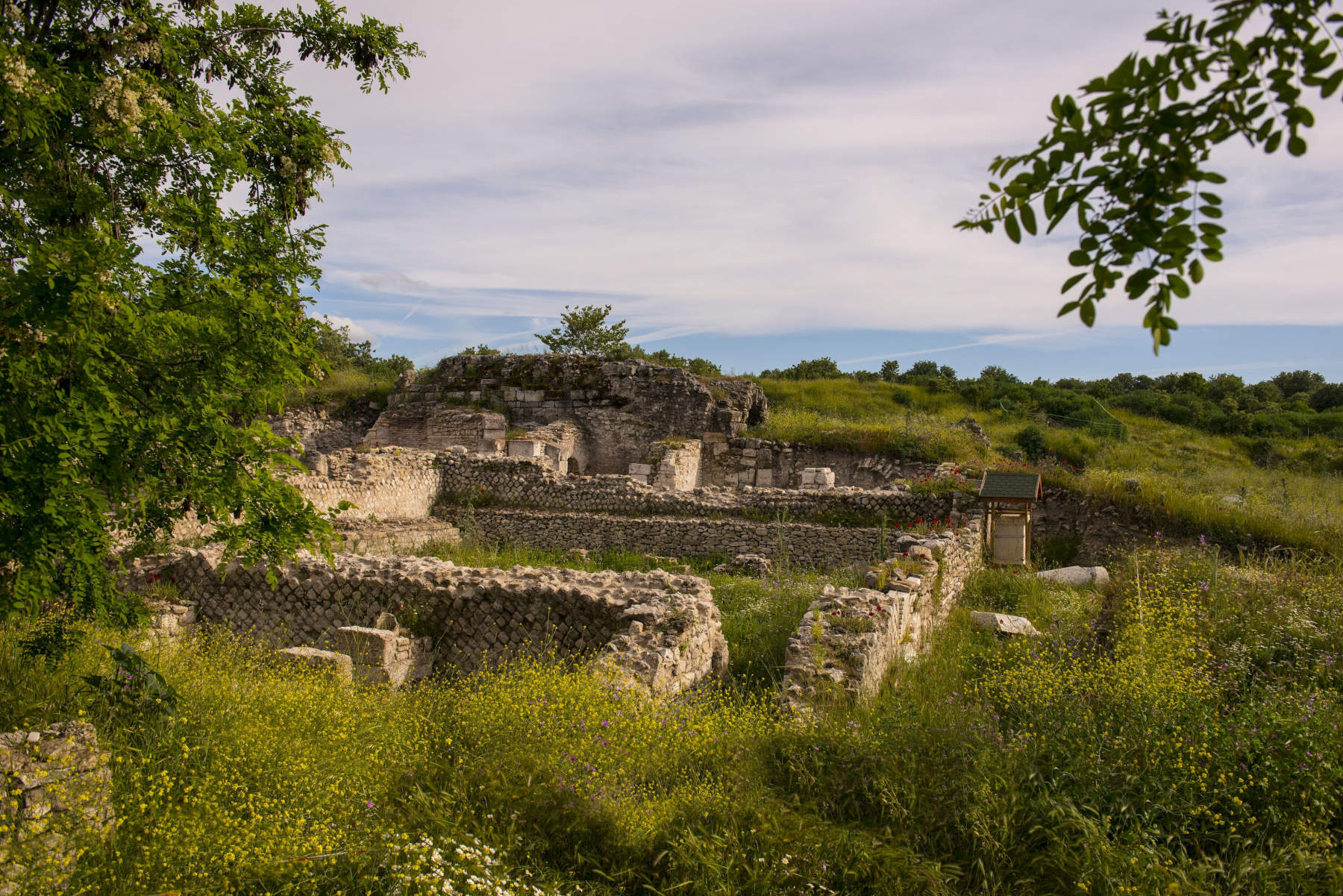
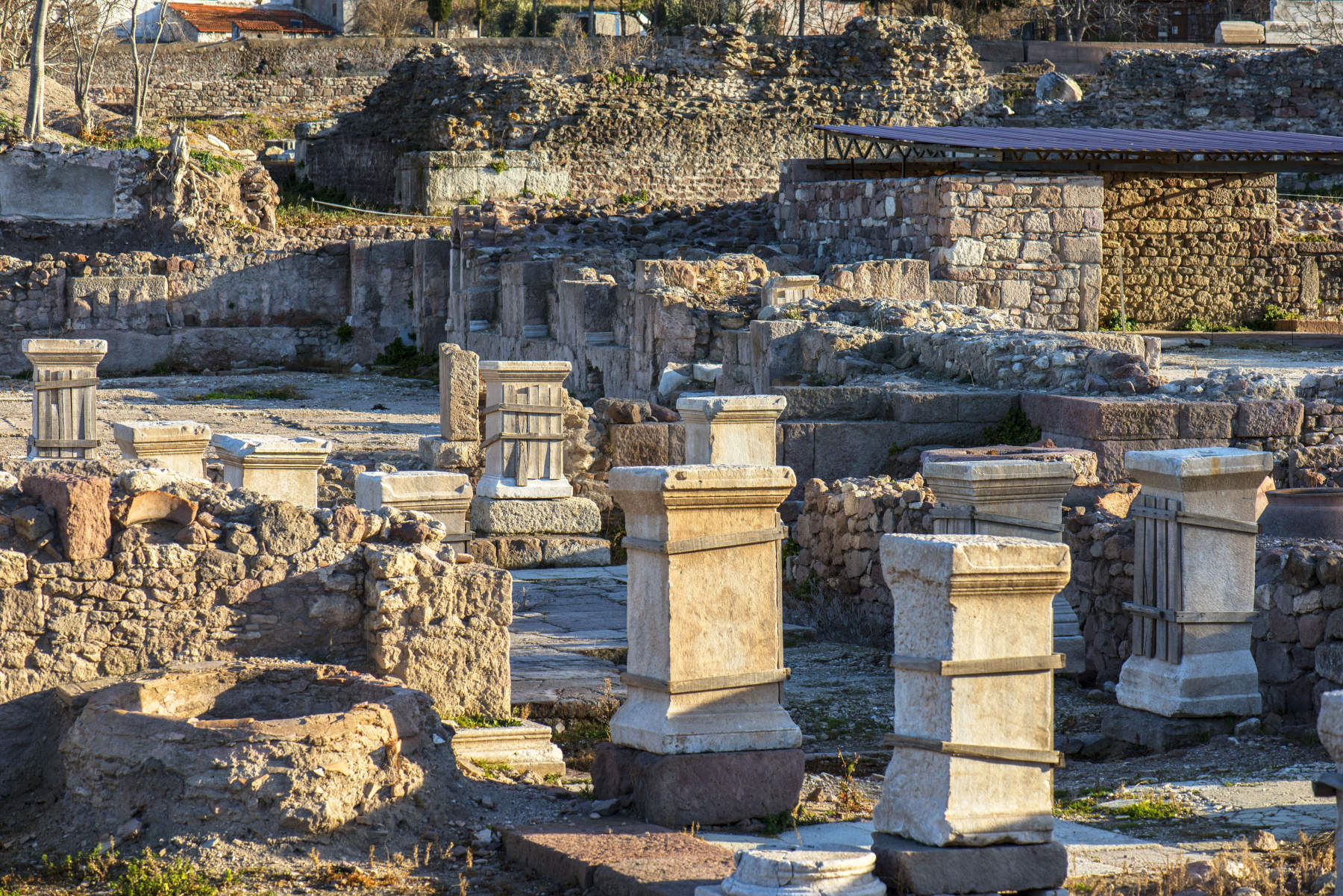
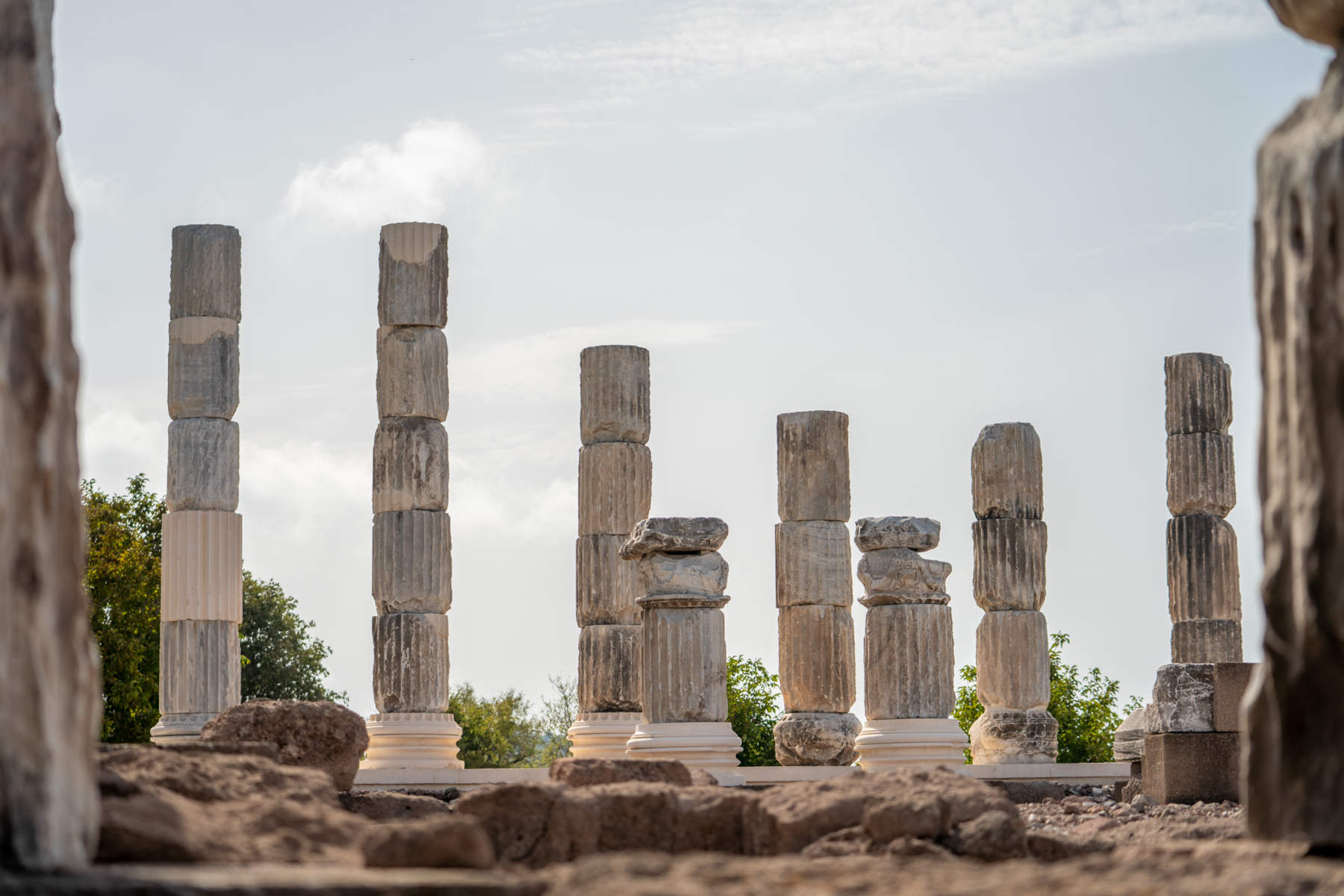
The research has also challenged the notion of a purely Greek Troy. A bronze seal inscribed in the Luwian language, discovered in 1995, and comparisons with Hittite sources have opened up new perspectives on the city’s Anatolian identity. As already mentioned, walking among the ruins of Troy therefore means traversing different eras. Visible are the remains of the Temple of Athena (built around 530 B.C.), the megaron (the main room of the house) of Troy II, and what has been identified as the Palace of Priam in Troy VI. Other phases have left behind the sanctuary of Demeter,the Odeon (a small theater), the Bouleuterion ( the building where the Council held its sessions), the baths, and the theater. Later, an earthquake marked the end of the settlement on Hisarlık Hill, and habitation subsequently shifted to areas near the springs.
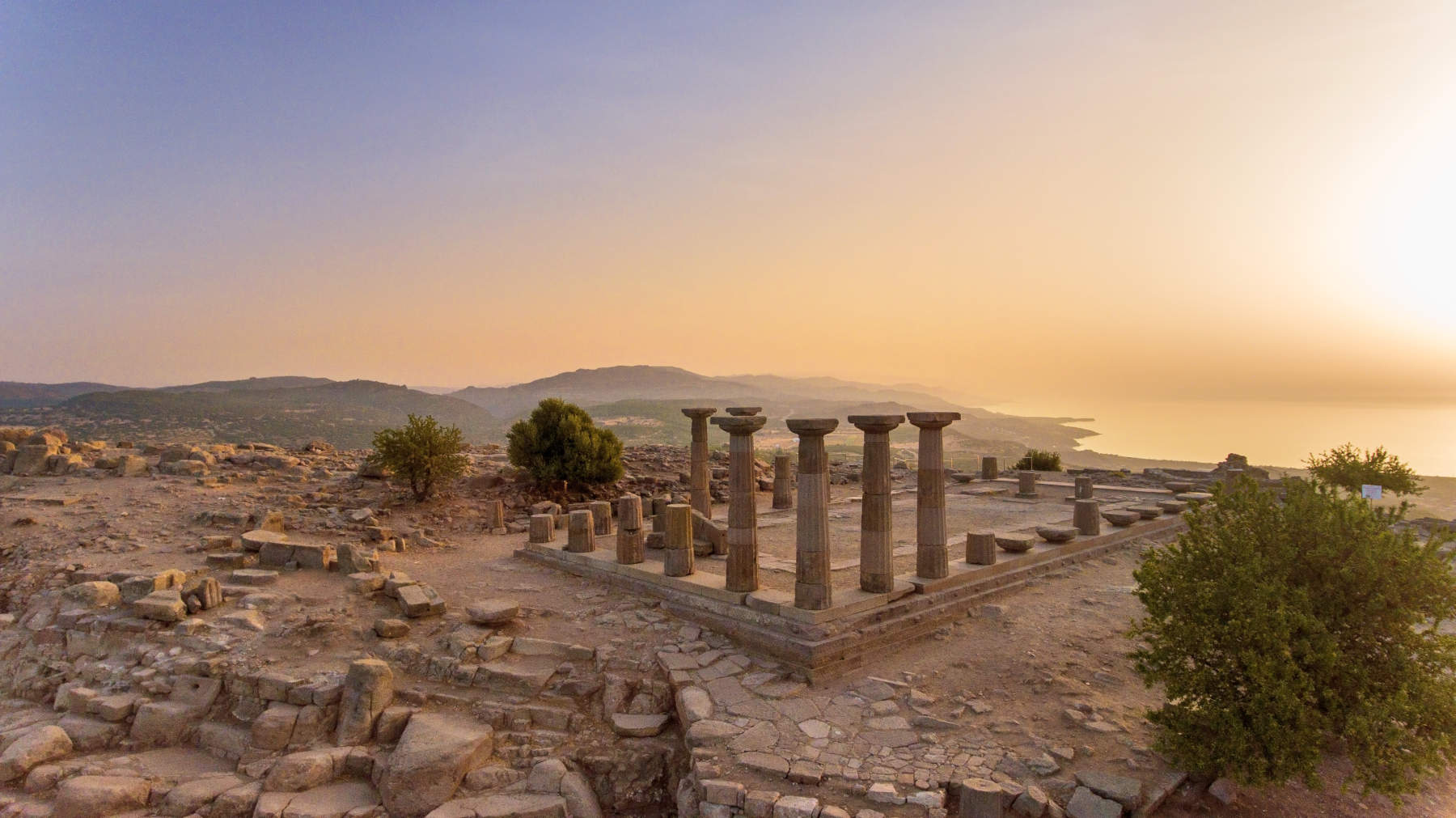
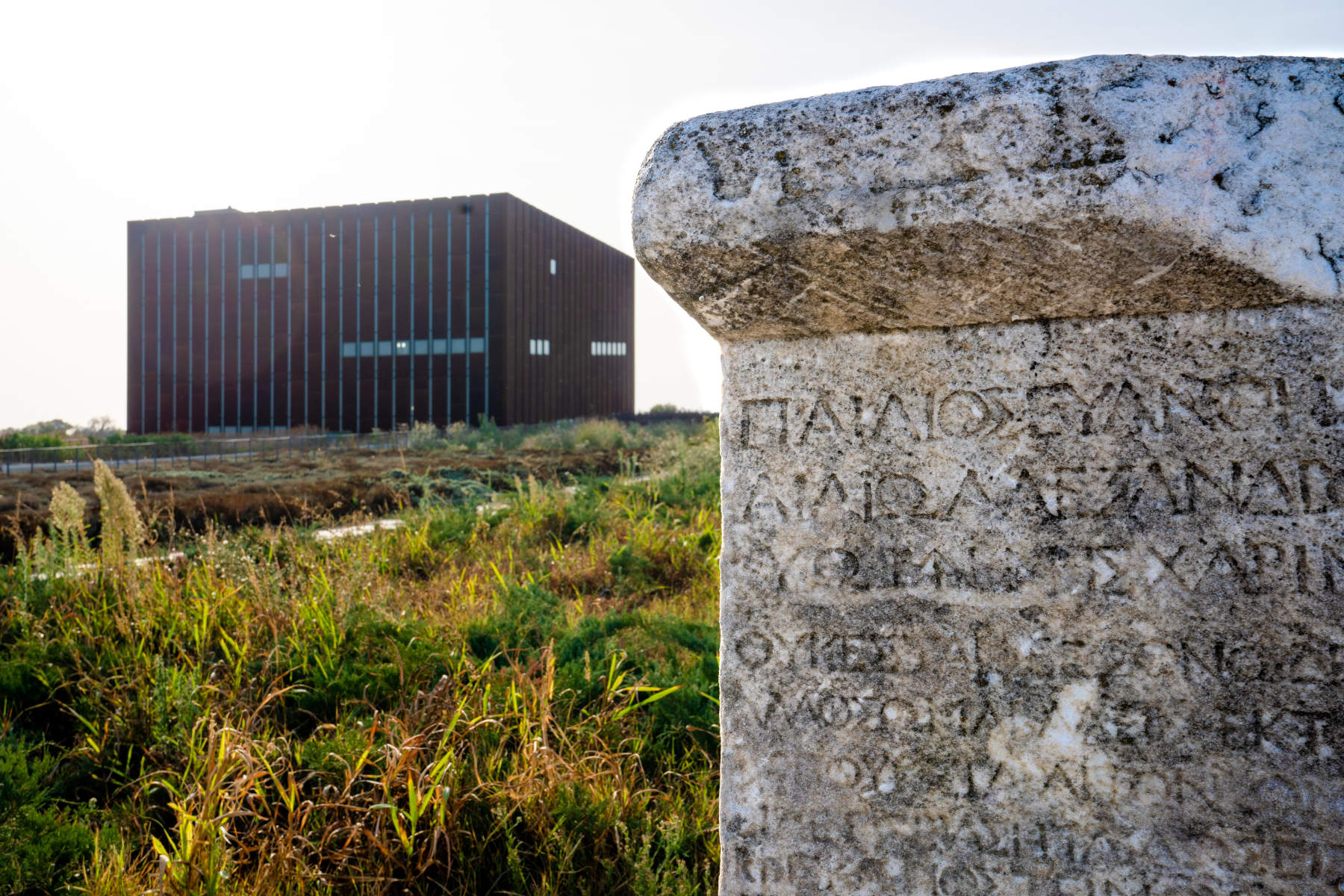
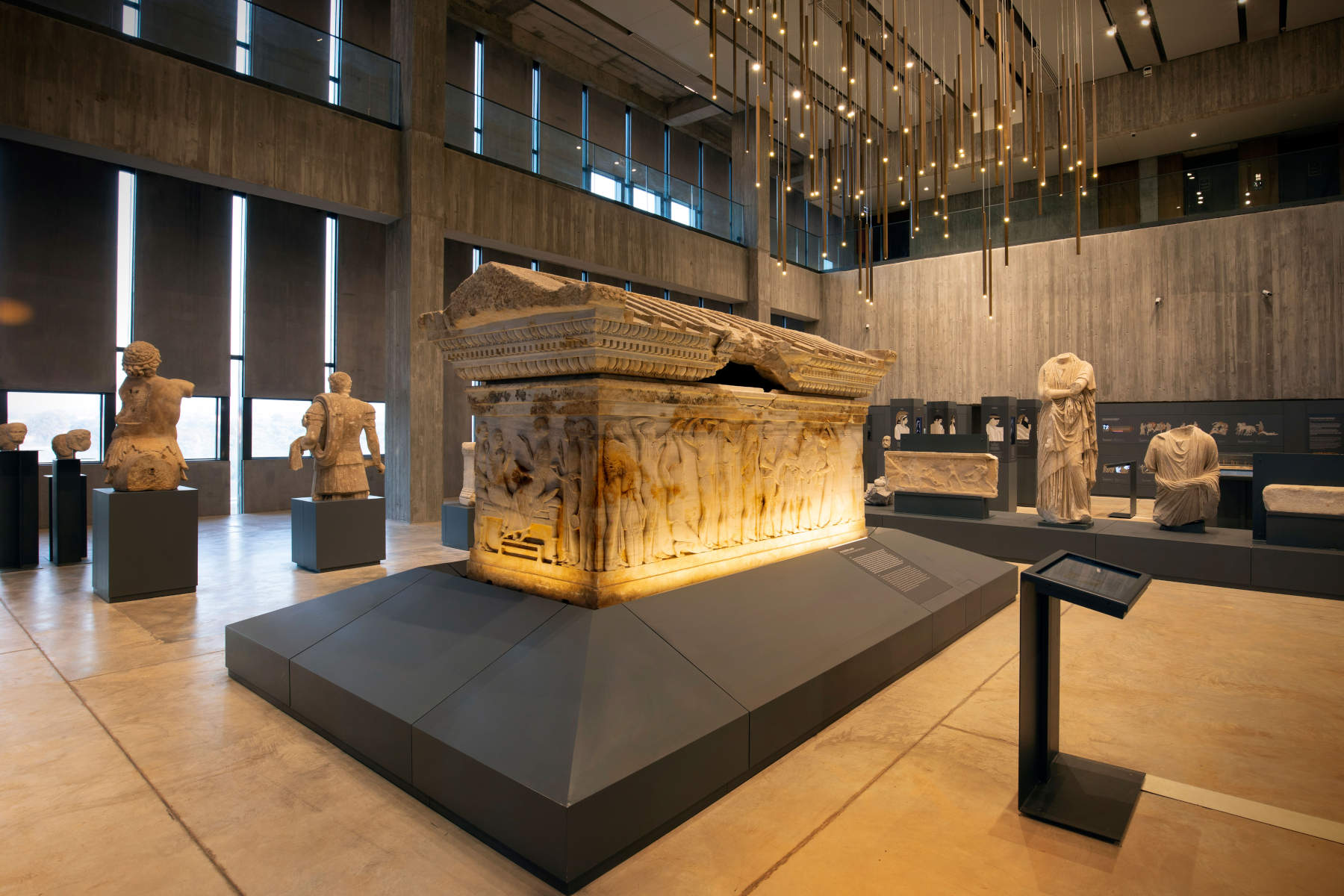
A short distance from the ruins, in the village of Tevfikiye, the Museum of Troy ( click here for a virtual tour of the museum), which opened in 2018, houses a significant part of this long history. The contemporary building, clad in Corten steel, takes the form of a large volume whose color echoes the earth of the site. Its height was designed in relation to the depth of the excavations, and a terrace offers views of the Troad landscape. The museum houses over 40,000 artifacts, of which approximately 2,000 are on display. The exhibition, organized into seven themes, traces the archaeology of the Troad (a historical region of Asia Minor), the Bronze Age,the Iliad and the Trojan War, the history of the Troad and Ilion in antiquity, the Eastern Roman and Ottoman periods, the history of the excavations, and the enduring legacy of Troy. A 480-meter-long walkway guides visitors through artifacts, reconstructions, photographs, and tools related to archaeological research methods.
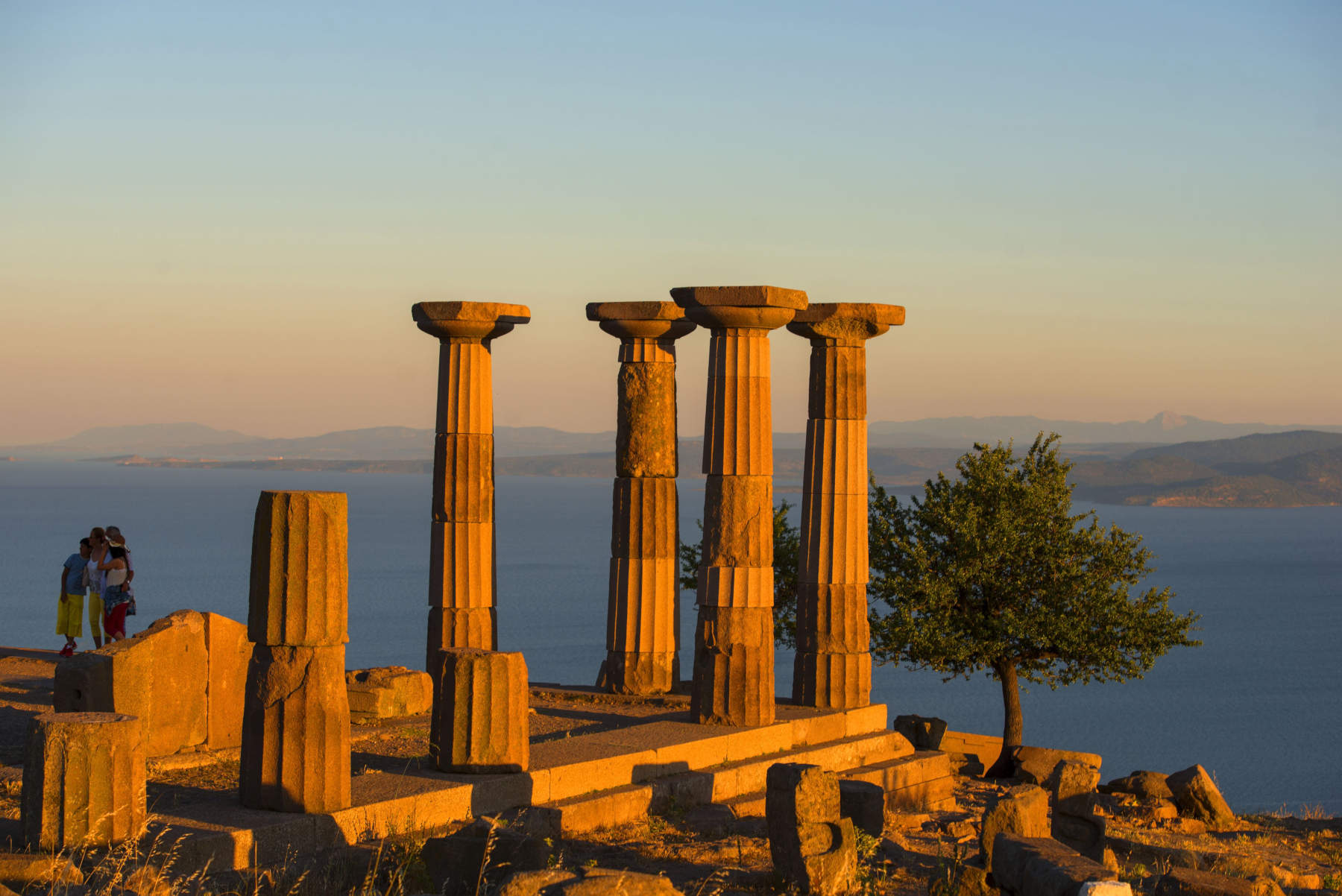
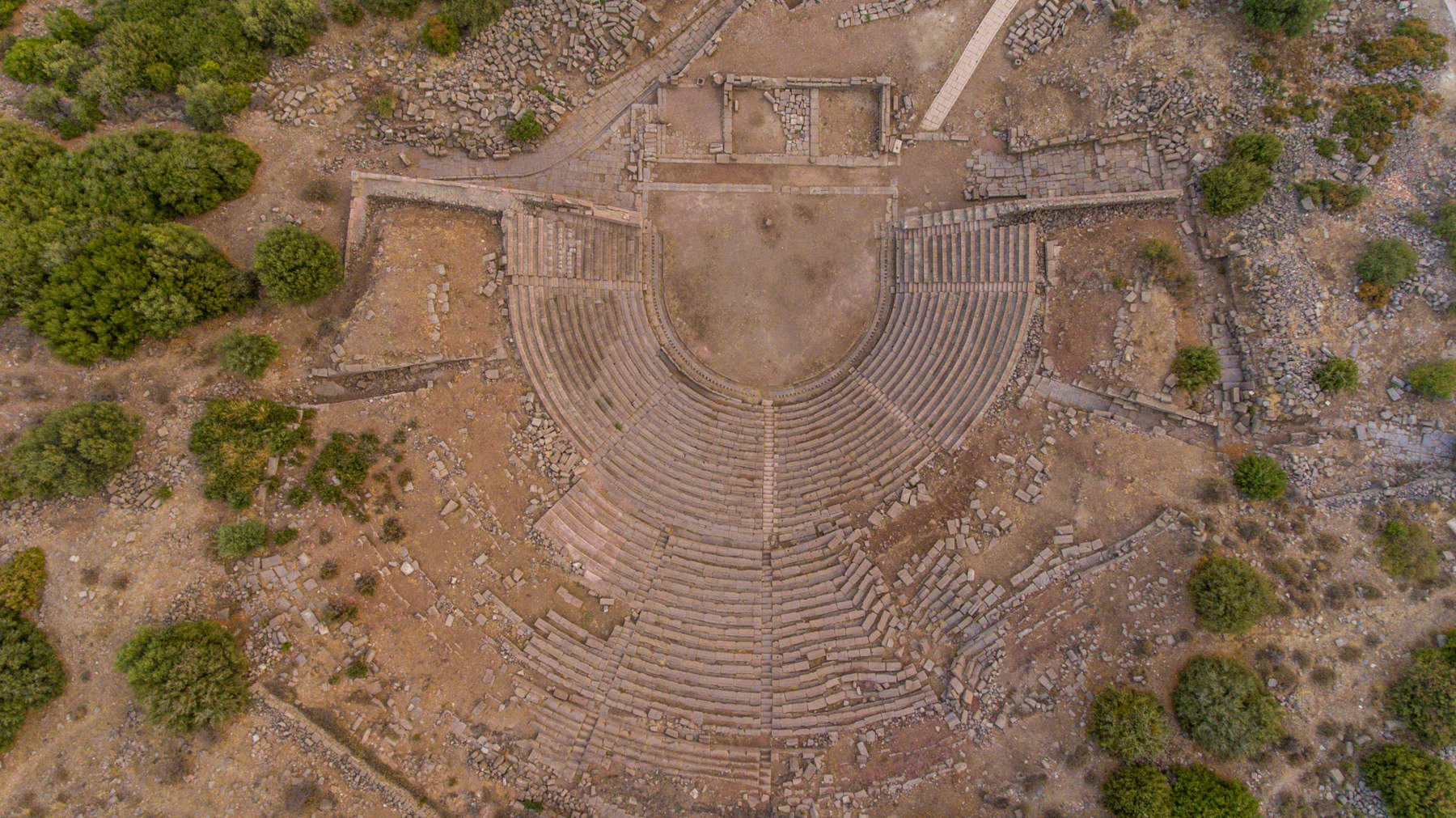
The narrative begins with the entire region. Assos, Tenedos, Parion (or Parium), Alexandria Troas, Smintheion, Lampsacus, Thymbra, Tavolia, and Imbros are represented through amphorae, capitals, stelae, figurines, ceramics, stone and bone tools, masks, and objects made of glass and marble. Among the artifacts,a bronze amphora from Parion stands out; dating to the second half of the 4th century B.C. and discovered in 2005 in the southern necropolis, it is decorated with figures of satyrs and maenads. From Assos, on the other hand, comes a group of musician figures discovered in 1995 in the western necropolis. Silenus figures and musicians playing lyres, zithers, flutes, and percussion instruments compose a scene linked to the Dionysian world. The funerary context also allows us to observe the relationship between music, dance, poetry, and social status. The discovery is of particular interest given Aristotle’s presence in Assos and that of his school between 347 and 344 B.C.
The Çan Altıkulaç Sarcophagus, discovered in 1998 near Çan in the province of Çanakkale, dates to the late 5th century B.C. and features painted scenes that are exceptionally well-preserved. Recovered during an emergency excavation following an act of looting, it documents an aristocratic Anatolian society influenced by Persian culture, as evidenced by the depiction of clothing, weapons, age groups, and social classes. From the Dardanos tumulus comes a terracotta figure depicting Aphrodite, discovered in 1959. Standing 31.5 centimeters tall, with traces of white and gold, it is a local copy of Praxiteles’ Cnidian Aphrodite and features a snake-shaped bracelet. The Lapseki Kouros, carved from white marble and dating to the 6th century B.C., exemplifies the typical frontal orientation of archaic sculpture.
The story of the Trojan artifacts is also part of the site’s history. The so-called “Troad gold” is now scattered among various collections, including the Istanbul Archaeological Museums and the artifacts exported by Schliemann. A group of artifacts that entered the collections of the Penn Museum in Philadelphia in 1966 was later identified as originating from Troy and returned to Turkey in 2012 thanks to collaboration with the Turkish Ministry of Culture and Tourism. Among the simplest yet most eloquent objects are the bronze arrowheads from Levels VI and VII. Their varied shapes allow us to reconstruct the techniques and uses of these weapons, while their connection to the tradition of Achilles (killed after being struck in the heel by an arrow shot by Paris) once again draws the visitor from the artifact back to the myth.
Pottery, on the other hand, tells a story of continuity and migration. Production spans various phases, from Bronze Age to Iron Age communities; Troy VIII features gray Aeolian pottery. In Levels VIIb1 and VIIb2, however, pottery attributed to immigrant groups appears. Particularly characteristic of Level VIIb2 is Buckelkeramik ( prehistoric bossed pottery) or Knobbed Ware (coarse, hand-made pottery associated with Thracian populations).
The museum tour also explores Ottoman Troy and the history of Çanakkale. Texts, photographs, engravings, ceramics, and artifacts illustrate how the Dardanelles have continued to serve a strategic purpose. The history of archaeology is recounted here through the work of Calvert, Schliemann, Dörpfeld, Blegen, and Korfmann, illustrating how the very image of Troy has evolved alongside scholars’ techniques and interpretations. Another section traces the transition from the Bronze Age to the Classical world. The collapse of the Hittite and Mycenaean palaces, the raids by the so-called Sea Peoples, and the weakening of the Egyptian Empire profoundly transformed the eastern Mediterranean. Troy, however, was not completely abandoned: Protogeometric pottery and iron tools attest to continuing ties with the Aegean.
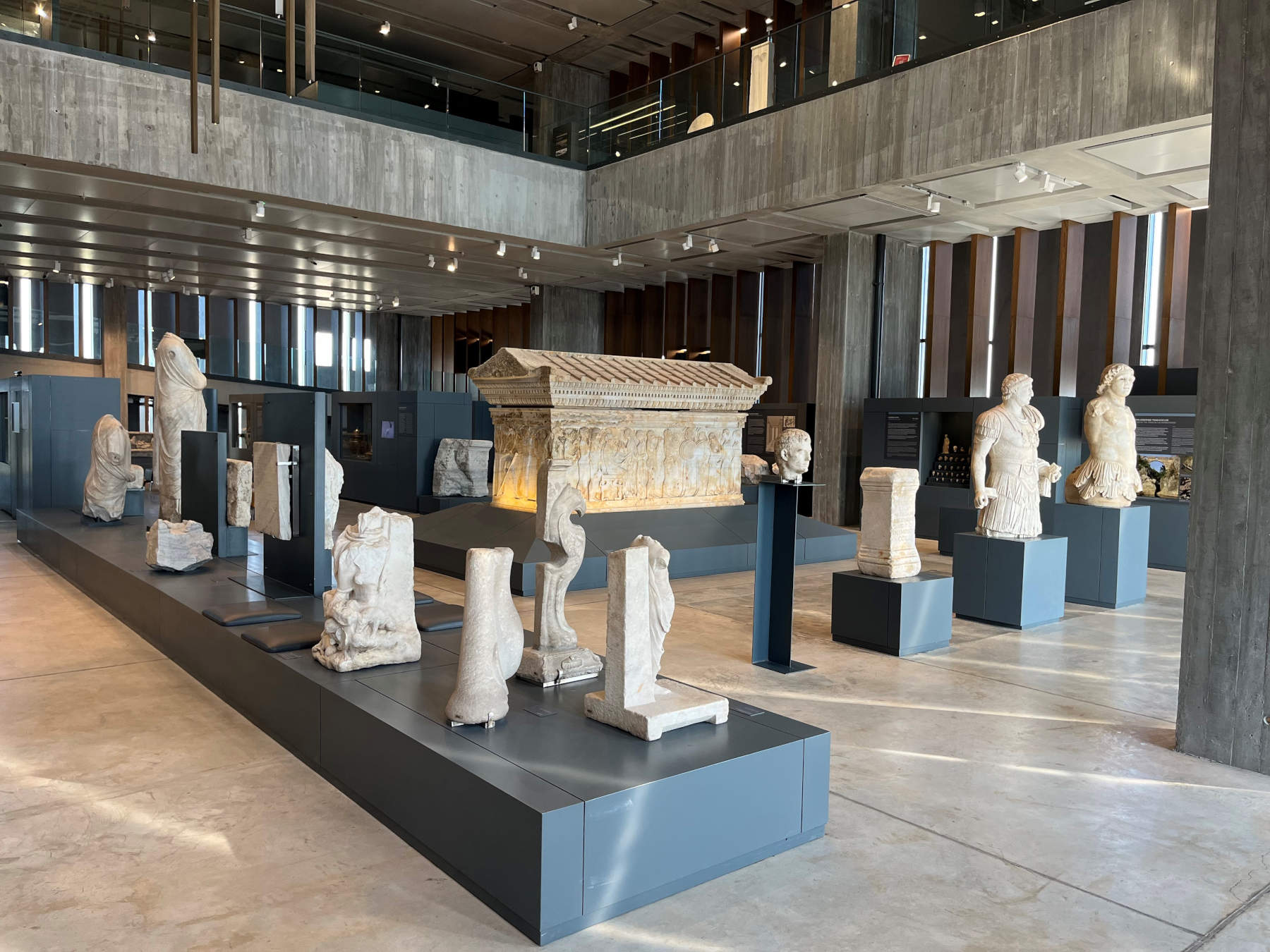
During the Archaic and Classical periods, the myth of Troy continued to influence politics, religion, art, and collective memory. Among the most important artifacts is the Sarcophagus of Polyxena, discovered in 1994 in the Kızöldün burial mound near Gümüşçay, in the Biga region. Dated to 520–500 BCE, it is considered the oldest figurative stone sarcophagus in Anatolia. Its scenes depict the sacrifice of Polyxena through 37 figures and reveal both Persian influences and a strong element of Trojan identity. The lid still bears the hole made by looters. From Parion comes a large figure of a centaur or triton, discovered in the theater in 2012. The preserved portion measures 130 centimeters, but the reconstruction reaches approximately three meters. The head, which was broken and later repaired, retains a refined rendering of the hair; the eyes were hollowed out to hold precious materials.
The statue of Hadrian, discovered in Troy in 1993, dates to 117–138 CE. The emperor is depicted in armor with Medusa on his breastplate. Hadrian visited Troy in 124 and financed the restoration ofthe Odeon; the statue was found behind the building. The statue of Cybele from the 3rd century B.C., discovered in 1994, belongs to the Hellenistic period: the goddess is seated, wearing a polos (head ornament), with braids, a phiale (Greek ritual vase), and a tympanum, accompanied by a lion.
Finally, the memory of the war is also recounted througha short animation that reconstructs the destruction of Troy, drawing inspiration from images on Attic vases and the shadow theater. The story of the city intertwines with the history of the region: in 480 B.C., Xerxes crossed the Dardanelles; in 334 B.C., Alexander the Great made the same crossing and confronted the Persians at Priapos. In the centuries that followed, other rulers and emperors continued to visit these sites linked to the memory of Homeric heroes. Troy, however, does not end with antiquity. The earthquake that marked the end of the settlement on the hill made way for new forms of human presence, while the area continued to be inhabited during the Eastern Roman period. Inscriptions, sculptures, pottery, crosses, and decorative elements tell the story of this phase of the city’s history, before it became primarily a destination for travelers and, from the nineteenth century onward, for archaeologists.
Outside the museum, columns, stelae, capitals, and other stone artifacts bring the story to life within the landscape. It is here that the significance of a visit to Troy becomes most evident: one traverses a succession of cities that have occupied the same site, transforming it without completely erasing the traces of those that came before. Troy thus appears much larger than the city describedin the *Iliad*. It is a place where myth has continued to intertwine with history, but also a strategic point, a trading center, an Anatolian city, a Roman settlement, and a subject of archaeological research. The Hisarlık hill, therefore, does not reveal a single Troy: it preserves many. And it is precisely in the overlapping of all these lives—rather than in the search for definitive confirmation of Homer’s account—that we find today the history of one of the most famous cities of antiquity.