





In Possagno (Treviso), the restorationof the *Amorino*—also known as *Prince Henryk Lubomirski*—was unveiled. This is one of the most significant and fragile plaster models preserved in the collection of the Gypsotheca Antonio Canova Museum. The work by Antonio Canova ( Possagno, 1757 – Venice, 1822), created in 1785, underwent a new conservation project entrusted to the firm Passarella Restauri S.r.l. and carried out with the support of the Treviso Civic Museums. The results of the restoration were unveiled on Saturday, September 19, 2026, at 10:30 a.m. at the Antonio Canova Gypsotheca Museum in Possagno.
This project is part of the ongoing efforts by the Antonio Canova Gypsotheca Museum dedicated to the conservation and restoration of its collection. One of the main missions of the Possagno institution is, in fact, the protection of works through research- and diagnostics-based work, developed in collaboration with universities, institutions, and specialized centers. This approach allows for a deeper understanding not only of the state of preservation of the artifacts but also of the works themselves and the sites that preserve Antonio Canova’s legacy. It is within this context that the new restoration of the “Amorino” takes place—a work of particular significance within the Gypsotheca’s collection, not least because of its fragility. The restoration made it possible to address conservation issues that had arisen years after previous interventions and represents another chapter in a story that, for this plaster model, has now spanned more than ten years.
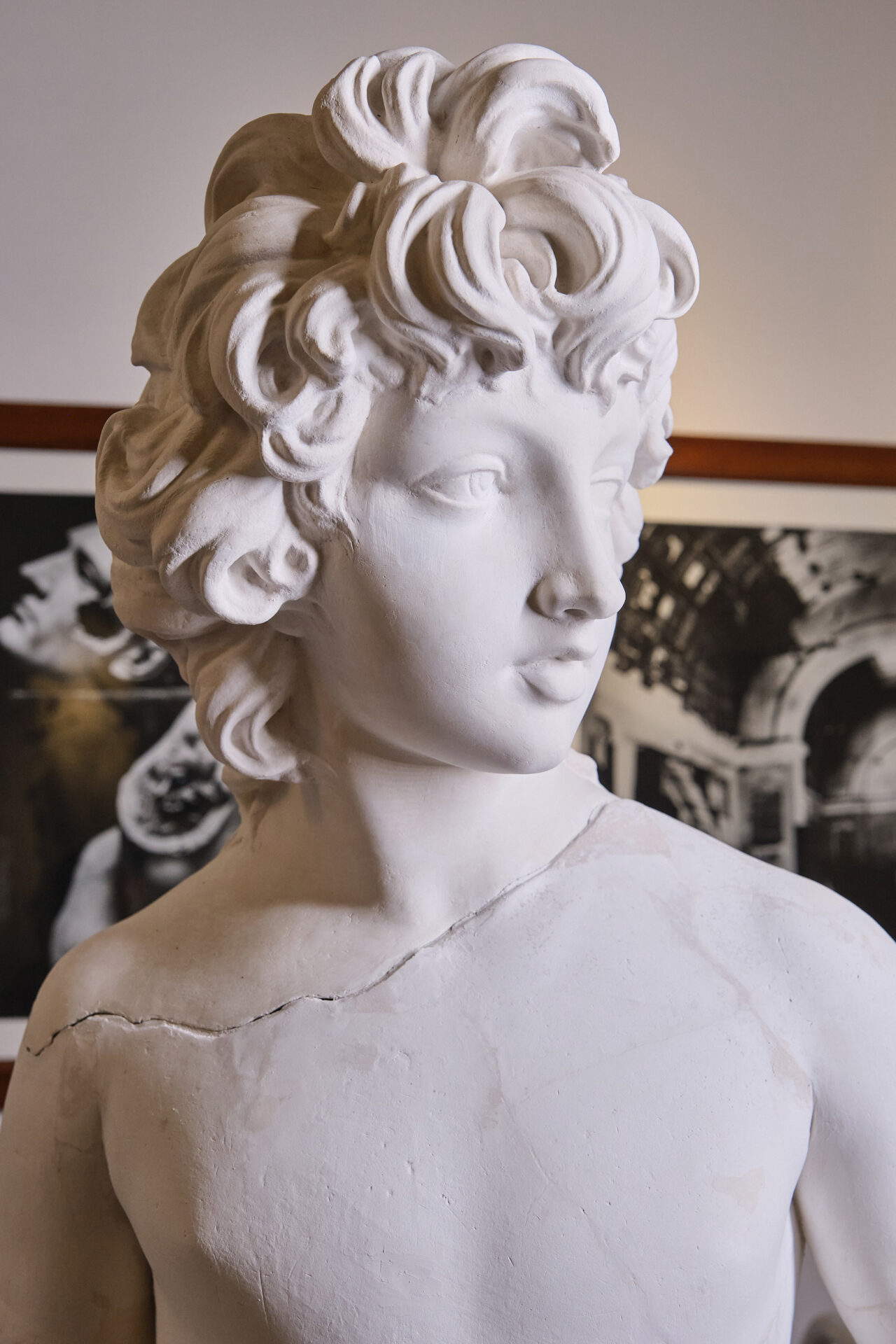
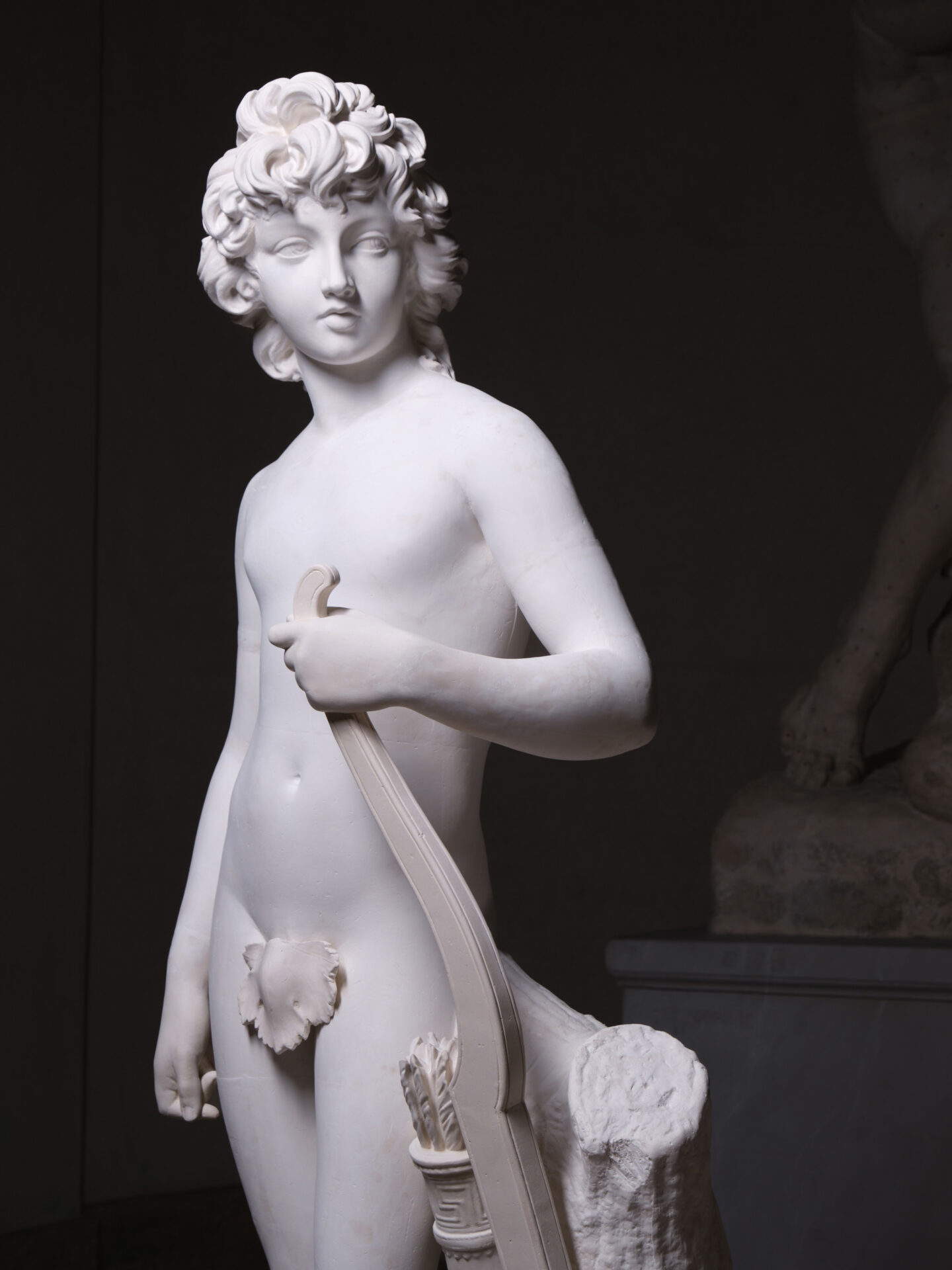
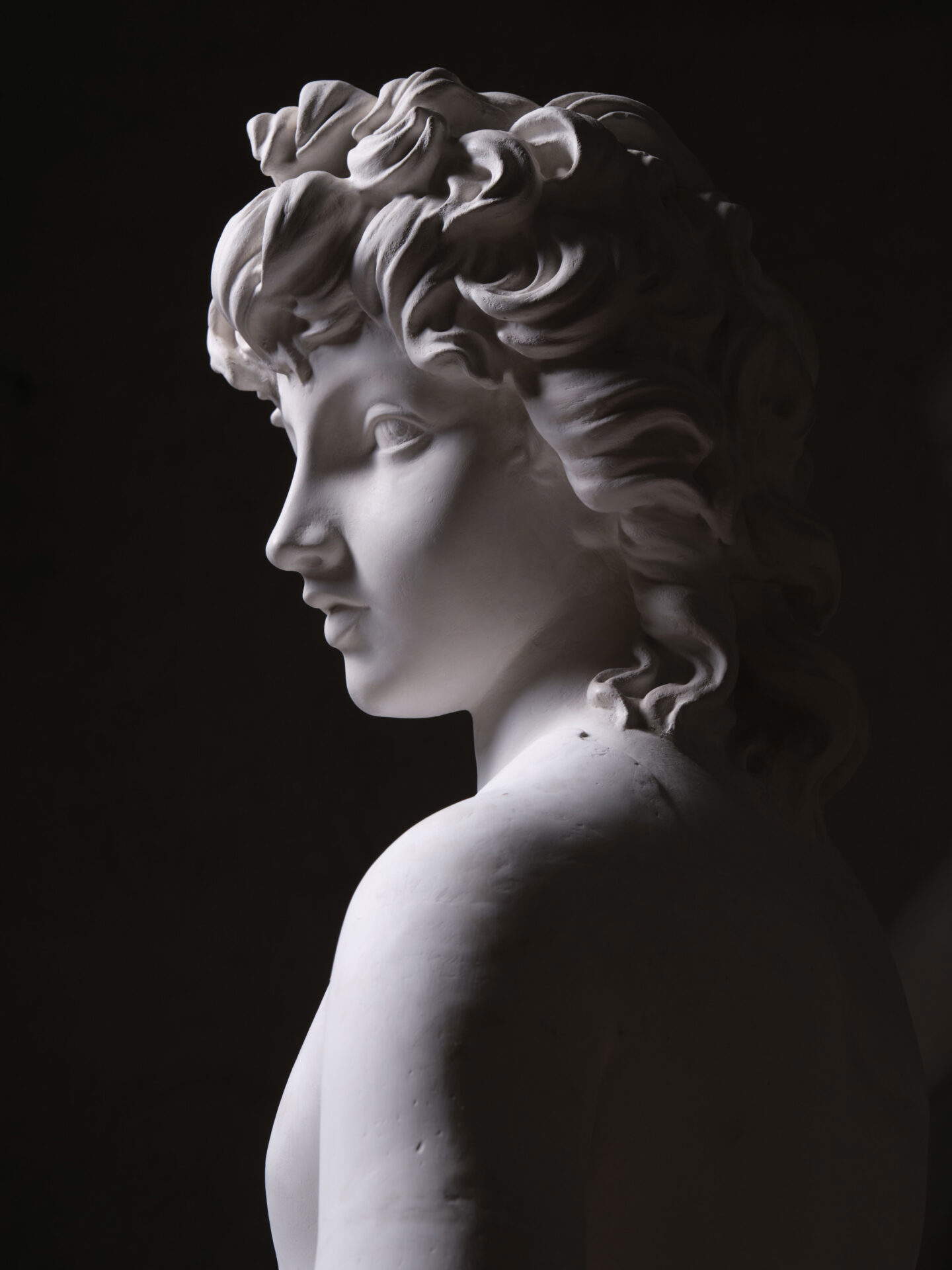
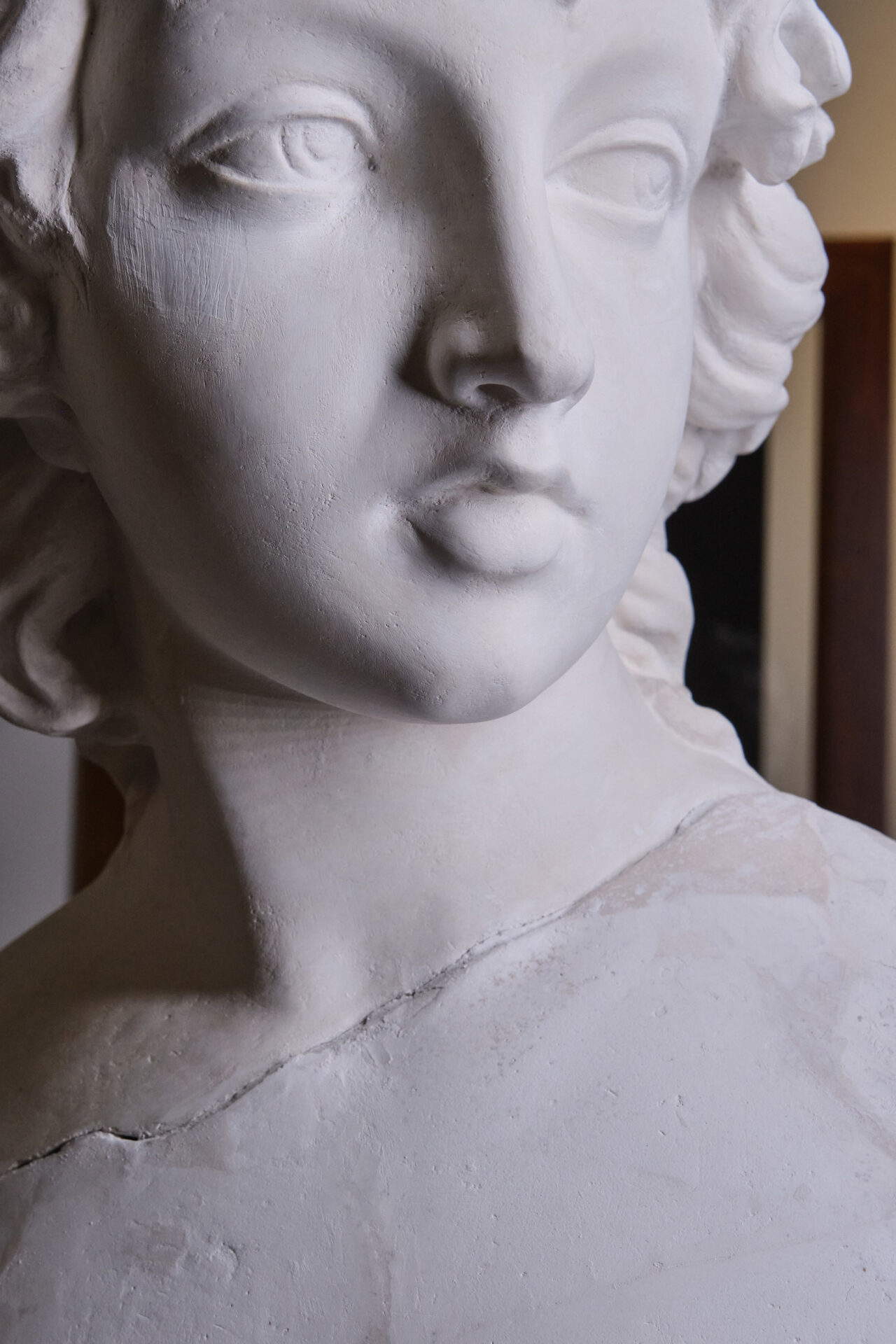
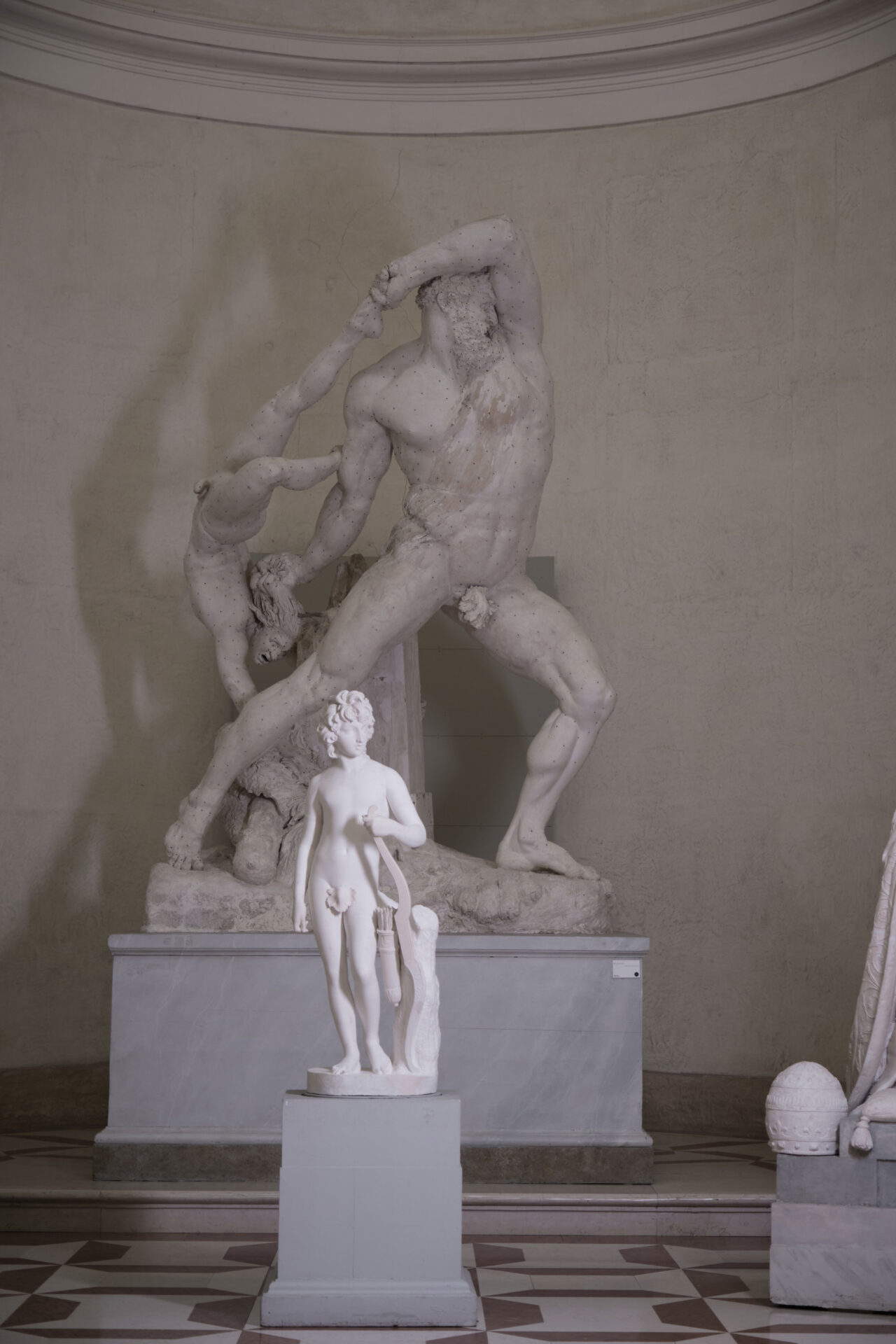
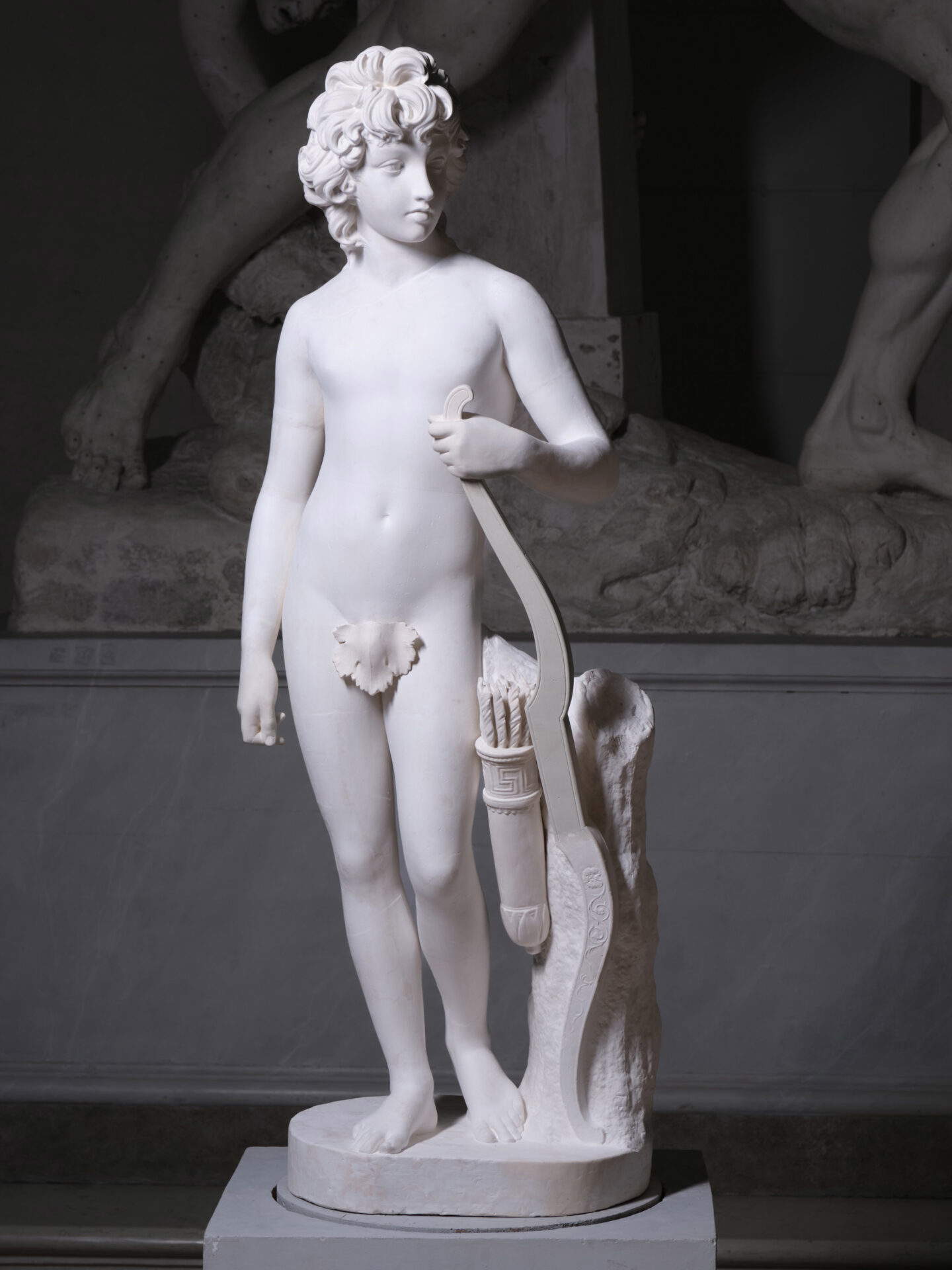
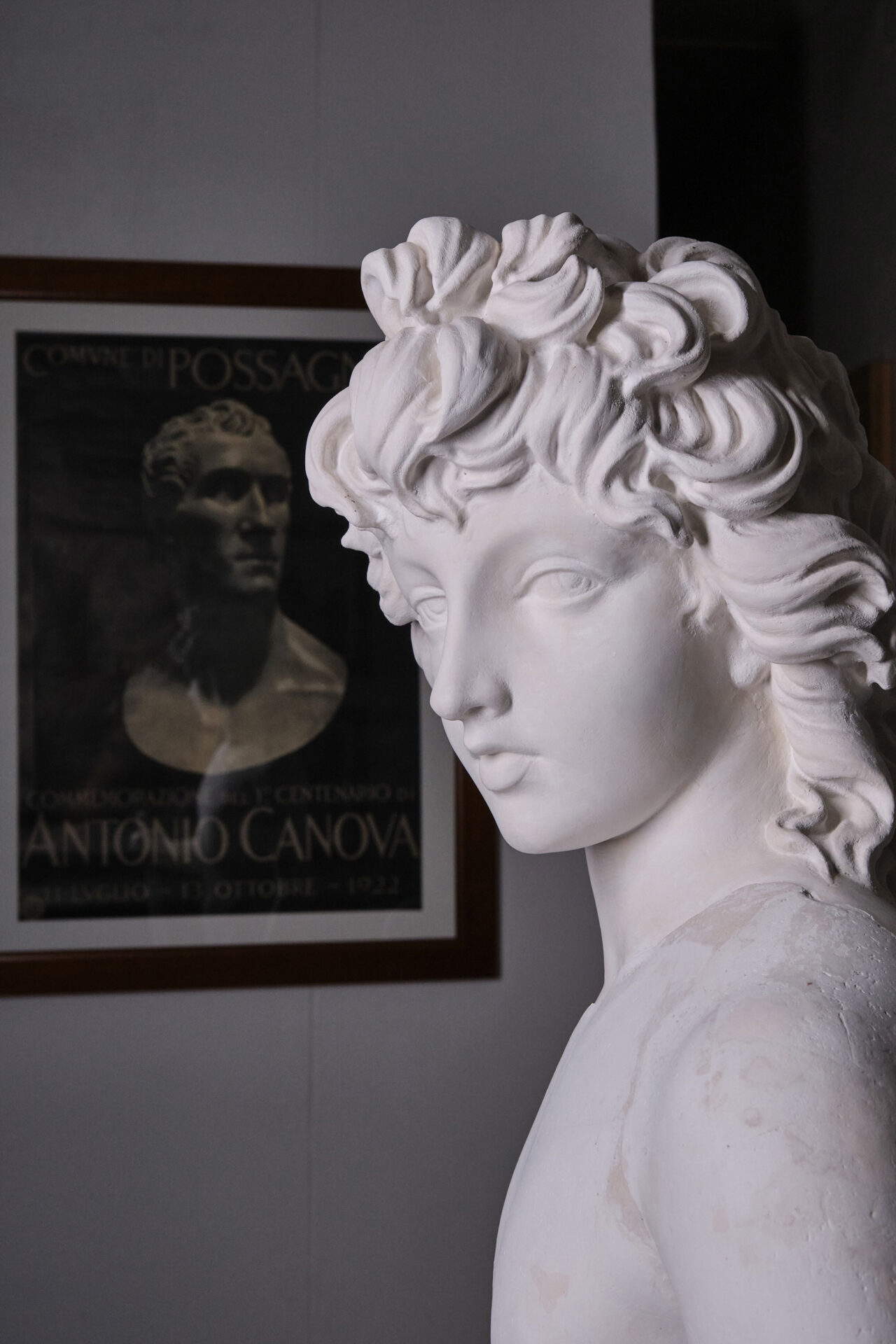
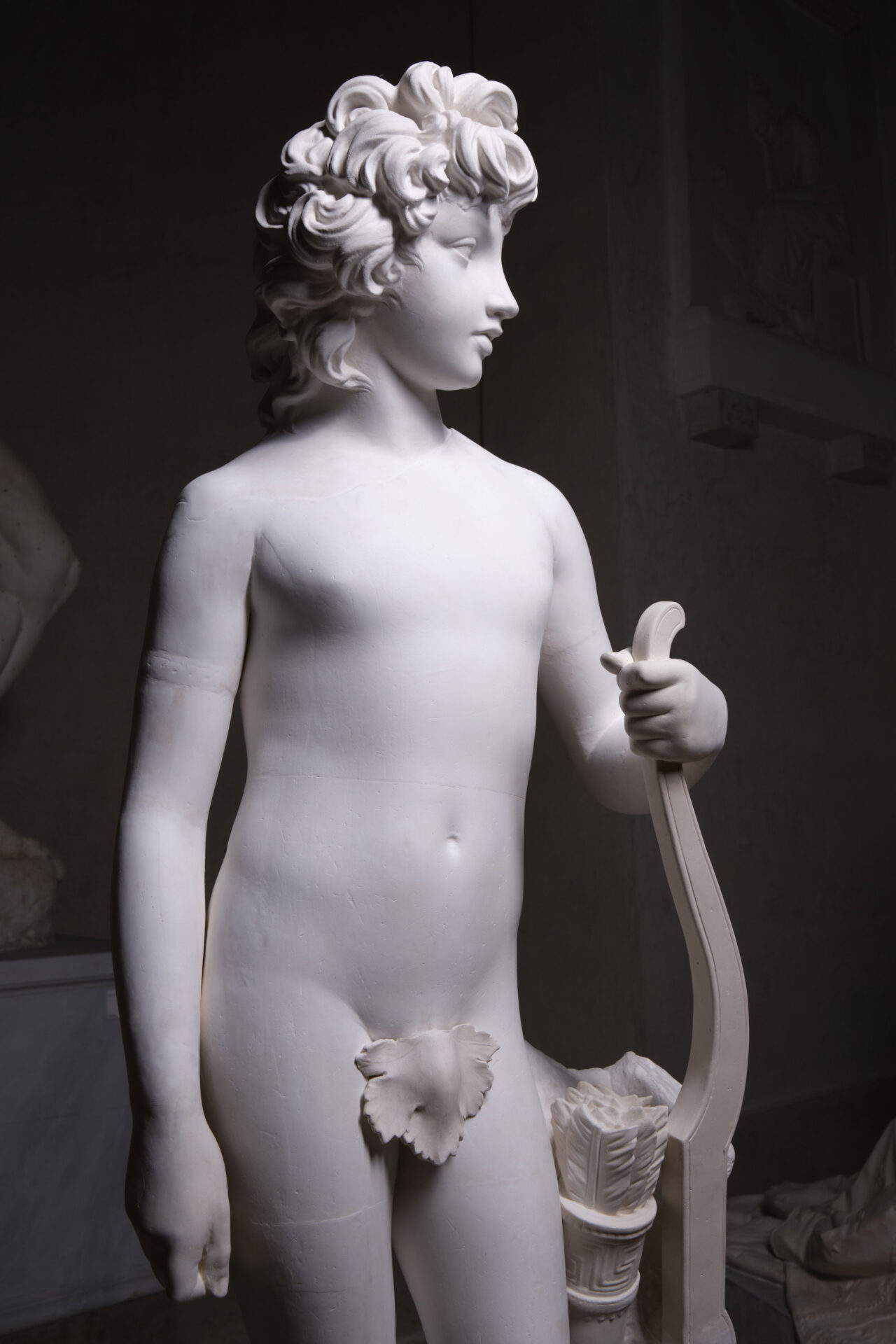
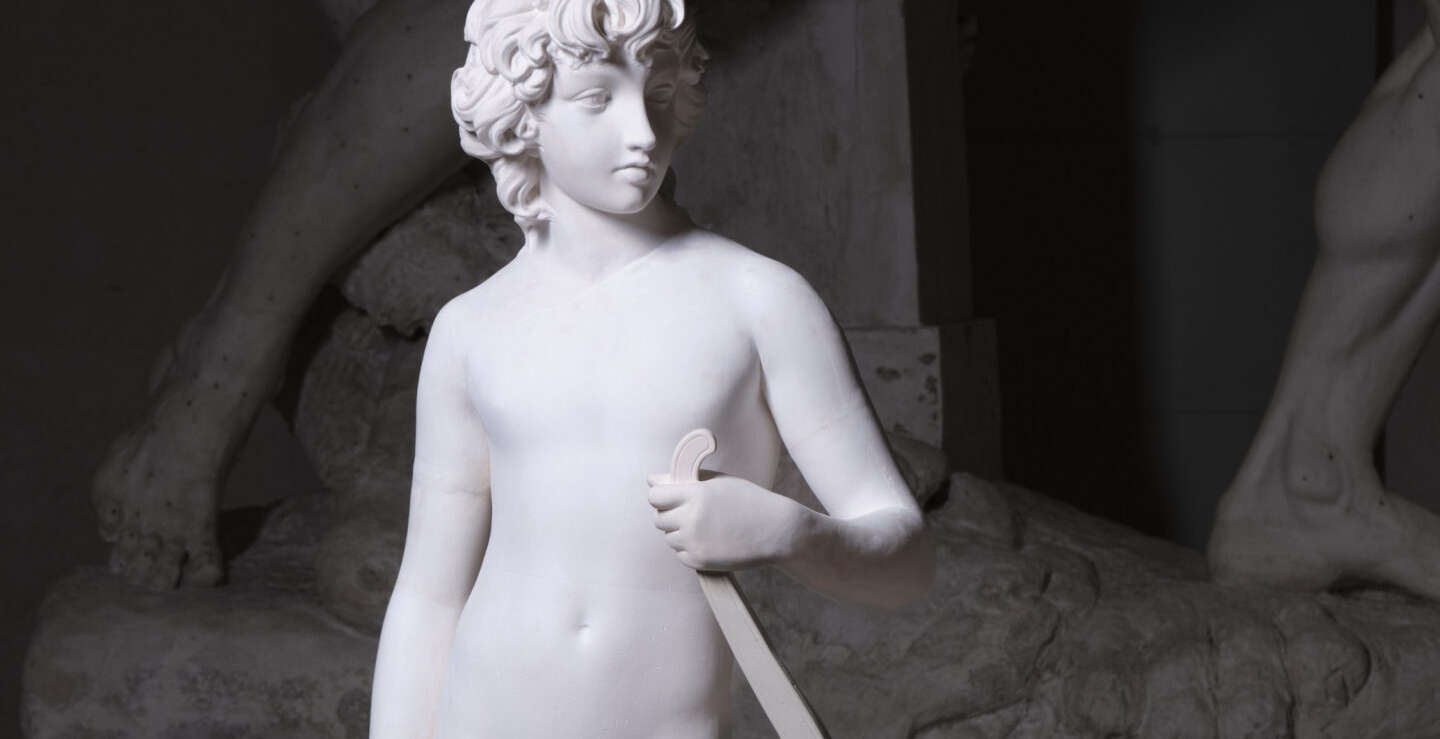
Canova created this Cupid in 1785 on commission from Princess Elzbieta Czartoryska Lubomirska, who wanted a portrait of her young nephew Henryk. The boy, described as shy, agreed to pose only for his face. For the body, however, Canova drew on an ancient model, thus creating the figure of a youthful Cupid. The composition depicts the young man with his bow resting on the ground, his head—with flowing hair—turned in a three-quarter profile, and his torso leaning against a tree trunk that serves as a support. The solution adopted by Canova thus combines the portraiture element—linked to the face of the young Henryk—with the reference to antiquity used for the construction of the body and the definition of the figure of the Cupid.
The conservation history of the work has been particularly complex due to its physical condition. When it arrived in Possagno, in fact, the plaster model was missing its head and torso. The gap was filled in 2013 thanks to collaboration with the Lubomirski Castle Museum in Łańcut, Poland, where the original marble of the sculpture is preserved. The presence of the original marble made it possible to faithfully reconstruct the missing parts. To obtain the shapes of the head and torso, a 3D scan was performed on the sculpture preserved in Łańcut. Using the data obtained from the scan, a mold of the missing parts was created and subsequently reproduced in plaster via 3D printing. The new parts were finally assembled with the rest of the sculpture, restoring the work’s formal integrity.
The solution adopted in 2013 made it possible to fill a gap affecting one of the most important and delicate works in the Gypsotheca’s collection. A few years later, however, the sculpture began to show new signs of deterioration, making further conservation work necessary.
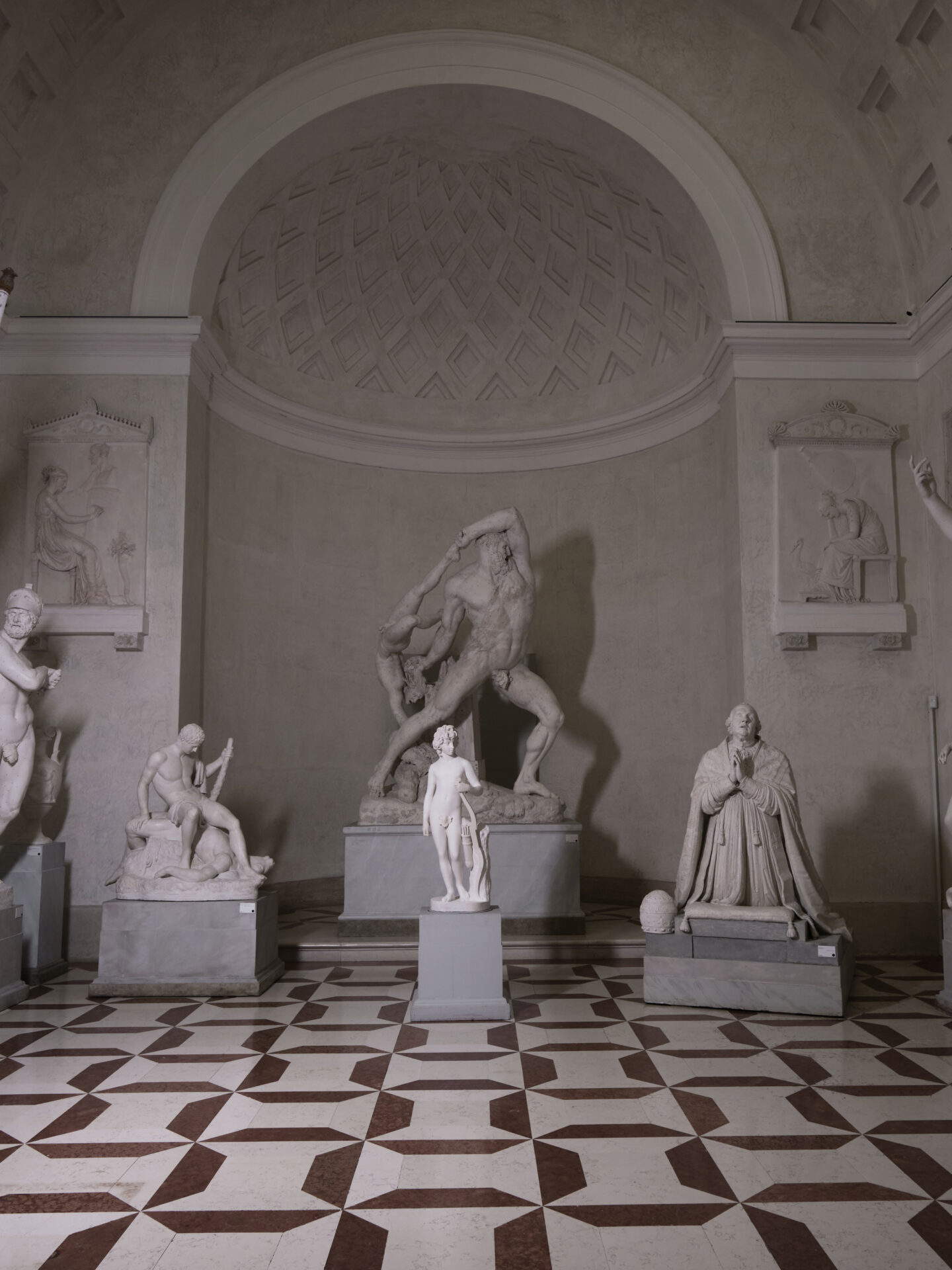
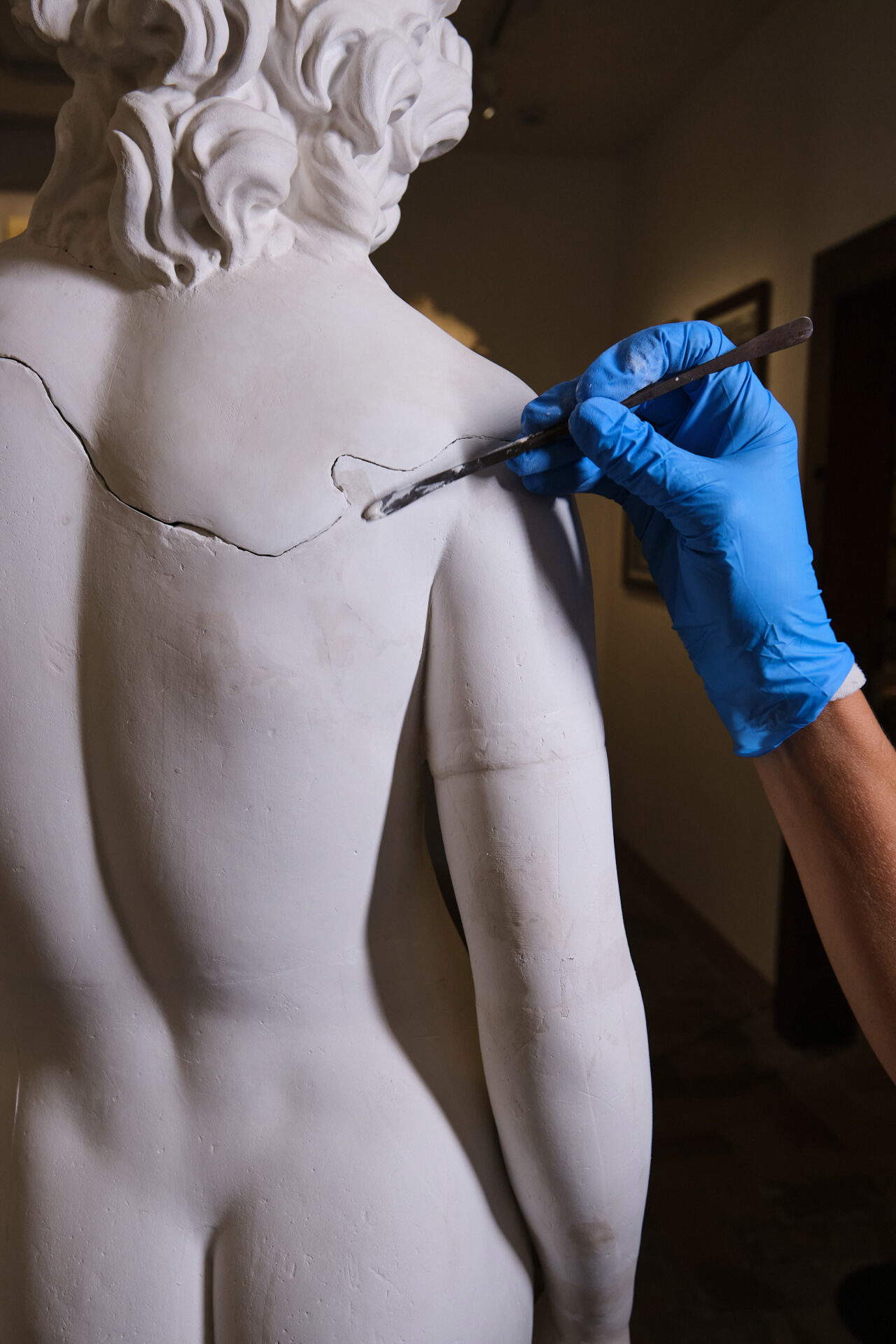
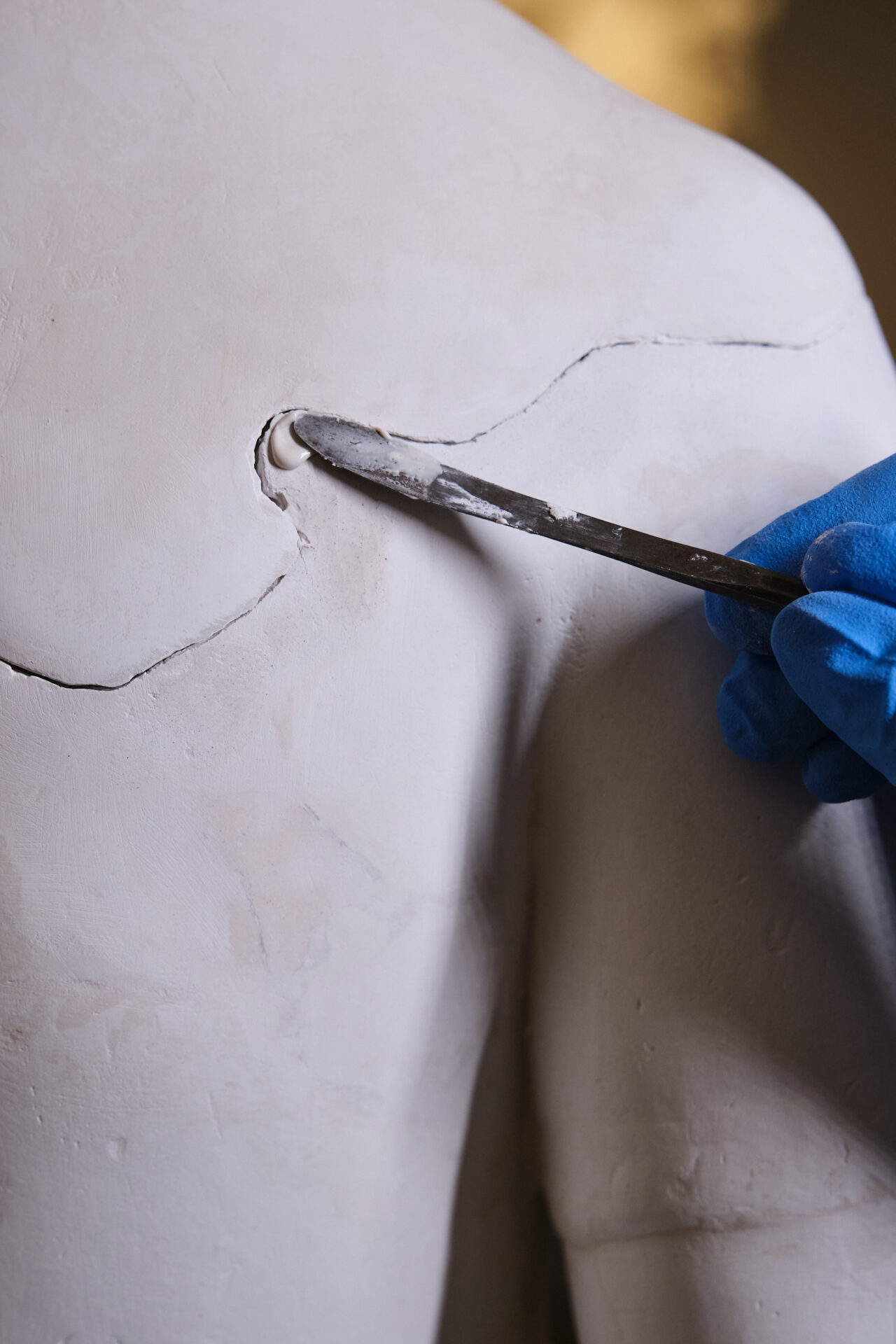
The problems emerged in particular along the contact edges between the original parts of the model and the reconstructed ones. Small cracks appeared in these areas, compounded by further issues near the ankle. Deposits and stains attributable to the presence of soluble salts were also identified on the surface of the artwork. The presence of these salts is linked to the hollow structure of the artwork. The salts remained inside the artwork and, as humidity conditions gradually changed, migrated toward the surface. This phenomenon contributed to the deterioration of certain areas of the model, necessitating a new phase of study and intervention.
Before proceeding with the restoration, a series of diagnostic investigations was therefore carried out to assess the condition of the artifact and determine the causes of the observed phenomena. Among the tools used were infrared thermography and chemical analyses, which provided a deeper understanding of the Amorino’s state of preservation and guided subsequent operations.
The return of the Amorino following this latest intervention thus marks another milestone in this ongoing process. The story of this model demonstrates that the conservation of a work of art does not necessarily end with a single intervention but may require, over time, new investigations, reconstructions, assessments, and restoration work—especially in the case of fragile artifacts with a complex material history.
In Possagno, the restoration of Antonio Canova’s *Amorino* thus draws attention not only to one of the most significant and delicate plaster models in the collection but also to the daily work of research and conservation necessary to ensure that the artist’s legacy remains accessible over time.
 |
| Possagno: Canova’s *Amorino* Restored—The Long History of the Plaster’s Conservation |

Warning: the translation into English of the original Italian article was created using automatic tools. We undertake to review all articles, but we do not guarantee the total absence of inaccuracies in the translation due to the program. You can find the original by clicking on the ITA button. If you find any mistake,please contact us.


























 IT
IT FR
FR DE
DE ES
ES CN
CN


