


by Noemi Capoccia 22/10/2026


Categories: Archaeology / Disclaimer
In Bulgaria, archaeological excavations at Balak Dere, near Ivaylovgrad, have unearthed a temple complex featuring an altar, a sacrificial area, and a marble relief depicting three nymphs and the goddess Cybele. The site provides evidence of the continued existence of pagan cults in the 5th century.


The excavation campaigns conducted in October 2026 at the site of Balak Dere, in the municipality of Ivaylovgrad, Bulgaria, have deepened our understanding of a late antique pagan sanctuary, possibly one of the last traditional places of worship of the Thracians in Western Thrace. The news was announced by the National History Museum in Sofia. The excavations were directed by Ivaylo Kanev, the museum’s chief curator, funded entirely through a project by the Bulgarian Ministry of Culture, and supported by the Municipality of Ivaylovgrad.

The research confirms the importance of the complex, located along the Arda River, as a religious and spiritual center of the area. The discoveries from the 2026 excavation campaign indicate that ancient life at Balak Dere revolved around the activities of the entire temple complex.
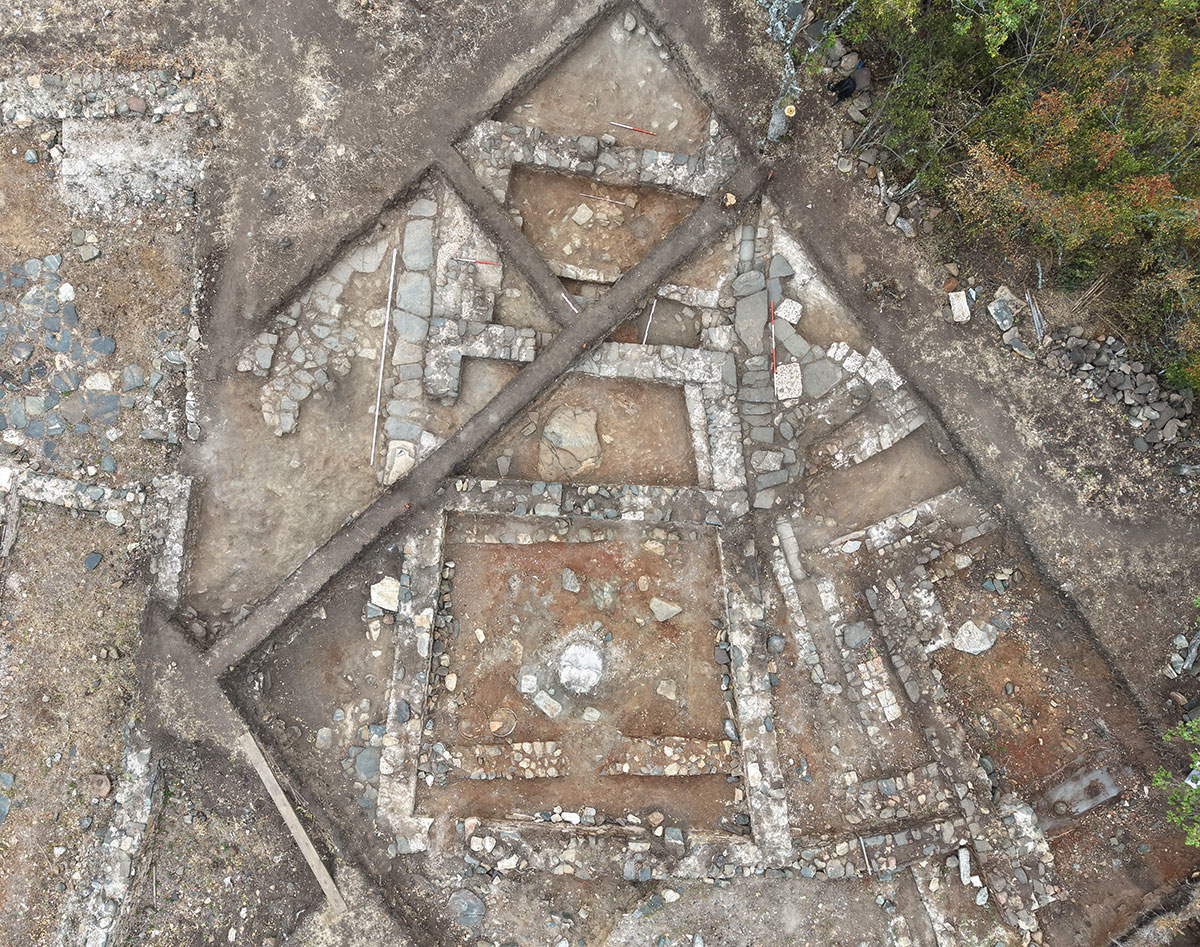
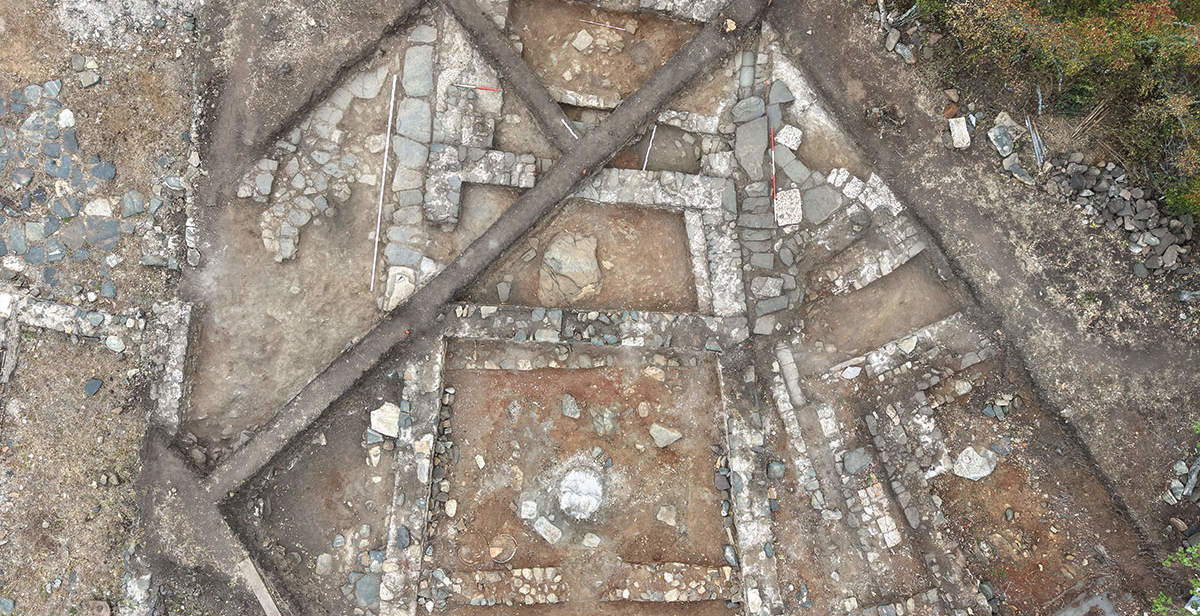
The sanctuary, with a total length of 15 meters, has a trapezoidal floor plan and is oriented from southeast to northwest. It is divided into three interconnected chambers: the largest housed the altar, the central one served as the sacrificial site, while the third was reserved for storing offerings. According to archaeologists, the arrangement of these three elements along a single axis is of particular scientific interest: for the first time, in fact, all the main elements of pagan temple architecture—organized within a single space and in use until the 5th century—have been documented in an ancient urban context.


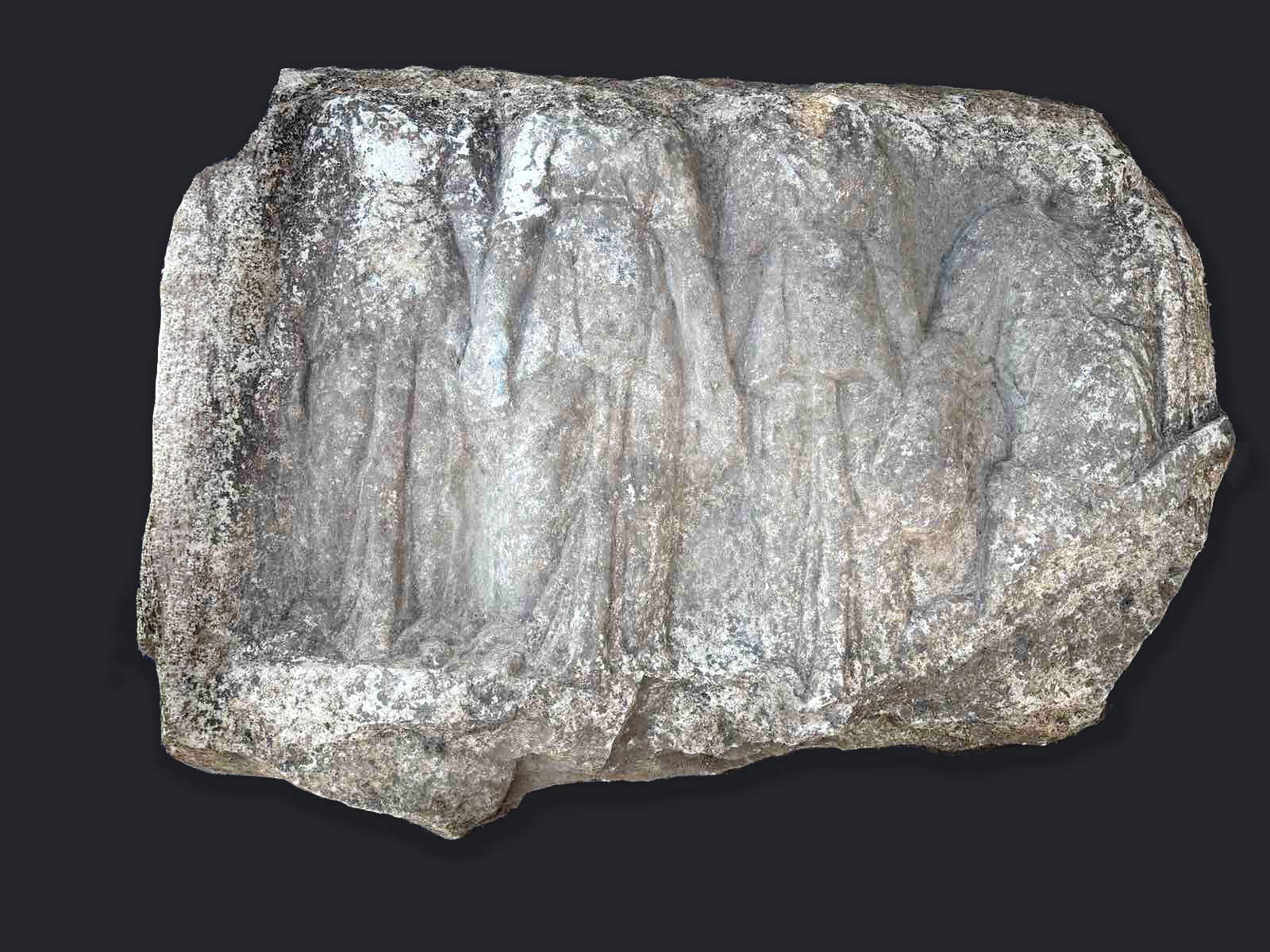
A relief depicting three nymphs and Cybele
An important clue regarding the sanctuary’s purpose comes from a marble relief depicting three nymphs and the mother goddess Cybele. According to researchers, this iconographic combination had never before been attested in a single composition and opens up new perspectives for the study of the cults practiced in the region.
The presence of a water channel surrounding the entire structure and the proximity of the Arda River also contribute to the interpretation of the site. Archaeologists hypothesize that the complex may have been a nymphaeum, that is, a sanctuary dedicated to the nymphs.
The stratigraphic evidence also documents the religious transformations that took place in the Roman Empire from the mid-4th to the first half of the 5th century, during the rise of Christianity as the official religion. With the edict of Theodosius the Great in 392, Christianity was imposed as the Empire’s sole official religion. According to the interpretation proposed by researchers, pagan cults continued at Balak Dere despite the authorities’ orders. Their persistence was reportedly followed by severe penalties and the burning of the complex in the mid-5th century, possibly with the intent of erasing the memory of the ancient deities.
Based on the architecture, chronology, topography, and relationship with water, scholars therefore hypothesize that Balak Dere may house one of the last pagan temples of the Thracians in Western Thrace. This is a scientific hypothesis that requires further investigation, one that contributes to our understanding of cult architecture and the persistence of religious traditions in late antiquity.
 |
| A pagan temple has been rediscovered in Bulgaria: it may be one of the last Thracian sanctuaries |
Warning: the translation into English of the original Italian article was created using automatic tools. We undertake to review all articles, but we do not guarantee the total absence of inaccuracies in the translation due to the program. You can find the original by clicking on the ITA button. If you find any mistake,please contact us.