



by Redazione 19/10/2026


Categories: Archaeology / Disclaimer
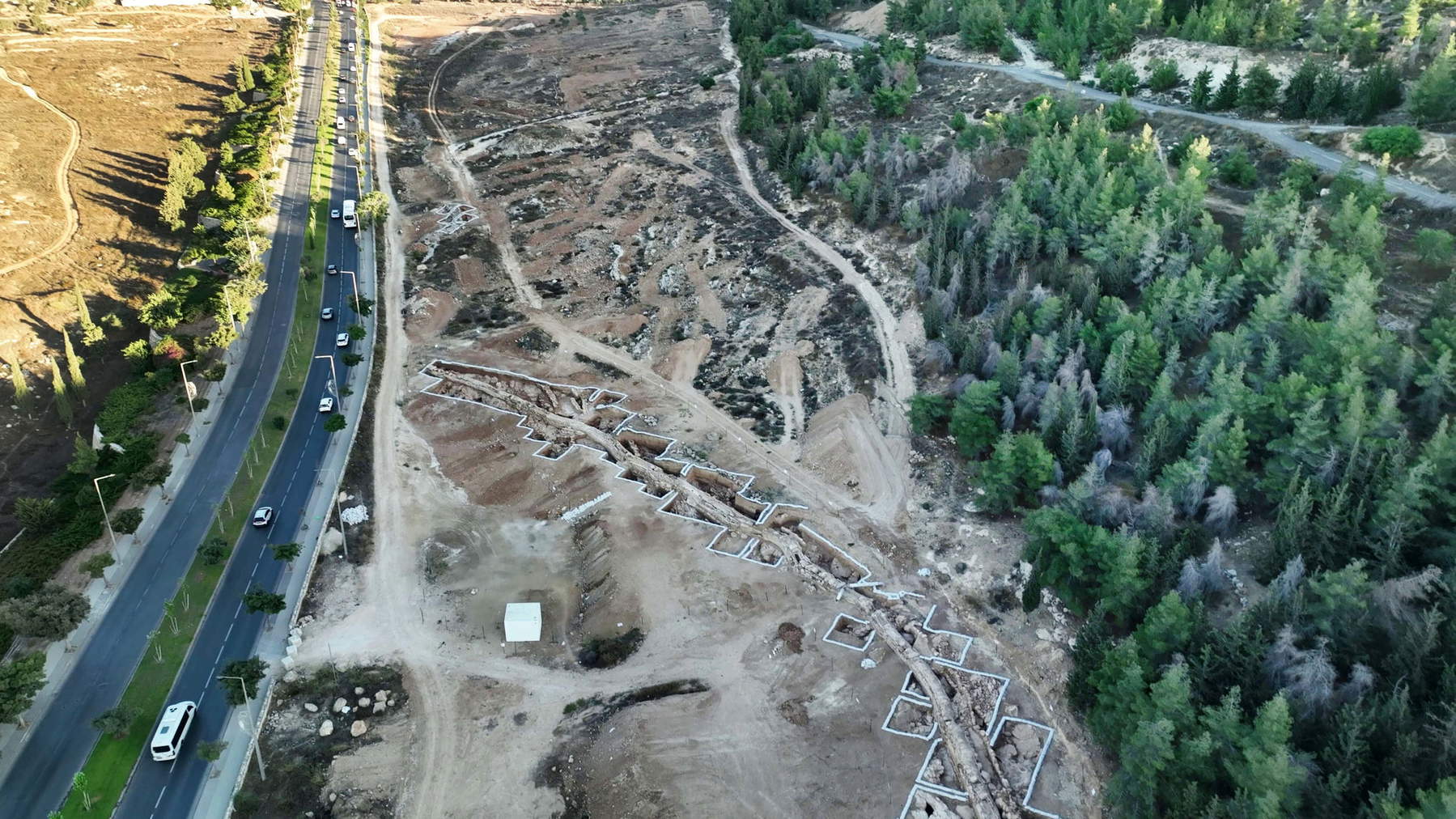
South of Jerusalem, a section of the Lower Aqueduct—built during the Hasmonean period to carry water to the Temple Mount—has been unearthed. The system relied solely on gravity and remained in use, albeit with interruptions, until about a century ago.


A canal built about two thousand years ago, capable of transporting water for tens of kilometers without the use of pumps or other mechanical systems, remained in operation—albeit intermittently—until about a century ago. It is one of the most significant features of the 300-meter sectionof Jerusalem’s Lower Aqueduct unearthed by Israeli archaeologists during an excavation campaign south of Kibbutz Ramat Rachel, in the area designated for the construction of a new neighborhood. The newly rediscovered section offers a close-up view of an infrastructure that, through various phases of maintenance and modification, contributed to the city’s water supply for centuries.

The aqueduct originally dates back to the Hasmonean period, the dynasty that ruled Judea between the 2nd and 1st centuries B.C. Its route connected the springs in the Gush Etzion area, south of Bethlehem, to Solomon’s Pools, and then continued on to Jerusalem and the Temple Mount. The entire system stretched for about 21 kilometers and was designed to rely exclusively on the force of gravity: the water flowed along a channel with an extremely gentle slope, maintained with precision throughout the entire route.


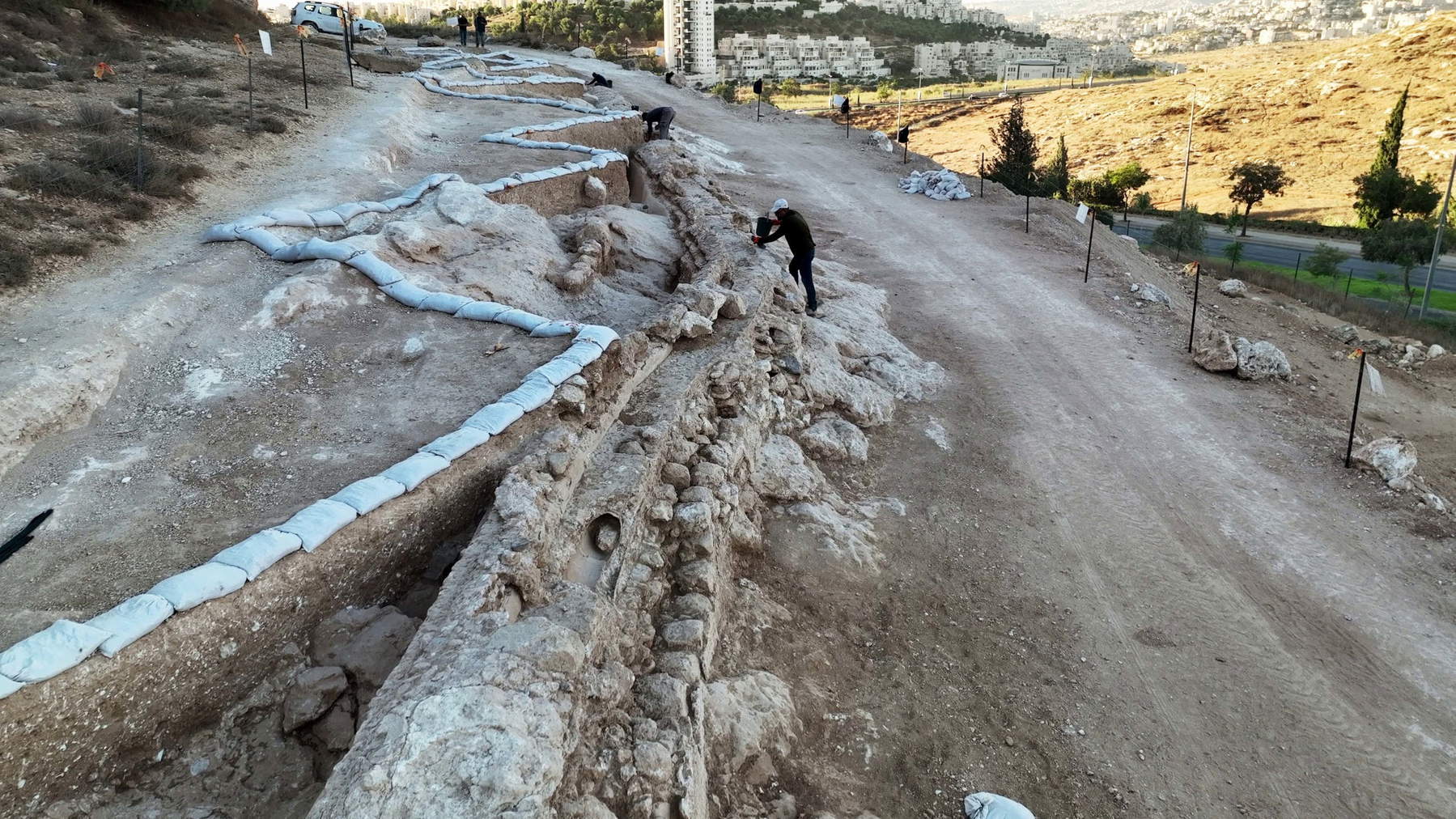
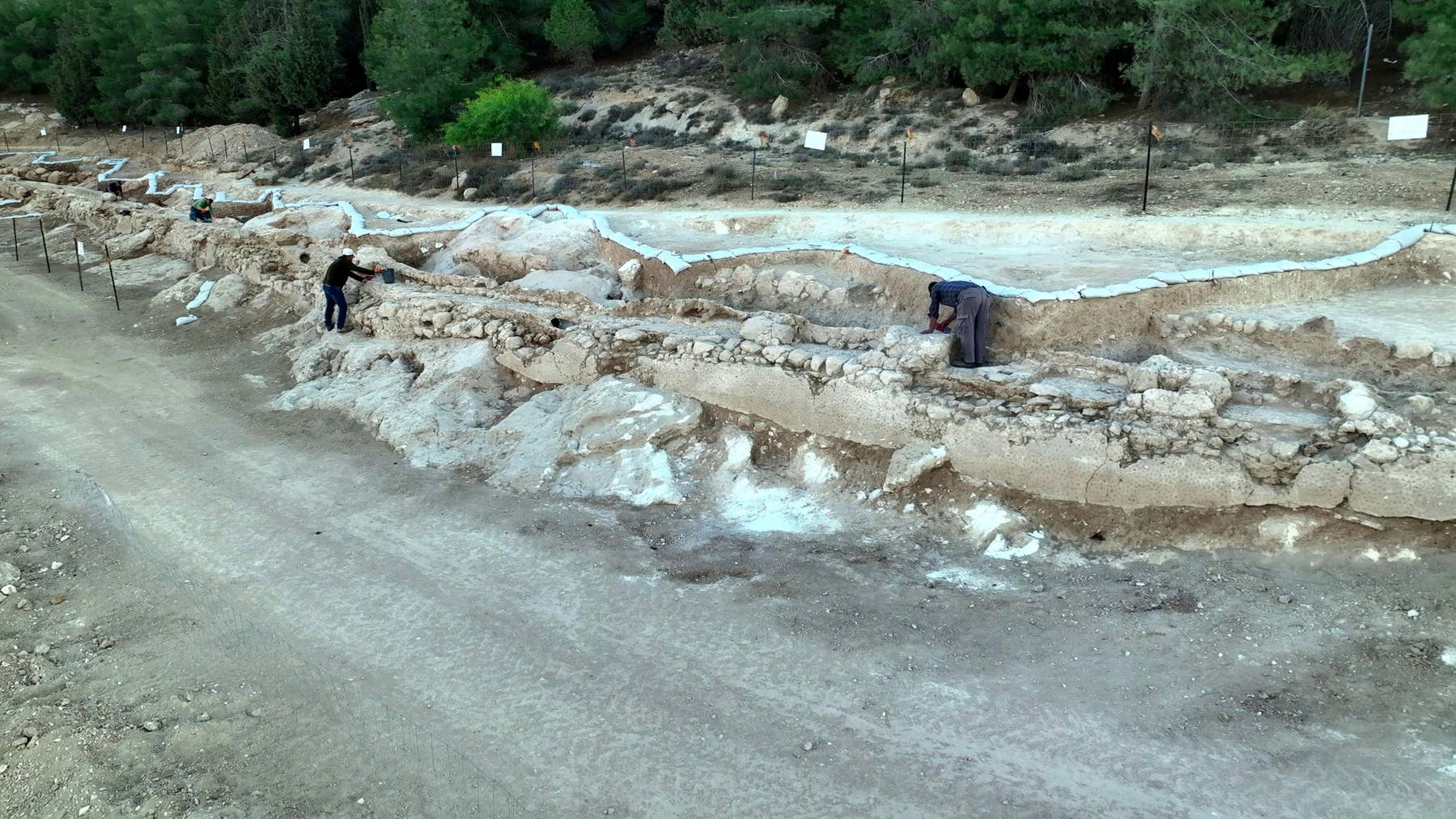
According to Benyamin Storchan and Gil Freid, directors of the excavations on behalf of the Israel Antiquities Authority, the aqueduct was likely built during the reign of the Hasmonean kings to ensure Jerusalem’s water supply. Along most of its route, the elevation difference was just one meter per kilometer: such a gentle slope required careful design to ensure the water could continue flowing without stagnating or veering off course. To achieve this, the builders adapted the route to the slopes of the hills and the topography of the bedrock. The system also included access points for cleaning and maintenance, through which workers could reach the channel to remove any obstructions. The length of its use attests to the importance of this infrastructure for the city: despite the changes that have taken place over the centuries, the aqueduct continued to be used—at least during certain periods—until about a hundred years ago.


The section that has just been uncovered documents precisely this long history of adaptations. In its original phase, the water flowed through a channel that was built and lined with plaster; subsequently, about five hundred years ago, during the Ottoman period, ceramic pipes were inserted into the original conduit. The exterior of the structure was also modified: the walls were plastered, and while the plaster was still wet, small stones were embedded into it. This resulted in a surface with a distinctive textured pattern that followed the course of the aqueduct.
These interventions represent not only structural modifications but also document the need to preserve and adapt an already ancient structure. The repairs and additions carried out over time paint a picture of an infrastructure that was regularly maintained to ensure the continuity of the water supply. The re-emerged structure thus allows us to trace, through the various techniques employed, the successive phases in the system’s history.
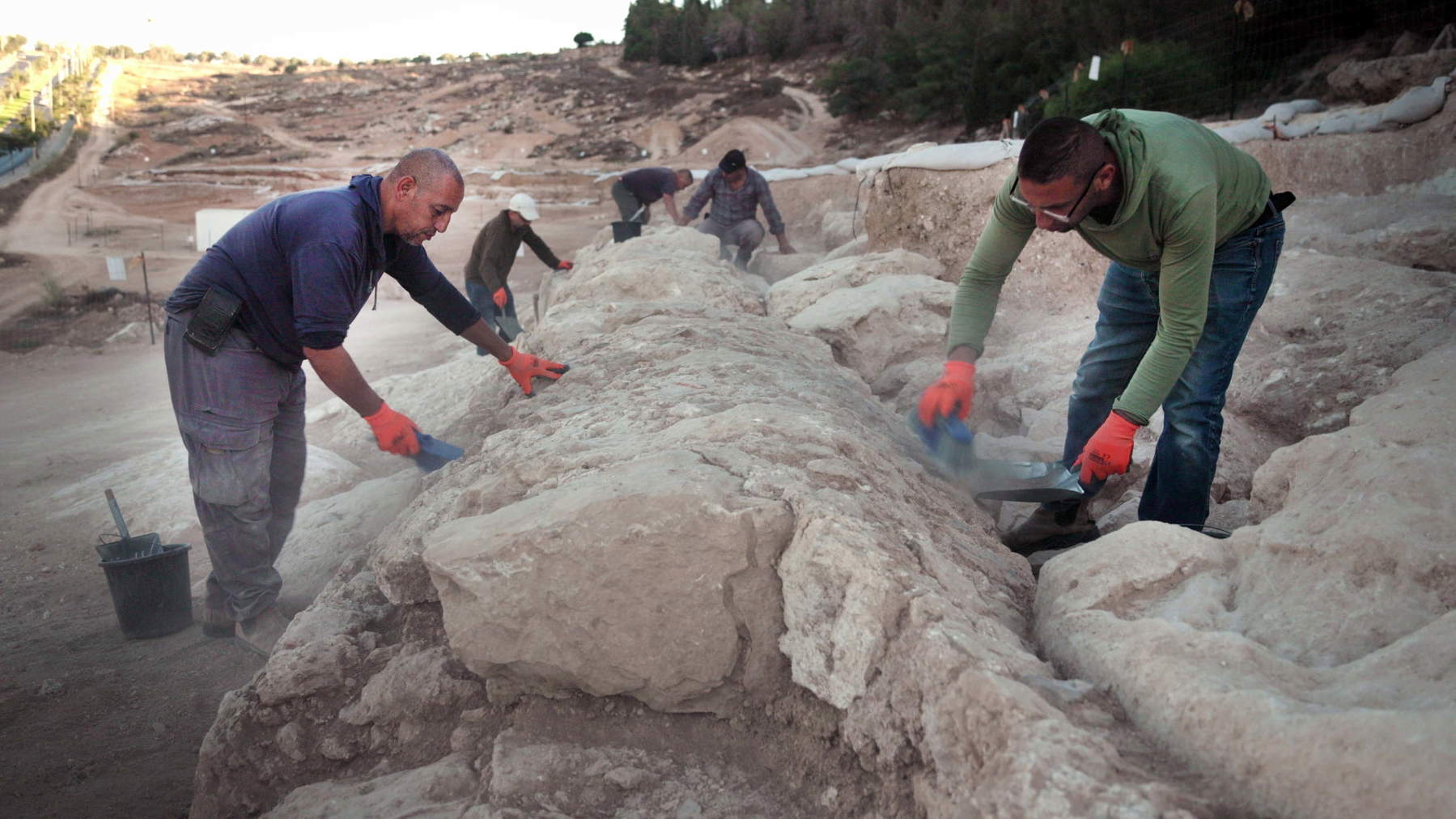
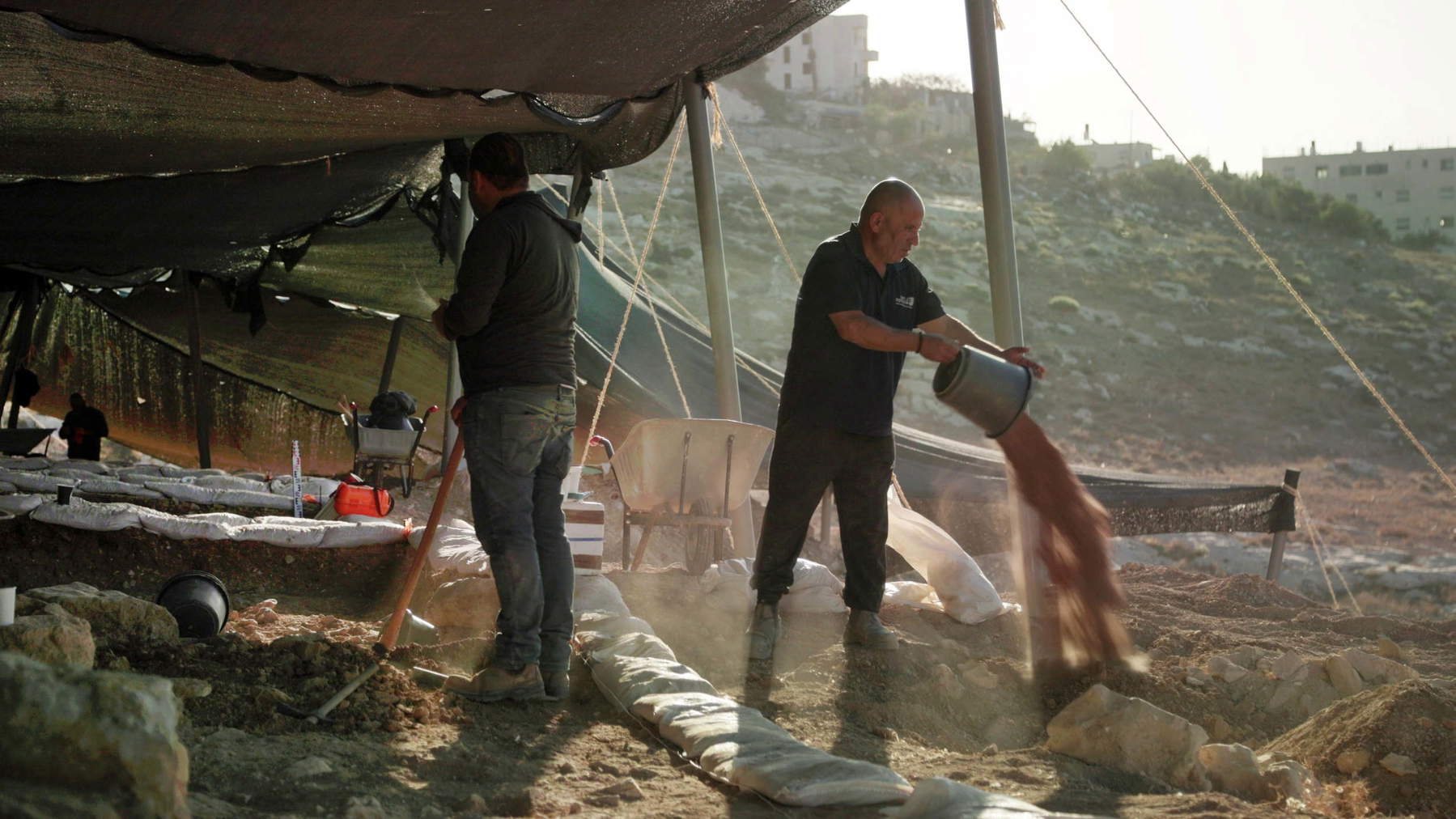
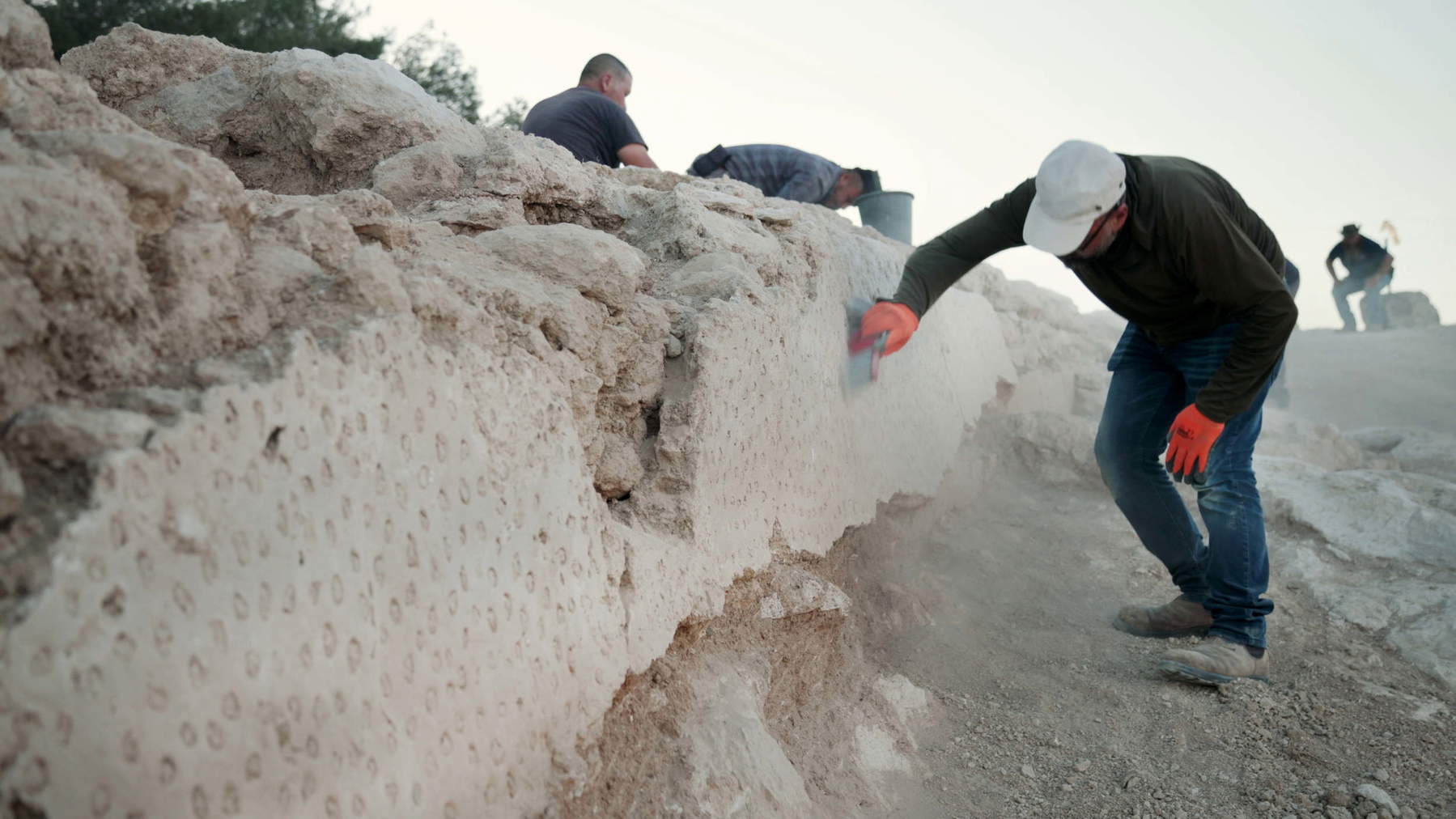
Amit Re’em, an archaeologist with the Jerusalem District of the Israel Antiquities Authority, highlighted the complexity of the undertaking. “The aqueduct is an engineering marvel. Even today, with all our modern technology, building such a system would require considerable planning and effort,” he said. “The thought that some 2,000 years ago they managed to bring water to Jerusalem in this way is astounding, and we want the public to be able to appreciate this feat up close.”
The discovery is part of the archaeological work being conducted in the area in preparation for the construction of the new neighborhood, but the section that has been unearthed will not simply be documented and covered up. In fact, the project calls for the aqueduct to be preserved and integrated into the new development, with the goal of making it accessible to the public. Visitors will thus be able to observe part of the system up close and understand its structure, as well as recognize the traces left by its successive phases of use.
The research will be presented for the first time at the 19th edition of the conference “New Studies on the Archaeology of Jerusalem and Its Region,” scheduled to take place in Jerusalem and Tel Aviv. The initiative is sponsored by the Israel Antiquities Authority, Tel Aviv University, the Hebrew University, and Tagliyot—the Israeli Institute of Archaeology. The restoration of these 300 meters thus offers an opportunity to explore a concrete aspect of the city’s history: water management, an essential resource for urban life and for the functioning of its central areas. The aqueduct’s survival across different eras—from its construction during the Hasmonean period to the Ottoman interventions—demonstrates how a structure designed in a distant historical context continued to be used and adapted for many centuries.
|
| Jerusalem: 300 meters of a 2,000-year-old aqueduct have been unearthed |
Warning: the translation into English of the original Italian article was created using automatic tools. We undertake to review all articles, but we do not guarantee the total absence of inaccuracies in the translation due to the program. You can find the original by clicking on the ITA button. If you find any mistake,please contact us.