





A new archaeological discovery in northwestern Morocco is partially rewriting our understanding of prehistoric settlements in North Africa. At the Oued Beht site, an international team — coordinated in part by the CNR–Institute of Cultural Heritage Sciences (CNR ISPC) —has identified what, based on the available evidence, is the oldest defensive system known to date in North Africa. The structures date back more than 3,500 years and provide new insights into the history of one of the most important prehistoric settlements in the western Mediterranean.
The findings come at the conclusion of the third excavation campaign ofthe Oued Beht Archaeological Project (OBAP) and have been published in the journal *Libyan Studies*. In addition to CNR ISPC, the research involved the Institut National des Sciences de l’Archéologie et du Patrimoine of Morocco, the University of Cambridge, and ISMEO—the International Association for Mediterranean and Oriental Studies. The project is directed by Giulio Lucarini, Youssef Bokbot, and Cyprian Broodbank.
The new evidence helps paint a more complex picture of the ancient settlement of Oued Beht. The scale of the defensive system and its configuration suggest a high level of spatial planning and coordination of labor—elements that point to a society capable of organizing its living environment in a structured manner. The evolution of the settlement also appears to reflect a specific strategy for adapting to security needs. In an initial phase, the main settlement nucleus occupied the northern area, which was characterized by a more open landscape. Subsequently, the center of the settlement was moved southward to a rocky spur that offered more favorable conditions from a defensive standpoint.
The change in the settlement’s location therefore does not appear to be random but seems to be linked to the need to take advantage of a more naturally protected terrain. The structures identified by archaeologists thus paint a picture of a community capable of intervening in the landscape and modifying its organization based on strategic needs.
The discovery goes beyond simply revealing how Oued Beht was defended. The new information gathered during the excavation campaign allows us to broaden our understanding of the relationships between the settlement and the surrounding regions. Oued Beht is increasingly emerging as a key site for understanding the dynamics that shaped the western Mediterranean in prehistory. Its size, its ability to organize the space, and now also the presence of a sophisticated defensive system are key elements in reconstructing the level of complexity achieved by the communities that inhabited this area more than three and a half millennia ago.
The research thus opens new perspectives on the settlement’s role and the relationships it may have maintained with other territories, helping to move beyond a view of North African prehistoric societies as simple and poorly organized entities.
The archaeological investigation is being conducted as part of the Oued Beht Archaeological Project, carried out in collaboration with Morocco’s Ministry of Youth, Culture, and Communication and the local community of Aït Siberne, Khémisset. The project receives financial support from the CNR, the Ministry of Foreign Affairs and International Cooperation, the Ministry of Universities and Research, the McDonald Institute for Archaeological Research, and the University of Cambridge.
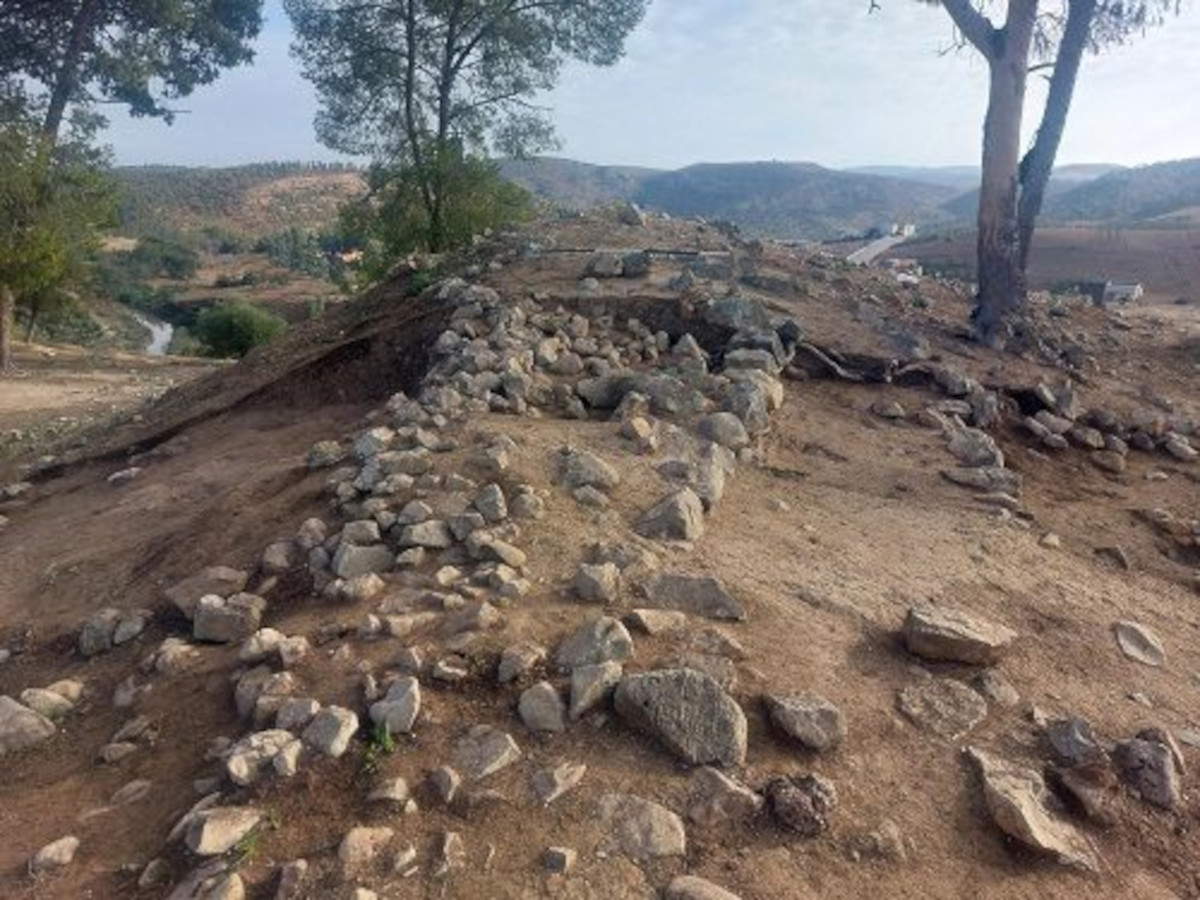
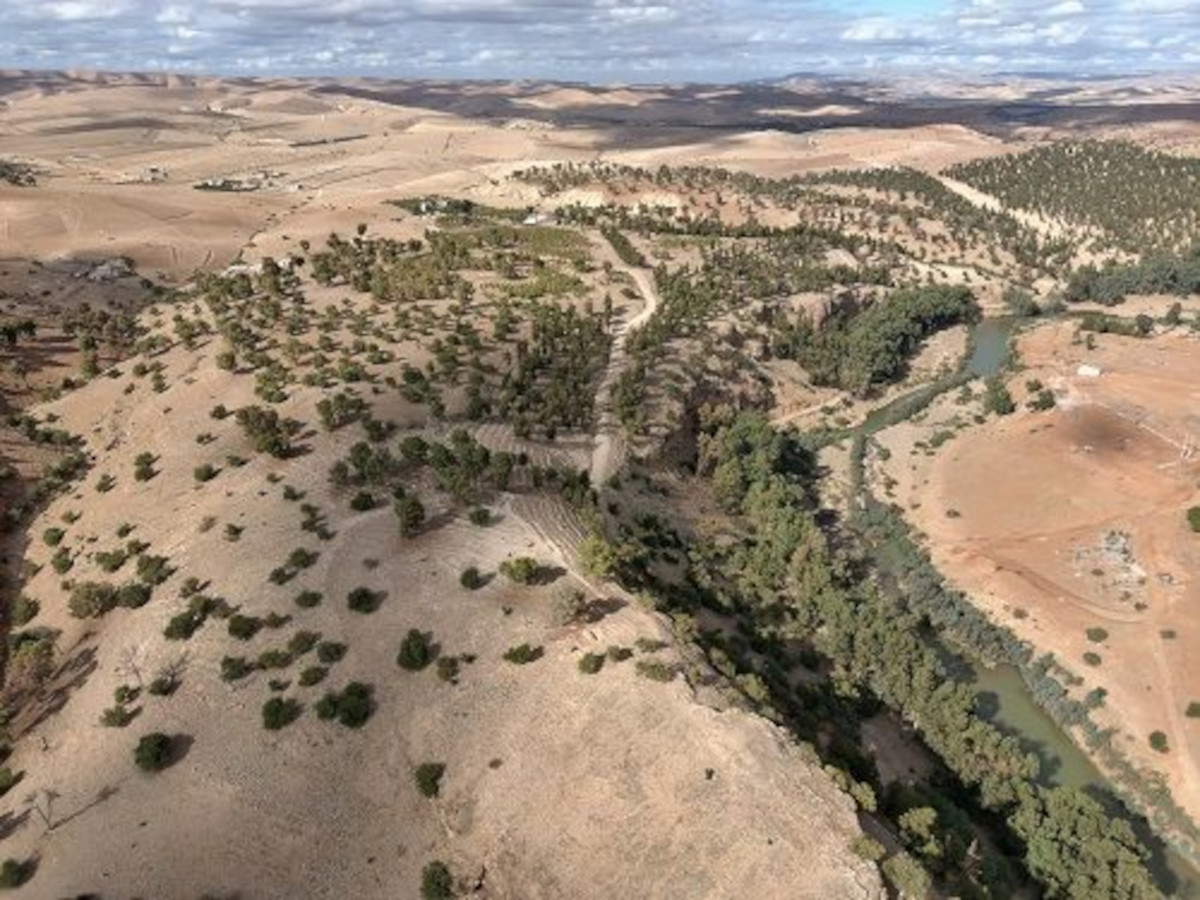
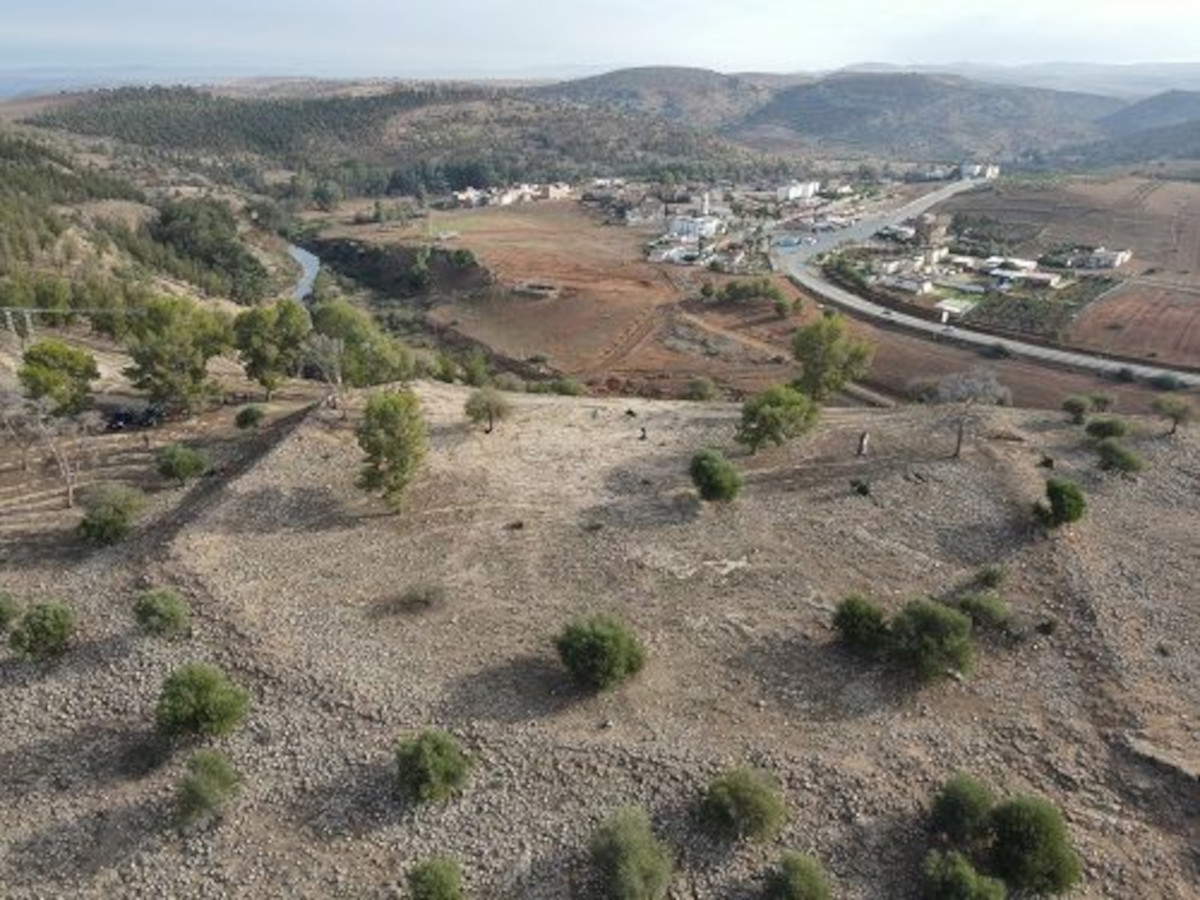
“The Oued Beht site has attracted the attention of the international scientific community since 2021, when a settlement spanning approximately ten hectares was uncovered on a ridge overlooking the stream of the same name in the province of Khémisset, dating from between the mid-4th and early 3rd millennia BCE, where a thriving community of farmers lived and maintained ties as far as the Iberian Peninsula,” explained Giulio Lucarini of the CNR Institute of Cultural Heritage Sciences and ISMEO.
“The date of construction and the function of the defensive structures that delimit a large quadrangular area in the southern sector of the site still needed to be determined. Beneath the visible masonry, a wide moat and an earthen embankment were identified, constructed between the beginning and the middle of the 2nd millennium B.C., approximately 3,500–4,000 years ago. This is the oldest defensive structure identified to date in North Africa outside the Nile Valley: the system blocked the southern end of the settlement, taking advantage of the natural conformation of the ridge and making it easier to defend. “Seventeen new radiocarbon dates have allowed us to reconstruct the sequence of construction and define its chronology with greater precision,” added the project’s co-director and lead author of the study. “The communities of the 2nd millennium BCE in the northwestern Maghreb were thus capable of conceiving and carrying out large-scale projects on a scale not previously documented.”
“During the same period, even across the Mediterranean, in the southern Iberian Peninsula, the El Argar communities organized themselves into fortified settlements, developed metallurgical activities, and were moving toward increasingly complex forms of social organization,” concluded Lucarini. “The imposing medieval stone wall overlooking the embankment and the discovery of a cemetery from the same period document continued occupation of the site, shedding new light on the history of rural communities in the medieval Maghreb.”
|
| Morocco: North Africa’s Oldest Defensive System Discovered in Oued Beht |

Warning: the translation into English of the original Italian article was created using automatic tools. We undertake to review all articles, but we do not guarantee the total absence of inaccuracies in the translation due to the program. You can find the original by clicking on the ITA button. If you find any mistake,please contact us.





























 IT
IT FR
FR DE
DE ES
ES CN
CN


