



by Redazione 29/10/2026


Categories: Archaeology / Disclaimer
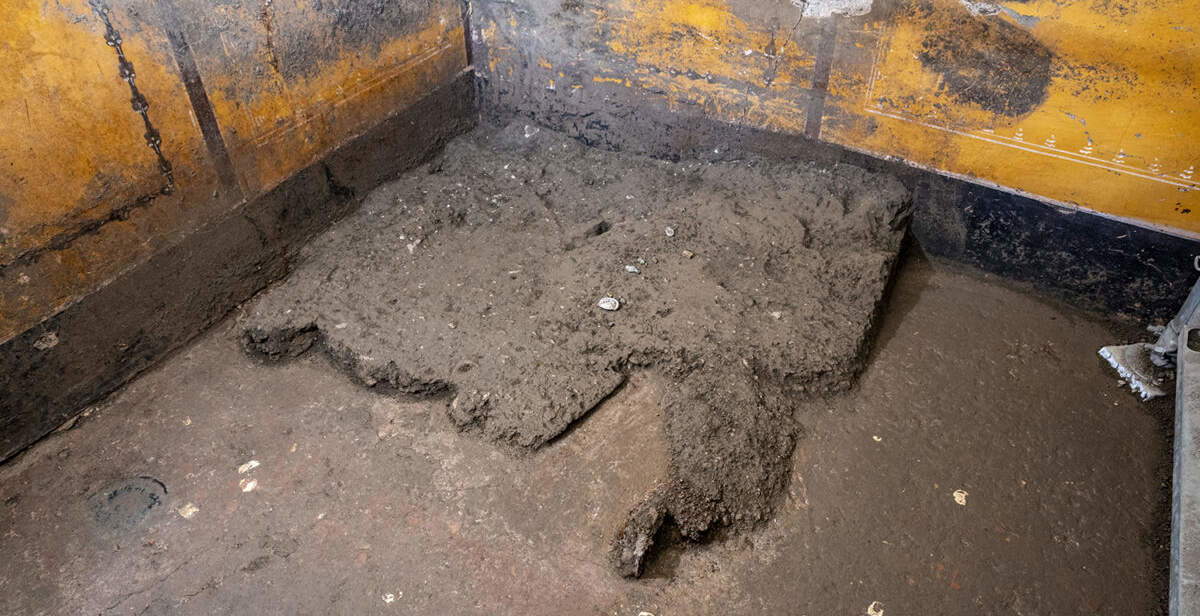
In Pompeii, along Via dell’Abbondanza, archaeologists have reconstructed the contents of a cabinet that had remained sealed since the eruption of 79 A.D.: 38 bronze coins, a necklace of amulets, personal items, and household utensils that offer glimpses into daily life in the ancient city.

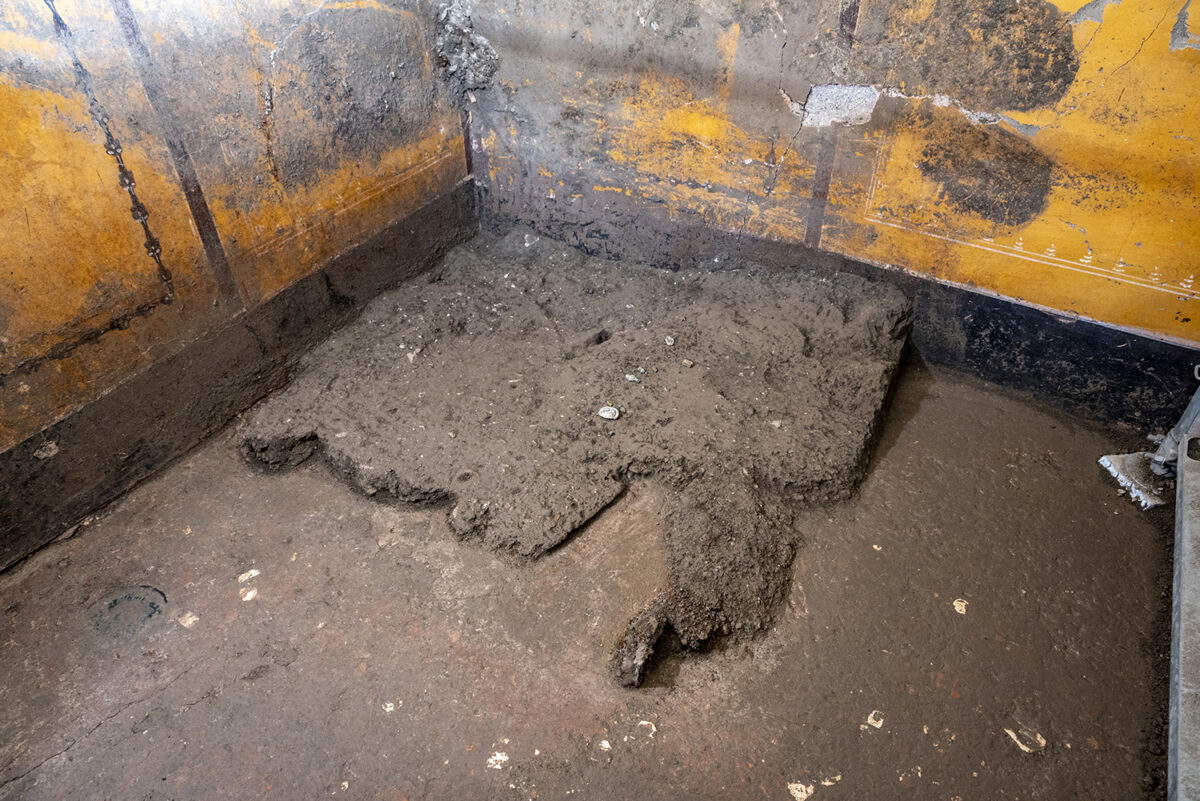
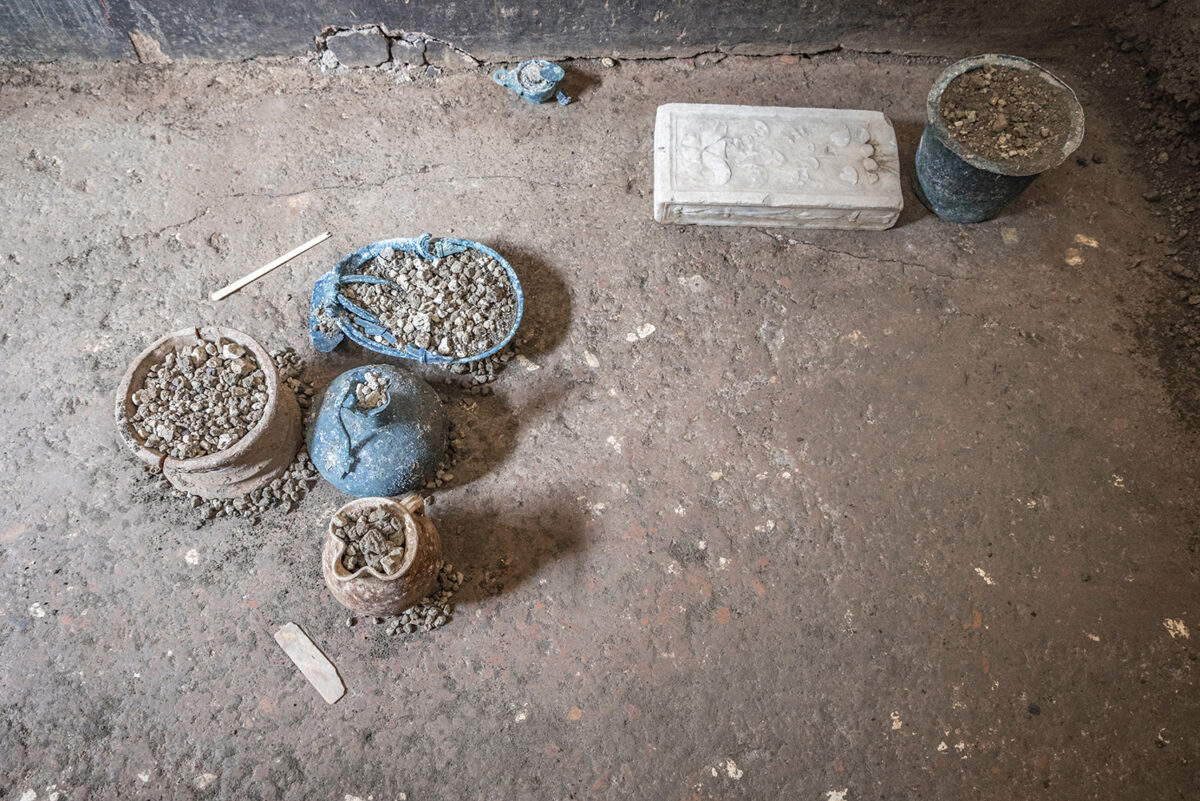
A cabinet that had remained sealed for nearly two thousand years, containing personal items, household utensils, a necklace of amulets, and a small hoard of coins. This is the discovery made by archaeologists in Pompeii, in House IX 11, 7—tentatively attributed to Cornelius Maximus—along Via dell’Abbondanza, one of the ancient city’s main thoroughfares. The cabinet, reconstructed based on excavation data, offers glimpses into the daily lives of those who inhabited the house before the eruption of Vesuvius in 79 A.D., leaving open the question of what became of its owners.


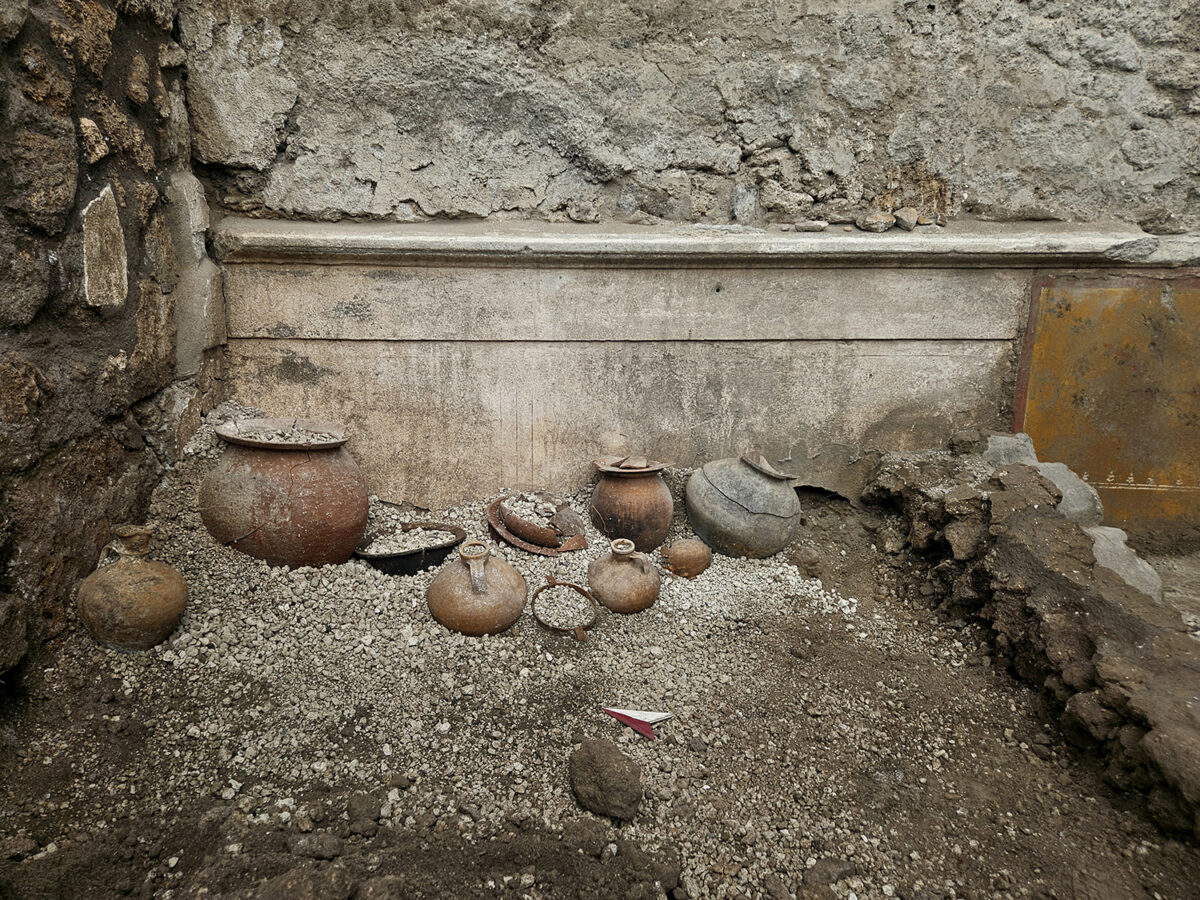
The objects discovered shed light on personal habits and possible commercial activities. Among the finds are personal care items, such as a pair of tweezers and a paste mixer, a glass balsamarium, an incense burner, and a bronze oil lamp. Alongside these objects, lead weights were recovered, likely used for commercial purposes and stored in a small wooden box, of which only traces remain.
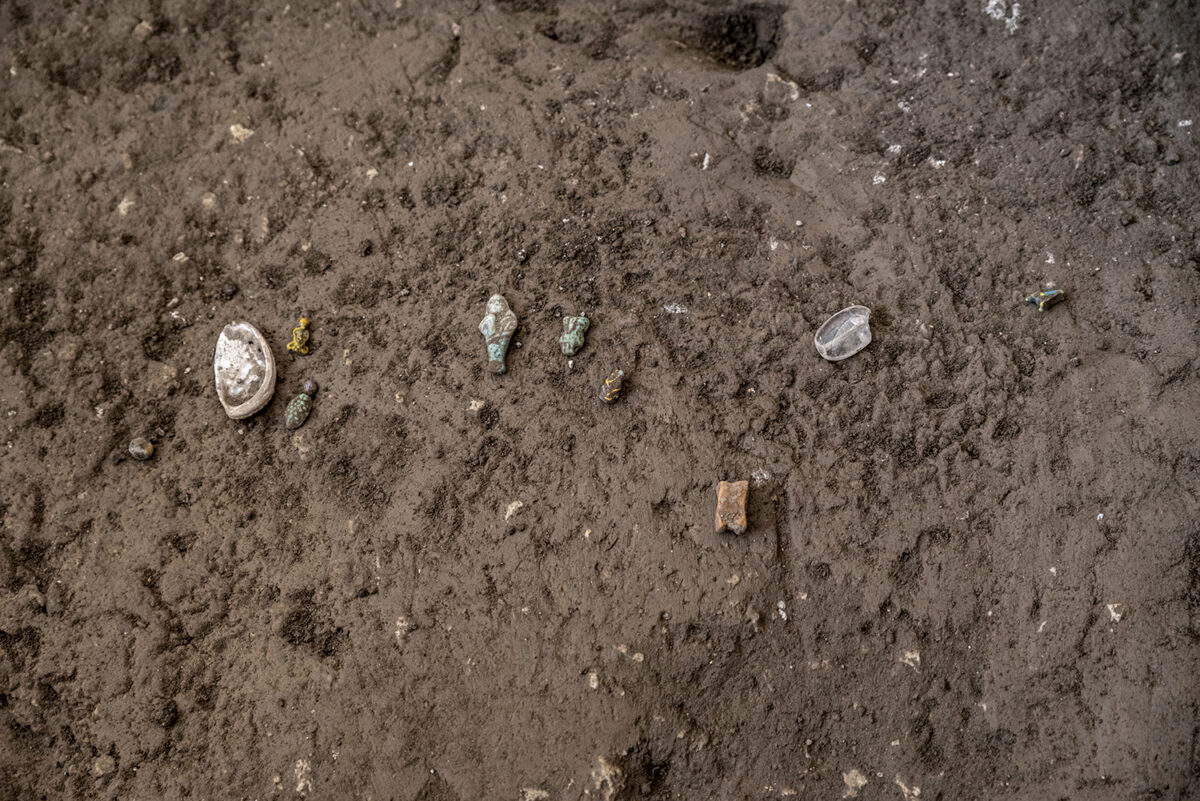
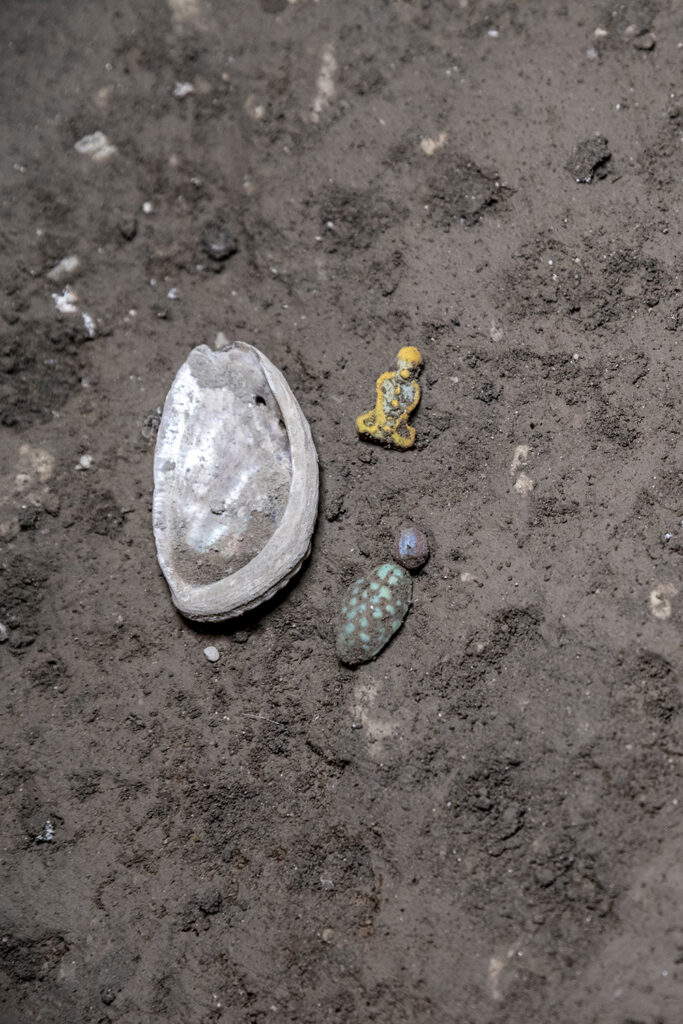
The cabinet also contained vases and pots made of bronze, glass, and ceramic—everyday items that may also have held sentimental value. Among these, a refined small cup decorated with pine cone scales stands out. Particularly significant is the discovery of a necklace composed of at least twenty-four miniature elements made of faience ( majolica), bone, glass paste, and rock crystal. The objects, all featuring a hole for hanging, depict deities—including Bes and Mercury—as well as feet, hands, pinecones, and grape clusters.



These items belong to the category of so-called crepundia, a Latin term that literally means “rattles.” In the past, they were sometimes interpreted as magical tools used for spells and potions, but they were actually necklaces of amulets given to children to protect them and allow adults to hear their movements. Even in adulthood, they might have been kept as mementos of childhood, stored in small containers or, as seems to have been the case here, in cloth pouches inside wardrobes. The presence of these objects offers insight into Roman society, which was characterized by high levels of geographical mobility at all levels, from slaves to wealthy merchants. It was not uncommon for people to live far from their parents, relatives, and the places where they had grown up, keeping only a few objects connected to their childhood.
“Pompeii is not just a place of great works of art: it is also a place where the most ordinary objects reveal the human dimension of the past,” says Gabriel Zuchtriegel, director of the Archaeological Park. “The value of this discovery lies in the ability to piece together the various traces of a life: personal habits, work, and memories. We cannot reconstruct with certainty the identity of the person who lived in the house, but these fragments bring us closer to their daily life.”
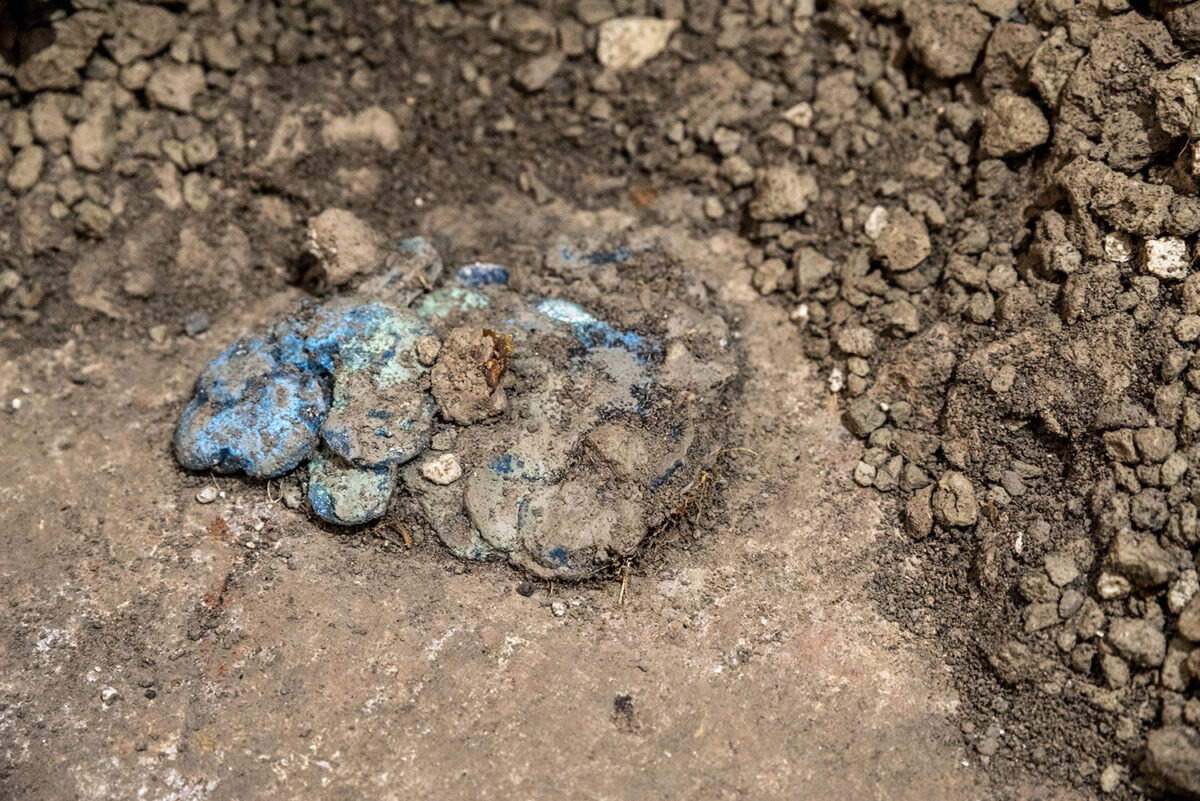
Another point of interest is a group of 38 coins, all made of bronze, found inside a small basket woven from plant material. The remains of the structure were analyzed during the archaeological investigations. The presence of the coins, along with the other objects left in the cupboard, suggests that the owners did not have time to retrieve their belongings, regardless of their economic or sentimental value.
It is impossible to determine what happened to the inhabitants of the house. If they were in Pompeii during the eruption, they may have attempted to flee and, if they survived, may never have returned to retrieve their belongings. Other residents, however, returned to the area after the disaster to dig for objects and materials, as evidenced by traces identified during recent archaeological campaigns. There is also the possibility that the owners died during the eruption and that their possessions were among those of people who left no heirs. In fact, the historian Tacitus mentions people who died without heirs, whose possessions were reportedly intended for the rebuilding of Pompeii—a project that was never carried out. These are questions to which this discovery cannot provide a definitive answer.
The investigations have also allowed for a deeper understanding of the residence. The facade of the house, cautiously attributed to Cornelius Maximus based on inscriptions that are no longer visible, had already been excavated in 1912. Only recently have some of the rooms behind it been investigated, as part of the restoration and accessibility project for the adjacent Insula dei Casti Amanti.
Although our understanding of the building remains incomplete, the Fourth-Style wall paintings found in the room where the cabinet was located attest to a certain level of wealth. The decorations can be attributed to the workshop on Via di Castricio and are consistent with the house’s central location, facing one of Pompeii’s main streets. At the time of the eruption, however, various construction projects were underway in the house, which were likely to have affected the livability of the rooms. Adding to this picture is the discovery of at least two rodent skeletons inside an amphora placed on a loft.
Analyses conducted in the Archaeological Park’s laboratory have identified the specimens, in all likelihood, as belonging to the genus Apodemus sylvaticus, commonly known as the wood mouse. These rodents normally live in natural habitats and gardens, but they can enter human dwellings—especially attics and storage areas—in search of food. The two individuals found in Pompeii had not yet reached full maturity, as indicated by the development of their skeletons, which were reconstructed from 117 tiny fragments.
This discovery adds to evidence of rodent presence in other Vesuvian contexts, such as the servants’ quarters of the suburban villa at Civita Giuliana and the sewers of Herculaneum. These findings also help reconstruct concrete aspects of ancient urban life, including the challenges of coexisting with unwanted animals.
 |
| Pompeii: A Woman’s Wardrobe, Lost in the Eruption of 79 A.D., Resurfaces—Here’s What It Contained |
Warning: the translation into English of the original Italian article was created using automatic tools. We undertake to review all articles, but we do not guarantee the total absence of inaccuracies in the translation due to the program. You can find the original by clicking on the ITA button. If you find any mistake,please contact us.