



by Redazione 21/10/2026


Categories: Archaeology / Disclaimer
In Pompeii, restoration work is underway on the imposing house of Marcus Fabius Rufus, one of the most sumptuous residences in the ancient city, modeled after the imperial palaces of Rome. The 1,462,000-euro project is being funded entirely by a German businessman.


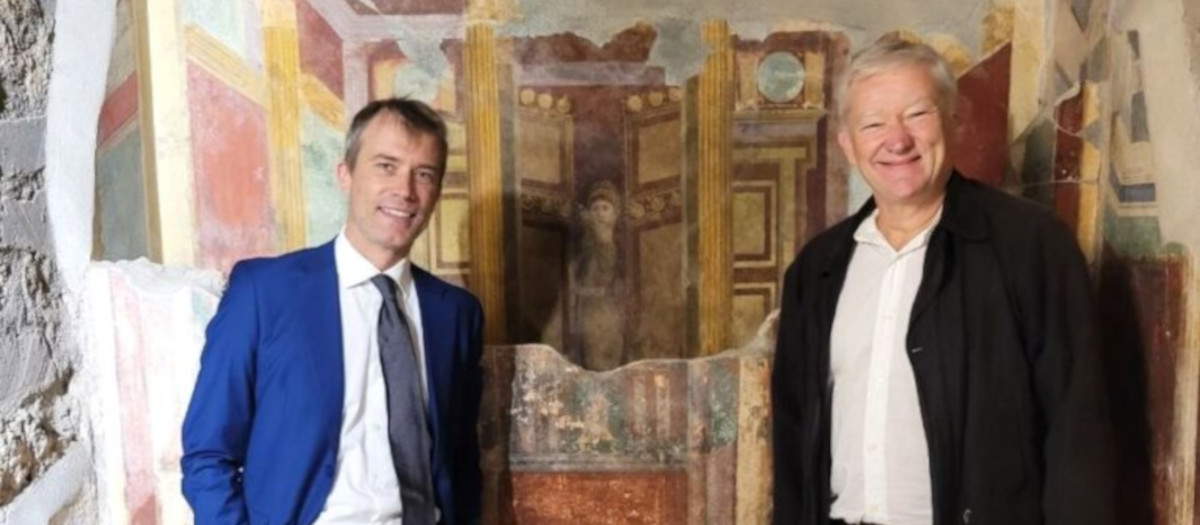
The House of Marco Fabio Rufo, one of the most imposing and prestigious residences in ancient Pompeii, is the focus of a major restoration project valued at 1,462,000 euros, entirely funded by the private company PompeiAR. Overlooking the Gulf of Naples and built on the ancient city walls, the residence stands out for its monumental architecture—directly inspired by the imperial palaces of Rome—and for its façade, characterized by large windows with wooden frames and likely glass panes as well. The sponsorship agreement was officially signed recently by Gabriel Zuchtriegel, director of the Archaeological Park of Pompeii, and Frank Hoefer, owner of the sponsoring company. An entrepreneur originally from southern Germany, Hoefer decided to contact the Park after reading *Pompeii: The Enchanted City*, the book published in 2023 by Director Zuchtriegel.

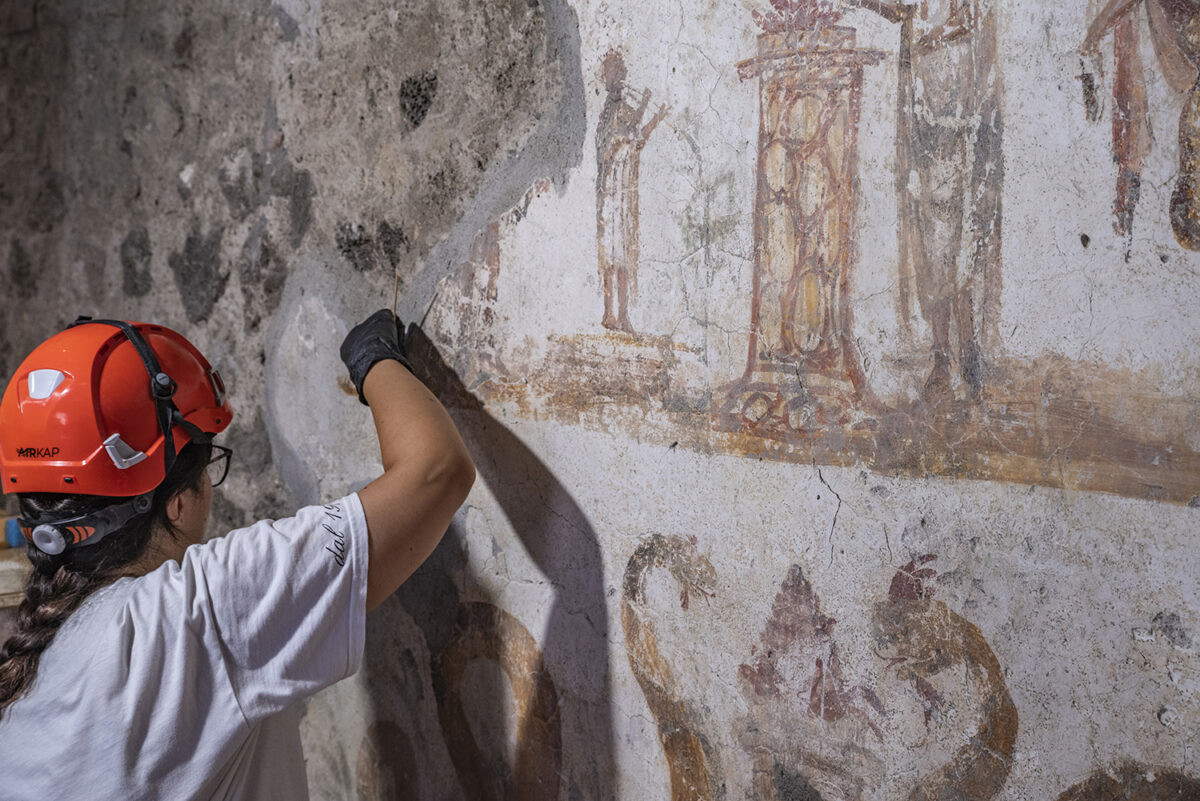
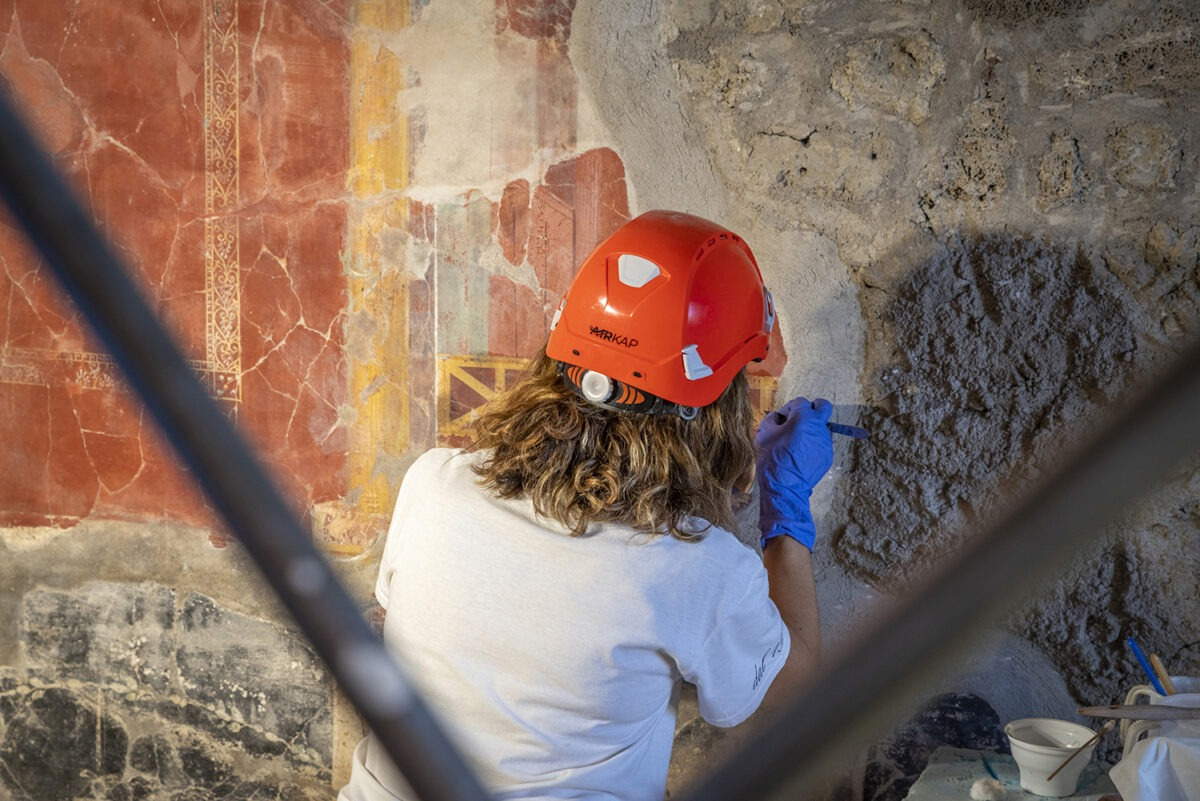
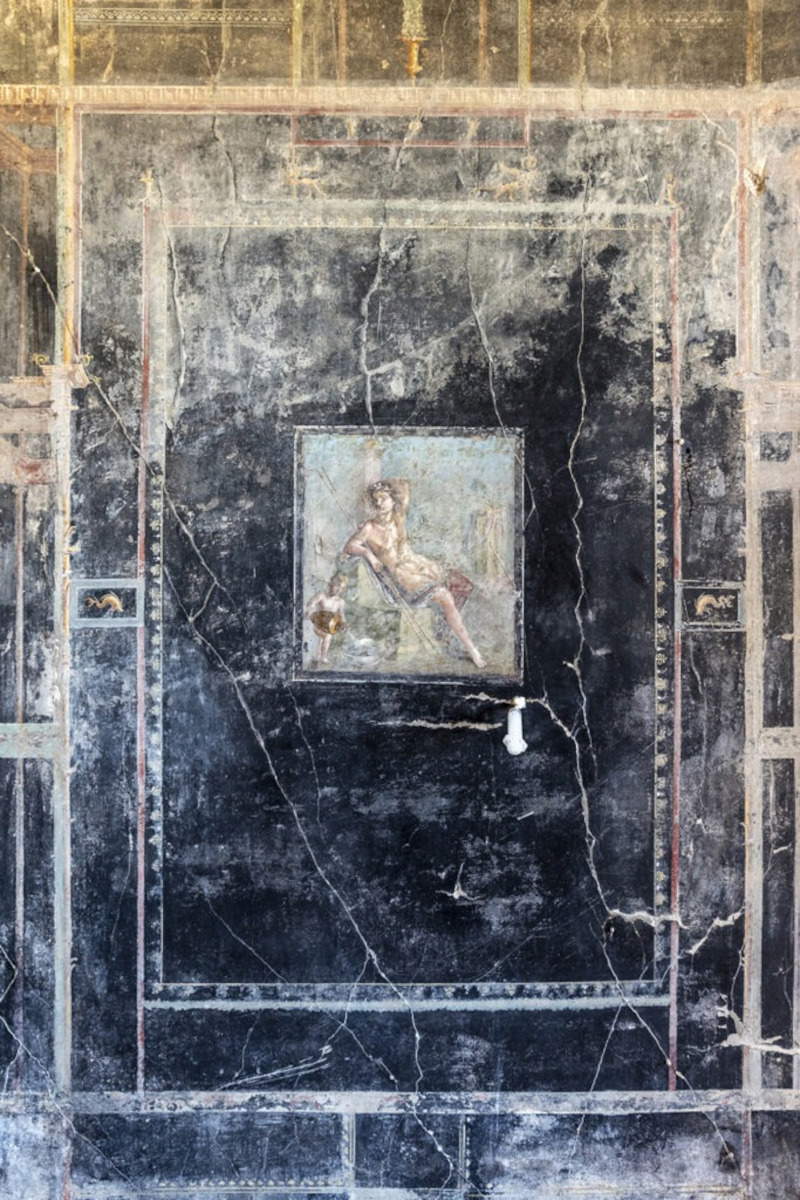
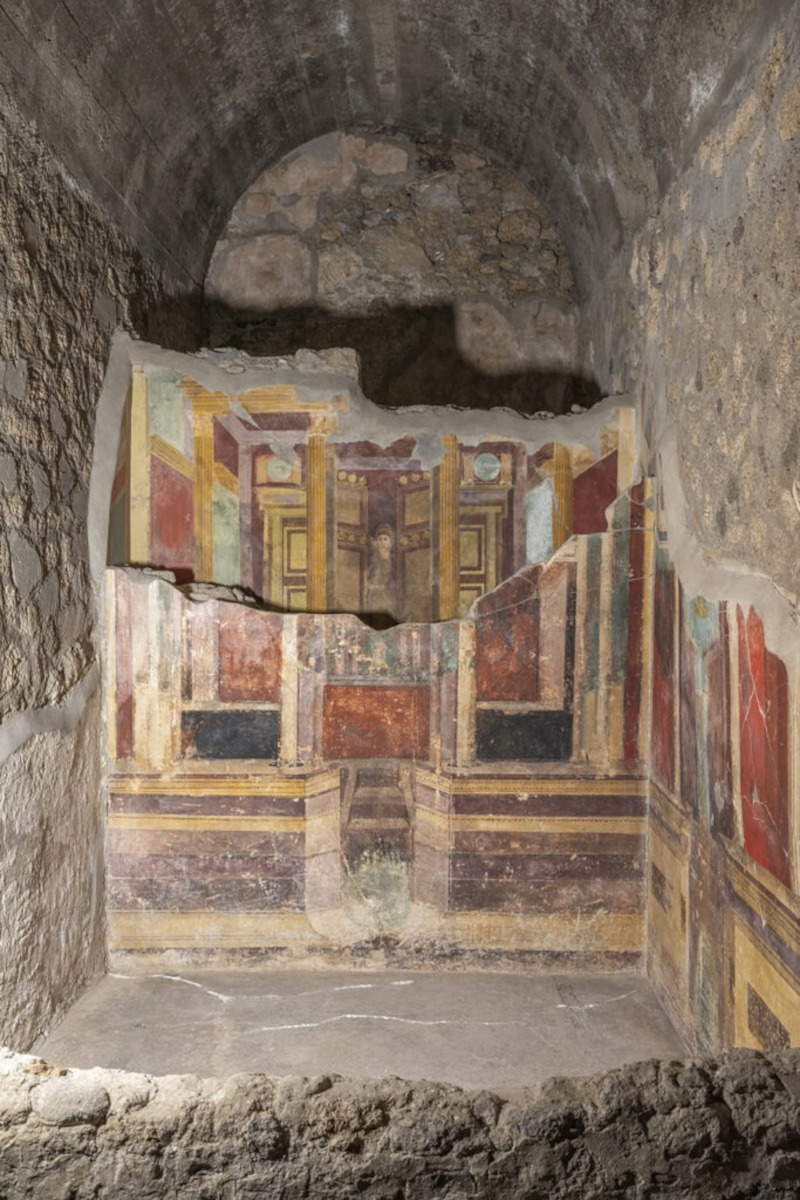
The project currently underway is dedicated to the restoration of the frescoes, among which the Venus of Pompeii stands out; it is located within a space used for ritual purposes, a sort of chapel. The work represents a new phase in the process of enhancing the site, following the structural interventions, safety measures, and excavation activities carried out by the Archaeological Park between 2021 and 2023.


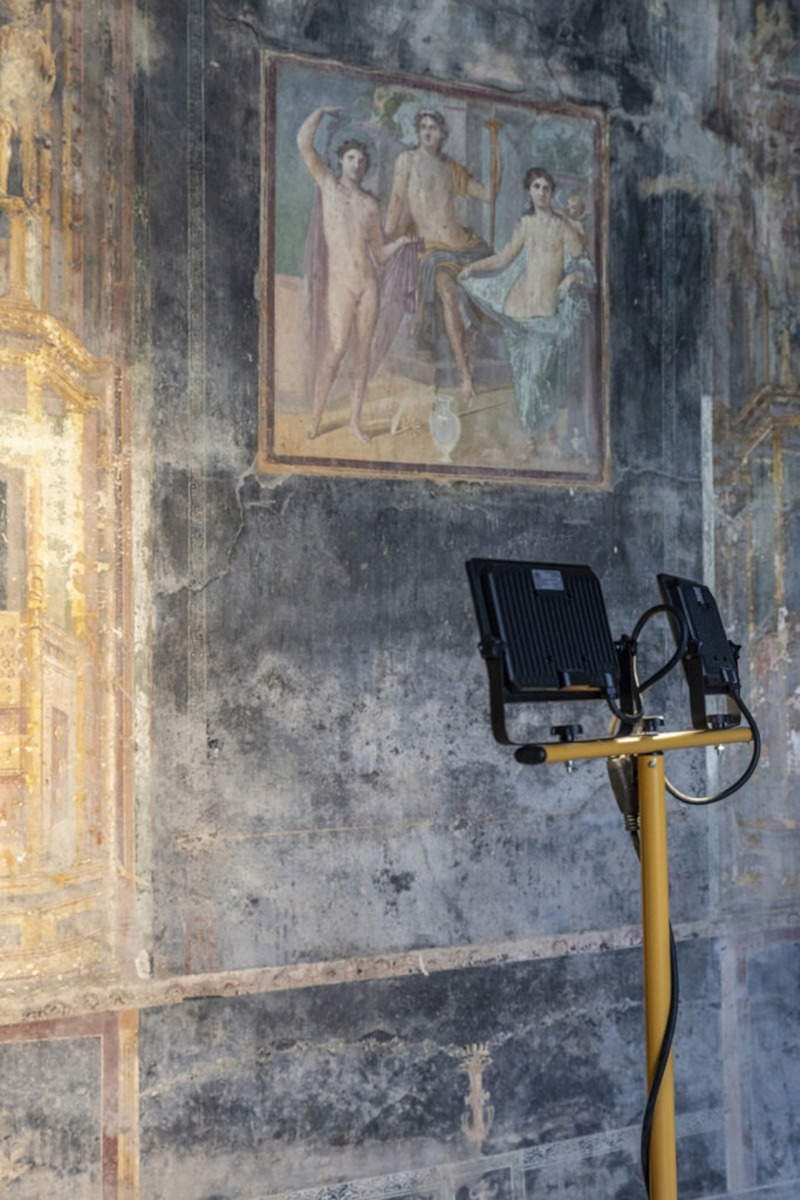
The House of Marcus Fabius Rufus, along with the adjacent “House of Castricio” and “House of the Golden Bracelet,” is built on the cliff face of the ancient fortification of Pompeii and features up to four stories, connected by a labyrinth of corridors, stairs, and passageways—both ceremonial and service-oriented. The size and opulence of the residence attest to the extraordinary wealth of its owner, whose identity remains uncertain: he may have been a local magistrate or a freedman connected to the imperial household. In any case, the resources at his disposal made it possible to build a true urban villa which, based on current knowledge, is unmatched in grandeur and prestige among Pompeian residences.
The complex of three houses also preserves a dramatic record of the eruption of Vesuvius in 79 A.D. During the excavations, several bodies of victims were discovered, some of which still lie in the very spots where they lost their lives.
Three people were found on the stairs of the House of Marcus Fabius Rufus, while three others were unearthed in 1961 during excavations at the nearby House of Castricio. In 1974, the victims of the House of the Golden Bracelet were discovered.
The restoration work was awarded, through a competitive bidding process, to the company Artigiana Romana Impianti OE. For the Archaeological Park of Pompeii, supervision is entrusted to Dr. Elena Gravina, in her capacity as Sole Project Manager (RUP), and to Dr. Teresa Argento, in her capacity as Construction Manager (DL).
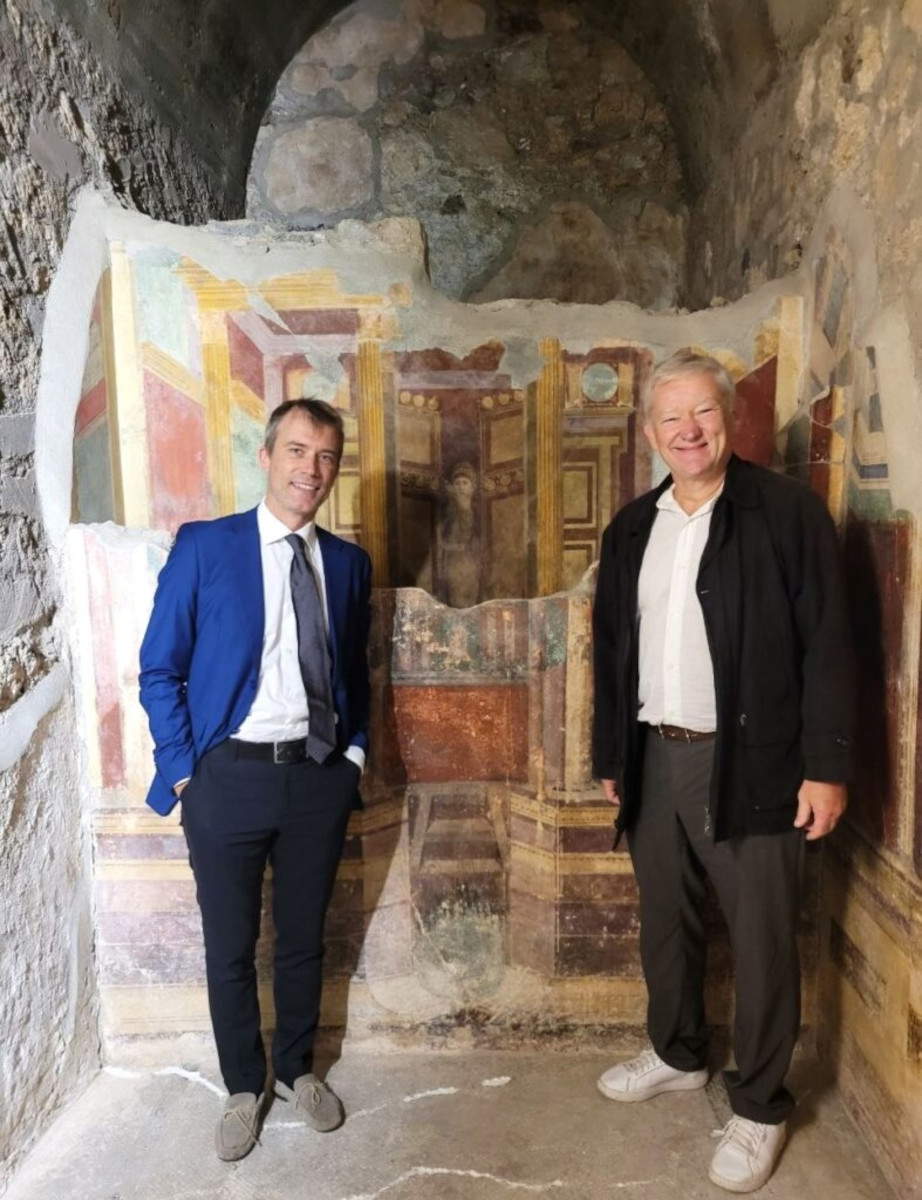
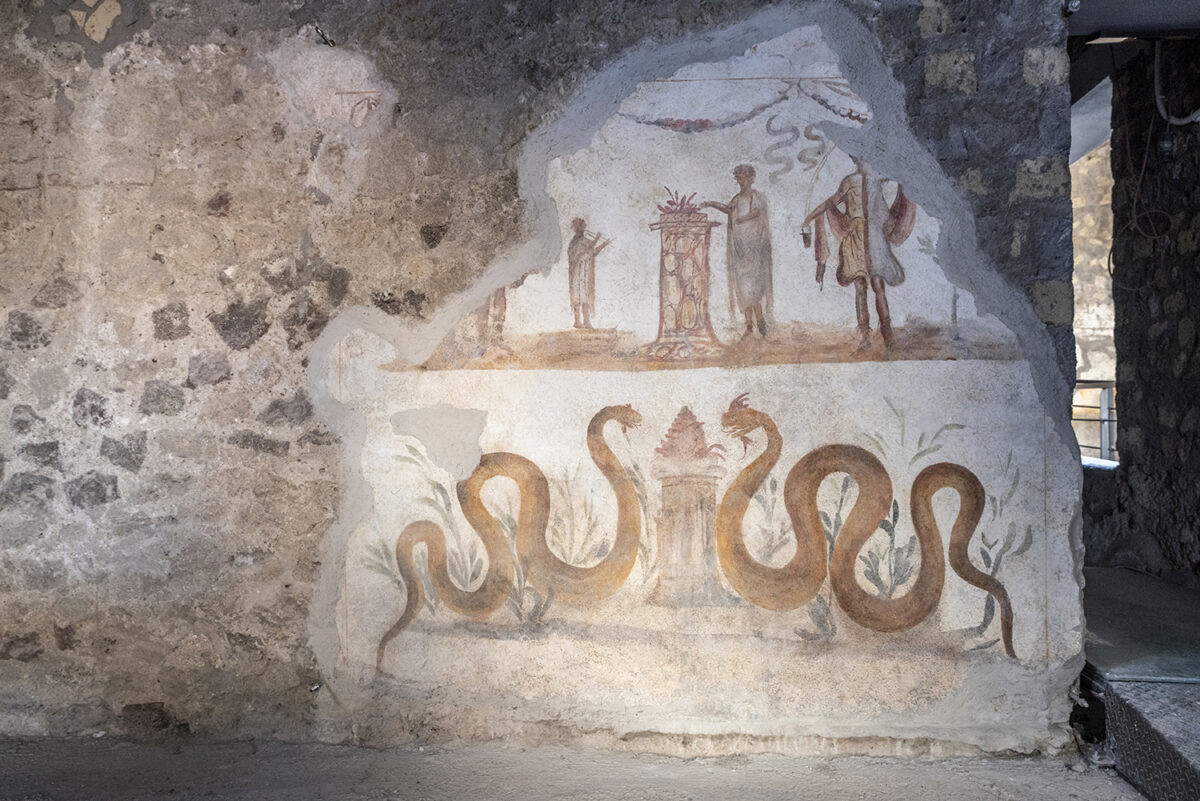
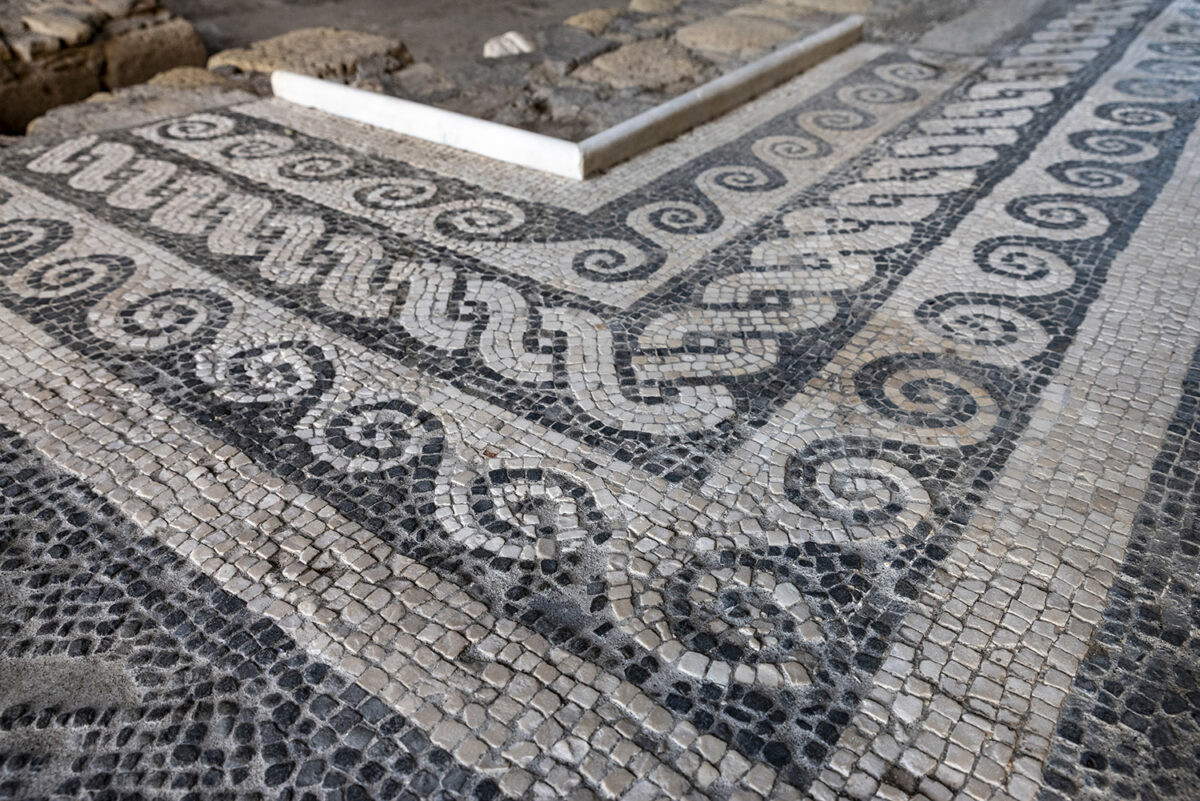
“I visited Pompeii for the first time in 1974, at the age of 16, and immediately sensed the charm of the ancient city, which depicts a model of social life that, in some respects, is very close to our own and, in others, very distant,” says entrepreneur Frank Hoefer. “Those who visit the houses with a keen eye are rewarded with countless details drawn from daily life, art, and ancient craftsmanship. Restoring the spectacular residence of Marcus Fabius Rufus—which has been inaccessible since 1980—and making it accessible to the public is a project I find truly exciting. This is also because I get the impression that Pompeii is very open to innovative models of preservation and public access. But to implement the Park’s projects, we need more supporters, and I’d like to help find them.”
“We are now working on a project to enhance the complex,” stated Gabriel Zuchtriegel, director of the Pompeii Archaeological Park. “We’re also leveraging digital technology to help people understand the complexity of this incredible labyrinth, which is the House of Marcus Fabius Rufus: at times, it feels like you’re in a 19th-century palace in Naples, yet it’s actually a Roman house from 2,000 years ago. By Christmas, we plan to proceed with an initial partial opening, with guided group tours. Frank Hoefer’s enthusiasm and support are a wonderful testament to the value of Pompeii, especially since we’d like to replicate this model in other houses, which are just as fascinating and in need of restoration and enhancement.”
 |
| Pompeii: German Entrepreneur Reads Zuchtriegel’s Book and Becomes a Patron: 1.46 Million for the House of Marcus Fabius Rufus |
Warning: the translation into English of the original Italian article was created using automatic tools. We undertake to review all articles, but we do not guarantee the total absence of inaccuracies in the translation due to the program. You can find the original by clicking on the ITA button. If you find any mistake,please contact us.