





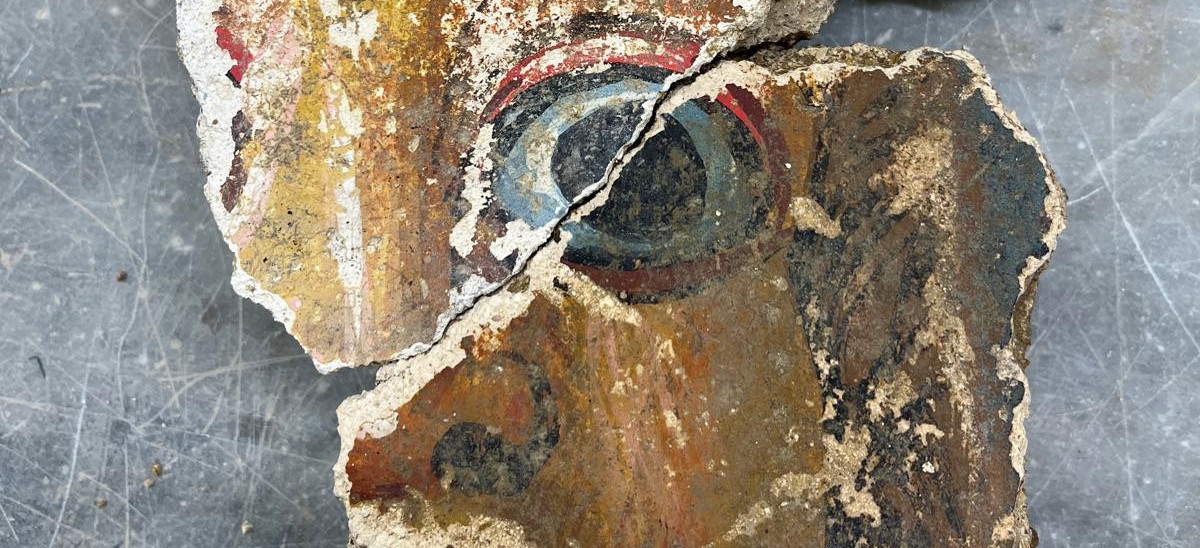
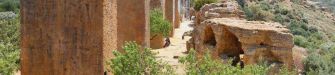
New traces of Roman Agrigento are emerging from the Valley of the Temples. During excavations conducted by the Scuola Normale Superiore of Pisa within the Archaeological and Landscape Park of the Valley of the Temples in Agrigento, remains of frescoes, architectural elements, and stucco dating to the 1st century B.C. were discovered, evidence of a building constructed when Sicily was already fully integrated into Rome’s sphere of influence. The artifacts come from what remains of an ancient building located just south ofthe ekklesiasterion, the auditorium used for assemblies of the free citizens of ancient Akragas. The decorative elements may have belonged to the peristyle of a domus or to a monumental portico built during the Roman period.
The discovery adds a new piece to the puzzle of archaeological research that has focused on the Valley of the Temples over the past year through various excavation campaigns conducted by Italian and foreign universities under the auspices of the Archaeological Park, directed by Roberto Sciarratta.
The Scuola Normale Superiore has been conducting research in Agrigento since 2020. The campaign that has just concluded marks the third student-led excavation dedicated to the buildings on the Poggio di San Nicola, under the supervision of Professor Gianfranco Adornato. The new investigations allow for a deeper understanding of the findings from previous campaigns and further clarify the chronology, characteristics, and function of the monumental complex. In particular, the remains of decorative elements help reconstruct the appearance and purpose of the buildings that were erected in this area during the ancient city’s period of transformation.
The campaign, which began on September 7, concluded on October 9 and was part of a seasonal school organized within the framework of EELISA, the European network of universities of which the Normale is also a member. The project involved students, doctoral candidates, and young researchers from Italian and international universities. Participating universities include UPM in Madrid, ITU in Istanbul, PSL in Paris, FAU in Erlangen, and BME in Budapest. The research brought together expertise from various disciplines, ranging from archaeology to data science, as well as patristics and the study of literary sources. This interdisciplinary approach allows for the combination of fieldwork with scientific and documentary analysis of the materials and the historical context. In addition to excavation activities, the program also included seminars and the intensive course “Ceramics in Archaeology. Theoretical and Practical Approaches to the Study of Ancient Material Culture,” organized as part of the “MERITA, the Network for Talent” project.
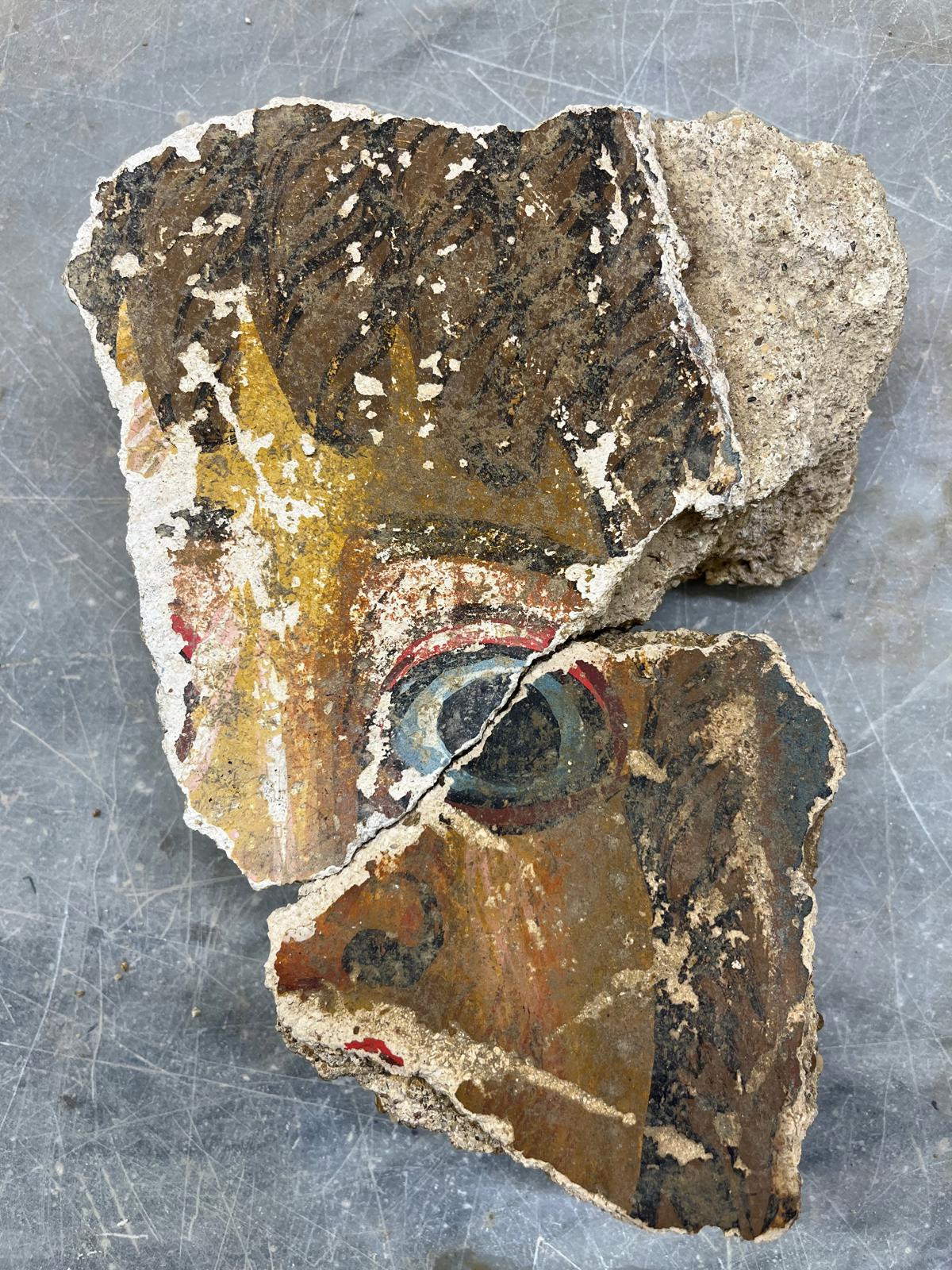
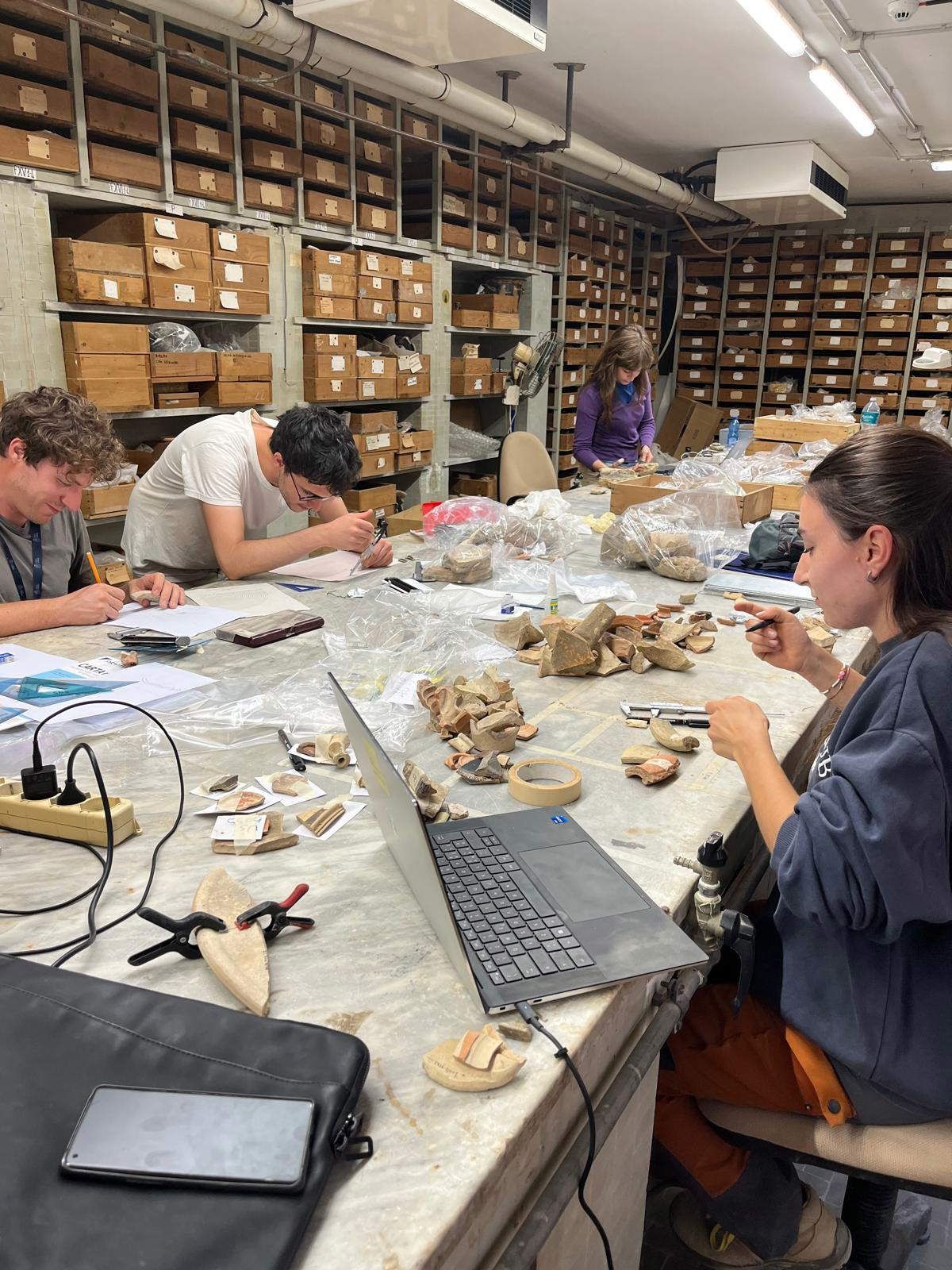
“The resumption of work and the latest excavations have made it possible to identify with greater precision an area of the structure that was most likely a large peristyle, due to the presence of columns and a portico,” the Scuola Normale Superiore stated in a press release. “We have uncovered numerous fragments of polychrome plasterwork that can be classified as belonging to the second and third styles of Roman wall painting. Further study will determine whether the building was used for private purposes—as an imposing domus—or perhaps for public purposes, such as a porticoed terrace connected to the Roman temple, given the discontinuation of the public functions of the adjacent ekklesiasterion. Furthermore, this area was occupied for a long time, as we were able to ascertain by examining the remains of an apse from a small early Christian basilica, previously interpreted in the literature as an exedra.”
“The Poggio di San Nicola is a strategic area in the heart of the ancient city, characterized by the presence of civic and assembly buildings, such as the ekklesiasterion, the bouleuterion, and the theater. It is a key site for understanding not only the urban development of this sector of the ancient city but, above all, the transformations of its institutions during the transition under Roman influence,” the institution added.
 |
| Roman Agrigento Resurfaces from the Valley of the Temples: Frescoes, Stucco Work, and Remains from the 1st Century B.C. Discovered |

Warning: the translation into English of the original Italian article was created using automatic tools. We undertake to review all articles, but we do not guarantee the total absence of inaccuracies in the translation due to the program. You can find the original by clicking on the ITA button. If you find any mistake,please contact us.

























 IT
IT FR
FR DE
DE ES
ES CN
CN


