



by Redazione 17/11/2026


Categories: Travel / Disclaimer
Noble palaces, medieval castles, neoclassical villas, and historic gardens: the Network of Historic Residences and Parks of the Marche brings together eleven examples of the cultural heritage of the province of Macerata.


From historic city buildings to medieval castles, from neoclassical villas to memorial parks, the Network of Historic Residences and Parks of the Marche, promoted by the Fondazione Marche Cultura, brings together eleven sites in the province of Macerata. This multifaceted heritage spans centuries of history and, through its architecture, residences, and green spaces, reflects the transformations of the region and the stories of the communities that have inhabited it. Spanning Macerata, Recanati, San Ginesio, San Severino Marche, Tolentino, and Treia, these sites tell the story of a cultural landscape shaped by layers of history, artistic expressions, and the interplay between buildings and their surroundings.

To inventory, organize, and make this heritage more accessible, the Region has entrusted the Foundation with a project to survey and promote the historical, architectural, and landscape heritage of the Marche region. Active since 2023 and constantly expanding, the Network now includes 34 sites spread across the five provinces, classified as castles, monumental and architectural-landscape complexes, residences, parks and gardens, and villas.


The initiative collects and organizes information on individual sites, reconstructs their historical histories, and makes this information accessible through texts, photographs, and other in-depth content. It also connects sites, owners, managers, institutions, and local areas, with the goal of promoting awareness of this heritage and, where possible, encouraging visits. In the province of Macerata, the following sites are part of the Network: Palazzo Buonaccorsi, in Macerata; Palazzo Bettini and Villa Koch, in Recanati; Colle Ascarano and the Parco della Rimembranza, in San Ginesio; Palazzo Manuzzini, Castello al Monte, Palazzo Municipale, and Palazzo Servanzi Confidati, in San Severino Marche; Castello della Rancia, in Tolentino; and Villa La Quiete (Villa Spada) and its park, in Treia.


1. Macerata, Palazzo Buonaccorsi
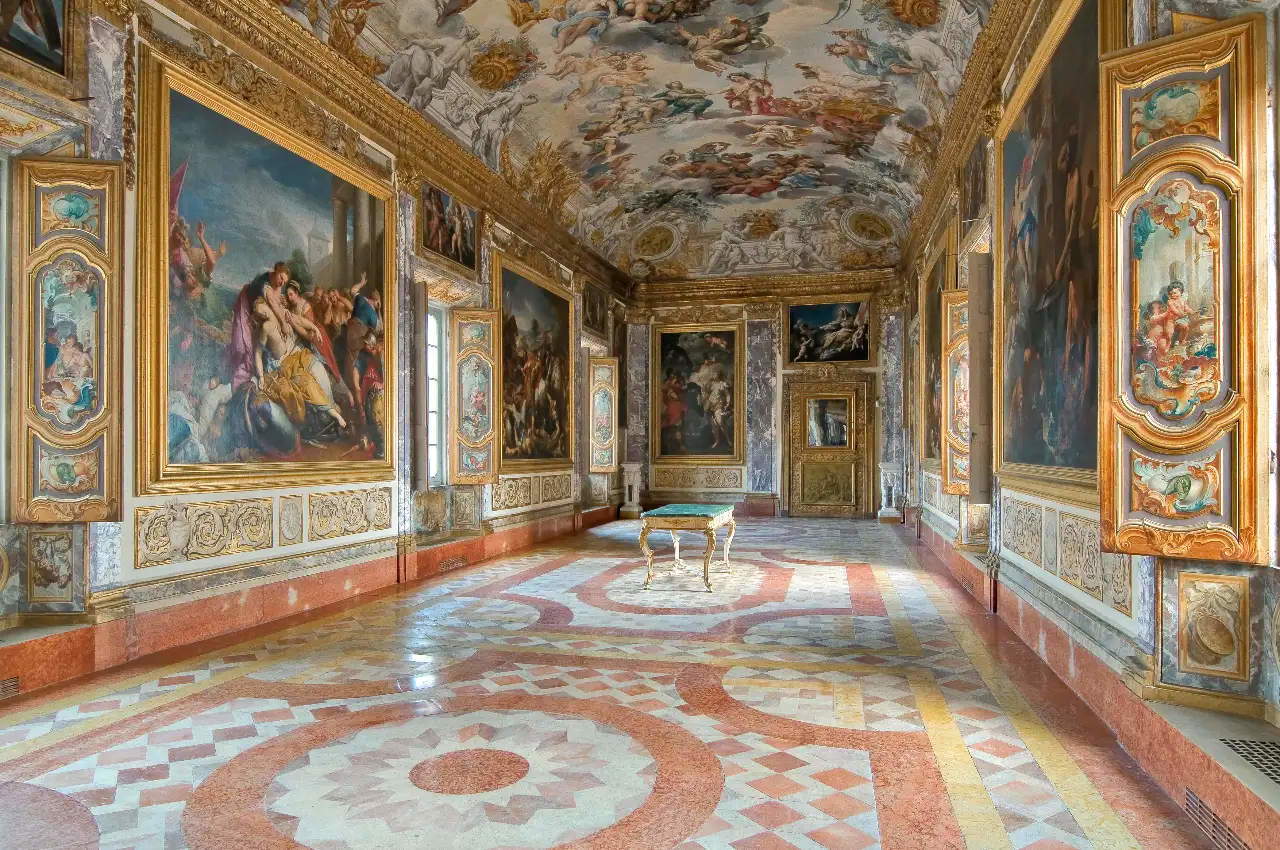
Built between the 17th and 18th centuries, Palazzo Buonaccorsi was created by combining pre-existing buildings—including the Centini and Conventati palaces—into a horseshoe-shaped complex. The transformation into a noble residence was commissioned by the Buonaccorsi family, who entrusted the 18th-century project to the Roman architect Gian Battista Contini, with the aim of creating a stately home inspired by Roman palaces.
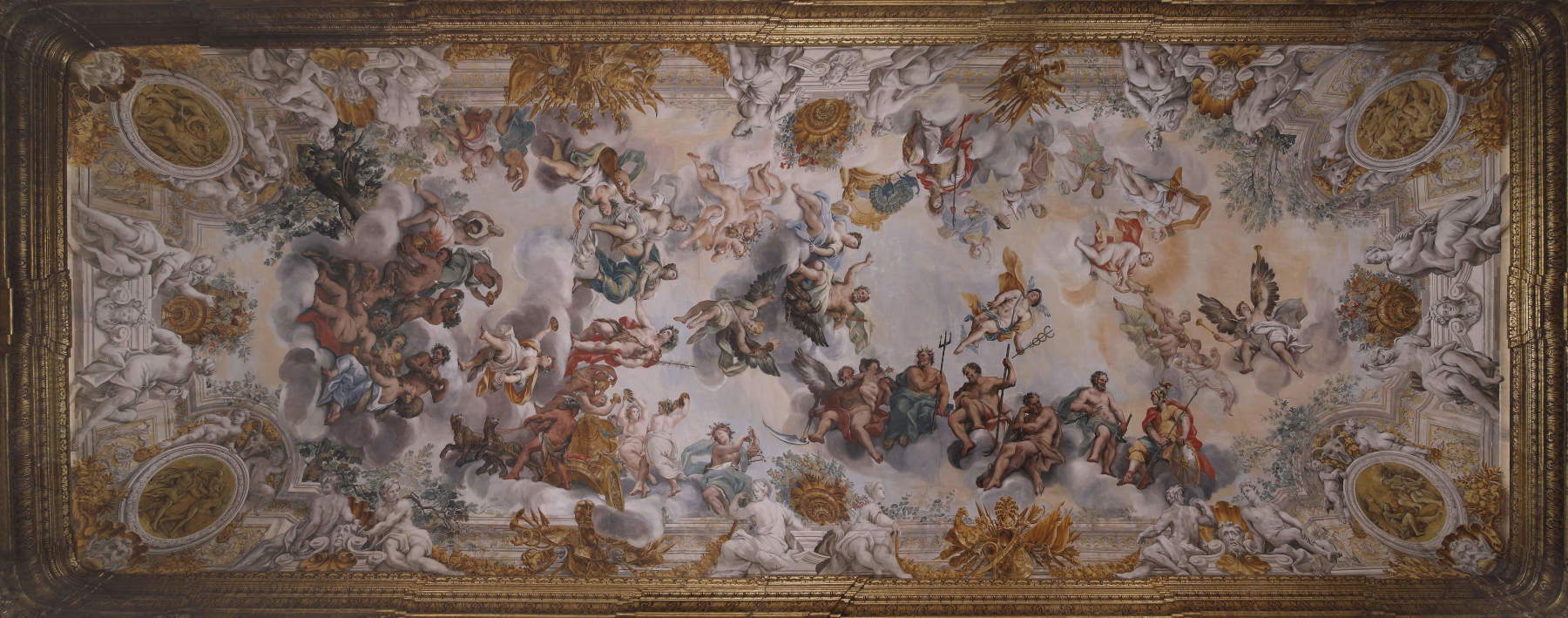
The building is notable for the Gallery of the Aeneid, its decorations, and its art collections, as well as for its multi-level layout, featuring inner courtyards, monumental staircases, and terraces. In the 19th century, further renovations were carried out, in part to bring the palace up to seismic safety standards. After a period marked by ups and downs in its conservation, ownership passed to the Municipality of Macerata in 1967. The restorations carried out after the 1997 earthquake finally made it possible to restore the complex, which today houses the Civic Museums of Macerata.
2. Recanati, Palazzo Bettini
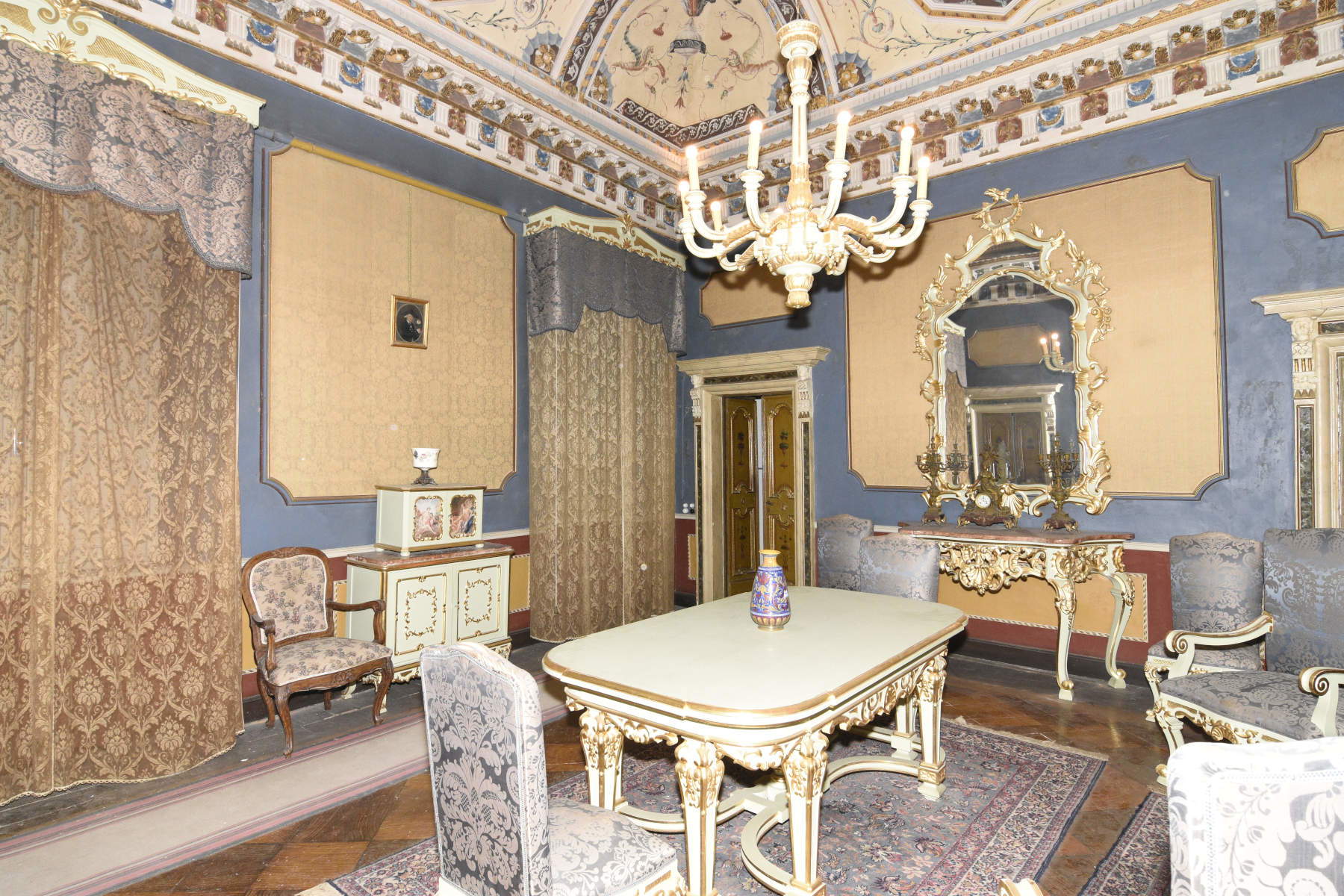
In the historic center of Recanati, along the route of the ancient city walls, Palazzo Bettini is a stately residence built between the 18th and 19th centuries on the site of earlier medieval structures. At the rear, the complex is arranged on multiple levels around an Italian-style garden and a nymphaeum fed by water from Montevolpino, flanked by two small towers with internal staircases and panoramic terraces.
The 18th-century façade on Via Falleroni features terracotta decorations and a monumental portal. Inside, the four-flight staircase, adorned with stucco work and allegorical busts representing the seasons, leads to the rooms on the main floor, characterized by terracotta floors, wooden ceilings, and frescoed vaults. The building thus preserves a significant example of residential architecture and the aristocratic decorative tradition of the Marche region.
3. Recanati, Villa Koch
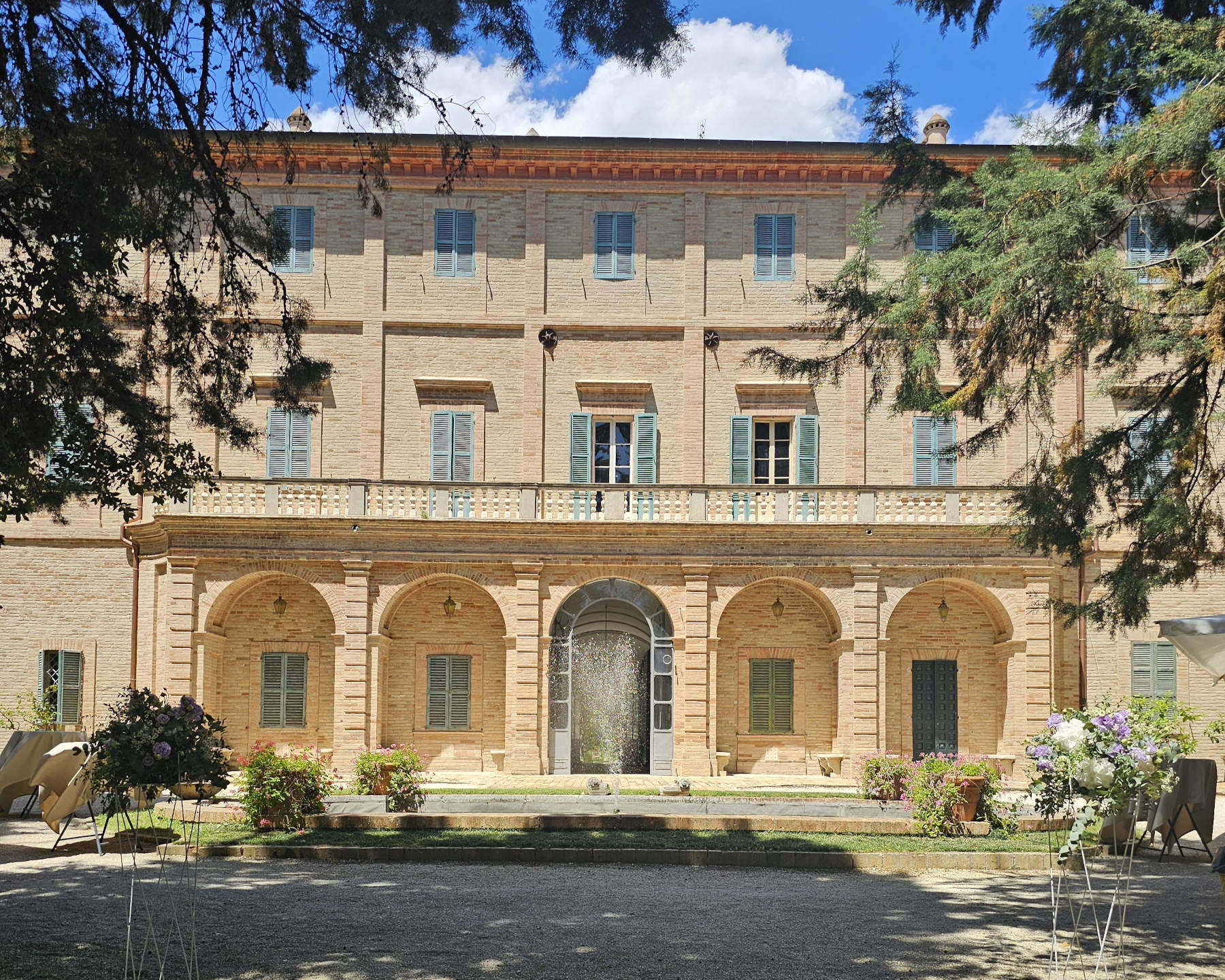
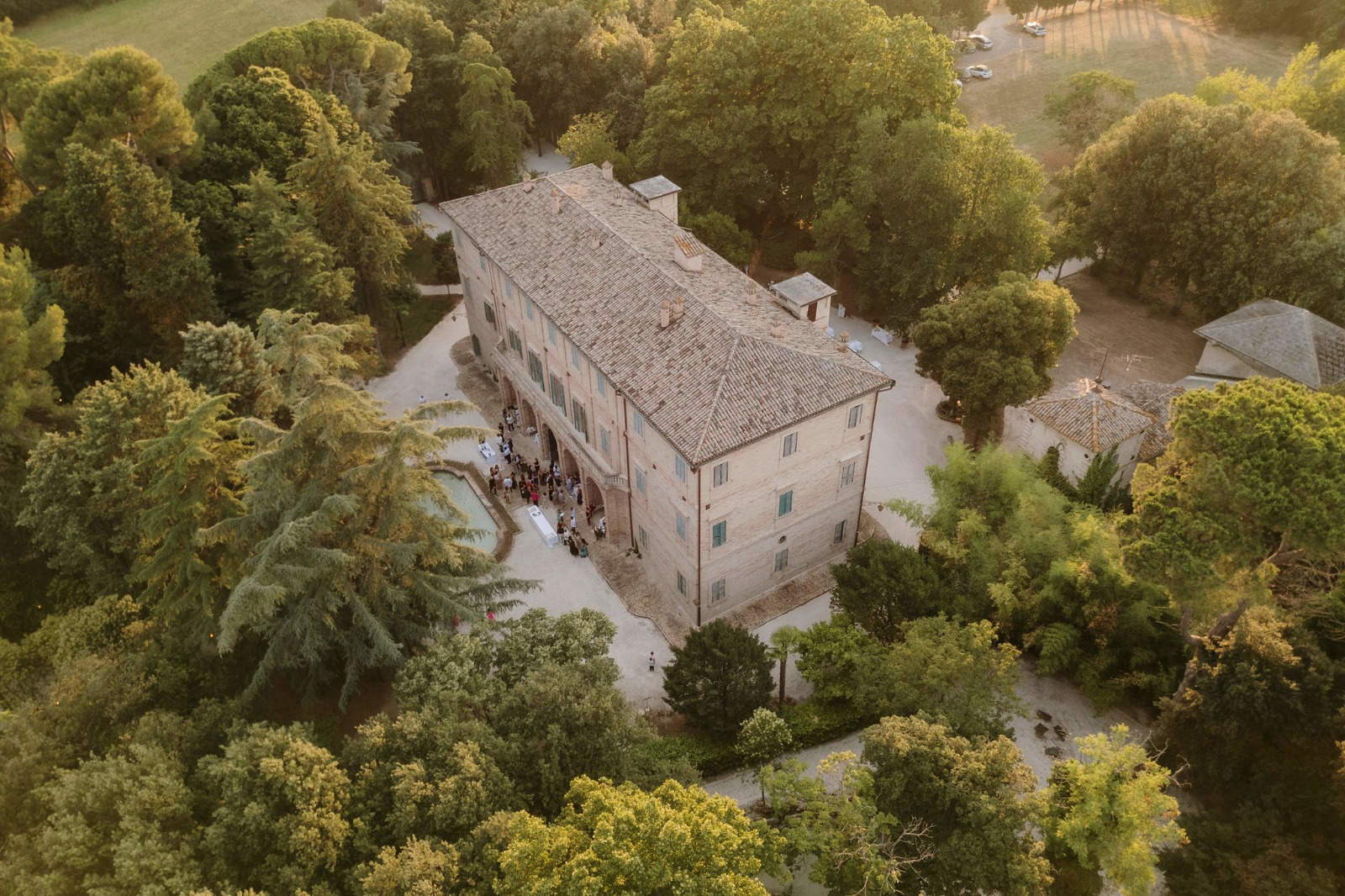
Built in the 18th century at the behest of Count Carradori, Villa Koch is a neoclassical residence that, in the late 19th century, was purchased by architect Gaetano Koch, who used it as a summer home and oversaw its expansion, introducing Art Nouveau decorative elements. The villa is set within a historic park, where the architectural design harmonizes with the surrounding landscape. The building thus preserves traces of the various phases of its history, from its 18th-century layout to the early 20th-century renovations commissioned by the renowned architect. During the 20th century, ownership passed to the Monaldi family, who preserved its historical and artistic value. The residence is now recognized as a site of national significance.
4. San Ginesio, Colle Ascarano
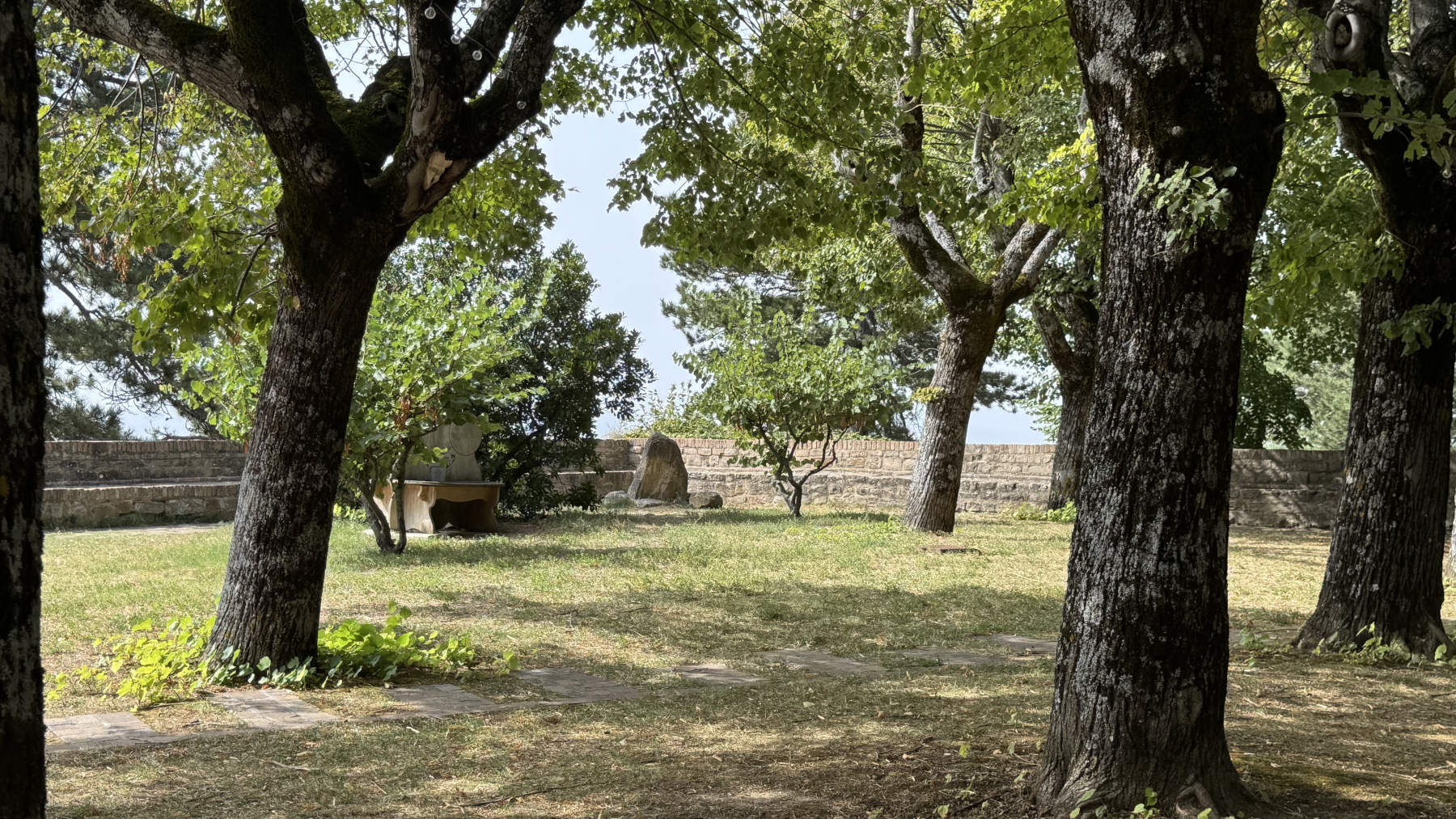
Colle Ascarano Park extends across the hill that is home to the original medieval settlement of San Ginesio, known as Caput Castri, in the area of Contrada Ascarana and Via Capocastello. The place name refers to the ancient settlement associated with the sons of the nobleman Ascaro, while the area—bounded on the west by the castle gate—was inhabited by some of the leading local noble families. In the 14th century, during political tensions with the lords of Camerino, a conspiracy hatched by several nobles was uncovered and suppressed: their homes were destroyed, and a decree prohibited their reconstruction, thereby preserving the area from new construction over time.
On this site, marked by the events involving Ascaro’s sons and the conflicts with the Varano family, a park was established that still preserves traces of the past, including sections of the ancient walls and a historic gate. Today, the green space is graced by centuries-old linden trees and community amenities, such as playgrounds, benches, a fountain, and a kiosk.
5. San Ginesio, Parco della Rimembranza
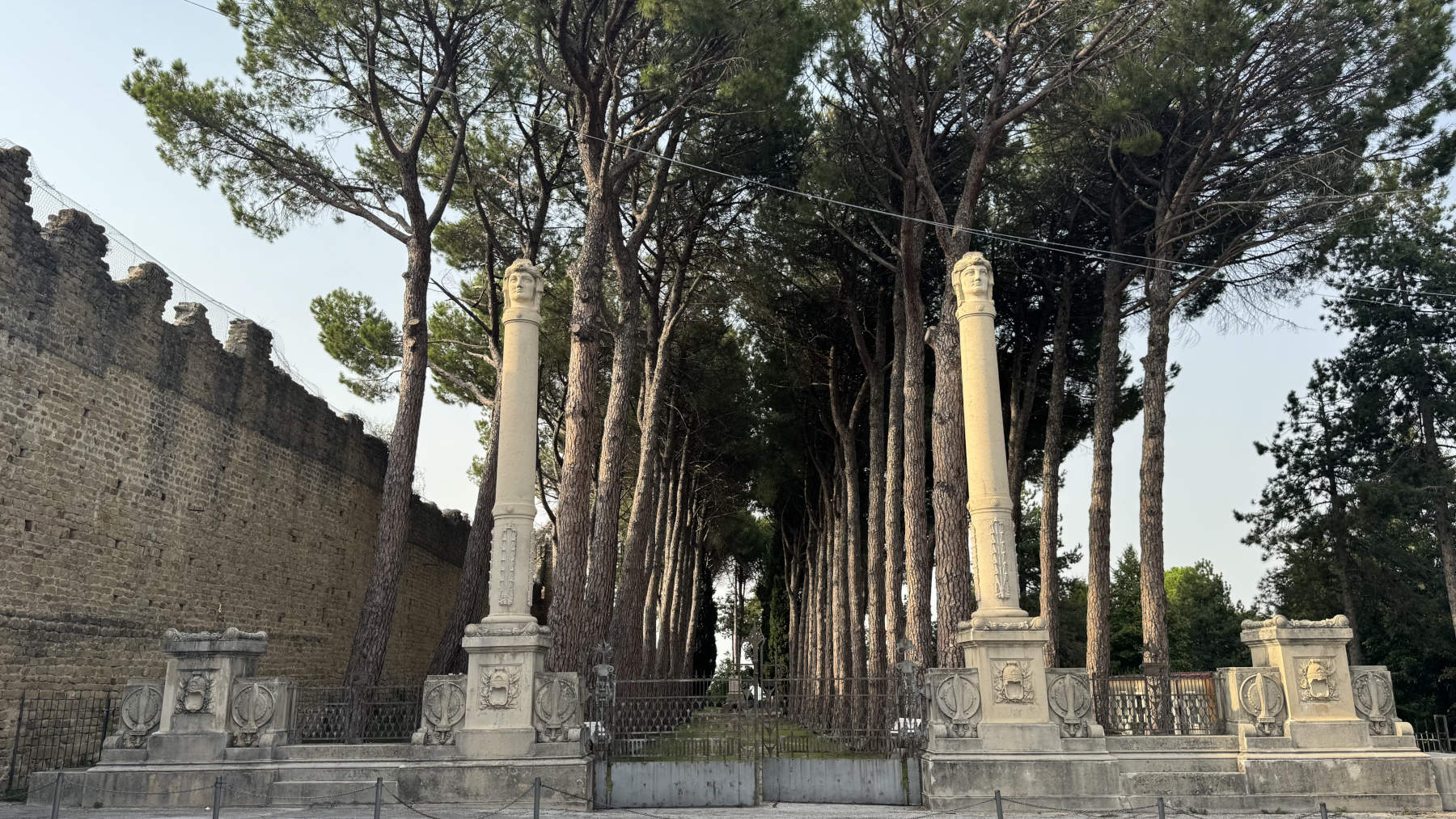
Built in 1927 based on a design by Guglielmo Ciarlantini, a painter and architect from San Ginesio, the Parco della Rimembranza is a place dedicated to the memory of the fallen and to commemorating the world wars. Its layout resembles that of a basilica: the pine trees are dedicated to individual soldiers, while the cypress trees commemorate those awarded the Gold Medal for Military Valor.
At the center stands a circular platform featuring a votive altar and memorial stones honoring the sacrifice of those who fell in both world wars. After World War II, the park was expanded and transformed into a memorial of greater significance. The arrangement of the trees and commemorative elements gives the area strong symbolic significance, making it a place of collective memory and a landmark for the community of San Ginesio.
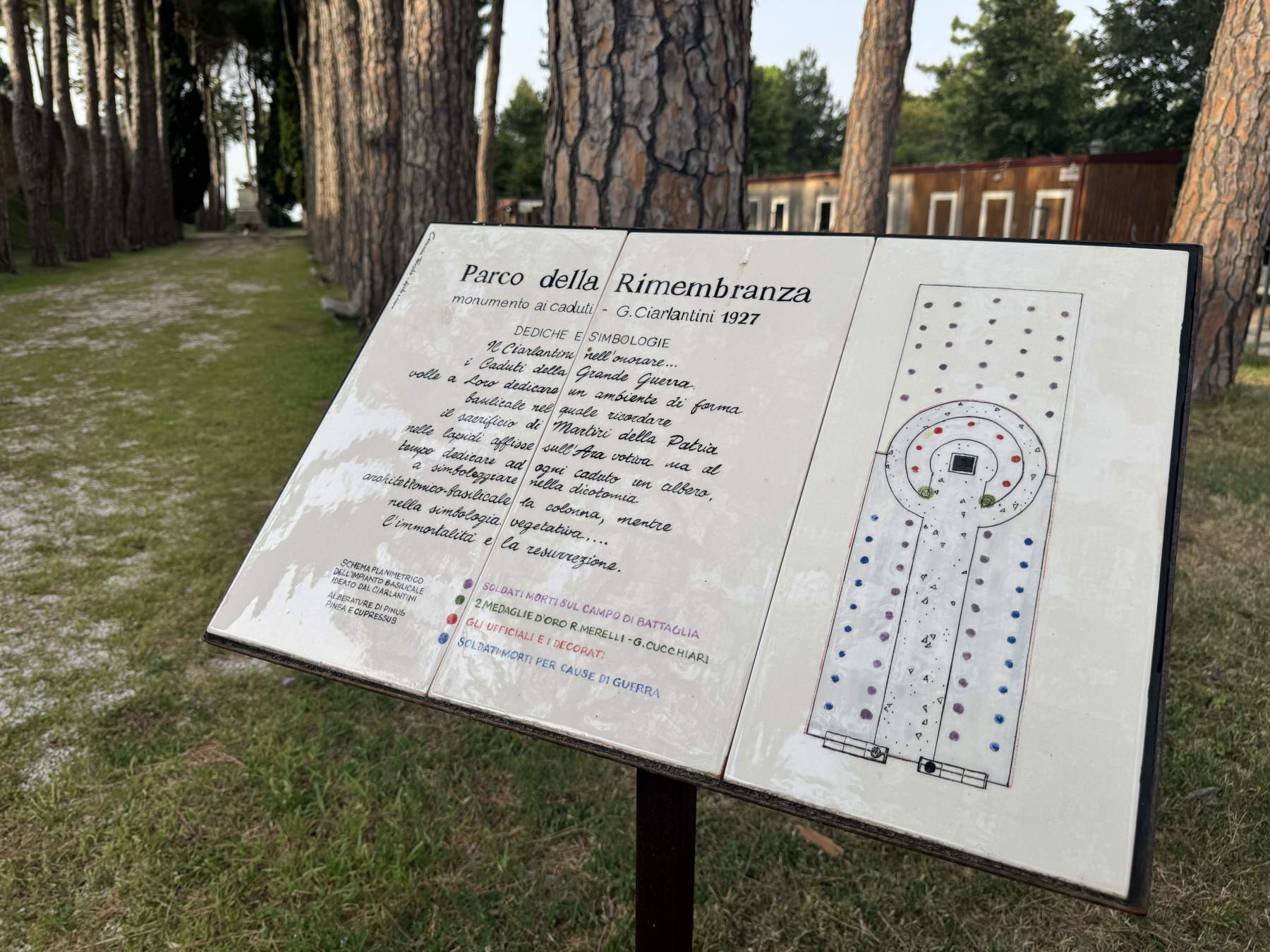
6. San Severino Marche, Palazzo Manuzzini
Also known as the former Tacchi Venturi, Palazzo Manuzzini is a historic complex dating back to the 15th century, built as the residence of the noble family of the same name around a 12th-century early medieval tower. The building is arranged around a porticoed courtyard and a walled urban garden, reminiscent of the medieval“hortus conclusus” style, characterized by a geometric design and an ornamental function.
Among its distinctive features are a Renaissance grotto fountain, ancient columns repurposed as a pergola, and Romanesque stone fragments from earlier buildings. Listed as a historic monument since 1968, the palace is now under mixed public and private ownership and houses the Municipal Art Gallery of San Severino Marche, which holds works by artists such as Carlo Crivelli and Pinturicchio.
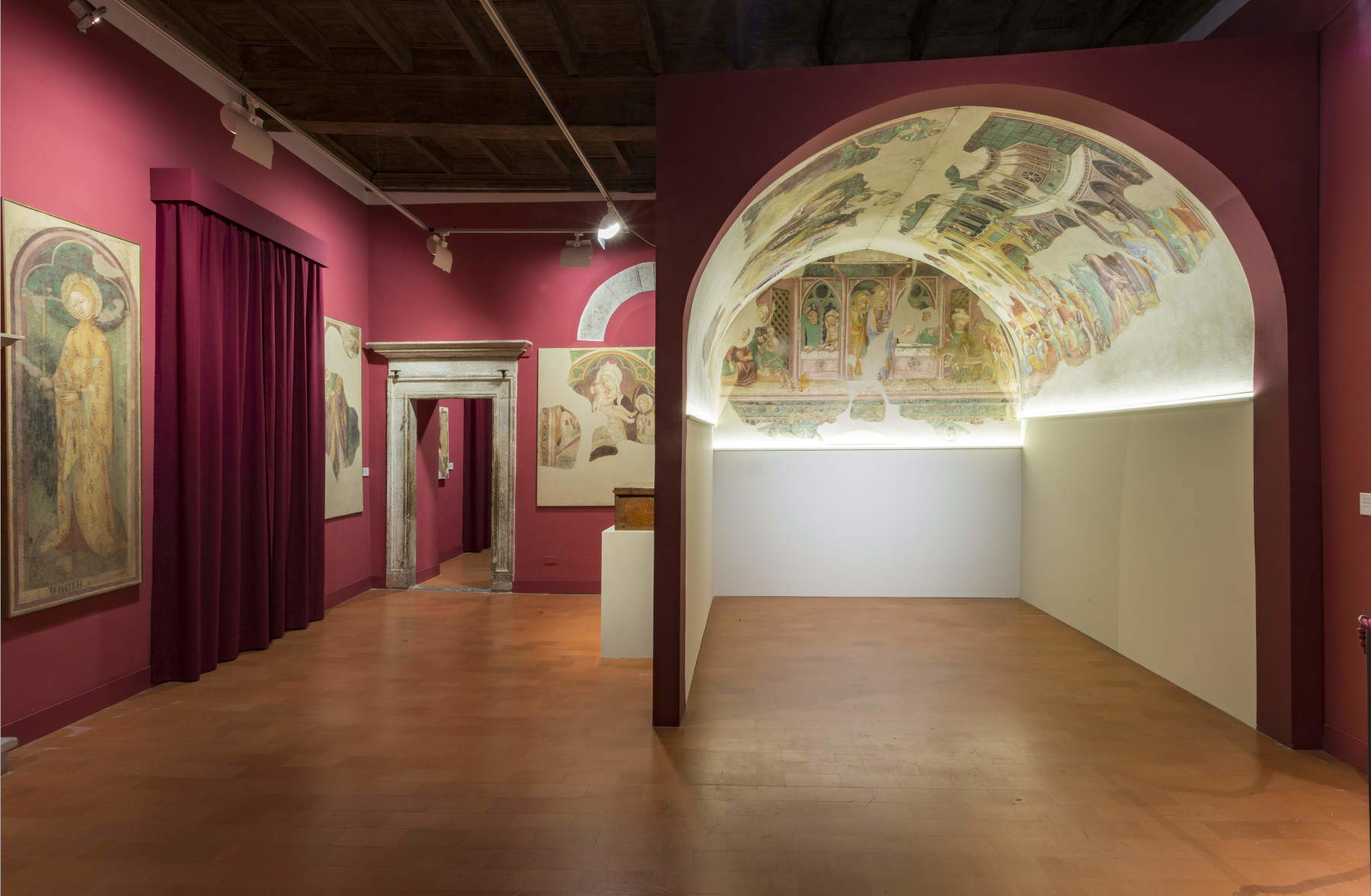
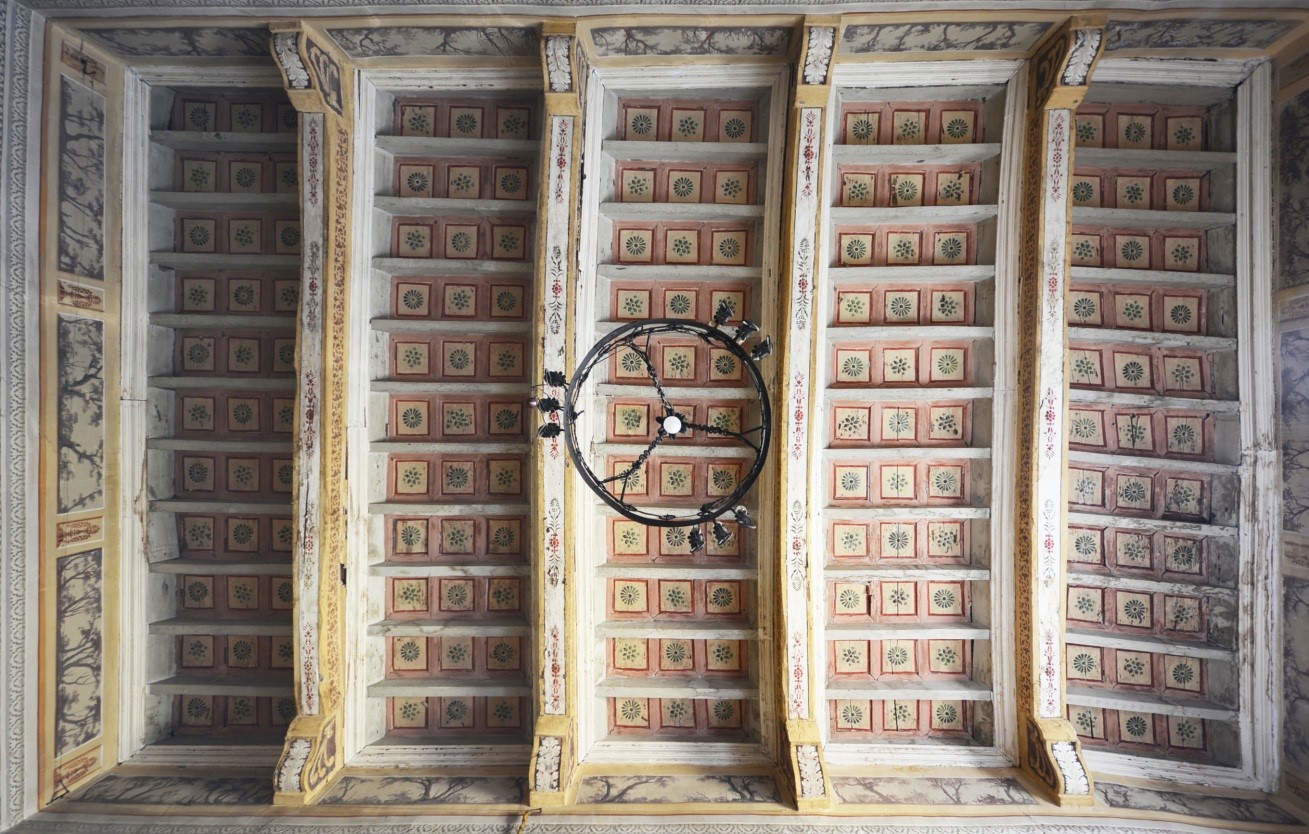
7. San Severino Marche, Castello al Monte
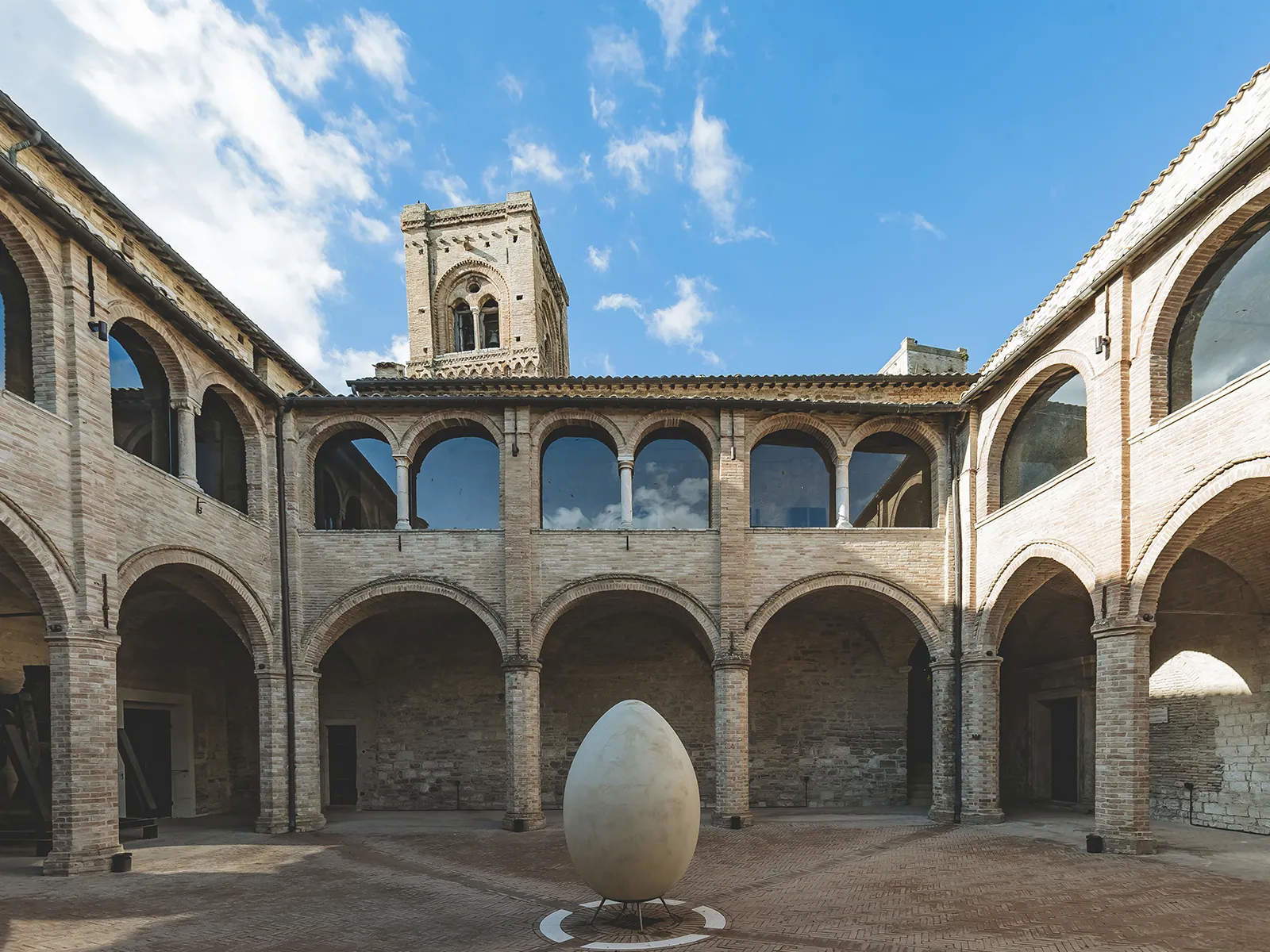
Perched atop Montenero, Castello al Monte preserves the layout of an early medieval settlement that developed into the political and religious center of San Severino Marche beginning in the 12th century. The complex includes the Old Cathedral, the cloister of the Rectory, the Civic Tower, and the ancient Bishop’s Palace, now home to the “Giuseppe Moretti” Archaeological Museum. The Cathedral, characterized by a 14th-century façade and a bell tower from the same period, stands on the site traditionally associated with the transfer of the relics of Saint Severinus at the end of the 6th century. Next to it stands the 15th-century cloister, featuring two orders of arches, mullioned windows, and capitals decorated with plant motifs and anthropomorphic figures.
The Civic Tower dominates the area; built in the 13th century as part of the Town Hall, it stands approximately 40 meters tall and was used for defense and lookout purposes, as well as for communication with nearby castles. The ancient Episcopio, on the other hand, houses the Archaeological Museum named after Giuseppe Moretti, which features artifacts from excavations in the Potenza Valley and the ancient city of Septempeda. The exhibition traces the history of the region from prehistory to the Roman era, with a particular focus on the Picene civilization. The museum also incorporates multimedia tools, tactile installations, and services to promote accessibility and an inclusive experience of the cultural heritage.
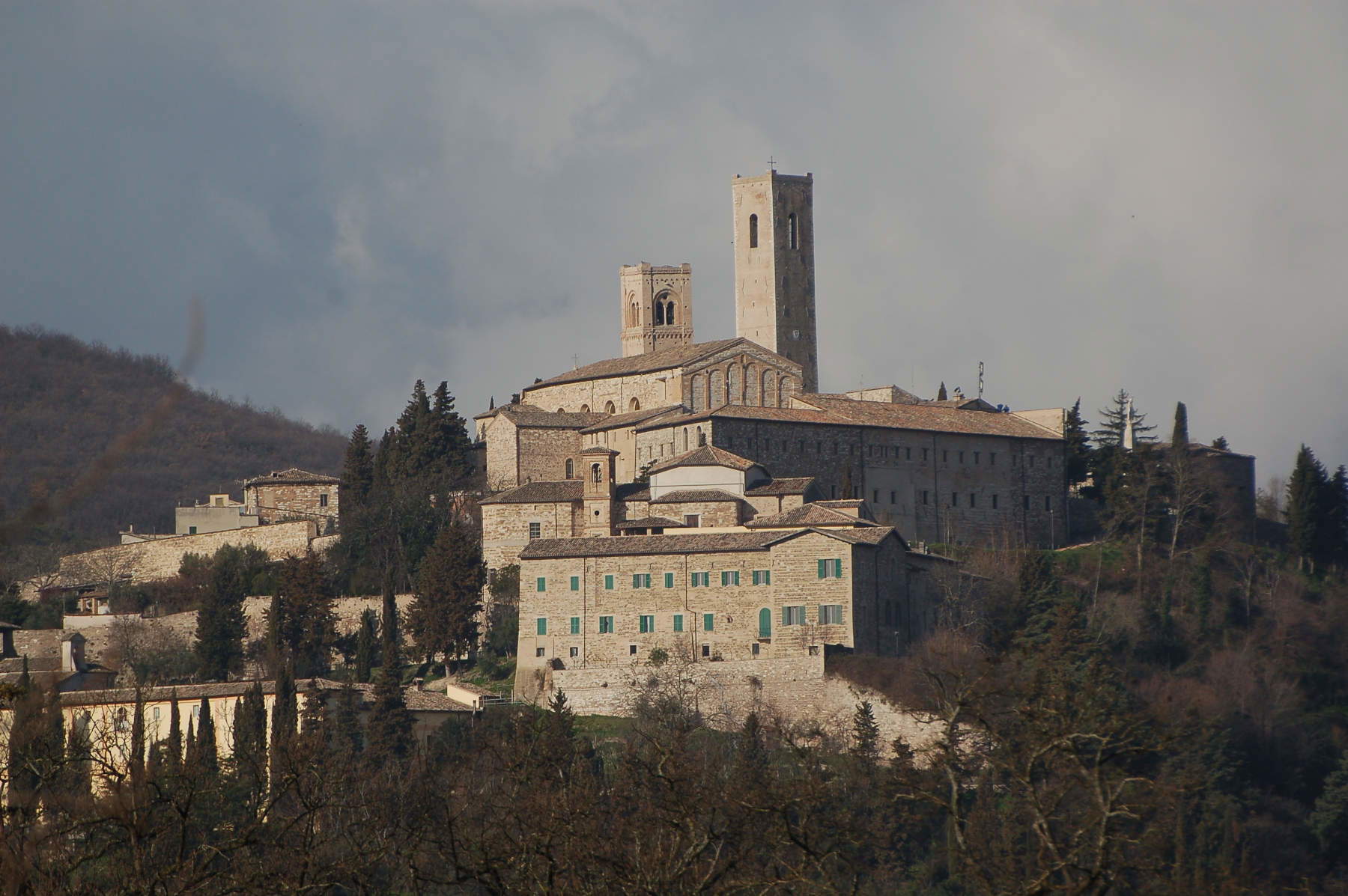
8. San Severino Marche, City Hall
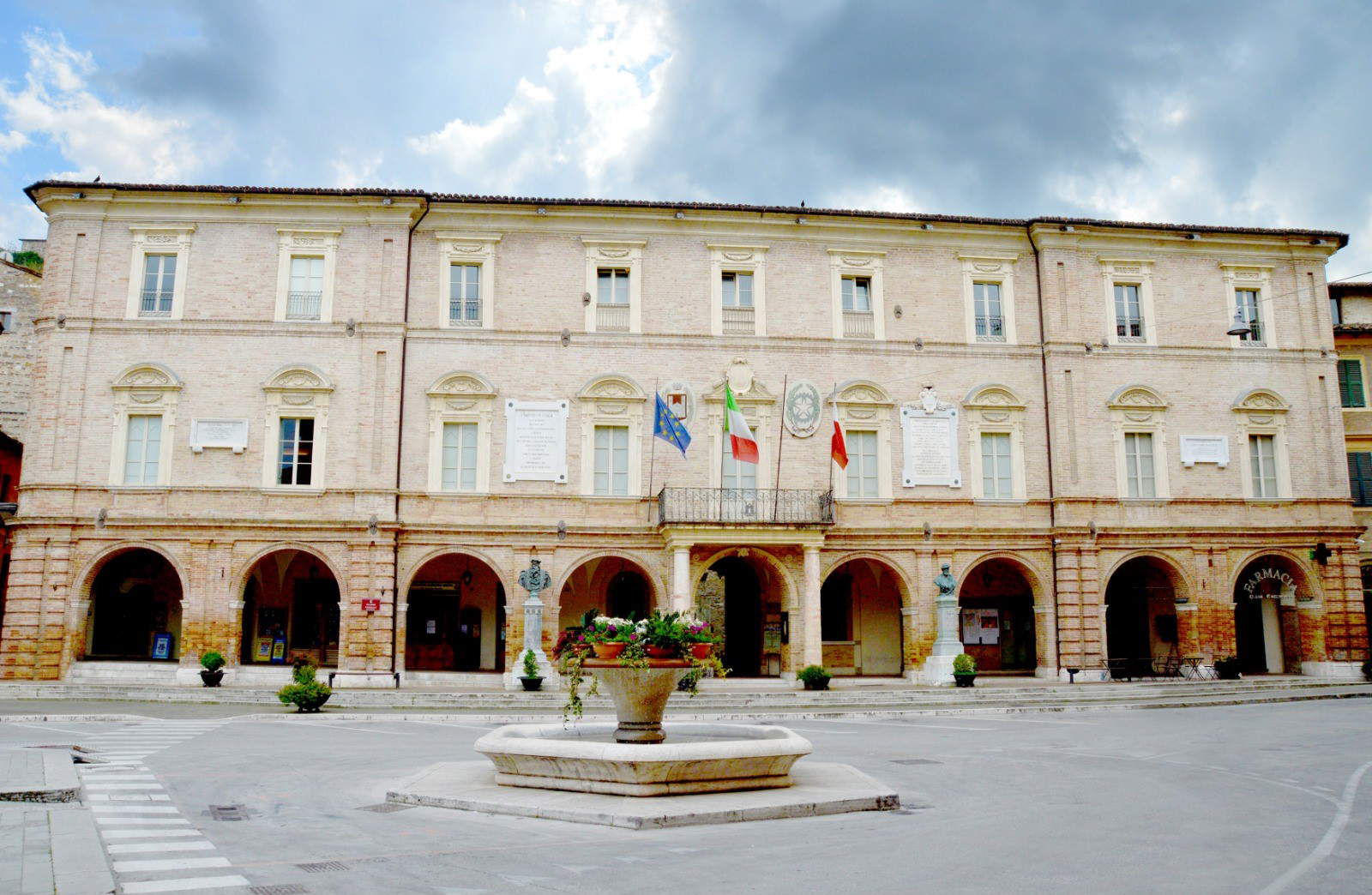
Overlooking Piazza del Popolo, the City Hall of San Severino Marche was designed in 1764 by architect Clemente Orlandi. The brick façade features a large arcaded loggia, punctuated by pilasters and pediments and embellished with sculptural elements, including a mask created by Filippo Bigioli in the keystone of an arch. The interior features a monumental courtyard, reception halls, and a grand staircase, as well as a monument dedicated to the fallen.
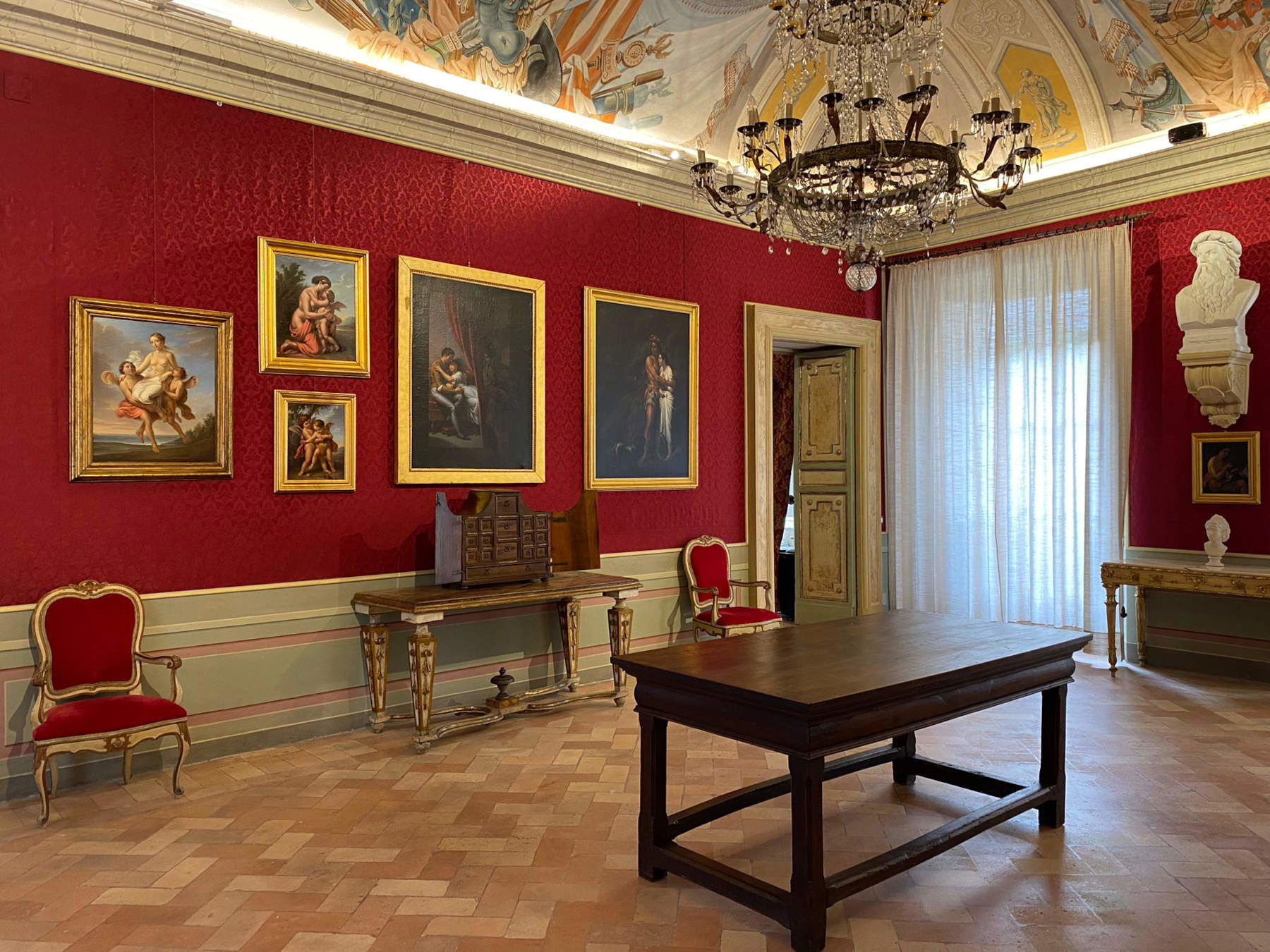
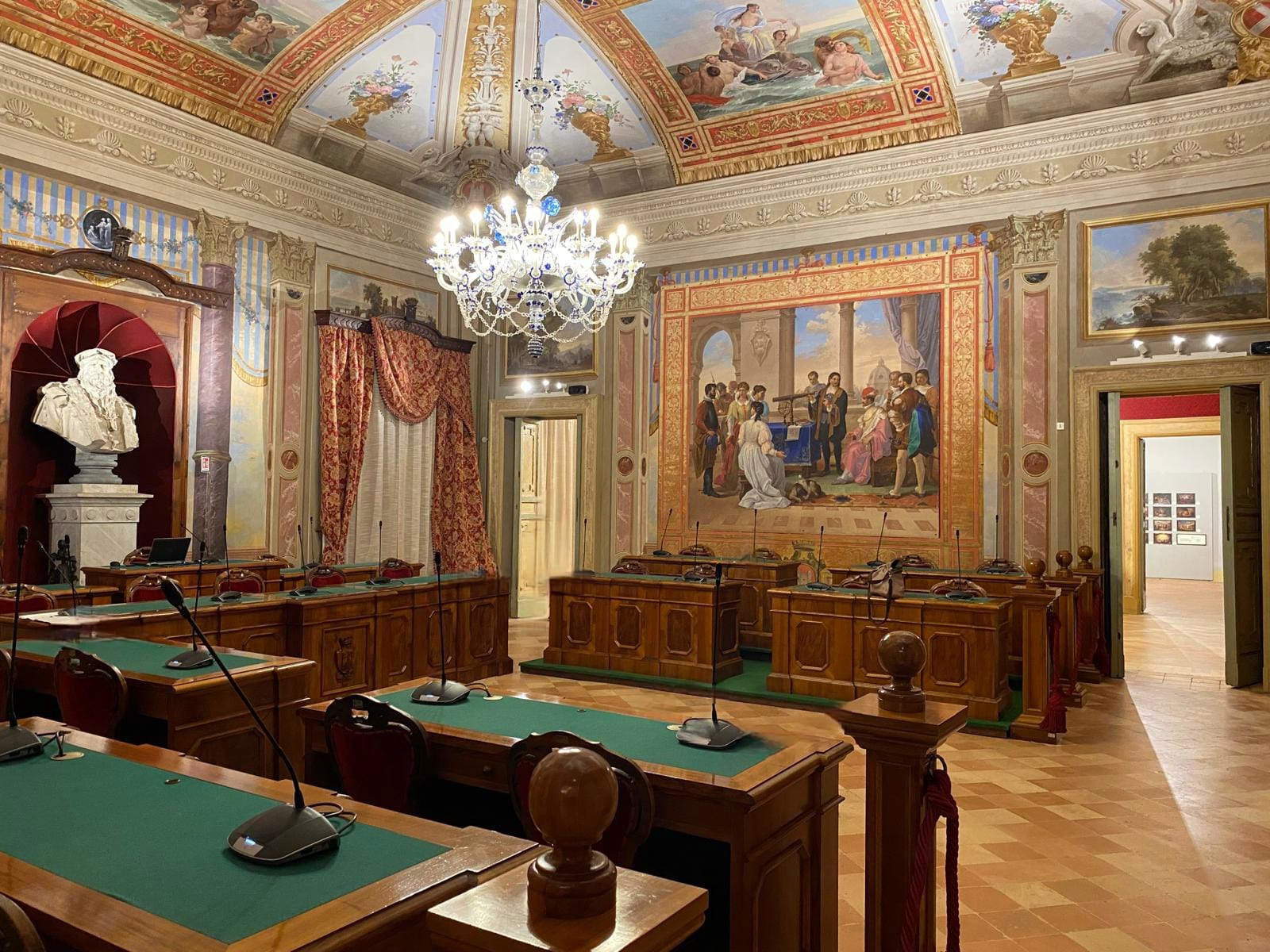
Of particular interest are the 19th-century painted decorations: the Sala degli Stemmi, frescoed by Raffaele Fogliardi, and the Sala Maggiore, featuring a cycle of paintings by Mariano Piervittori dedicated to civic and scientific allegories. Today, the building houses the municipal administration offices and the Gallery of Modern Art, which holds works by Filippo Bigioli, reaffirming its status as one of the city’s main centers of institutional and cultural life.
9. San Severino Marche, Palazzo Servanzi Confidati
Built in the 17th century at the behest of Monsignor Fulvio Servanzi (1618–1686), papal master of ceremonies, Palazzo Servanzi Confidati is one of the principal patrician residences in San Severino Marche. The design, of Roman origin, was adapted by the local architect Felice Mastripaoli and involved the integration of pre-existing medieval structures and a small Renaissance palace. Evidence of this later phase can be seen in the inner courtyard, organized into three orders of loggias with paired columns of gessina stone and decorated capitals.
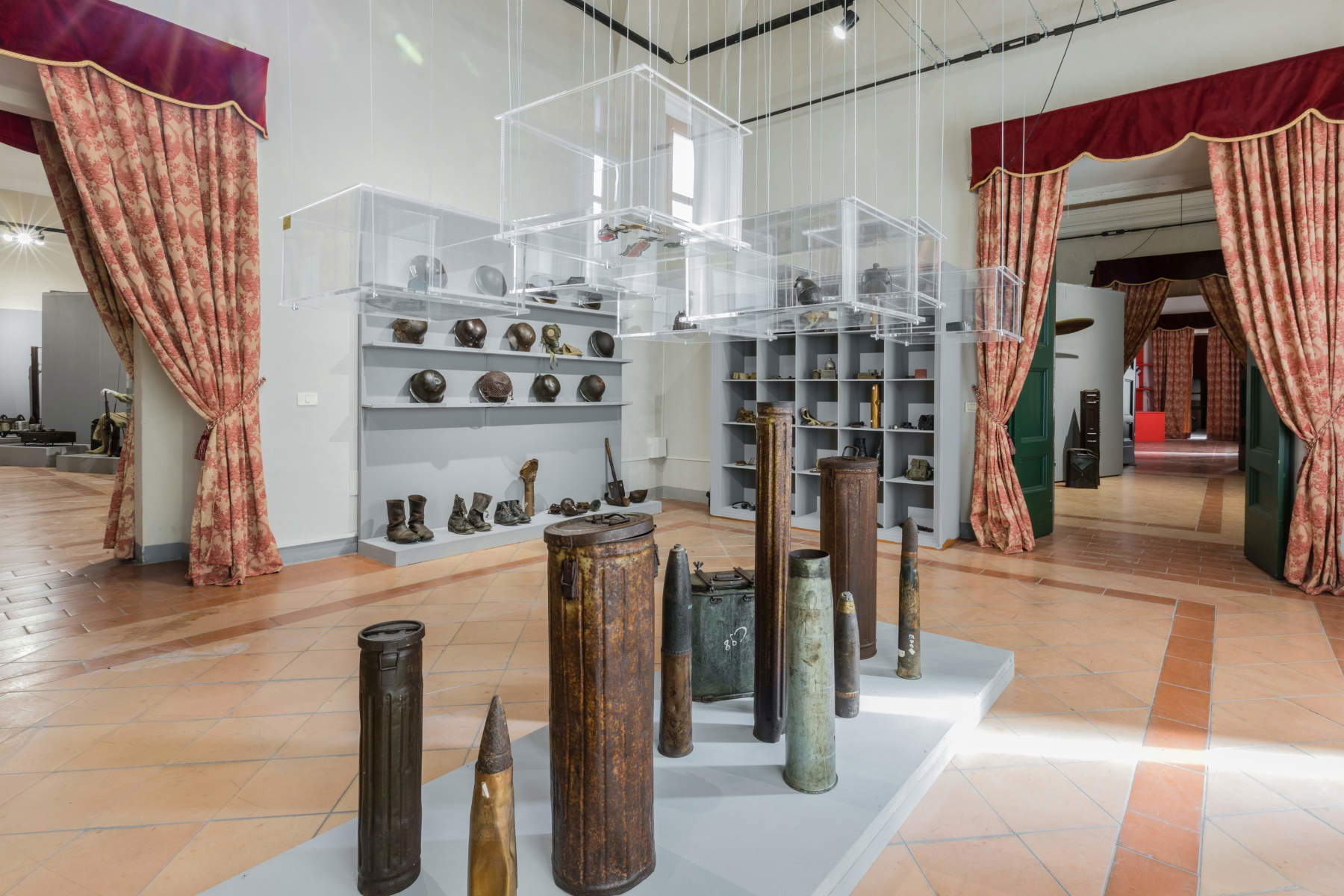
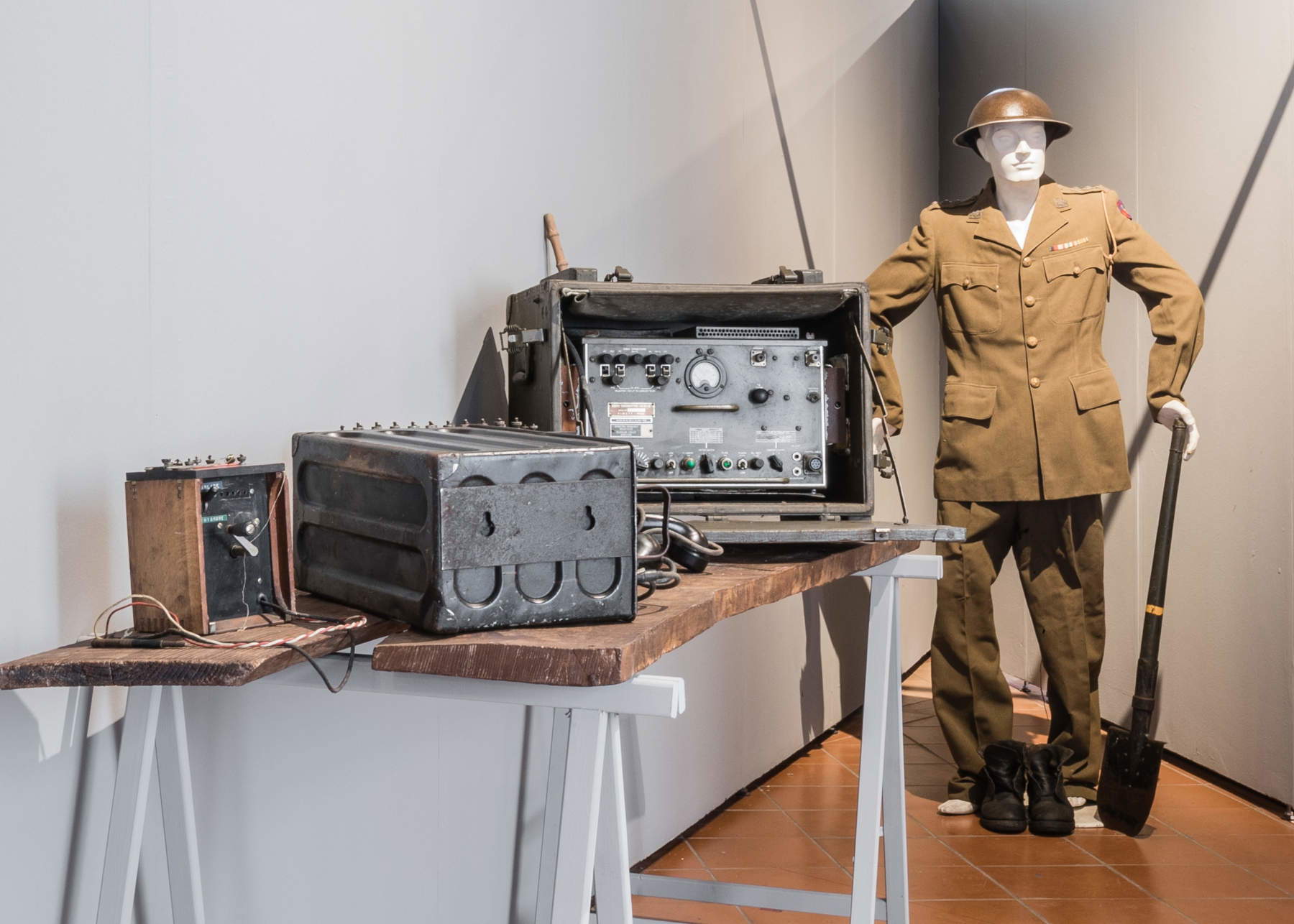
The facade, approximately 56 meters long, alternates between brick and stone, with travertine moldings around the openings and a rusticated portal surmounted by a balcony supported by columns. Inside, the entrance hall leads to the courtyard of honor and the monumental staircase, flanked by a colonnaded atrium featuring allegorical statues of Science and Fortitude. The first floor houses the War Museum, established thanks to a donation of over 3,000 artifacts collected by Father Ivo Marchetti. Uniforms, documents, photographs, and memorabilia chronicle the Italian Campaign of 1943–1945, offering a testament to the events of World War II.
10. Tolentino, Castello della Rancia
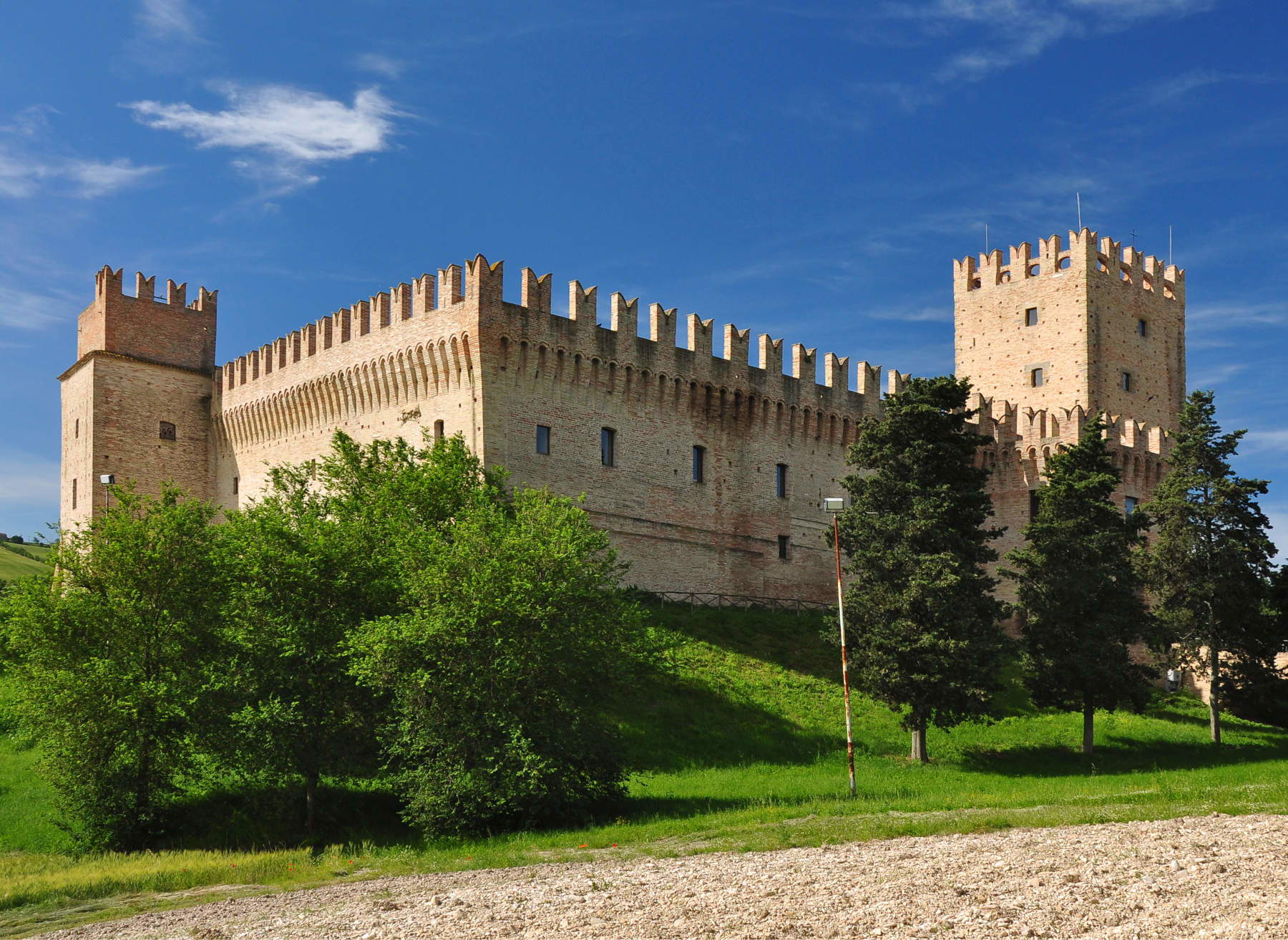
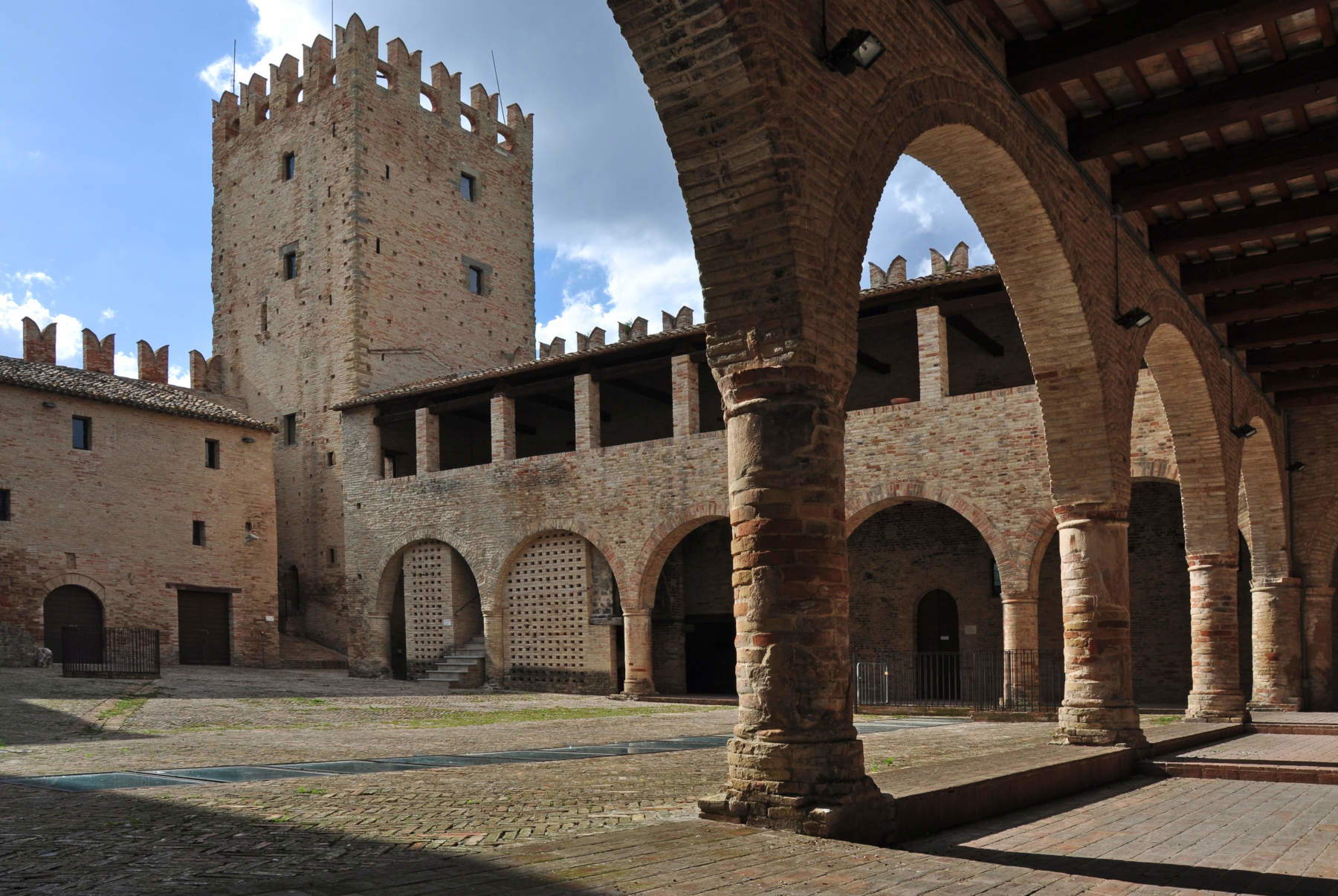
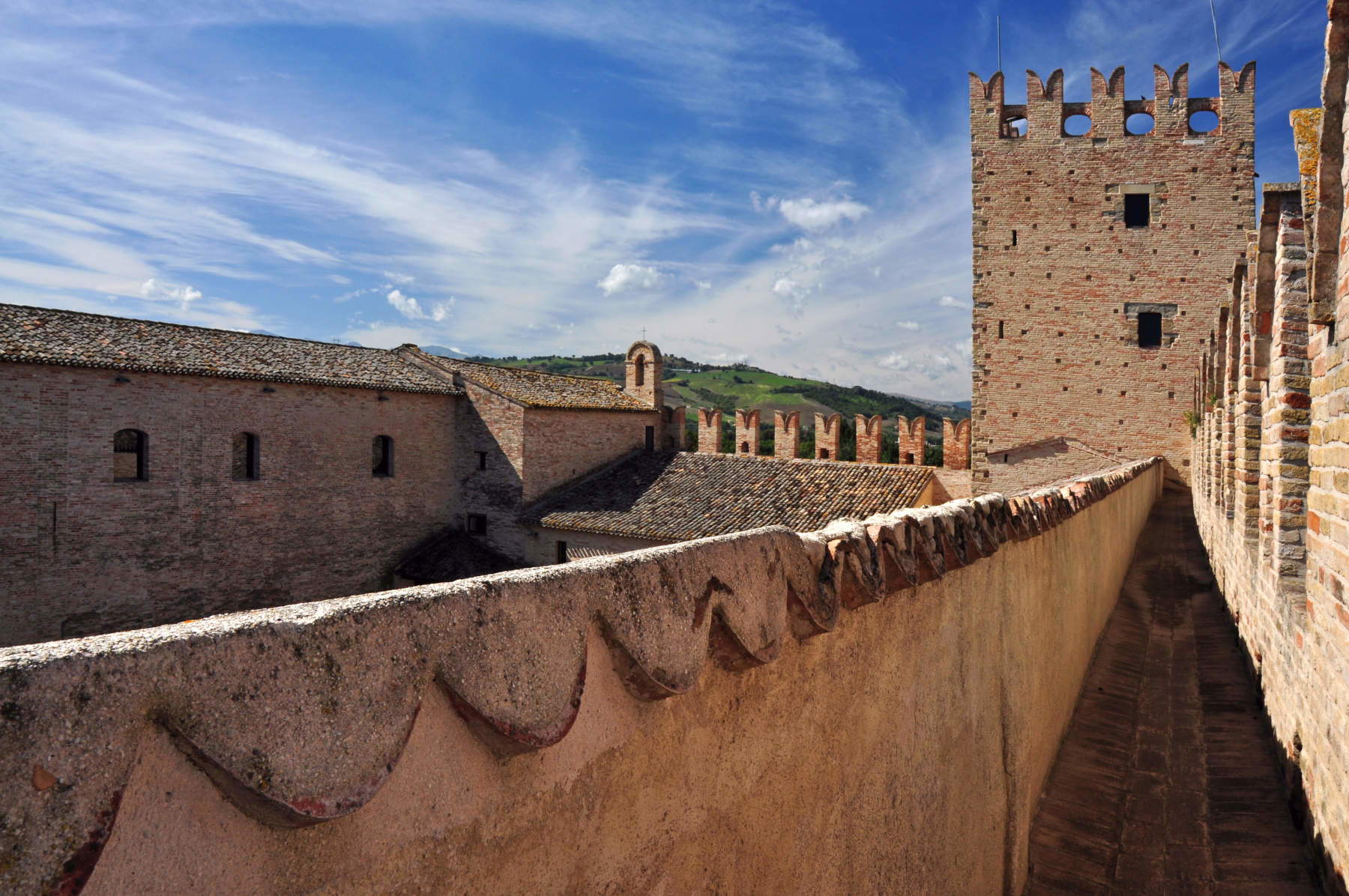
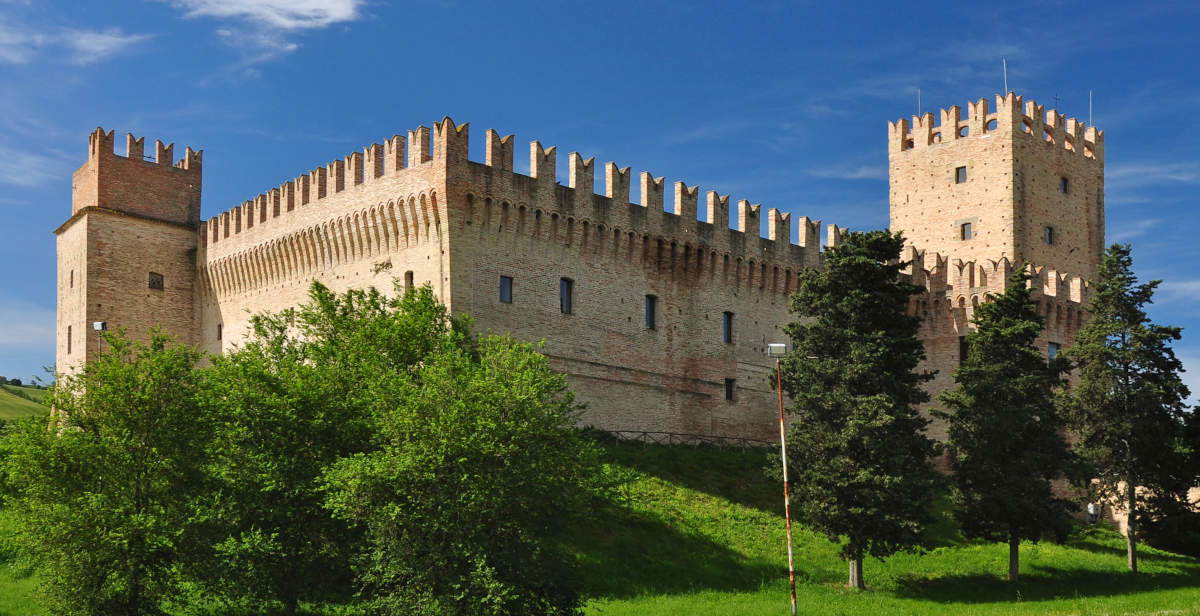
The origins of Castello della Rancia in Tolentino date back to the late 12th century, when it was built as a grancia—an agricultural structure used for storing grain—belonging to the Cistercian monks of the Abbey of Fiastra. In 1353, Andrea Beltrami transformed it into a palace-fortress for Rodolfo II da Varano. The structure has a quadrangular layout, with a central keep, corner towers, and crenellated walls with dovetail-shaped merlons. Originally, it was protected by a moat, a drawbridge, and a gatehouse equipped with a portcullis.
The keep, approximately 25 meters high, extends over four levels connected by a stone spiral staircase; inside, the former quarters of the granary keeper are still preserved. The courtyard features a loggia, a well, and an icehouse. Over the centuries, the fortress was involved in several battles, including the Battle of Tolentino in May 1815 between the troops of Joachim Murat and the Austrian army, considered a significant episode in the origins of the Italian Risorgimento. After being used as a farm, it was transferred to the Municipality of Tolentino in 1973, which began restoration work in 1990.
11. Treia, Villa La Quiete (Villa Spada) and its park
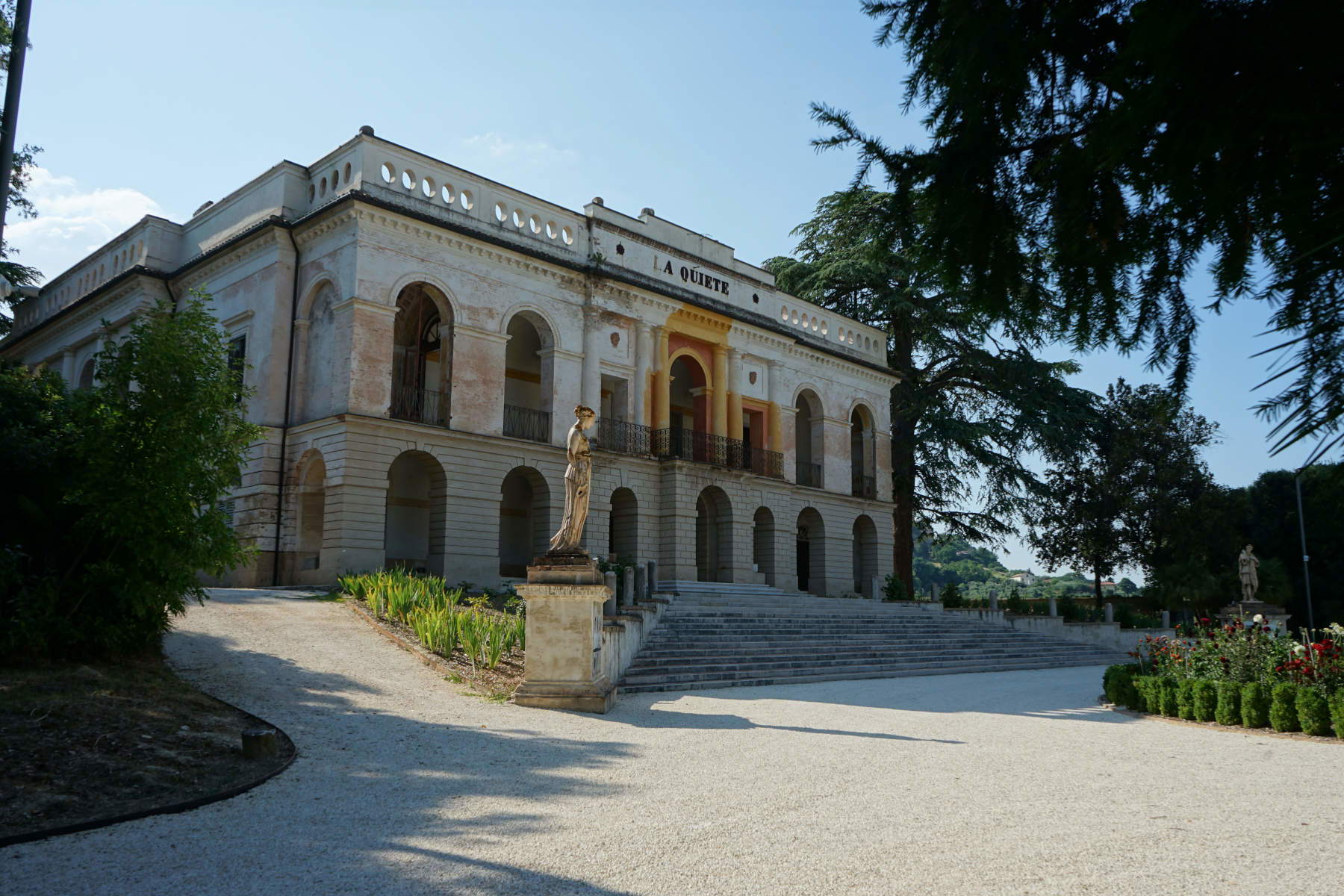
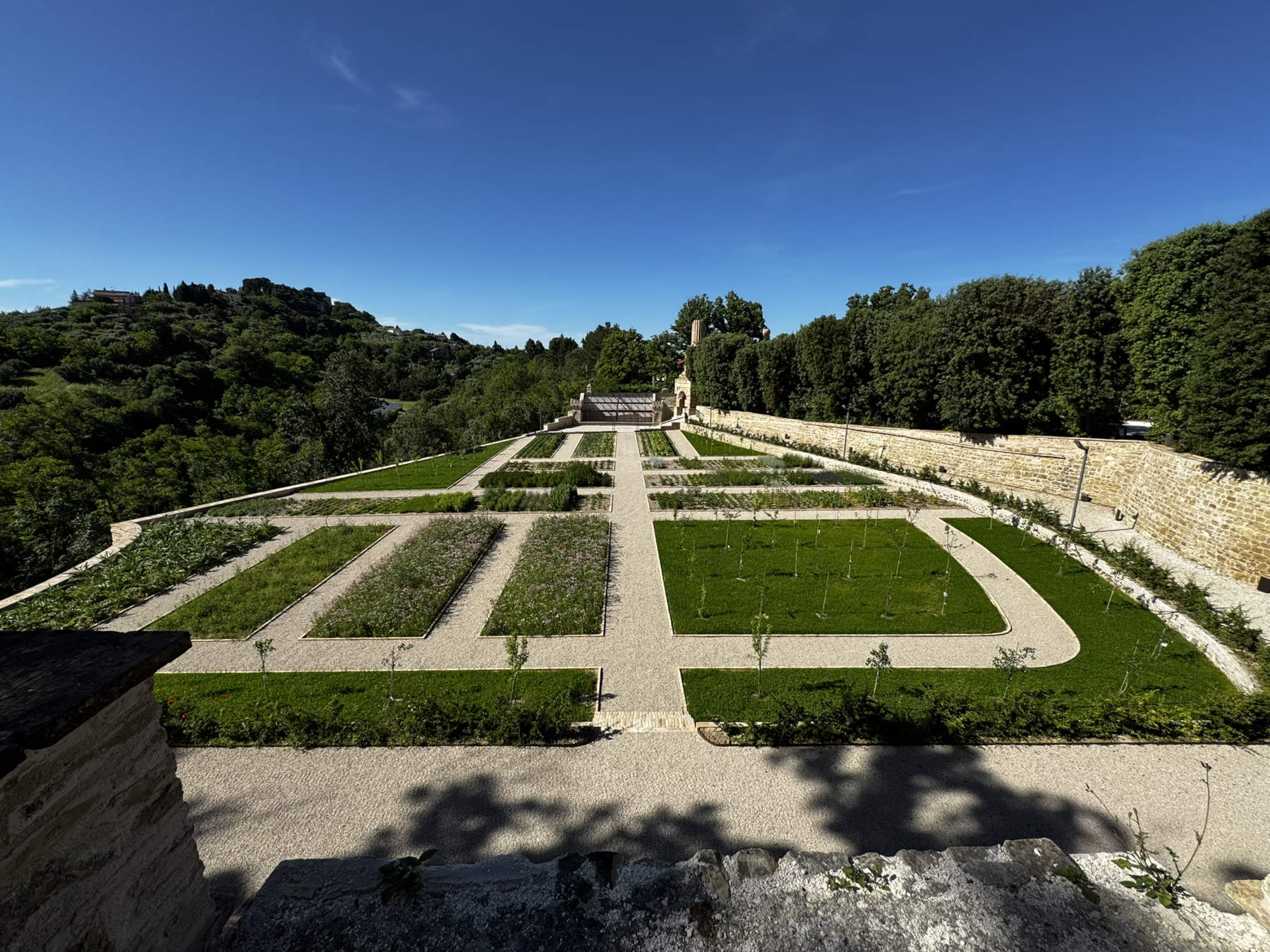
Situated on a hill near Treia, Villa La Quiete—also known as Villa Spada—is a 19th-century neoclassical residence surrounded by a historic park covering approximately 2.9 hectares. The complex’s origins date back to the 11th century, when the Lombard church of San Savino stood on the site, later incorporated into a Capuchin monastery. Following the Napoleonic suppression of religious orders, the property was purchased in 1812 by Gonfaloniere Luigi Angelini, who commissioned architect Giuseppe Valadier to transform it into a country estate.
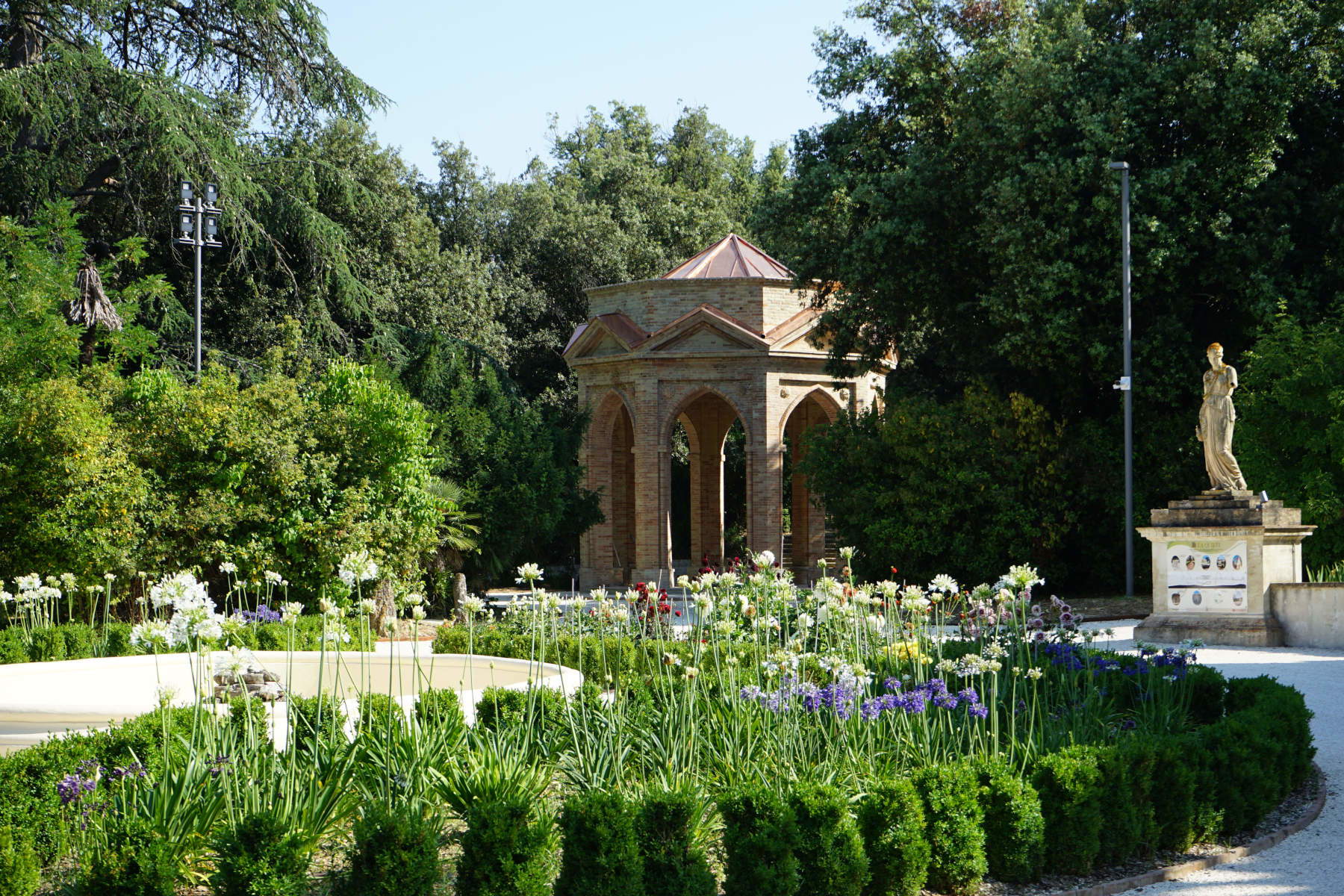
In 1828, it passed to Count Lavinio De’ Medici Spada, who renamed it La Quiete and made it his residence, enriching its botanical and architectural heritage. By the mid-19th century, the park was home to over 10,000 plant species and numerous varieties of camellias, set among Italian-style gardens, vegetable gardens, and woodlands. The grounds also feature structures in an eclectic style, including a Neo-Egyptian pavilion, a Neo-Gothic gazebo, and a crenellated greenhouse. During World War II, the villa was used as an internment camp and later as a military base, while in the postwar period it housed a kindergarten. Today it belongs to the Municipality of Treia and preserves an important historical, architectural, and landscape heritage.
 |
| Macerata and Its Hidden Treasures: Eleven Places That Tell the Story of Centuries of History |
Warning: the translation into English of the original Italian article was created using automatic tools. We undertake to review all articles, but we do not guarantee the total absence of inaccuracies in the translation due to the program. You can find the original by clicking on the ITA button. If you find any mistake,please contact us.