




by Redazione 08/09/2026



Categories: Archaeology / Disclaimer
An important archaeological discovery has been made in Serbia, at the Vrelo-Šarkamen site, revealing an imperial bathhouse in the corner tower of the fortified residence of the Roman tetrarch Maximinus Daia.

An important archaeological discovery has been made in Serbia, where —thirty years after the discovery of an exceptional collection of gold jewelry in the Šarkamen mausoleum—the Roman imperial complex located in the eastern part of the country, near the border with Bulgaria, has yielded a new, extraordinary archaeological find. Inside the southwestern corner tower of the fortified residence that belonged to the Roman tetrarch Maximinus Daia, an imperial balneum —that is, a private bath—has been identified. Its location on the lowest level of the corner tower of the residential complex currently has no known according to Serbian archaeologists, any direct parallels within the borders of the Roman Empire.

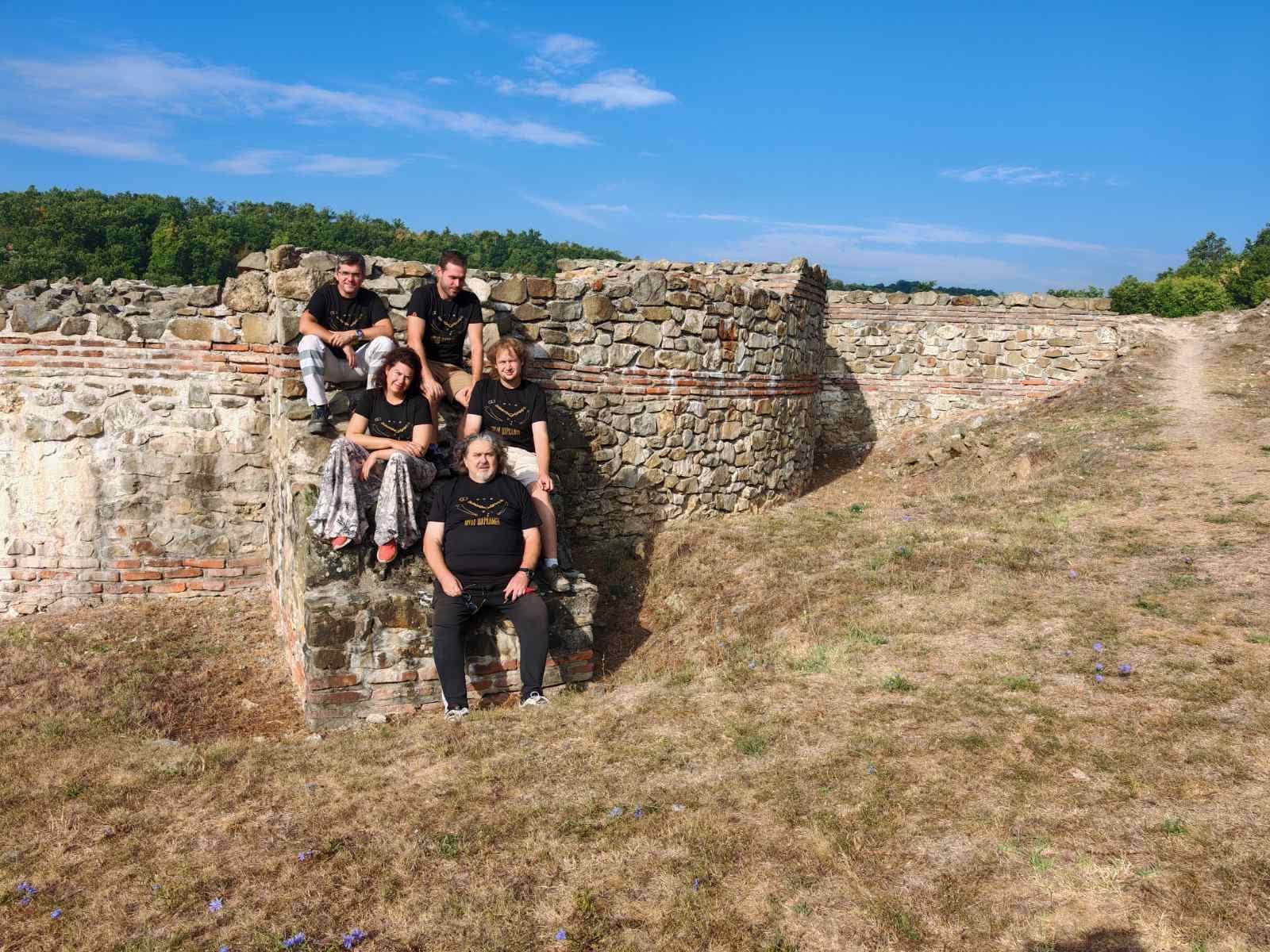
The discovery is the result of the latest archaeological campaign conducted at the Vrelo-Šarkamen site, near Negotin, carried out by the Serbian Archaeological Institute in collaboration with the Krajina Museum and with the support of the Ministry of Culture of the Republic of Serbia. The research is led by Dr. Marija Jović, a researcher at the Serbian Archaeological Institute, and Gordan Janjić, a museum consultant at the Krajina Museum. In addition to the two leaders of the investigation, the research team consists of Igor Bjelić, a senior researcher and architect; Ljubomir Jevtović, a researcher; Borisav Marković, a surveyor; and Konstantin Janjić, an architecture student. It is precisely this collaborative fieldwork, the exchange of knowledge, and the diverse professional perspectives of the team members that enable them to observe and understand the complex architecture of Šarkamen in all its details.


The Vrelo-Šarkamen site represents one of the most significant late antique complexes in eastern Serbia. The monumental fortified residential complex was built in the early 4th century and is associated with the Roman emperor Maximinus Daia, one of the rulers of the Tetrarchic period. A prominent place in the history of research conducted at the site is occupied by the discovery of the imperial mausoleum with its exceptional collection of gold jewelry, unearthed exactly thirty years ago. The most recent investigations now show that the architectural design of the Šarkamen residence was even more complex and sumptuous than previously assumed.
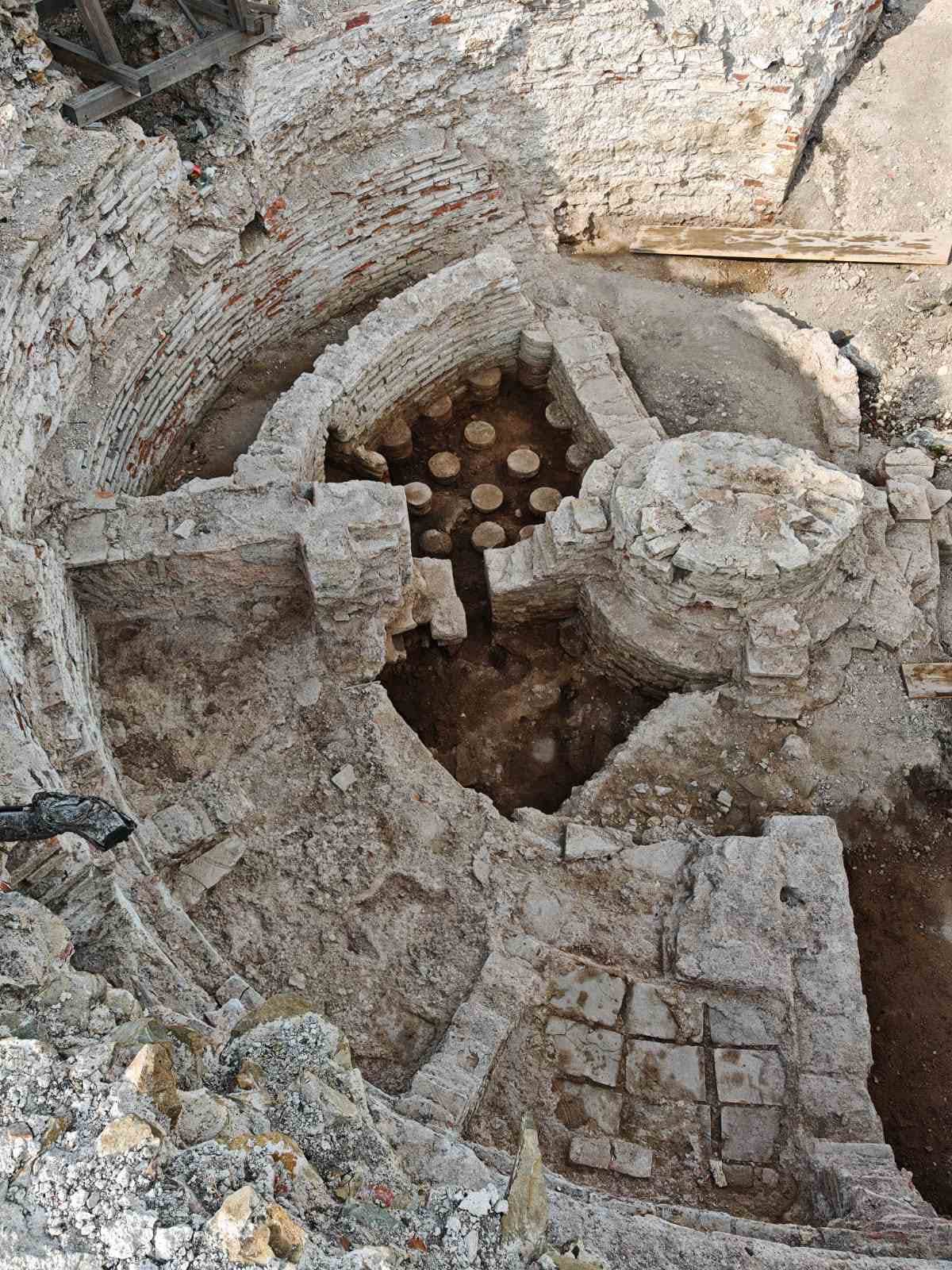
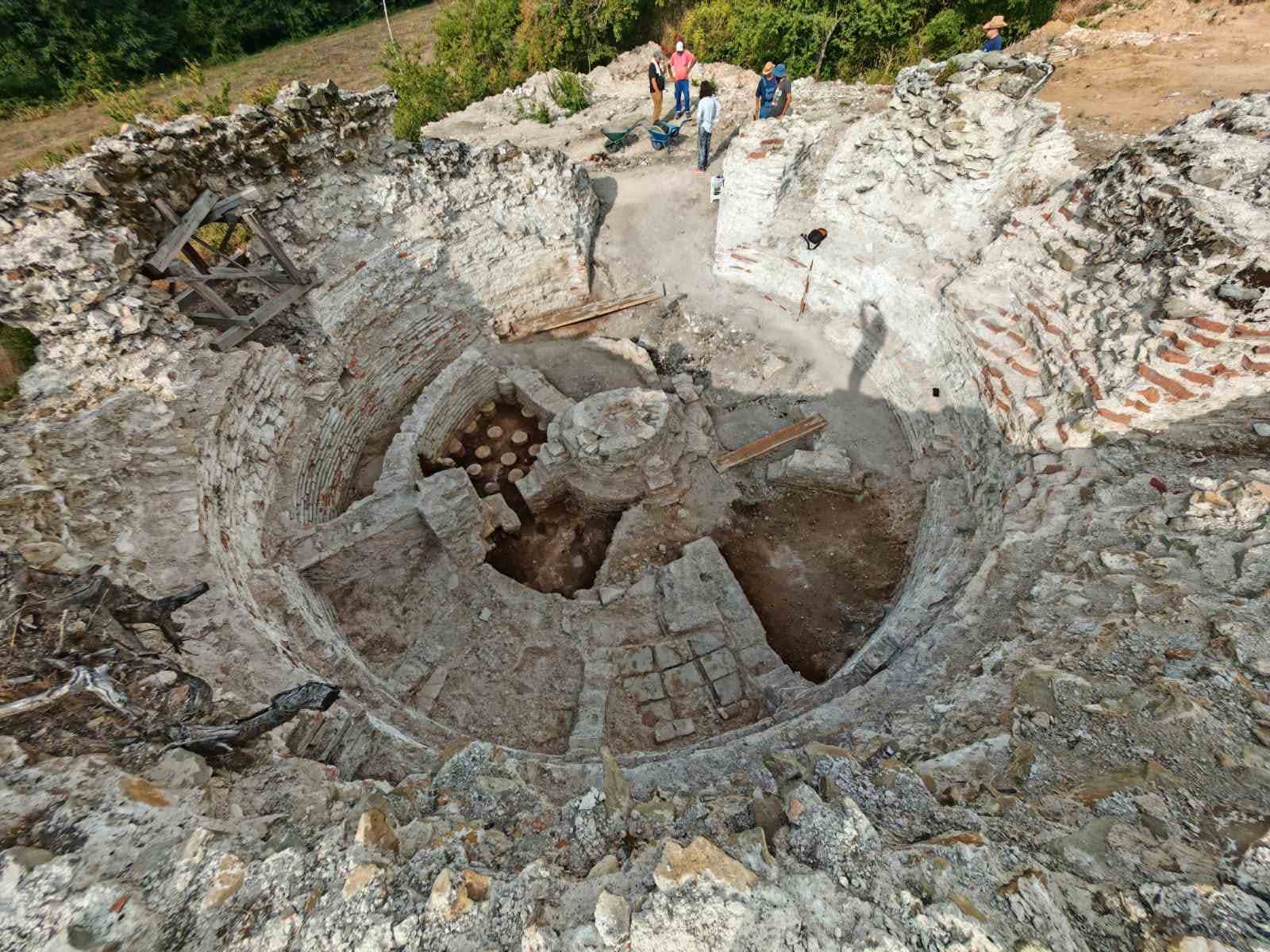
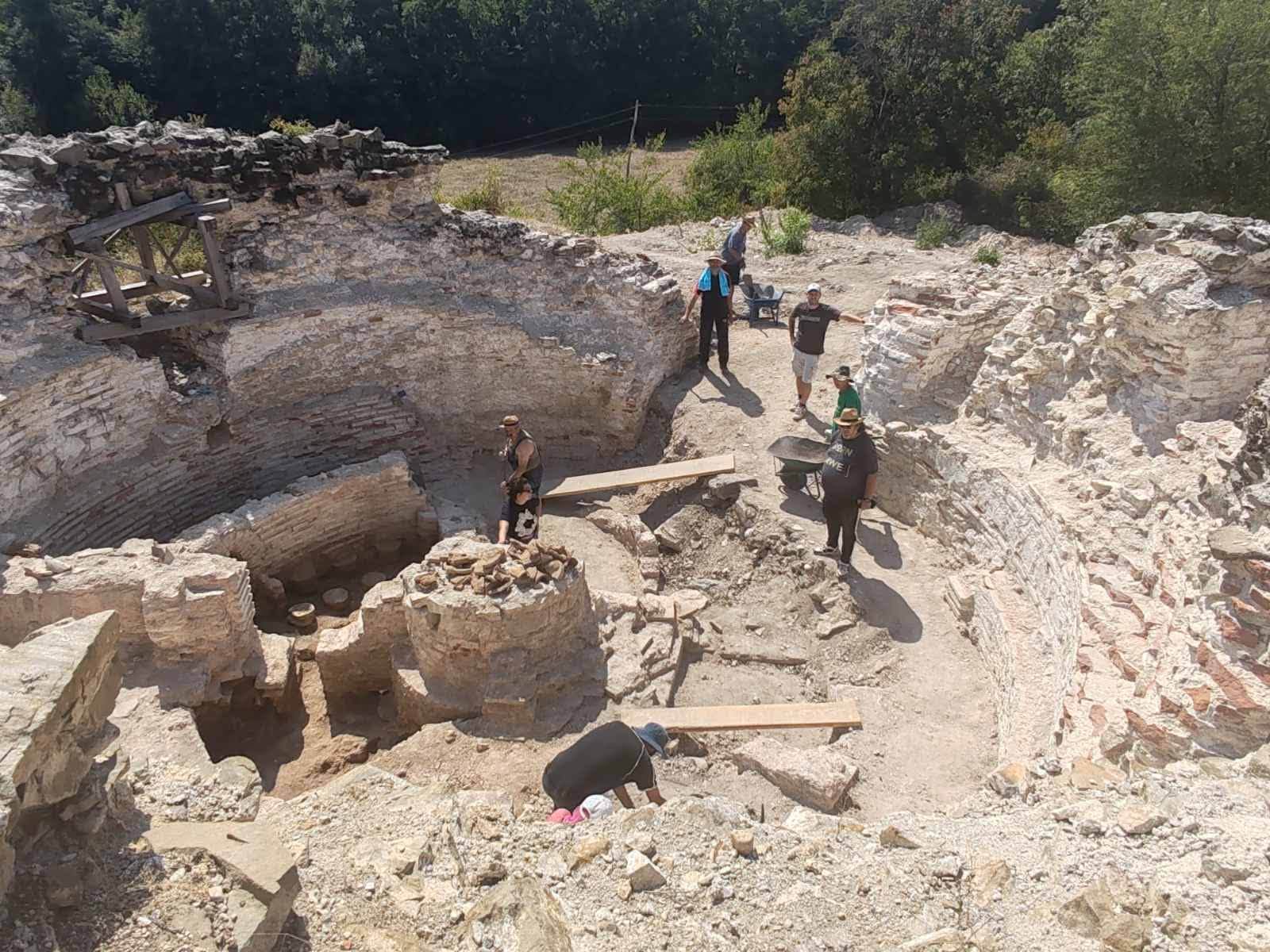
The newly discovered balneum is located on the lowest level of the palace’s monumental southwestern corner tower. Adapted to the tower’s internal layout, the bath room features a circular floor plan—an architectural solution of particular interest within the residential complex. Special attention is drawn to the structure of the room itself. The bath was covered by a dome pierced by six window openings, a design that attests to a high level of construction expertise and remarkable skill on the part of the architect and builders, since incorporating the openings into the domed structure represented a particularly challenging architectural and structural feat.
Research has also made it possible to reconstruct the general layout of the bathhouse, which was divided into a technical section—necessary for its operation—and areas dedicated to bathing, rest, and recreation. The technical section housed the praefurnium, or hearth, which was the key element of the bathhouse’s heating system. Of particular significance is the fully preserved hypocaust system, featuring small circular pillars through which hot air circulated beneath the floors of the rooms. In addition to the discovery of the imperial balneum itself, such a high level of preservation of the hypocaust system constitutes an extremely rare archaeological find, capable of providing valuable information on the bath’s operation.
Another detail of great interest was identified in close connection with the water heating system: the foundation upon which a copper boiler rested—the vessel used to heat the water necessary for the bath’s operation—has been archaeologically confirmed. The boiler itself has not survived, which is not surprising given the value of copper as a raw material and its frequent reuse after buildings were abandoned. Precisely for this reason, Roman copper boilers that have survived to the present day are extremely rare finds, and one of the best-known preserved examples was discovered in Pompeii. At Šarkamen, however, the preserved foundation allows for a reliable reconstruction of the boiler’s position and its connection to the heating system.
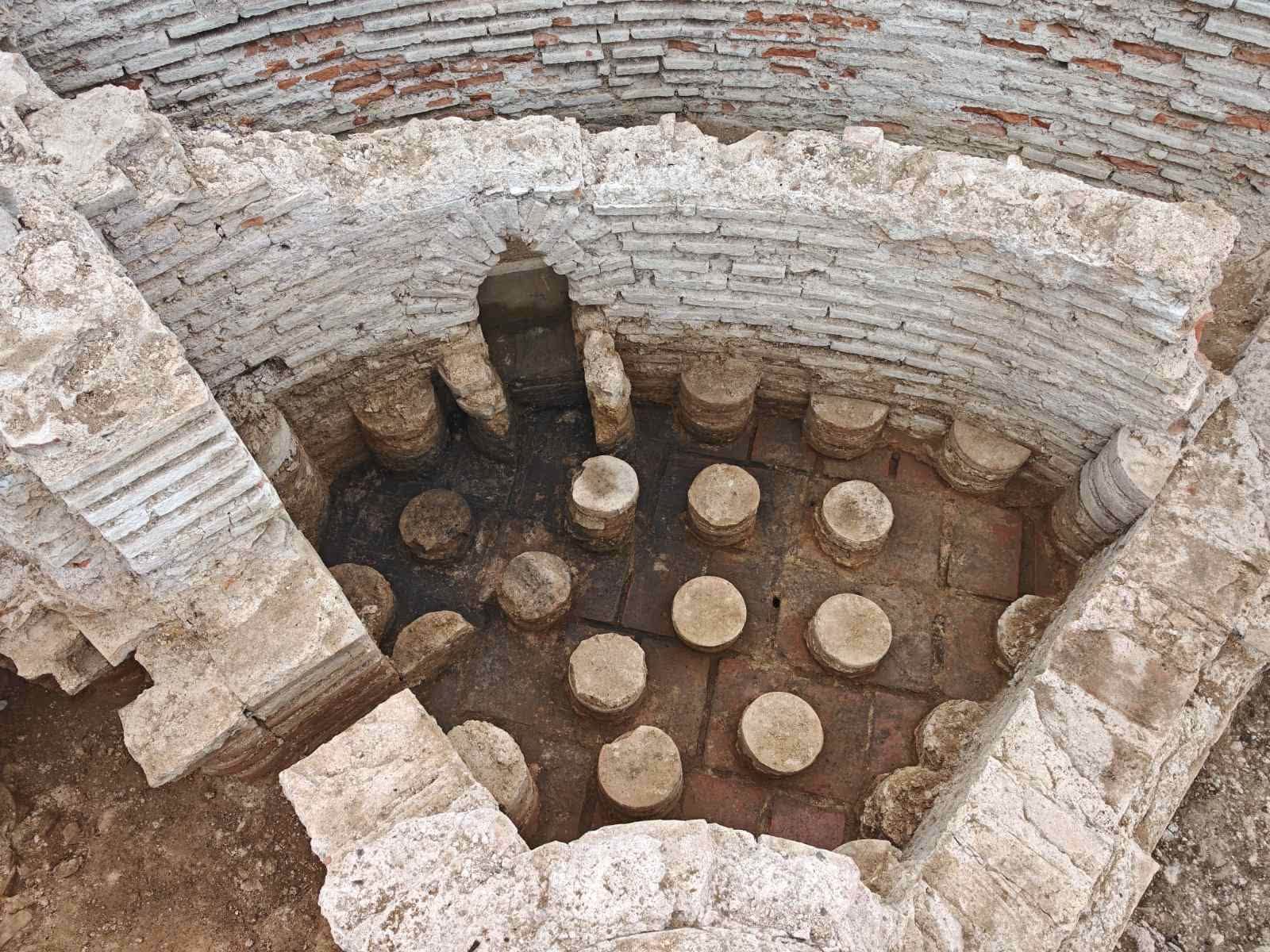
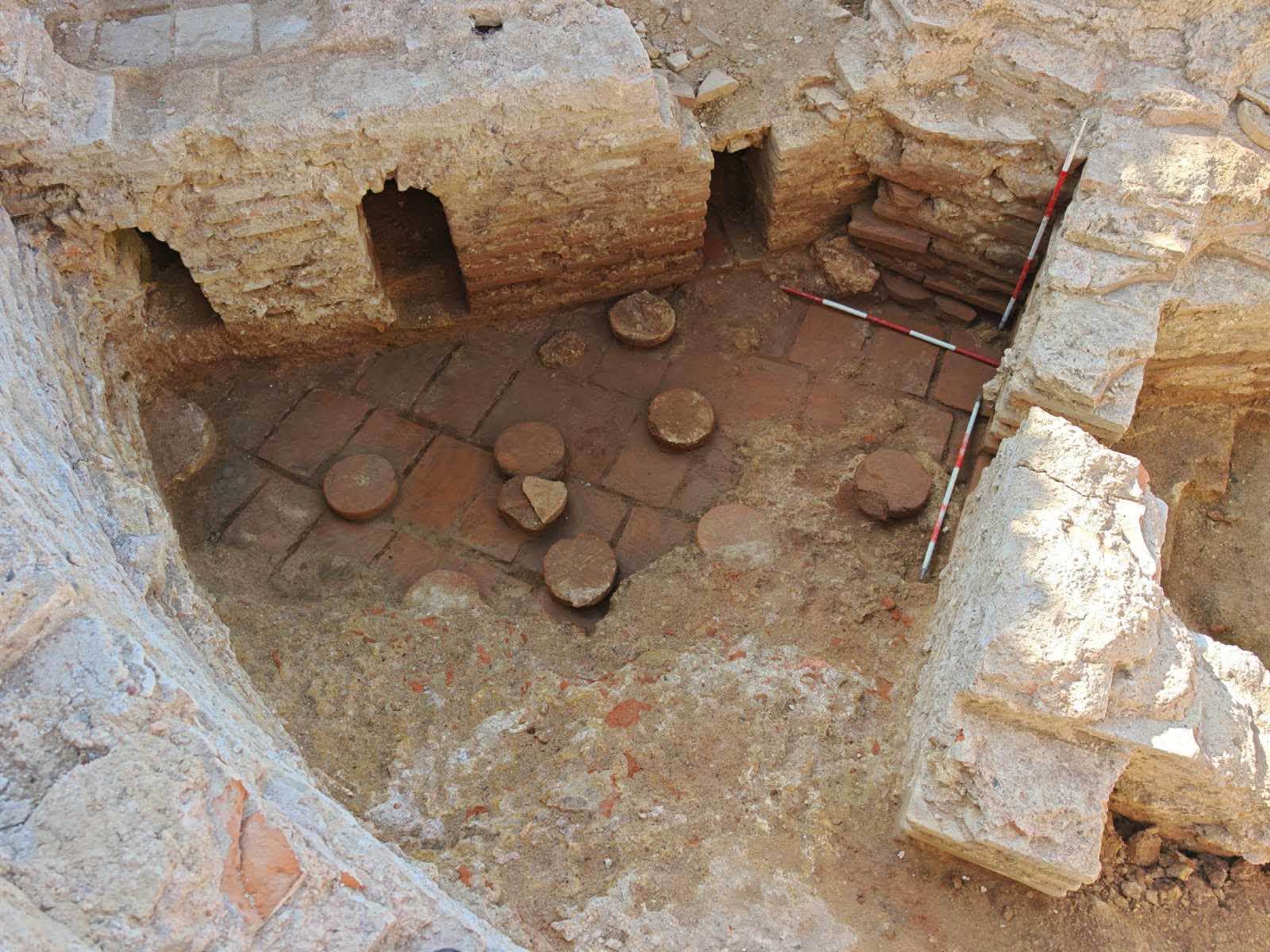
The staff responsible for maintaining the bath and fueling the praefurnium accessed the technical section of the tower from the western side through a monumental entrance, ensuring that the service area was separated from the part of the balneum used by the residence’s inhabitants. The other section of the bathhouse, on the other hand, was intended for bathing, rest, and recreation: three baths have been identified so far, in addition to a sudatorium, a room that served as a steam bath. Together with the fully preserved hypocaust system, the praefurnium, and the boiler room, these findings allow for an extremely detailed reconstruction of the technical system and how the bathhouse was used.
An organization of this type demonstrates that this was not merely a space intended for hygiene, but rather a private bath designed with great care for high-status individuals associated with the residence, in which architectural design, technical infrastructure, and comfort formed a unique and sophisticated functional whole.
Despite the extraordinary state of preservation, the Šarkamen balneum raises numerous questions for researchers that remain unanswered. One of the most significant concerns how the imperial bath was accessed directly from the palace: the entrance on the eastern side is connected to the paved corridor of the residence, but how the difference in elevation was overcome and access to the balneum was organized has not yet been clarified. Furthermore, the question regarding the tower’s monumental western entrance and its relationship to the technical section of the bath remains open, while the precise function of all the identified rooms has yet to be accurately determined.
|
| Serbia: A Hidden Imperial Bathhouse Discovered in a Roman Tower |
Warning: the translation into English of the original Italian article was created using automatic tools. We undertake to review all articles, but we do not guarantee the total absence of inaccuracies in the translation due to the program. You can find the original by clicking on the ITA button. If you find any mistake,please contact us.