



by Redazione 08/09/2026



Categories: Art and artists / Disclaimer
The 2026 Praemium Imperiale goes to Jenny Holzer for painting, Andy Goldsworthy for sculpture, Daniel Libeskind for architecture, Herbert Blomstedt for music, and Cate Blanchett for theater/film. The Young Artists Fellowship was awarded to La Source Garouste.


The Japan Art Association announced today, September 8, 2026, the winners of the 37th Praemium Imperiale, the international award established in 1988 to honor individuals who have had a significant influence on the art world. The announcement was made simultaneously in Tokyo, Paris, Rome, Berlin, New York, and London. The recipients of the award are Jenny Holzer (United States of America) for painting, Andy Goldsworthy (United Kingdom) for sculpture, Daniel Libeskind (United States of America, born in Poland) for architecture, Herbert Blomstedt (Sweden, born in the United States of America) for music, and Cate Blanchett (Australia) for theater/film.
The five winners were selected for their achievements in their respective fields, their international influence, and their contributions to the global community through their work. Each will receive a prize of 15 million yen, equivalent to approximately 81,000 euros, along with a certificate and a medal. The award ceremony will be held in Tokyo on October 28 and will be presided over by Prince Hitachi, Honorary Patron of the Japan Art Association.



The Winners
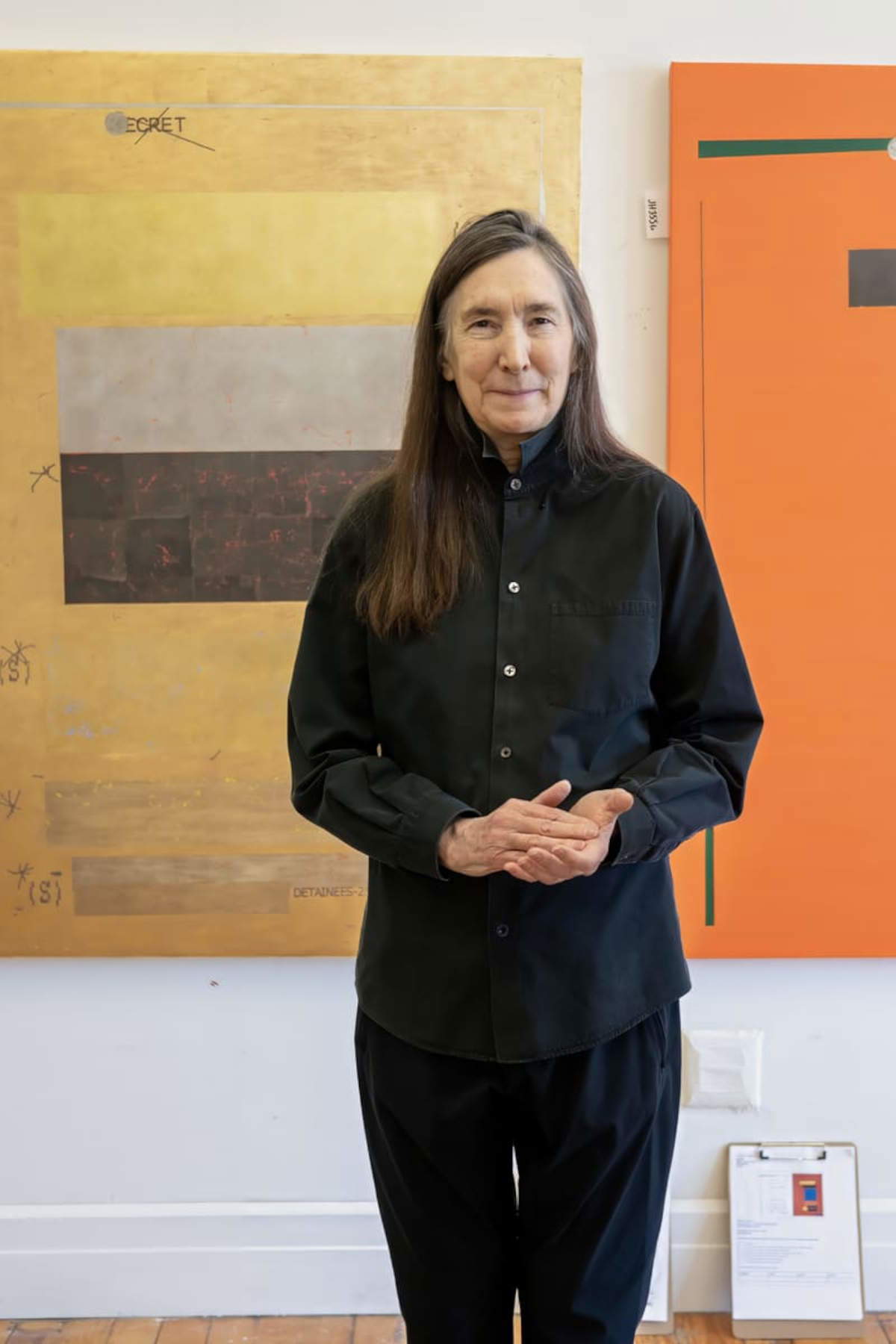
In the category of painting, the winner is Jenny Holzer, an American artist who has placed language in public space at the center of her practice. Posters, light projections, electronic signs, engravings, and installations are some of the tools through which Holzer has developed a practice centered on the possibilities of the word and its relationship with places and the public. Throughout her career, she has presented her work in international settings, including Times Square, the Venice Biennale, the Guggenheim, and the Louvre Abu Dhabi. The themes addressed in her works include power, war, violence, memory, and human rights.
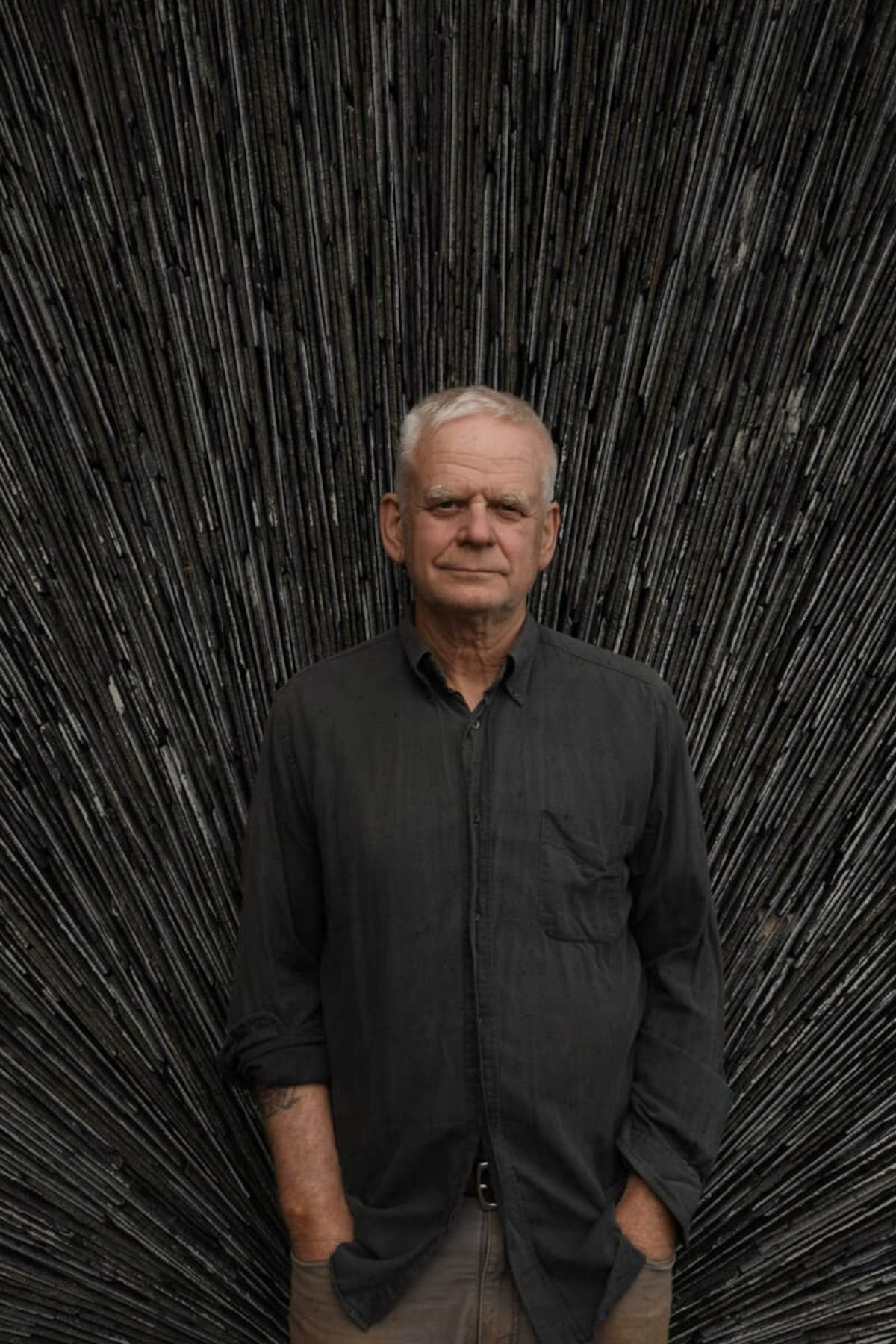
The sculpture prize, meanwhile, goes to British artist Andy Goldsworthy, one of the leading figures in contemporary sculpture. His practice encompasses installations as well as ephemeral and monumental works, often created in direct relation to the environment. The artist’s work focuses on the relationship between humans, nature, the landscape, and the passage of time. Alongside works destined to transform or disappear, Goldsworthy has also created permanent installations now housed in major international institutions, from the National Gallery of Art in Washington to the Storm King Art Center.
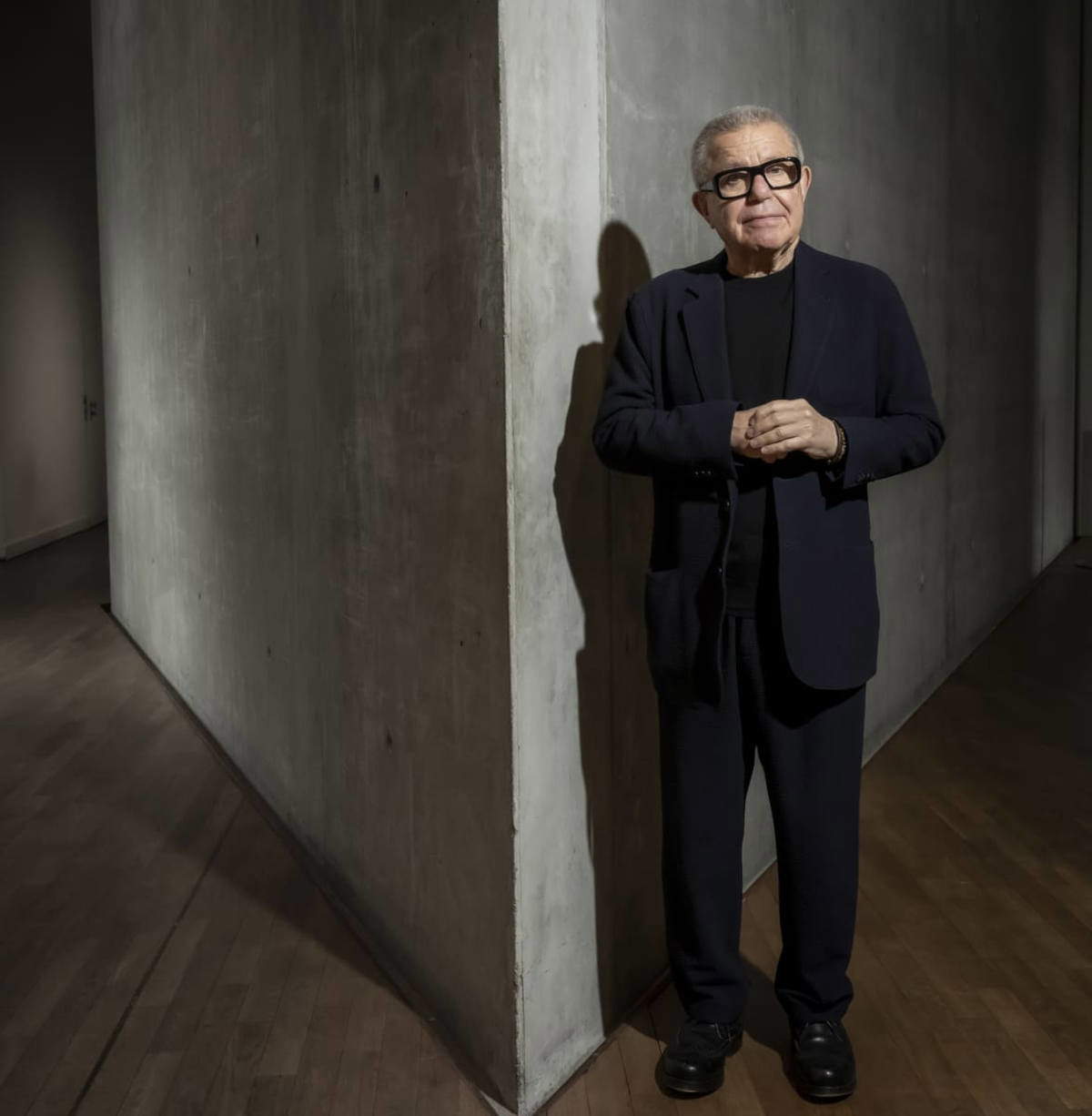
In the field of architecture, the award was presented to Daniel Libeskind, a Polish-born, naturalized U.S. architect and a leading figure in contemporary architecture. His work is characterized by a particular focus on historical memory, which is reflected in buildings recognizable for their distinctive angles and innovative spatial compositions. Throughout his career, Libeskind has received numerous international awards, including the Goethe Medal, the Hiroshima Art Prize, and the Dresden Peace Prize.
The Praemium Imperiale for Music was awarded to Herbert Blomstedt, a Swedish conductor born in the United States. His career has been characterized by a combination of analytical rigor, fidelity to the score, expressive intensity, and attention to the human dimension of interpretation. Blomstedt made his debut in 1954 with the Royal Stockholm Philharmonic Orchestra and, over the course of his long career, has conducted major orchestras, including the Staatskapelle Dresden, the San Francisco Symphony, and the Leipzig Gewandhaus Orchestra.

In theater and film, the award went to Australian actress Cate Blanchett, a performer in film, theater, and television. She gained international fame with the 1998 film *Elizabeth*, followed by a career built on a variety of roles and productions. Blanchett, considered a particularly versatile performer, has received two Academy Awards and numerous other honors. She is also a global ambassador for UNHCR.

The Praemium Imperiale
The Praemium Imperiale was established in 1988, on the occasion of the Japan Art Association’s centennial, to honor the memory of the late Prince Takamatsu, who had served as the Association’s Honorary Patron for 58 years. The prize, often referred to as the “Nobel Prize for the Arts,” is awarded annually to individuals or groups whose achievements have had a profound international influence in their respective fields. The five categories are painting, sculpture, architecture, music, and theater/film.
With the 2026 edition, the total number of artists honored with the Praemium Imperiale will reach 190. Among the Italian recipients are Umberto Mastroianni, Federico Fellini, Arnaldo Pomodoro, Gae Aulenti, Renzo Piano, Luciano Berio, Giuliano Vangi, Mario Merz, Claudio Abbado, Enrico Castellani, Maurizio Pollini, Sophia Loren, Cecco Bonanotte, Michelangelo Pistoletto, Giuseppe Penone, Riccardo Muti, and Giulio Paolini.
The Japan Art Association
The Japan Art Association, Japan’s oldest cultural foundation, was established in 1887. The Association organizes art exhibitions and manages the Ueno Royal Museum, located within Ueno Park in Tokyo. The position of Honorary Patron has historically been held by members of the Imperial Household: initially by Prince Arisugawa and, since 1987, by Prince Hitachi, the younger brother of Emperor Emeritus Akihito.
The Praemium Imperiale was thus established to fulfill the wish of Prince Takamatsu (1905–1987) to “contribute to the appreciation and promotion of the world’s cultures and arts.” The selection process involves the annual participation of special nomination committees, chaired by the Prize’s international advisors, who submit lists of candidates in the five disciplines. The final decision rests with the selection committees of the Japan Art Association, which select one winner for each category. The decisions are then submitted to the Association’s Board of Directors for approval.
The 2026 edition also marks a change in the composition of the International Council members. During the press conference on September 8, Lamberto Dini, former Prime Minister of Italy and International Council member for Italy, and Jean-Pierre Raffarin, former Prime Minister of France, announced the official conclusion of their respective terms. Paolo Gentiloni, former Prime Minister of Italy, and Patricia Barbizet, President of AFEP, were introduced as the new international council members for Italy and France, respectively.
The other International Council members currently appointed by the Japan Art Association are Klaus-Dieter Lehmann, former President of the Goethe-Institut, for Germany, Lord Patten of Barnes, former Chancellor of the University of Oxford, representing the United Kingdom; and Hillary Rodham Clinton, former U.S. Secretary of State, representing the United States. The outgoing international council members, François Pinault, President of the Pinault Foundation of Contemporary Art, and David Rockefeller Jr., entrepreneur and philanthropist, will continue to support the Praemium Imperiale in their roles as honorary council members. The awards ceremony, which will take place in Tokyo under the patronage of Prince and Princess Hitachi, is one of the highlights of Japan’s cultural calendar.
As in previous years, alongside the five main prizes, the Praemium Imperiale Scholarship for Young Artists was also awarded. Established in 1997, the scholarship aims to support and encourage the next generation of artists, in line with the objectives of the Japan Art Association. For 2026, the award went to La Source Garouste, a French association dedicated to developing new talent.
The announcement and presentation of the scholarship took place on September 8 in Paris, during a press conference chaired by outgoing International Council Member Jean-Pierre Raffarin and new International Council Member Patricia Barbizet. La Source Garouste received a certificate and a grant of 5 million yen, approximately 27,000 euros.
The scholarship is intended for promising young artists or organizations that actively contribute to the training and development of new talent. Candidates may be professional artists or those still in training. On a rotating basis, each International Council Member, after consulting with their committee, selects the scholarship recipient and submits the name to the Japan Art Association, which has the final say in approval. The award is presented concurrently with the announcement of the Praemium Imperiale in the country of the Council Member responsible for the nomination.
Over the years, the Scholarship has supported organizations and artistic initiatives in various countries, including Vietnam, Cuba, Venezuela, Benin, Myanmar, Malaysia, Lebanon, and Indonesia. Previous Italian recipients include the Advanced Training School of the Central Institute for Restoration, the JuniOrchestra of the National Academy of Santa Cecilia, the Italian Youth Orchestra, and De Sono Association for Music.
|
| The 2026 “Oscars of the Arts”: Praemium Imperiale Winners Announced |
Warning: the translation into English of the original Italian article was created using automatic tools. We undertake to review all articles, but we do not guarantee the total absence of inaccuracies in the translation due to the program. You can find the original by clicking on the ITA button. If you find any mistake,please contact us.