




by Redazione 05/09/2026



Categories: Cinema, theater and TV / Disclaimer
Andrea Pallaoro is the winner of the 2026 Mimmo Rotella Foundation Award for *The Echo Chamber*. The award was presented at the Peggy Guggenheim Collection in Venice as part of the 83rd Venice International Film Festival.


Andrea Pallaoro is the winner of the 2026 Mimmo Rotella Foundation Award for *The Echo Chamber*. The award was presented on Friday, September 4, at the Peggy Guggenheim Collection in Venice, duringthe 83rd VeniceInternational Film Festival. The ceremony took place in the Sculpture Garden and on the terrace of Palazzo Venier dei Leoni, once again bringing together cinema and the visual arts in the spirit of Mimmo Rotella. Now in its twenty-fifth edition, the award continues to explore the boundary between cinematic imagery and artistic exploration that defines its identity.
The film, directed by Andrea Pallaoro and starring Luca Marinelli, Alicia Vikander, and Susan Sarandon, tells a love story in which the boundaries between presence and absence, care and dependence, desire and control blur until they dissolve. Leo and Anne chase each other, brush against each other, lose each other, and search for one another. They cannot bring themselves to part ways or break free. Ava’s voice echoes through the rooms, transcending time and bringing to the surface what endures—or what can no longer be held back.
What convinced the jury was the unique visual concept developed by Andrea Pallaoro in *The Echo Chamber*. In the film, cinema transcends its traditional role as a narrative tool and becomes a true visual experience, in which aesthetics and artistic exploration become an integral part of the story.


The director’s work stands out for its use of imagery, in which space, light, bodies, silences, and composition take on a central role. These are not merely elements serving the story, but contribute directly to the construction of a cinematic universe capable of engaging in dialogue with painting and other forms of visual art. It is precisely this relationship between different languages that brings Pallaoro’s artistic exploration closer to the artistic legacy of Mimmo Rotella. Throughout his career, Rotella made the imagery of the twentieth century a medium to be explored, manipulated, and reinvented, finding an inexhaustible source of images in movie posters, the faces of stars, and cinema icons.
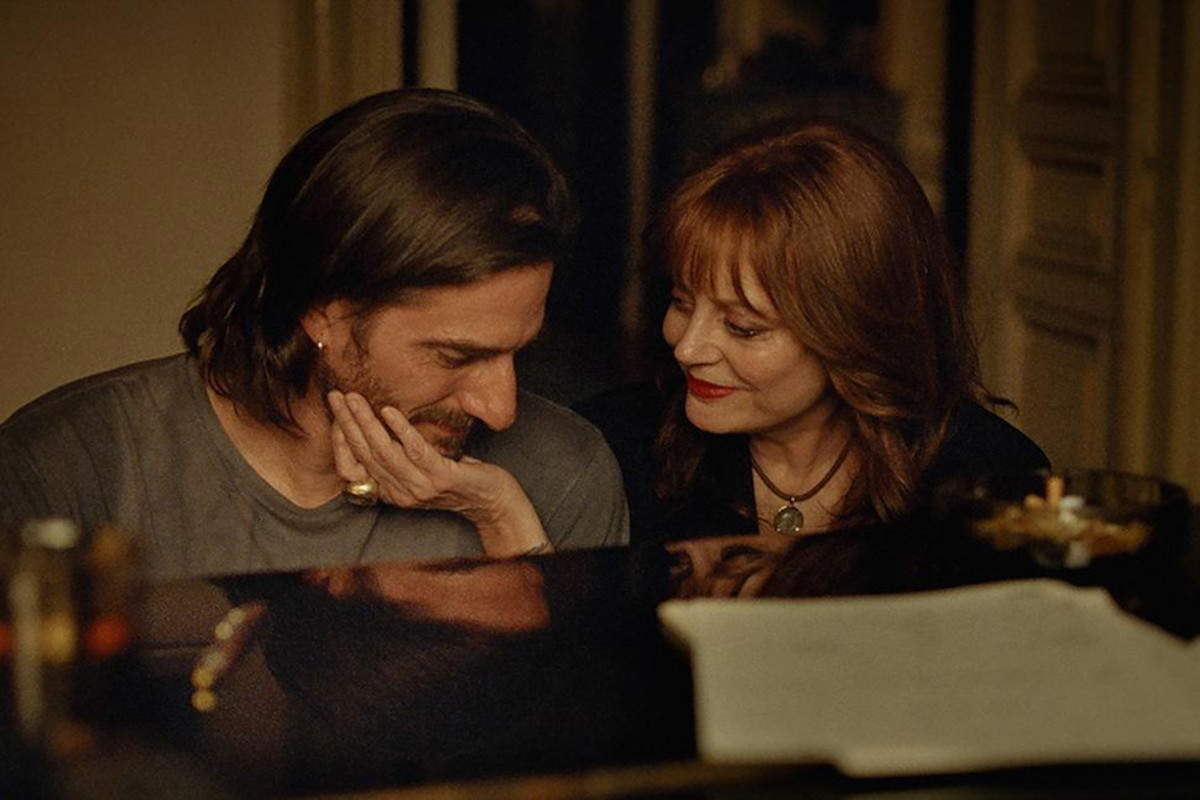

The citation for the award highlights how *The Echo Chamber* succeeds in transforming the language of cinema into expressive material and genuine artistic exploration. The parallel with Rotella also lies in the way the image is viewed. While the artist, using the décollage technique, intervened on the surface of posters by tearing and layering them to bring out new meanings, Pallaoro instead uses the tools of cinema to go beyond what appears on the surface.
Faces, bodies, environments, and human relationships thus become the subject of an inquiry that goes beyond mere representation. The frame takes on an almost painterly dimension, while duration and cinematic time are transformed into a medium through which to observe and interrogate the human condition. In *The Echo Chamber*, therefore, cinema and visual art do not follow separate paths, but rather converge and nourish one another. Formal experimentation becomes a tool for exploring anxieties, relationships, and the profound dimensions of human experience.
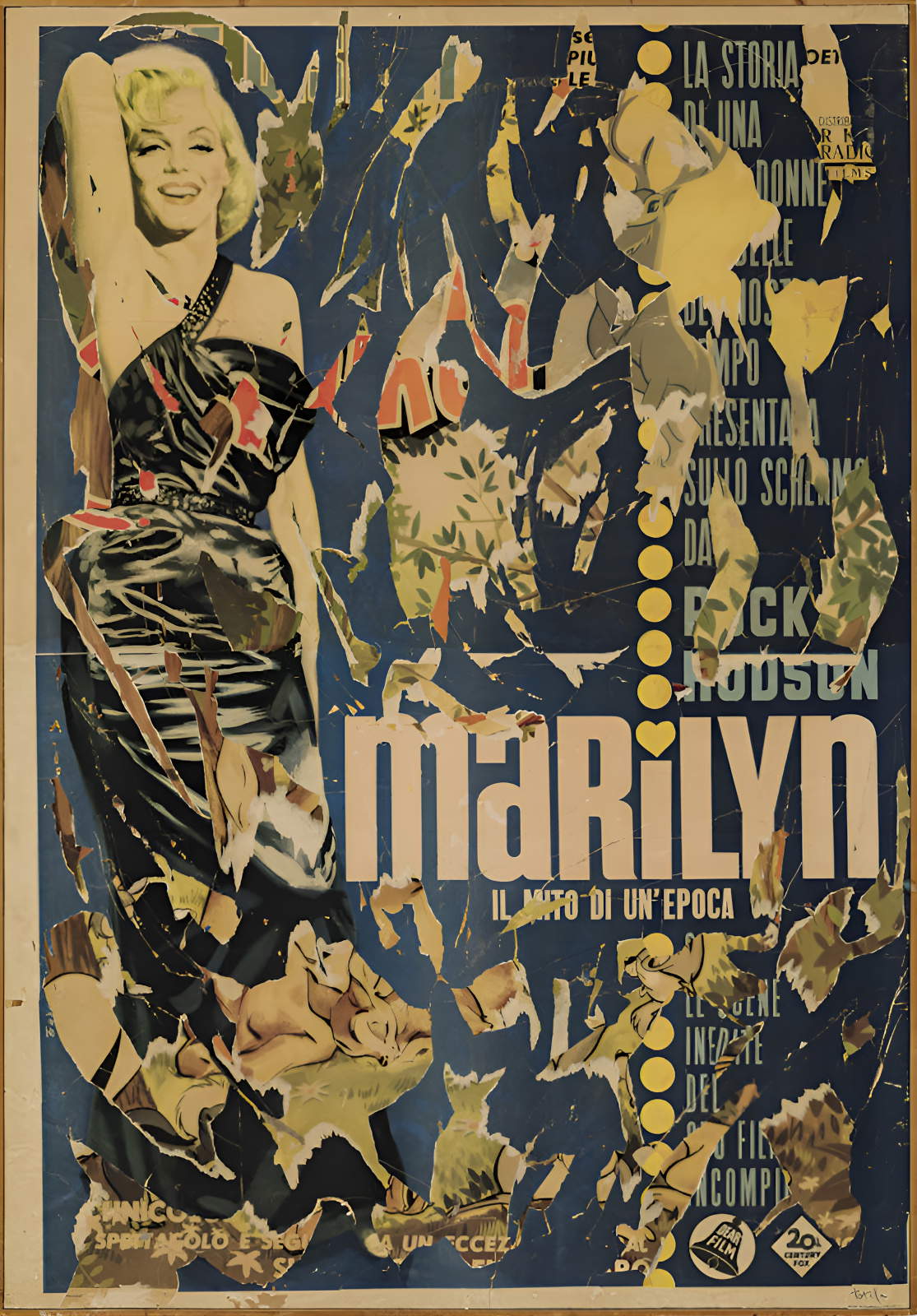
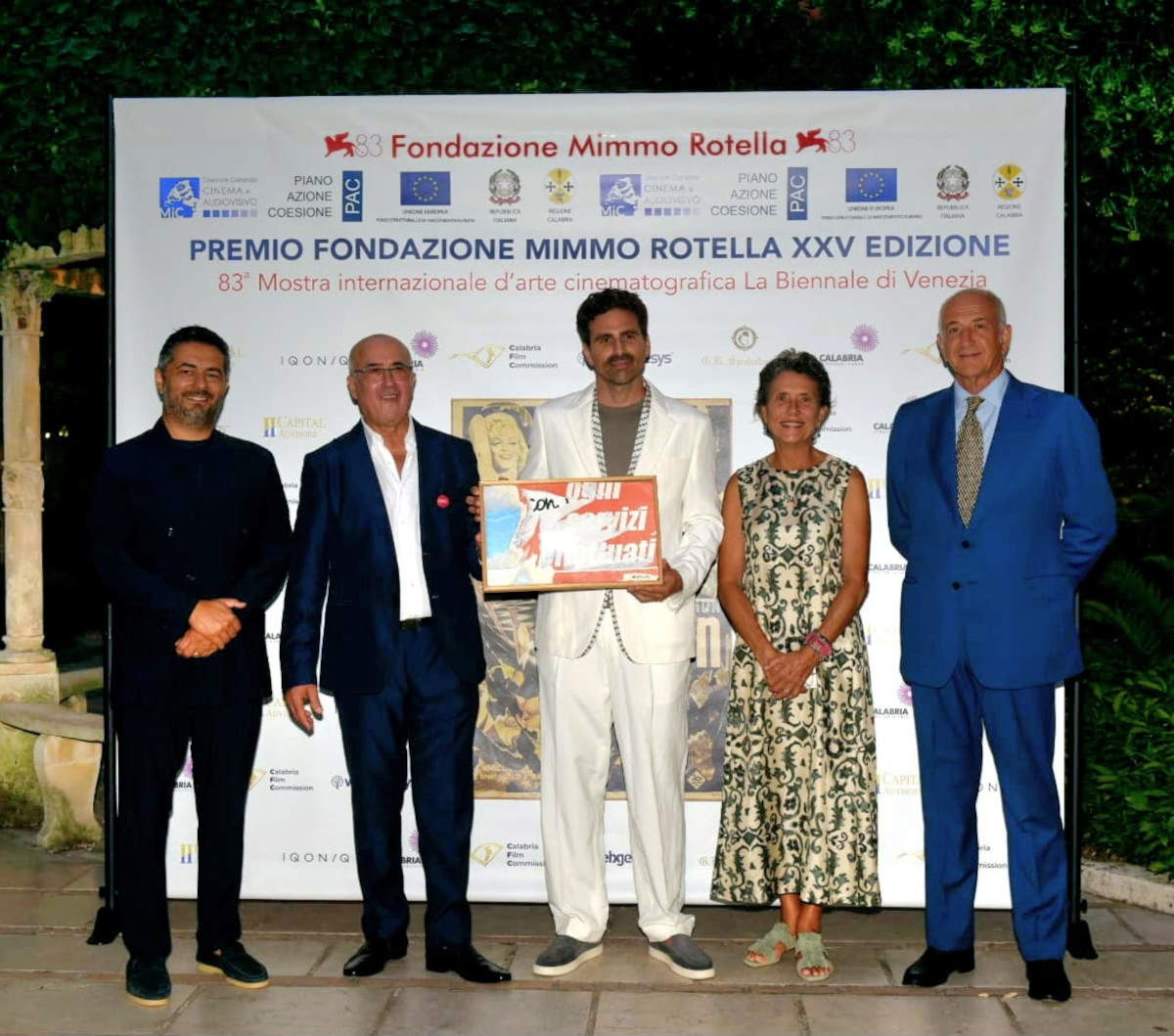
The Mimmo Rotella Foundation Award recognizes precisely this ability to understand cinema as an artistic as well as a narrative act, transforming the image into a space for exploration, beauty, and unease.
“What fascinates me most about an image is what isn’t immediately visible to the eye—what remains hidden or off-screen: a wound, an absence, something that invites the viewer to complete it with their own gaze,” said Andrea Pallaoro, describing the connection between his work and that of Mimmo Rotella. “It is this same tension that I find in the work of Mimmo Rotella, in his desire to go beyond the surface to bring out what the image holds back and transforms, allowing new meanings to emerge. Receiving an award that bears his name is a great honor for me.”
The Mimmo Rotella Foundation Award was established in 2001 based on an idea by Mimmo Rotella himself, developed in collaboration with Paolo De Grandis and Pierre Restany. Since then, the award has been presented annually to individuals who have offered an original interpretation of the relationship between cinema and the visual arts. Since 2014, Gianvito Casadonte has served as artistic director. Over the course of its twenty-five editions, the Award has brought numerous leading figures in international film and art culture to Venice. Among the honorees are Hayao Miyazaki, Jude Law, Ai Weiwei, Michael Caine, George Clooney, Julian Schnabel, Willem Dafoe, Donald Sutherland, and Mick Jagger. Italian cinema has also played a significant role in the history of the award. Among the artists and filmmakers who have received the award are Paolo Sorrentino, Ascanio Celestini, Toni Servillo, Mario Martone, Marco Bellocchio, Fabio Grassadonia, Antonio Piazza, Elio Germano, and Antonia Truppo.
In 2025, the Mimmo Rotella Foundation Award was once again presented to Paolo Sorrentino for *La Grazia*. For the director, this marked a return to the award, nine years after receiving it in 2016 alongside Jude Law for *The Young Pope*. With Andrea Pallaoro and *The Echo Chamber*, the award thus continues its exploration of the relationship between cinema and the visual arts, reaffirming in Venice the original purpose of an award named after an artist who made the cinematic image one of the fundamental elements of his own artistic practice.
|
| Andrea Pallaoro Wins the 2026 Mimmo Rotella Foundation Prize for *The Echo Chamber* |
Warning: the translation into English of the original Italian article was created using automatic tools. We undertake to review all articles, but we do not guarantee the total absence of inaccuracies in the translation due to the program. You can find the original by clicking on the ITA button. If you find any mistake,please contact us.