



by Redazione 05/11/2026


Categories: Contemporary art / Disclaimer
On Colle San Pietro, in Monforte d’Alba, in a forest surrounded by vineyards, the Vezza Foundation—a new center for contemporary art—will be established. The first works, by Kathleen Ryan and Alessandro Pessoli, will be unveiled in September 2027.
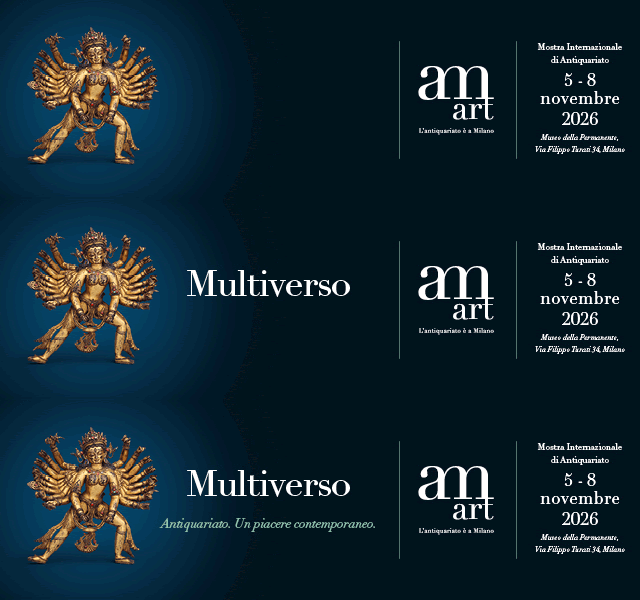

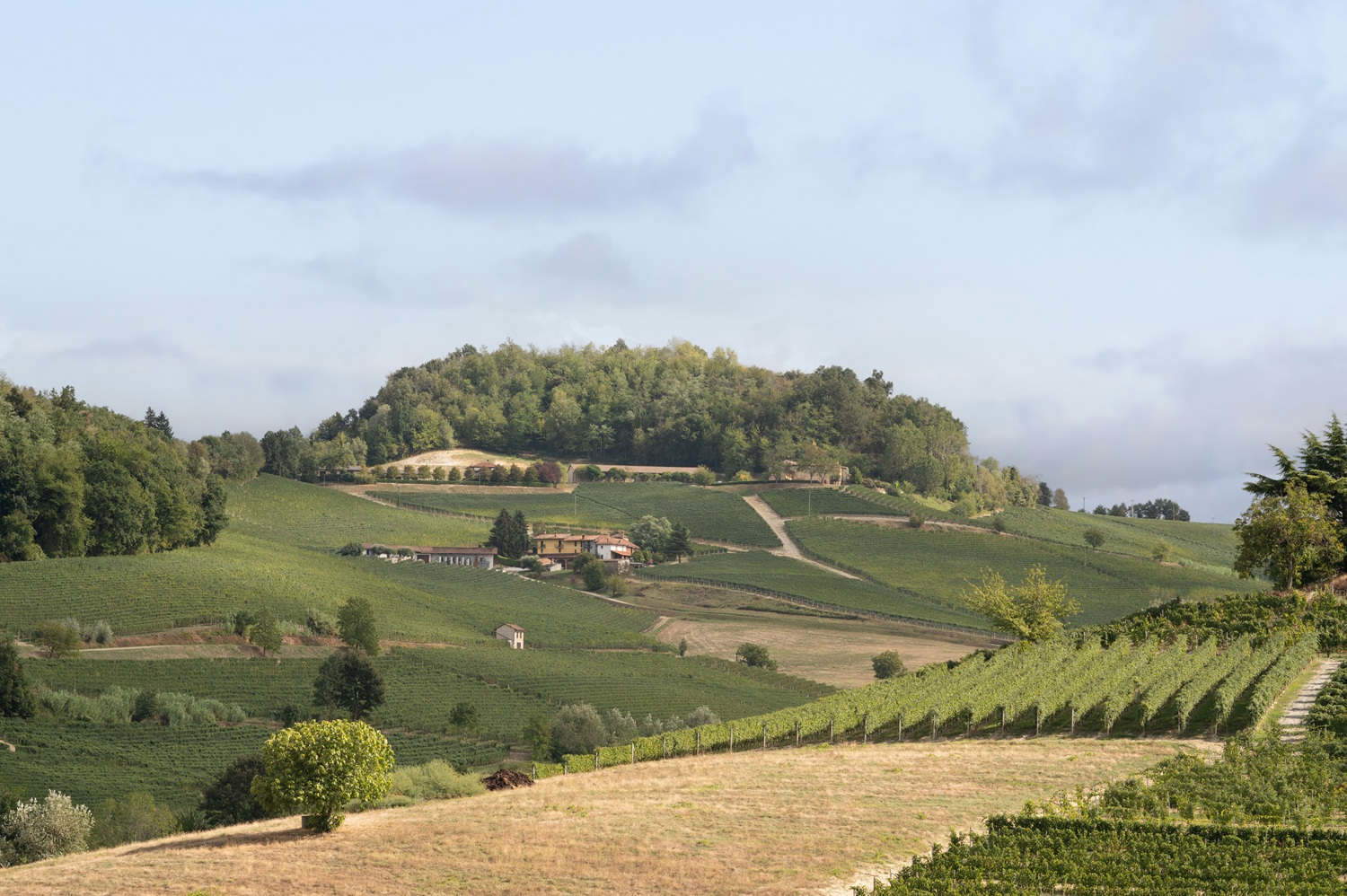
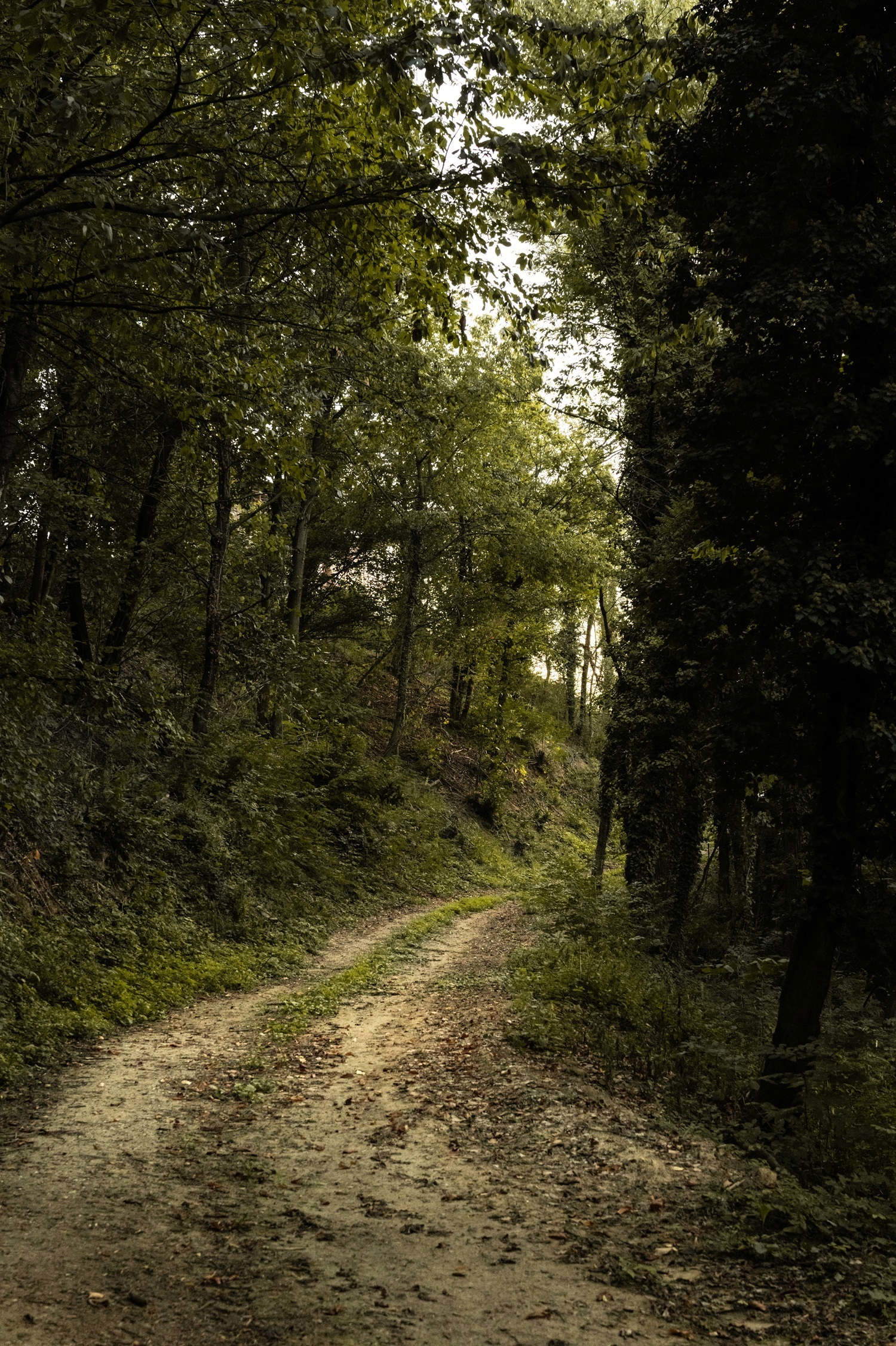
In 1014, a papal bull issued by Pope Benedict VIII recorded the existence of a small religious community on a hill in the Langhe: the cellam Sancti Petri. This is the first documented mention of the Monastery of San Pietro in Monforte d’Alba (Cuneo), of which only ruins remain today. All around, the hillsides are covered with vineyards—mostly Nebbiolo grapes destined for Barolo—that belong to the Bricco San Pietro cru, within the area recognized by UNESCO as part of the Wine-growing Landscapes of Piedmont: Langhe-Roero and Monferrato. But at the summit, in a landscape shaped almost entirely by human hands, a forest survives that has retained its natural character, growing according to its own dynamics and in contrast to the orderly geometry of the vineyard rows.


It is on this hill that Sandra and Charley Vezza decided to establish the Vezza Foundation, a new institution dedicated to contemporary art, directed by Flavio Del Monte, which will open next year. The project, the founders explain, stems first and foremost from a desire to care for a place and make it accessible, while preserving its identity. The opening is scheduled for September 2027, with the first two works created by Kathleen Ryan (Los Angeles, 1984) and Alessandro Pessoli ( Cervia, 1963).


Before considering the artworks, the Vezza family chose to start with what the hill already possesses: the hill was, in fact, studied from architectural, archaeological, and botanical perspectives to understand the characteristics of the forest and vegetation, the historical evidence, and the relationships between the different parts of the territory. The stated goal is to make the site accessible without compromising its character: the woods, trails, trees, and ruins—in the Foundation’s vision—will not serve as a staged backdrop for art, but will be the true protagonists of an experience that the artworks are intended to enrich.

The hill has a long and layered history: in the 13th century, San Pietro and San Giovanni were linked to the Abbey of Ferrania, while in 1458 the properties passed to the Bishopric of Alba and later to the Seminary’s estate. Between the late 17th and early 18th centuries, the complex was likely restored and transformed into a summer residence for the bishops. This was followed by a long period dominated by agricultural use and several changes in ownership, until a gradual decline began between the 19th and 20th centuries. In 1919, the chapel—by then deconsecrated—was described as “diruta,” meaning in ruins, and neglect over the course of the century transformed San Pietro into the ruin it remains today.
The restoration and stabilization of the ruins were entrusted to architect Salvatore Simonetti and the firm Simonetti Architettura, who have previously worked on the restoration of the Castles of Cannero on Lake Maggiore and the stone flooring of the Church of the Holy Sepulchre in Jerusalem. The Foundation presents the project as a way to respect the site’s historical layers, preserve its heritage, and guide its transformation.
The artistic program will be built upon this foundation. The Foundation defines itself as an open and evolving project, intended to grow gradually: each year, one or more artists—both Italian and international—will be invited to engage with Colle San Pietro, its woods, trails, existing architecture, and history. Over the course of about ten years, the works should form a journey capable of transforming itself without erasing the site’s original character. The invitation to the artists, the Foundation clarifies, will not be to simply place a work in a space, but to get to know it, traverse it, and understand how their own artistic language can engage with it.
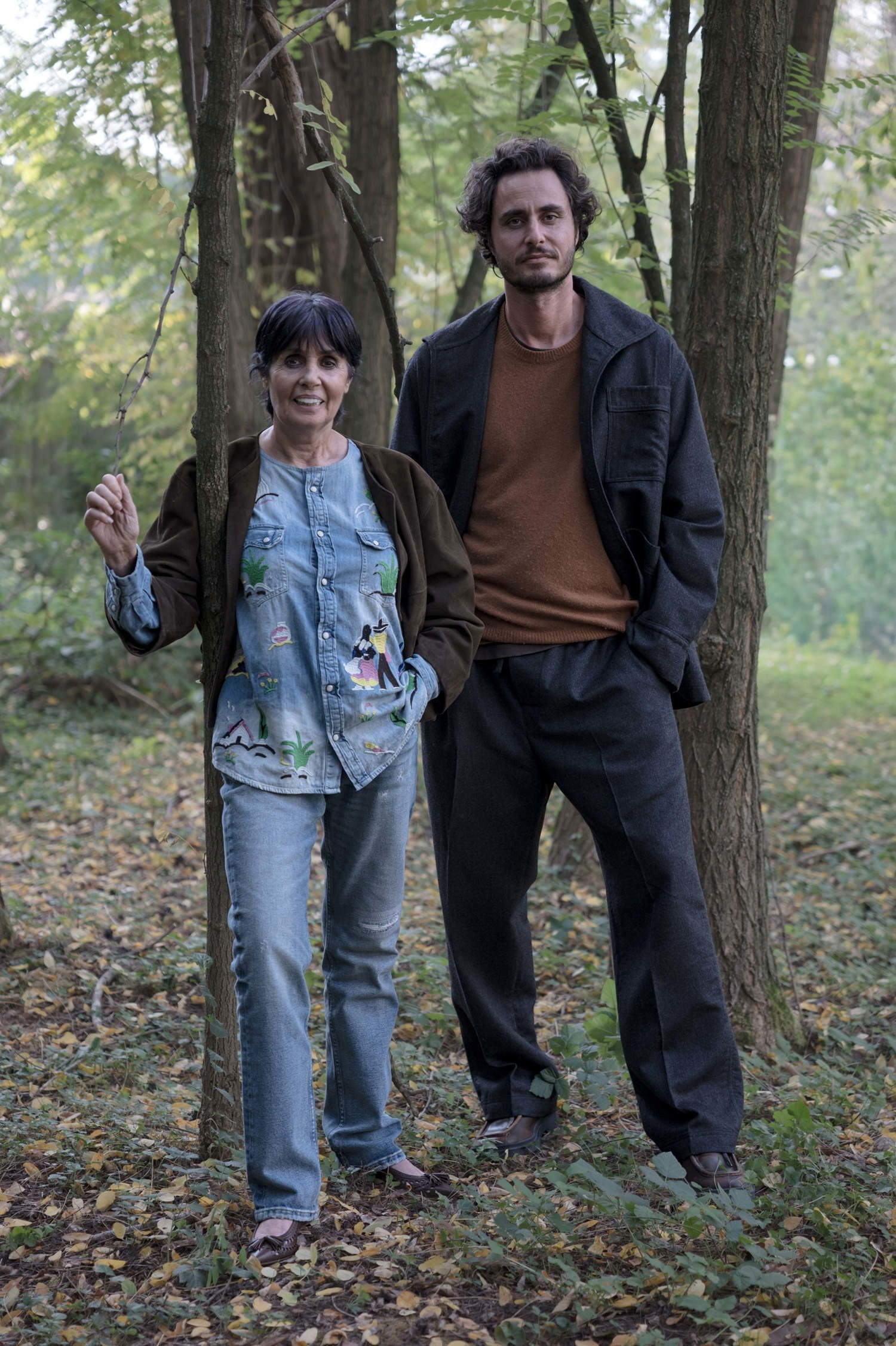
The task of translating this vision into a program falls to Flavio Del Monte, chosen by the Vezzas to lead the institution and guide its artistic development. According to the press release, his leadership will balance deep roots in the Langhe with an international perspective, with dialogue with artists as a defining feature. The expected result is a recognizable artistic trajectory that expresses a precise vision while remaining open to diverse artistic languages, generations, and backgrounds.
The first two exhibitions reflect this openness: the works of Kathleen Ryan and Alessandro will emerge from an engagement with the site and will be presented at the opening in September 2027, the year in which Alba will be the Italian Capital of Contemporary Art.
According to the Foundation, behind the project lies a sensibility cultivated over time by the Vezza family and a deep connection to the Langhe region. The founders speak of a “taste” understood not merely as an aesthetic preference, but as a visual alphabet and a familiar lexicon that guides their choices, helps them recognize affinities, and directs their dialogue with artists—all within a project where contemporary art engages with the landscape without overshadowing its identity.
The Foundation’s target audience is broad: families, contemporary art enthusiasts, and those encountering it for the first time. The idea is to create an outdoor space to explore—a place where visitors can walk through the woods, follow the trails, observe the changing light and seasons, and encounter the artworks along the way, sometimes unexpectedly, without needing any prior knowledge. Wonder—both that of the natural spectacle and that which can arise from an artist’s gaze—is identified by the founders as one of the keys to the project.
The Vezza Foundation thanks the Municipality of Monforte, the Municipality of Milan, the Galleria d’Arte Moderna in Milan, the Friends of the GAM Milan – ETS, Gagosian Gallery, and Karma.
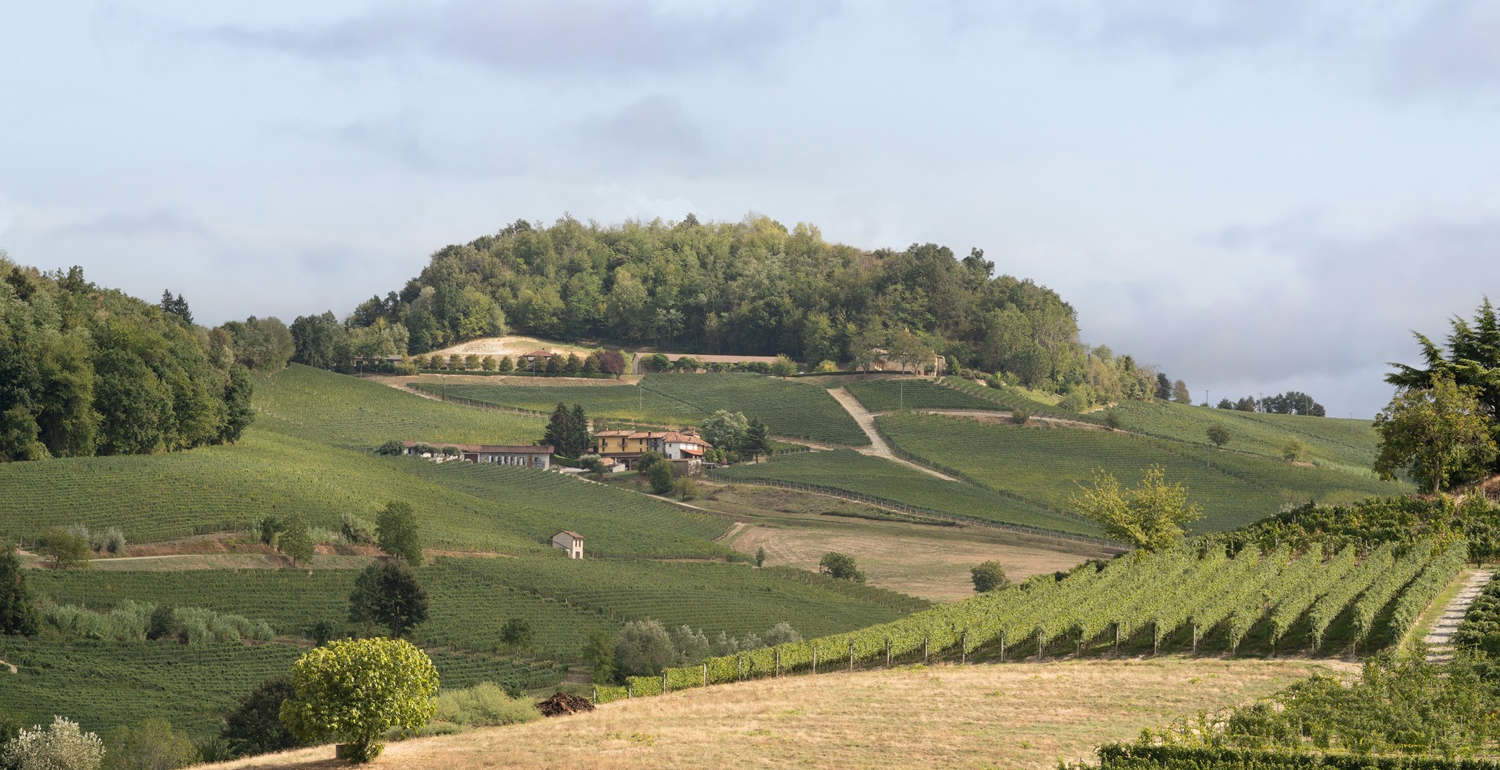 |
| A new contemporary art center will be built in the Langhe, in a forest surrounded by vineyards |
Warning: the translation into English of the original Italian article was created using automatic tools. We undertake to review all articles, but we do not guarantee the total absence of inaccuracies in the translation due to the program. You can find the original by clicking on the ITA button. If you find any mistake,please contact us.